Reviewed by Thrillophilia Leh Ladakh Operations Team
Ladakh tour packages start from INR 18,500 per person and go up to INR 50,000+ for 5 to 10-day trips. These packages cover Ladakh's most popular destinations, including Leh, Nubra Valley, Pangong Lake, Tso Moriri, and Khardung La.
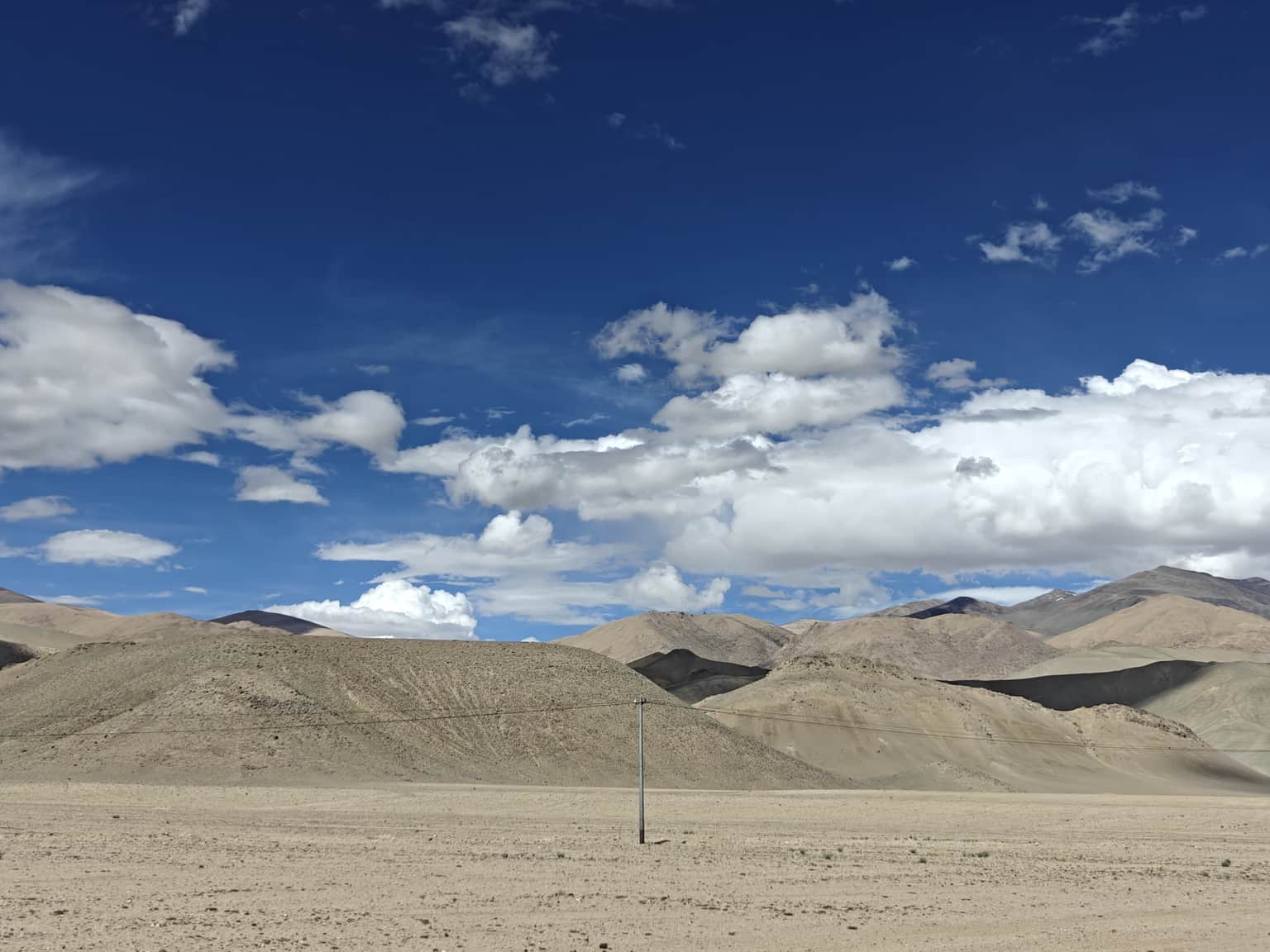
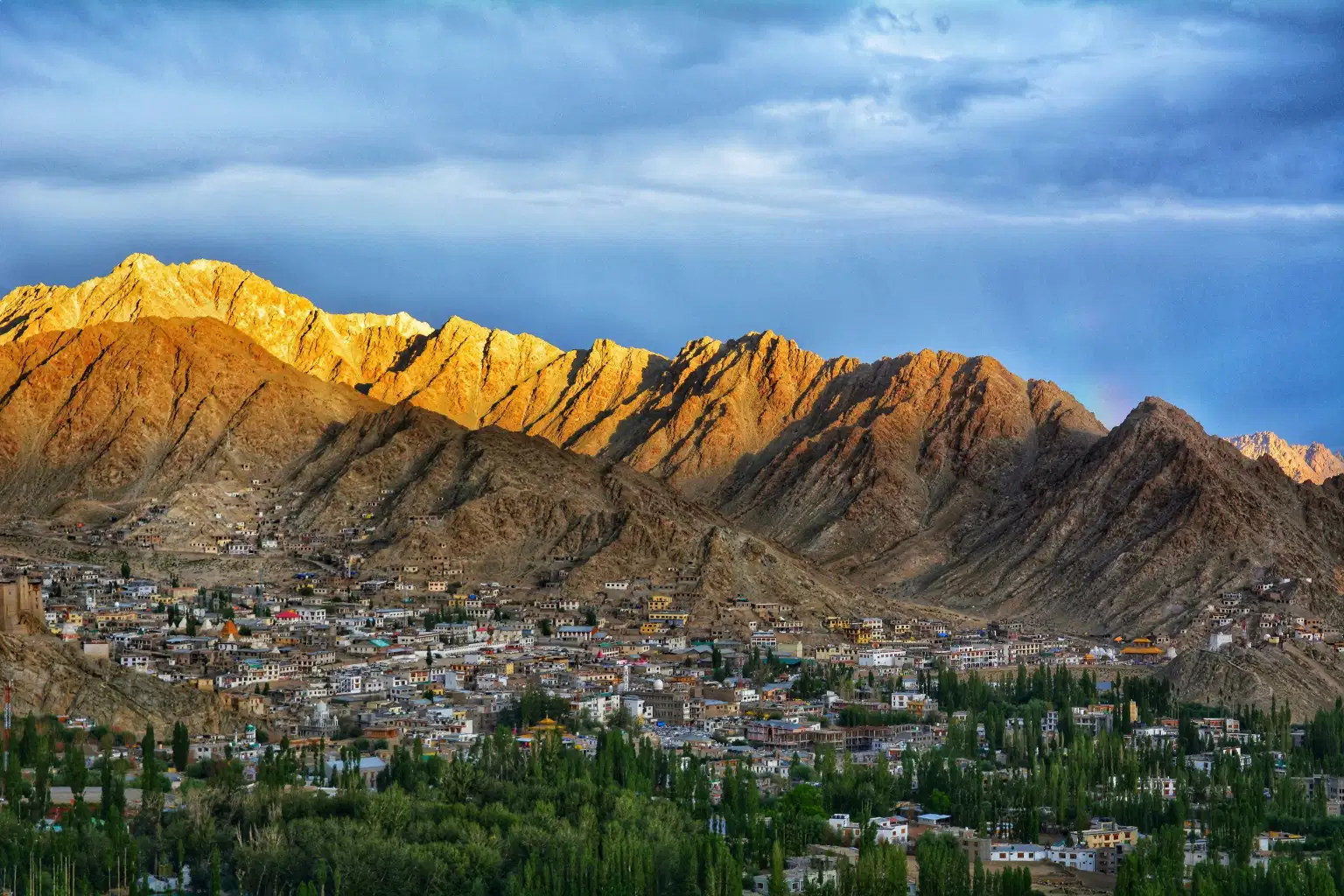
A well-planned Ladakh package can take you from the historic monasteries and local markets of Leh to the sand dunes of Nubra Valley, the blue waters of Pangong Lake, and mountain passes rising above 5,000 metres. Unlike most hill destinations, Ladakh is a high-altitude region where acclimatisation, road conditions, and permit requirements play a major role in how comfortable the journey feels.
At Thrillophilia, we offer 90+ Ladakh packages covering everything from short Leh-Nubra-Pangong journeys (5 to 7 days) to extended ones that include Tso Moriri, Hanle, and adventure experiences such as biking and trekking. Our packages include accommodation, intercity transfers, sightseeing, on-ground assistance, and Inner Line Permits for restricted areas across Ladakh.
Based on our experience of operating 35,000+ Ladakh trips, we have observed that itineraries with proper acclimatisation and realistic travel pacing consistently receive better traveller feedback. This is why our Ladakh packages are designed to balance sightseeing with adequate rest time, letting you explore the region more comfortably while covering its key attractions.
Ladakh Trip Cost Breakdown
|
Budget Ladakh | 5–7 Days | INR 18,500 – INR 40,000 | Students, solo travellers, budget groups | Standard stays, shared transfers, permits, sightseeing |
Mid-Range Ladakh | 6–8 Days | INR 40,000 – INR 70,000 | Couples, families, first-time visitors | 3-star hotels, private transfers, permits, sightseeing |
Luxury Ladakh | 7–10 Days | INR 70,000 – INR 1,20,000+ | Honeymooners and premium travellers | Boutique camps, premium hotels, private SUVs, custom experiences |
Group Departures | 5–8 Days | From INR 18,500 | Solo travellers and friend groups | Shared stays, transfers, permits, trip captain support |
Bike Trips | 6–9 Days | INR 19,000 – INR 55,000 | Adventure travellers | Bike rental (selected packages), permits, support vehicle |
Daily Expense Guide
|
Accommodation Per Night | INR 1,500 – INR 3,000 | INR 4,000 – INR 8,000 | INR 10,000+ | Pangong and Nubra camps cost more than the Leh hotels |
Meals Per Day | INR 500 – INR 1,000 | INR 1,200 – INR 2,500 | INR 3,000+ | Leh offers the widest restaurant options |
Local Transport | INR 500 – INR 1,500 | INR 2,000 – INR 5,000 | INR 6,000+ | Shared taxis are cheaper than private SUVs |
Activities & Entry Fees | INR 500 – INR 2,000 | INR 2,500 – INR 5,000 | INR 6,000+ | Rafting, bike rentals, ATV rides and cultural experiences increase costs |
All prices are per person and based on Ladakh departures operated between April 2024 and March 2026. Flight prices vary separately based on the city of departure and the travel season.
How to Reach Leh Ladakh: Flights, Road and Bike Routes
It is well known that Ladakh lies in remote terrain, and that remains one of its most defining characteristics. However, this remoteness also makes the journey just as important as the destination itself. You will find multiple ways to reach Ladakh, depending on your pace, comfort, and time preferences.
By Flight
Leh’s Kushok Bakula Rimpochee Airport is located just 3.8 km from the city centre and is one of the highest commercial airports in India. If you’re travelling in 2026, then major airlines operating include IndiGo, Air India (including former Vistara routes), and SpiceJet. All provide good connectivity from Delhi, Mumbai, Bengaluru, and Hyderabad with direct and connecting options.
- Delhi to Leh: 1 hour 25 to 1 hour 35 minutes, ranging from INR 5,500 to INR 12,000
- Mumbai to Leh: 2.5 hours (direct/1 stop), ranging from INR 8,000 to INR 18,000
- Bengaluru to Leh: 3 to 4 hours (1 stop), ranging from INR 9,000 to INR 20,000
- Hyderabad to Leh: 3 to 4 hours (1 stop), ranging from INR 8,500 to INR 18,000
Thrillophilia Insight: Cabs are easily available at the airport for transfers. And if you’re travelling with us, airport transfers are a default inclusion.
Pro Tip: Even though flights are the fastest option, the sudden altitude gain requires 24 to 48 hours of acclimatisation upon arrival.
By Road
A road journey to Ladakh is one of the most scenic ways to experience the region, with two primary highways:
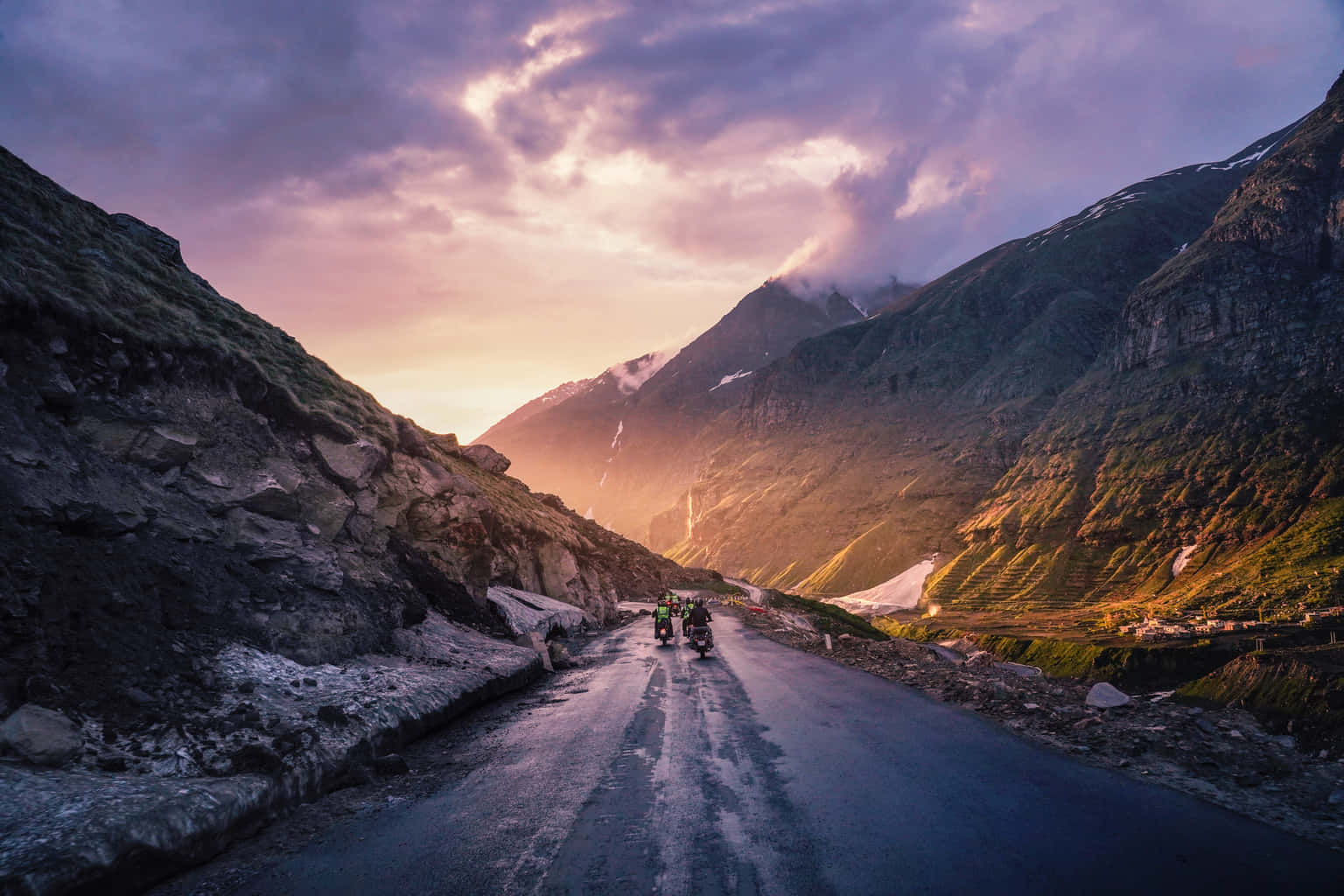
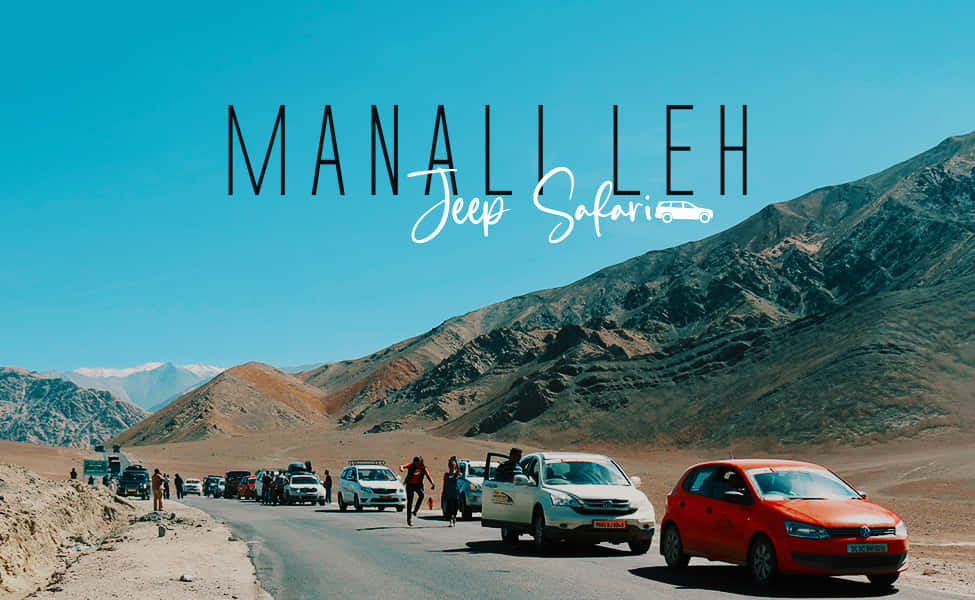
Manali-Leh Highway (473 km): Remains open mid-June to mid-October. Known for high-altitude passes like Rohtang La, Baralacha La, and Tanglang La. Through this, it takes nearly 18 to 20 hours to travel, and you can split it over 2 days.
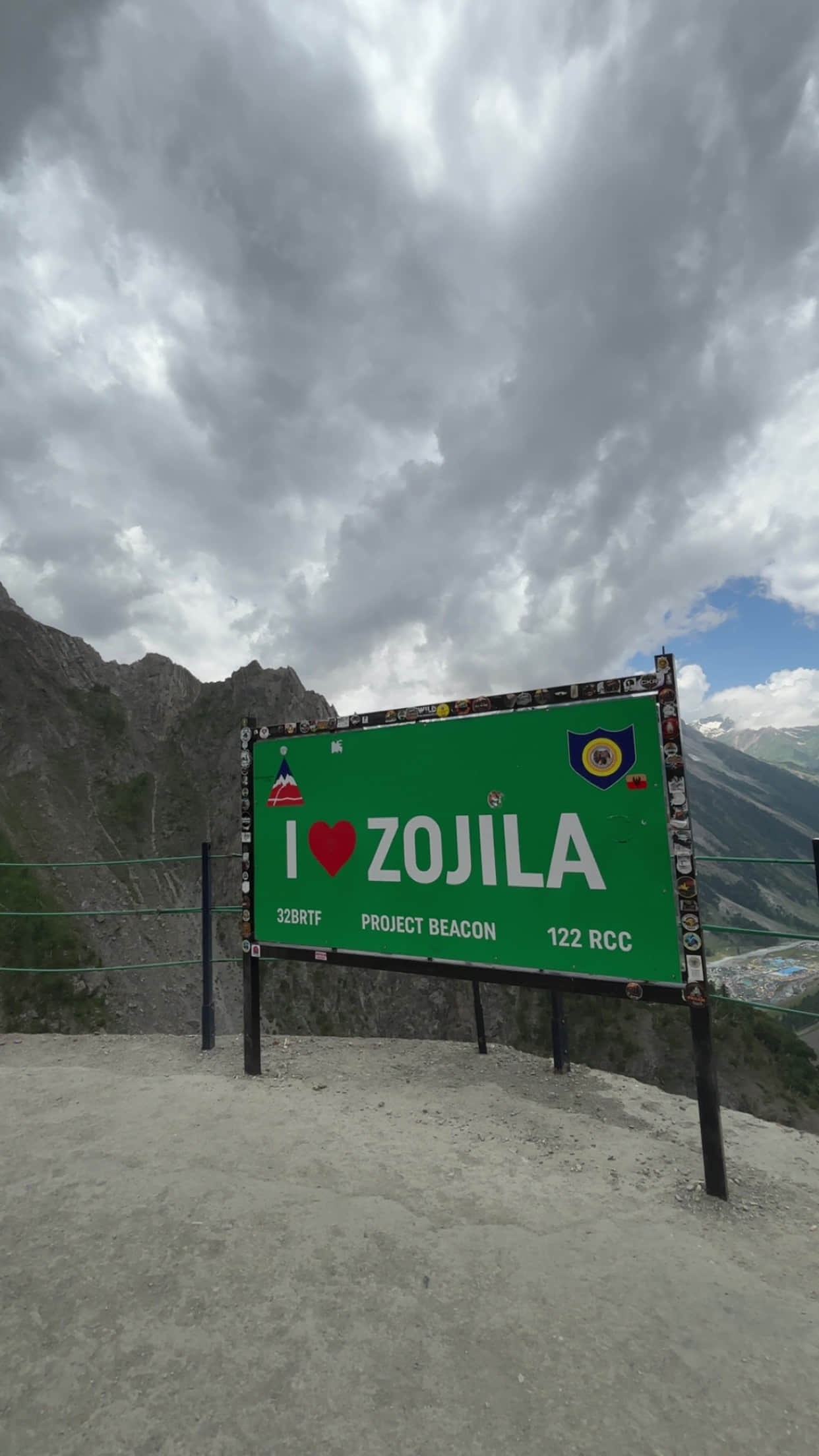
Srinagar-Leh Highway (434 km): It remains open from May to November. Here, you will find a comparatively gradual ascent via Sonmarg, Zoji La, Kargil, and Lamayuru.
By Train
If you are travelling by train, the nearest railway station to Ladakh is Jammu Tawi, located around 667 km away. It is well-connected to major cities such as Delhi, Kolkata, and Chandigarh. From Jammu, you will need to continue by road, with the journey to Leh via Srinagar taking approximately 14 to 16 hours.
Alternatively, you can also travel through Pathankot or Chandigarh and then take a taxi or bus for the onward journey.
By Bike
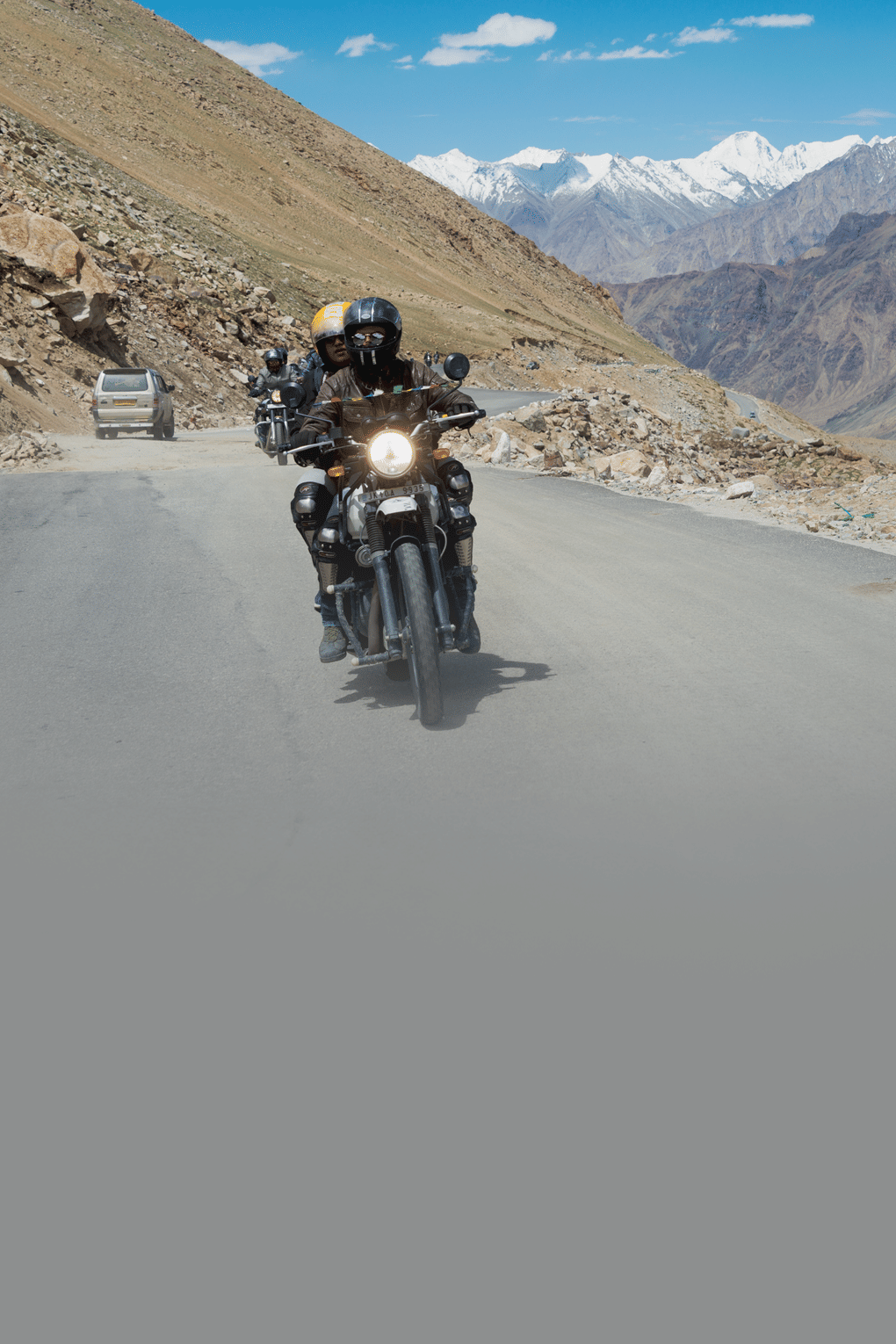
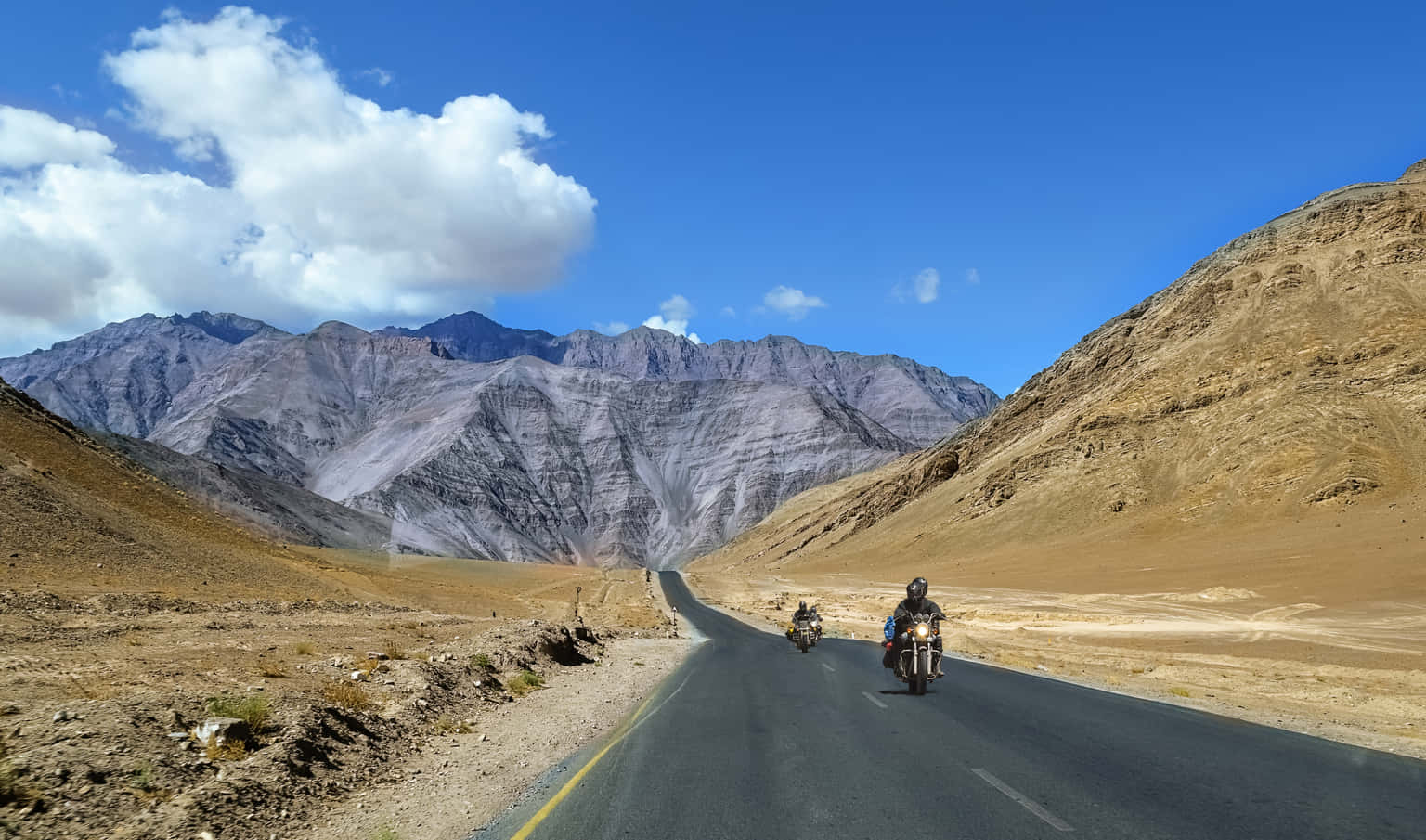
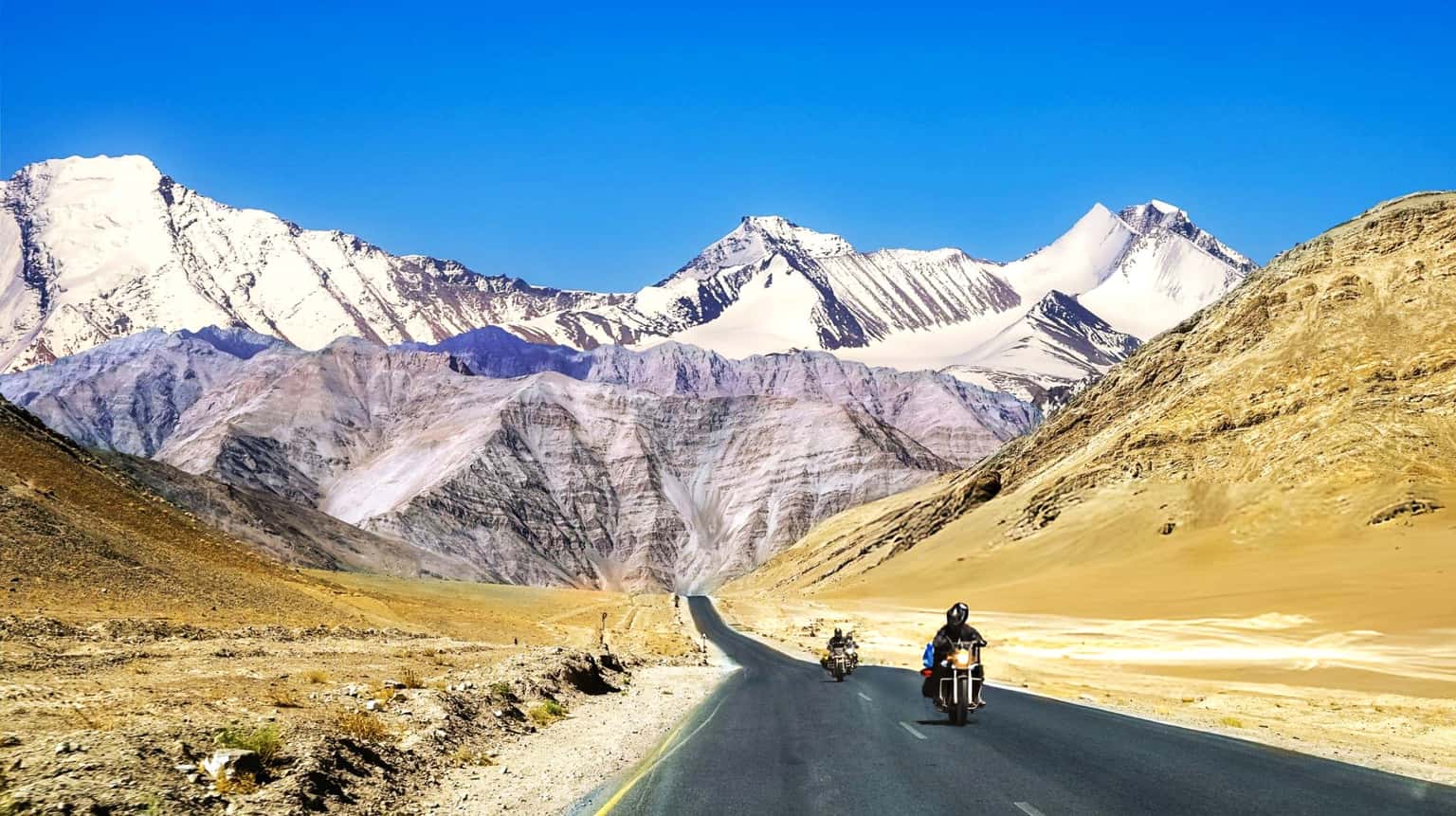
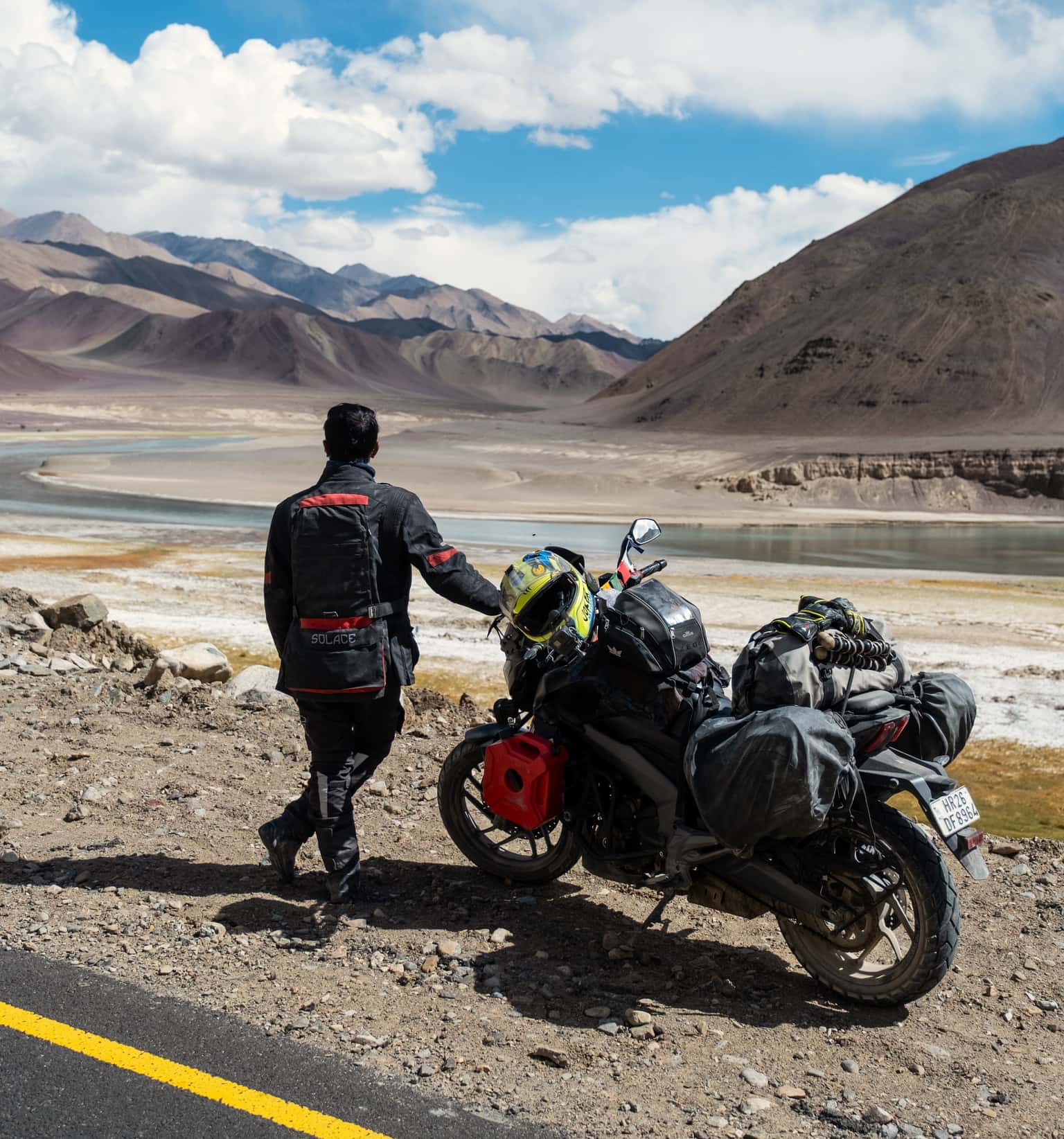
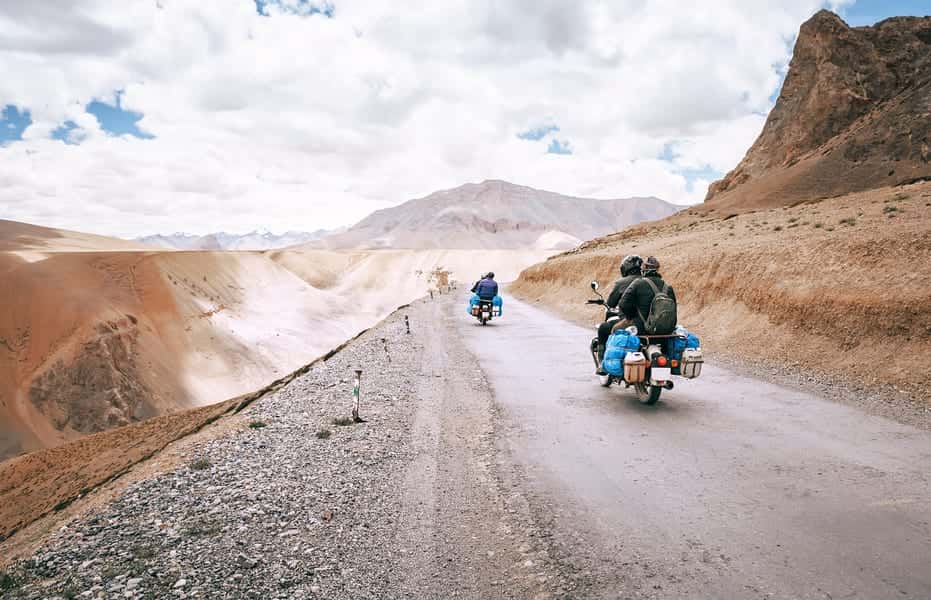
For many travellers, biking is the first mode of travel that comes to mind when booking a Ladakh trip package. It remains on the bucket list of many, especially along the Manali-Leh and Srinagar-Leh routes.
- Popular routes include Manali–Leh (490 km) and Srinagar–Leh (434 km)
- Key Highlights: Drass and Lamayuru
Thrillophilia Traveller Note:
Suresh Rajan, a traveller from Chennai, who booked the Thrilling Leh Ladakh Bike Adventure, said, “Romba thanni experience! Ladakh bike trip super-airundu - Khardung La pass, Pangong Lake, blue colour kandipa unforgettable. Bike condition was excellent, no breakdowns. The high altitude support team was fantastic. Every biker must do this trip at least once, super-airukku!”
Verified Thrillophilia booking, April 2026 departure
By Car
If you like travelling at your own pace, with scenic views, and yet require comfort in your journey, then a car trip to Ladakh might just be your type of travel. Get flexibility and control over your itinerary in this self-drive trip.
- Srinagar route: More gradual, better for acclimatisation
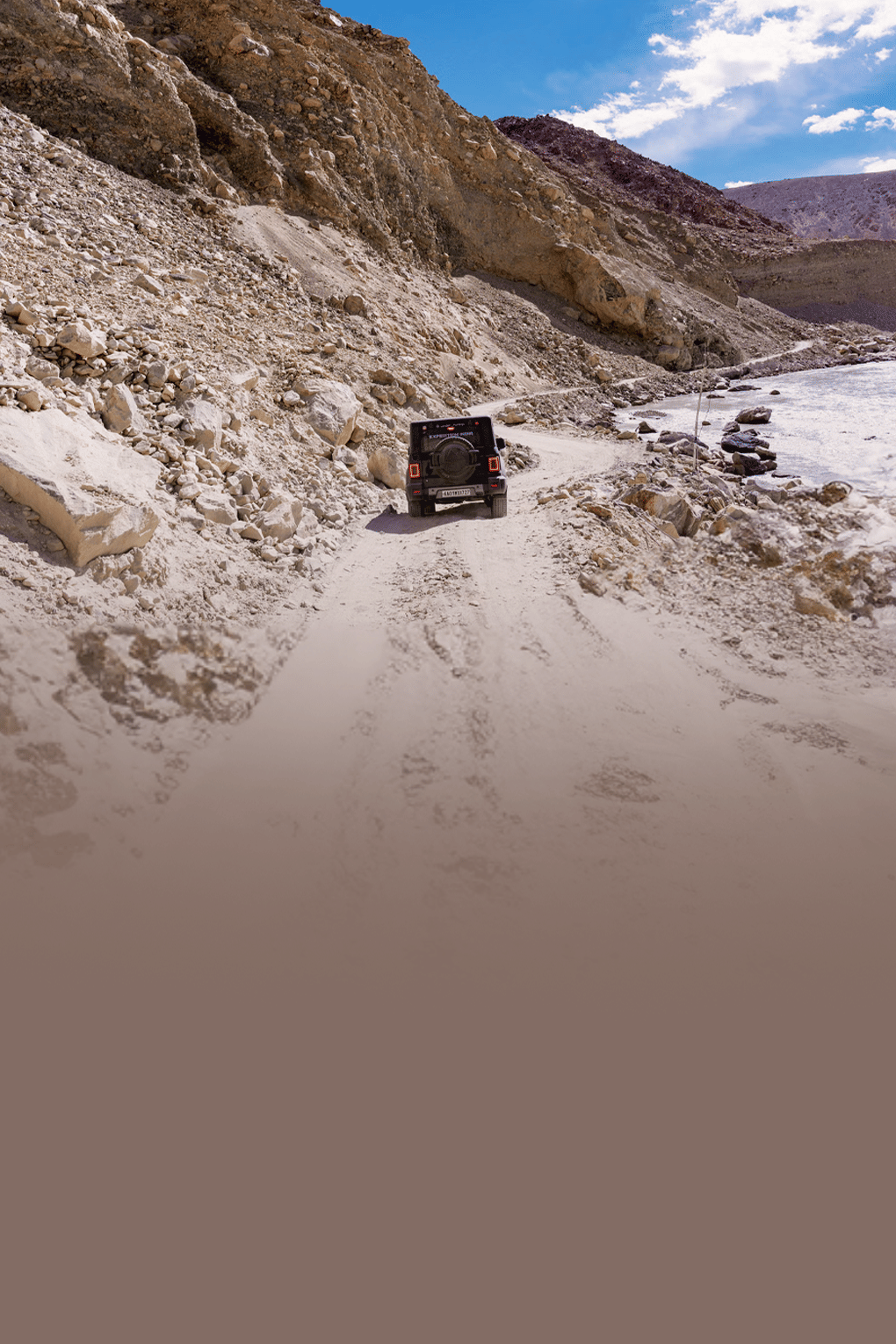
- Manali route: Challenging, with higher passes, and adventurous
Best Time to Visit Ladakh (Month-by-Month Guide)
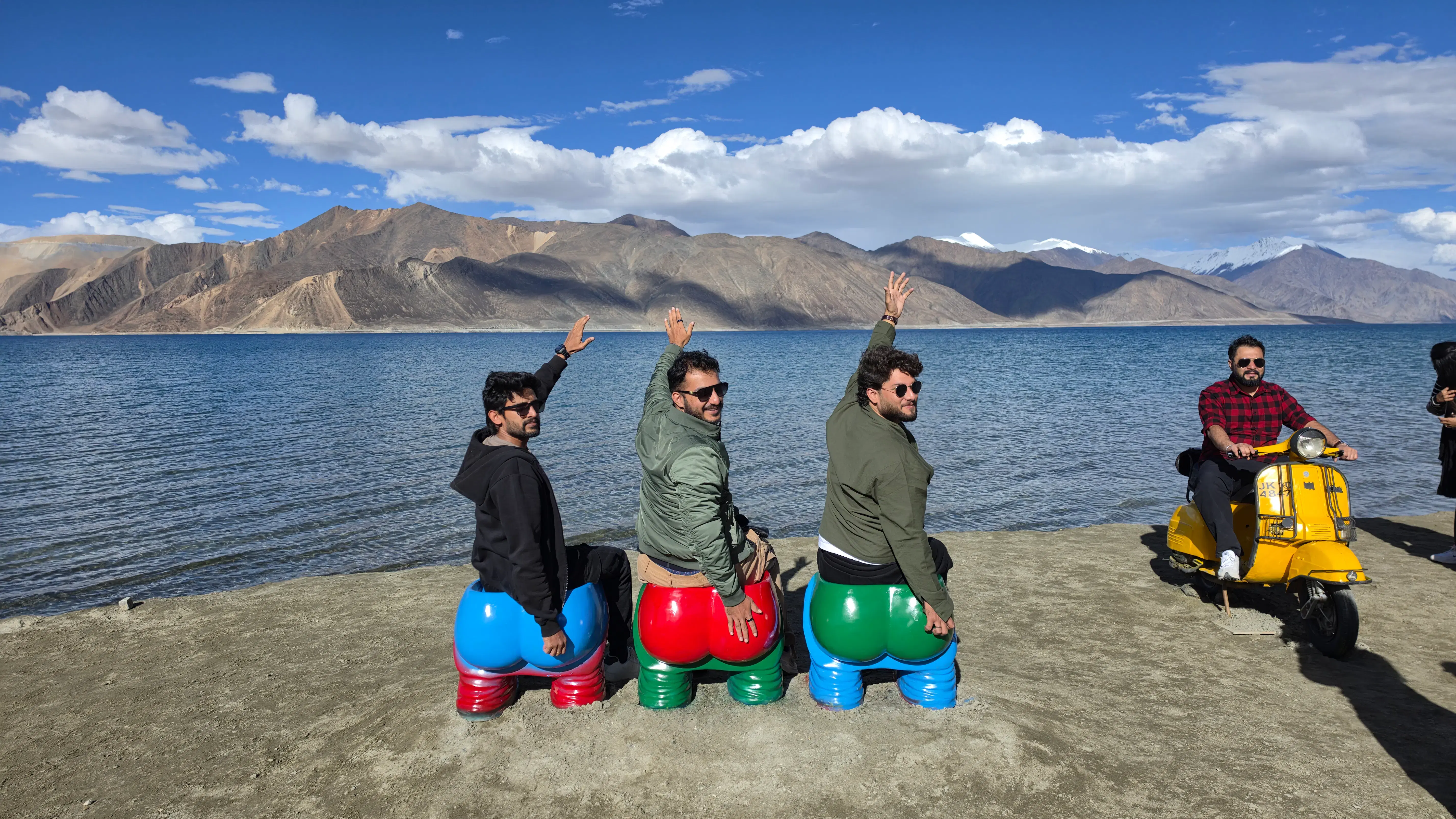
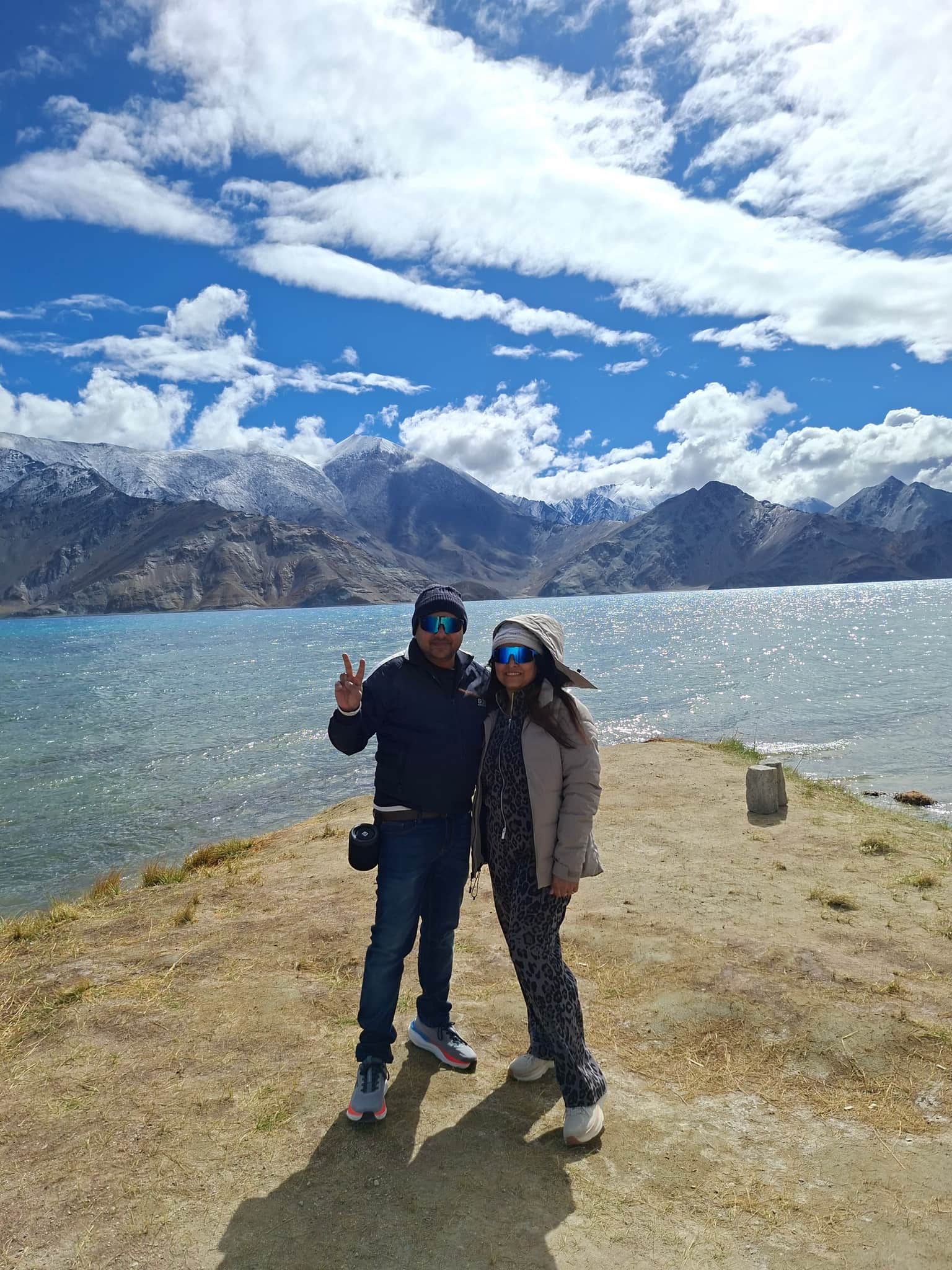
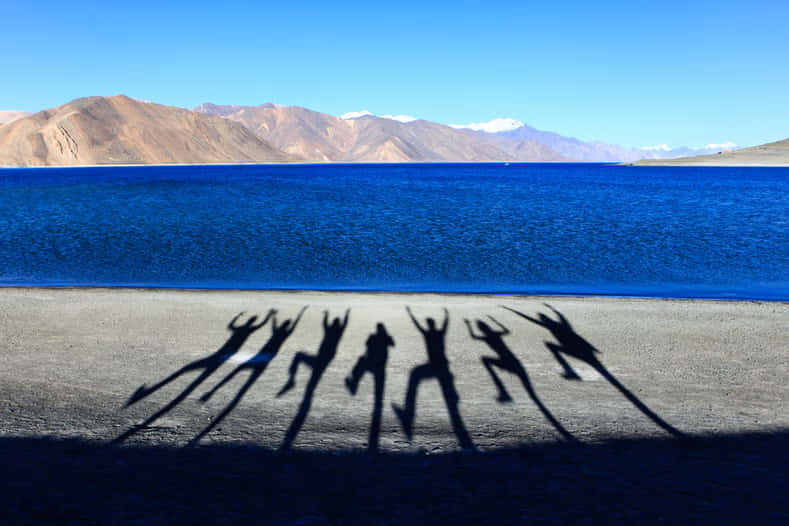
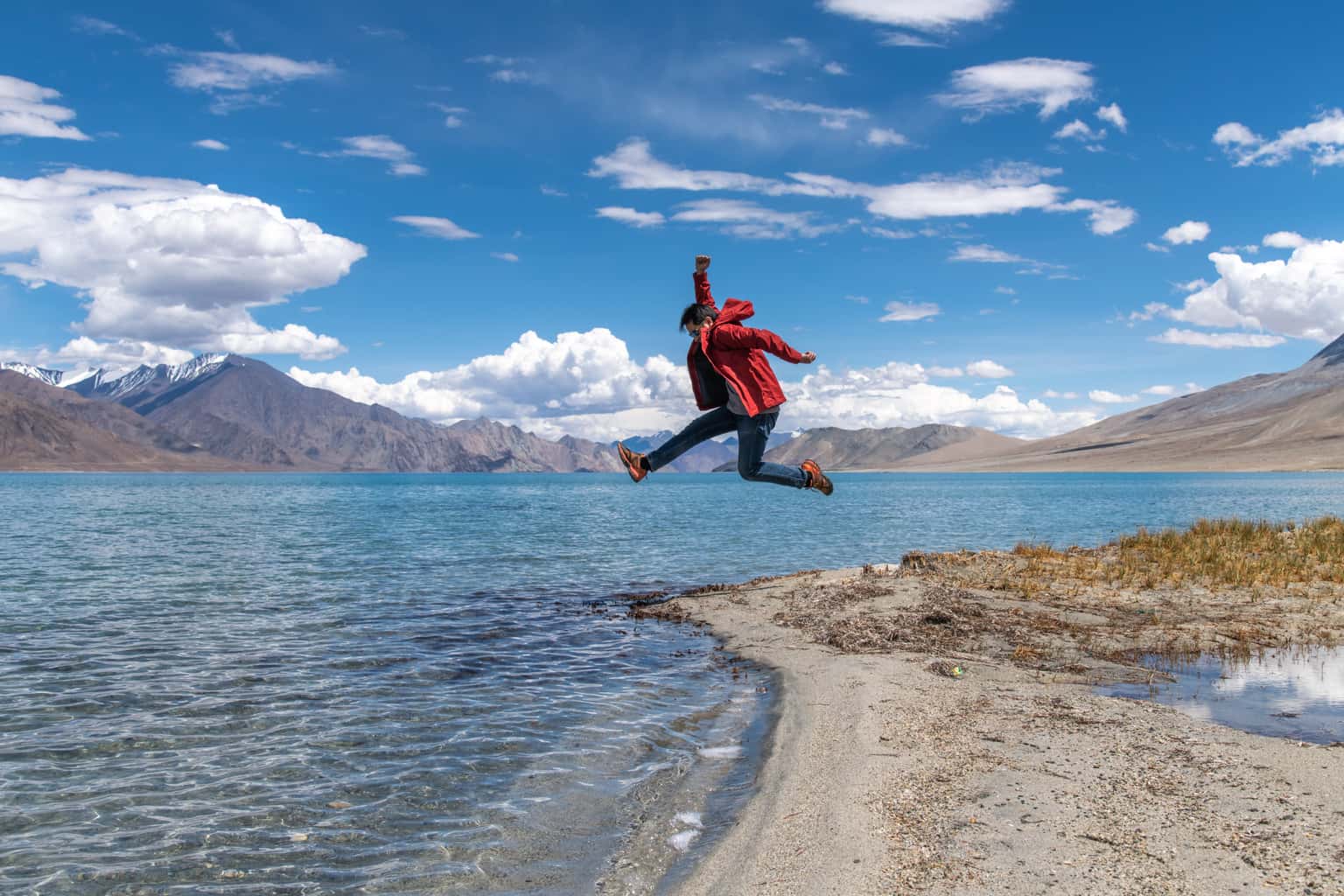
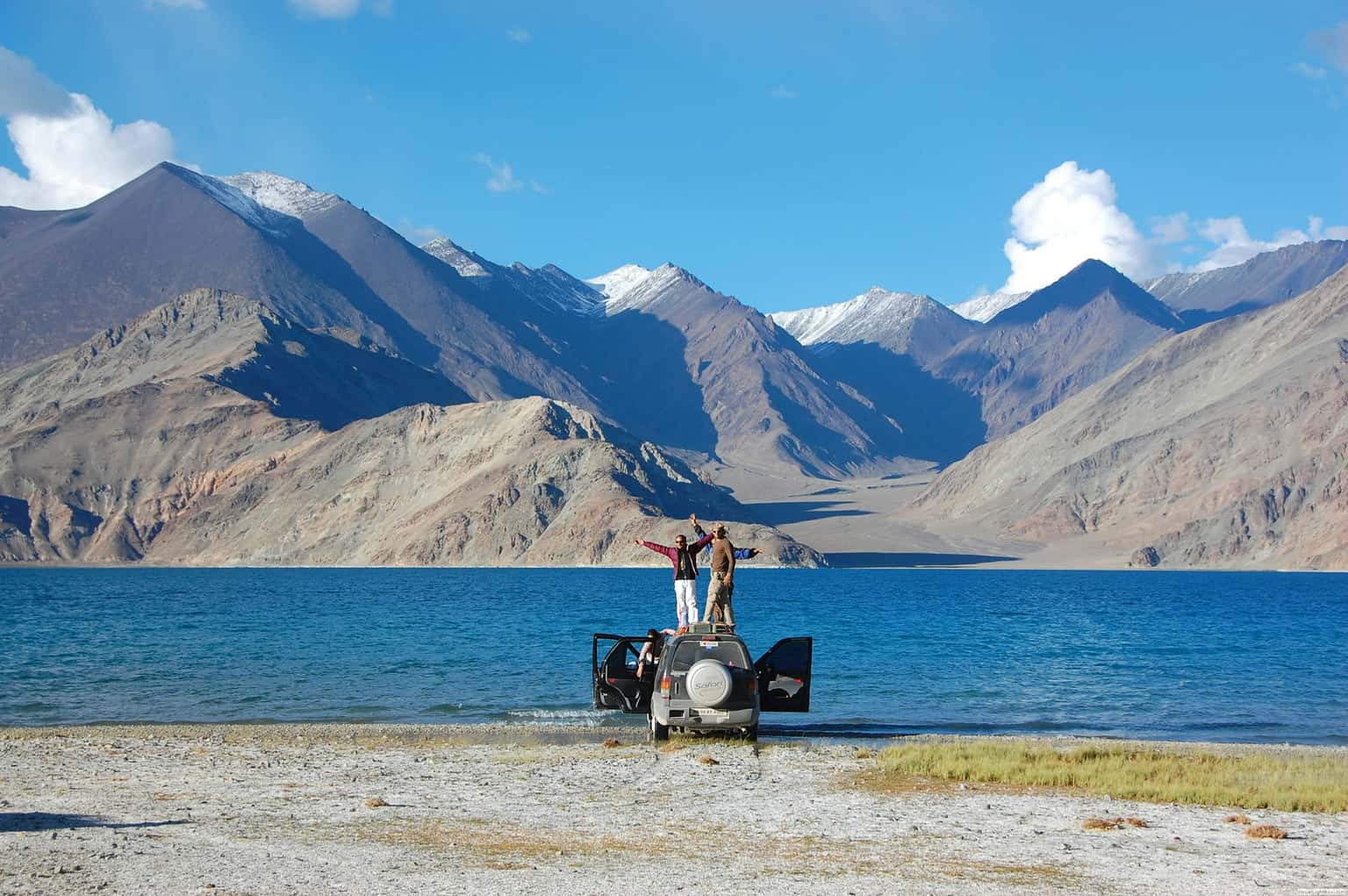
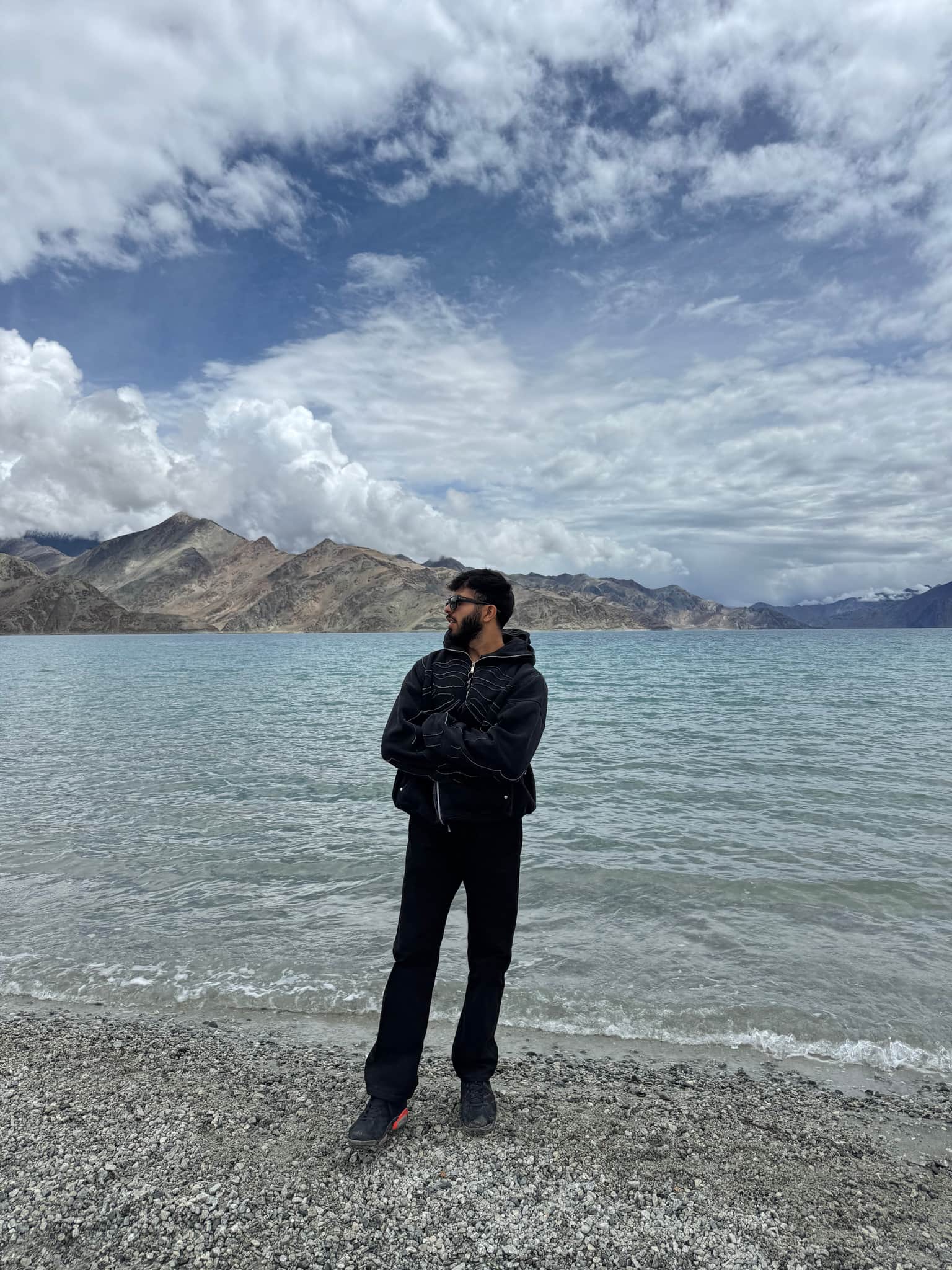
Anu Raj and Friends Enjoying the Pangong Lake view. They booked our Ladakh Adventure Expedition with Turtuk Village. There Package Duration Was 6 Days | 5 Nights.
Unlike a lot of other destinations, Ladakh is not your typical year-round destination. Accessibility and experiences can vary a lot with the seasons. So, the best time to plan your trip will depend on the right combination of road conditions, weather, and your chosen experiences.
Each month in Ladakh offers a distinct experience, with changing weather, accessibility, and activities throughout the year. Here’s a quick guide to what you can expect each month and which periods are most suitable for travel.
July (Peak Season with Festivals)
15°C to 30°C is the general temperature in July. All regions are accessible, with festivals like Hemis taking place and trekking routes fully open.
August (Peak Travel Continues)
Temperatures remain between 14°C and 28°C. Rafting conditions are strong, though occasional rains in nearby regions can affect road travel.
September (Most Balanced Month)
This is an underrated month when the temperatures settle between 8°C and 22°C. Crowds reduce after mid-month, skies are clearer, and travel conditions remain stable.
October (Transition to Off-Season)
Temperatures drop to 0°C–15°C. The Manali-Leh highway closes by mid-month. Camps begin shutting down, and facilities become limited. If you are comfortable with a slower pace and do not mind limited coverage, October can be a suitable time to visit.
November (Early Winter Returns)
Temperatures drop to between -5°C and 8°C. Most routes are closed or unreliable, and travel is largely restricted to Leh via flights.
December (Harsh Winter Sets In)
Temperatures range from -10°C to 2°C, with both highways largely closed. Travel is limited and best suited only for those prepared for extreme cold.
January (Extreme Winter)
It’s the month when the Chadar trek begins. You’ll find temperatures from -8°C to 5°C. Most routes remain closed during this time, but the trek is still accessible.
February (Peak Winter Conditions)
Temperatures stay between -5°C and 8°C. Chadar Trek continues, but access remains limited.
March (Early Off-Season)
As temperatures begin to improve, ranging from -2°C to 12°C, some roads gradually start reopening. This period also sees fewer crowds, though accommodation options and services remain limited.
April (Shoulder Season Begins)
It’s the time when the Srinagar-Leh highway starts to open. You’ll witness temperatures between 2°C and 16°C. Manali-Leh highway still remains closed. Monastery festivals begin, but Pangong and higher regions remain cold.
May (Pre-Peak Travel Phase)
By late May, Manali-Leh also opens and temperatures rise to 7°C–22°C. Most of the prominent attractions become accessible, with relatively lower crowds.
June (Start of Peak Season)
Temperatures range from 10°C to 28°C, with both highways fully operational. At this time, Ladakh becomes fully accessible. We highly recommend advance bookings if you’re visiting in June.
Booking Insight: This comes directly from real travel experience. One of our repeat travellers who visited Ladakh with us in June 2024 and again in September 2025 shared that in June, they spent nearly 35 to 45 minutes waiting at Pangong just to find clear photo spots. In contrast, during September, they experienced clear sunrise views with barely 5 to 6 people around. This is exactly why we schedule key experiences early in the day and recommend off-peak months wherever possible, so the journey feels more immersive and less rushed.
Major Festivals and Events in Ladakh
Planning to book your Ladakh trip package around a local festival can offer a deeper understanding of the region’s Buddhist culture, monastic traditions, and community life. Most festivals are held inside monasteries and feature masked dances, rituals, and cultural performances.
|
January | Spituk Gustor | Spituk Monastery, Leh | Traditional masked Cham dances and Buddhist rituals |
February | Dosmoche Festival | Leh Palace & Monasteries | Annual prayer ceremonies believed to ward off evil spirits |
February–March | Losar | Across Ladakh | Ladakhi New Year celebrations, cultural performances, family gatherings |
June | Sindhu Darshan Festival | Shey Manla, Leh | Cultural programmes celebrating the Indus River and Ladakhi heritage |
June–July | Yuru Kabgyat | Lamayuru Monastery | Sacred masked dances and monastery ceremonies |
July | Hemis Festival | Hemis Monastery | Ladakh's most famous festival honouring Guru Padmasambhava |
September | Ladakh Festival | Leh and nearby villages | Folk dances, polo matches, archery events and cultural showcases |
November | Thiksey Gustor | Thiksey Monastery | Religious ceremonies and traditional Cham performances |
Festival Planning Tips
- Hemis Festival attracts the highest visitor numbers and accommodation often sells out several months in advance.
- Losar offers a more local cultural experience but some businesses may remain closed during celebrations.
- Ladakh Festival is ideal for travellers who want cultural performances without the heavy crowds of Hemis.
- Most monastery festivals begin early in the morning and continue throughout the day.
Operational Insight: Based on our Ladakh departures, Hemis Festival and Ladakh Festival departures consistently record the highest demand among culture-focused travellers, while winter travellers visiting during Losar often combine the experience with snow-covered landscapes and fewer crowds.
Top Places to Visit in Ladakh
1. Pangong Tso
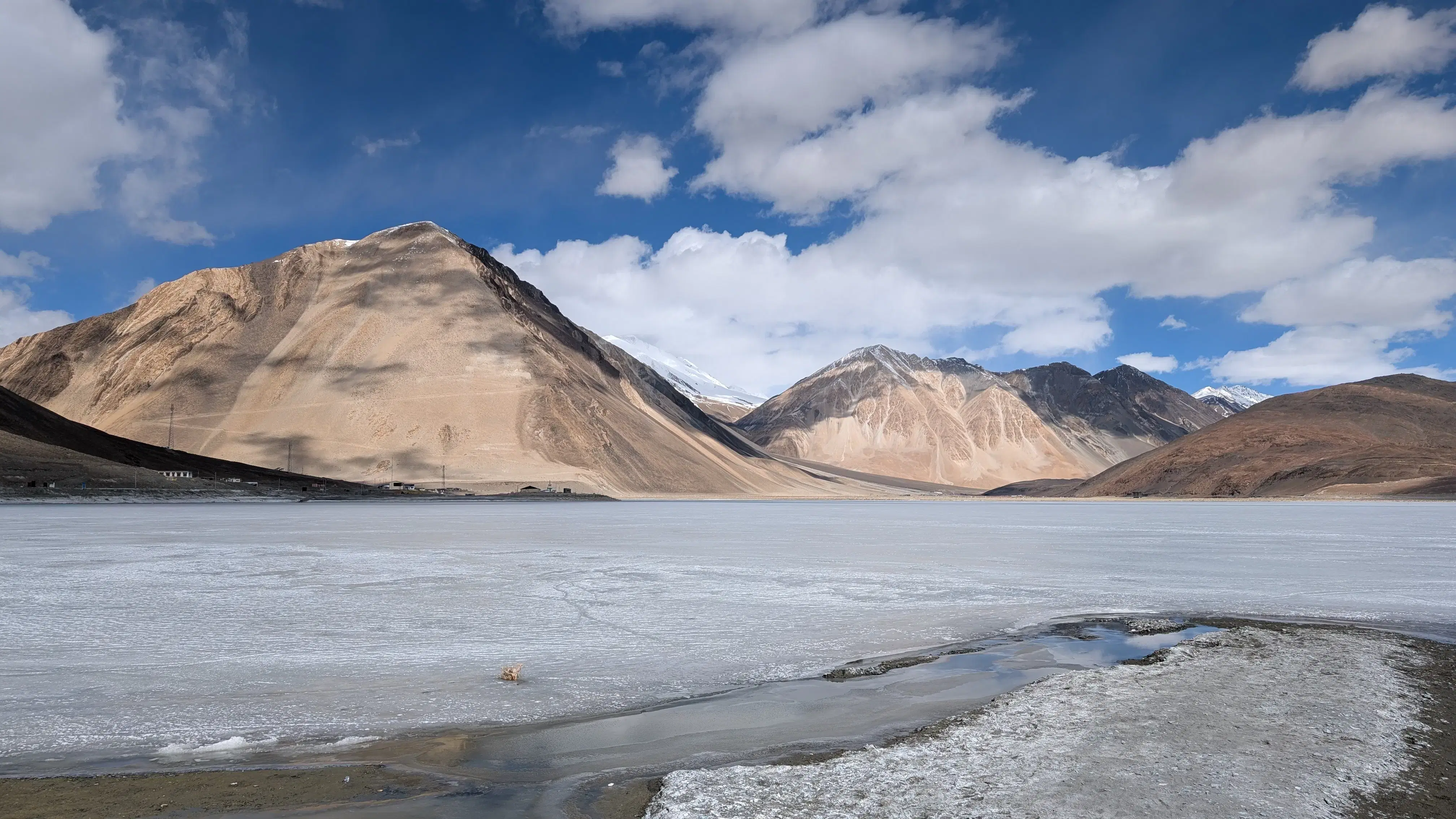
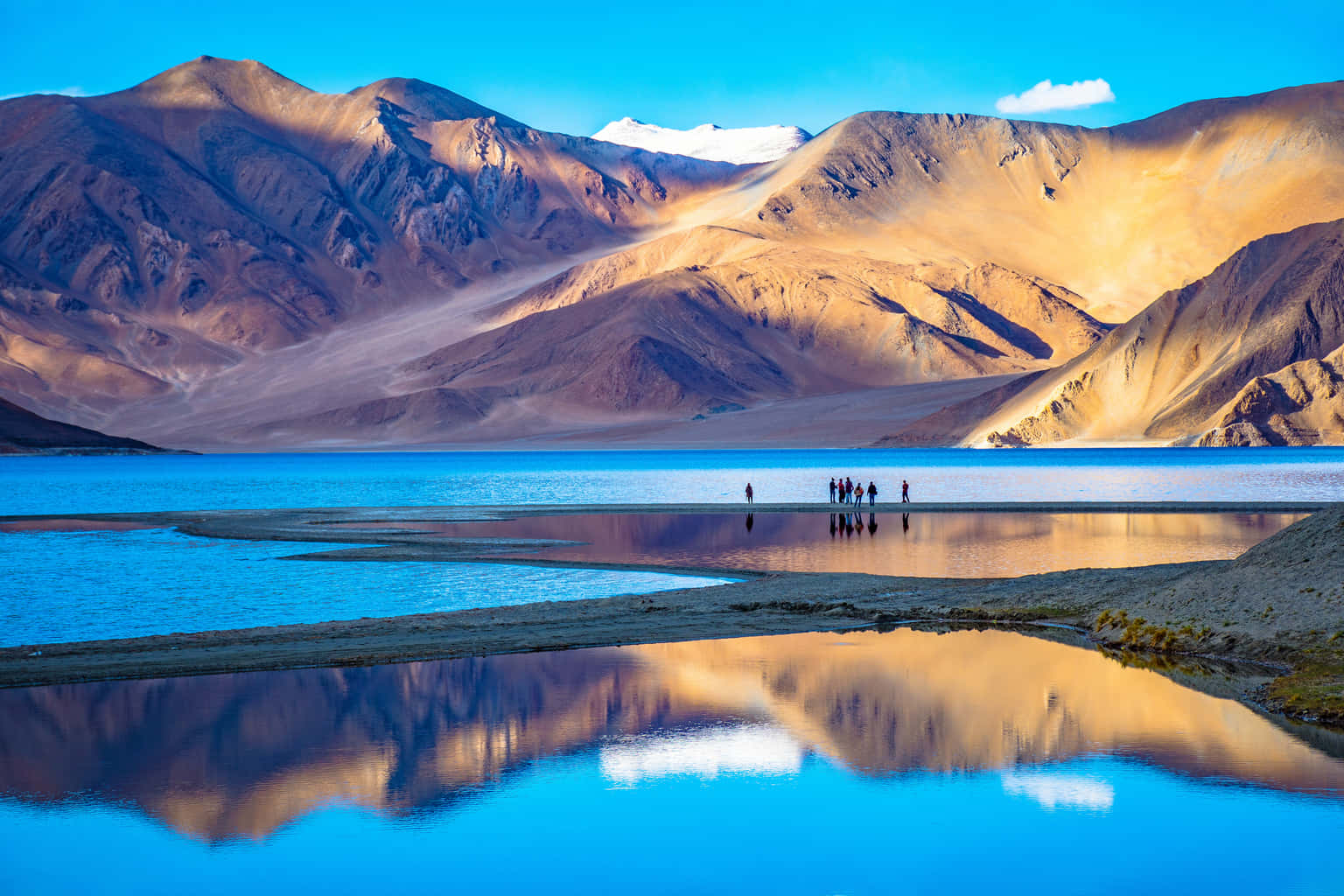
This is photo of Pangong Lake has been taken by One of our travelers Neha Barthwal who booked our Adventurous Ladakh - The Land of High Passes with Umling La. Their Trip duration was 8 Days | 7 Nights.
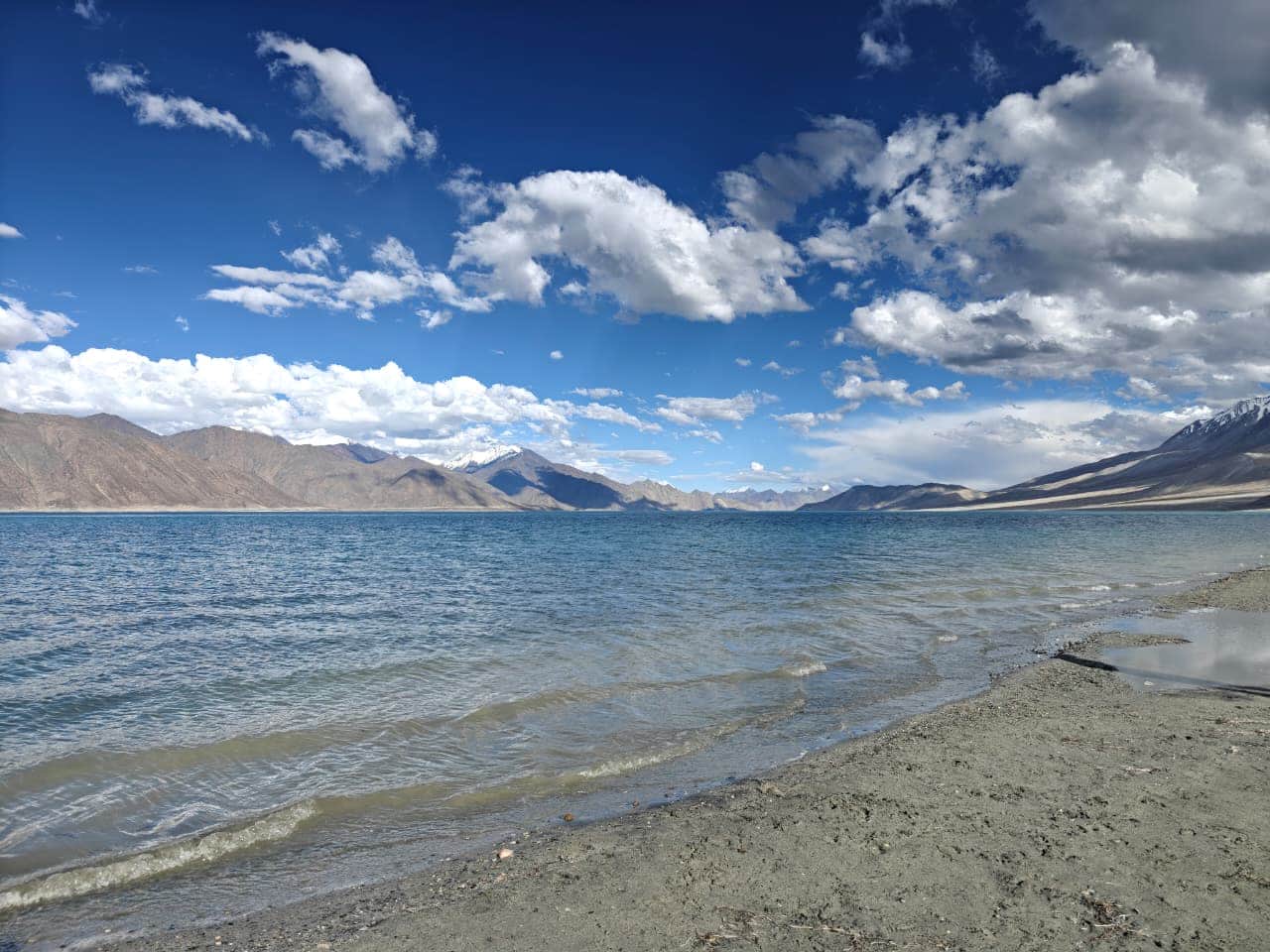
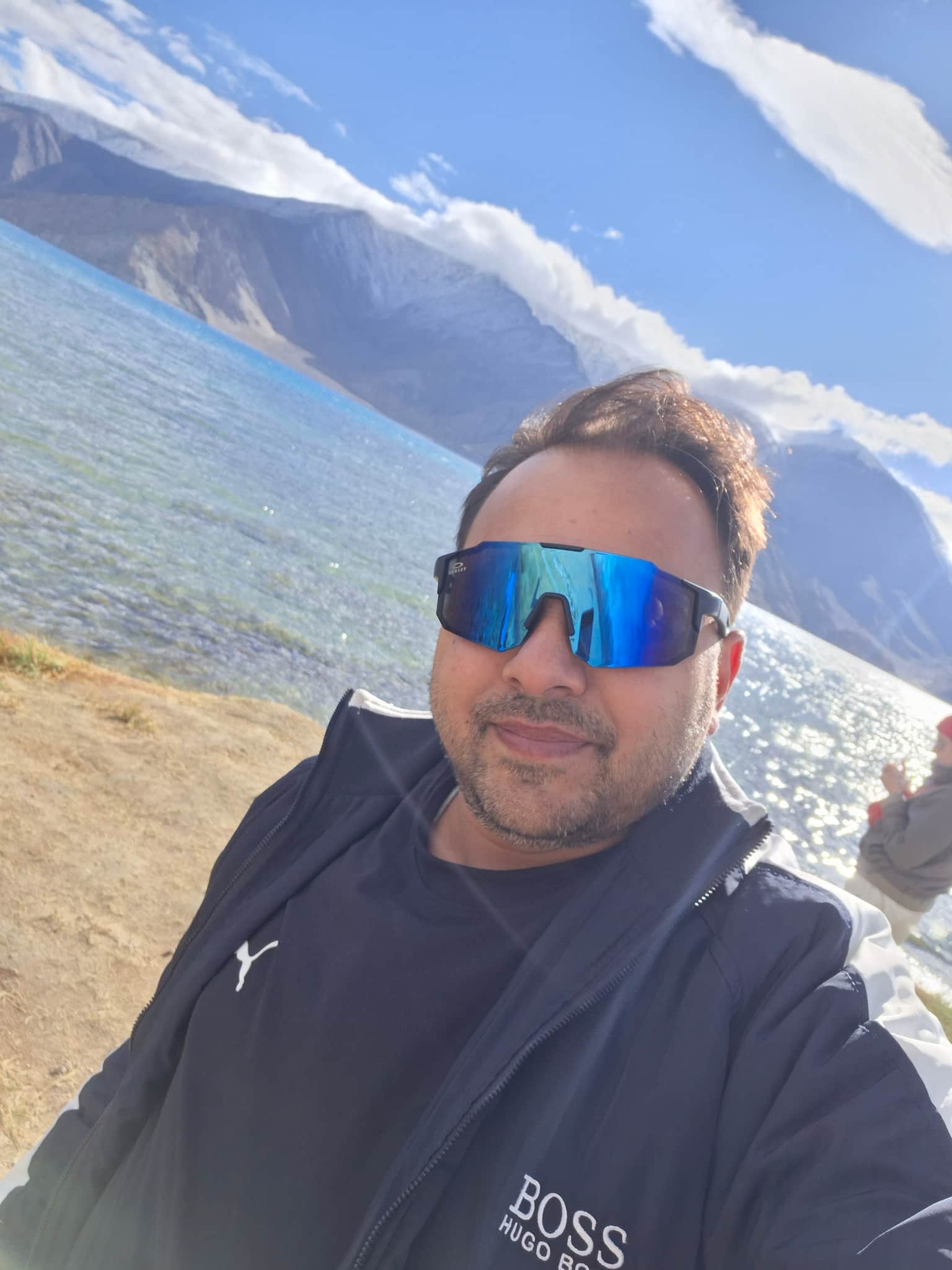
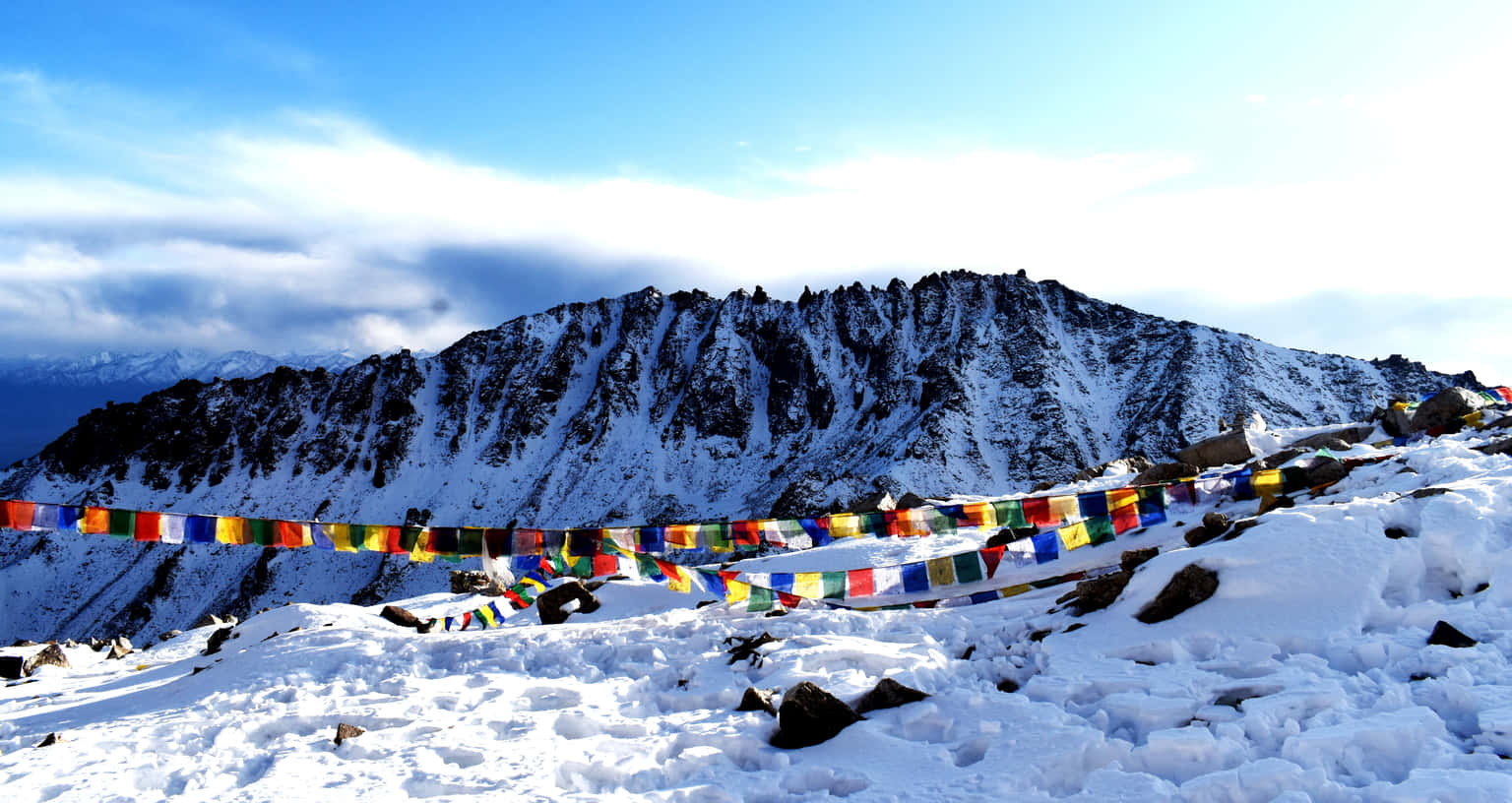
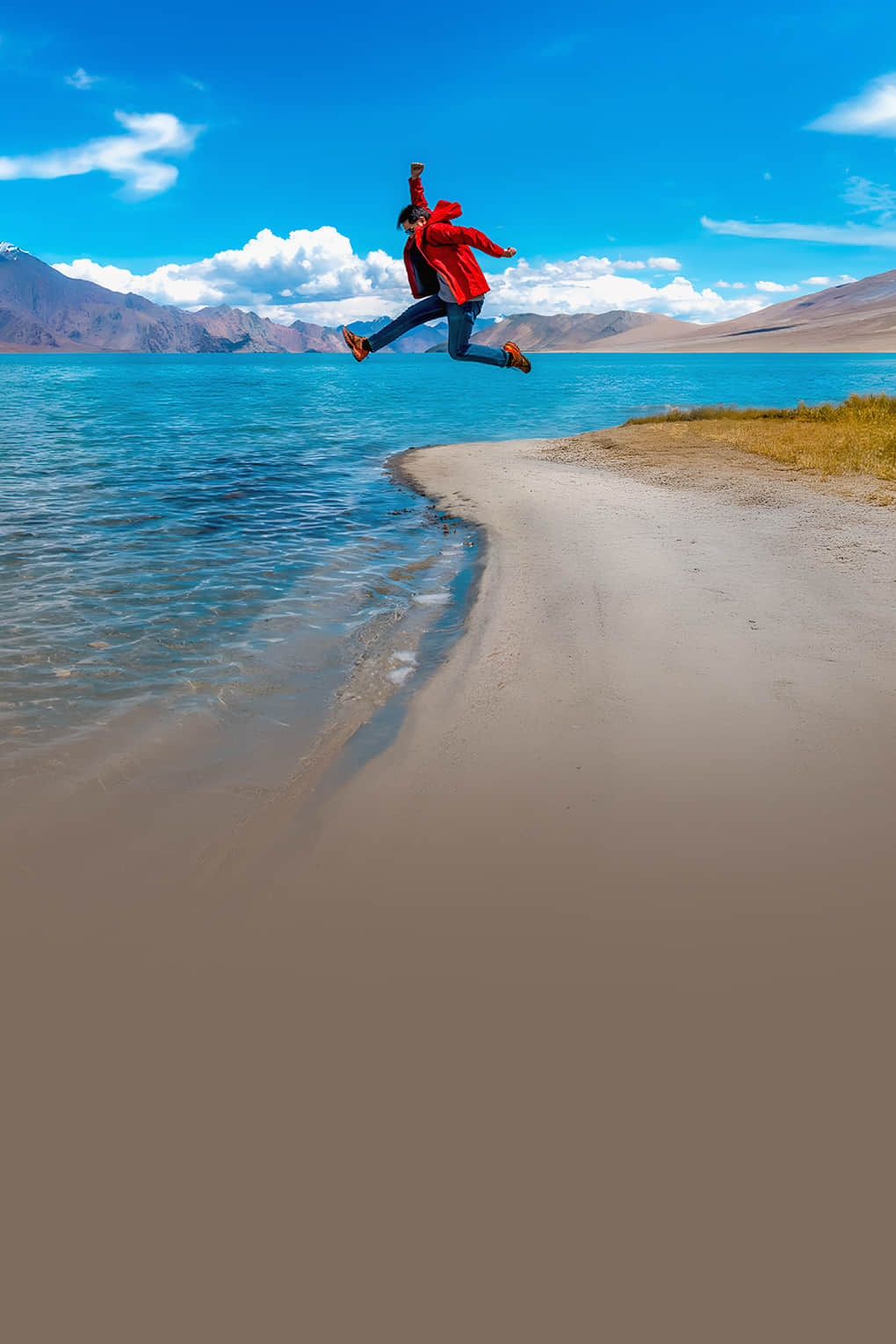
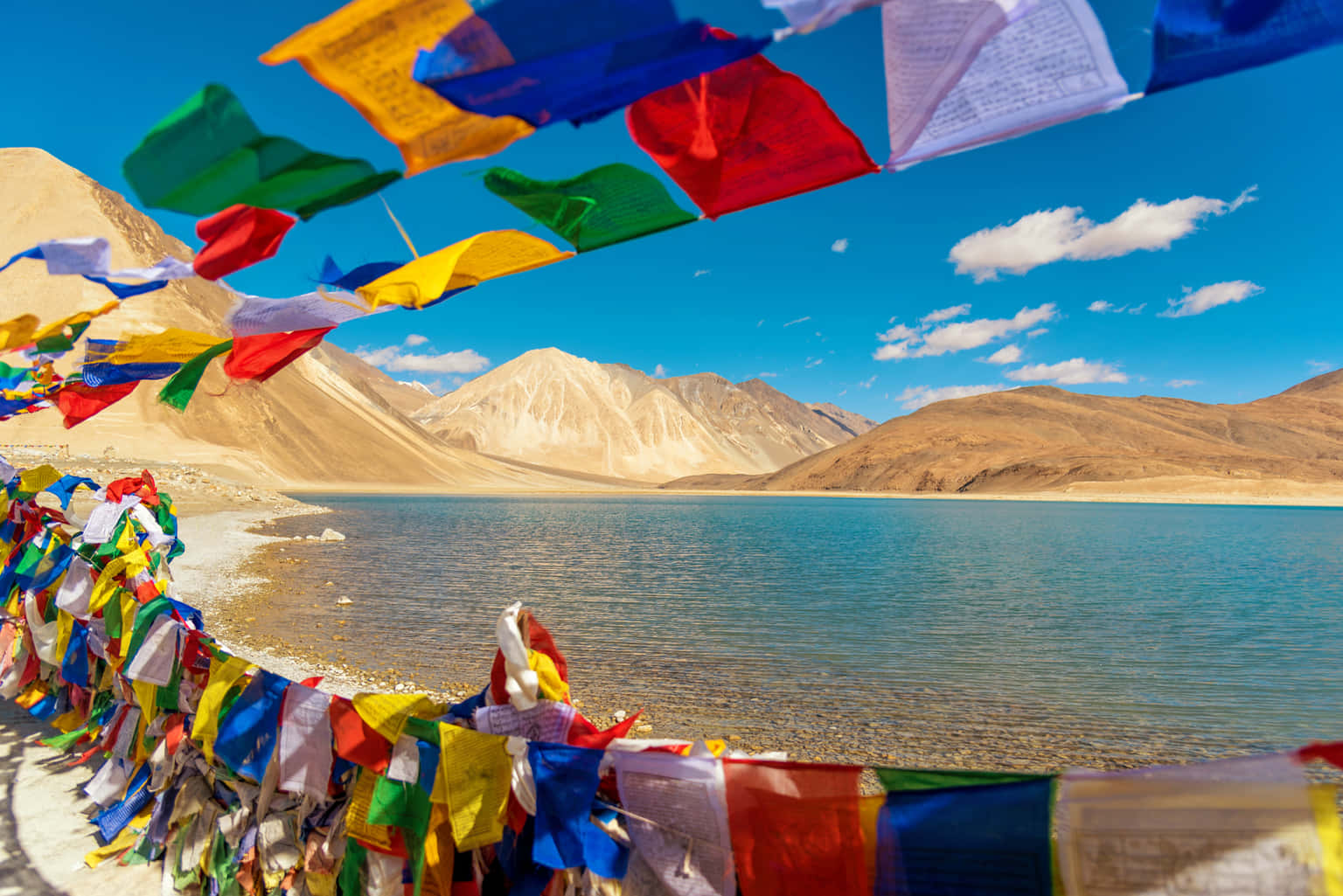
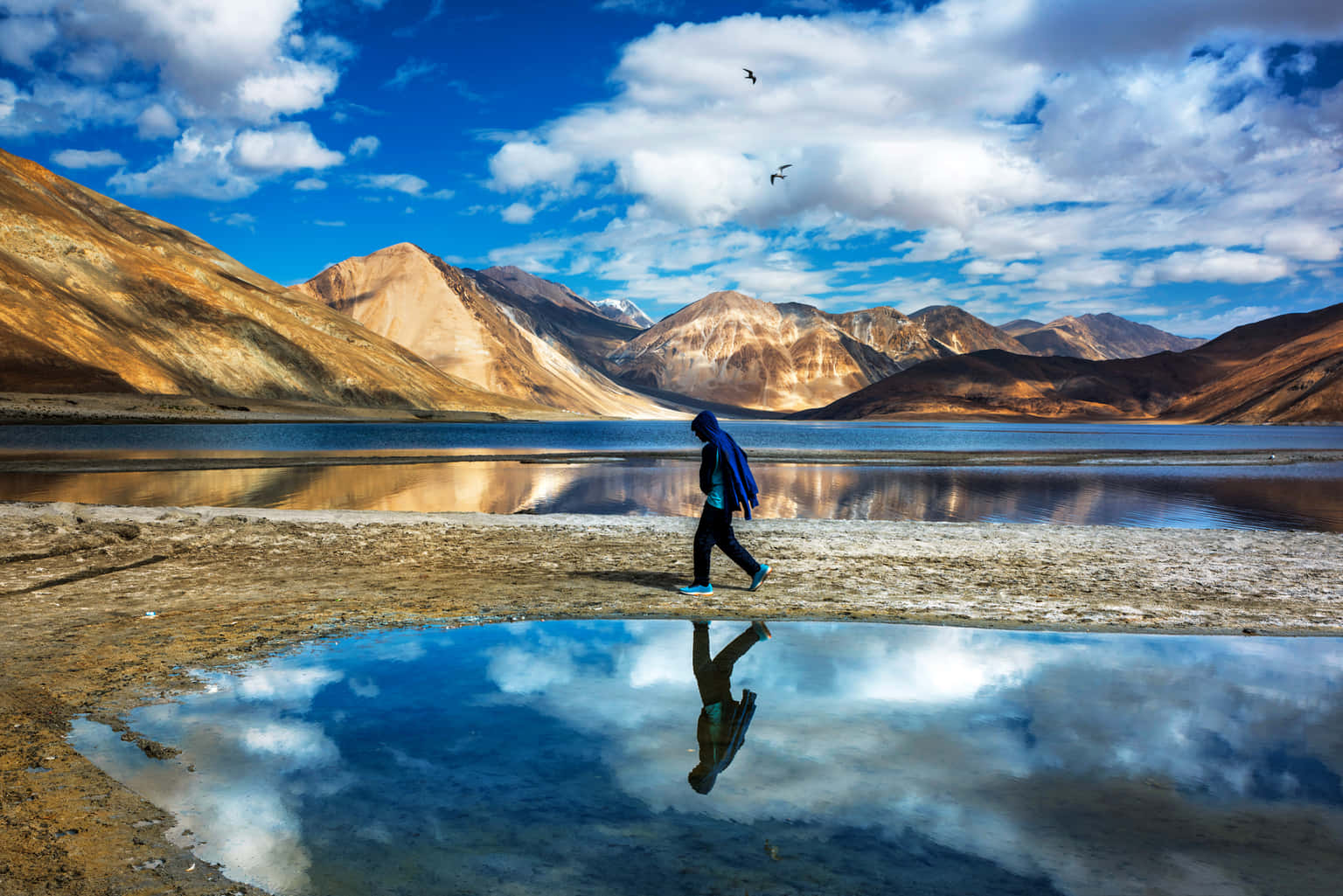
Located at 4,350 metres, Pangong Tso stretches from India to Tibet and is one of the most visited high-altitude lakes in Ladakh. When you reach there, you might get a chance to see how the lake’s colour shifts from deep blue to green as per the sunlight or the time of day. Early mornings are quieter. It’s the afternoons that start to see a heavy tourist movement majorly in peak season. Nights get extremely cold, even going below 5°C near the camps.
2. Shanti Stupa
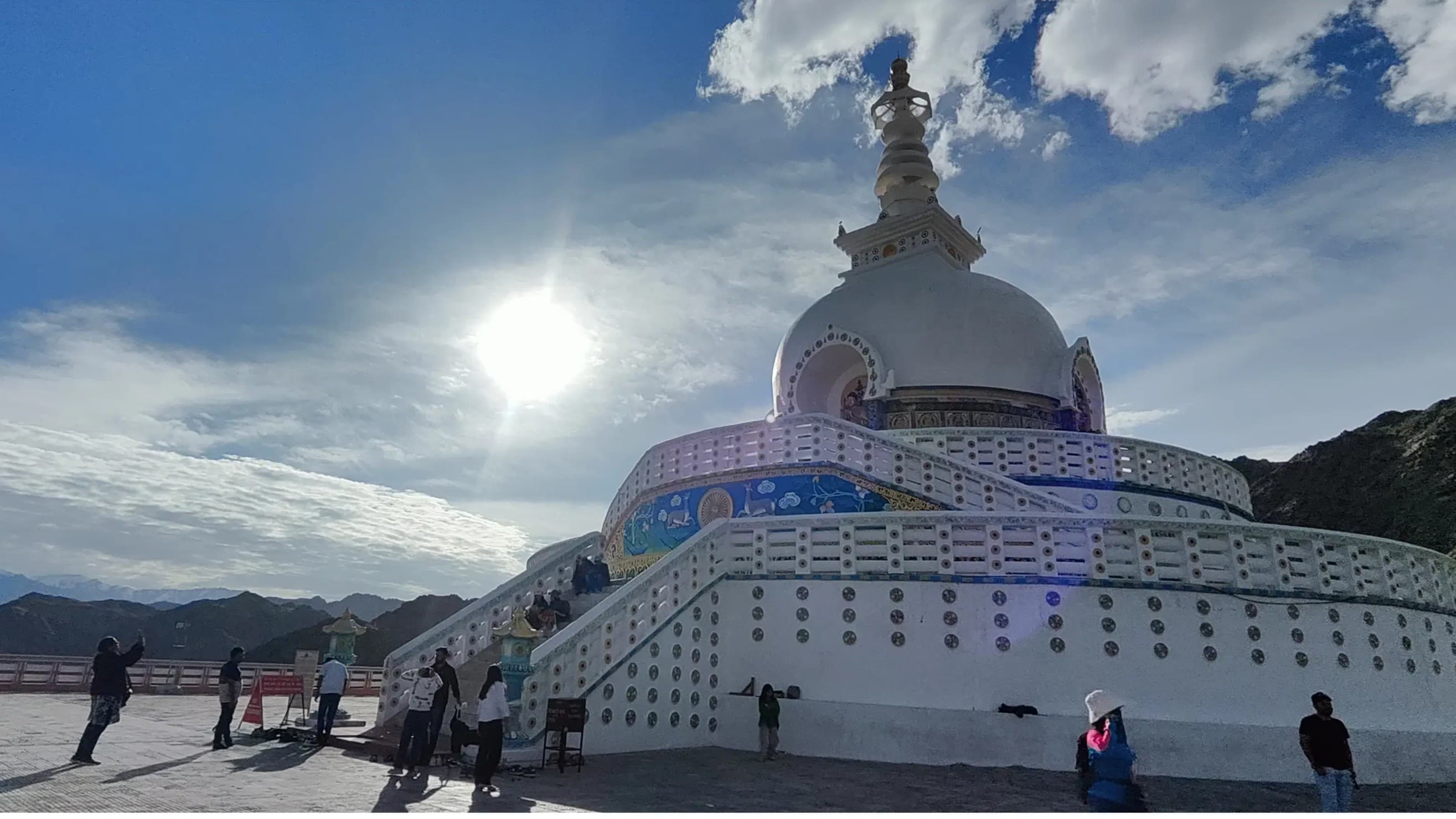
This Photo of Shanti Stupa has been taken by one of our travelers Kalyani Swain. She booked our "Ladakh Adventure Expedition with Turtuk Village" package. Trip Duration was 7 Days | 6 Nights
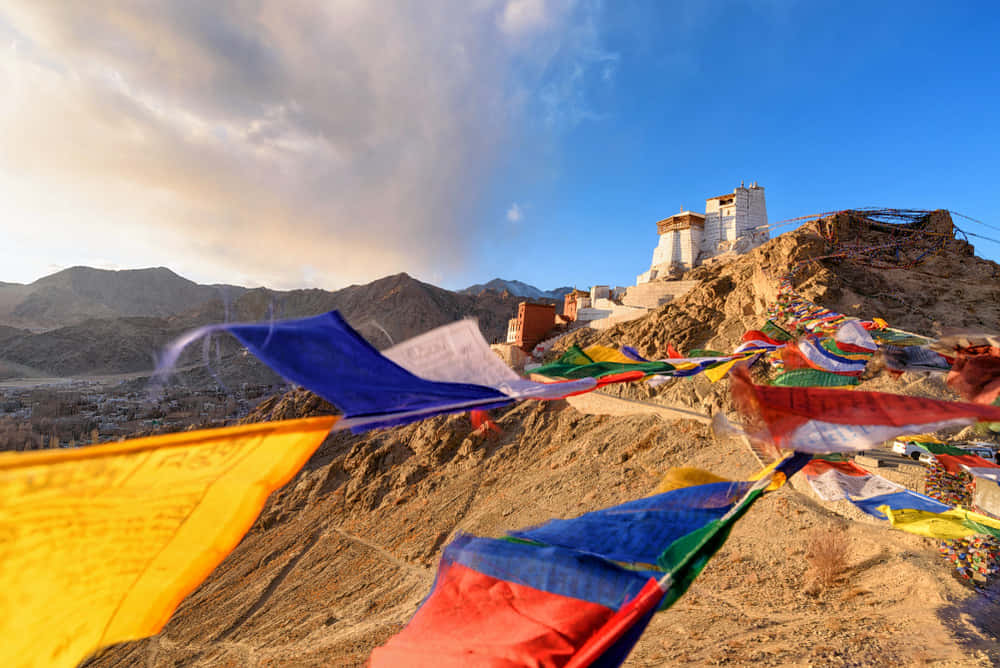
Any Leh-Ladakh trip is practically incomplete unless you visit Shanti Stupa. This white-domed stupa sits on a hill overlooking the town. Here, you’ll get to see relics of Buddha, blessed by the 14th Dalai Lama. You can either drive up or climb around 500 steps to reach the top.
Pro tip: We recommend visiting in the early morning or in the sunset hours to get the best views and a quieter atmosphere (and that’s exactly how we plan it in our itineraries as well).
3. Nubra Valley
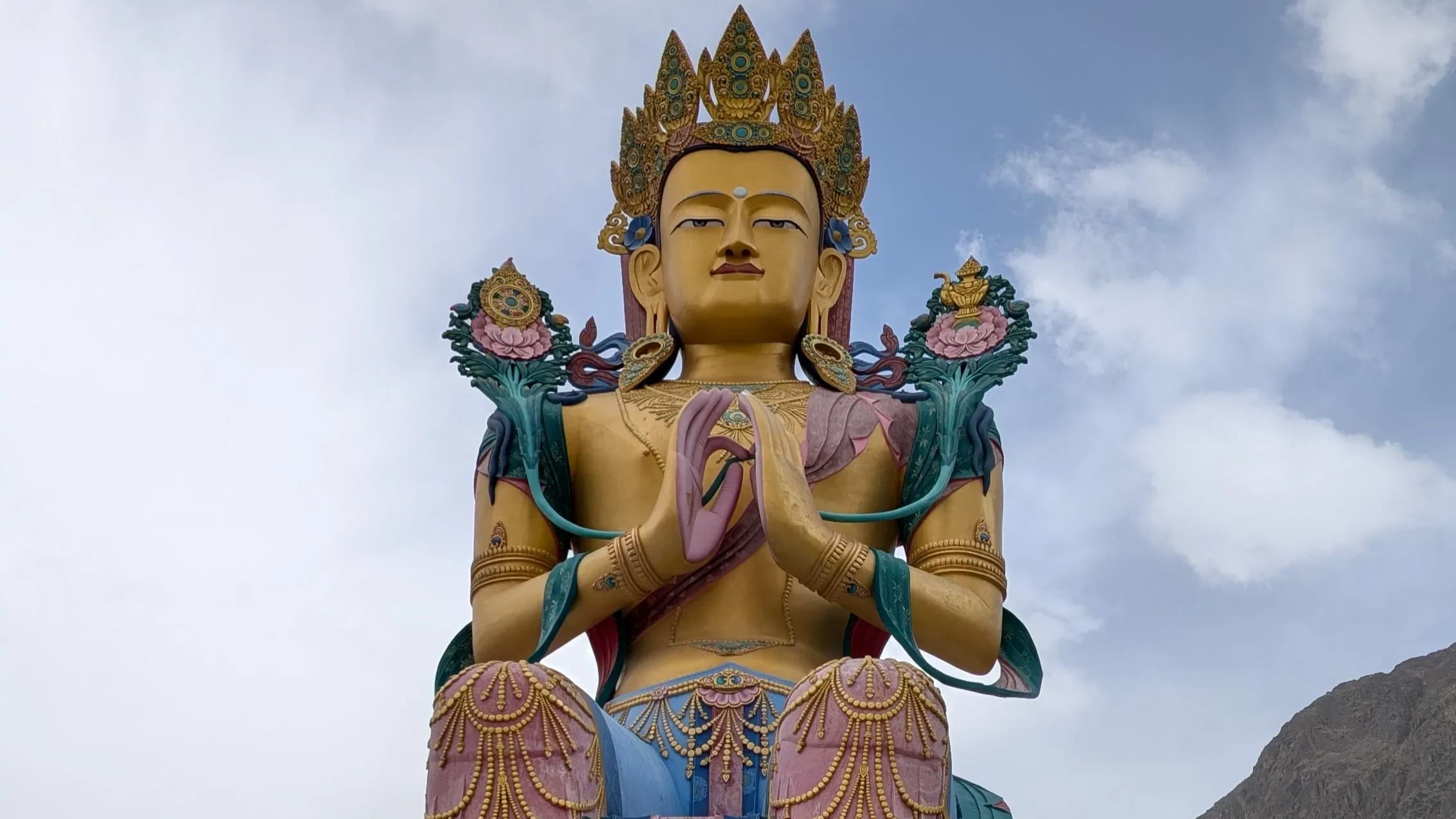
This Photo of Maitreya Buddha has been taken by one of our Travelers Varun Verma. They Booked our Leh Ladakh Expedition with the duration of 6 Days | 5 Nights.
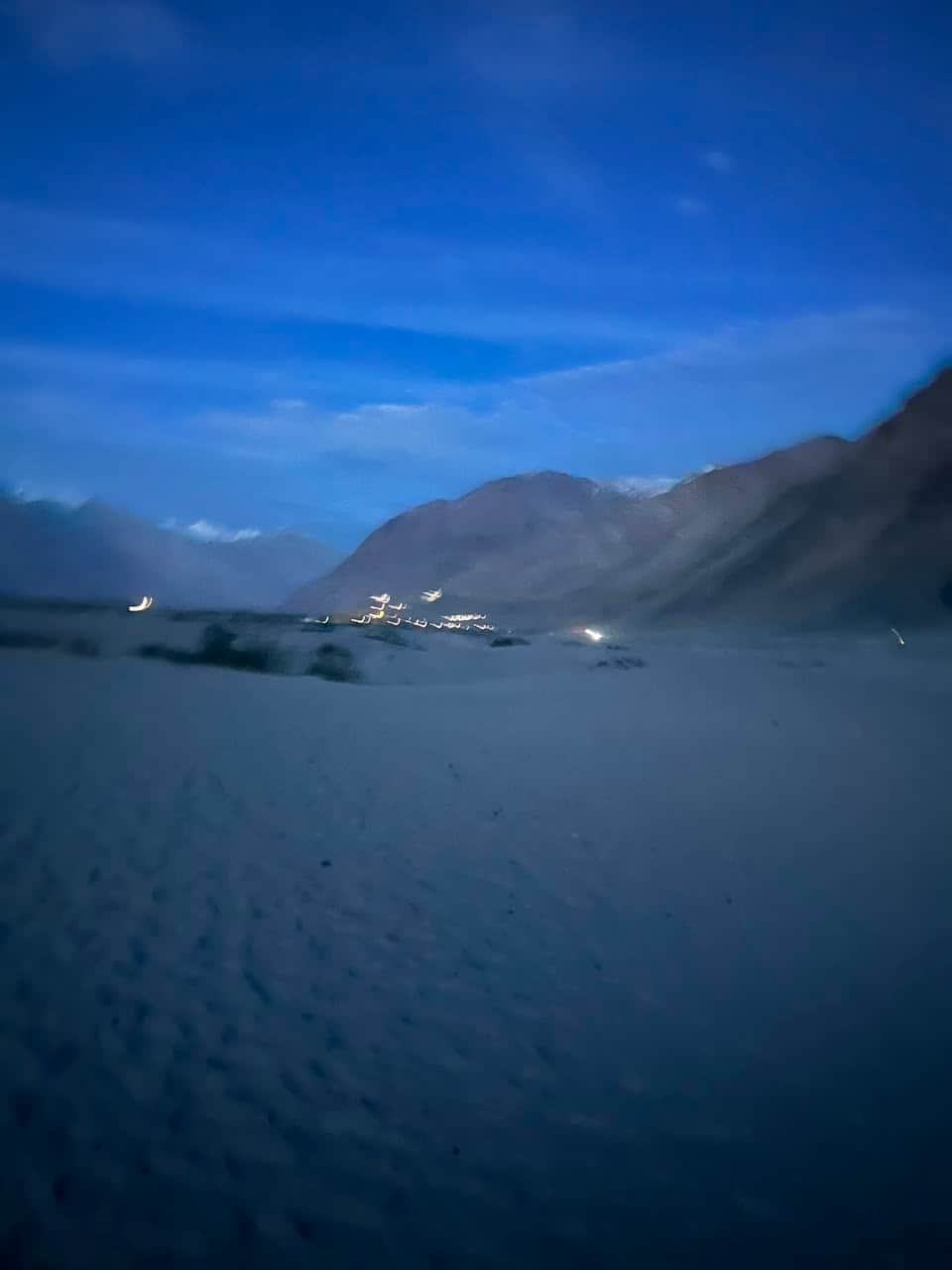
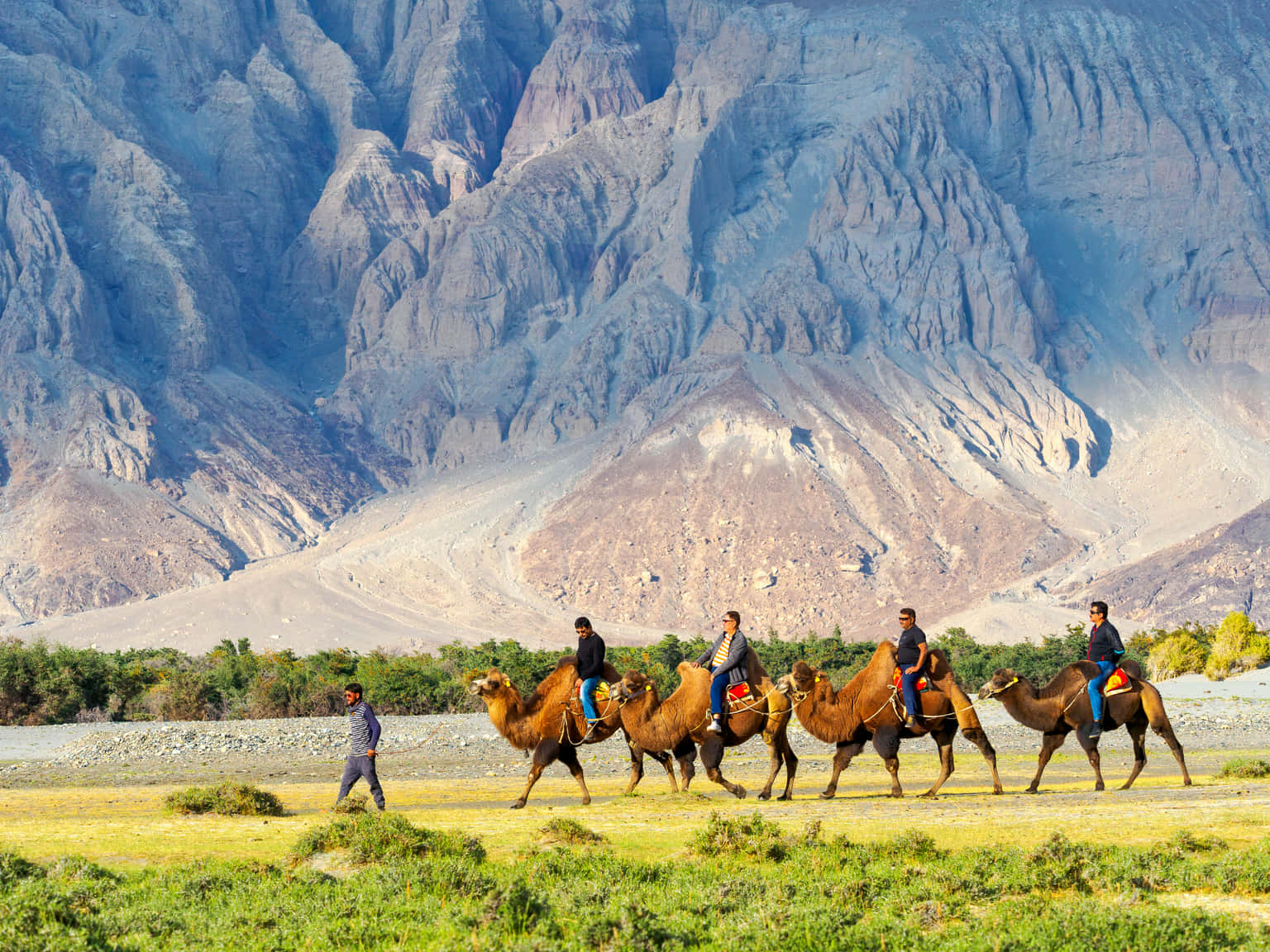
Situated at around 3,000 metres, Nubra Valley is accessible via Khardung La from Leh. It’s known for its dunes in Hunder and double-humped Bactrian camels. You’ll find a milder climate here, compared to Leh. So, it’ll be easier to get acclimatised here. Diskit Monastery and its large Buddha statue also overlook the valley.
4. Khardung La Pass
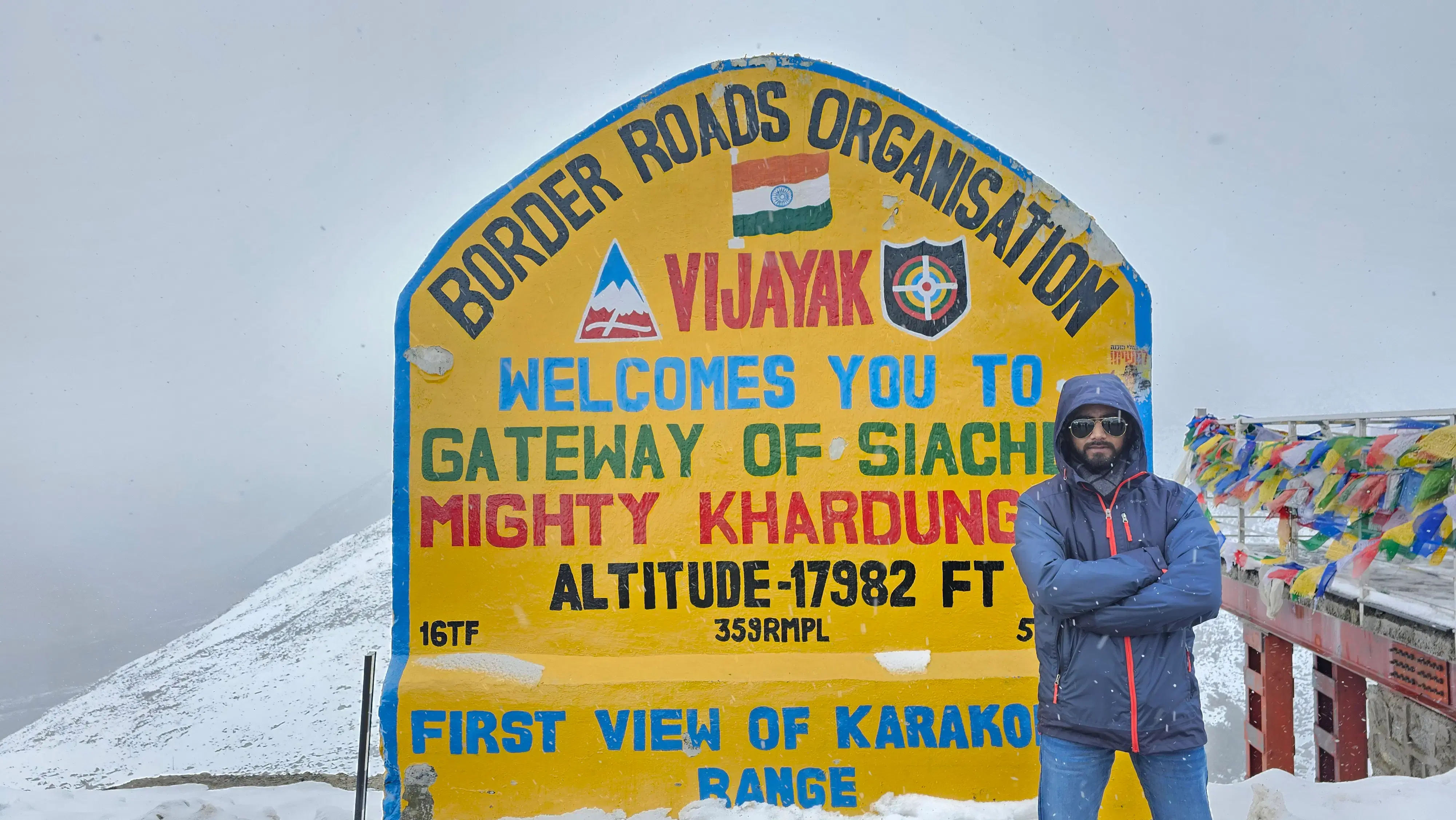
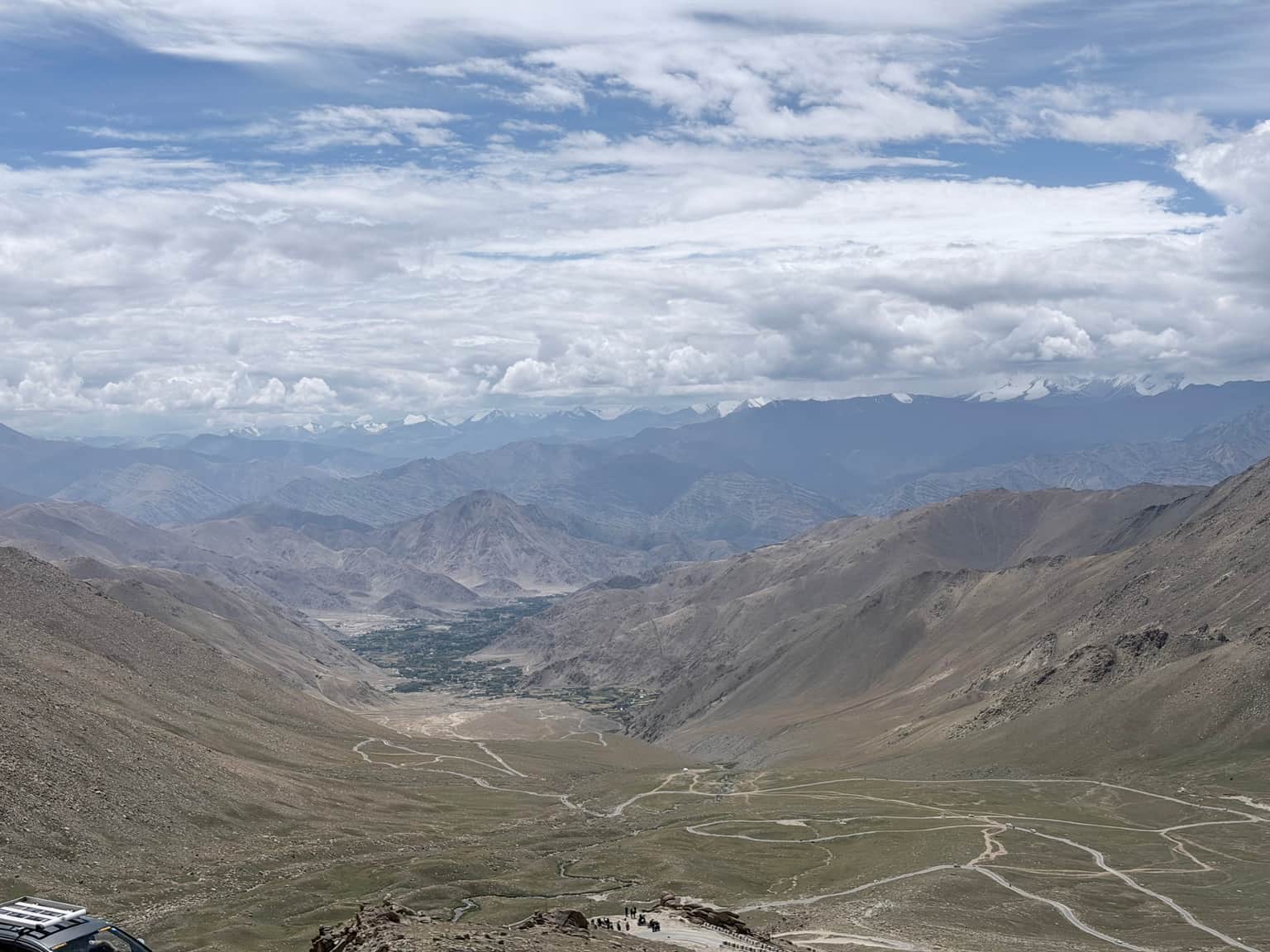
One of our travelers Aanand rai enjoying the mesmerizing view of Khardung La , They booked our "Adventurous Ladakh - The Land of High Passes with Umling La" package. The trip duration was 8 Days / 7 nights.
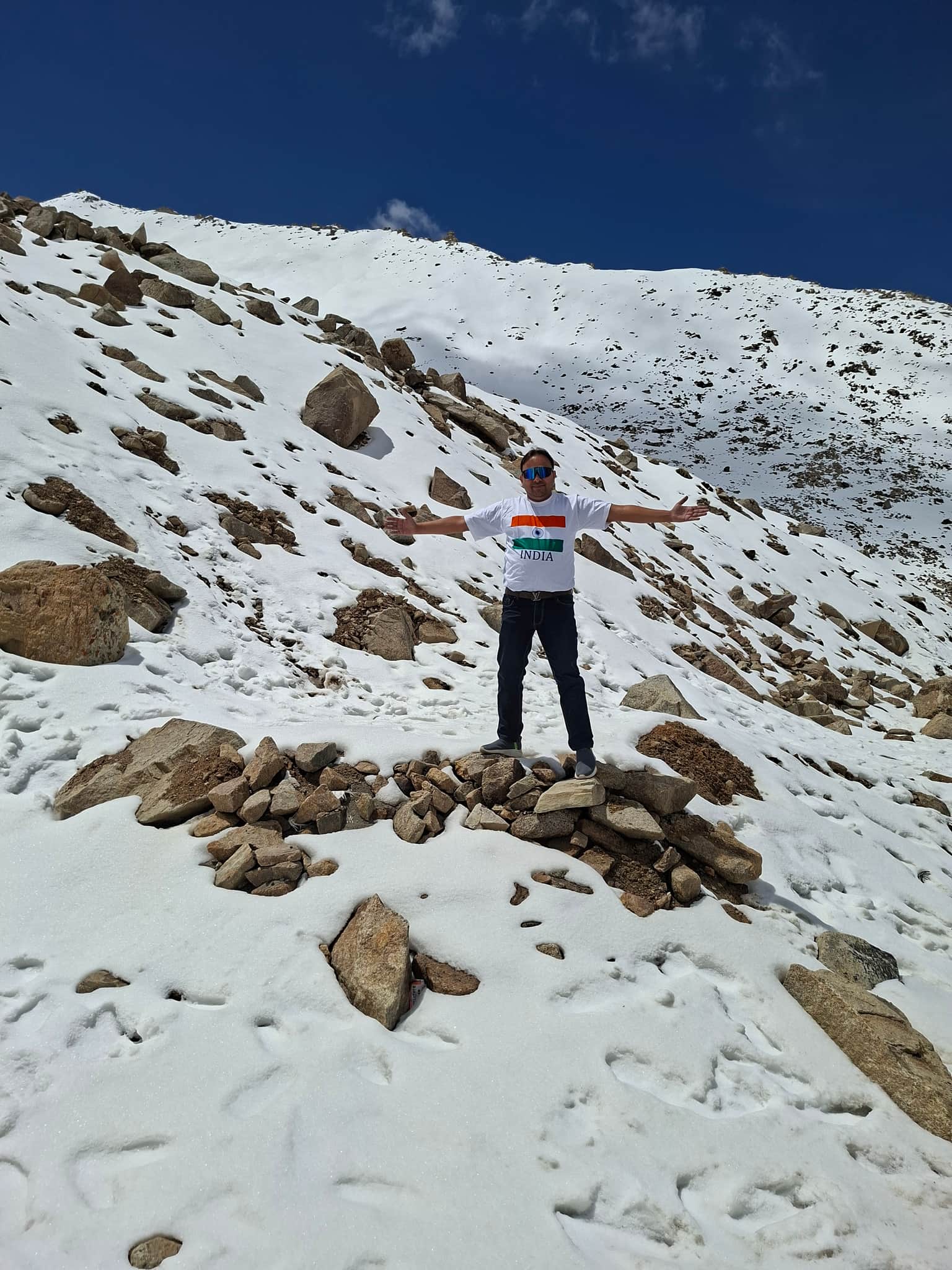
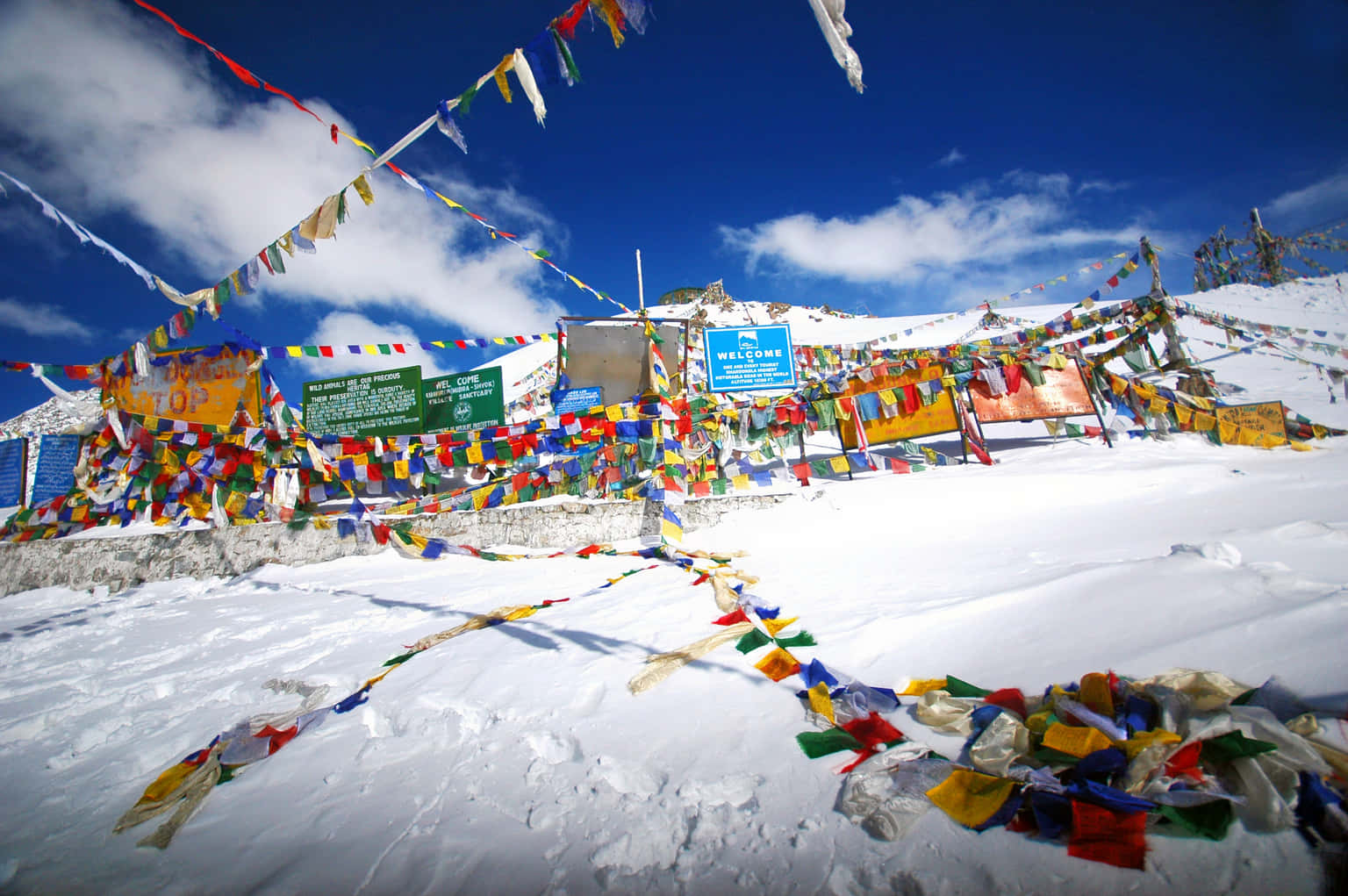
Khardung La is among the highest motorable passes in the world, located at 5,359 metres. It also connects Leh to the Nubra Valley. You’ll see the BRO (Border Roads Organisation) cafe serving basic refreshments like tea and Maggi here.
Thrillophilia Insight: In our post-trip data and actual on-ground visits, we figured out how the oxygen levels drop noticeably here. Most travellers usually spend no more than 15 to 20 minutes at the top.
Travel Tip: Weather conditions change quickly, even in summer. So, make sure you are carrying warm layers, regardless of the season.
5. Thiksey Monastery
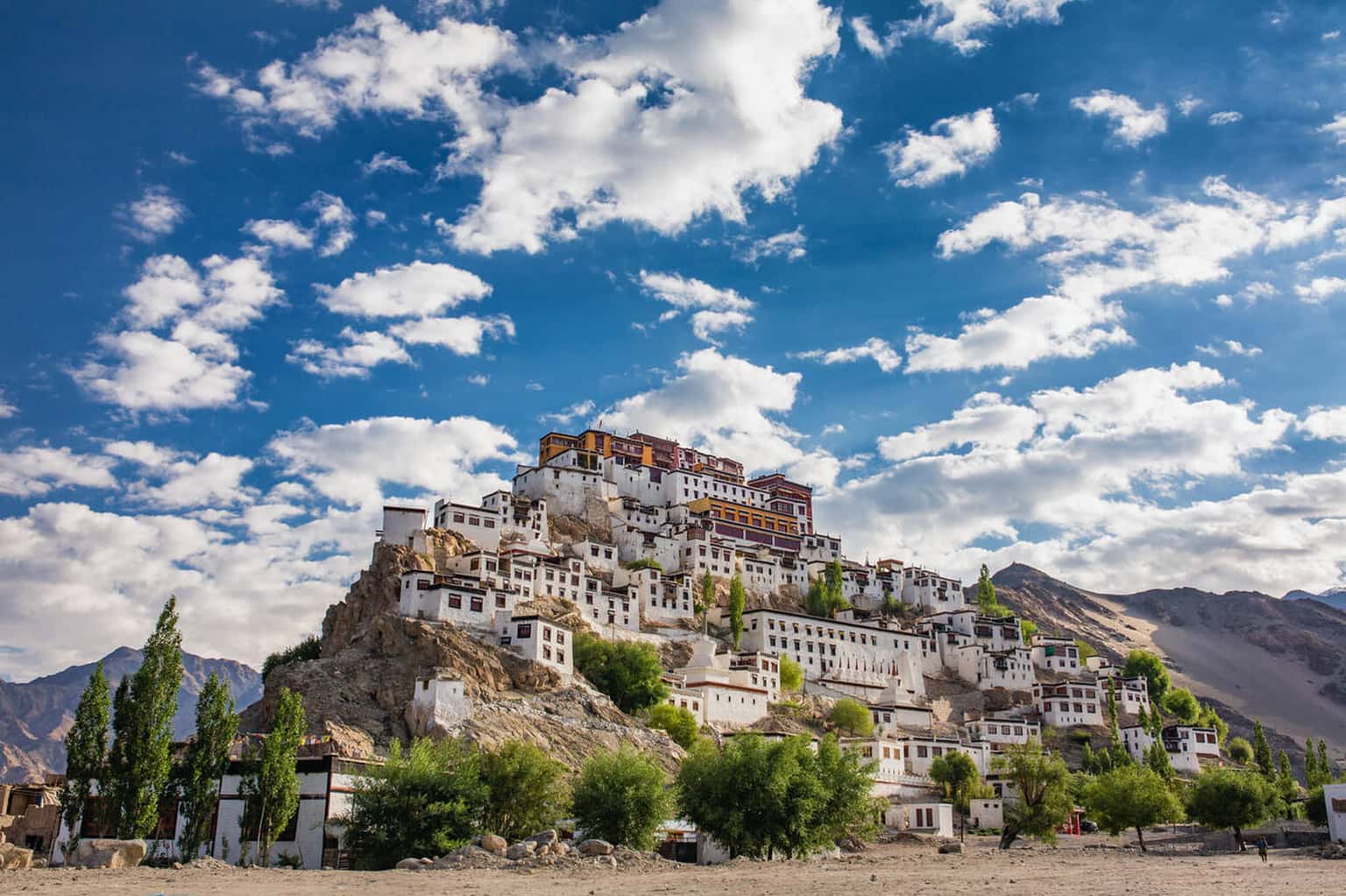
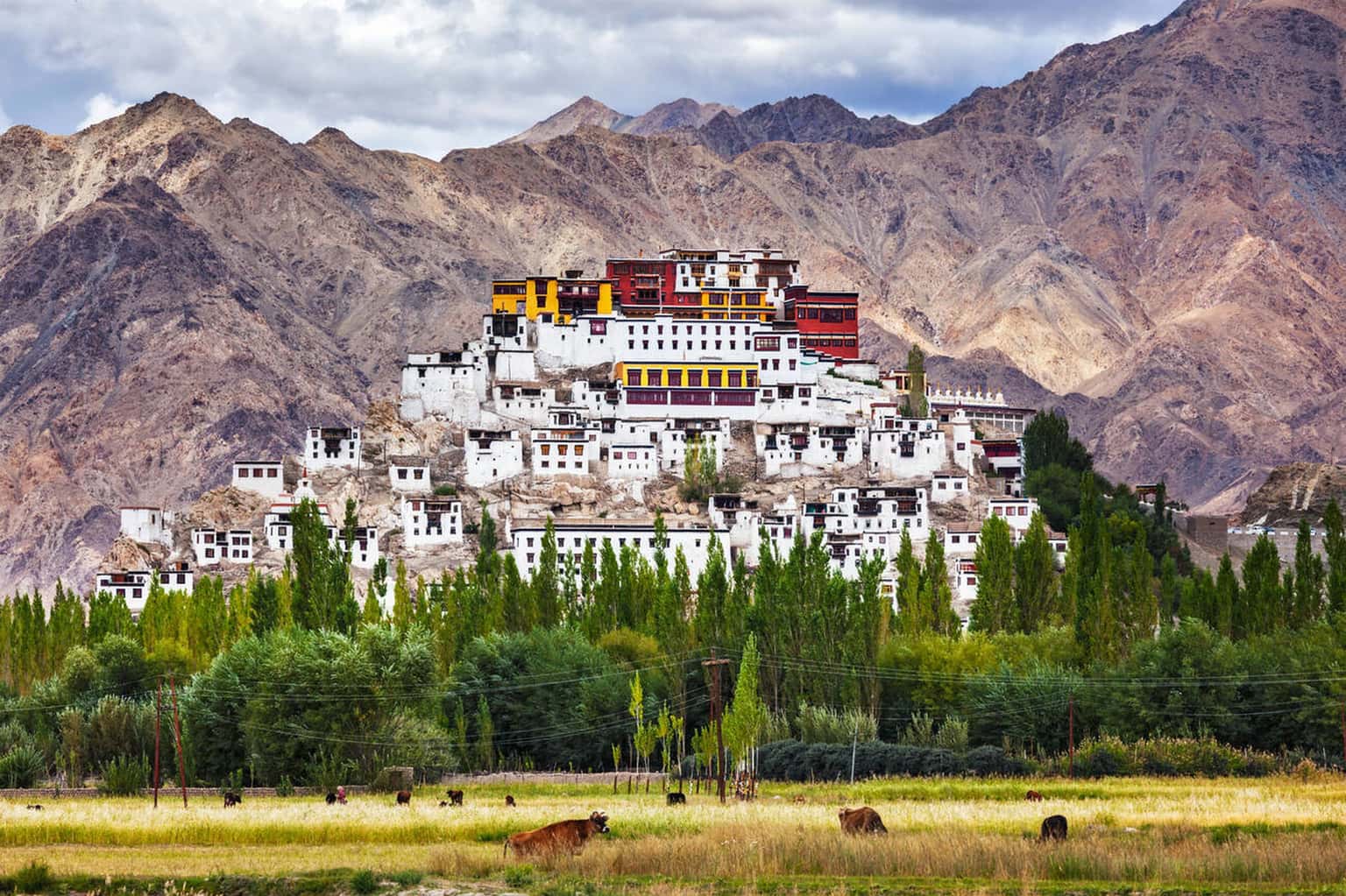
Thiksey is one of the largest monasteries in Ladakh, and it's located at 3,596 metres in the Indus Valley. Spot a 15-metre-high Maitreya Buddha statue and how it occupies two floors of the complex. The monastery has 12 levels with prayer halls, living quarters, and temples. Also, wake up early and make sure to attend the morning prayers, which take place around 6 to 7 AM. These are open to visitors, offering a more immersive experience.
Know More About: Thiksey Monastery
6. Magnetic Hill
Magnetic Hill is known for its optical illusion effect and is situated at around 14,000 feet on the Leh-Kargil route. So, what’s the illusion? When parked at the marked spot in neutral, you can see vehicles appearing to move uphill at around 15-20 km/h. The effect works best when you follow the exact marked positioning on the road.
Know More About: Magnetic Hill
7. Sangam Point
This confluence of the Indus and Zanskar rivers is around 35 km from Leh. The two rivers are visibly different in colour, especially during the summer months. It is also a starting point for rafting routes on the Zanskar River. This stop will hardly take around 20 to 30 minutes during a Leh-Kargil route trip, but will definitely be worth the time.
Know More About: Sangam Point
Thrillophilia Data Insight:
As shared by our Operations Team, the 2025-2026 bookings data reveals that over 73% of travellers stick to these key locations. The extended itineraries include Tso Moriri or Hanle. Route-based stops like Drass and Zoji La are only covered when travelling via Srinagar-Leh.
Top Things to Do in Ladakh
1. Go on the Chadar Trek
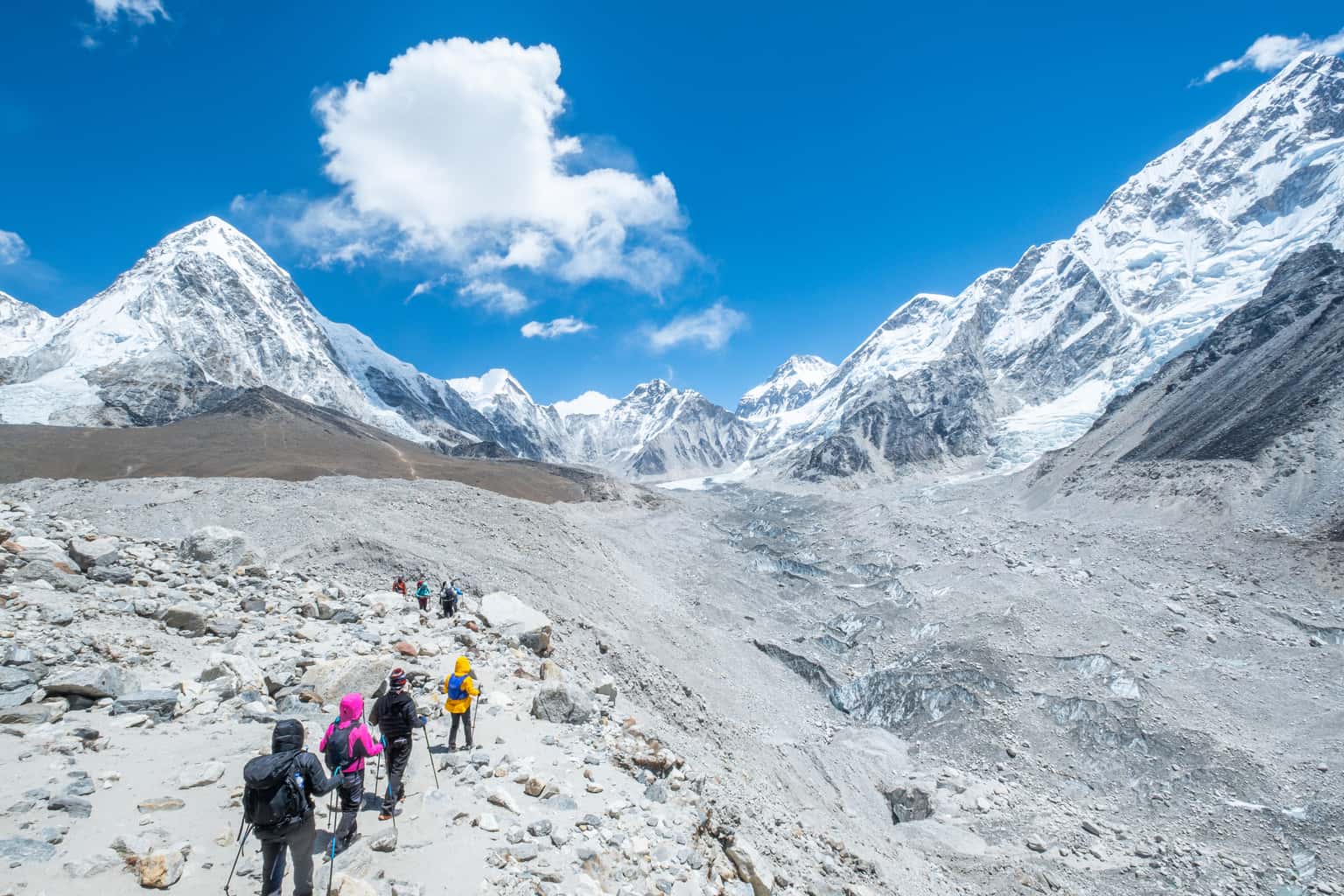
The Chadar Trek takes place between January and February over the frozen Zanskar River. It lasts around 8-9 days and is a moderate-to-difficult trek, so it usually suits physically fit travellers. If you’re thinking of doing this trek, keep in mind that the temperatures might drop below -20°C. So carry proper gear and ensure acclimatisation.
2. Indulge in a Motorbiking Adventure
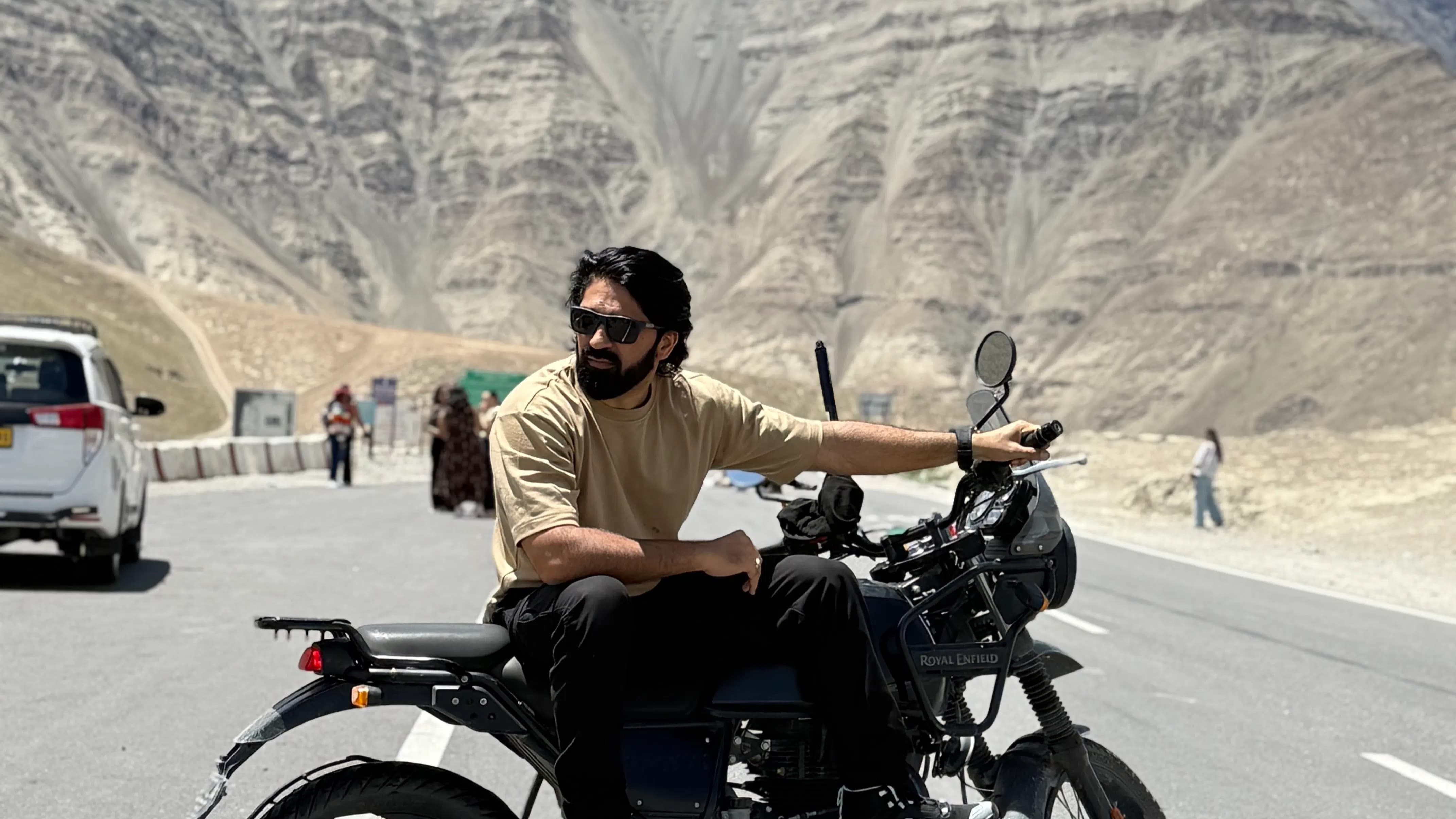
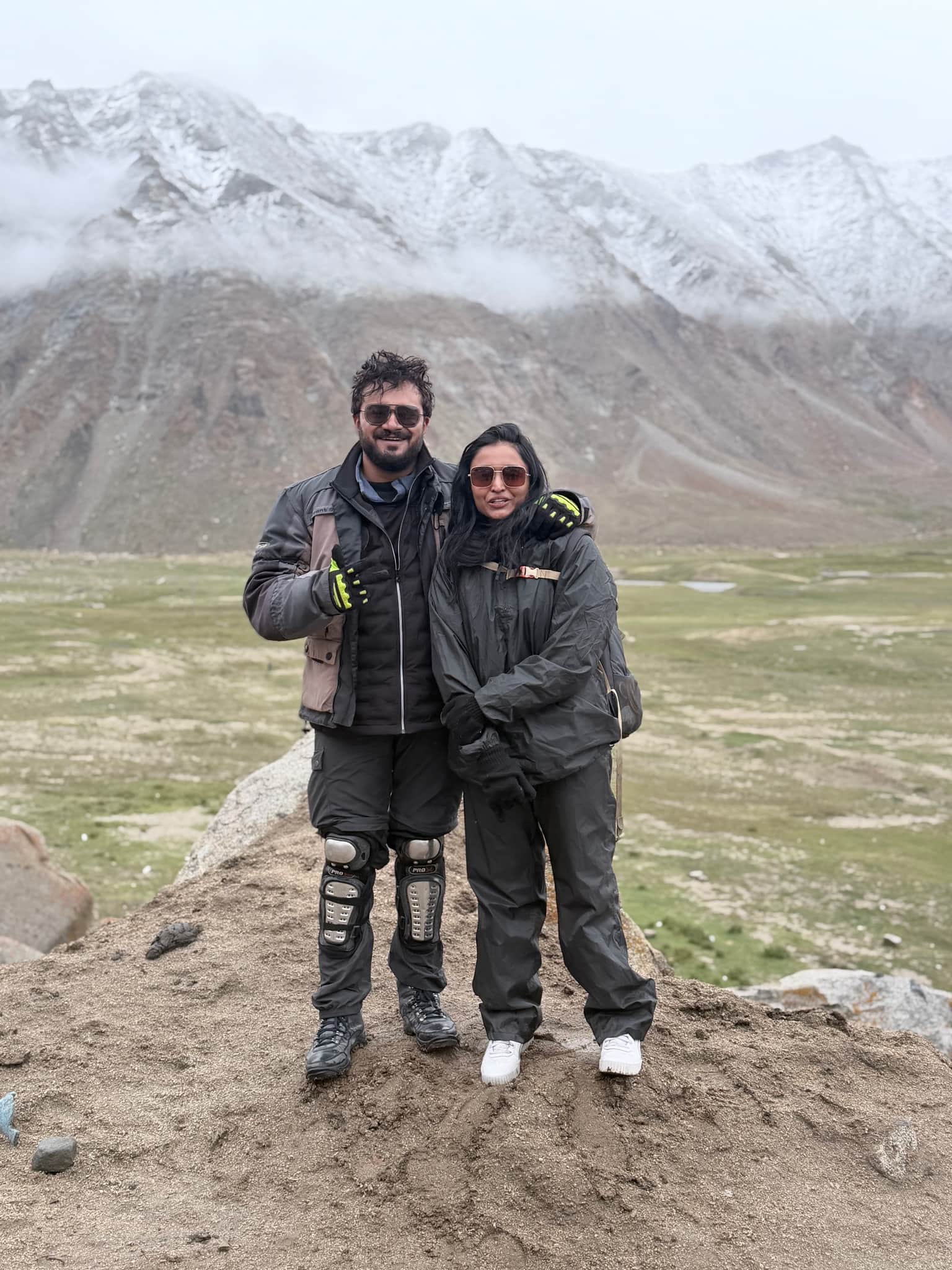
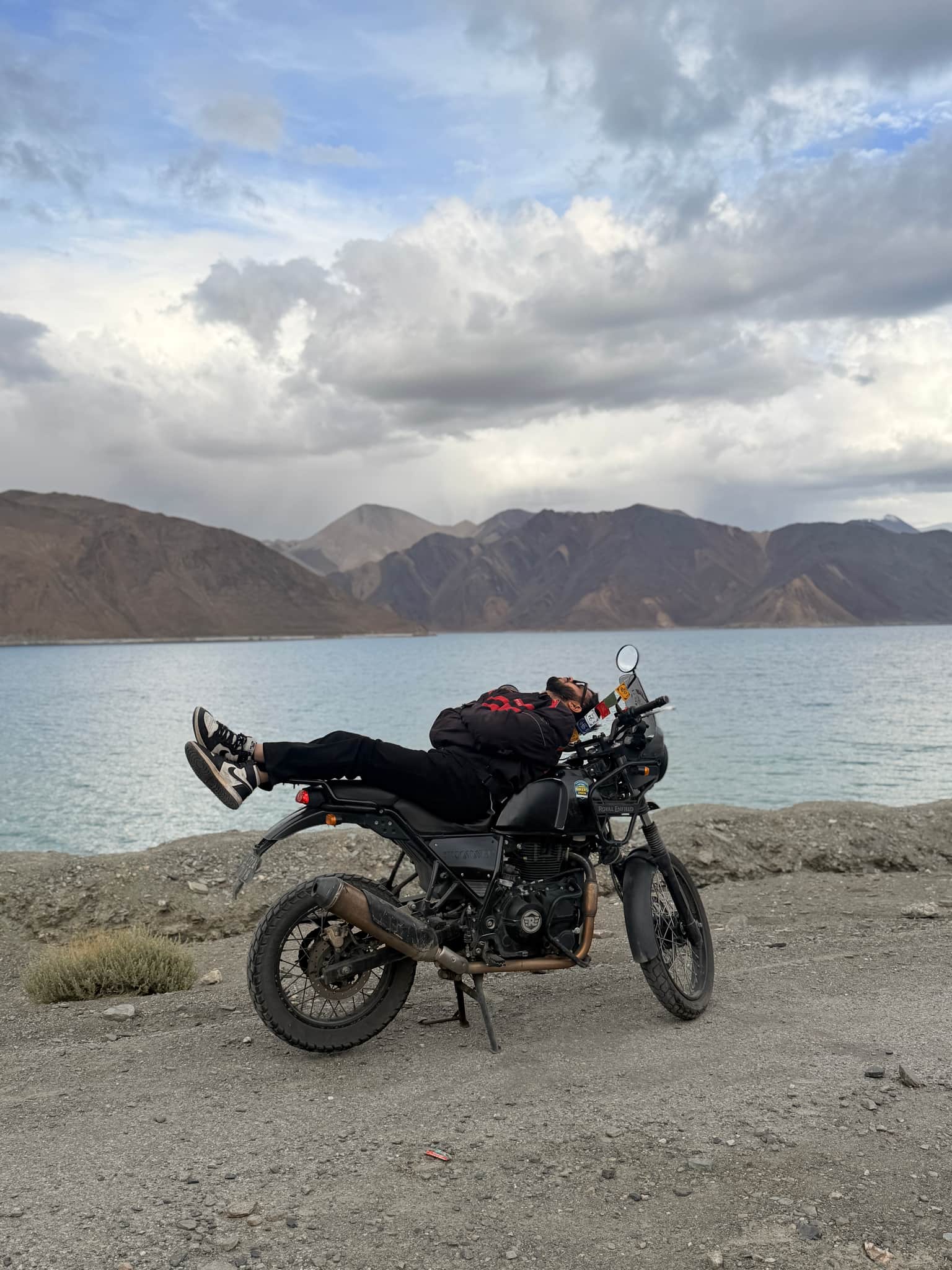
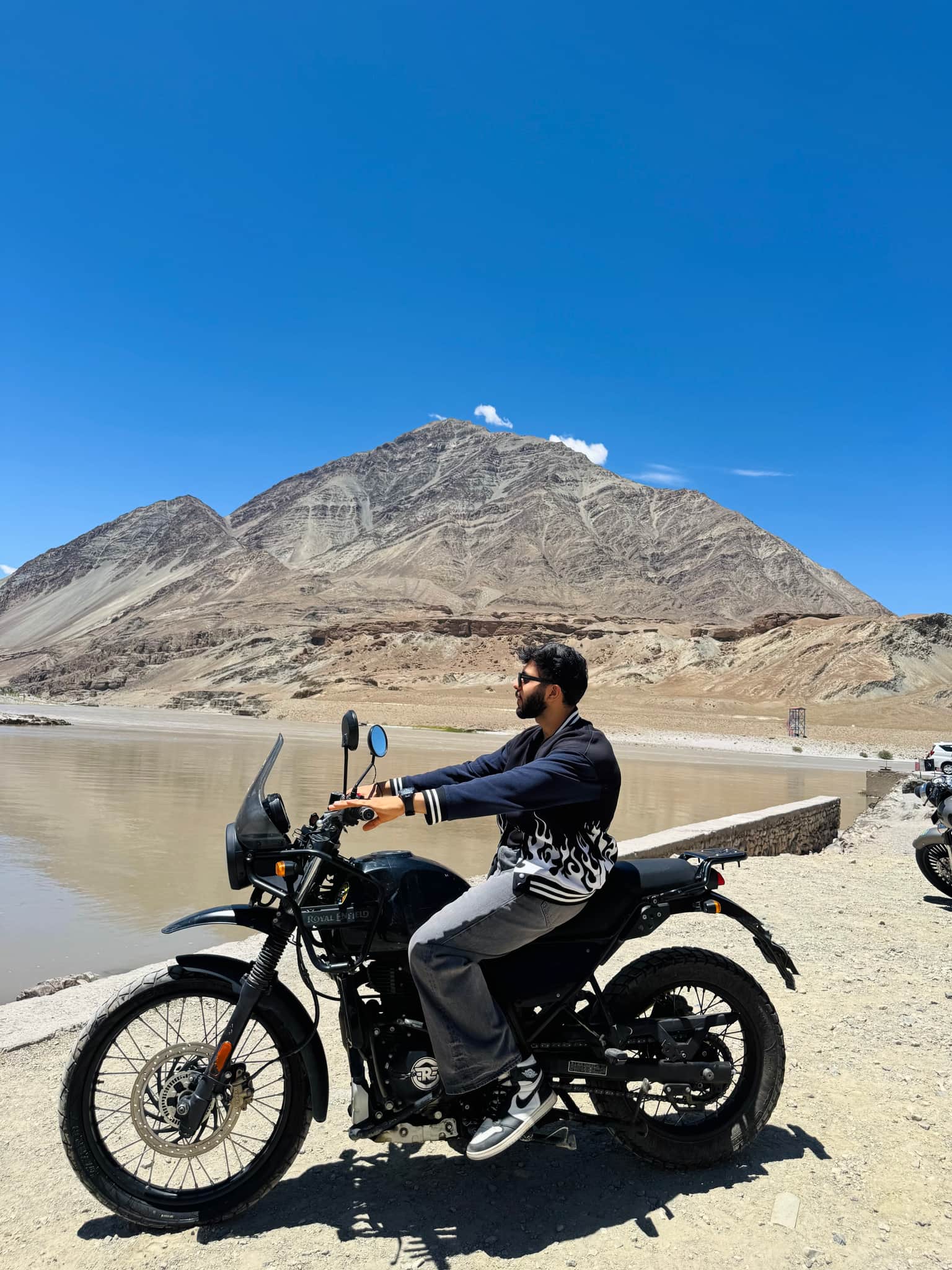
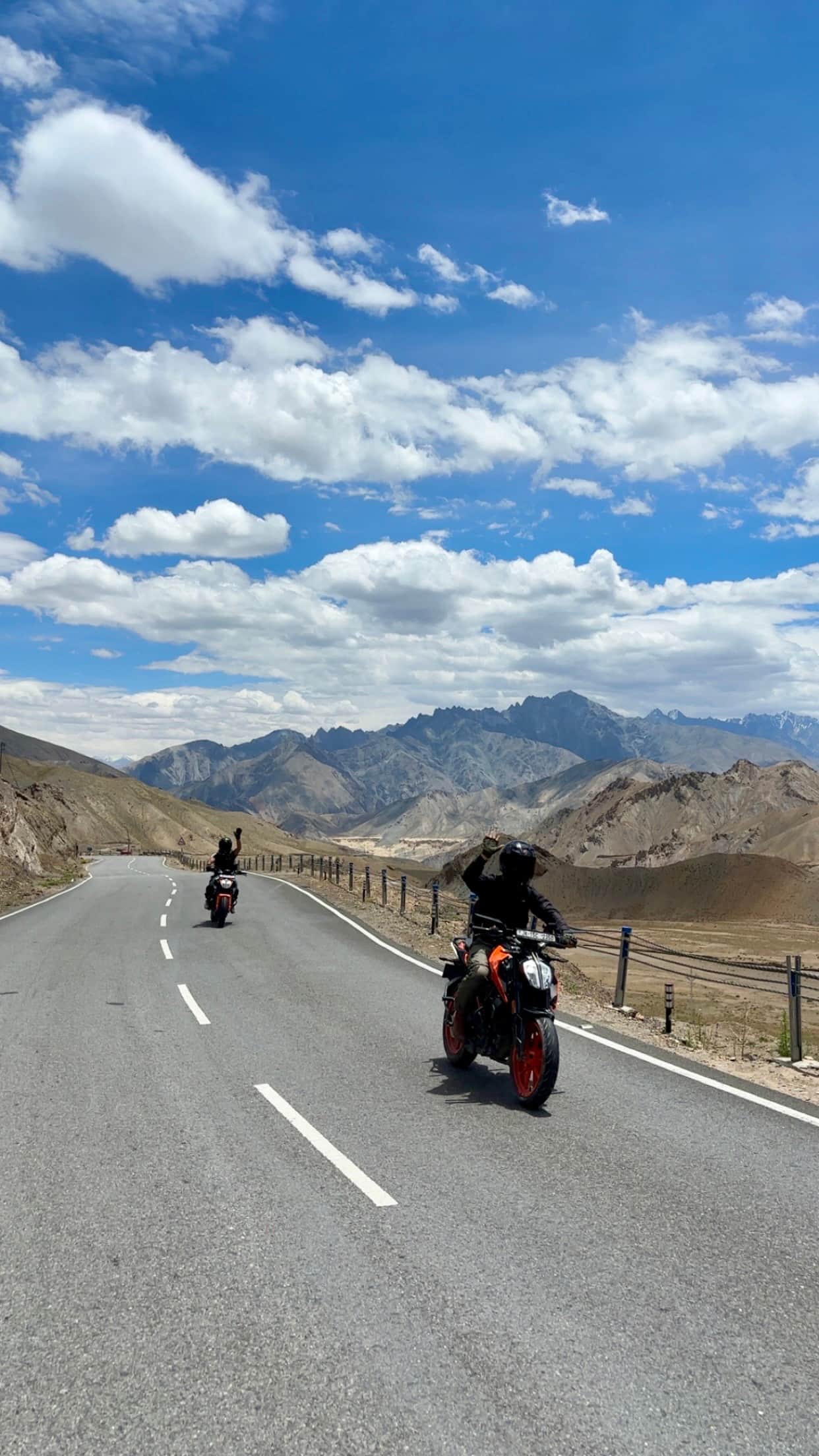
Soyab Memon Enjoying Motorbike ride at Ladakh. They booked Ladakh Bike Adventure with Umling La Visit. The trip duration was 8 Days and 9 nights.
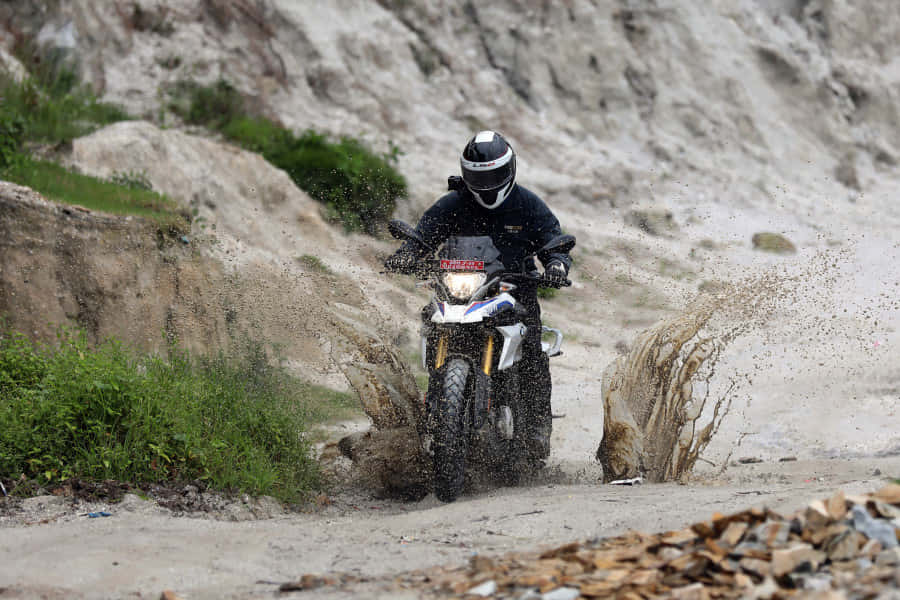
What better way to cover Ladakh than on a motorbike? Motorbiking routes like Manali-Leh (2–3 days) and Srinagar-Leh (2 days) are popular among travellers. You can complete the Ladakh circuit with Nubra and Pangong within 6 to 8 days. You can find rentals in Leh costing INR 1,200 to INR 2,000 per day. At Thrillophilia, we also provide Ladakh bike trip packages priced as low as INR 19,000, where you can get the chance to ride on your own or travel with an experienced biker.
3. Enjoy Rafting in the Indus River
Rafting takes place on the Indus and Zanskar rivers, with rapids ranging from Grade I to III. Sessions generally last between 1.5 and 3 hours and cost around INR 1,500 to INR 3,500 per person. One of the advantages is that it remains beginner-friendly, with trained guides and safety gear included throughout the experience. If you are planning to include rafting in your trip, June to September is considered the most suitable time.
4. Go on a Camel Safari in Nubra Valley
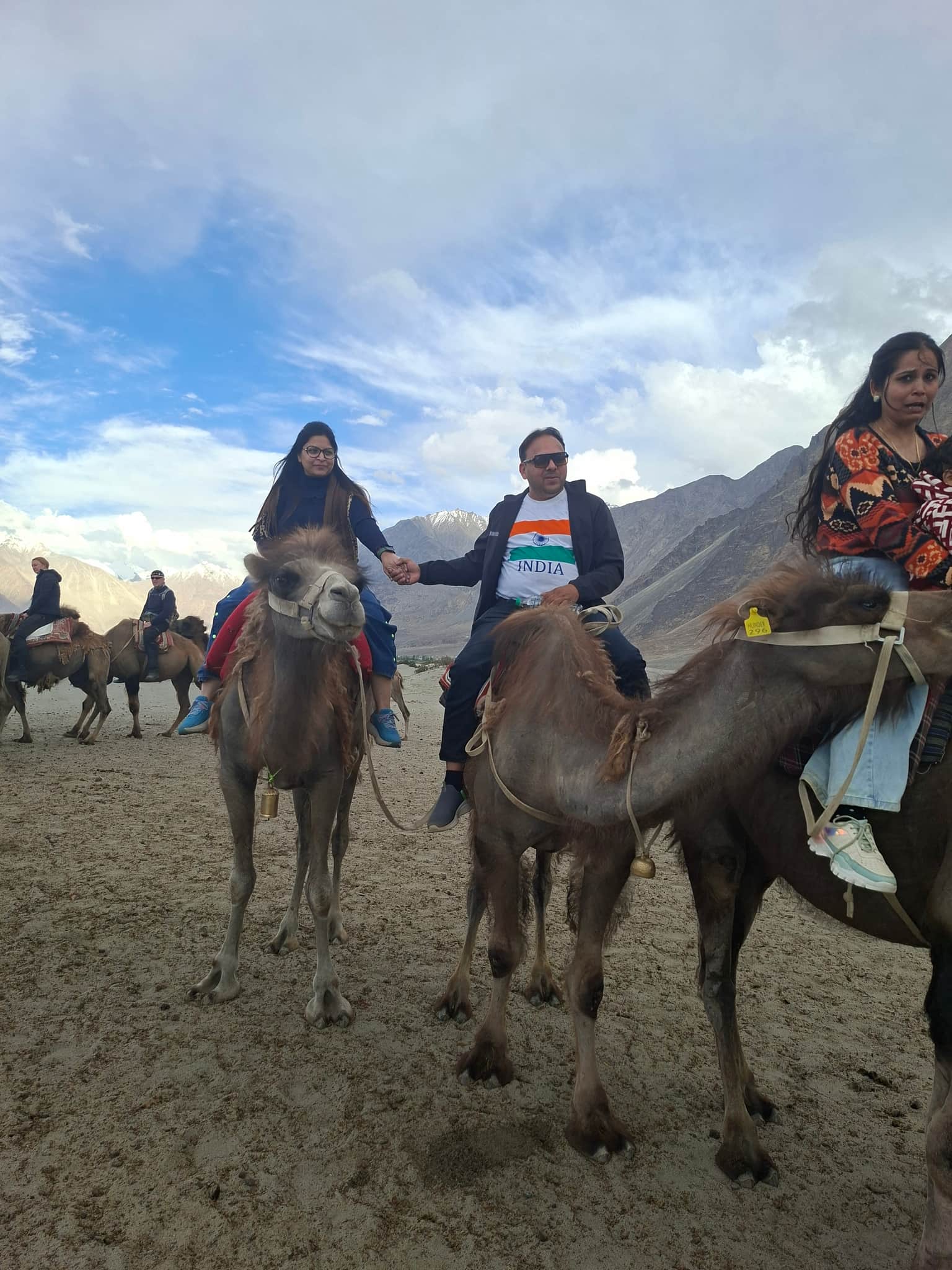
Camel rides in Hunder last about 15-30 minutes and cost around INR 200-INR 500. Regardless of the age group, you can enjoy this activity. We keep this activity in the evening, usually for better weather conditions. You can also consider combining it with Diskit Monastery visits.
5. Try Skiing in Ladakh
Skiing is limited to the winter months (December-February) in areas like Drass. It is better suited for intermediate-level travellers due to minimal infrastructure. Sessions with basic guidance can cost INR 2,000-INR 5,000 per day, and the availability depends heavily on snowfall.
6. Camp Near Pangong or Tso Moriri
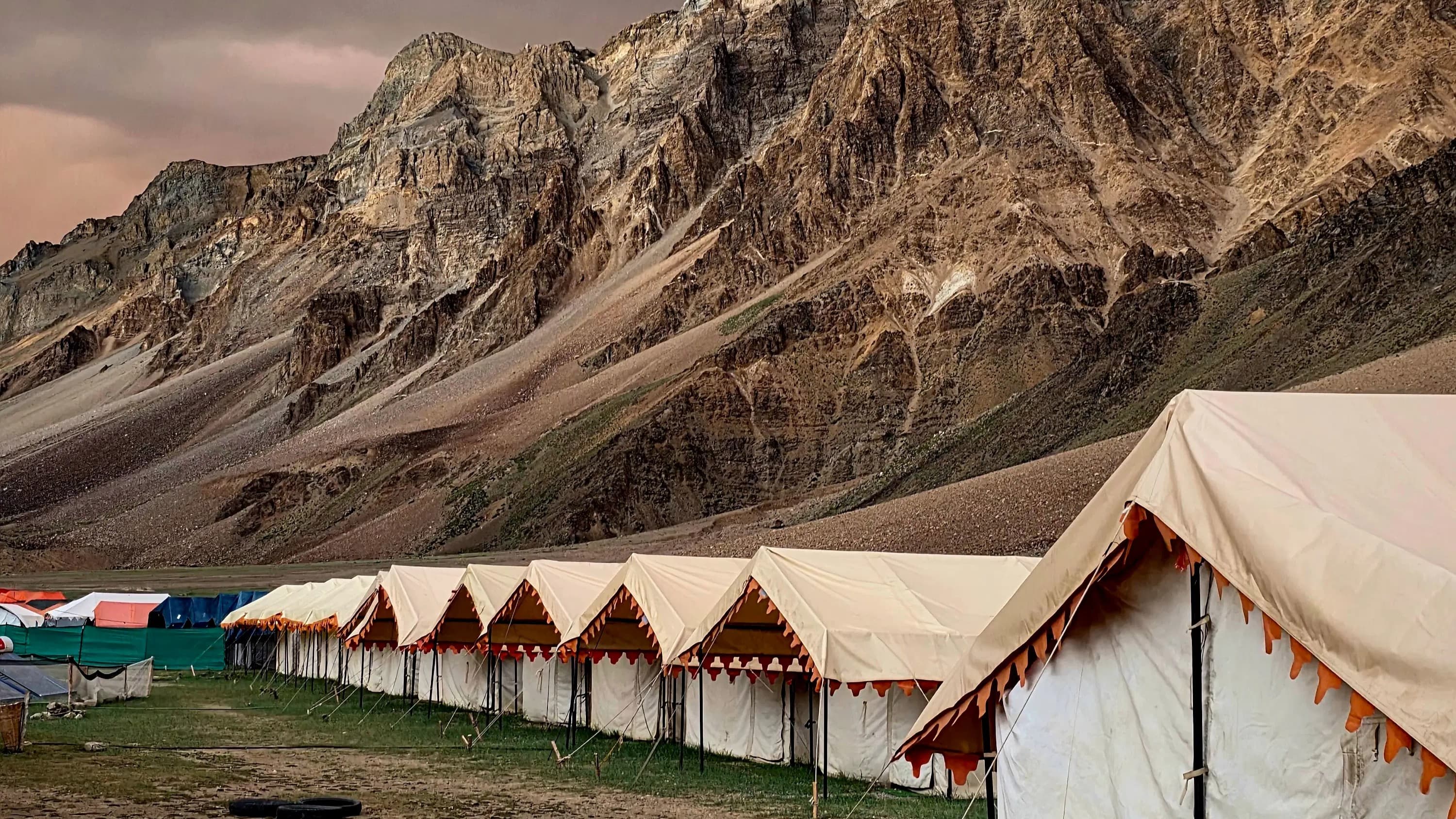
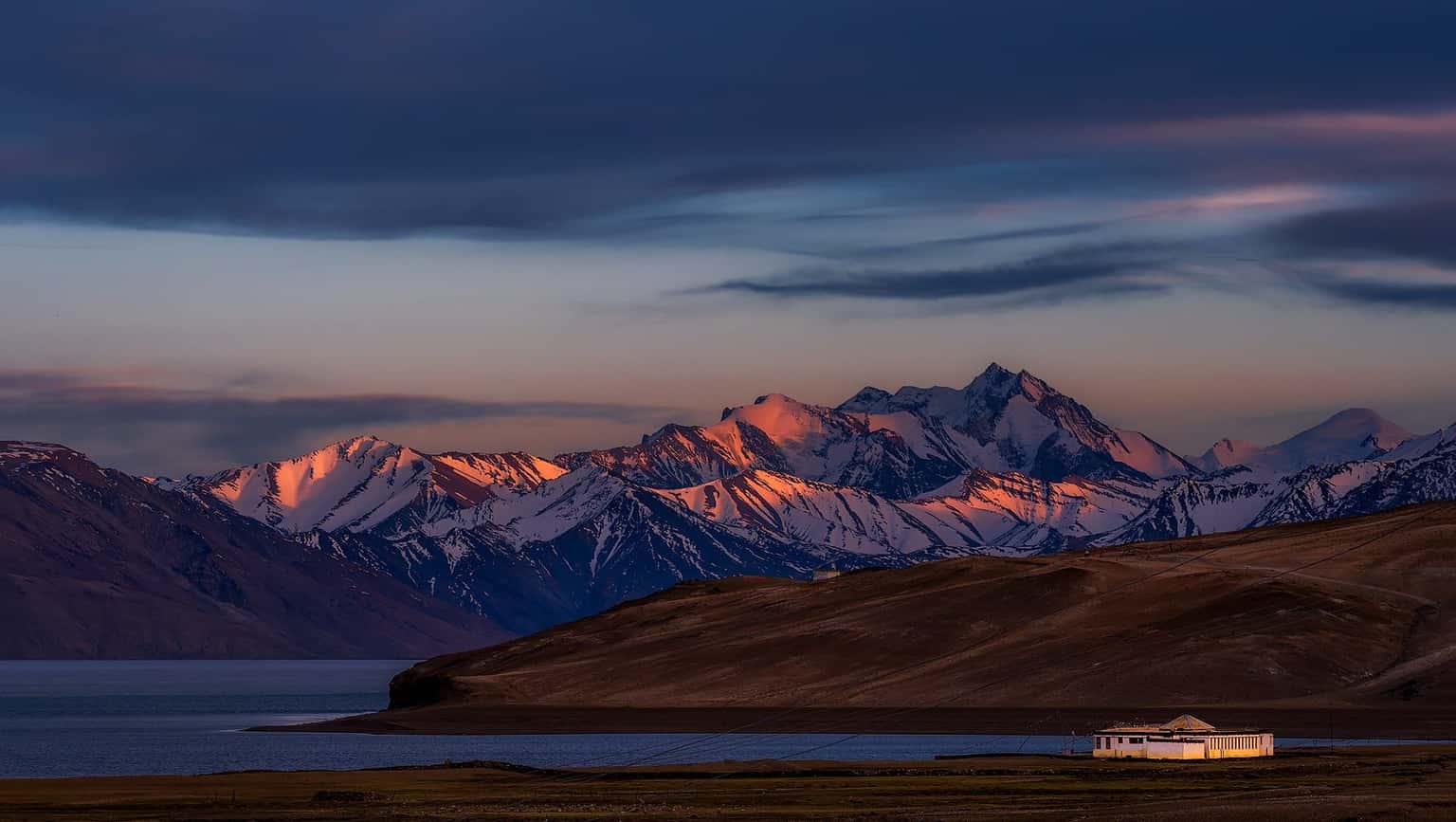
This photo has been taken by one of our travelers Digvijay Thakur. They booked our Gems of Ladakh | Exploring Monasteries, Mountains & Marvels Package.
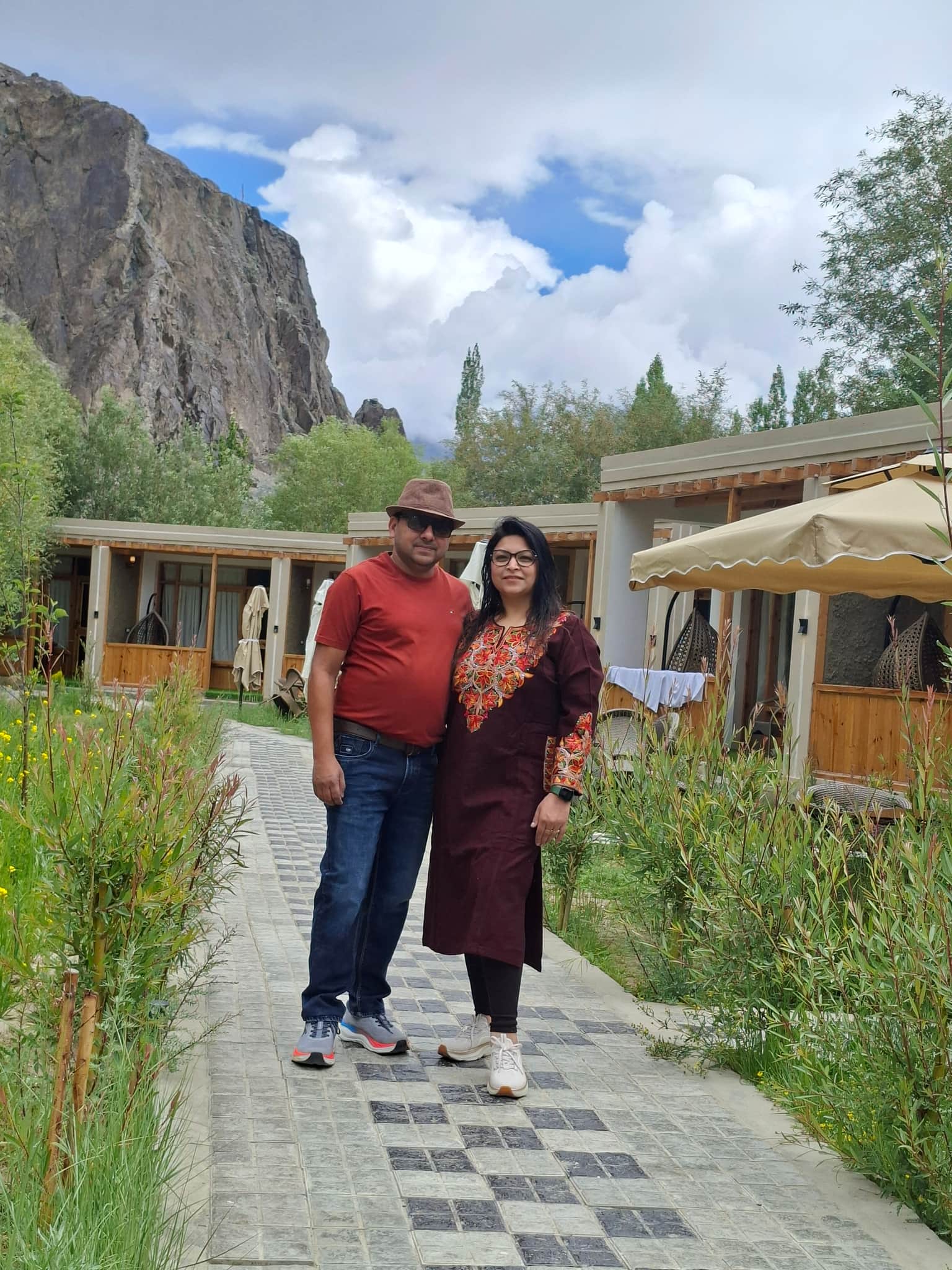
A highly underrated but must-have experience would be overnight camping near Pangong or Tso Moriri. You can find stays ranging from INR 1,500 to INR 5,000, including meals. Nights can get very cold, even in summer, so pack accordingly. Also, you might find limited electricity and connectivity in most camps.
On-ground Insight: Travellers often expect lakeside camps everywhere, but in Pangong, camps are set slightly away due to government regulations. Thus, walking access matters when choosing a stay.
7. Explore Local Markets in Leh
While in Leh, make sure to visit the main shopping areas, especially Leh Market and Tibetan Market. Most shops remain open between 10 AM and 8 PM, so it helps to plan your visit accordingly. You can shop for handicrafts, woollens, souvenirs, and a variety of locally crafted items here.
Thrillophilia Traveller Note:
Vikrant Joshi, a traveller from Mumbai who booked the Leh Ladakh Tour of 10 Days, said, “Ladakh was always the trip I was saving for the right time. They made the right time happen. Nubra Valley, with the sand dunes and the camels against a backdrop of snowy mountains, is genuinely amazing. Every road was handled brilliantly by our driver. Khardung La in the clouds felt like driving through another planet.”
Verified Thrillophilia booking, May 2026 departure
Cuisines of Ladakh (Must-try Dishes)
Thukpa
The most famous dish of Leh-Ladakh, Thukpa, is a warm noodle soup made with vegetables or meat. You’ll notice people in Leh and nearby villages making it a natural part of their everyday meals. After all, it’s simple, filling, and ideal after long travel days or cold evenings, as is common in this region.
Where to Try: Tibetan Kitchen, Lamayuru Restaurant
Mokthuk
This is a combination of momos (dumplings) served in a light soup base, usually with vegetables or minced meat. You can easily get Mokthuk in Leh cafés, and they'll also act as a full meal rather than just a snack.
Where to Try: Gesmo Restaurant, Tibetan Kitchen
Skyu (Skieu)
Skyu is a thick stew prepared with wheat dough pieces, root vegetables, and sometimes meat, and is traditionally cooked in local homes across the region. If you are visiting during winter, it makes for a suitable choice, especially because its hearty texture is well-suited to colder weather.
Where to Try: The Bon Appétit
Tingmo (Steamed Bread)
Enjoy this soft and fluffy bread, served with curries or stews. You can find this mildly flavoured Tingmo in monasteries and local eateries. For the best taste, we suggest pairing it with spicier dishes.
Where to Try: Tibetan Kitchen, Summer Harvest Cafe
Chhurpi (Dried Yak Cheese)
Chhurpi is a hard cheese made from yak milk, often carried by trekkers as a long-lasting snack. When trying this, it might seem chewy, but it is rich in protein and commonly added to soups.
Where to Try: Leh Main Bazaar, Ladakh Eco Products Market
Butter Tea (Gur Gur Cha)
Butter tea is a salty tea made with yak butter. We recommend you have this during your trip to stay hydrated and energetic at high altitudes. If it's your first time consuming this, you might find the taste unusual, but it's a widely consumed drink locally.
Where to Try: Ladakhi Women's Cafe, Gesmo Restaurant
Khambir
Taste Khambir, which is a dense, whole-wheat bread typically served with butter tea or apricot jam. This is actually a commonly eaten breakfast in Ladakhi households.
Where to Try: Ladakhi Women's Cafe, Neha Snacks
Sea Buckthorn Juice
Try this tangy, vitamin-rich drink made from locally grown berries. You can often find it in bottled form, available easily across Ladakh. It is widely consumed for its refreshing taste and immunity-supporting properties.
Where to Try: Summer Harvest Cafe, Leh Main Bazaar
Chhang
It’s a mildly alcoholic drink made from fermented barley, usually consumed during local gatherings or festivals. It has a light, slightly sour taste and is served warm in colder regions.
Where to Try: Local Homestays in Leh, Traditional Cultural Gatherings
Apricot Jam
As the name suggests, Apricot Jam is a sweet spread (jam) made from the locally grown apricots. You can pair this dish with breads like khambir and also take it home as a souvenir, since it is one of the easiest food items to carry back.
Where to Try: Leh Main Bazaar, Ladakh Apricot Store
Popular Leh Ladakh Tour Itineraries
5 Days Leh Ladakh Itinerary with Pangong Lake
Starting Price: INR 19,000 per person
Best For: First-time visitors, families, couples, and short getaways
- Day 1: Arrival in Leh and Local Sightseeing (Leh Palace, Shanti Stupa & Leh Market)
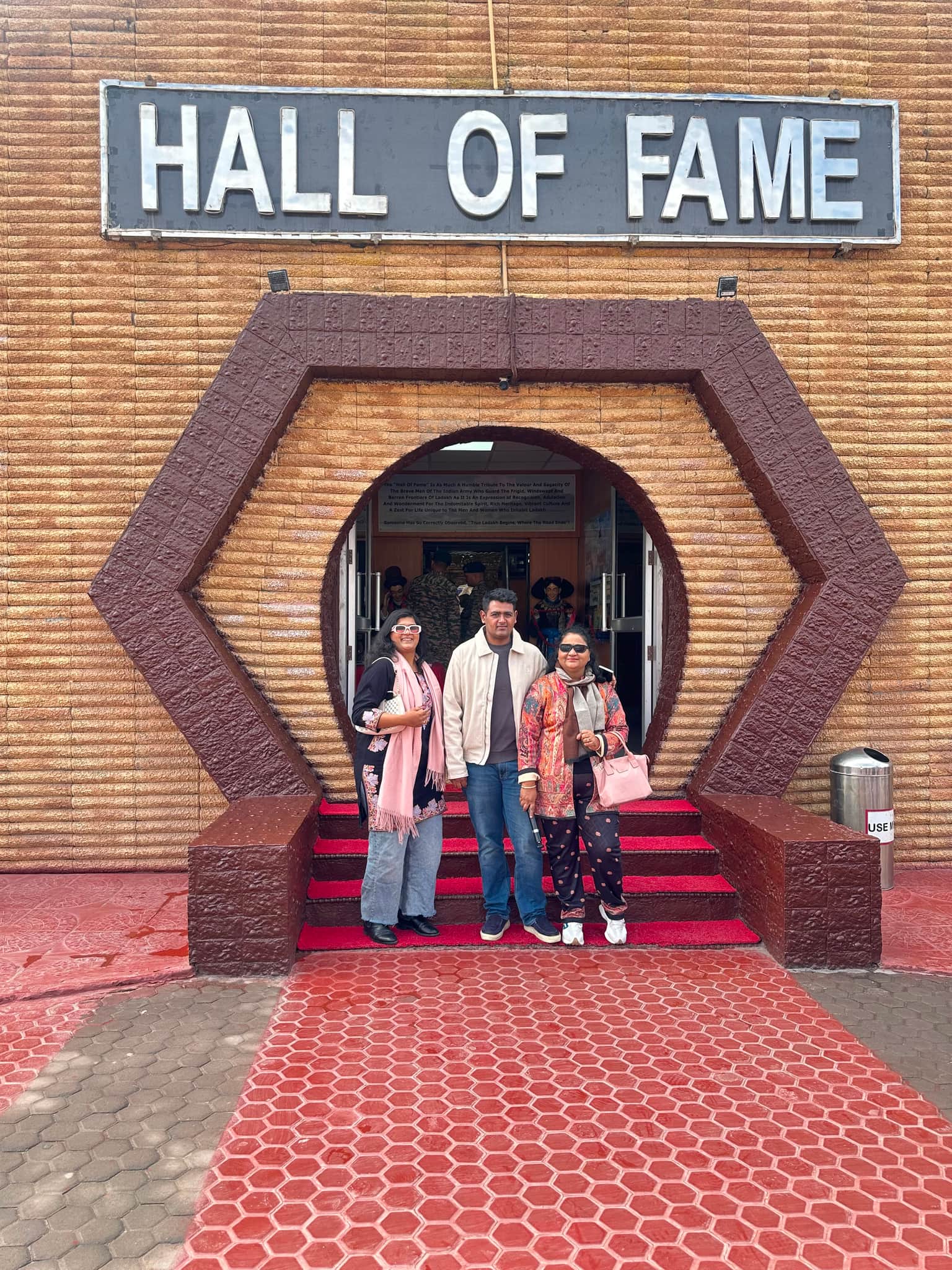
- Day 2: Sham Valley Excursion (Sangam, Magnetic Hill, Gurudwara Pathar Sahib & Hall of Fame)
- Day 3: Excursion to Khardung La Pass
- Day 4: Pangong Lake Day Trip via Chang La Pass
- Day 5: Departure from Leh
Know More About: 5-Days Ladakh Tour Packages
7 Days Ladakh Itinerary with Nubra Valley, Pangong Lake & Turtuk
Starting Price: INR 21,800 per person
Best For: Travellers looking to cover Ladakh's top attractions and an offbeat Himalayan village
- Day 1: Arrival in Leh and Local Sightseeing
- Day 2: Sham Valley Sightseeing Tour
- Day 3: Leh to Nubra Valley via Khardung La Pass
- Day 4: Excursion to Turtuk Village and Balti Settlements
- Day 5: Nubra Valley to Pangong Lake via Shyok Route
- Day 6: Pangong Lake to Leh via Chang La Pass
- Day 7: Departure from Leh
Know More About: 7-Days Ladakh Tour Packages
12 Days Manali-Leh-Srinagar Bike Expedition
Starting Price: INR 39,800 per person
Best For: Adventure seekers, bikers, and travellers wanting to experience all three iconic Himalayan routes
- Day 1: Delhi to Manali Overnight Journey
- Day 2: Arrival in Manali and Trip Preparation
- Day 3: Manali to Jispa via Atal Tunnel
- Day 4: Jispa to Sarchu via Baralacha La Pass
- Day 5: Sarchu to Leh via Gata Loops and Tanglang La
- Day 6: Leh Local Sightseeing Tour
- Day 7: Leh to Nubra Valley via Khardung La Pass
- Day 8: Nubra Valley to Pangong Lake
- Day 9: Pangong Lake to Leh via Chang La Pass
- Day 10: Leh to Kargil via Alchi and Lamayuru
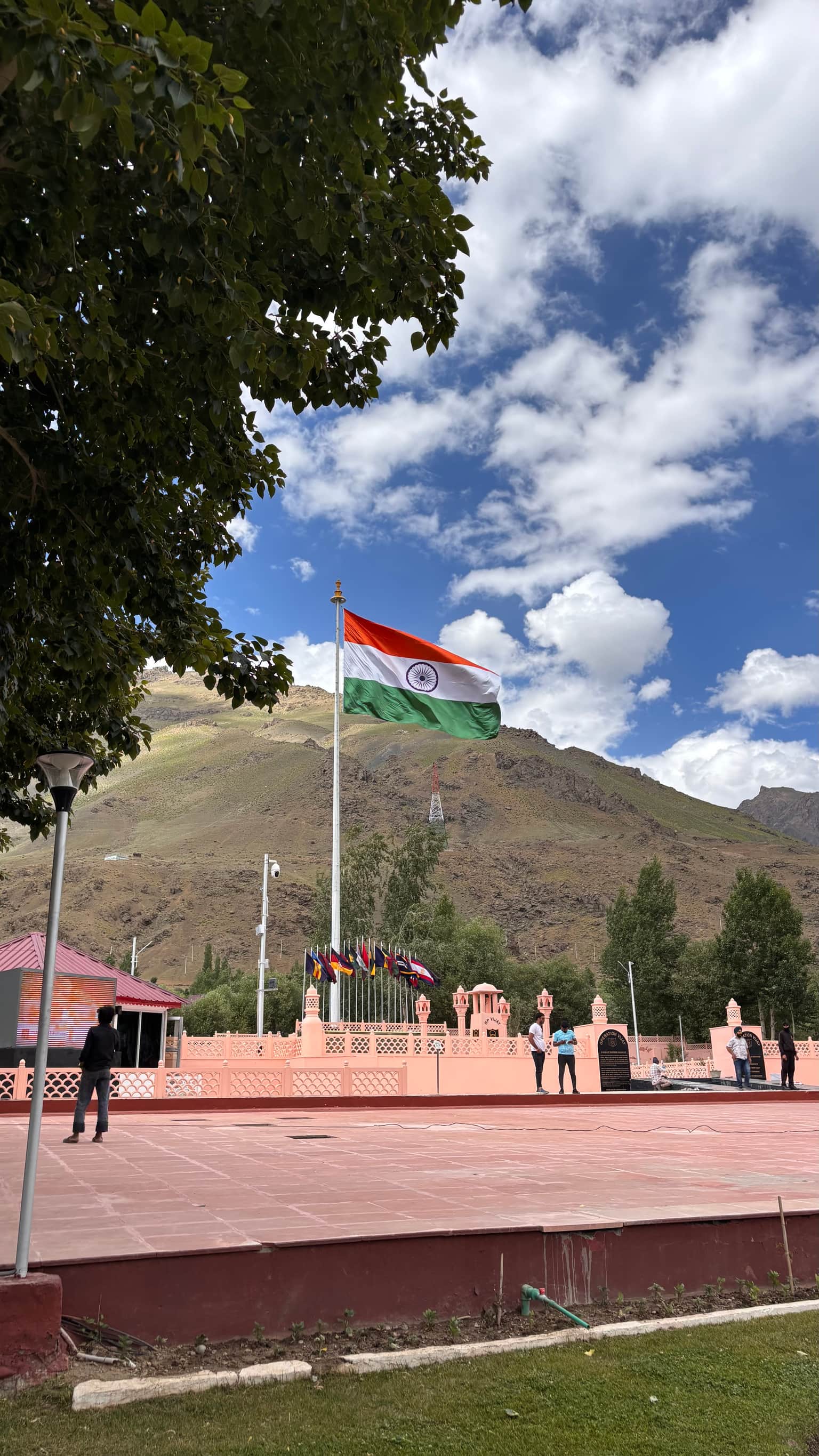
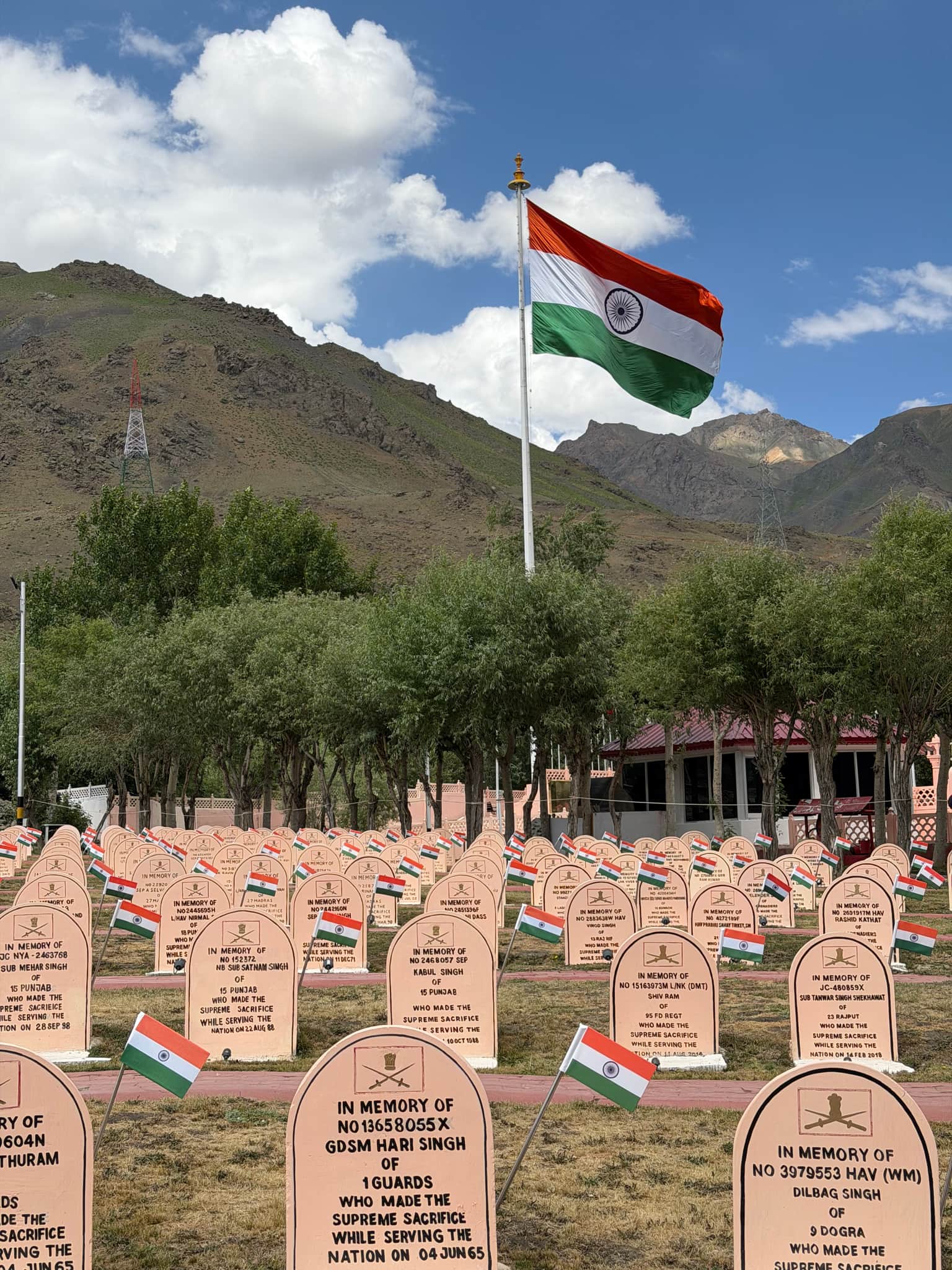
- Day 11: Kargil to Srinagar via Kargil War Memorial
- Day 12: Departure from Srinagar
Know More About: 12-Days Ladakh Tour Packages
Tips to Know Before Travelling to Ladakh
Inner Line Permits are Mandatory:
You’ll need permits for places like Nubra Valley, Pangong Tso, and Changthang. These are issued online or in Leh. Most organised trips (including ours) include them by default.
Thrillophilia Note: Over 90% of our itineraries include pre-arranged permits to avoid last-minute delays.
Pack for Temperature Swings:
You need to pack for all kinds of temperature changes, not just cold. Even in peak summer, days can feel warm and then suddenly nights drop to 5°C or so. Layering (thermals + fleece + windproof jacket) works better than carrying only heavy woollens.
Acclimatisation is Non-Negotiable:
A lot of travellers think that acclimatisation is a myth (based on their previous experience with “altitude shift”). But once you’re in Ladakh, you’ll know that it’s a necessity there. Before it gets too late and ruins your trip, spend at least 24 to 48 hours in Leh before heading to Nubra or Pangong. Completely avoid alcohol and high exertion during this period and let your body adjust.
Carry Enough Cash:
ATMs are mostly limited to Leh, and even those can run out of cash during peak months. Remote areas like Pangong and Nubra are highly reliant on using cash for most transactions.
Stay Hydrated:
In Ladakh, it becomes more than just a generic piece of advice. How much you stay hydrated impacts how you feel throughout. So, drink 3 to 4 litres of water daily, even if you don’t feel thirsty. High altitude reduces your natural thirst response, which increases dehydration risk.
Know What Facilities to Expect: Leh has decent hotels, medical facilities, and cafes. But Nubra and Pangong have basic stays with limited electricity and network. So, it’s best to plan your expectations accordingly.
Connectivity is Limited and Unreliable: Only postpaid SIMs (BSNL, Airtel, and Jio) work in most parts of Ladakh. The internet is slow and patchy outside Leh. Keep offline maps and bookings handy.
Altitude Sickness in Ladakh (What First-time Travellers Should Know)
Why Does it Happen?
Leh is located at around 3,500 metres (easily more than 11,500 feet altitude), where oxygen levels are lower than in most cities. Your body typically needs 24 to 48 hours to adjust. And this is why most well-planned itineraries keep Day 1 (and sometimes even Day 2) for rest.
When Symptoms Start:
Acute Mountain Sickness (AMS) usually begins within 6 to 12 hours of arrival, especially if you’ve flown in directly.
Common Symptoms: It’s quite common to feel a headache, dizziness, nausea, or even a loss of appetite. Considering you’re suddenly at a different altitude, and that too, with limited oxygen, mild breathlessness might also be a case. It’s also possible that you feel tired and have disturbed sleep without even beginning the journey.
What Actually Helps: Acclimatisation is real. So, do not skip it in any case. Rest completely on Day 1 instead of stepping out for sightseeing. Make sure you’re drinking plenty of water and having only light meals. Initially, avoid consuming alcohol or smoking as well. We also recommend taking Diamox or a suitable AMS medicine before travel, but only if prescribed by your doctor.
What Not to Do (This is Critical):
- Don’t ignore symptoms that seem to get worse with time or try to just “push through”.
- Avoid travelling to higher regions like Pangong or Nubra if you feel unwell.
- If you notice confusion, inability to walk straight, or breathlessness at rest, descend immediately and seek medical help.
Who Should Consult a Doctor Before Travelling:
Travellers with heart conditions, respiratory issues, high blood pressure, or a prior history of AMS should take medical advice before planning the trip.
Good to Know:
Oxygen cylinders and oxygen cafés are available in Leh. And if needed, most hotels can arrange support as well. But these are only temporary aids and not a replacement for proper acclimatisation. So, to sum it up, make sure you acclimatise properly.
Inner Line Permits – What You Need And How to Get Them
If your itinerary includes Nubra Valley, Pangong, or Changthang, you will need an Inner Line Permit. This is not something that can be skipped or arranged later, as permits are checked en route and not just in Leh.
Based on our on-ground operations in Ladakh, travellers are typically checked at Khardung La while heading towards Nubra and before Chang La on the way to Pangong. If your permit is not in place at these checkpoints, your vehicle may be turned back, which can disrupt an entire day of travel.
As of April 2026, Inner Line Permits usually cost between INR 400 and INR 600 per person, with the final amount depending on the number of days and regions covered. Many travellers apply online before arrival, while others arrange it locally in Leh through hotels or agents, which can take anywhere from a few hours to a full day.
From what we have seen, this is one of those small details that can easily affect a trip, especially when the itinerary is tight. That is why in organised Leh Ladakh tour packages, permits are often arranged in advance and included, helping avoid last-minute issues at check posts or delays after arrival.
Ladakh in Summer Vs Winter
The experience of Ladakh changes entirely depending on when you visit, and choosing the right season depends on the kind of journey you are planning. From June to September, Ladakh remains fully accessible, allowing you to visit Pangong Lake, Nubra Valley, monasteries, and also take road trips via Manali or Srinagar. This is the most popular travel window, with activities such as biking, camping, and local festivals widely available.
From January to February, Ladakh offers a completely different experience. For many travellers, winter here is closely associated with the Chadar Trek, a roughly 105 km journey over 9 days across the frozen Zanskar River. Night temperatures can drop to -30°C, making it physically demanding and suitable only with proper preparation.
There is very little overlap between these two seasons, so it is important to align your travel plans with the kind of Ladakh experience you want.
Expert Insight: Based on our winter trek operations in Ladakh, the most reliable Chadar Trek window typically falls between January 10 and February 20, when ice conditions are stable enough for safe movement across the frozen Zanskar River. Outside this period, sections of the trail often become too thin or unstable, which can directly affect safety and route continuity. In several instances over recent seasons, departures have been delayed or turned back at the trailhead when ice conditions were not considered safe enough to proceed.
Phone and ATM Reality Check in Ladakh
This is one of the most common on-ground issues travellers face. ATMs are only available in Leh city. You’ll find SBI, Axis, and ICICI near the main market. But you won’t find any in Nubra, Pangong, or Tso Moriri, and so it’s best to withdraw enough cash in Leh for the rest of your trip.
Card payments work at some hotels and cafes in Leh, but outside of that, cash is the only option.
For networks, BSNL postpaid is the most reliable across Ladakh. Airtel and Jio work in Leh but drop quickly once you head out. The only place where you might get stable internet is Leh. Travel beyond that, and you can easily assume no connectivity. Make sure to download offline maps in advance.
Vegetarian Food in Ladakh: What to Expect
One of the most common questions travellers ask while planning a Ladakh trip is whether vegetarian food is easily available. The answer is yes. While traditional Ladakhi cuisine includes several non-vegetarian dishes, vegetarian options such as vegetable thukpa, tingmo, skyu, butter tea, and apricot-based preparations are widely available, especially in Leh.
At Thrillophilia, we ensure the inclusion of vegetarian meals and even arrange Jain meals in our Ladakh tour packages for travellers who prefer the same in Ladakh. Based on our on-ground hotel inspections and guest feedback, we partner with stays that maintain good food quality and can accommodate special dietary requirements.
Things to Carry on a Leh Ladakh Trip
Whether you’re travelling in summer or winter, or anything in between, you can never be casual with packing for Ladakh. So, check out the list of things that are must-haves in your bags when travelling to Ladakh:
1. Clothing and Weather Essentials
Layering is key to tackling the cold weather of Ladakh. Carry thermals, a warm jacket, fleece, woollen socks, and a muffler to handle temperature drops, even in summer. Also, add sunglasses, SPF 40+ sunscreen, and lip balm to your list.
2. Health and Safety Essentials
Keep a basic medical kit with medicines for headache, nausea, motion sickness, and colds, along with band-aids and antiseptics. Carry a reusable water bottle and light snacks like nuts or chocolates. Eating in small portions regularly will help if you feel tired at a higher altitude.
3. Documents, Money, and Tech
Carry a valid ID proof and enough cash. ATMs and digital payments are limited outside Leh. Make sure you’re ready with phone chargers, a power bank, extra batteries, and offline maps downloaded for navigation in low-network areas.
How to Choose the Best Ladakh Tour Package
With 90+ customisable options available, choosing the right Ladakh tour package depends on how well it aligns with your travel style, budget, and comfort preferences. Here is a practical guide to help you identify the package that fits your journey best.
1. Check Package Inclusions
Make sure essentials such as permits, meals, transfers, and accommodation are included, as these form a major part of the on-ground cost. Missing even one of these can significantly increase your actual spend.
2. Compare the Total Trip Cost
Do not evaluate a package only by its headline price. Fuel charges, entry fees, bike rentals, and optional activities can add up quickly. Choosing a Leh Ladakh tour package that covers more components often helps avoid last-minute expenses.
3. Review the Itinerary Carefully
Look for key locations such as Leh, Nubra, Pangong, and Khardung La, while also ensuring that the itinerary includes 1 to 2 days for proper acclimatisation.
4. Assess Accommodation Quality
Check recent reviews and the exact location of stays, whether in Leh town, Diskit, or Pangong camps, since location directly affects comfort and convenience.
5. Look for Customisation Options
A well-designed package should offer flexibility to add places such as Turtuk, Hanle, or activities like rafting, allowing the trip to reflect your interests rather than follow a completely fixed schedule.
6. Confirm Support Services
Round-the-clock local support, access to oxygen, and emergency assistance are important factors. Even if not required, their availability adds significant reassurance in a high-altitude destination.
7. Compare Group and Private Packages
Group tours generally range from INR 25,000 to INR 55,000 and are more budget-friendly, though they usually follow fixed schedules. Private packages typically start from INR 50,000 and can go beyond INR 100,000, offering greater flexibility, better pacing, and more comfort, especially for couples and families.
Reasons to Book Your Ladakh Tour Packages with Thrillophilia
- 13,200+ Ladakh itineraries executed across 2024–2026
- This includes everything from Leh-based trips and Srinagar-Leh routes to Manali-Leh road journeys. Managing such a wide range of departures has given us strong on-ground insight across seasons, routes, and traveller preferences.
- Most-booked format: 7-day Leh–Nubra–Pangong
- This route clearly reflects traveller preference, with over 62% of bookings choosing the 7-day format, as it offers the right balance of acclimatisation, coverage, and comfort.
- 4.6/5 average traveller rating across Ladakh packages
- Verified reviews consistently reflect strong ratings, largely due to well-paced itineraries, smooth on-ground coordination, and planning that considers altitude-related challenges.
- 70+ successful Chadar Trek departures in the last 2 winter seasons
- These treks have been conducted with certified trek leaders, oxygen support, and careful weather-window planning, even under extreme winter conditions.
- Permits, routes, and local logistics are pre-managed before departure
- Inner Line Permits, union taxi regulations, and route restrictions are addressed in advance to minimise last-minute disruptions that many independent travellers commonly face.
- Altitude and acclimatisation planning
- Given the nature of the destination, itineraries are designed with altitude as a priority, keeping the first one to two days flexible for acclimatisation without compromising key experiences.

.jpg?w=1536&q=60&format=auto)
_jpg_auto_x2_colored_toned-transformed.jpeg?w=1536&q=60&format=auto)
.png?w=1536&q=60&format=auto)
.jpg?w=1536&q=60&format=auto)

(1).mp4?time=1&format=jpg&w=1536&h=900&q=65)
.mp4?time=1&format=jpg&w=1536&h=900&q=65)














.JPG?w=1536&h=300&q=65&format=auto)