4.62926
9 days & 8 nights
Spiti from Chandigarh | FREE Highest Motorable Village Excursion
₹39,98340% OFF
₹23,990/ Adult
.png?w=1536&q=60&format=auto)
Take the first step to getting there!
Take the first step to getting there!
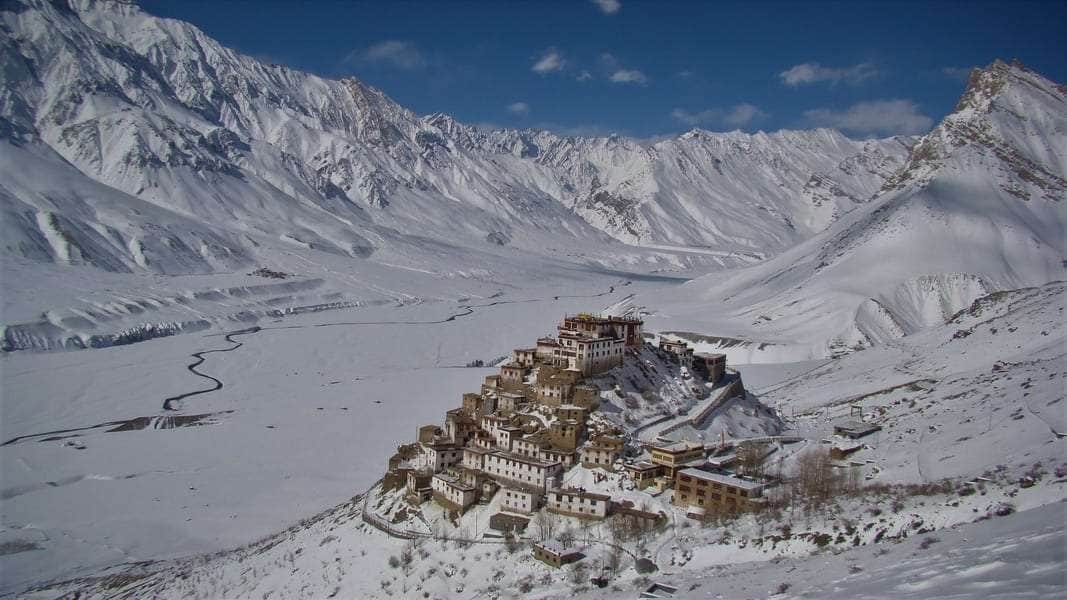
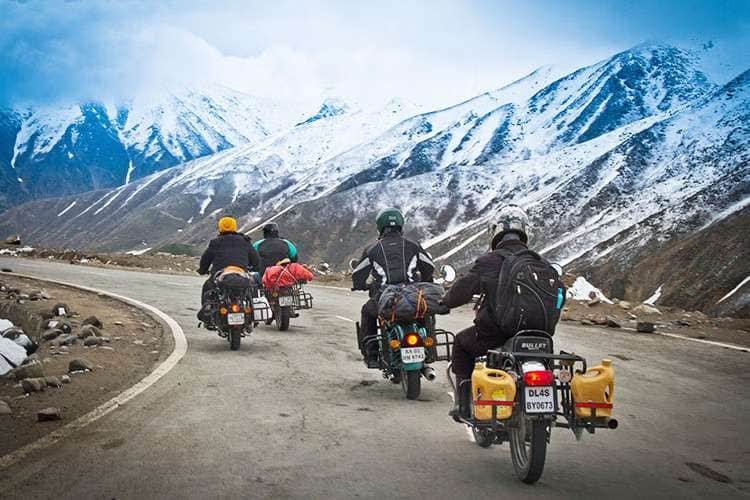
Reaching Spiti by road is the most popular and scenic option, offering two main routes. The Manali to Spiti route (via Rohtang Pass and Kunzum Pass) covers around 200 kilometres and is open from mid-June to mid-October. This route is ideal for adventure seekers and offers stunning views but is not accessible during winter due to heavy snowfall. The Shimla to Spiti route, on the other hand, remains open for most of the year and is comparatively safer. It stretches around 430 kilometres, passing through Narkanda, Rampur, Reckong Peo, and Tabo before reaching Kaza. You can travel by HRTC buses, shared taxis, or private vehicles.
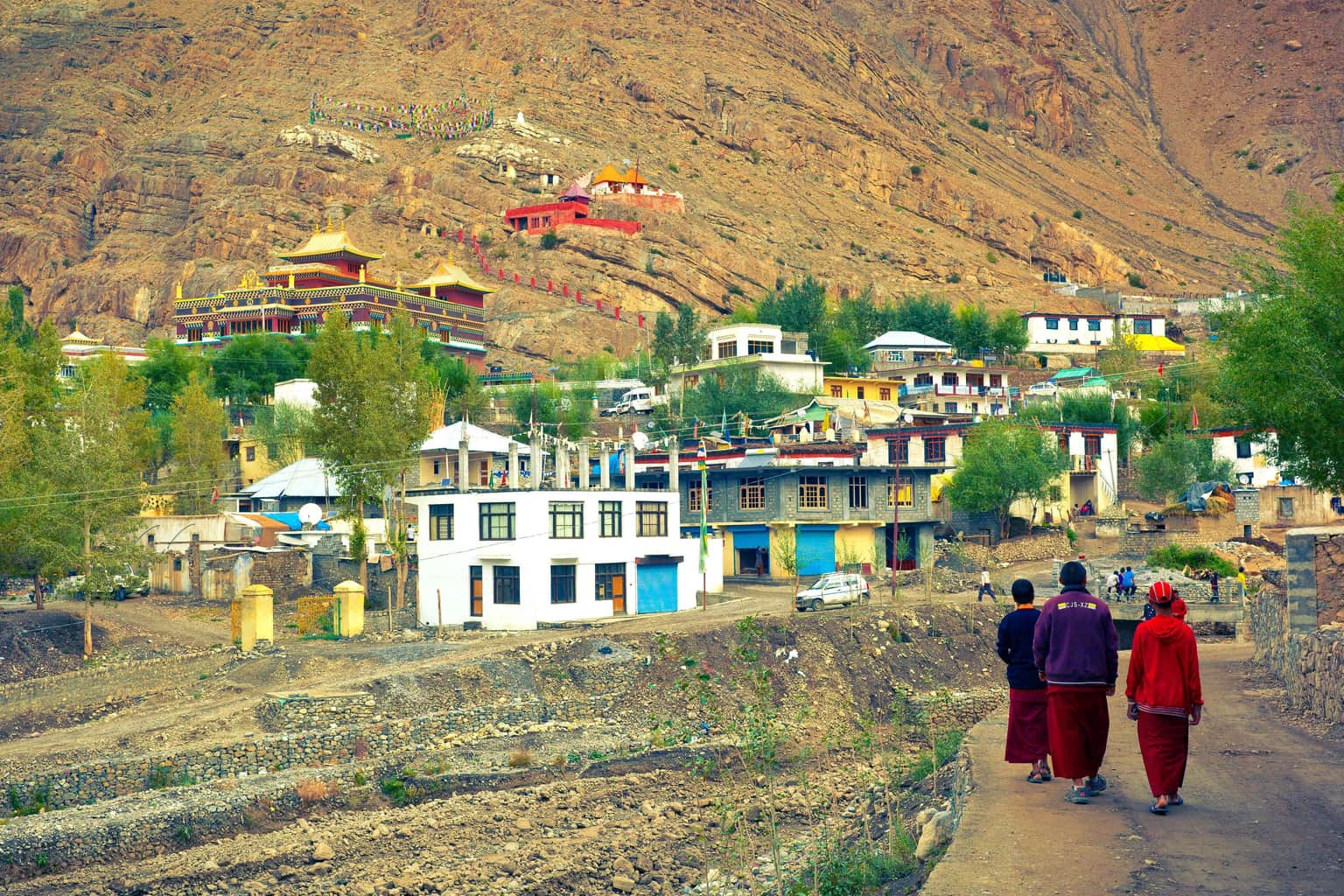
The nearest railway station to Spiti is Joginder Nagar, located about 360 kilometres away, but it has limited connectivity. A better option is to take a train to Kalka or Chandigarh. From Kalka, you can board the heritage Kalka-Shimla toy train, then continue your journey by road from Shimla to Spiti. Chandigarh Railway Station, around 500 km from Kaza, offers broader rail connectivity and easy access to road transport.

The nearest airport to Spiti Valley is Kullu-Manali Airport (Bhuntar), located around 250 kilometres from Kaza. It offers domestic flight connections from major cities like Delhi and Chandigarh. Airlines operating on this route include Air India, Alliance Air, and IndiGo (seasonal). From Bhuntar, you can hire a taxi or board a local bus heading towards Manali and then onward to Spiti via Rohtang and Kunzum Pass. Alternatively, Chandigarh Airport (about 500 kilometres from Kaza) is better connected and serves as a major hub for both domestic and international travellers. It is well-served by airlines such as Vistara, IndiGo, SpiceJet, and Air India, with daily flights from cities like Delhi, Mumbai, Bangalore, and Ahmedabad. Chandigarh to Spiti is a scenic road trip that can be taken via either Shimla or Manali.
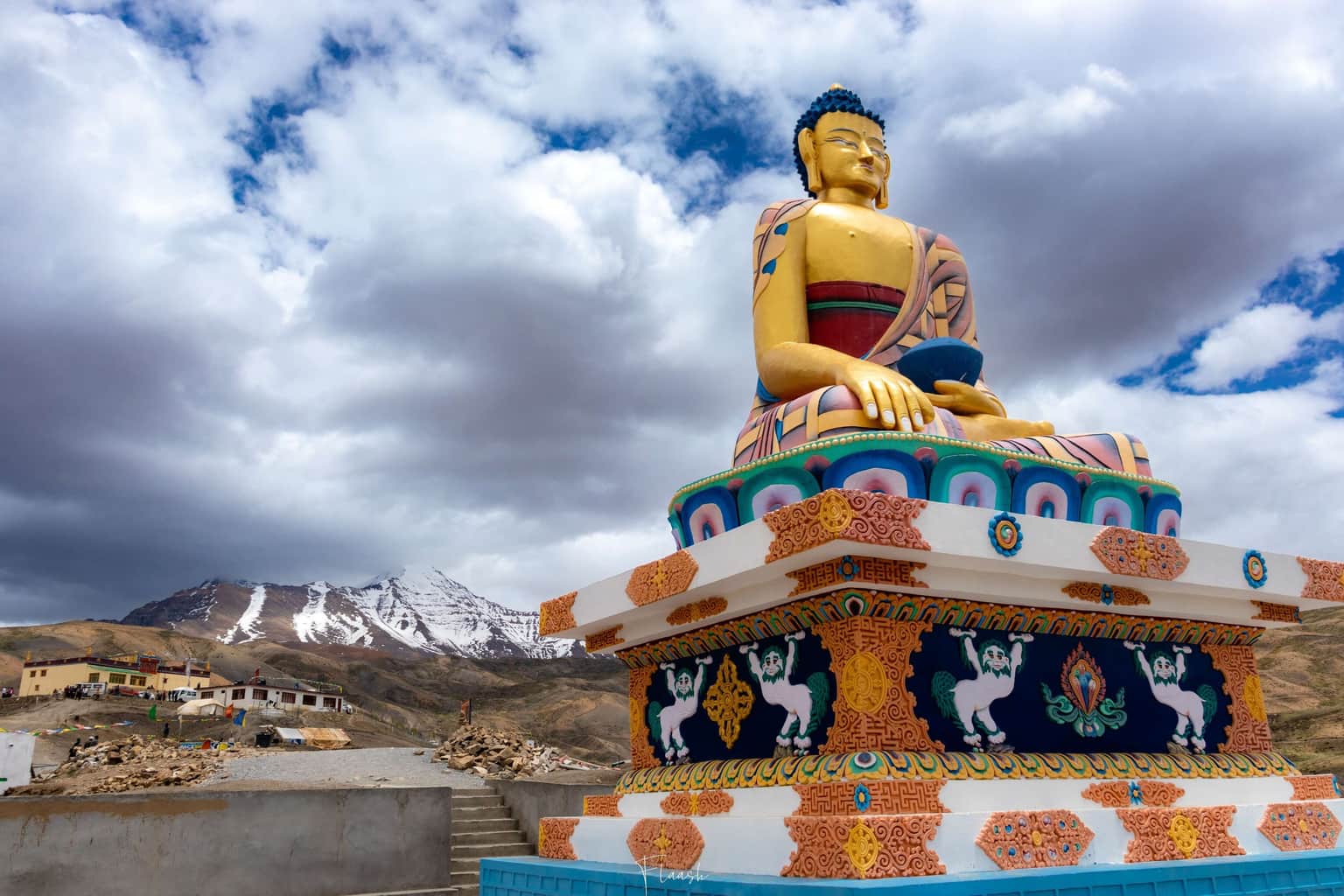
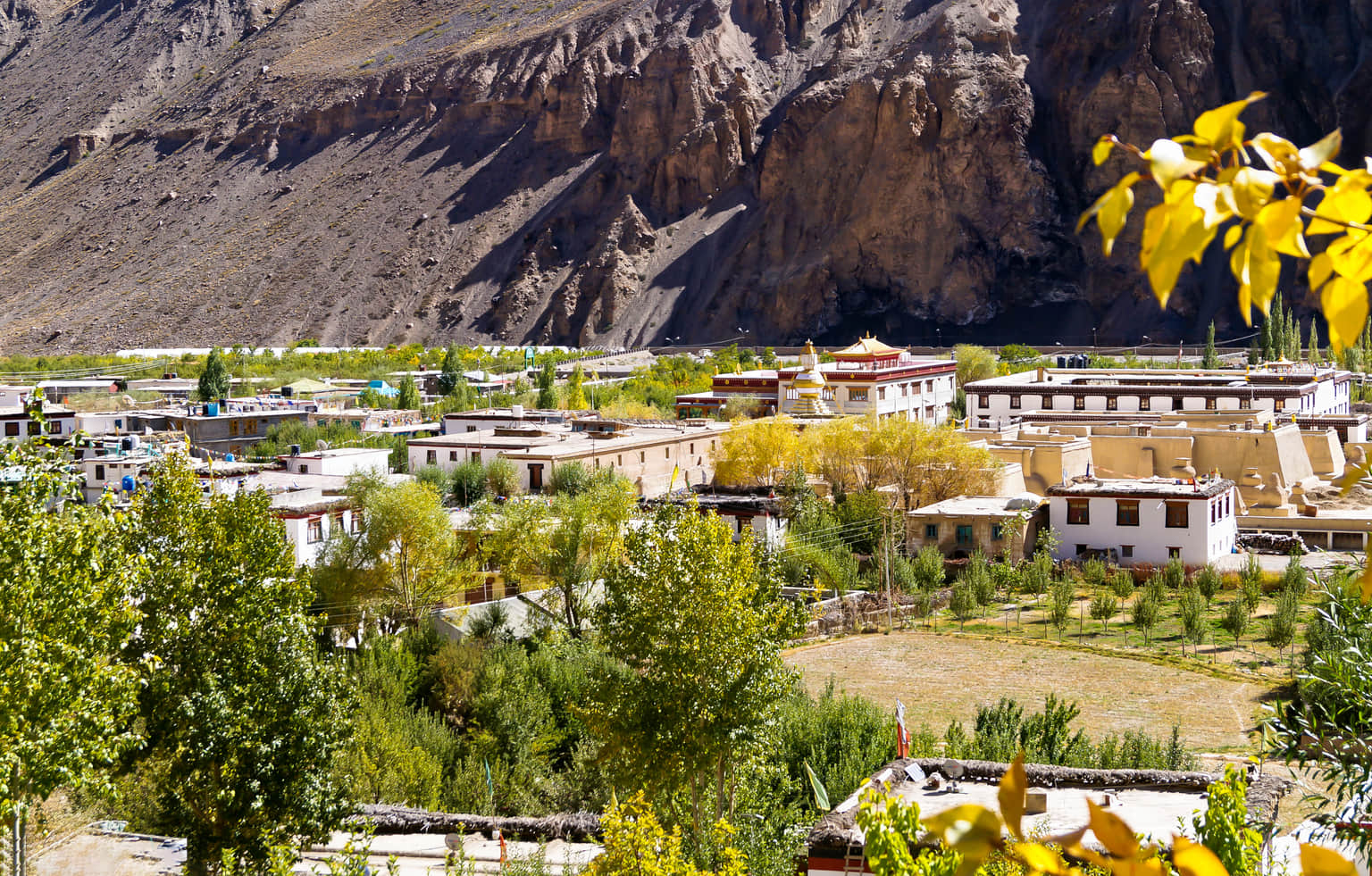
Kaza is the largest town and commercial hub of Spiti Valley, situated at around 3,800 metres above sea level. It is the starting point for most explorations and offers basic amenities, hotels, cafes, and a colourful market. Surrounded by stark mountains, it serves as a gateway to villages like Kibber, Langza, and Hikkim.
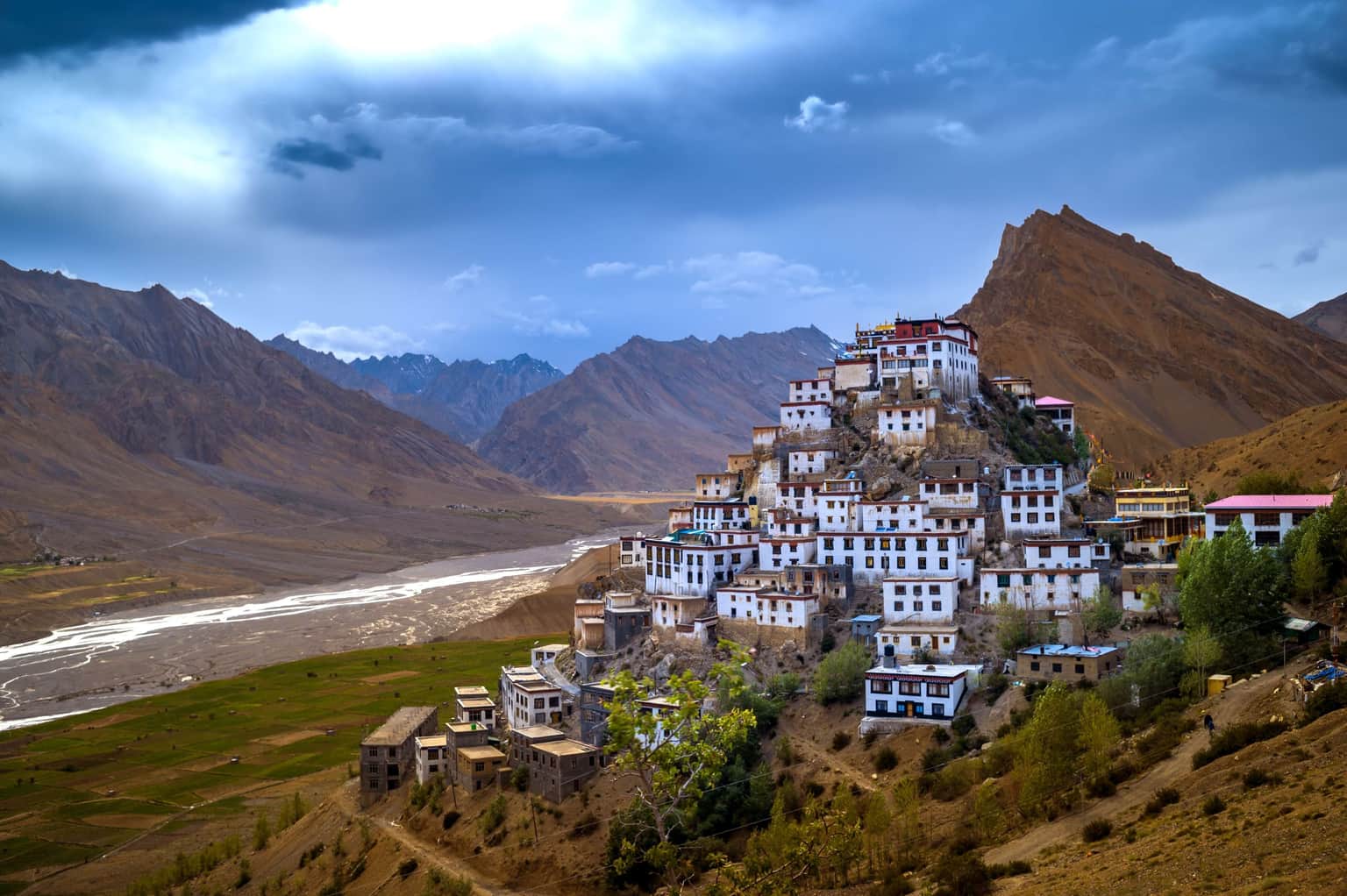
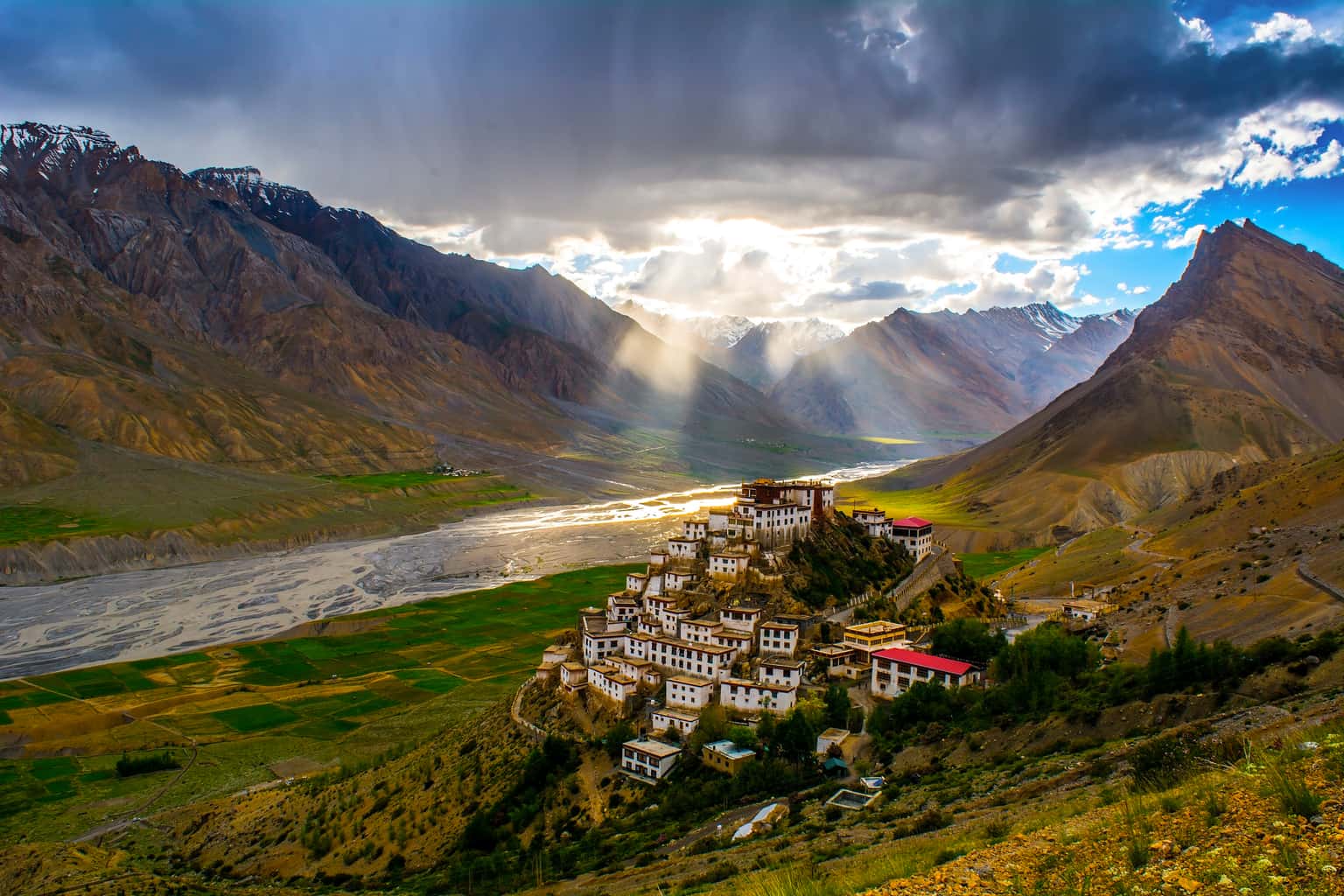
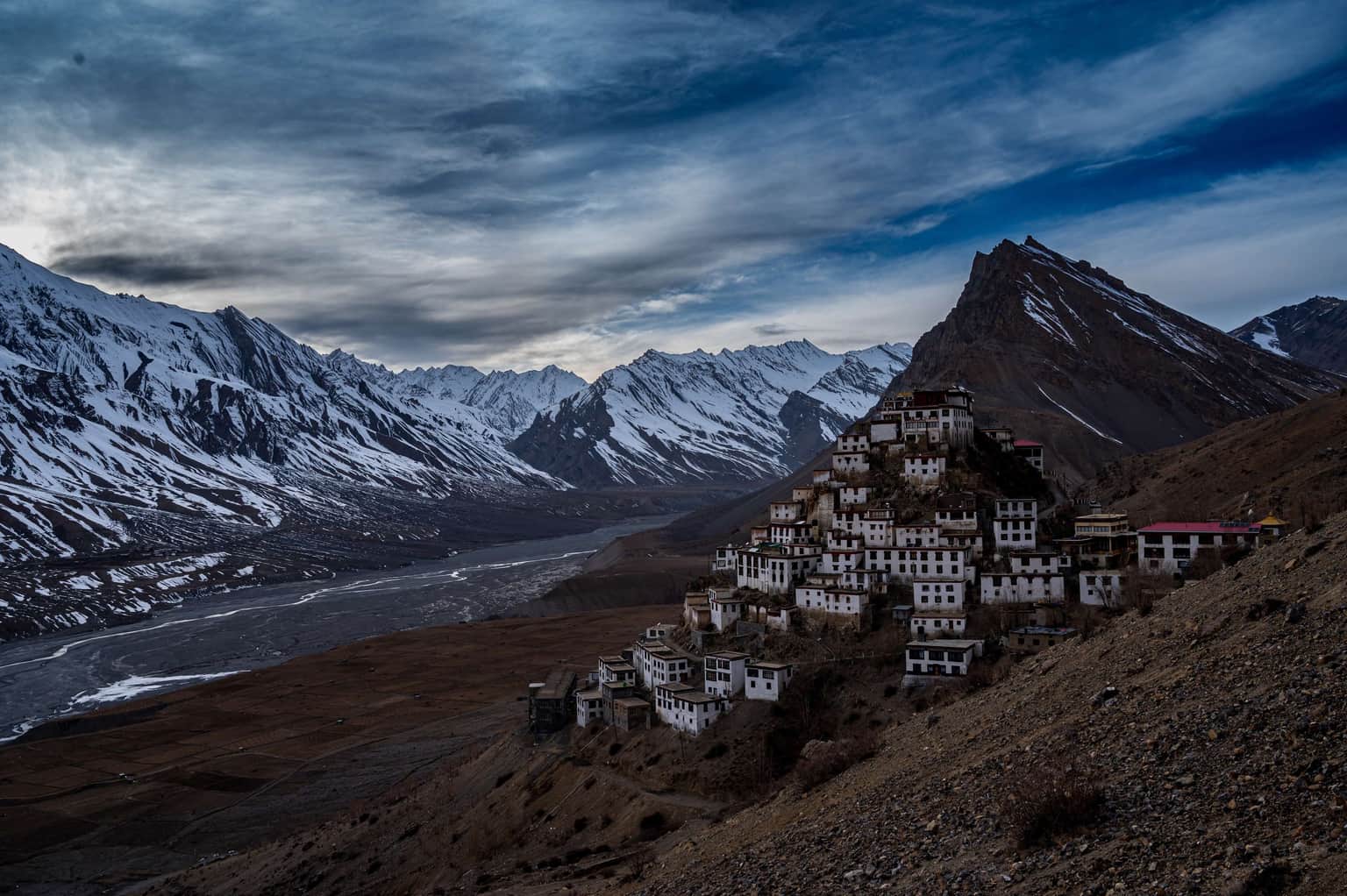
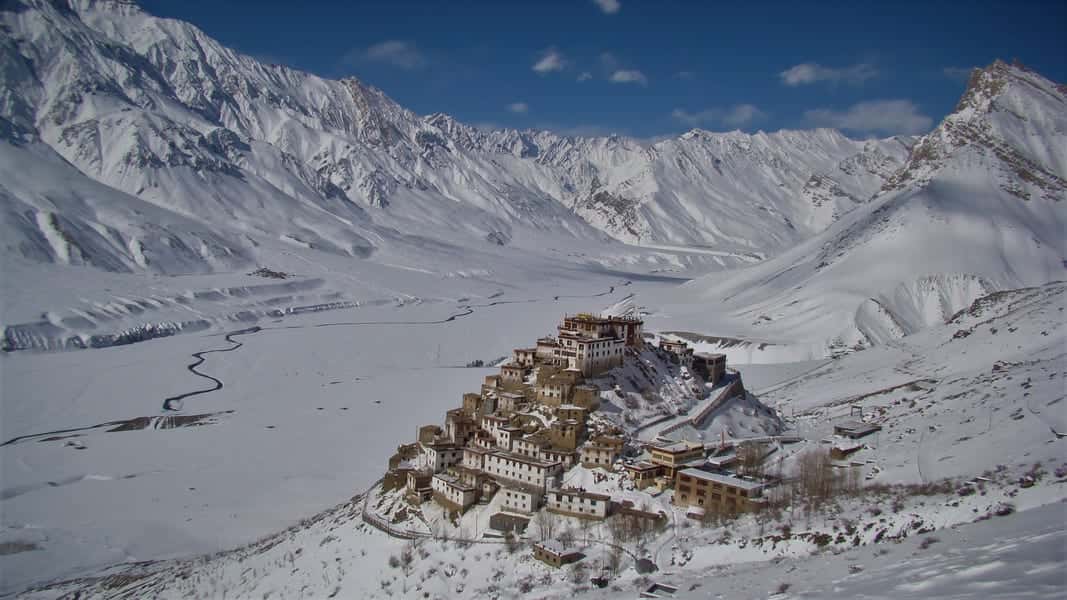
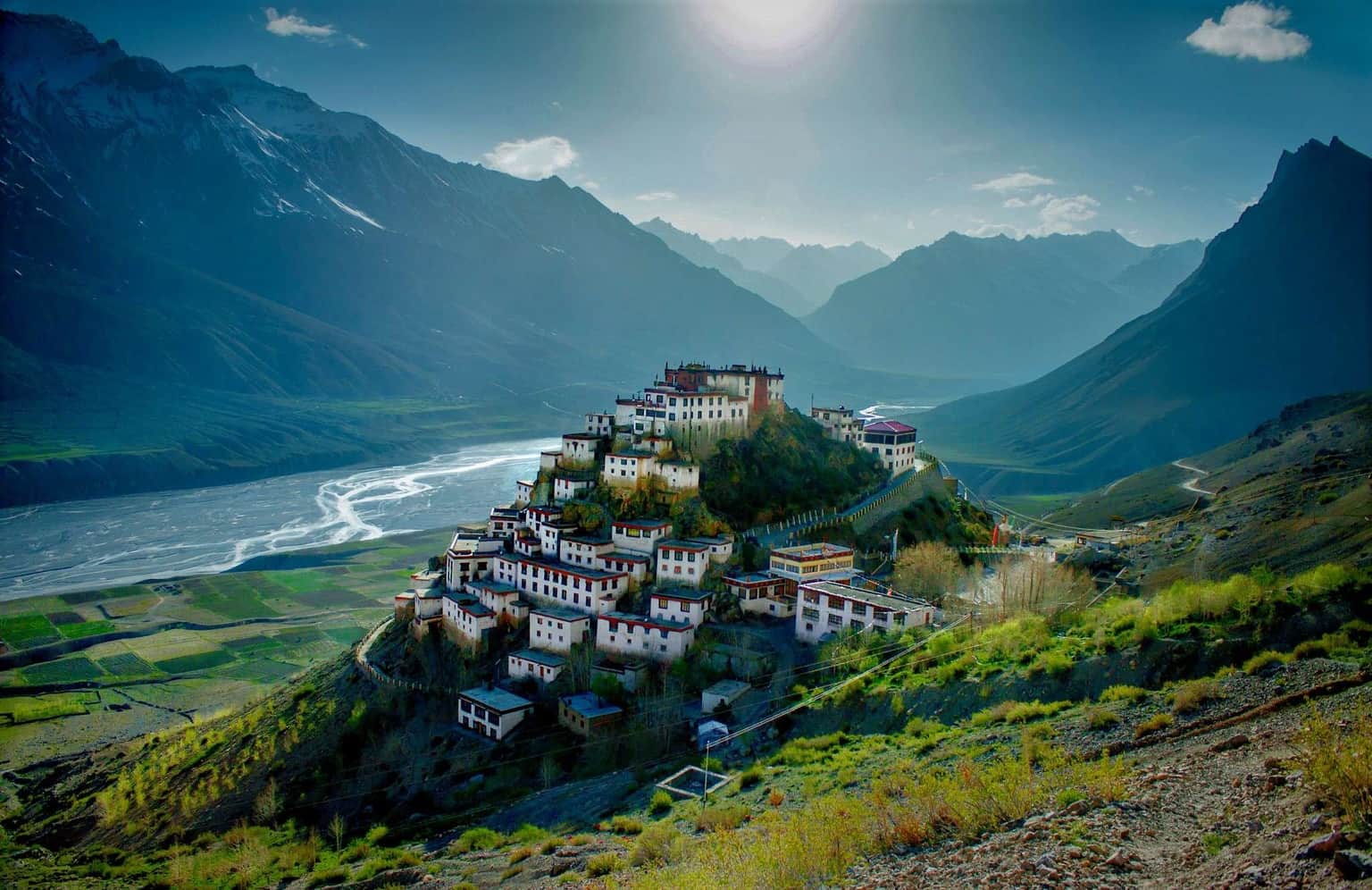
Key Monastery, or Kye Gompa, is the largest and oldest Tibetan Buddhist monastery in Spiti, located about 15 kilometres from Kaza. It sits at 4,166 metres and is home to over 300 monks. With its ancient murals, manuscripts, and prayer wheels, it offers a serene and spiritual atmosphere along with panoramic valley views.
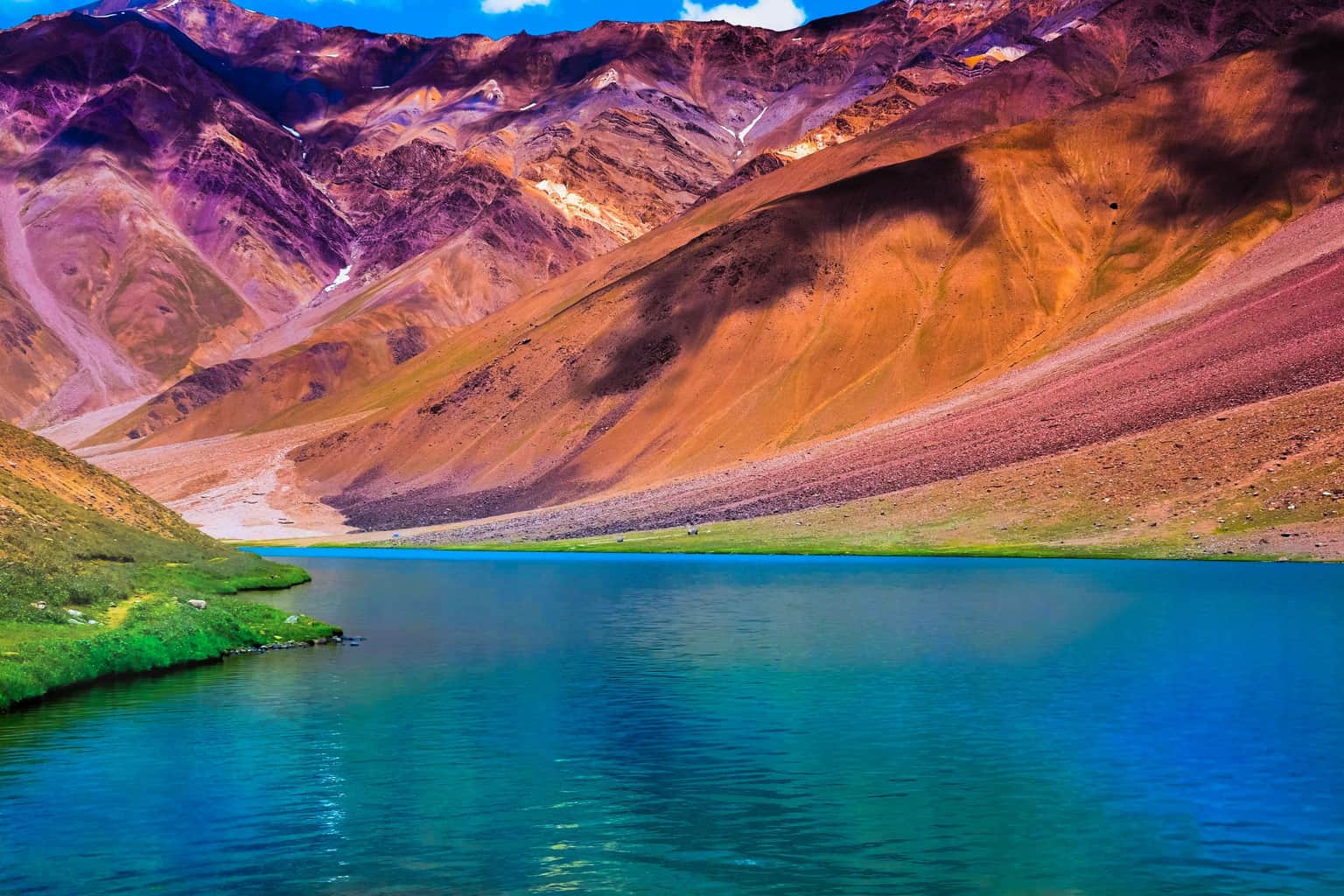
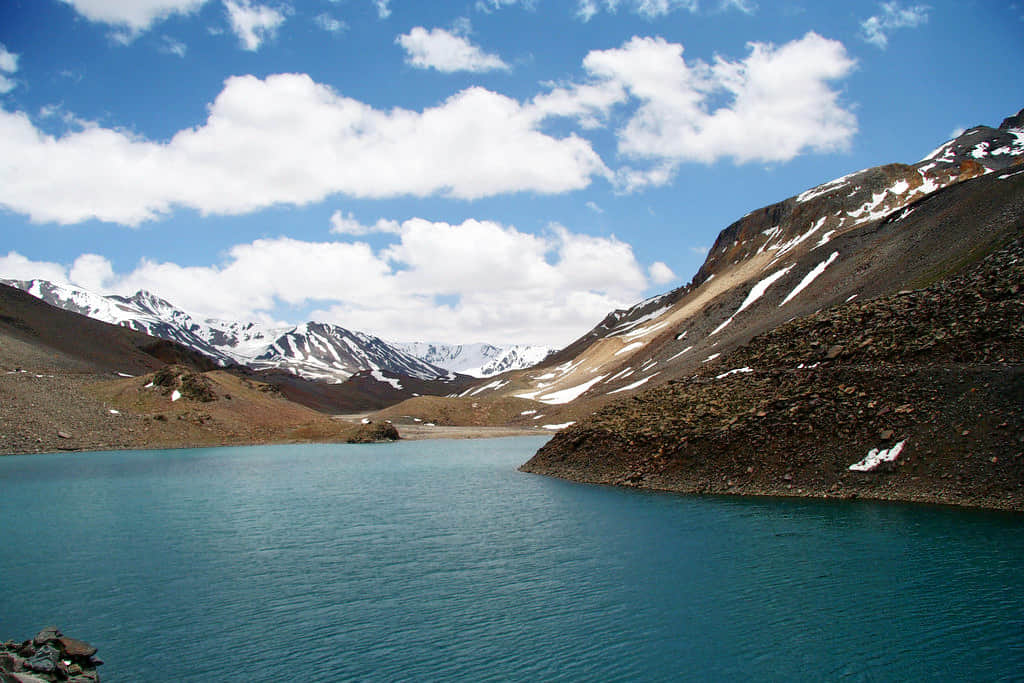
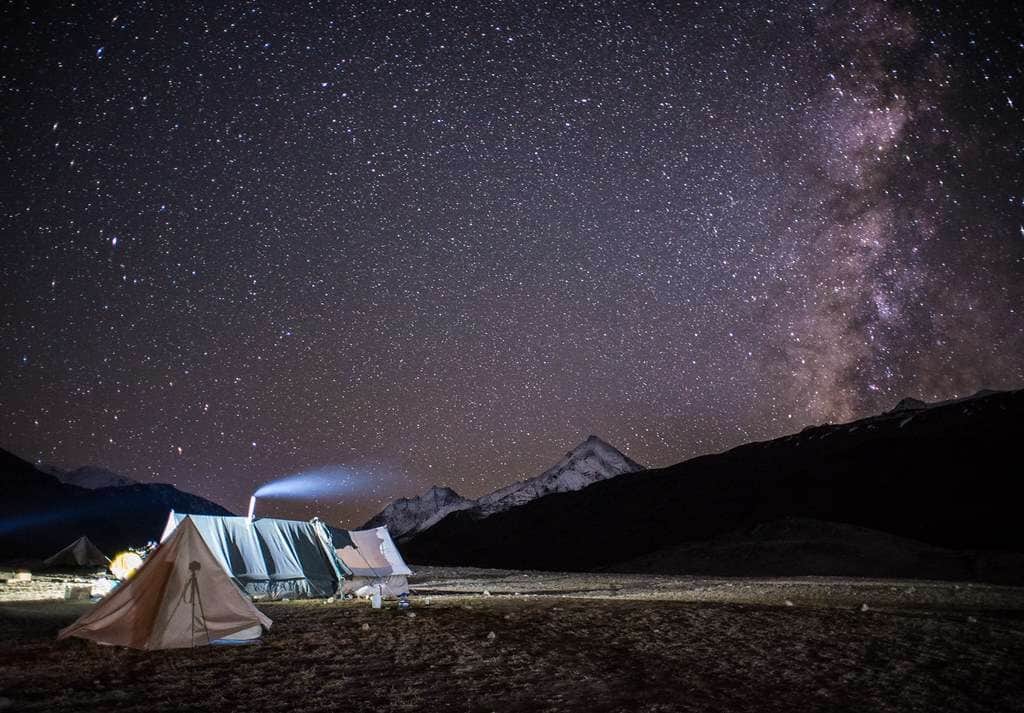
Chandratal, meaning “Lake of the Moon,” lies at an altitude of 4,300 metres near Kunzum Pass. Known for its turquoise waters and crescent shape, it is accessible via a short trek from Batal. Camping near the Chandratal lake is a magical experience, especially under the clear night sky filled with stars.
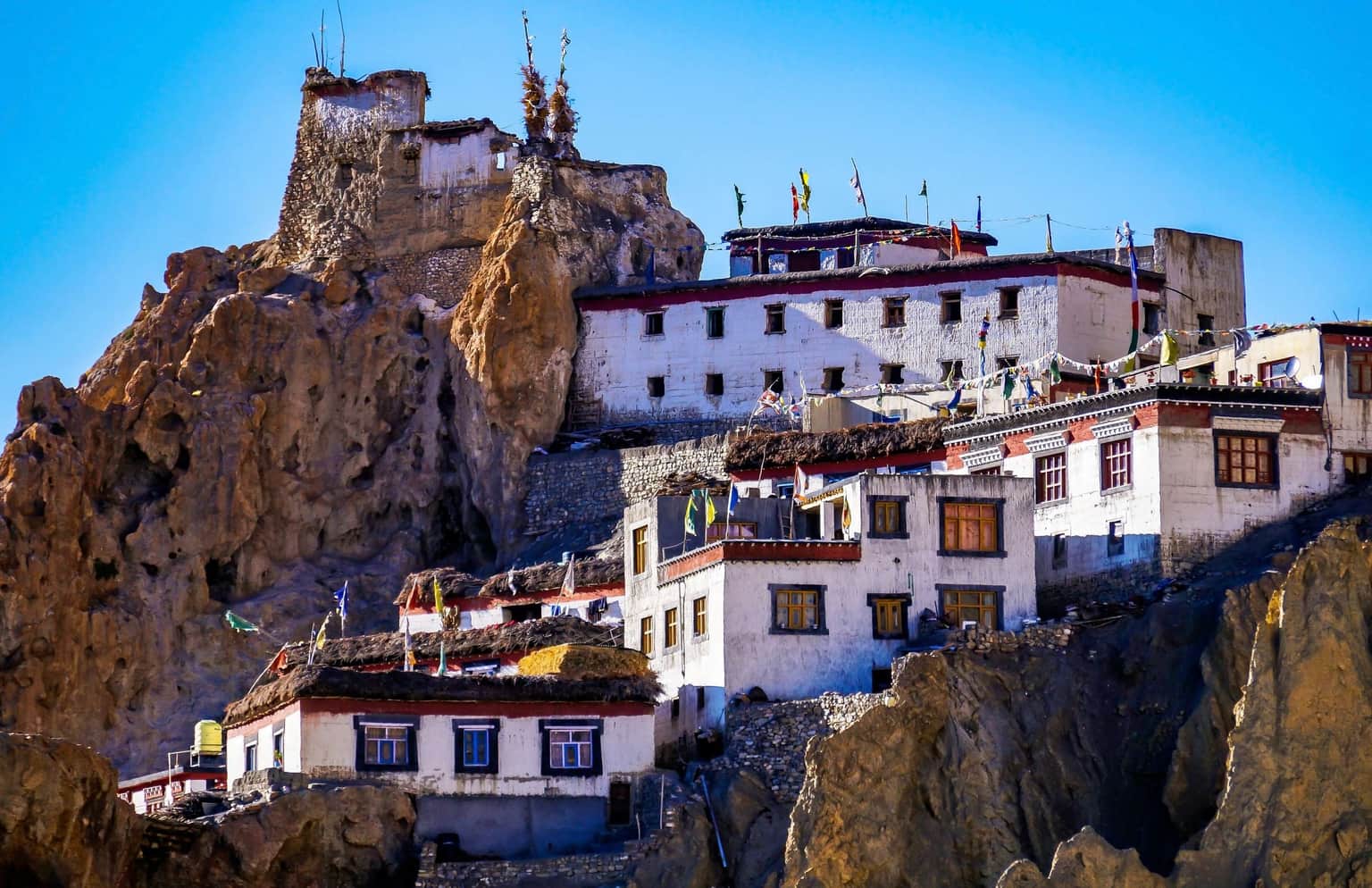
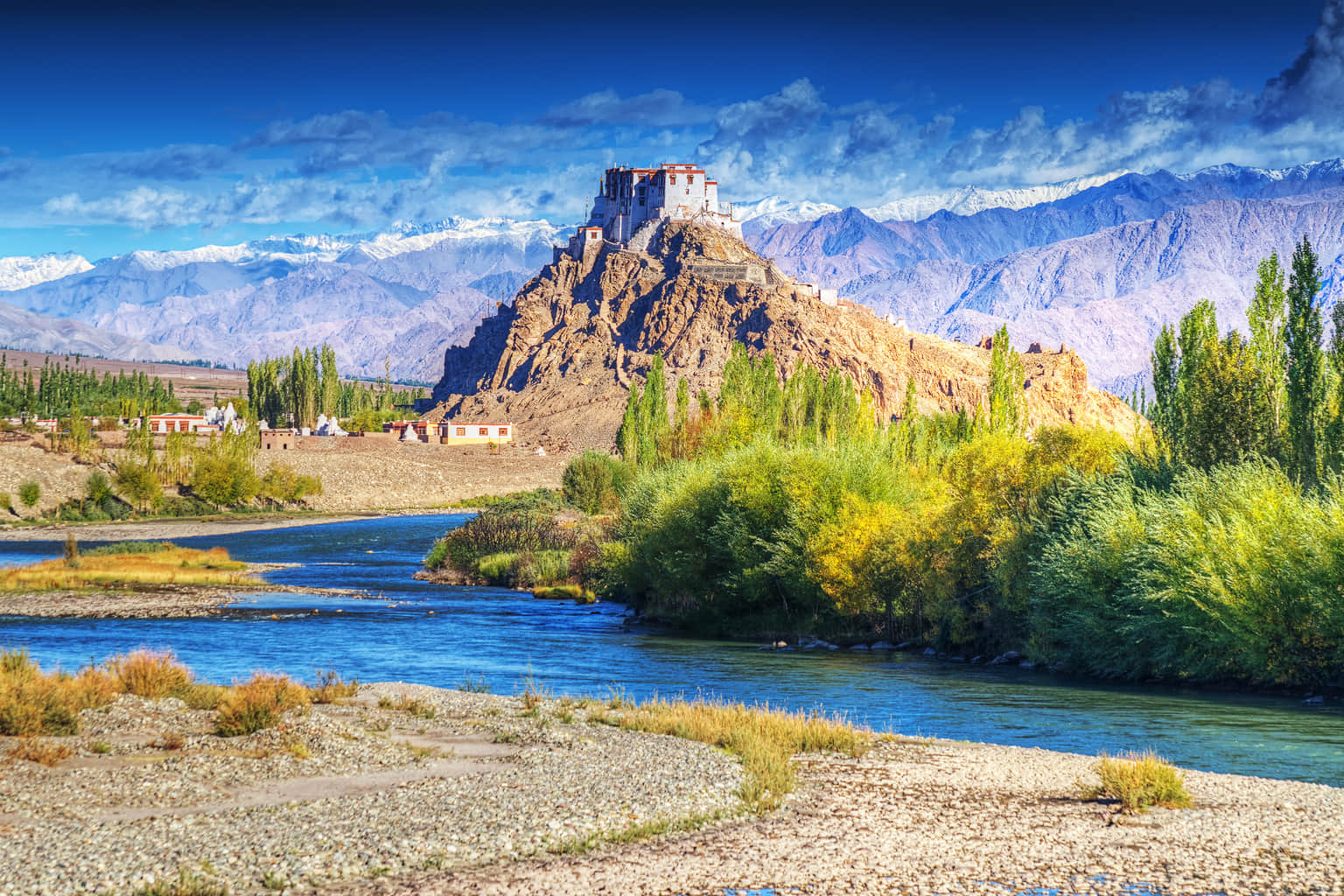
Perched dramatically on a cliff at 3,894 metres, Dhankar Monastery overlooks the meeting point of the Spiti and Pin Rivers. It was once the capital of Spiti and served as a fort monastery. The site is known for its ancient Buddhist scriptures, meditation caves, and stunning views of the valley.
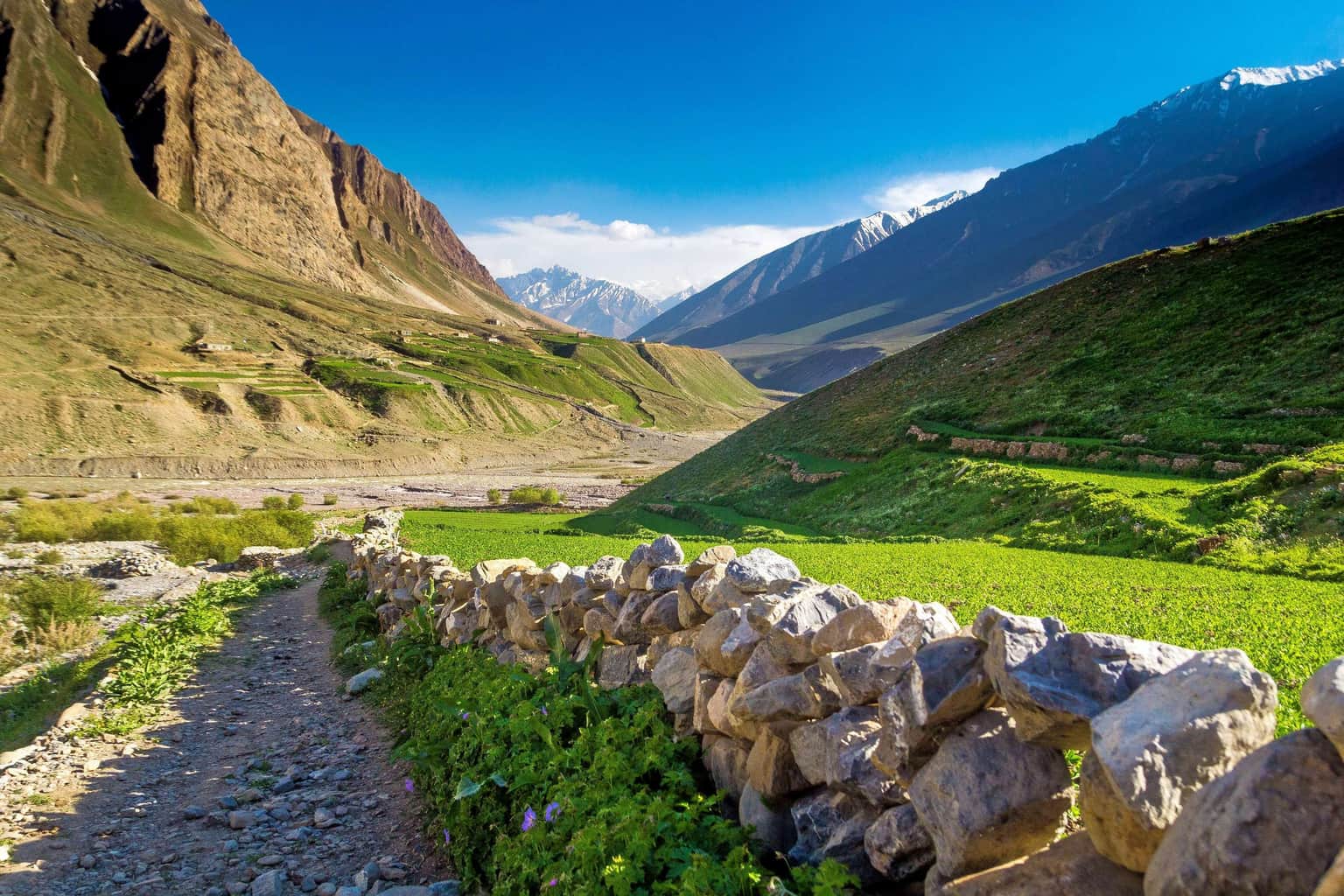
Located within the cold desert region of Spiti, Pin Valley National Park is a haven for trekkers and wildlife enthusiasts. It is home to rare species like the snow leopard, Himalayan ibex, and red fox. The village of Mudh is the park’s base and a popular spot for beginning high-altitude treks in Spiti.
Reserved by our own team.
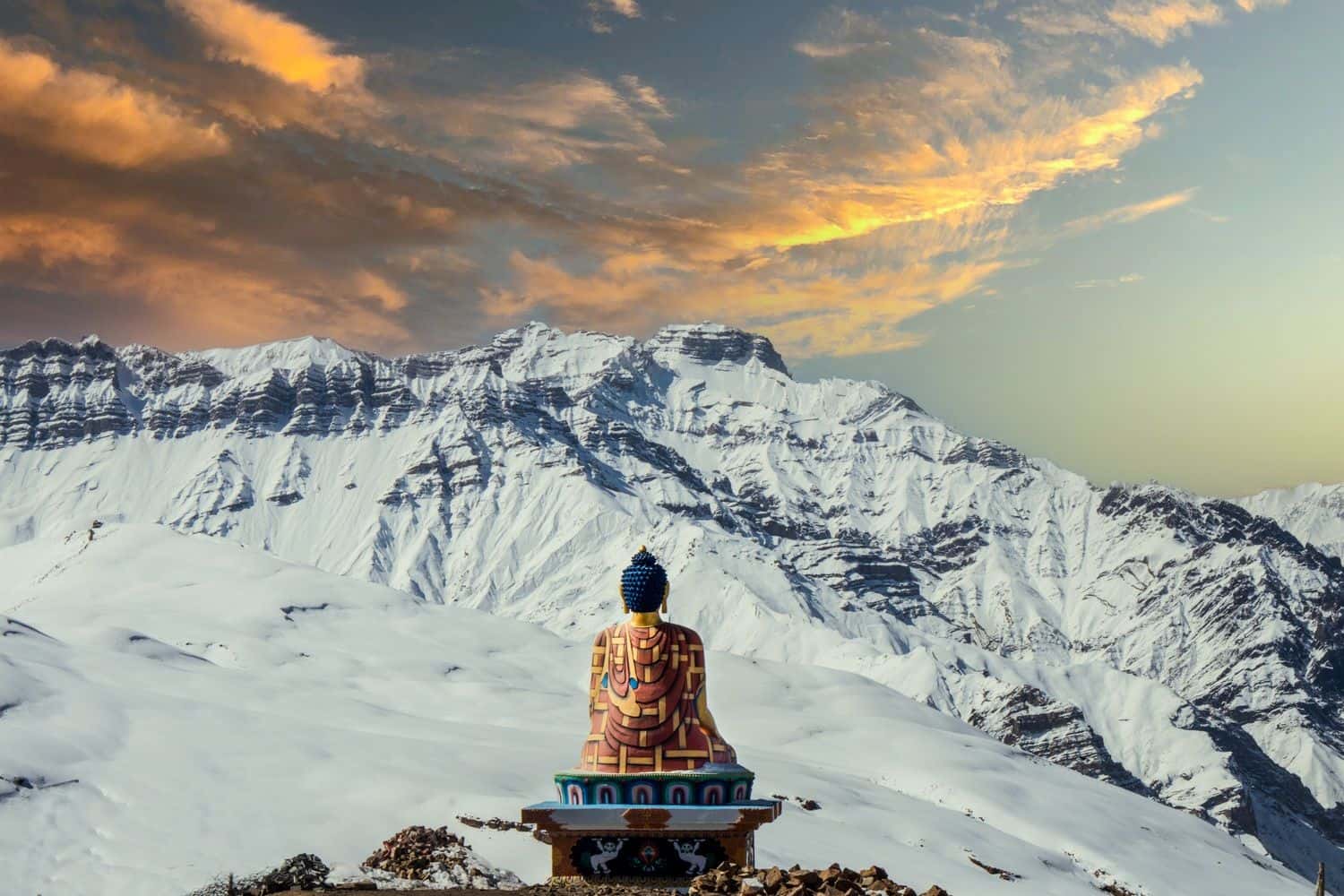
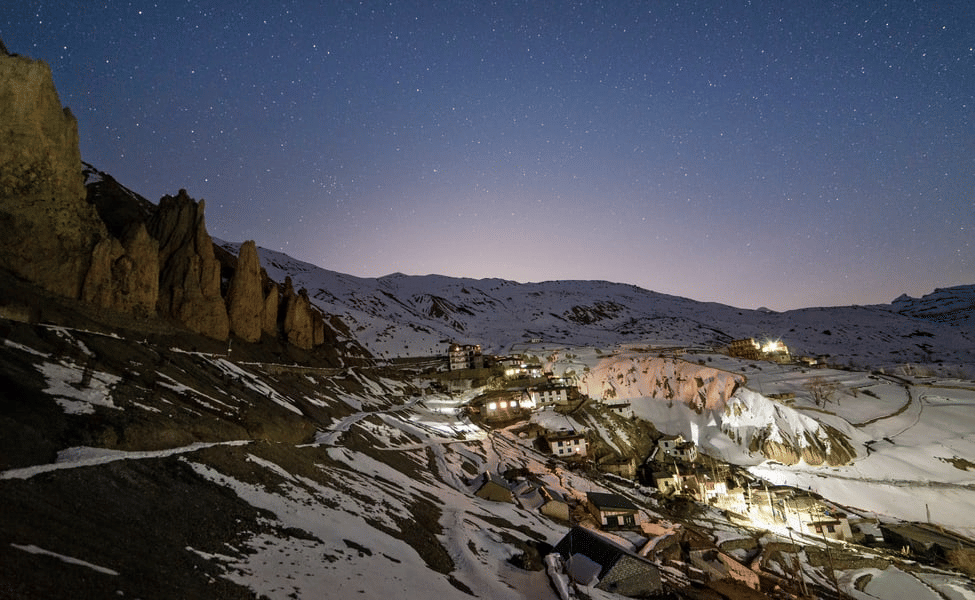
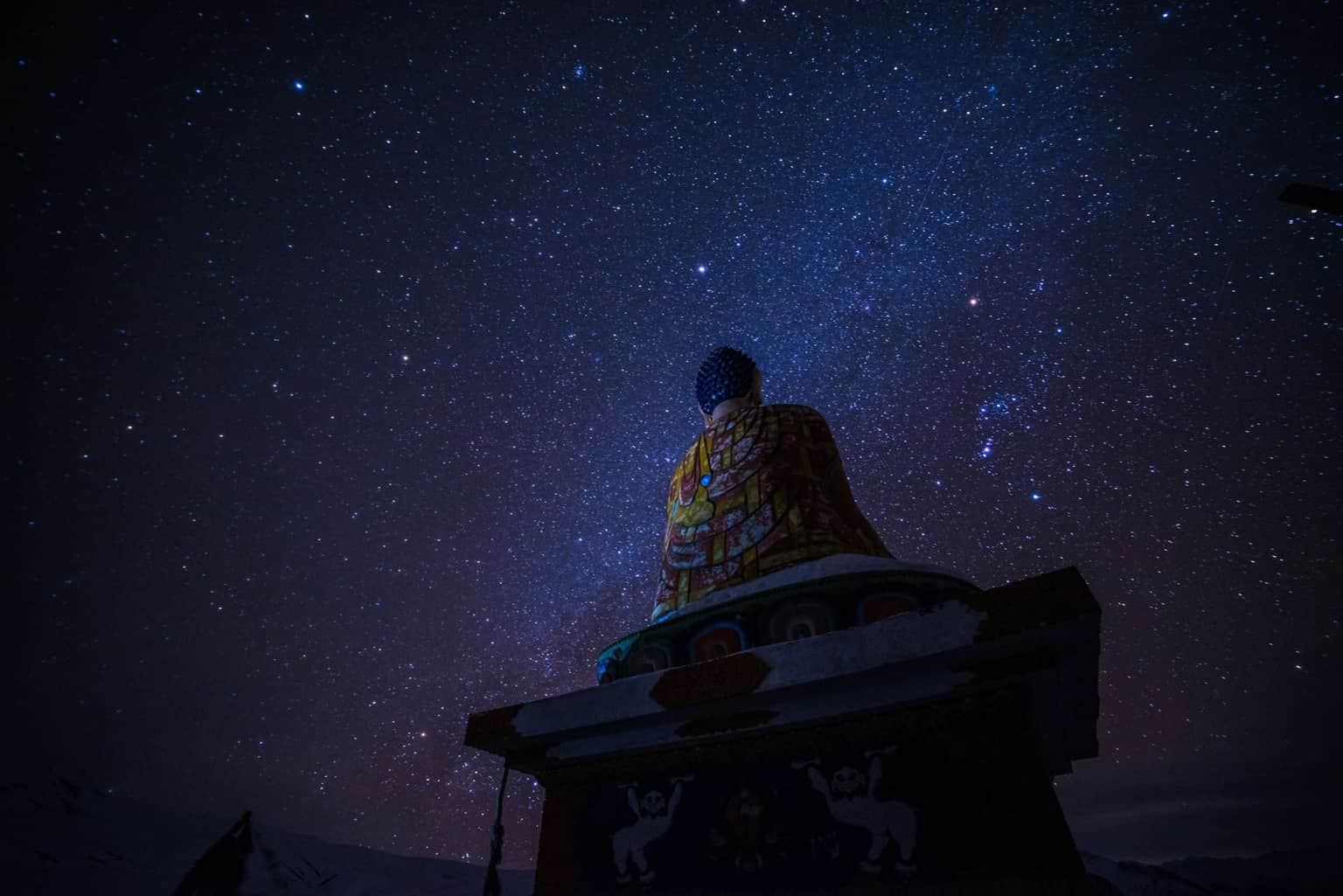
Due to its high altitude and minimal light pollution, Spiti offers some of the clearest night skies in India. Villages like Chicham and Langza, located over 4,000 metres, are ideal spots to witness star trails, constellations, and even the Milky Way—perfect for photography and peaceful reflection.
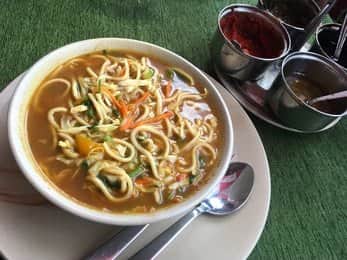
Eating with locals in remote villages lets you enjoy authentic Spitian dishes like Thukpa, Tsampa, and Butter Tea. These meals are cooked using traditional methods and local produce, offering a true taste of life in the cold desert and often served in cosy kitchens warmed by wood-fired stoves.

Langza village is known for its fossil-rich grounds, offering a glimpse into Spiti’s prehistoric past. Visitors, especially those on Kashmir tour packages extended towards Himachal, love exploring these open fossil beds that once lay under the ancient Tethys Sea
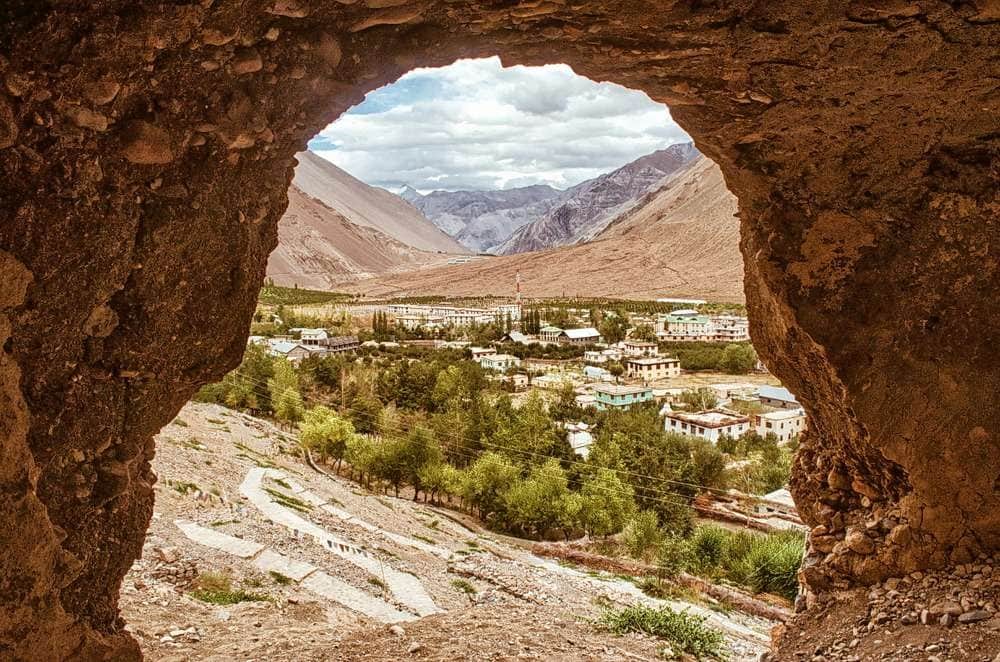
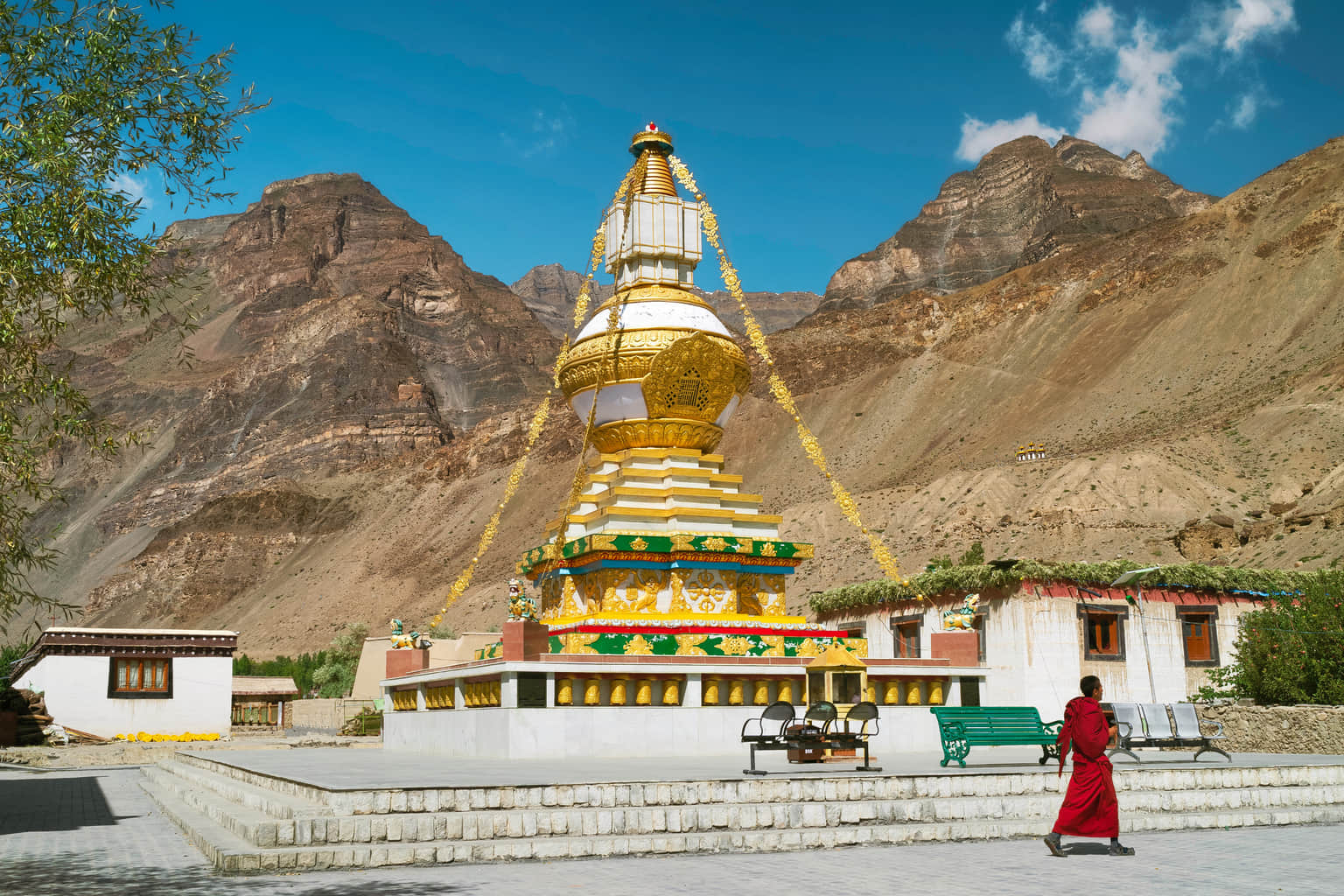
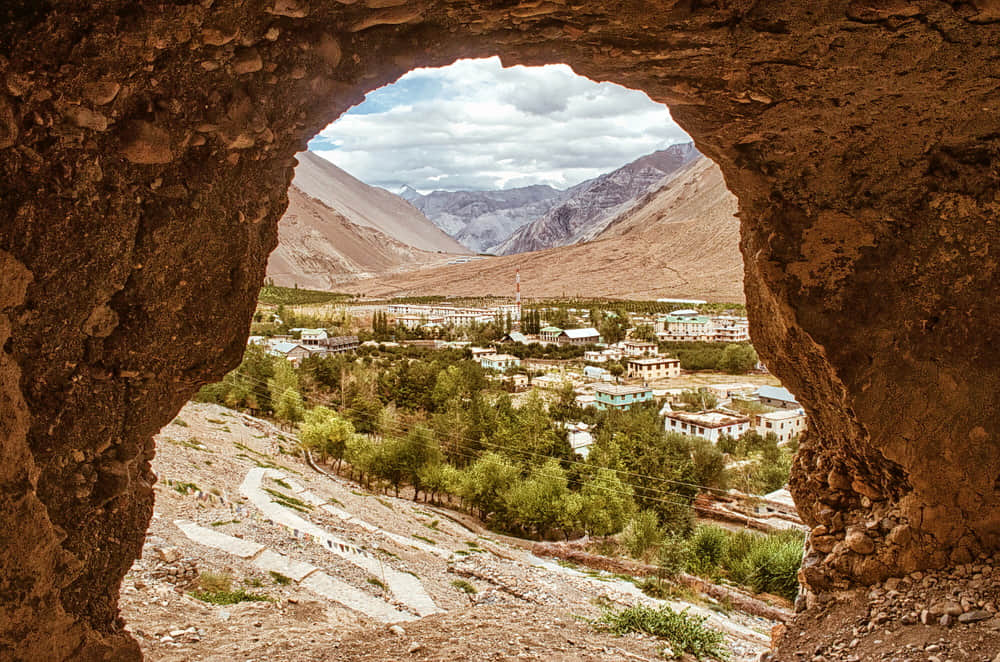
Near the Tabo Monastery, you can explore ancient meditation caves carved into sandstone cliffs. These Tabo caves were once used by monks for deep meditation and solitude. A short hike takes you to panoramic spots that overlook the Spiti River and offer insight into the valley’s spiritual history.
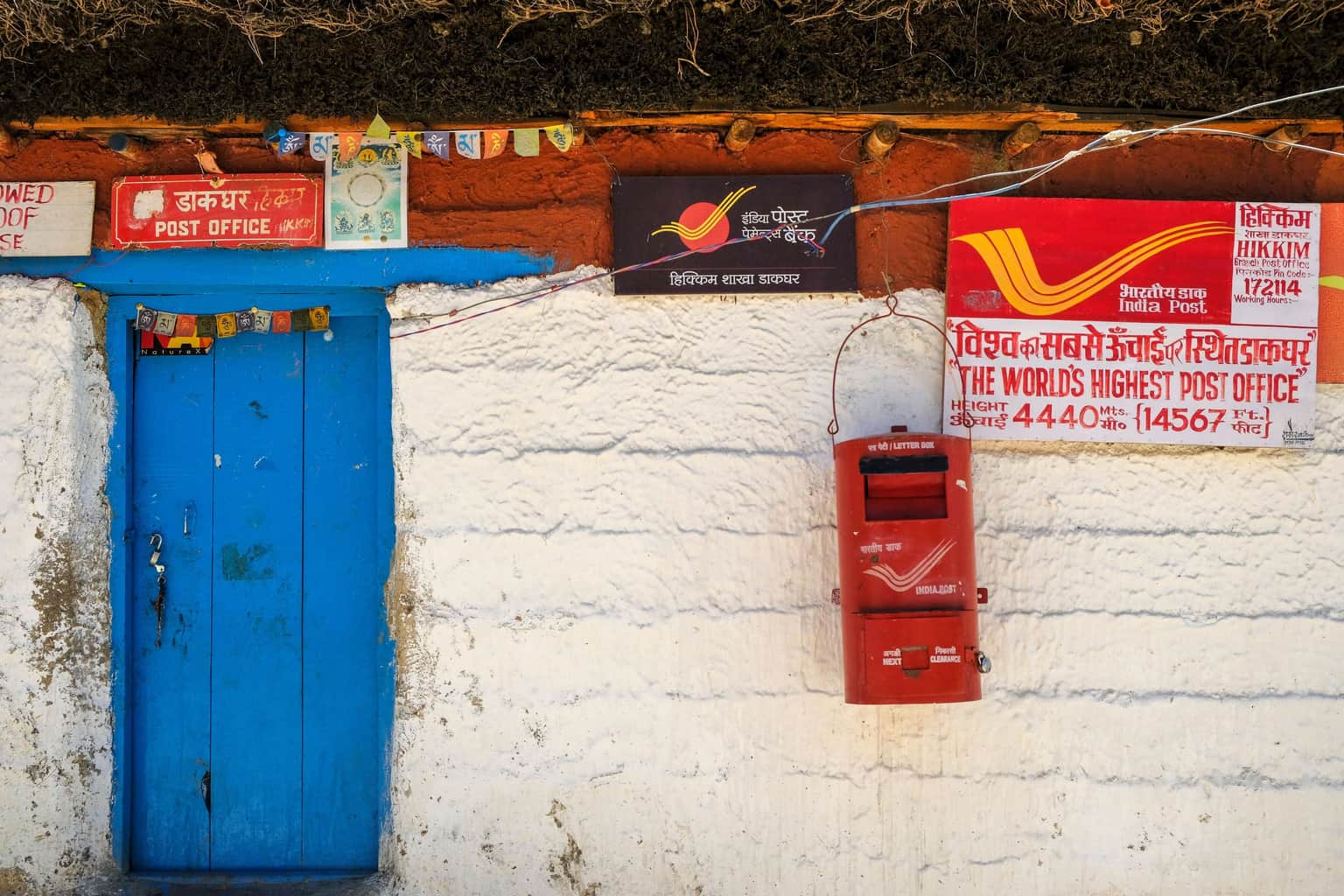
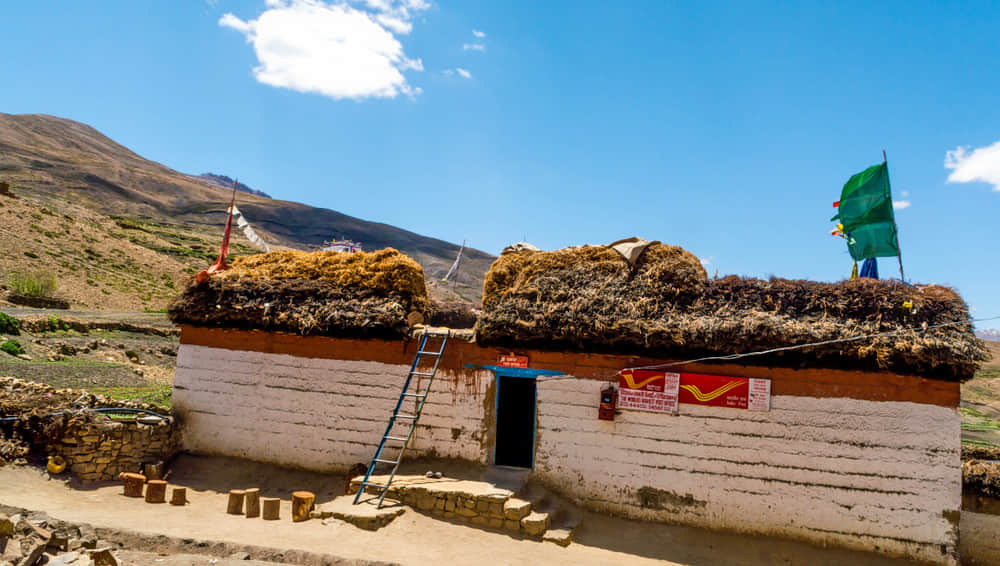
At an altitude of 4,440 metres, Hikkim Post Office is the highest in the world and still functional. Sending a postcard from here is a special way to mark your journey and makes for a unique keepsake with a story to tell.
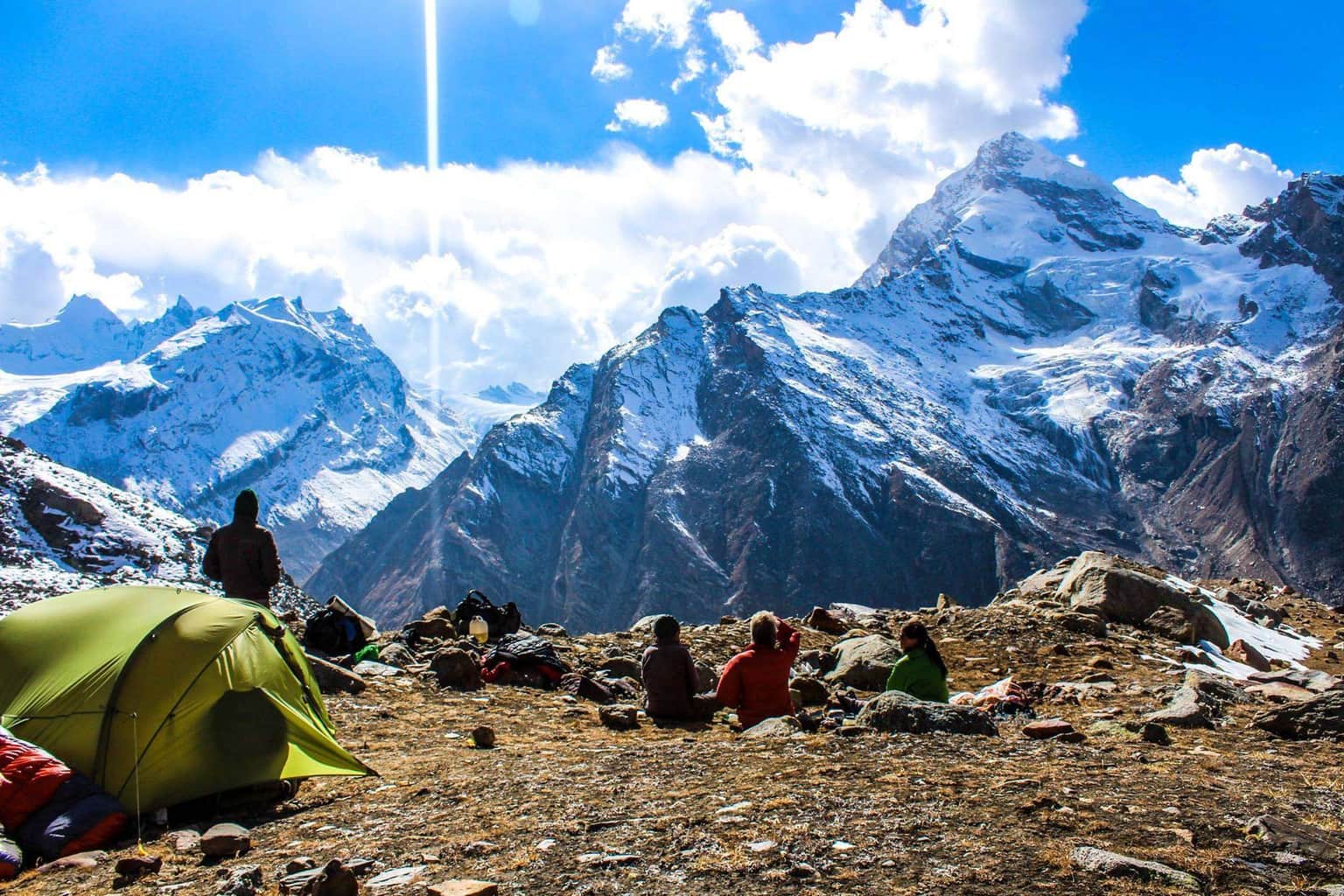
One of the most challenging and rewarding treks in Himachal, this 9–10 day journey connects Spiti’s Pin Valley to Kullu’s Parvati Valley. The trail crosses glaciers, alpine meadows, and steep ridges, offering spectacular views and remote village stays.
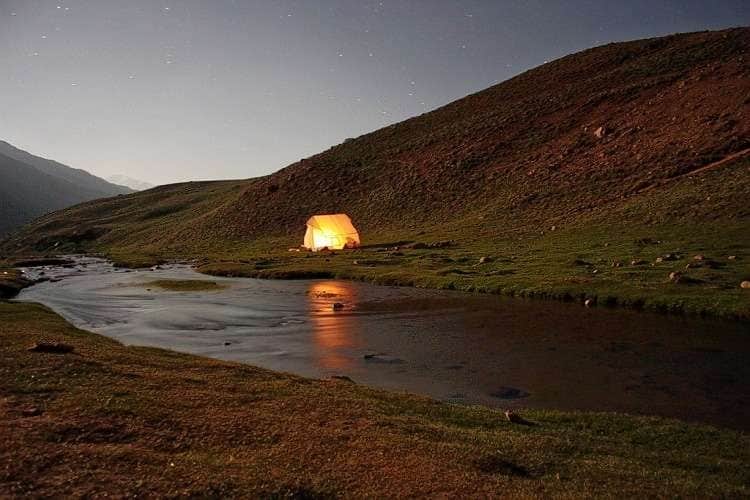
Chandratal, at 4,300 metres, is a popular camping spot accessed via Batal. Tents are set up between June and September, offering unforgettable nights under a sky full of stars with views of the turquoise lake and surrounding peaks.
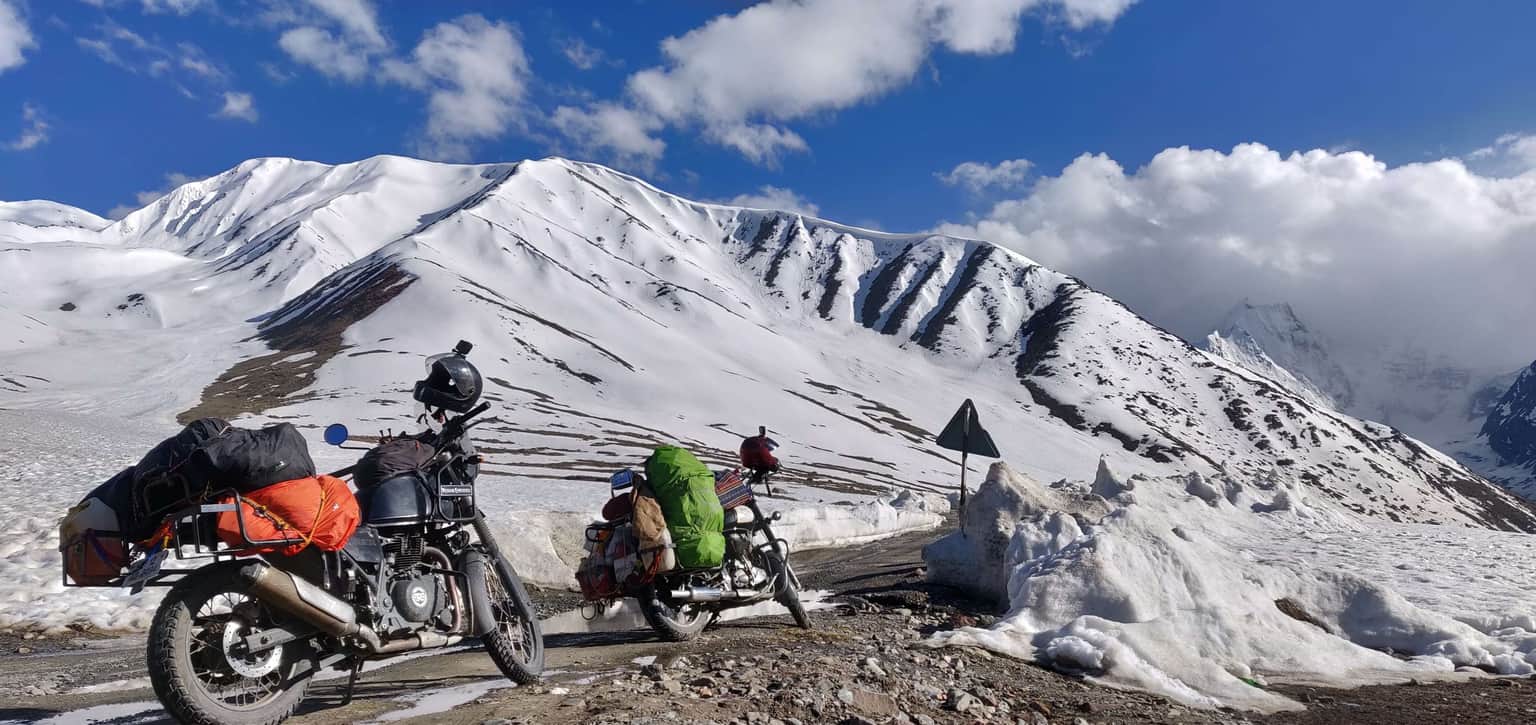
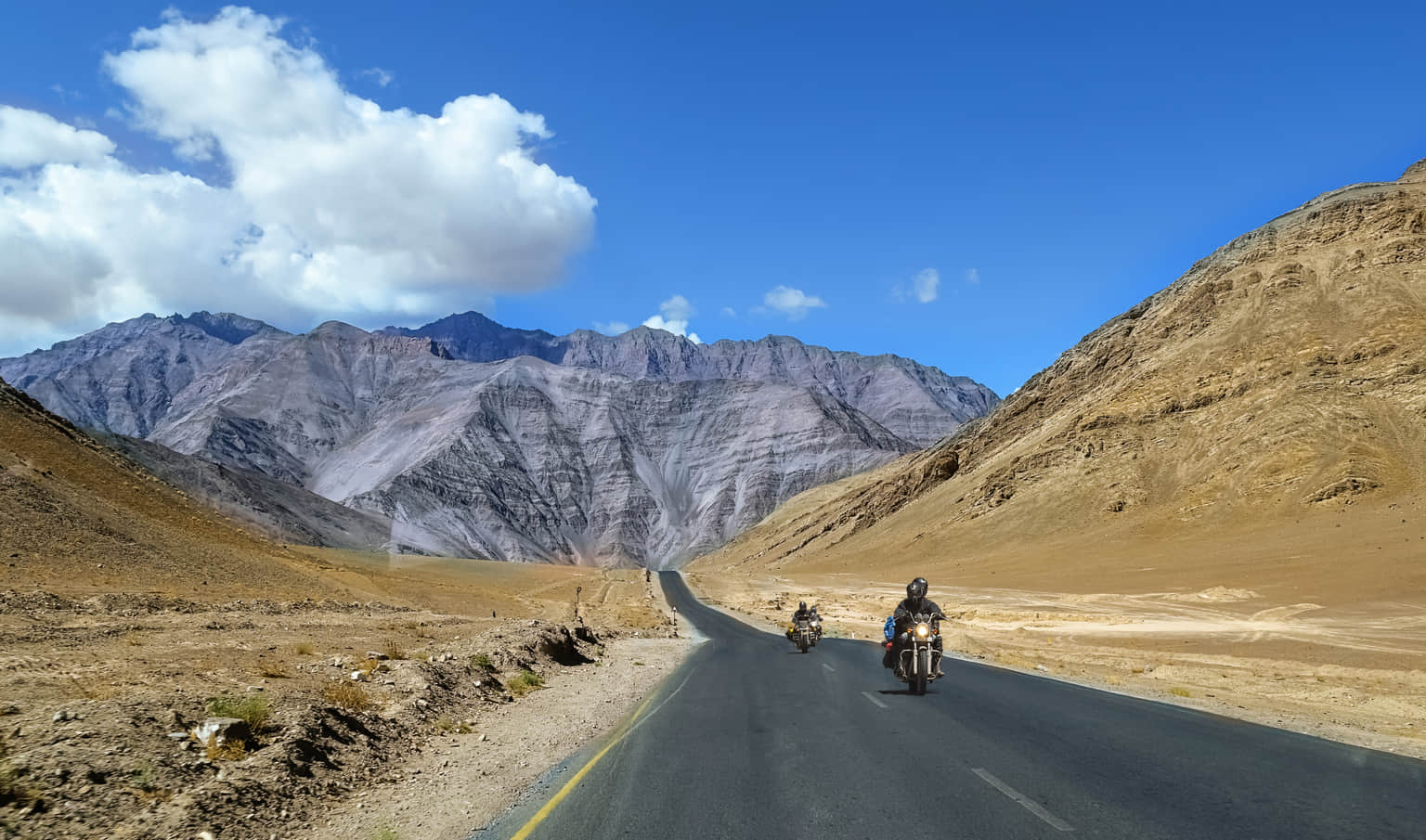
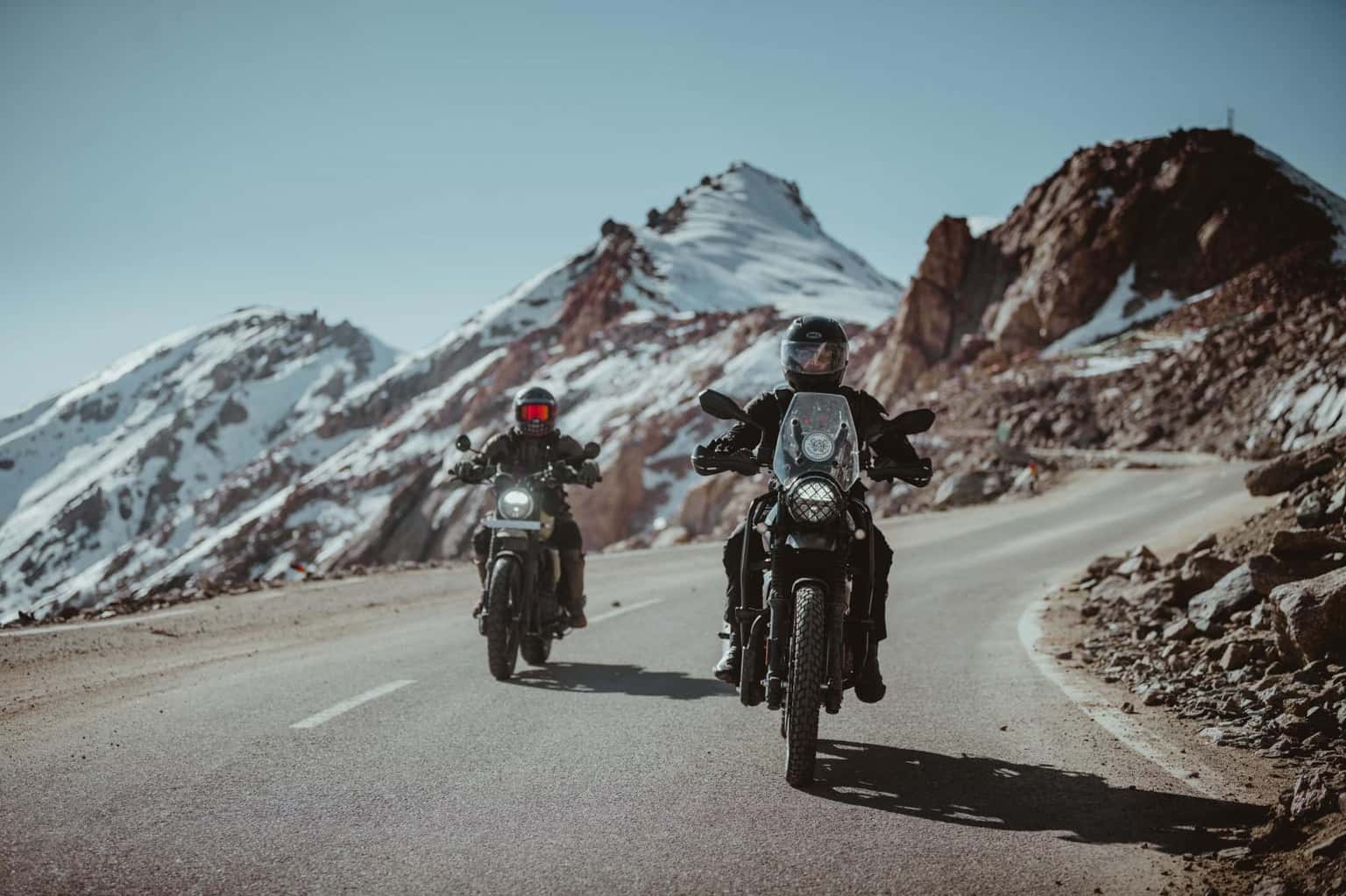
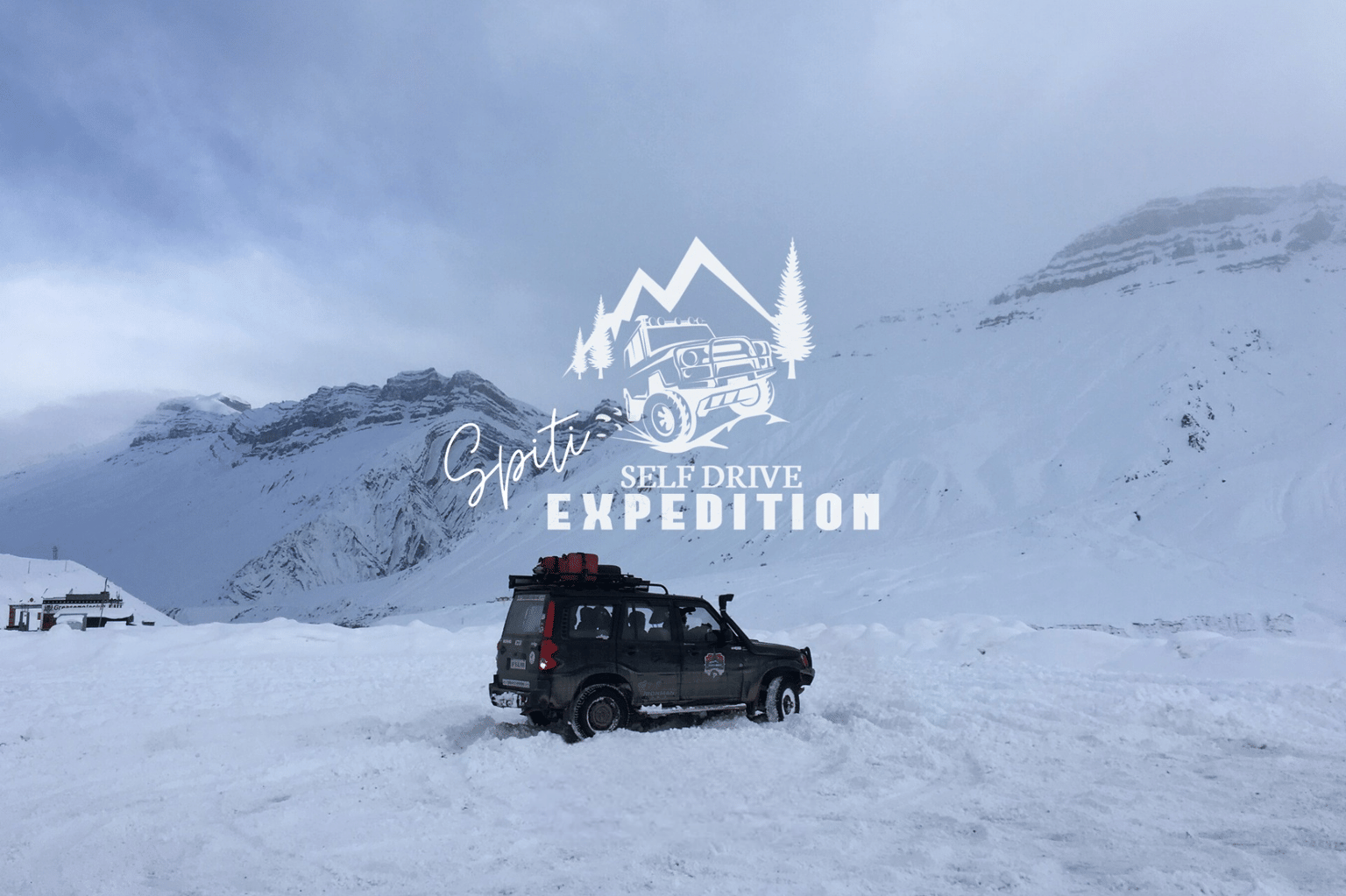
Driving or biking through the Shimla–Kaza–Manali circuit is the ultimate road trip experience. Covering over 450 kilometres, the journey includes high passes like Kunzum La (4,590 m), remote villages, and dramatic landscapes that test your endurance and thrill your senses.
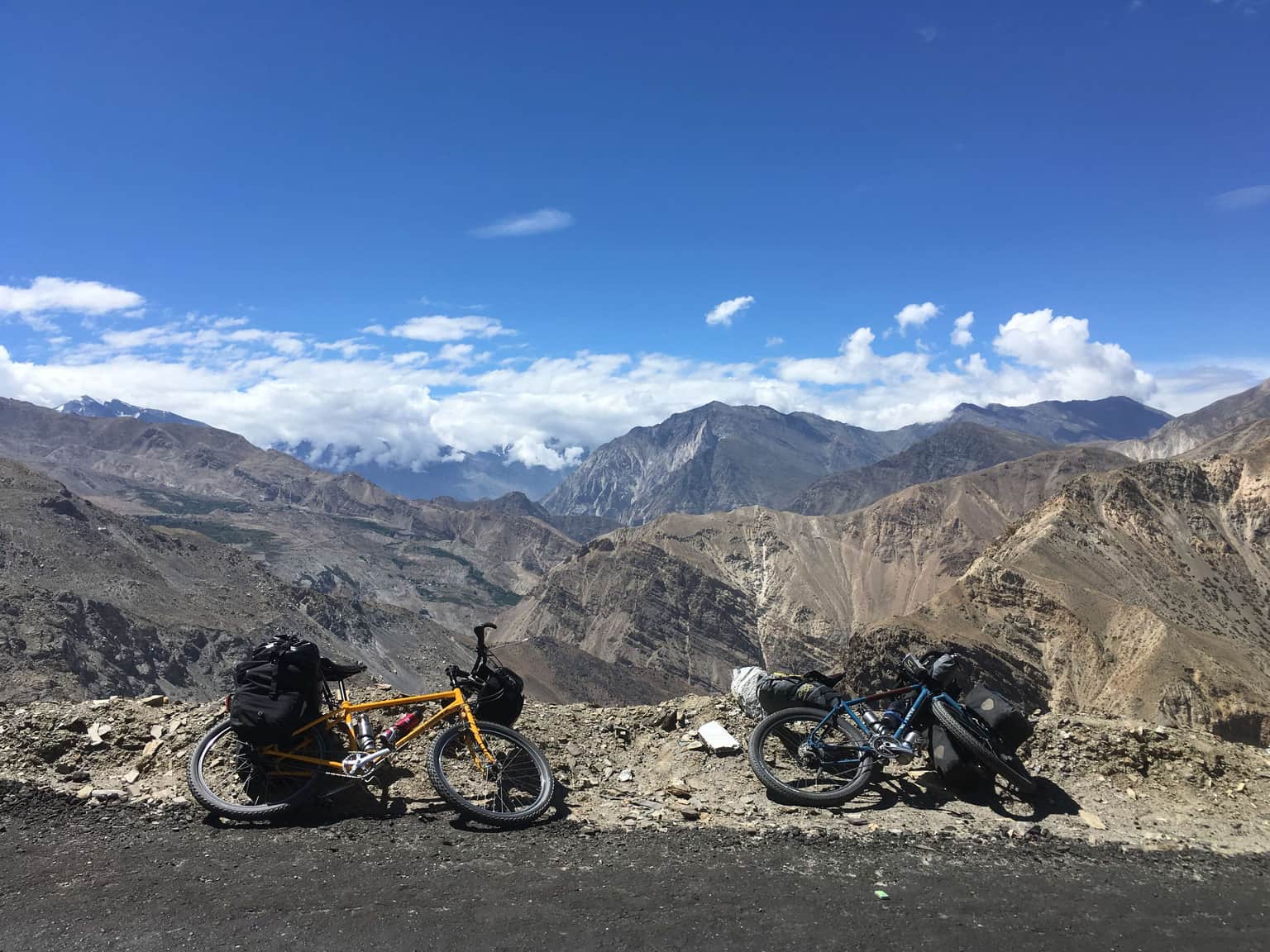
Riding or cycling across Kunzum Pass, which connects Lahaul Spiti, is a high-altitude thrill. At 4,590 metres, the pass offers snow-lined roads, panoramic mountain views, and a chance to visit the small temple of Goddess Kunzum Devi at the summit.
1. The Himalayan Cafe, Kaza: Located in the main market of Kaza, The Himalayan Cafe is one of the most popular spots for travellers. It offers a wide range of Tibetan and continental dishes like Thenthuk, chowmein, momos, and even paneer makhani. Decorated with colourful prayer flags and warm interiors, the café also provides free Wi-Fi and bookshelves—perfect for a relaxed afternoon.
2. Cafe Kunzum Top, Tabo: Situated near the Tabo Monastery, this rustic café is known for its “pay-what-you-like” concept. The wooden interiors and framed photos of Spiti’s landscapes create a warm vibe. Must-try items include Spiti special thukpa, masala chai, and chocolate brownies. It is a favourite among budget backpackers for its hospitality and honesty-based pricing.
3. Dragon Restaurant, Old Kaza: Run by a local couple, Dragon Restaurant is located in Old Kaza and serves up some of the best yak meat momos, butter tea, tingmo, and buckwheat pancakes. They are known for using biodegradable plates and composting all food waste, making them one of the most sustainable eateries in the valley.
4. Spiti Organic Kitchen, Komic: Tucked away in the village of Komic - one of the highest motorable villages in the world - this restaurant focuses on sustainability and organic farming. The ingredients are sourced from local farms, and their menu includes buckwheat rotis, seasonal vegetable curries, and sea buckthorn juice. It is an ideal stop after visiting the nearby Komic Monastery.
5. Yak Cafe, Kaza: Located close to the Kaza main bazaar, Yak Cafe is a small, cosy eatery loved for its dal-chawal, thukpa, momos, and chicken curry. The interiors feature Tibetan motifs and murals, and the café offers great views of the snow-covered peaks from its windows, making it a great spot in Kaza to enjoy a hot meal after exploring town.
From scenic boutique hotels to eco-friendly retreats, Lahaul Spiti has some truly unique stays that blend comfort with culture. Whether you are exploring monasteries or relaxing by the mountains, these accommodations offer warmth and unforgettable views.
1. Spiti Village Resort, Kee Village: Situated just 6 kilometres from Kaza, near the famous Key Monastery, this eco-conscious resort offers traditional mud-brick cottages, luxury tents, and rooms with a monastery view. Guests can enjoy Tibetan healing therapies, local cuisine, and yoga sessions.
2. Sakya Abode, Kaza: Only 500 metres from Sakya Monastery, this quaint resort features 12 Himalayan-style rooms and a dormitory. Guests love its terrace views, grassy lawns for morning yoga, and locally prepared meals.
3. Spiti Heritage, Kaza: Located in the heart of Kaza town, this well-maintained hotel in Kaza offers spacious rooms with valley views and attached balconies. With amenities like hot water, in-house dining, and travel assistance, it is perfect for those looking to blend relaxation with sightseeing.
4. Deyzor Hotel, Kaza: A colourful boutique stay known for its artistic interiors and warm hospitality, Hotel Deyzor includes handcrafted decor, a common lounge, and a handicraft store. It is pet-friendly and great for solo travellers or couples wanting something offbeat yet comfortable.
5. Spiti Sojourn, Pangmo Village: Around 22 kilometres from Kaza, Spiti Sojourn sits is one of the best hotel in Spiti situated on the banks of the Spiti River. With deluxe mountain-view rooms, private balconies, and activities like trekking and village tours, it is perfect for nature lovers and families looking for a tranquil getaway.





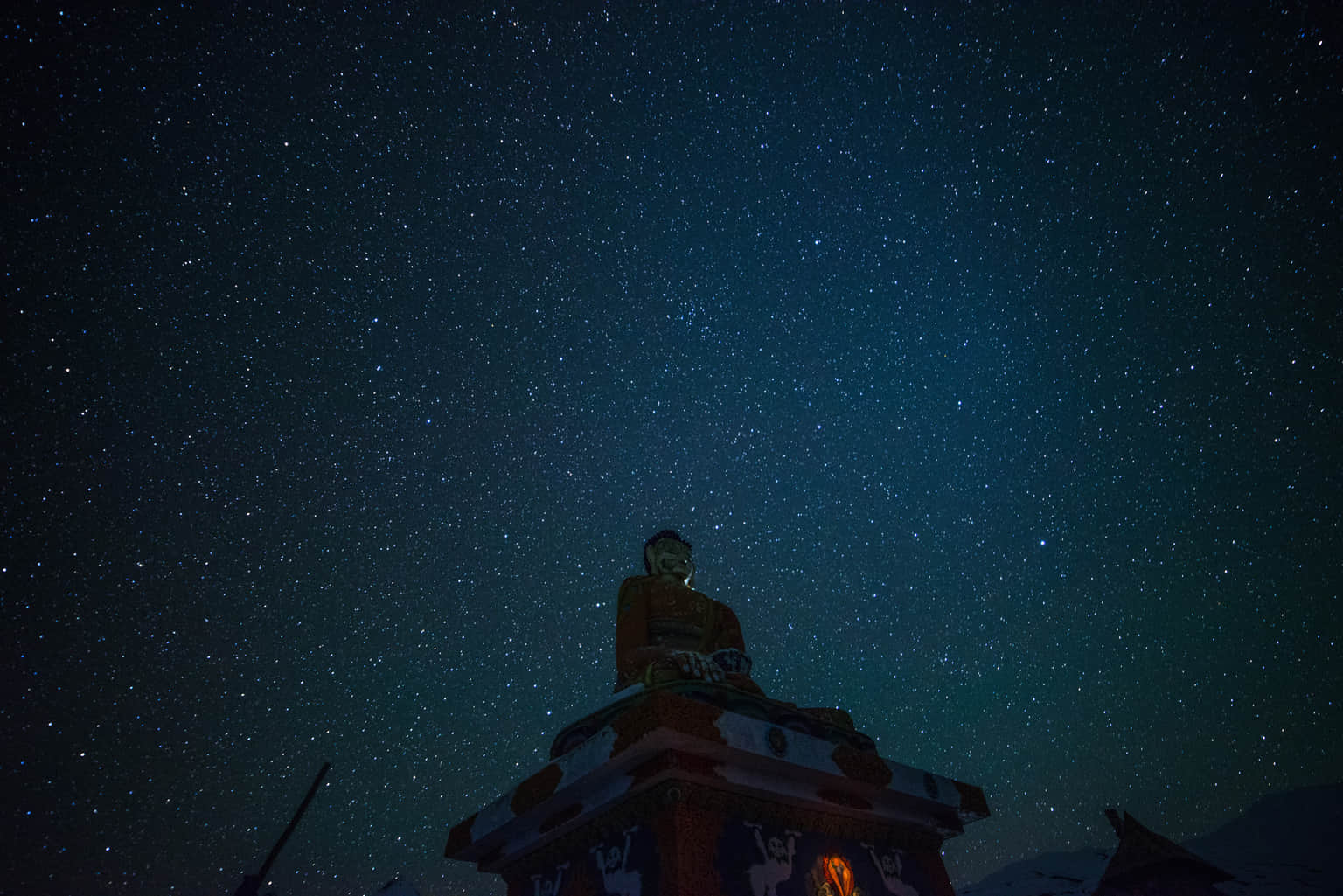
1. Stargazing at Kibber: Witness one of India’s clearest night skies at 4,270 metres with dazzling constellations and the Milky Way clearly visible.
2. Camping at Chandra Tal: Camp under a sky full of stars near the moon-shaped lake, known for its surreal night time reflections.
3. Bonfire Evenings in Kaza: Warm up around a bonfire at your campsite or homestay in Kaza and enjoy the crisp mountain air with fellow travellers.
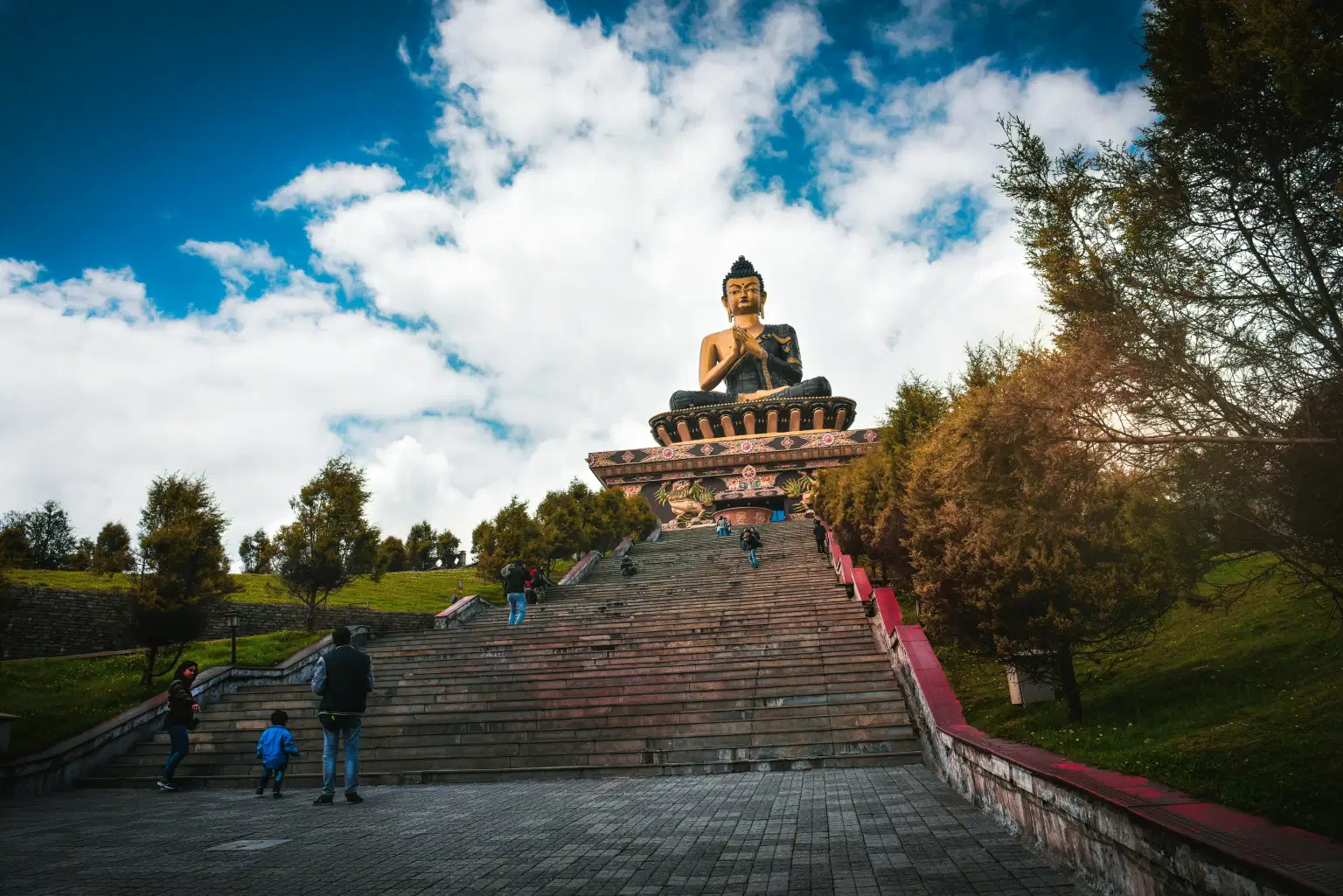
4. Star Trail Photography in Langza: Capture time-lapse shots of the rotating stars above the giant Buddha statue with little light pollution around.
5. Moonlit Walks in Tabo Village: Take a peaceful walk through this ancient village, where centuries-old monasteries glow softly under the moonlight.
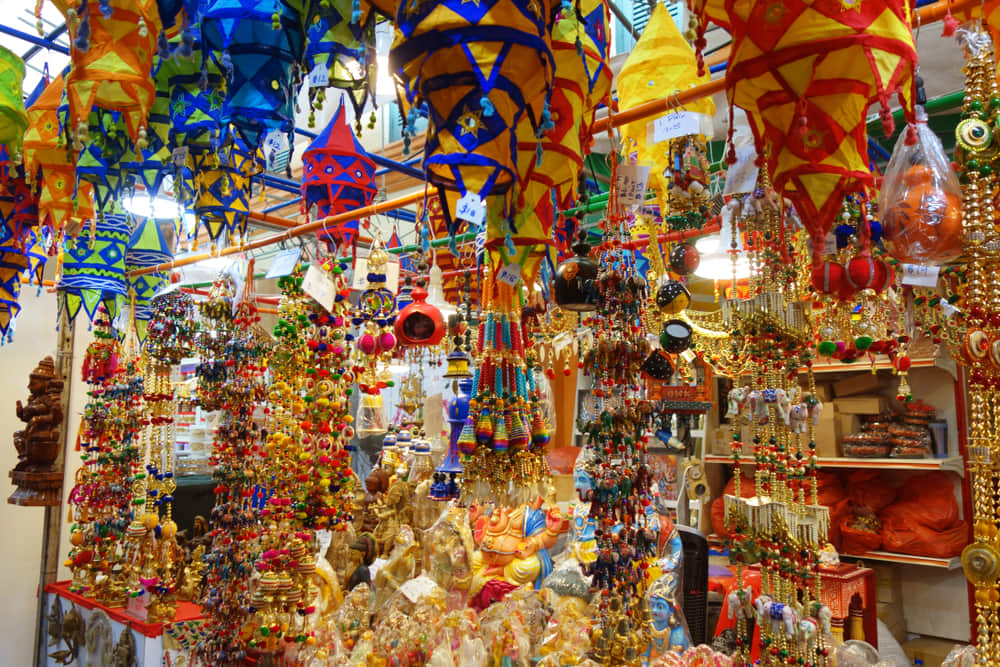
Spiti Valley offers a soulful shopping experience, where every market reflects its Tibetan roots and high-altitude culture:
1. Kaza Market, Kaza: The main shopping hub in Spiti, known for handwoven shawls, silver jewellery, thangkas, and prayer wheels - all sold by friendly locals.
2. Key Monastery Souvenir Shop: Located within the monastery complex, this spot is ideal for buying spiritual items like singing bowls, prayer flags, and handcrafted Buddhist artefacts.
3. Tabo Village Market: Close to the ancient Tabo Monastery, the market is perfect for picking up traditional paintings, wooden carvings, and local herbs.
4. Mud Village Stalls: A quiet Spiti Mud village market offering yak cheese, barley flour, hand-knit woollens, and eco-friendly souvenirs made by local families.
5. Dhankar Village Shops: Perched high above the valley, Dhankar’s tiny stalls sell prayer beads, woven bags, and local snacks - often with panoramic views for company.
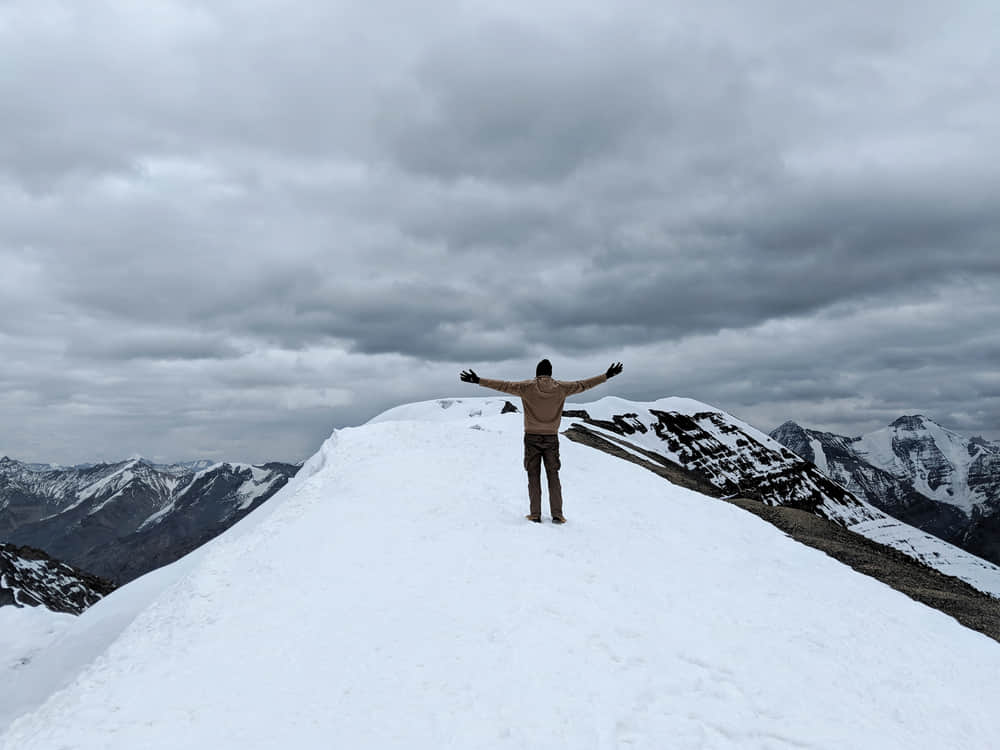
Spiti Valley is full of lesser-explored spots that offer breathtaking views, rich culture, and true Himalayan serenity. Here are some hidden gems in Spiti you shouldn’t miss:
1. Mane Village: Located near Tabo, Mane is divided into Upper and Lower halves and offers a peaceful retreat with traditional mud homes, warm locals, and access to the Sopona Lake trek - a moderate hike with chances to spot Himalayan wildlife like the Snow Leopard, Himalayan Wolf and Himalayan Ibex.
2. Kanamo Peak: Starting from Kibber village, the trek to this 19,553-feet-high peak is challenging but doesn’t require technical climbing. On clear days, it offers 360° views of Ladakh, Kinnaur, and Spiti ranges, making it a favourite among seasoned trekkers.
3. La Darcha Grounds: Near Kaza, this high-altitude ground was once a barter hub for traders from Ladakh and Tibet. Today, it hosts the La Darcha Festival every August in Spiti, where you can witness traditional dance, local crafts, and tribal sports.
4. Chicham Village & Zula Ride: Connected to Kibber by Asia’s highest bridge, Chicham offers surreal views of deep gorges and rocky cliffs. Try the traditional ropeway ride, once the only link across the canyon, and is still operated for locals and adventurous travellers.
5. SS Tso Lake: Nestled between Gette and Tashigang, this untouched glacial lake is unnamed on maps and rarely visited. It is surrounded by grazing yaks and wild herds, perfect for nature walks and tranquil photography sessions.
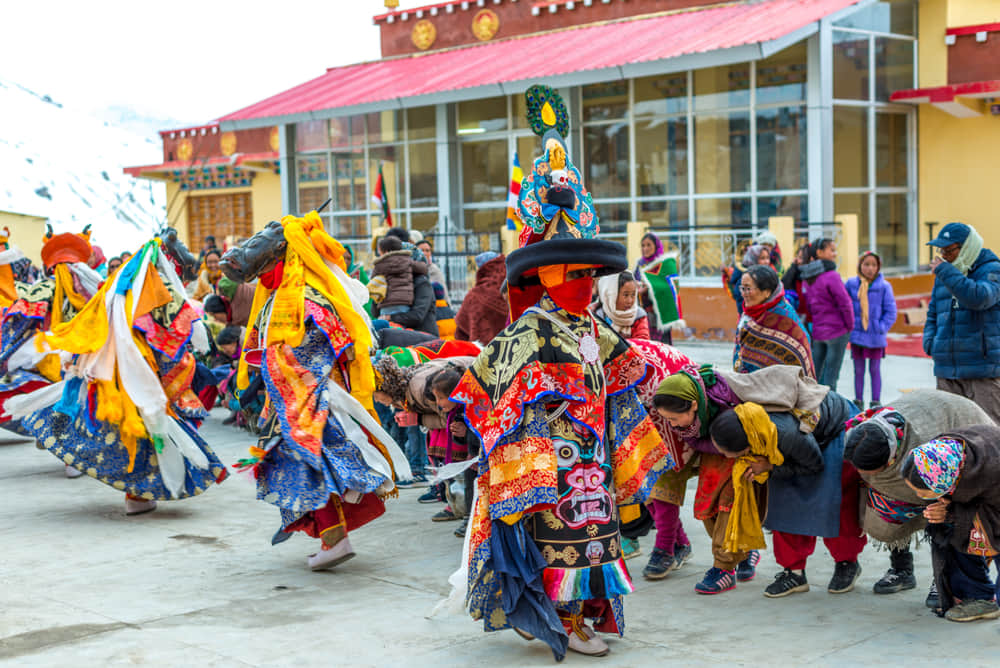
The colourful festivals of Spiti Valley reflect its deep-rooted Tibetan culture, offering travellers a glimpse into the valley’s vibrant traditions. If you are visiting during these months, don’t miss the joy and spiritual energy they bring!
1. Cultural Festivals:
2. Events:











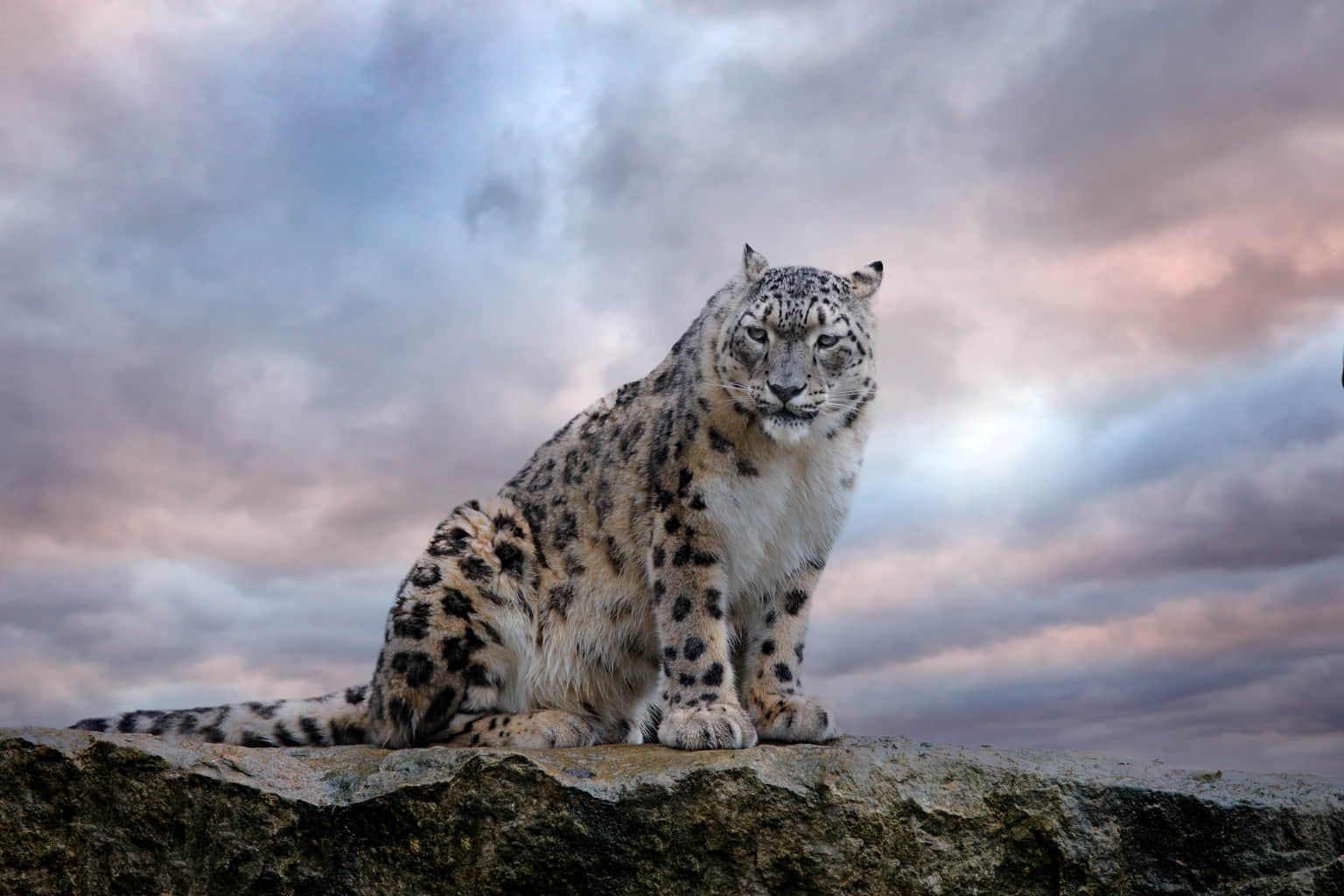
From remote villages to dramatic trails, Spiti Valley has experiences that are truly one-of-a-kind. Here are some of the best things to do on your trip:
1. Spot wildlife near Kibber Wildlife Sanctuary: Located close to Kibber village, this sanctuary is a haven for Himalayan wildlife like the elusive snow leopard, ibex, and Tibetan wolves. Winter expeditions here are a dream for nature enthusiasts and photographers.
2. Visit the ancient mummy in Giu Village: A unique cultural experience awaits in spiti, where you can see a naturally preserved 500-year-old Buddhist mummy in Gue. It is one of the few mummified bodies found in India, attracting curious travellers and pilgrims alike.
3. Cycle to Komic – the world’s highest village with a road: Challenge yourself by cycling up to Komic at 15,500 feet, one of the highest motorable villages in the world. The steep climb rewards you with panoramic views and unforgettable bragging rights.
4. Try Seabuckthorn Tea in local cafes: In villages like Kaza and Tabo, don’t miss trying this vitamin-rich herbal tea made from wild Spiti berries. It is a local specialty with health benefits and a warming flavour, especially after long travel days.
5. Explore Buddhist art in Lhalung Monastery: One of Spiti’s lesser-known monasteries, Lhalung is famous for its centuries-old wooden idols and sacred murals. Located in a peaceful hamlet, it is perfect for cultural travellers seeking quiet exploration.
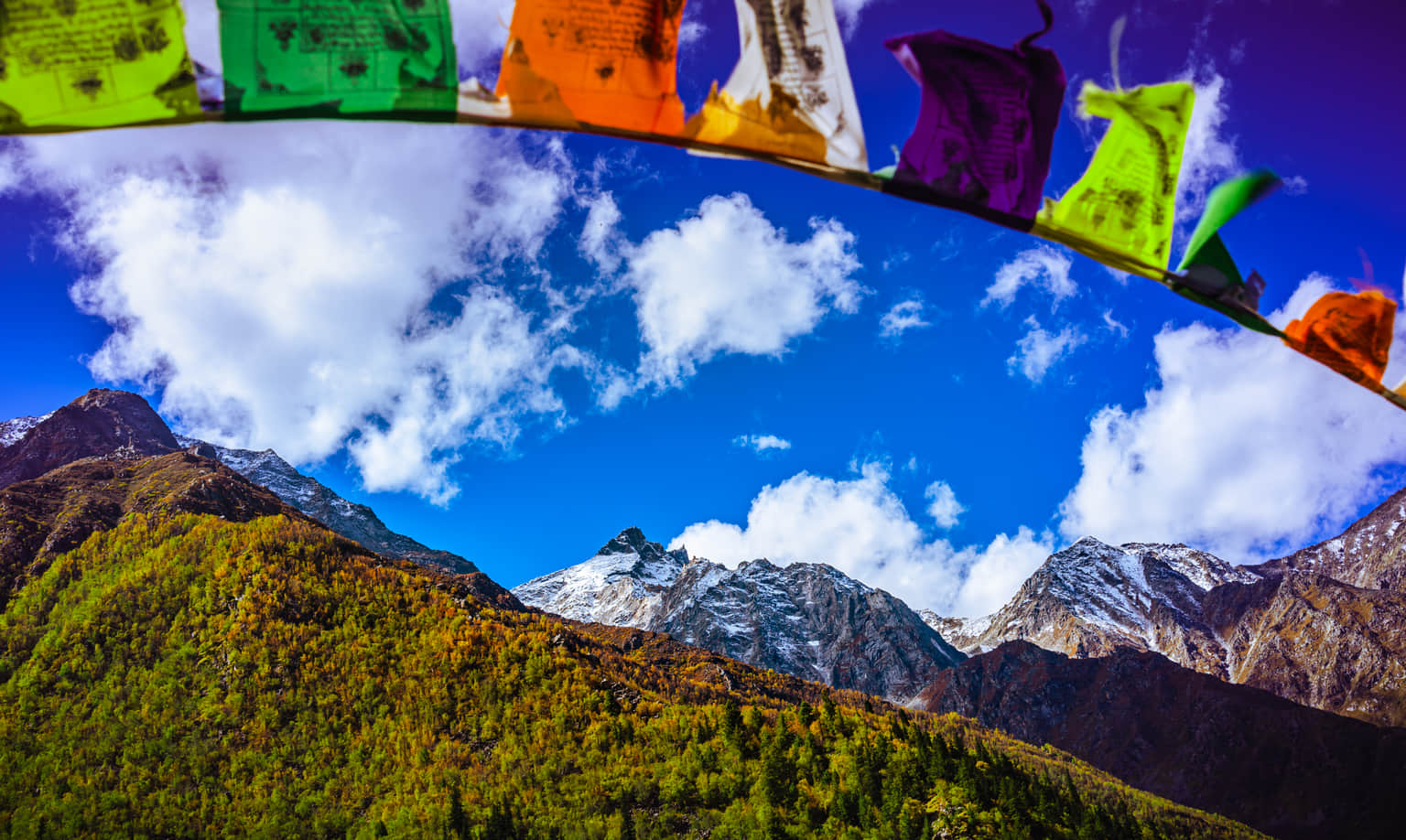
Here are some useful tips to keep in mind while planning your honeymoon trip to Spiti Valley:
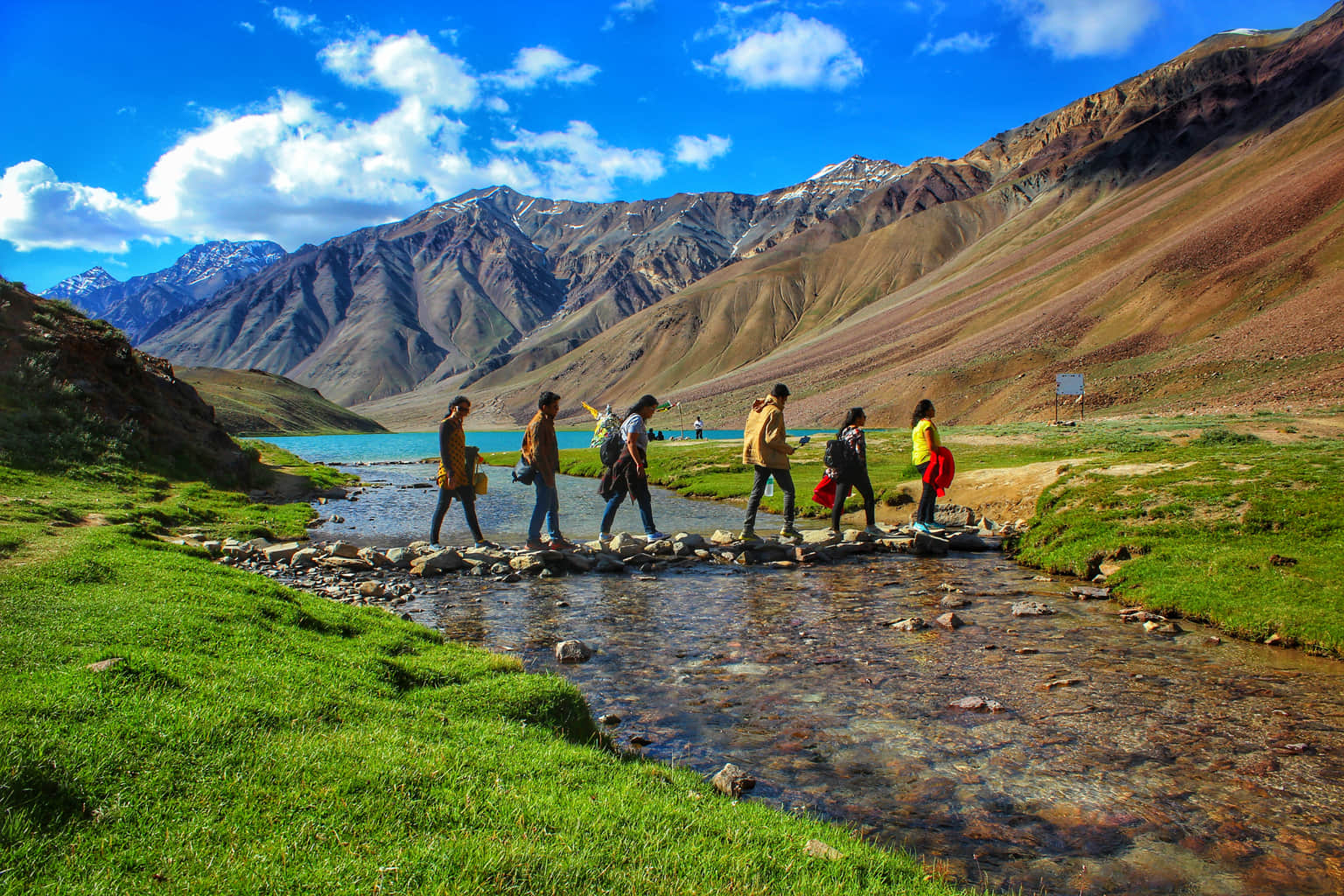
Here are some truly fascinating facts that highlight what makes Spiti Valley so unique and extraordinary:
What to expect, costs, and timing.

Happy customers from 70+ countries all around.
Rated across Trip Advisor and Google reviews.
Special curated Indian itineraries built for Indians.
Always there to help before and during trips.

Dive into Spiti Valley's best with meticulously curated tours and genuine local insights.
Explore hidden gems with passionate locals who bring Spiti Valley to life.
Flights, hotels, activities and visas — leave it all to us for a seamless journey.
Enjoy unmatched value with special Thrillophilia prices and seasonal offers.
Usually booked alongside Spiti Valley — same team.
From 19,342 travellers
Very well organised trip .. enjoyed alot .. special thanks to our guide Tarun … Thank you Thrillophilia
Had an amazing Spiti group trip with thrilophilia , Itenary was very well planned and queries were resolved very quick. Special mention to Mr. Kamal for helping and guiding us throughout the trip and great driving skills by Mr. Sachin driving in spiti is not a joke but we never felt fear while sitting in traveller, thanks for showing us around safely.
Wonderful experience with neetima ji and the group
We have recently completed of 9N/8D Full circuit tour of Spiti Valley. We started our journey from Delhi to Shimla on bus and then our guide (Mr. Parikshit Kanwar) recieved us from the drop point and we started our journey for Spiti Valley on our Traveller. Our route was Delhi-Shimla-Chitkul-Nako-Tabo-Kaza-Chadrataal-Sissu-Manali-Delhi..... All the stays were very good except for the stay at Kaza (Piti Jalsa Heritage). The food was also decent elsewhere. At Chitkul and Sissu we were given tents to stay, but the tents at Sissu we decent but at Chitkul (Nargu Camps) were very good and the food was also nice. Our guide and the driver were exceptionally good and their behaviour and knowledge about the circumstances were excellent. The Journey was a great experience of road trip and we covered all the places that were mentioned in our itinerary.
This trip was hard and required strong mental fitness. Our trip guide and driver was excellent and attentive to our needs. One things spiti valley thought me keep march forward one step at a time.
Excellent
Visas, weather, money and booking basics.
Quick links to everything else worth a slot on a longer stay.