Reviewed by Thrillophilia Spiti Operations Team
The Spiti Valley Bike Tours for 9 to 11 days range between INR 24,490 and INR 49,400, giving you an experience that will stay with you long after you have left Spiti.
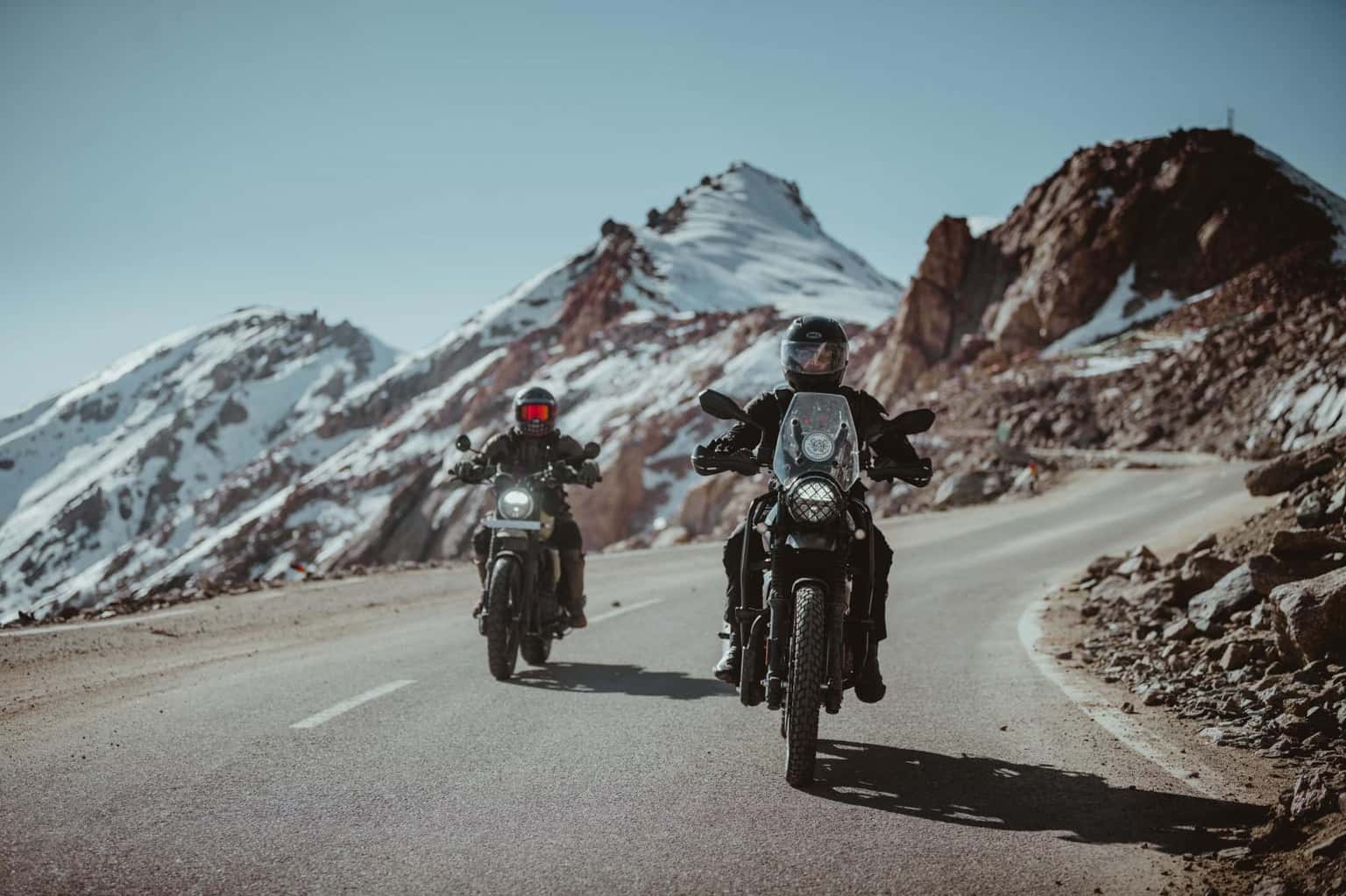
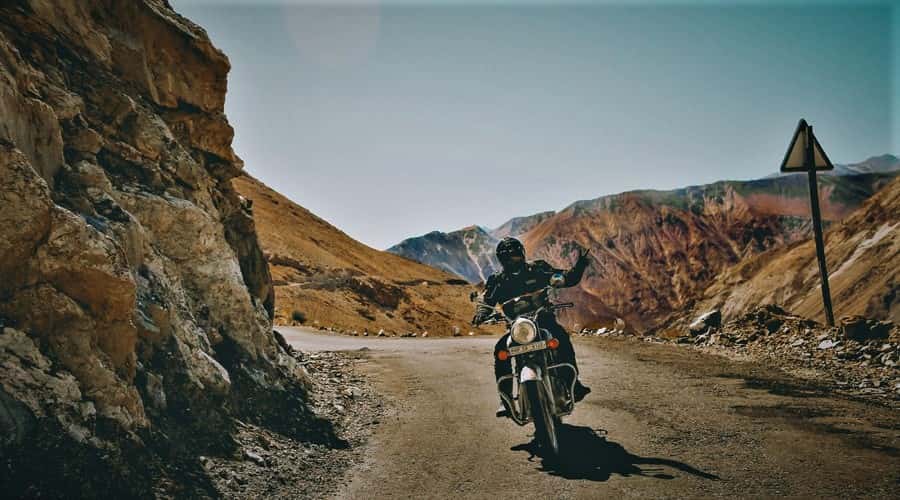
Biking in Spiti is one of the activities that is loved by Indians as well as international tourists. A Spiti Valley bike trip promises an outstanding experience in one of the most scenic Himalayan valleys. With Thrillophilia, experience your best Spiti Valley bike tour, whether you are
planning for a Spiti bike tour for a beginner or not.
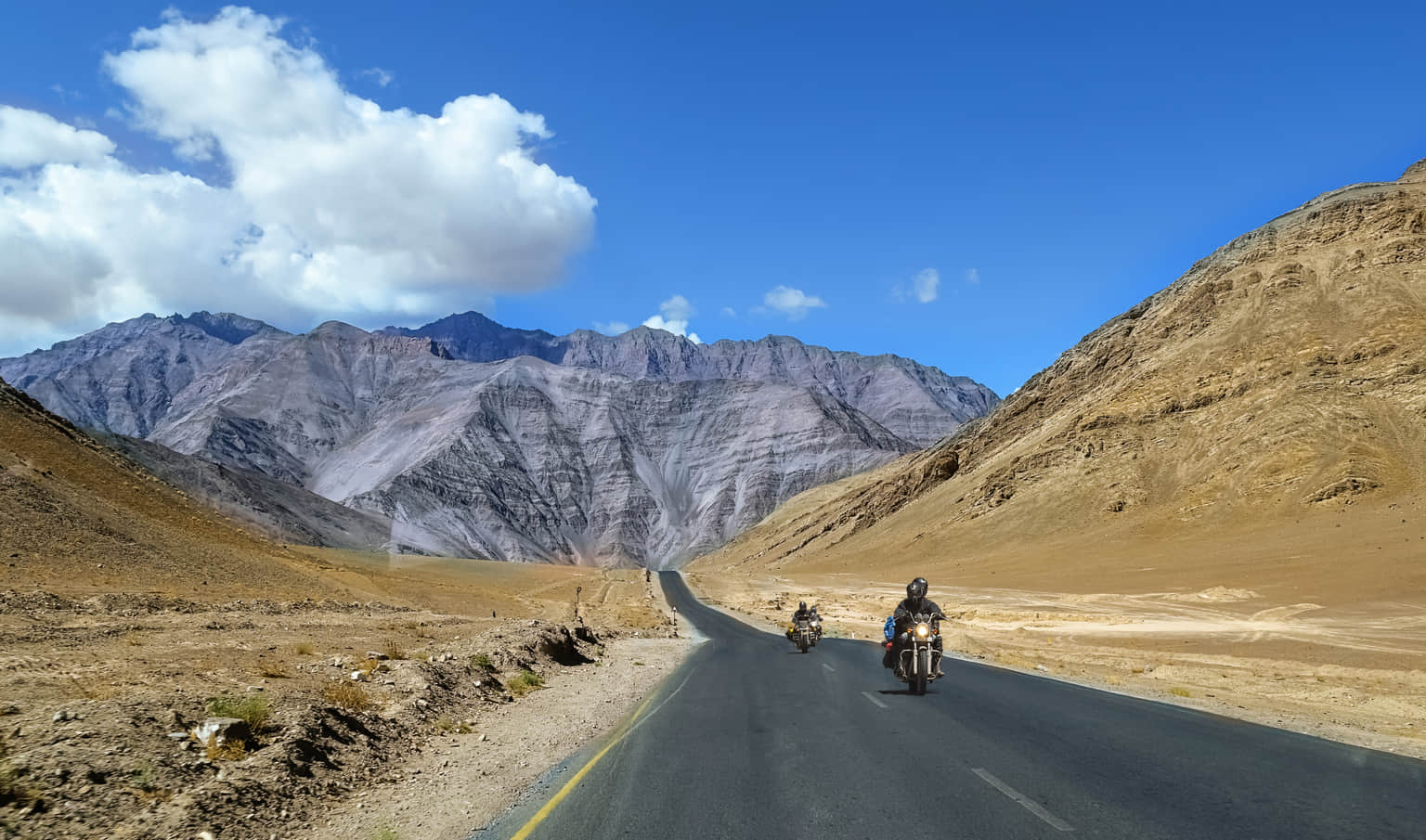
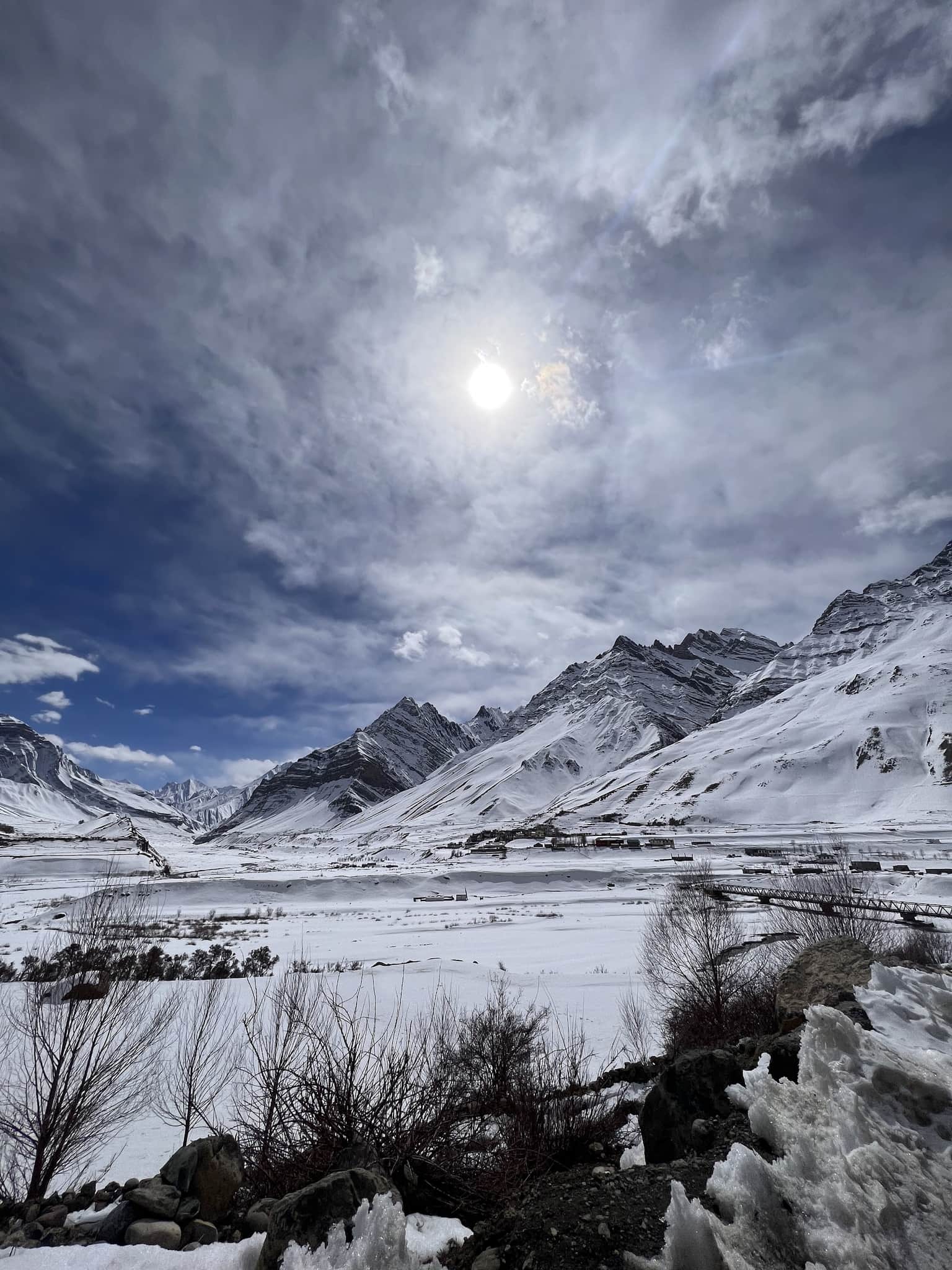
Thrillophilia’s destination experts, based on their previous travellers' experiences, create the ideal itinerary with proper routes and pricing as per your requirements. You will get a chance to admire huge mountain peaks, bright blue skies, and stunning scenery. Feel the thrill of riding a bike across the adventurous routes and challenging terrains.
It's one of the most beautiful yet technically demanding motorcycle circuits in India. It runs through a trans-Himalayan cold desert between approximately 3,200 metres and 4,551 metres, with long stretches and sparse population or infrastructure. Thrillophilia, with its 24/7 on-ground service, provides complete guidance throughout the trip so that you can enjoy your trip to the fullest.
The way you enter Spiti, how you manage altitude, and how prepared your motorcycle is will decide if the ride stays controlled or starts breaking down early. If you get your route or acclimatisation wrong, the ride does not become uncomfortable; it becomes unsafe. Most failures in Spiti happen in the first three days itself. For that, Thrillophilia is hers, designing several Spiti Valley motorcycle tour itineraries, considering every possible situation.
The seasonal access from the Manali side is dependent on the opening of the Kunzum La Pass. Even though this route usually operates between mid-June and October, it is one of the most popular ways to reach Spiti, but also one of the most scenic ones. Thrillophilia’s bike packages include the most stable roadmap, i.e., Delhi - Manali - Jibhi - Rampur - Chitkul - Kalpa - Kaza - Chandra Tal - Manali - Delhi, making it more convenient for you.
On the other hand, the Shimla route via NH 505 remains accessible for most of the year and allows a more gradual climb, making a Shimla to Spiti bike tour more convenient for bikers, providing enough time to acclimatise. With the option of customisation, you can get your convenient trip route with Thrillophilia.
Spiti Valley Bike Tour: Breakdown
- Price Range: Packages start from INR 24,490 to INR 49,400
- Duration: 9 to 11 days
- Inclusions: Accommodation in standard hotels, camps, guest houses and twin/triple sharing; an inner line permit / Manali Green Tribunal permit (in selective packages); bikes such as the Royal Enfield Himalayan 411cc motorbike; a helmet for both the rider and the pillion passenger; and fuel for the complete trip as per the itinerary.
Thrillophilia Support: Customisable itineraries for your Spiti Valley motorcycle tour, attraction slot planning, 24×7 on-trip assistance, extra fuel for backup and a backup vehicle. Rohaan Mehta, one of our travellers who booked the Manali To Spiti Bike Expedition | FREE Kaza Excursion package, shared in March 2026 that "Huge thanks to our trip captain Kabir for handling our Spiti trip so well. Roads were tough at some stretches, and the weather also changed suddenly, but he managed the group calmly throughout. We made some really good memories during the journey.”
Note: The Spiti Valley bike tour cost depends on how the ride is structured. Key factors are bike, fuel, accommodation, and whether you ride solo or with support. Fuel is a major component due to long distances and reserve carrying.
Accommodation remains basic but rises in peak season around Kaza and Chandratal. A 12 to 14-day ride stays in a moderate range, while 16-day circuits increase cost mainly through extra stay days.
Package Types and Pricing (June 2026)
Package
| Duration
| Destinations Covered
| Land Price / Person
| With Flights
| Best For
|
|---|
Chandigarh to Spiti Bike Expedition | Royal Enfield Special | 9 days / 8 nights | Chandigarh, Narkanda, Kinnaur, Kaza, Kibber, Manali | INR 24,490 | INR 30,000 to INR 38,000 | Solo riders, first-time Spiti bikers, budget-focused riders |
Spiti Valley Backpacking Bike Tour From Chandigarh | 9 days / 8 nights | Chandigarh, Kinnaur, Nako, Tabo, Kaza, Shimla | INR 25,990 | INR 31,500 to INR 39,500 | Backpackers, adventure riders, group travellers |
Manali to Spiti Bike Expedition | FREE Kaza Excursion | 11 days / 10 nights | Manali, Jibhi, Rampur Bushahr, Chitkul, Kalpa, Kaza, Chandratal | INR 32,250 | INR 42,000 to INR 52,000 | Experienced riders, extended explorers, group expeditions |
Chandigarh to Spiti Bike Expedition | KTM Special | 9 days / 8 nights | Chandigarh, Narkanda, Kinnaur, Spiti Valley, Shimla, Manali | INR 37,990 | INR 45,000 to INR 55,000 | Performance riders, KTM enthusiasts, adventure seekers |
A Bike Adventure | FREE Camping in Chandra Tal | 9 days / 8 nights | Kaza, Chandratal, Kibber, Langza, Hikkim, Kunzum La | INR 49,400 | INR 57,000 to INR 68,000 | Couples, camping enthusiasts, and premium experience seekers |
Note: Flight costs are approximate return airfare from Delhi to Manali or Shimla and vary by season and booking window. Flights are not included in the packages.
Daily Expense Guide (Per Person)
Expense Category
| Budget (₹)
| Mid-Range (₹)
| Luxury (₹)
|
|---|
Accommodation per night (homestays/guesthouses/camps) | 700 – 1,500 | 1,500 – 4,000 | 4,000 – 8,000+ |
Fuel & bike running cost per day | 500 – 800 | 800 – 1,200 | 1,500 – 2,500+ |
Meals per day (dhabas/ local cafés) | 300 – 600 | 600 – 1,200 | 1,200 – 2,500+ |
Permits & entry fees (Rohtang NGT permit, Chandratal camping permit) | 700 – 1,200 | 700 – 1,200 | 700 – 1,200 |
Gear, spares & emergency kit (one-time / trip cost) | 2,000 – 4,000 | 4,000 – 8,000 | 8,000 – 15,000+ |
Package costs (land price) | From INR 24,490 | From INR 37,990 | From INR 49,400 |
Best Time for Spiti Valley Bike Tour
According to Thrillophilia’s booking insights, the best time for the Spiti Valley motorcycle tour is from mid-May through November, with variations depending on weather conditions, road access, and travel priorities.
Before taking the Spiti Valley bike tour, you should note that the Manali–Kaza route remains closed from November to May due to heavy snowfall at Rohtang Pass and Kunzum Pass, while the Shimla–Kaza route stays open for most of the year but involves longer travel durations and slower road conditions.
1. Late May to June (Early Summer)
- Roads from both the Manali and Shimla sides typically open fully
- The weather is pleasant, with temperatures ranging from 15 to 20°C during the day
- Landscapes begin to turn green, with wildflowers starting to bloom
- Fewer tourists compared to peak months
2. July to August (Monsoon)
- The valley appears more vibrant with patches of greenery
- However, landslide risks increase, especially on the Shimla–Kinnaur route
- Temperatures remain comfortable between 15 and 25°C.
- The Spiti River flows at full capacity, creating dramatic scenery
- Not ideal for first-time travellers due to road safety concerns
3. September to Mid-October (Early Autumn)
- Widely considered the best time to visit the Spiti Valley
- Clear skies and excellent visibility for landscapes and stargazing
- Stable weather with minimal chances of landslides
- Temperatures range between 10 and 20°C, which is ideal for exploration
- Harvest season adds cultural experiences in local villages
- Recommended as the sweet spot for first-time visitors
4. November to April (Winter: Only via Shimla Route)
- Manali–Kaza route remains completely closed due to snowfall
- Access is only via Shimla through Kinnaur, with slow travel and possible weather disruptions
- Extreme cold conditions, with temperatures dropping to -25°C in Kaza
- Limited stays, transport, and basic facilities across the region
- Suitable only for experienced travellers seeking snow landscapes and deep cultural immersion
How to Reach Spiti Valley: The Two Major Approaches to Spiti
A Spiti Valley bike tour starts either from Chandigarh or Manali; before that, one must reach Delhi or Chandigarh via train or flight. Abhijit Sen, one of our verified travellers from Kolkata, booked A Bike Adventure | FREE Camping in Chandratal in March 2026 and said, “We had a fantastic Spiti road trip with Thrillophilia. The driver was very patient with our frequent photo stops. Coming from Kolkata, the dry mountain air was a change, but the views of the Himalayan peaks were absolutely majestic. Truly a soulful experience that I would recommend to anyone looking for a deep connection with nature.” Moreover, the flights are usually not included in our bike tour packages.
Route A: Manali - Rohtang - Kunzum La - Kaza
This is the high-altitude entry route for the Spiti Valley bike tour, operating only during the summer window. While planning for a Spiti Valley tour package via bike, find a proper route and guide to follow as per your preference.
- For a Manali to Spiti bike trip, you start at Manali (2,050m), cross Rohtang Pass (3,978m), move through Gramphu and Batal, and cross Kunzum La (4,551m) before reaching Kaza (3,800m).
- This altitude gain is rapid, and the exhaustion is real, which you should never underestimate. Riders who enter via this route without prior acclimatisation often experience AMS symptoms between Batal and Kunzum.
- Rohtang Pass requires an NGT permit booked online. Daily vehicle quotas apply, and entry timing is controlled.
Route B: Shimla - Narkanda - Nako - Tabo - Kaza
This is the only entry route that allows controlled altitude gain, which is why it should be the default approach for most riders.
- You start from Shimla at a lower elevation and move gradually through Narkanda and Rampur into the Kinnaur belt. Reckong Peo acts as the first proper halt before entering higher-altitude zones.
- From here, the route climbs steadily towards Nako at around 3,600 metres, then to Tabo, and finally Kaza at roughly 3,800 metres.
- The key difference from the Manali side is pacing. You are not crossing 4,000 metres in the first two days. By the time you reach Kaza, your body has already spent multiple nights above 3,000 metres, which reduces the risk of AMS significantly.
- Do not mistake this for an easy route. The Kinnaur stretch before Nako has narrow roads, rockfall zones, and sections cut into cliffs with no chance for mistakes.
- Road quality improves closer to Tabo and Kaza, but the exposure remains.
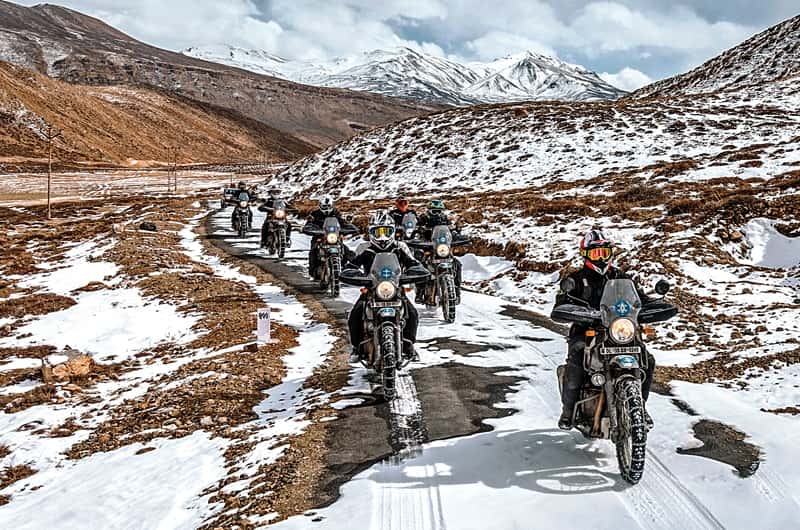
- This route stays open for most of the year, but winter riding introduces black ice and hard snow sections, especially in shaded areas.
- That changes braking and control completely and is not suitable unless you have prior winter riding experience.
Complete Circuit - Route A + Route B
A complete Spiti circuit means you are not entering and exiting from the same side. You use both routes in one loop so that altitude is handled properly and no section is rushed.
The standard structure is Shimla → Reckong Peo → Nako → Tabo → Kaza → Kunzum La → Manali.
By the time you reach Kaza at around 3,800 metres, your body has already spent multiple days gaining altitude gradually. When you finally cross Kunzum La at 4,551 metres on the exit, the exposure is controlled.
If you attempt the same circuit in reverse from Manali, you hit Rohtang and Kunzum within the first two days. That is a rapid jump in altitude and is where most riders start facing AMS symptoms or fatigue. The circuit also works better logistically. Fuel planning, rest days, and mechanical checks are easier to manage once you are settled in Kaza before attempting the high pass exit. This is why the Shimla entry and Manali exit are considered the most stable way to ride Spiti.
Places to Visit in Spiti Valley
A Spiti Valley motorcycle tour includes the most iconic places to visit in Spiti Valley that one can’t miss.
Ancient Monasteries
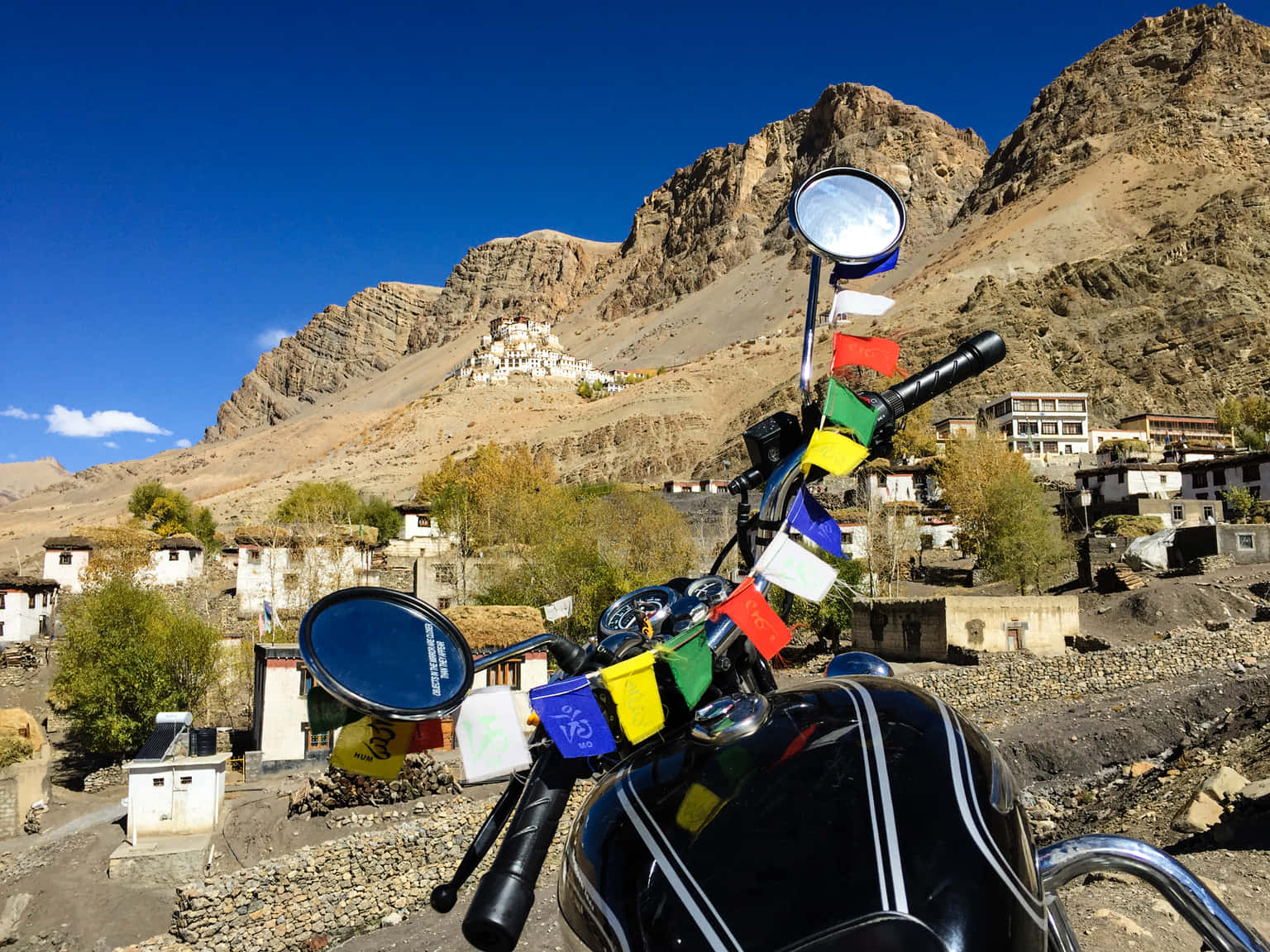
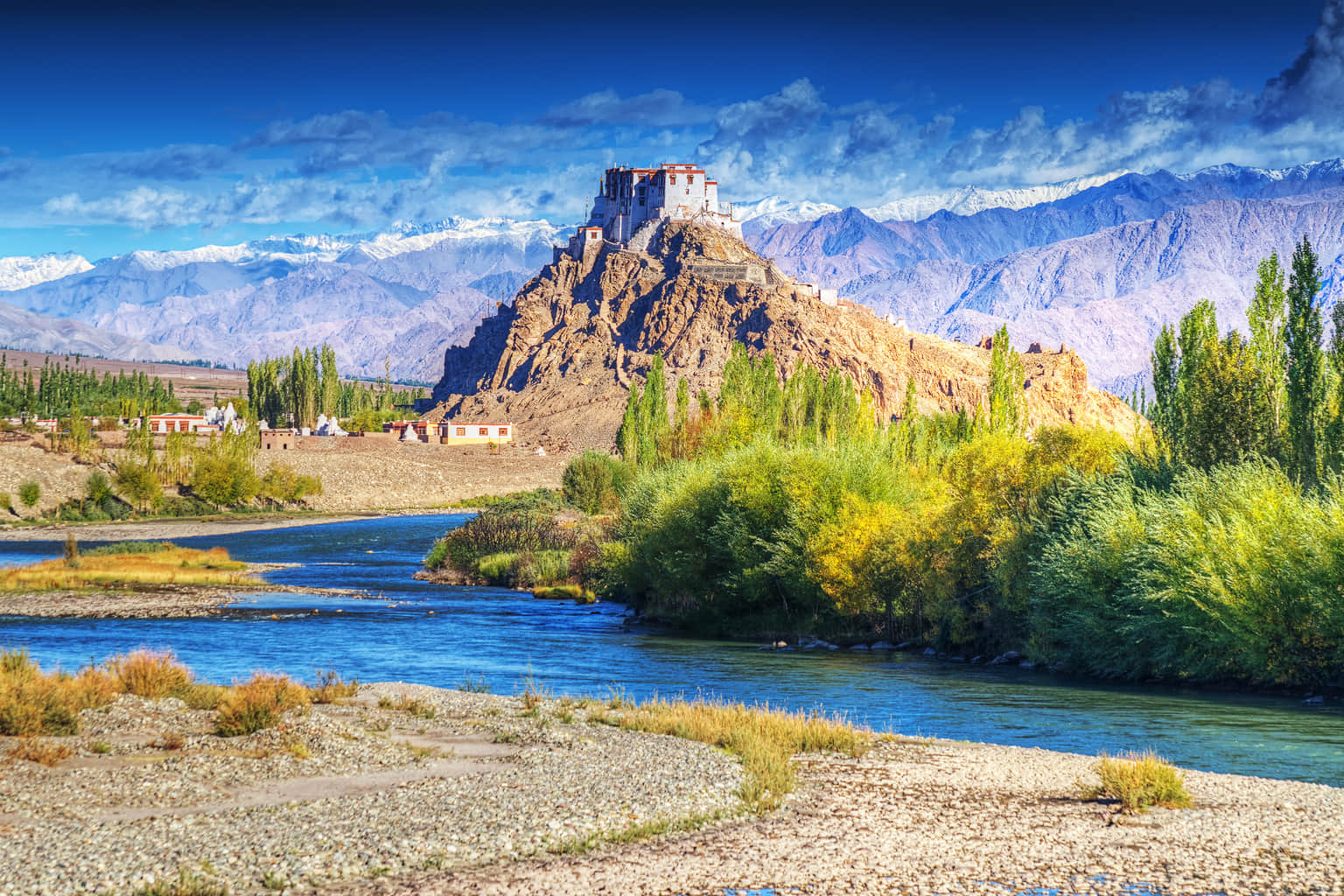
Key Monastery: Founded c. 1000 AD. Key Monastry sits at 13,668 feet. With roughly 200–400 monks, this 1000-year-old monastery looks like a fort on a hill. It offers amazing views of the valley and holds many old Buddhist treasures.
Nidhi Parikh, one of our travellers from Vadodara who booked the Spiti Valley Backpacking Bike Tour from Chandigarh package, shared in February 2026 that, “We booked our Spiti tour via Thrillophilia from Vadodara. The landscape of the high-altitude desert is breathtakingly beautiful. The Key Monastery and Komic were my favourite spots. The road trip is challenging due to the terrain, but the views are absolutely worth the struggle. It was a well-planned trip that gave us a great insight into the Tibetan culture.”
First-time visitors often miss the morning prayer session, which begins around 6:00 a.m. Arriving early lets you observe monks chanting in the main assembly hall before the day's activities begin. The monastery houses a rare collection of thangka paintings, ancient manuscripts, and clay figurines that predate many other Himalayan monasteries; ask a monk to show you the manuscript room, as it isn't part of the standard visitor circuit.
Monks follow a structured schedule with prayers at dawn and again in the evening around 5:30 PM, so visiting at either of these times gives a far more immersive experience than a midday stop.
Tabo Monastery: It is one of the oldest continuously occupied Buddhist monasteries in India. Tabo Moanastery was founded in 996 AD and is now known as the "Ajanta of the Himalayas". This monastery has beautiful 1000-year-old wall paintings and is the oldest working Buddhist centre in India.
Dhankar Monastery: Built between a cliff and the sky, this monastery-fort exists at a breathtaking spot where the Spiti and Pin rivers meet.
High-Altitude Villages
The upper Spiti region near Kaurik and Tashigang falls within a restricted zone due to its proximity to the China border. Foreign nationals require an Inner Line Permit (ILP) to travel to these areas.
The ILP can be obtained from the District Magistrate's office in Kaza; carry multiple photocopies along with your passport and visa, as checkpoints are common.
- Kibber Village: Once known as the world's highest village reachable by car, Kibber sits at 14,200 feet and is home to traditional mud-brick homes that look like they belong in a Tibetan painting. The village itself is a quiet, tightly-knit community where locals still practise age-old customs of farming barley and herding livestock through the short summer months.
- Kibber Monastery: Separate from the village settlement, the monastery is a working religious site active in the daily lives of Kibber's residents. It is home to young monks from the surrounding area and holds regular prayer sessions. Thrillophilia’s destination experts say that visiting in the early morning gives a glimpse into monastic life that most day-trippers miss entirely.
- Komic: Asia's highest village with a post office, Komic is a place where people live much as their ancestors did, surrounded by snow-capped peaks. The sense of isolation here is profound. In winter, the village is almost entirely cut off from the rest of Spiti.
- Langza: Famous for its ancient Buddha statue and the marine fossils found scattered across its fields. Remnants of the Tethys Sea that once covered this land millions of years ago. The statue stands with the striking Chau Chau Kang Nilda peak rising dramatically behind it, making for one of Spiti's most photographed views.
- Hikkim: Home to one of the world's highest post offices at 14,435 feet, you can send postcards stamped from the rooftop of the world. Don't be surprised to find a small queue of travellers waiting to send letters to every corner of the globe.
Natural Wonders
- Chandratal Lake: Called the “Moon Lake” because of its crescent shape, this high-altitude lake changes colour throughout the day and is surrounded by stark, barren mountains.It is accessible via a rough 8–10 km jeep track from Batal (motorable by SUV), after which a short walk leads to the lake. Camping is permitted in designated areas near Chandratal, with visitor numbers regulated.Some of the key 2026 NGT and local regulations include:
- Campsite Restrictions: The camp should be situated away from the lakefront; only at authorised sites can tents be erected.
- Camping Season: Usually, campsites are open only during late June and early October.
- Vehicular Access: Vehicles should park at designated spots away from the lake.
- Permissions: An e-Aagman e-pass is necessary as the lake falls under an animal reserve.
- Waste Disposal: Camp managers must dispose of waste properly. Littering is strictly forbidden.
- Pin Valley National Park: Home to rare snow leopards and other wildlife, this park features rugged, untamed landscapes with striking patches of green contrasting against the cold desert terrain.
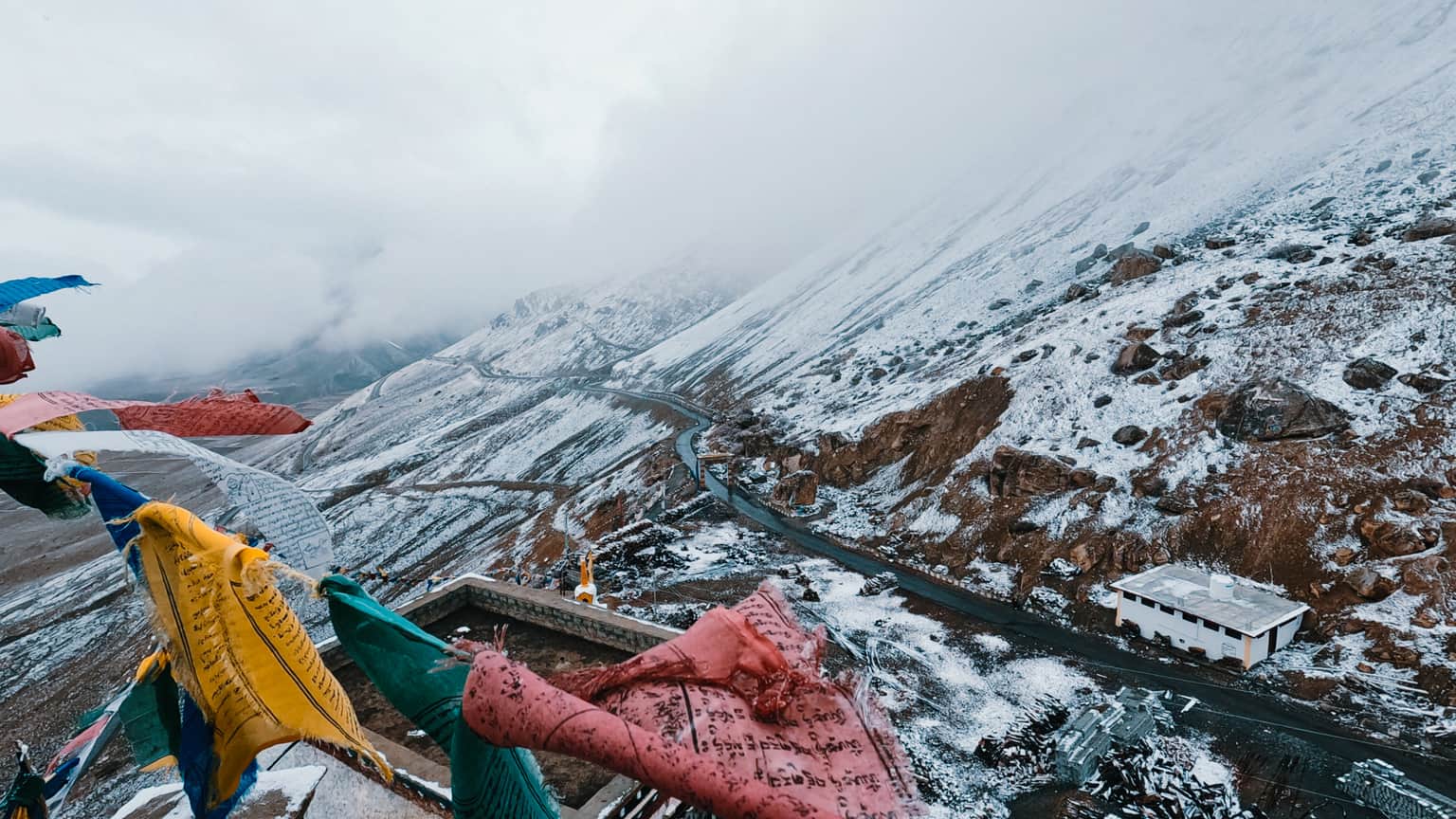
- Kunzum Pass: Drive through clouds at 15,060 feet, where colourful prayer flags flutter in the wind, and panoramic views of the surrounding Himalayan peaks stretch for miles.
- Dhankar Monastery & Dhankar Lake: Dhankar Monastery is accessible by road and offers dramatic views of the Spiti–Pin River confluence. From here, a 1.5–2 hour uphill hike leads to Dhankar Lake, a secluded blue-green water body hidden among rocky terrain, rewarding trekkers with pristine reflections and complete silence.
Offbeat Gems
Giu Mummy: See the mysteriously preserved 500-year-old body of a meditating monk. Strangely, people say his hair and nails still grow!
- Mud: A village that looks like it was carved right out of the mountains. Life here hasn't changed much over time, and you can see traditional Spiti buildings.
- Lhalung: Called the "Land of God," this village has an old monastery called Lhalung Monastery with a golden Buddha statue and masks with demon faces. In summer, the village is covered with wildflowers.
- Demul: Stay with local families in this eco-friendly village known for its sustainable living and beautiful high-altitude hiking trails.
- Kungri Monastery: The monastery's name translates to 'Snow Mountain' in Tibetan, and it's famous for its calm ambience, perfect to explore on a Spiti holiday adventure.
Things to Do on a Spiti Valley Tour
A trip to Spiti Valley is never boring and has several things to do in Spiti Valley. Thrillophilia’s destination experts suggest that travellers who indulge in adventure activities, cultural experiences and spiritual experiences see a side of Spiti that most miss.
1. Adventure Activities
- Trek to Chandratal Lake: Walk along old shepherd paths to reach the beautiful "Moon Lake," where you can camp under a sky full of stars. Chandratal Lake is accessible by jeep track from Batal. However, the last 8–10 km is a rough jeep track, not paved, but motorable in an SUV
- River Rafting in Spiti River: Enjoy exciting water rapids between Pin Valley and Tabo, with tall canyon walls on both sides
- Hike to Dhankar Lake: Take a 2-hour uphill walk from Dhankar Monastery to find a peaceful lake with amazing mountain views
2. Cultural Immersion
- Stay in a Homestay: Live with local families in villages like Demul or Kibber, eating homemade food and learning how Spiti people live
- Attend a Buddhist Ceremony: Watch monks chant prayers during morning or evening ceremonies at Key or Tabo Monastery
- Learn Traditional Cooking: Cook with locals to make dishes like thukpa (noodle soup) and skyu (hand-shaped pasta) using local buckwheat
- Visit Langza, Also Known as Spiti's Fossil Park: Look for 180-million-year-old sea creature fossils in Langza with local guides, showing that the Himalayas were once under the sea
3. Unique Experiences
- Cross Kunzum Pass: Drive up to 15,060 feet for amazing mountain views and walk around the Buddhist shrine for good luck
- Stargaze in Kibber: See incredibly clear night skies, perfect for taking photos of stars and spotting the Milky Way
- Spot Snow Leopards: Join a winter trip with local guides to look for the rare and beautiful snow leopards
- Post a Letter from Hikkim: Send a postcard from the world's highest post office at 14,400 feet as a special memory
4. Spiritual Journeys
- Meditate in Ancient Caves: Find peace in the meditation caves near Tabo that monks have used for over 1,000 years
- Walk the Kora Circuit: Join locals in their traditional clockwise walk around monasteries, spinning prayer wheels as you go
- Learn Thangka Painting: Take a class with local artists to learn how to make colourful Buddhist paintings
5. Local Flavours
- Sample Seabuckthorn Products: Try jams, juices, teas, and oils made from seabuckthorn berries (Hippophae rhamnoides), locally known as Sirmoli or Tsermang.
- This nutrient-rich orange berry thrives in Spiti’s harsh climate and is a key part of the region’s cottage industry. You can buy authentic products from local cooperatives in Kaza and Langza.
- Try Chang and Arak: Taste traditional barley beer (chang) and local spirits (arak) with villagers during celebrations
- Eat at the World's Highest Restaurant: Have a meal at The Himalayan Café in Komic village, enjoying dumplings and noodle soup at over 15,000 feet
- Join a Community Harvest: Help local farmers collect peas, barley or apples (depending on season) and join in the celebration afterwards.
Sample Spiti Valley Bike Tour Itineraries: Most Booked by Our Travellers
These three itineraries reflect what adventure travellers most consistently choose for exploring Spiti Valley on a bike. Each itinerary is designed around realistic mountain routes, acclimatisation time, challenging terrains, scenic Himalayan landscapes, and enough stops to experience monasteries, villages, and high-altitude attractions. Moreover, the 9-day 8-night Spiti Valley tour itinerary is the most booked one among all the packages.
The routes cover the Spiti bike tour for beginners, the Spiti circuit, including Manali, Kaza, Key Monastery, Hikkim, Komik, Langza, Chandratal Lake, Kunzum Pass, and scenic Himalayan roads.
9 Days, 8 Nights: Classic Spiti Valley Bike Expedition (Most Booked)
- Day 1: Arrive in Manali and complete the bike allocation, briefing, and safety instructions. Spend the evening exploring Mall Road and preparing for the ride- ahead.
- Day 2: Start the Himalayan bike journey through Atal Tunnel, Sissu, and scenic mountain roads. Ride towards Jispa while enjoying breathtaking views of the Lahaul Valley.
- Day 3: Cross Kunzum Pass and enter Spiti Valley. Reach Kaza and relax after the high-altitude journey.
- Day 4: Explore Key Monastery, Kibber Village, and Chicham Bridge and enjoy panoramic views of the Spiti landscape.
- Day 5: Visit Langza, Hikkim (the world's highest post office), and Komik Village, and experience the unique culture of Spiti.
- Day 6: Ride towards Chandratal Lake through rugged Himalayan roads and witness one of the most beautiful high-altitude lakes.
- Day 7: Cross the Rohtang Pass/Atal Tunnel route and return to Manali after completing the Spiti circuit.
- Day 8: Spend the day exploring Manali, cafés, local markets, and nearby attractions.
- Day 9: Departure from Manali with unforgettable memories of the Himalayan bike adventure.
10 Days, 9 Nights: Complete Spiti Circuit Bike Tour
- Day 1: Arrive in Manali, collect bikes, attend the safety briefing, and prepare for the expedition.
- Day 2: Ride through the Atal Tunnel, Sissu, and the scenic Lahaul Valley routes before reaching Jispa.
- Day 3: Continue the journey through high-altitude roads, Kunzum Pass and reach Spiti Valley’s main town, Kaza.
- Day 4: Explore Key Monastery, Kibber Village, Chicham Bridge, and nearby viewpoints.
- Day 5: Discover Spiti’s famous villages, interact with locals, and experience life in one of the world’s highest inhabited regions.
- Day 6: Ride towards Pin Valley and explore Mudh Village, scenic landscapes, and lesser-explored Himalayan surroundings.
- Day 7: Ride towards Chandratal Lake through mountain roads and enjoy the magical views of the crescent-shaped lake.
- Day 8: Complete the return ride through challenging terrain and mountain passes.
- Day 9: Explore Manali, relax after the journey, and enjoy local experiences.
- Day 10: Departure from Manali.
11 Days, 10 Nights: Extended Spiti Valley Adventure Ride
- Day 1: Arrive in Manali, complete bike formalities, and attend the expedition briefing.
- Day 2: Begin the ride through the Atal Tunnel, Sissu, and mountain roads leading towards Jispa.
- Day 3: Ride through Kunzum Pass and enter the beautiful Spiti Valley.
- Day 4: Relax and adjust to the altitude while exploring the Kaza market and nearby areas.
- Day 5: Visit Key Monastery, Kibber, Chicham Bridge, and scenic viewpoints.
- Day 6: Explore high-altitude villages, ancient monasteries, and local Spitian culture.
- Day 7: Ride through Pin Valley and discover Mudh Village and untouched Himalayan landscapes.
- Day 8: Explore Tabo Monastery, Dhankar Monastery, and dramatic valley views.
- Day 9: Ride towards Chandratal Lake and enjoy the beauty of the Himalayan wilderness.
- Day 10: Return towards Manali through challenging mountain routes.
- Day 11: Departure from Manali after completing the Spiti Valley bike expedition.
Why Choose a Guided Thrillophilia Spiti Bike Expedition?
With a 4.6 rating, the Thrillophilia Spiti Valley bike tour offers packages designed for your adventurous, free spirit for the Spiti Valley motorcycle tour. Kavita Shah, one of our travellers from Surat who booked the Chandigarh to Spiti Bike Expedition | KTM Special package, shared in March 2026 that, “Our Spiti journey from Surat was handled smoothly by the Thrillophilia team. The vehicle was great for the rough terrain. Visiting the monasteries provided much-needed peace and perspective. Langza village is definitely the most beautiful spot in the whole valley. The coordination was excellent, and we never felt lost or confused despite the remote nature of the region.”
Each itinerary can be personalised based on the trip's duration, destinations, lodging preferences, and travel pace. Thrillophilia focuses on a route flow that avoids including too many locations in a short time, which would hamper the pace and become too hectic for you. Thrillophilia processes all the heavy lifting, including booking, paperwork and research, so that your special trip doesn't lose its charm while you struggle with travel formalities.
Our 15+ destination experts will provide you with a complete guideline for your upcoming trip. The weather and road conditions can significantly impact your trip. Thrillophilia makes sure to create the best itinerary, keeping all the conditions in mind to avoid difficult weather as much as possible. Apart from the Spiti Valley bike tour, whether planning for a Spiti Valley honeymoon package or a Spiti Valley group tour package, we have something for everyone.
Booking this bike tour provides you with a superb itinerary, pre-arranged accommodations, delicious meals, bikes such as the Royal Enfield Himalayan 411cc motorbike, a helmet for both the rider and the pillion passenger, and fuel for the complete trip as per the itinerary. Additionally, your Spiti Valley motorcycle tour with us offers round-the-clock travel assistance, enjoyable sightseeing excursions, and a range of thrilling outdoor activities to choose from.

.png?w=1536&q=60&format=auto)