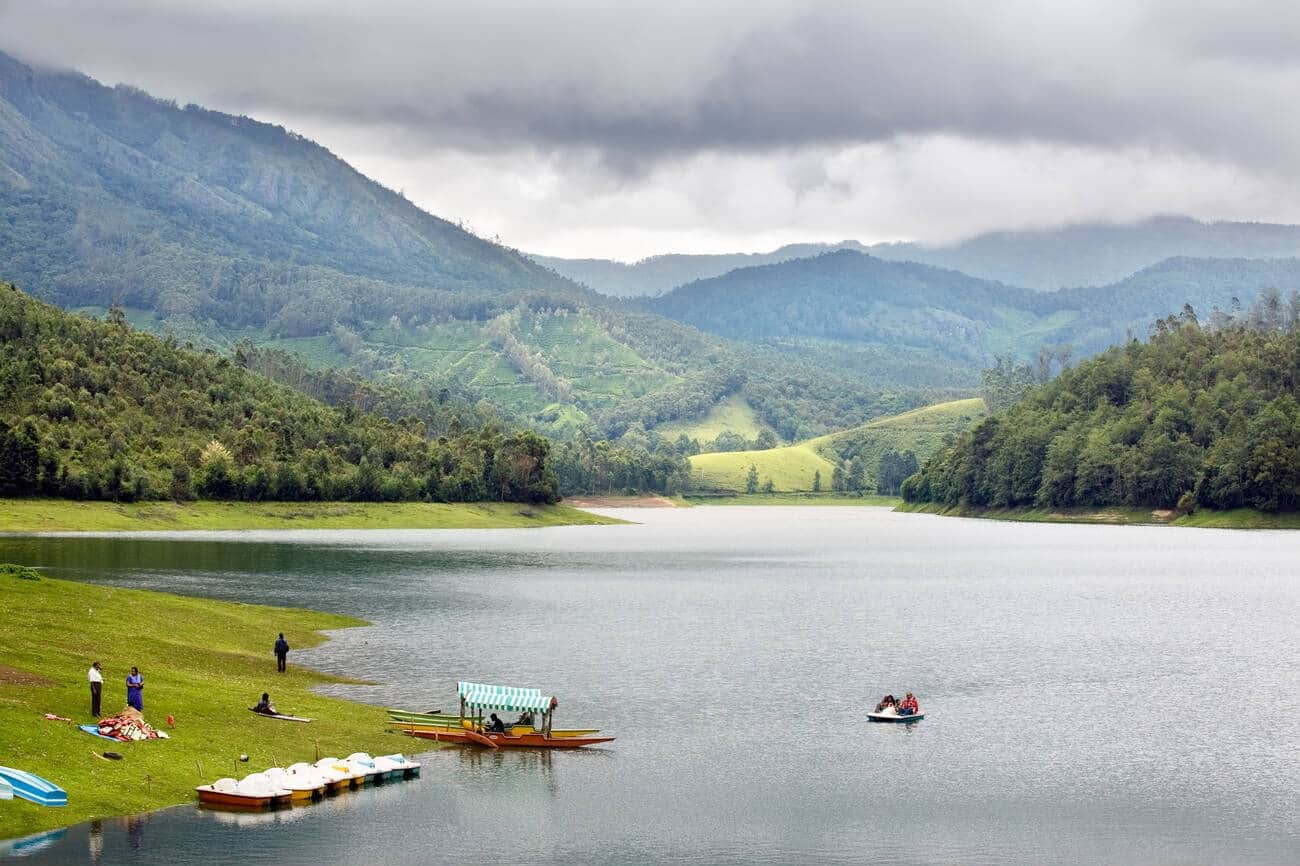
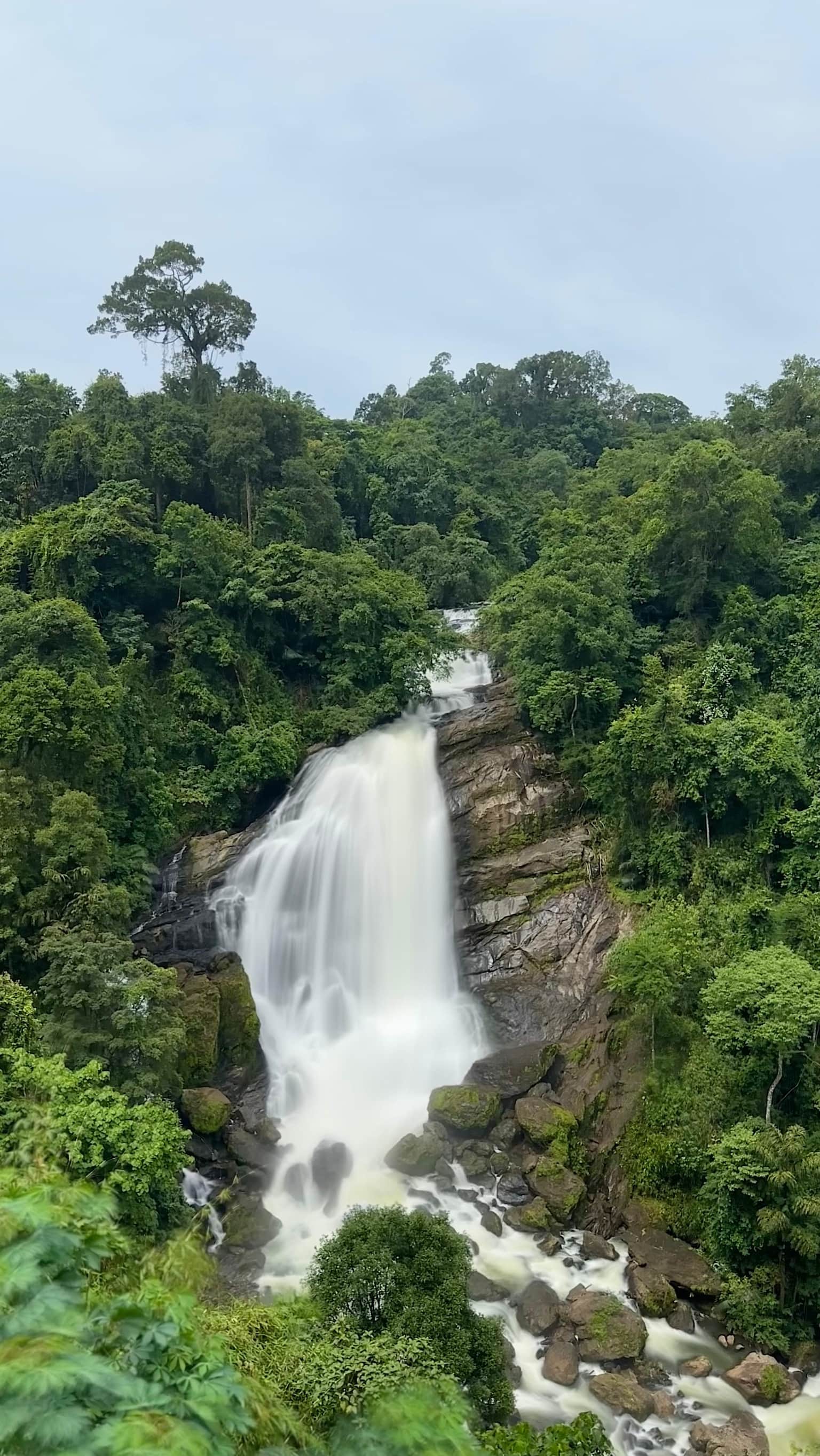
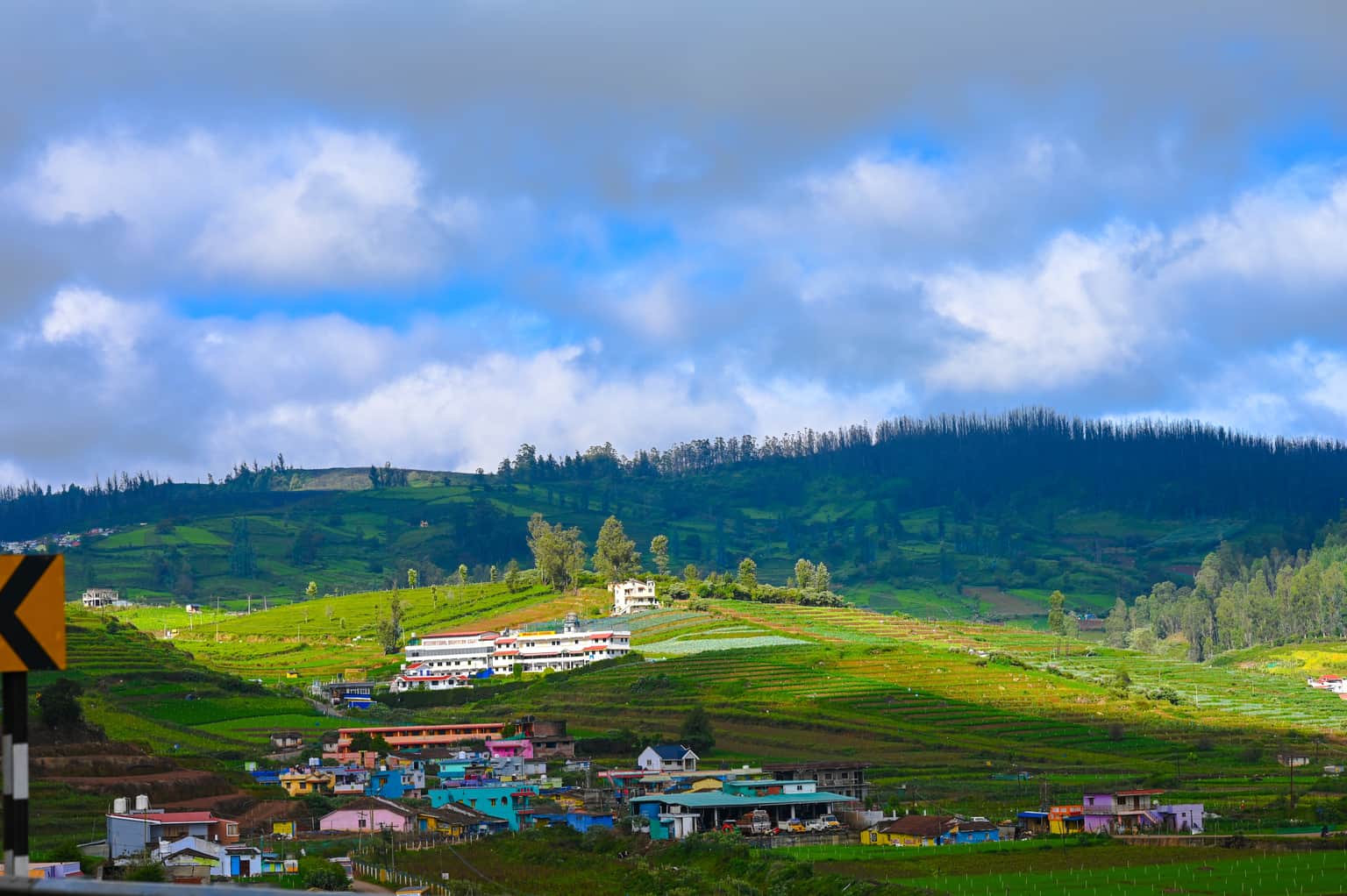
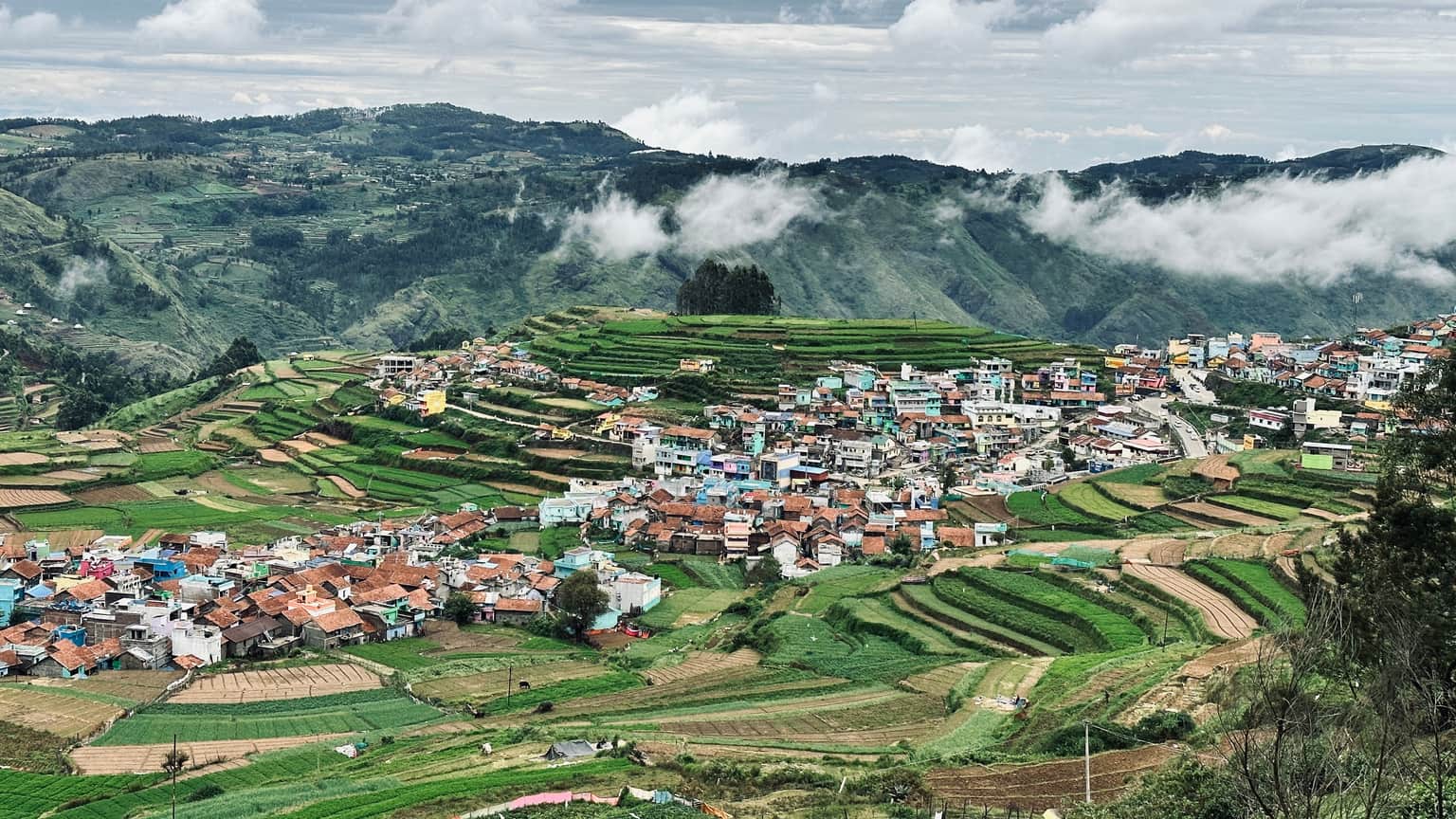
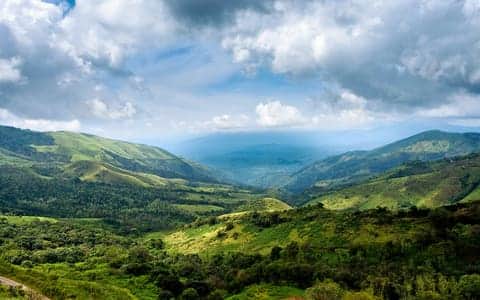
Eravikulam National Park, also known as the Rajamalai Wildlife Sanctuary, is one of the most important wildlife habitats in Kerala. It was originally managed as a game reserve but today stands as a protected national park known for its rich biodiversity. Many Kerala tour packages include a visit here because it offers a rare chance to see wildlife, rolling grasslands, and the famous Shola forest landscape in one place.
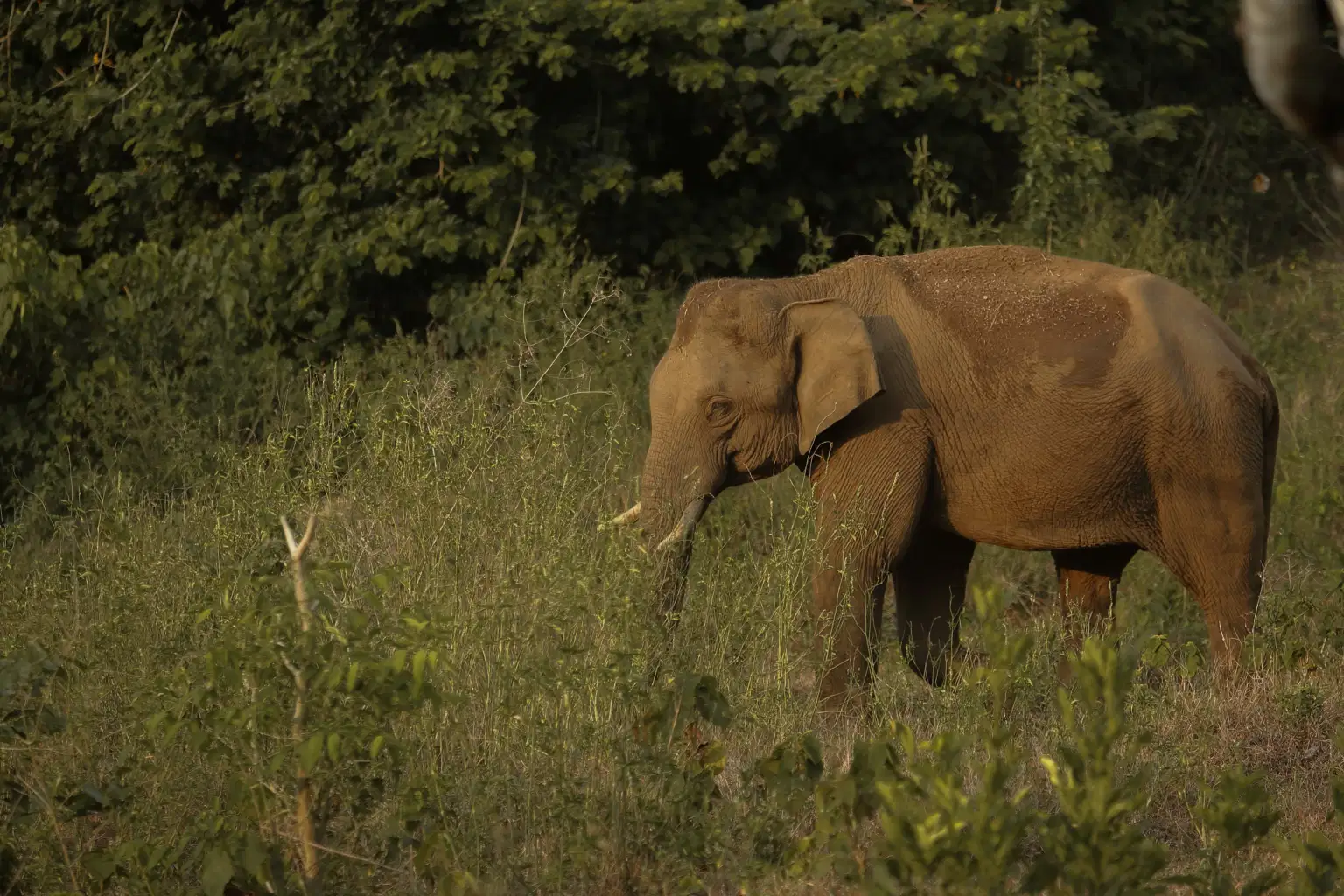
The park is home to an incredible variety of species, including 132 types of birds, 19 amphibians, 26 mammals, 101 butterflies, and 20 species of orchids. Some of the notable wildlife you may spot are the Nilgiri langur, small-clawed otter, Nilgiri marten, lion-tailed macaque, the giant Atlas moth, and even rare leopard varieties.
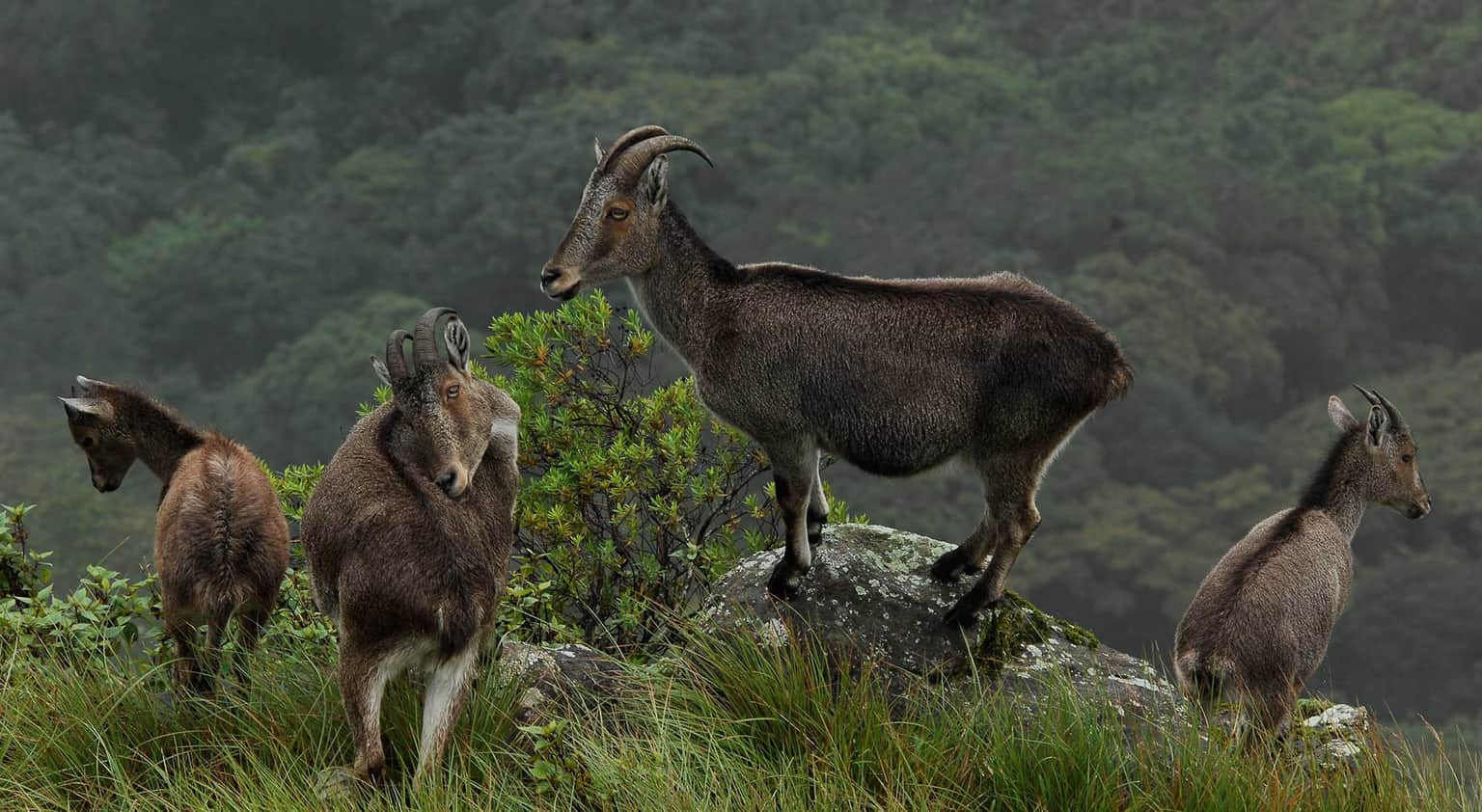
Bird lovers will especially enjoy this place, as it is known for species like the Black-and-Orange Flycatcher, Nilgiri Wood Pigeon, Kerala Laughing Thrush, White-Bellied Shortwing, and Nilgiri Verditer Flycatcher. One of the biggest highlights of the park is the Nilgiri Tahr, an endangered mountain goat found only in this region.
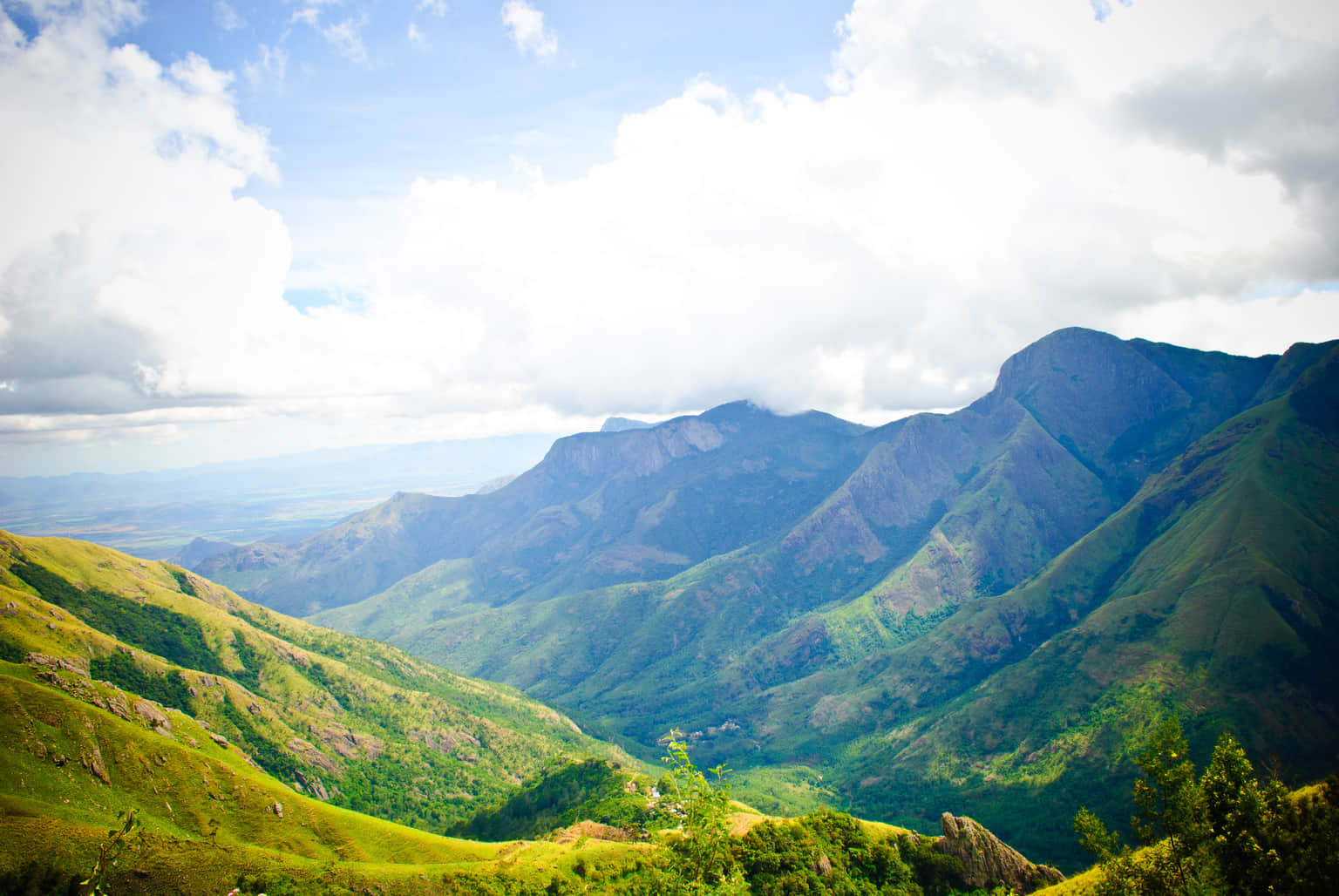
Apart from wildlife, the park is loved for its rolling grasslands, cool climate, and panoramic viewpoints. Visitors can also join eco-tourism programs that introduce them to the park’s natural attractions, guided walks, and conservation efforts. Educational camps are held regularly to help youngsters understand wildlife and environmental protection.
Before leaving, make sure to visit Anamudi Peak, the highest peak in Kerala, which stands within the boundaries of the national park and offers breathtaking views.
Eravikulam National Park is located at a distance of 13.2 km from the city center of Munnar. If you opt to travel via the Eravikulam National Park Road and Udumalpet Road, you will get to your final destination within 32 minutes. Here’s a quick road map for you to travel at ease –
Via Udumalpet Road and Eravikulam National Park Road –
- Head towards west from the Munnar Top Station Highway to the Munnar Colony Road.
- Now, take a sharp right turn on NH85.
- Again, take a right turn towards Munnar-Udumalpet Road .
- Take a sharp left to stay on the Eravikulam National Park Road.
Via Munnar – Udumalpet Road –
- Head in the east direction to stay on the Munnar Top Station Highway.
- Take a left turn followed by a right turn.
- Take a right turn followed by a right turn to stay on the Munnar Udumalpet Road.
- Now, take a sharp left turn to stay on the Eravikulam National Park Road.
The period between September to October (end of monsoons) and then from April to May (summer) is the best time to plan your visit to Eravikulam National Park. This is the ideal period to spot the Nilgiri Tahr and the full-blooming grasslands. The presence of the lush green meadows presents a delightful sight to experience the fantastic nature walk trails. Apart from this, here’s a season-wise break sheet for the Eravikulam National Park –
1.Summers – Kerala experiences its summer period from March to May, where you can spot a plethora of indigenous animals here.
2. Monsoons – The period between June to August is the rainy season here in Kerala. The early showers further adds-on to the beauty of this National Park. However, during the peak monsoon period, the park may be restricted for the visitor entry.
3. Winters – Late October till the end of February marks the winter season of Kerala. The whole environment will give you a feel as if walking underneath a cloudy blanket and trespassing the lush green grassland covers. However, if the atmosphere turns out to be mistier, it might obstruct your ease of spotting the Nilgiri Tahr here.
1. Location –The Wildlife Warden Munnar PO, Idukki, Kerala, 685612
2. Timings - The Eravikulam National Park opens sharp at 07:30 am in the morning and closes down by 04:00 pm in the evening.
3. Entry Fee – Here are the entry fees for the Eravikulam National Park –
Indian Adult – 125 INR per head
Indian Children – 95 INR per head
Foreign Nationals – 420 INR per head
In case you reach late to get your tickets, you are likely to pay 50 INR per head as reservation fees.
4. Photography Charges - If you are bringing in an ordinary camera, you need to pay a sum of 45 INR per unit. Otherwise, for a video camera, the charges are 335 INR.
5. Distance from the city center – Eravikulam National Park is located at a distance of 13.2 km from the city center of Munnar.
This piece of wildlife reserve was once a Game Reserve under the management of the Kannan Devan Hill Company until 1971. The main force accounted for essential for the protection and management of this national park was the High Range Game Preservation Association.
The terrain of this park was then a favorite spot for flourishing a wide array of flora and fauna. Thus, you would commonly find scientists, naturalists, and hunters gathering in and around the park for their entertainment and research. Colonel Douglas Hamilton was one amongst them. The establishment of the North Travancore Plantation and Agriculture Society gave a boost to the installation of all the modern facilities here.
Later, by the year 1877, J.D. Munro recognized the importance of the spot as an ideal location for raising a plethora of plantations. This gives him morale to acquire around 581.12 square kilometers of land cover from the then local king, Poonjat Raja. It was later that this piece of land was distributed amidst the common members of the society for coffee and cinchona cultivation.
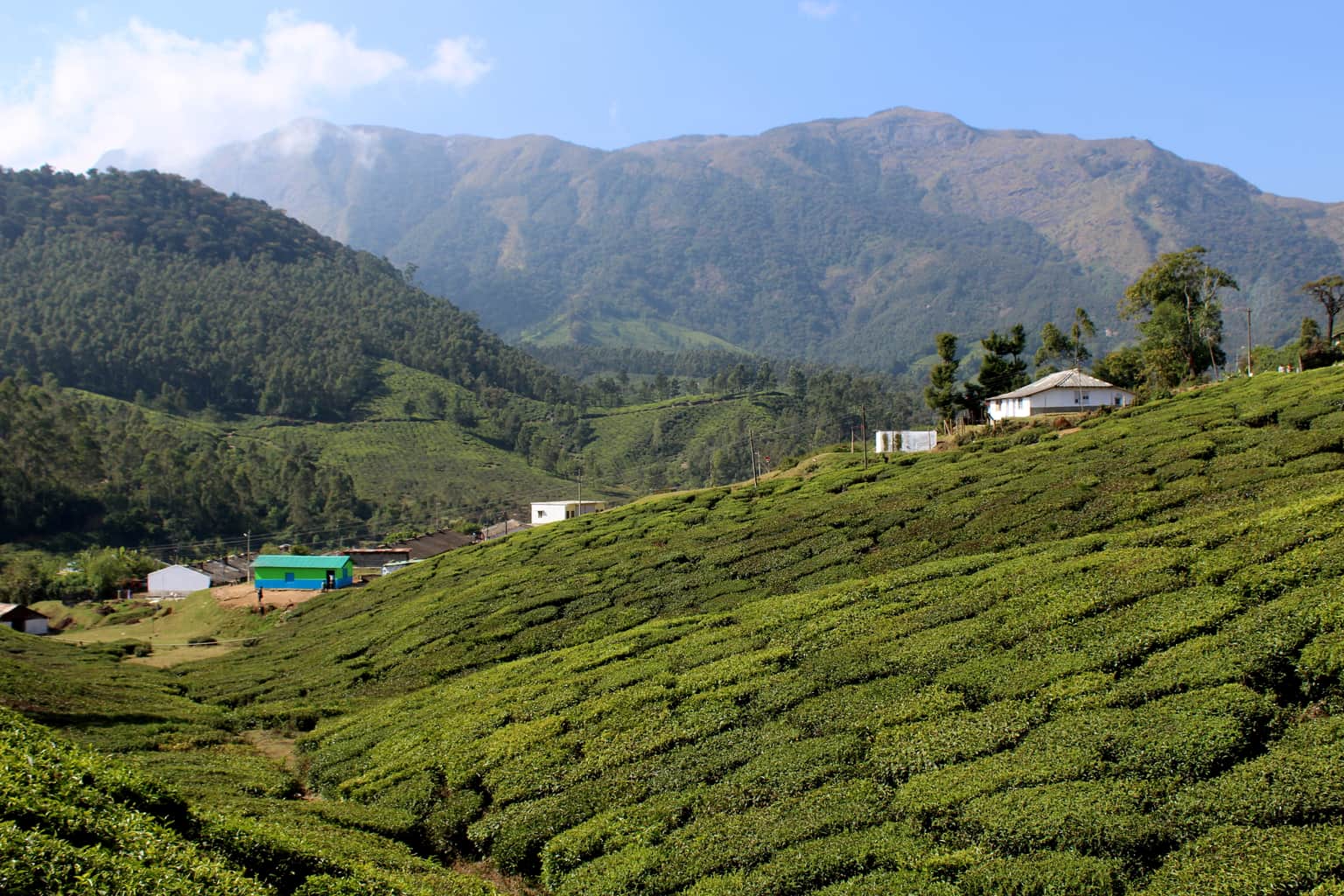
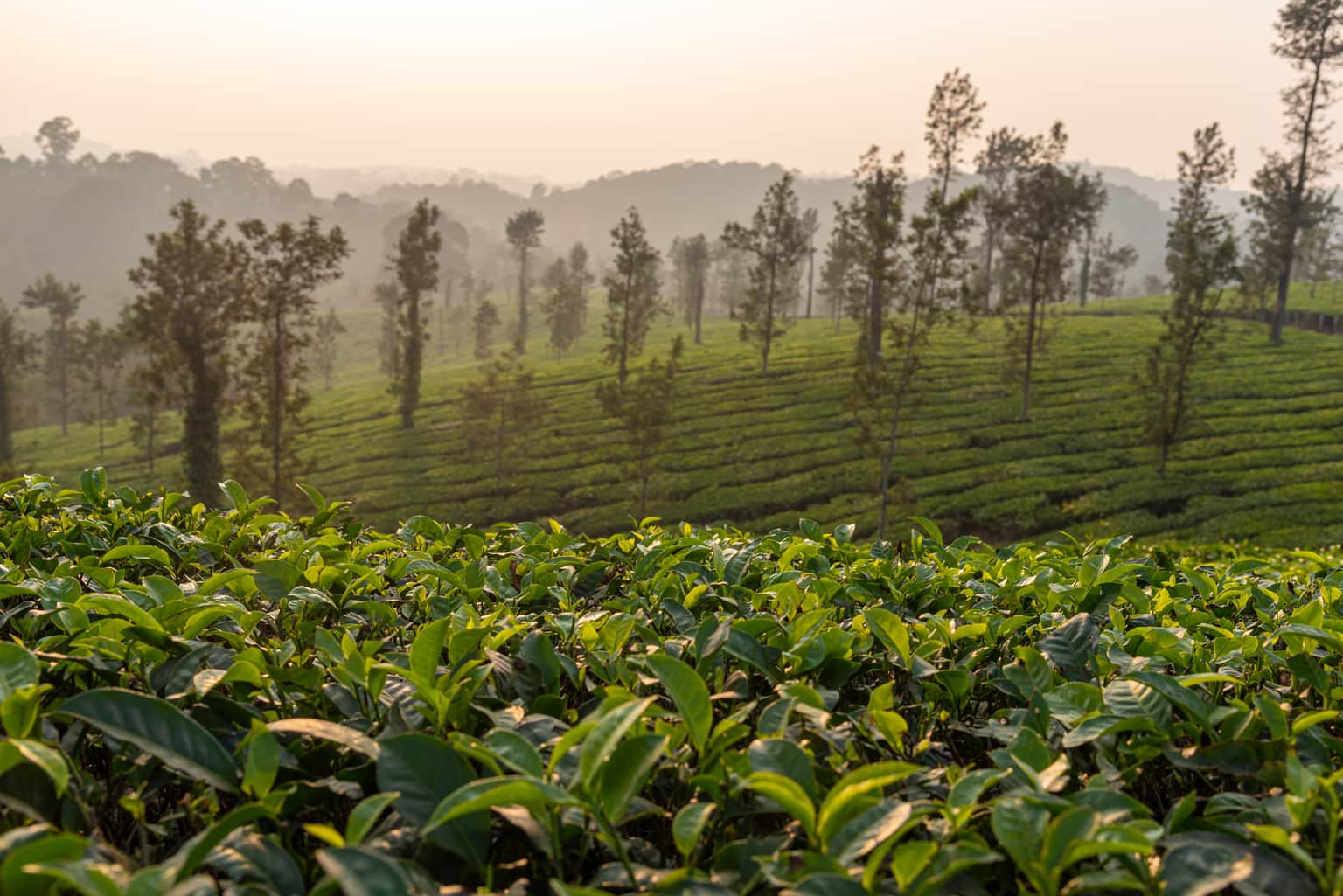
Soon, it was found that the area was more favorable for the cultivation of tea and eucalyptus. Besides acknowledging this piece of land as a commercial center, the Eravikulam National Park held a special interest amidst the English hunters too. As a piece of entertainment, the popular games being played here included a wide array of wildlife such as Sambar Deer, Gaur, Nilgiri Tahr, Barking Deer, Tiger, Wild Boar, and Leopard.
Later, the Kanan Devan Hills t of 1971 was brought into the picture, which leads to the reversion of the uncultivable land back to the Government of Kerala. It was then that this piece of land was intended to be used as a land for cattle farming. However, after the interference of naturalists, planters, bureaucrats, and scientists, it was acknowledged as Eravikulam-Rajamalai Wildlife Sanctuary.