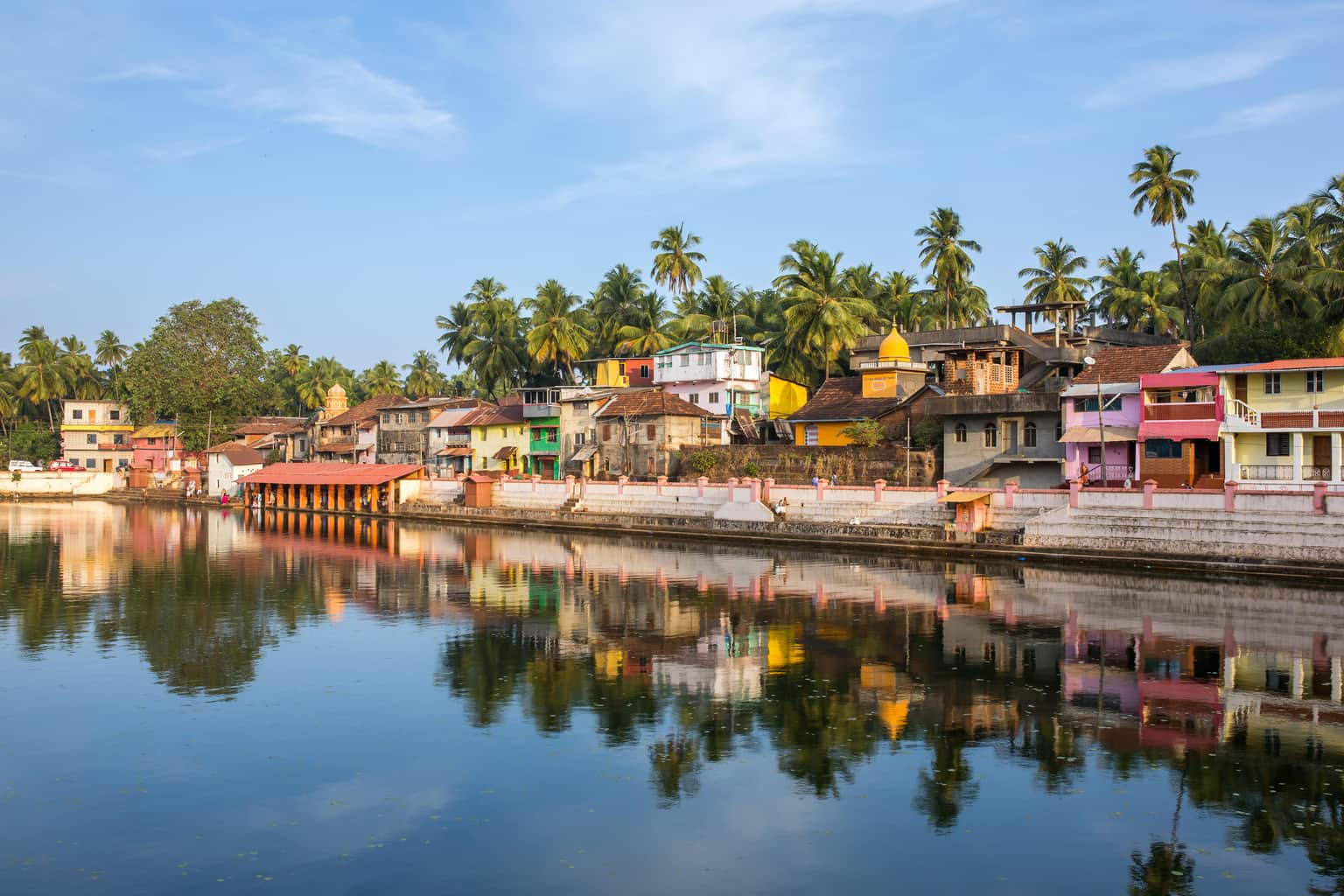
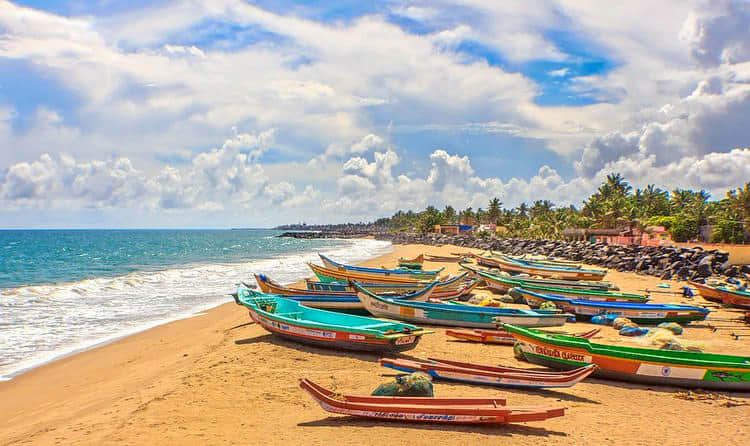
Location: Arikamedu is located halfway from the union territory of Puducherry in Kakkayanthope on the right bank of River Ariyankuppam in south Pondicherry. It is about 4 Km from Pondicherry after you turn eastward from the highway.
Timings: Monday-Saturday 8:30AM- 5PM, Sundays 9AM -5PM
Entry fee: No entry fee
Parking Facility: As it is an open space there is no parking zone allotted for the visitors as such. You can seek the help of the locals or your tourist guide who can help you park your car in a safe place.
Distance from Pondicherry bus stand: Arikamedu is located at a distance of about 8.4 Km from Pondicherry bus stand.
Discovery of the Arikamedu

Arakimedu being an important hub of trade in ancient India have always been under the scrutiny of archaeologists who went on to excavate the place time and over again. The findings of Arikamedu contain ancient relics of Roman, Chinese, French and Chola dynasties. These include Roman pottery artifacts, coins, terracotta tiles, Chinese and Islamic pottery,Roman Lamps, golden beads, ring well,walls, arches and bricks of Roman constructions.
The most significant findings from this region are the Sigillata pieces that probably arrived here during the 1st century BC, Amphorae (narrow necked pink wine jars with two handles and a yellow slip) and Arretine wares (burnt clay utensils with motifs on their surfaces). Coins belonging to the time of Constantine 1 were also among the significant findings from the site.
What to Expect While Visiting Arikamedu

As you stare at the forlorn arches and brick bases of the earliest Roman architecture in this place you can sense a strain of ephemerality hovering in the air. Once a bustling trade centre now lies as an abandoned site for archaeologists and common tourists to visit and bring out new facts about Arikamedu. After being hit by a devastating cyclone in 2011, one can only see the 18th century walls of the French Mission house.
History of Arikamedu

Arikamedu was originally a fishing colony which later became a trading outpost for carrying out commercial relations with Imperial Rome since the Megalithic (2nd century BC) through Medieval until the Modern Period. The city was connected with other cities of India and overseas by road and marine routes. Merchandise ships arriving from Anuradhapura and Muziris used this port as a station for the transshipment of goods to North India and the countries of Southeast Asia.
The city also had maritime relations with Kaveripattinam, Alagankulam, Suttukenii and Musini. Arikamedu was basically a manufacturing hub of the famous muslin cloth, terracotta items, glass, gold and jewellery from semi-precious stones. The city boasts of housing extensive glass bead manufacturing units that are considered the “mother of all bead centres” in the global trade.
The Archaeological Importance of Arikamedu

The first excavation in Arikamedu was first excavated during the 1700s by the French astronomer Le Gentile who was a resident of Pondicherry. Later the place was excavated several times but the most notable excavation was carried out by Dr. Eric Wheeler Mortimer in 1944. Archaeological evidence from the site proves its once-thriving trade relations between the Tamils and the Greco Roman world.
Apart from numerous stoneware relics and archaeological vestiges that date back to the 2nd century BC, findings of Chinese celadon pottery, Chola and East Asian artifacts were also discovered after several excavations. Twentieth-century archaeological evidence testifies the existence of a booming urban settlement in Arikamedu. The northern part of the city was inhabited by the Yavanas while the southern part was inhabited by the locals.
Tableware made of Terra Sigillata (Roman clay pots red in color) has been discovered in only two places outside Rome one of which is in Arikamedu which proves that there were trade relations between the two places. From the traces of beads excavated from Alexandria and other ports of the Red Sea, it is evident that the Romans used the Red Sea for transferring to India.
Although there were multiple excavations in this place, the major scientific excavation was carried out by Sir Mortimer Wheeler in 1945. It is from his excavations that historians came to the conclusion that Arikamedu was a flourishing port city.
Places to Stay Near Arikamedu
1. La Villa: The colonial architecture of the villa featuring colour cement flooring, century old bricks and tiles made of granite and handmade tiles complemented with furniture made of glass, metal and teak wood will inevitably remind of the colonial past of Pondicherry. The serene natural setting makes the place an ideal hideout for spending your vacation in comfort and luxury. Amenities include room service, suites, complimentary breakfast and toiletries, air-conditioned rooms, flat screen TV etc.
2. Le Chateau: Located centrally from the places of attractions in Pondicherry it is about 3.4 Km from Arikamedu. The boutique hotel reflects the heritage eminence of the place through its aesthetically designed interior. Amenities of the hotel include free parking, complimentary breakfast, rooftop bar, concierge, 24 hours front desk, laundry service, private balcony and bathroom, housekeeping, free internet etc.
3. Le Duplex: Located in an 18th century old French colonial villa, Le Duplex stands as an insignia of Pondicherry’s rich colonial heritage and contemporariness providing plush accommodation for the guests. The heritage property specialises in housing 14 suites with distinct furnishing in each suite, classic platters and French wine. Other amenities include free breakfast, high speed internet, car parking, private balcony, mini bar, laundry etc.
4. Villa Du Ocean: The luxury boutique hotel centrally located in the “white town” and a few steps away from the scenic promenade Villa Du Ocean gives you the best ever staying experience at Arikamedu. The interior of the hotel is decked with a perfect French colonial panache and modern amenities for a comfortable and stylish accommodation. The services include free internet, complimentary breakfast, airport shuttle, room service etc.
Places to Eat Near Arikamedu

1. Velo Café: Velo Café is a must visit place near Arikamedu where you can enjoy dining with multi-cuisine platters. The restaurant serves French, Continental, European and local dishes, salads and snacks. It also arranges bicycle tours within the city limits. The interior is clean and well decked with bicycle theme.
2. La Villa: The heritage property of an old villa also has an outdoor seating arrangement in its garden which creates a perfect ambiance for private dining. The restaurant caters to Asian, European, Indian and vegan platters with personalised service by staff. Prices start from Rs. 650 per person.
3. Zuka Choco La: If you have a sweet tooth, Zuka Choco La is the right place for you where you can savour French and Indian confectioneries with vegan friendly options. The menu includes chocolate truffle, homemade chocolate brownies, sandwiches, croissants and a wide variety of cakes. The must try of this confectionery is Belgium chocolate spoon.
4. Crepe in Touch: The quirky little boutique café with a kids area and tables on the roof and downstairs makes it the choicest hangout place for young couples. Their veg and non-veg menu include smoked fish, Lorient, Batz, iced tea, crepes etc.
5. Coromandel Café: The heritage property turned café is a great place for book lovers to enjoy reading and sipping into your favourite cuppa! Some of the must tries of this café are Mac&cheese, couscous, pasta, Black Pepper Prawns, apple pie, espresso martini and others. The café houses both indoor and alfresco seating arrangement amidst lush greenery which makes it a great hangout joint.
Tips Before Visiting Arikamedu

Credits: gordontour
1. Avoid visiting Arikamedu from March-July as the temperature soars up to 42◦C making it extremely difficult for sightseeing.
2. If you are travelling the place for the first time, it is better to hire a vehicle instead of travelling in public transport as language can be a barrier to communicate.
3. Wear proper outfit while visiting the religious sites.
4. Keep yourself hydrated to avoid dehydration.
5. Use sunscreen lotion while moving at daytime.
6. There are no places to eat at Arikamedu. It is advisable that you should carry water and food hampers.







.jpg?w=1536&q=65&format=auto)