Reviewed by Thrillophilia Europe Operations Team
Sweden tour packages start from INR 86,000 per person for a 5-day trip and go up to INR 2,50,000+ for an extensive 9-day itinerary, depending on the destinations covered, hotel category, travel season, and inclusions.
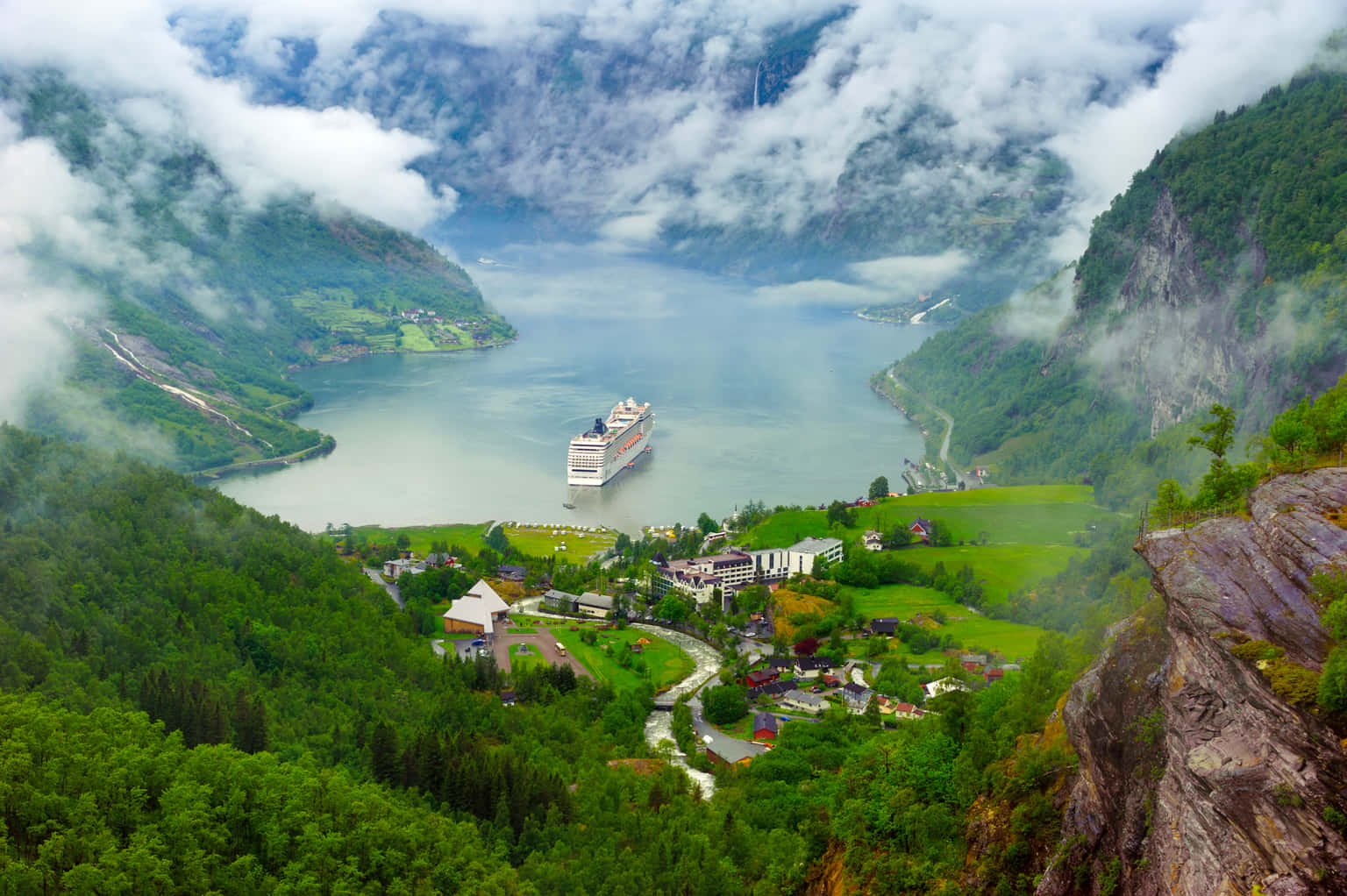
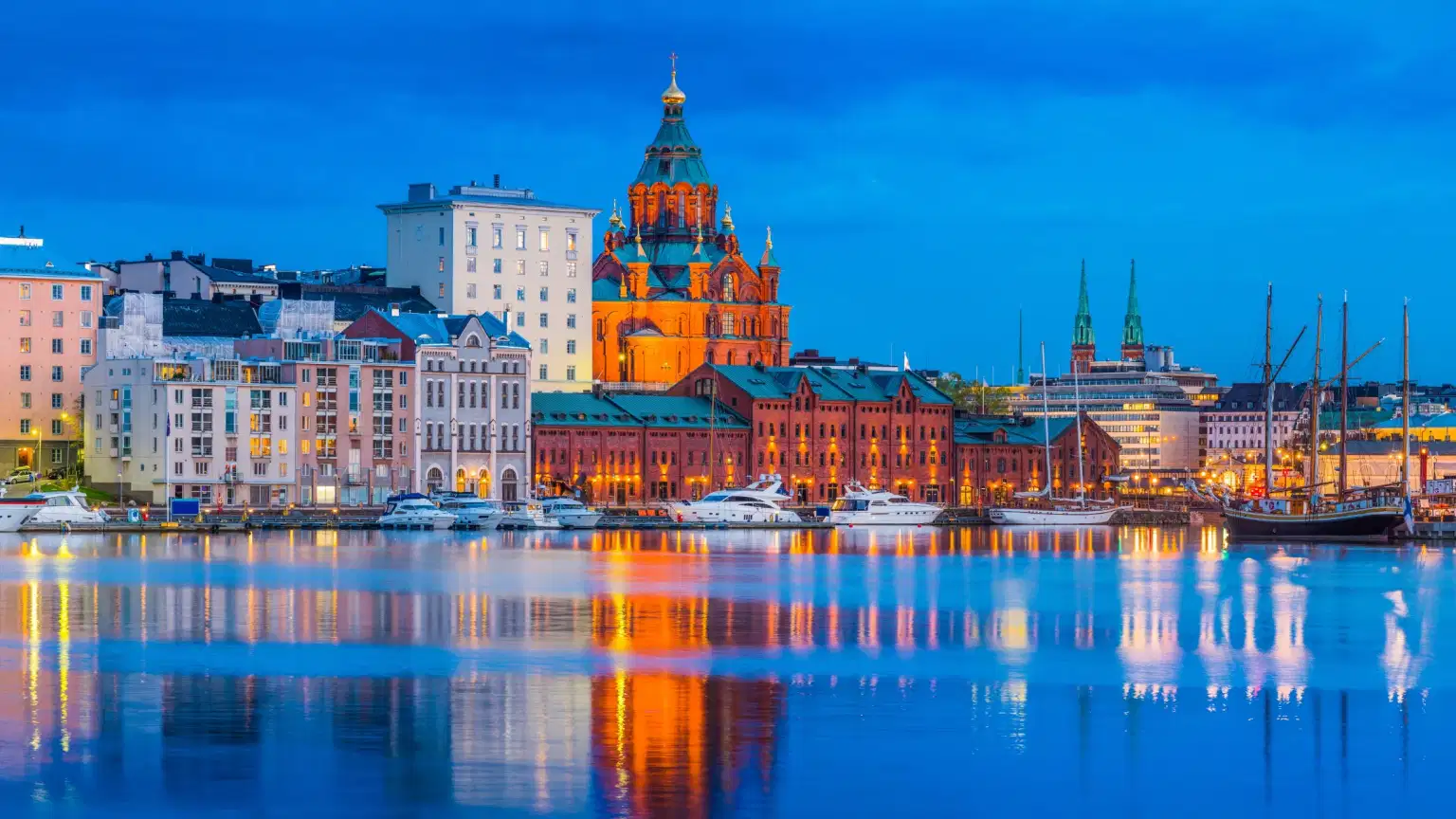
Sweden is known for its scenic cities, Arctic landscapes, and well-connected transport network. Travellers can explore attractions such as Stockholm's Gamla Stan (Old Town), the Gothenburg archipelago, Abisko National Park, and Kiruna in Swedish Lapland. Depending on the season, popular experiences include Northern Lights viewing, scenic train journeys, archipelago cruises, hiking, and winter activities. Many travellers also combine Sweden with Norway, Finland, and Denmark to cover some of Scandinavia's most popular cities and natural attractions in a single trip.
Sweden is part of the Schengen region, which means Indian travellers need a valid Schengen visa to visit the country. The visa also allows travel to other Schengen countries, making it convenient for travellers planning a larger Scandinavian or European itinerary. Many travellers combine Sweden with Norway, Finland, and Denmark as part of a multi-country Nordic trip. To make planning easier, Thrillophilia assists travellers with end-to-end trip coordination, including visa guidance throughout the booking process.
Thrillophilia's Sweden tour packages generally include carefully selected accommodations, daily breakfast and other meals as per your chosen package, airport and intercity transfers, guided sightseeing, and dedicated on-trip assistance. Depending on the itinerary, Sweden holiday packages may also include private transfers, scenic train journeys, Northern Lights excursions, and multi-country Scandinavian routes. Our destination experts work closely with verified local partners to ensure smooth logistics, realistic travel plans, and comfortable stays throughout the journey.
With Sweden itineraries rated 4.7/5 by over 3,600 verified travellers, Thrillophilia is here to help you experience the best of Northern Europe through thoughtfully planned itineraries, transparent pricing, reliable local support, and seamless end-to-end travel arrangements.
Popular Sweden Tour Packages by Thrillophilia
|
Copenhagen & Stockholm Highlights | 5D/4N | INR 86,500 per person | Copenhagen, Stockholm | Short Sweden Getaway |
Northern Lights In Sweden With Husky Safari | 8D/7N | INR 1,08,400 per person | Swedish Lapland | Northern Lights & Winter Adventure |
Scandinavia Group Tour | 6D/5N | INR 1,70,300 per person | Oslo, Stockholm, Helsinki | Group Tour |
Discovering Scandinavia with FREE Oslo Fjord Cruise | 9D/8N | INR 2,41,400 per person | Stockholm, Oslo, Bergen, Copenhagen | Classic Scandinavia |
Finland & Scandinavia Group Tour Package | 9D/8N | INR 2,50,500 per person | Copenhagen, Geilo, Oslo, Stockholm, Helsinki | Multi-Country Scandinavia |
Exploring Sweden, Denmark, Finland and Norway | 11D/10N | INR 3,17,300 per person | Helsinki, Stockholm, Oslo, Bergen, Copenhagen | Complete Nordic Experience |
Note: Prices above are starting rates for land-only Sweden holiday packages and may vary based on travel dates, hotel category, and customisations.
Daily Expense Guide for Sweden (Per Person)
Below are the daily expenses you can expect on a Sweden tour package. While costs may be higher if you opt for a luxury Sweden tour package, budget and mid-range packages are suitable for most travellers from India.
Expense | Budget | Mid-Range | Luxury | Note |
Accommodation/night | INR 5,000-8,000 | INR 10,000-16,000 | INR 20,000+ | Stockholm and Gothenburg have more budget options. Abisko and Kiruna cost more in winter. |
Meals/day | INR 2,000-3,500 | INR 4,000-8,000 | INR 10,000+ | Supermarket meals cut costs significantly. Hotel restaurants cost more. |
Internal transport | INR 3,000-6,000 | INR 6,000-12,000 | INR 12,000-20,000 | SL cards work well in Stockholm. Domestic flights to Lapland add cost. |
Activities and sightseeing | INR 2,000-5,000 | INR 2,000-5,000 | INR 2,000-5,000 | Northern Lights tours, ICEHOTEL, and fjord cruises are premium. City museums are moderate. |
Note: 1 SEK is approximately INR 10. Exchange rates fluctuate, so check current rates before travel. Thrillophilia packages are priced in INR, so there is no currency risk on the package itself.
What Is Included in a Thrillophilia Sweden Package
Most Sweden trip packages cover the core services needed for a smooth multi-country journey.
- Accommodation: Well-located hotels ranging from comfortable 3-star properties to premium 4-star stays, depending on the package tier.
- Meals: Included daily breakfast across all Sweden holiday packages with vegetarian options. Other meals like lunch and dinner might be included as per the selected package.
- Intercity and Airport Transfers: Private or shared transfers are arranged between cities and airports. Some packages include domestic flights within Scandinavia for longer itineraries.
- Sightseeing and Entry Tickets: Major attractions, including Gamla Stan, the Vasa Museum, ABBA The Museum, and Aurora Sky Station visits, are pre-booked.
- 24/7 On-Trip Support: Thrillophilia's support team is reachable throughout your trip for hotels, transfers, and on-ground requirements.
What Is Not Included
- Return flights from India (unless stated otherwise in the package)
- Schengen visa fee and VFS Global service charges
- Travel insurance
- Meals beyond daily breakfast
- Optional activities not listed in the itinerary
- Personal expenses, shopping, and gratuities
What Makes Sweden Trip Package Prices Go Up or Down
A few factors have the biggest impact on the cost of your Sweden holiday. If you opt for a group tour in Sweden, the per-person cost is significantly lower since expenses such as accommodation, transportation, and transfers are shared. Here are some other factors that can affect the overall package price:
- Season: Summer (June to August) and winter Northern Lights season (December to March) both bring higher hotel rates and limited availability for popular activities. Shoulder months like May, September, and October offer better value with fewer crowds.
- Destinations in Northern Sweden: Adding Abisko, Kiruna, or Jukkasjärvi to your itinerary increases the overall cost because accommodation and guided experiences in these areas are priced at a premium, especially in winter.
- Multi-country Routing: Scandinavia packages that combine Sweden with Norway, Denmark, and Finland are more expensive than Sweden-only itineraries because of domestic flights or train travel between capital cities.
- Activities: Northern Lights tours, dog sledging, ICEHOTEL stays, fjord cruises, and snowmobile safaris are premium additions. Stockholm city attractions like the Vasa Museum and Fotografiska are more moderately priced.
- Hotel Category: Upgrading from a 3-star to a 4-star property in Stockholm can add INR 5,000 to INR 8,000 per night or more to a trip to Sweden cost.
Sweden Visa for Indians: Requirements and Application Process
Indian citizens need a Schengen tourist visa for a trip to Sweden. The visa is valid for up to 90 days within 180 days and covers travel across all Schengen Area countries, so a Sweden visa also allows you to visit Denmark, Norway, and Finland if your itinerary includes them.
Documents Required
- Valid passport with at least three months' validity beyond your departure date
- Two recent passport-size photographs meeting Schengen visa photo guidelines
- Confirmed return flight bookings and hotel reservations
- Travel medical insurance with minimum coverage of EUR 30,000 across the Schengen region
- Bank statements from the previous three to six months
- Income tax returns and salary slips
- No Objection Certificate from your employer confirming leave approval
- A detailed day-by-day travel itinerary
Visa Fee and Processing Time
The Schengen tourist visa fee for adults is EUR 90 (approximately INR 8,200 at June 2026 rates). Children between six and twelve years pay EUR 45, and children below six are exempt. Applications in India are submitted through VFS Global centres along with a separate VFS service charge.
Standard processing takes around 15 calendar days from the date of submission. During peak travel months, this can stretch slightly longer. Most travellers apply four to six weeks before their departure date to stay comfortably within the window.
How Thrillophilia Supports Your Visa Application
- Provides confirmed hotel vouchers in the format required for Schengen submissions
- Shares a structured day-by-day itinerary document for submission
- Provides intercity and airport transport documentation
- Provides a full pre-departure document checklist to avoid incomplete submissions
How to Reach Sweden from India
There are no direct flights from India to Sweden as of 2026. All routes involve at least one connection. Total travel time from Indian departure cities generally runs between 12 and 16 hours, depending on the layover.
Common Connecting Routes
- Finnair via Helsinki (one of the shorter connection options)
- Lufthansa via Frankfurt
- KLM via Amsterdam
- Emirates via Dubai
- Qatar Airways via Doha
- Turkish Airlines via Istanbul
Entry and Airport Transfer
Most international travellers arrive at Stockholm Arlanda Airport (ARN), about 40 kilometres north of the city. The Arlanda Express train reaches Stockholm Central Station in around 18 minutes. The Flygbussarna airport bus takes roughly 45 minutes and costs around SEK 119. From Gothenburg, international arrivals use Gothenburg Landvetter Airport (GOT).
Best Places to Visit in Sweden
Sweden's geography stretches from the Baltic coast in the south to well above the Arctic Circle in the north. Most Sweden tour packages combine at least two distinct regions, which means city sightseeing and nature experiences often sit within the same itinerary. Here are the best places to visit in Sweden:
Stockholm
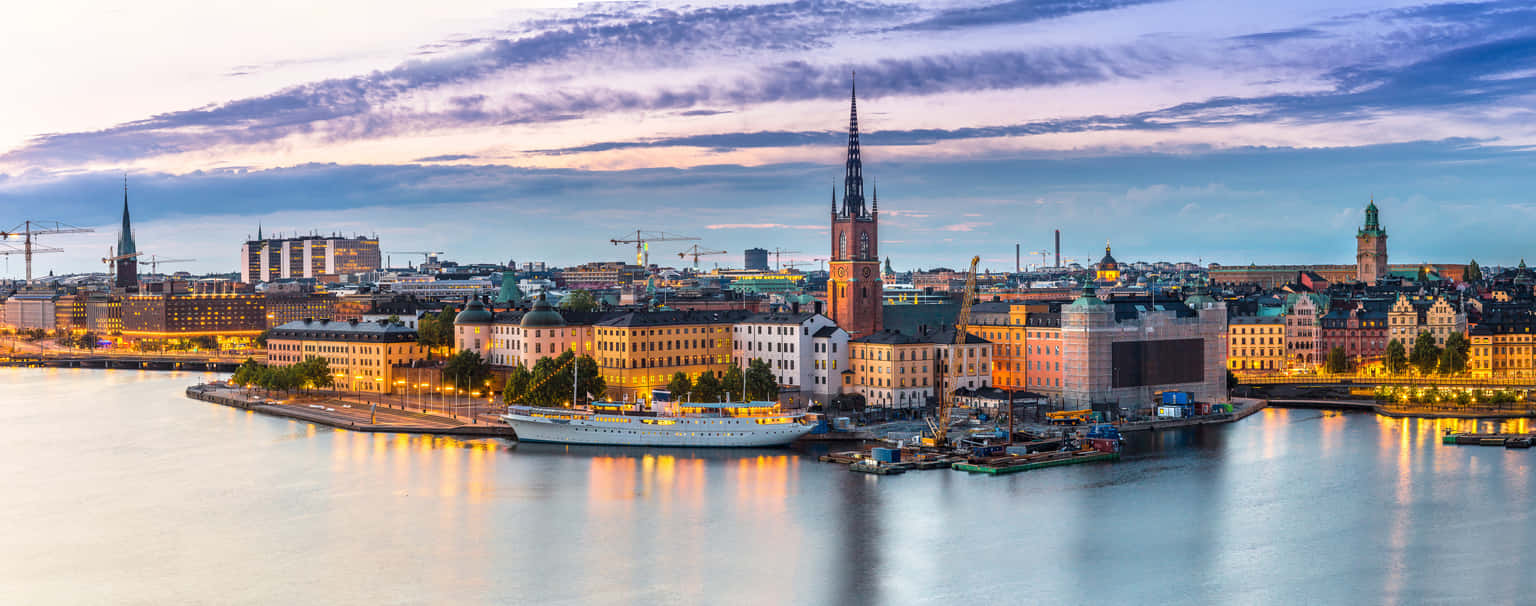
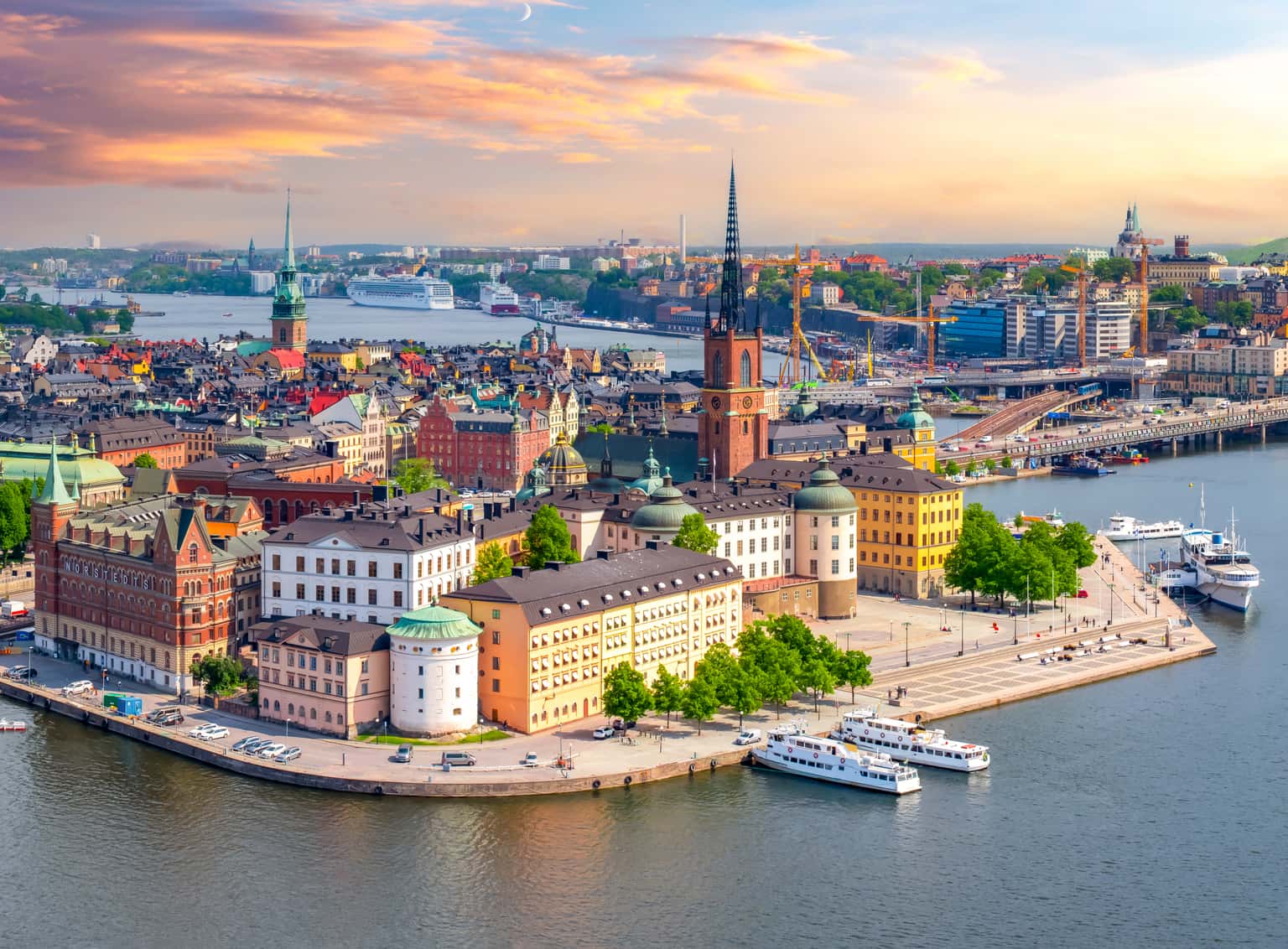
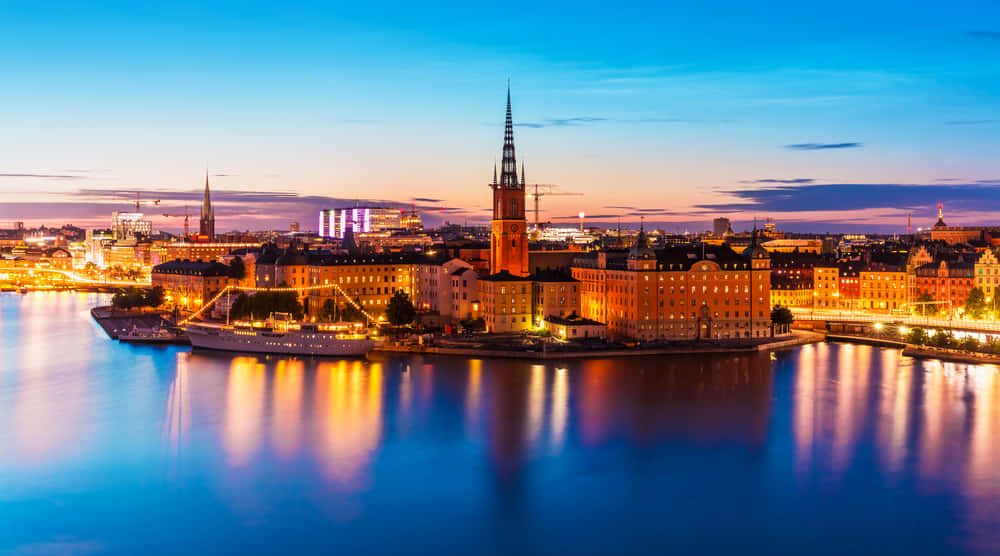
Stockholm is the starting point for almost every Sweden tour from India. The city spreads across fourteen islands connected by bridges and ferries, with water visible from nearly every major landmark. Gamla Stan, the medieval old town, is the most visited neighbourhood: cobblestone streets, colourful merchant houses, and Stortorget Square lined with centuries-old facades. The Royal Palace, still used for official state functions, sits at Gamla Stan's northern end.
Two museums consistently make traveller shortlists. The Vasa Museum houses a near-complete warship from 1628, recovered from Stockholm harbour in 1961 after more than three centuries underwater. The Fotografiska on Södermalm is one of the world's largest photography museums and stays open late, making it a popular evening stop.
Abisko and Swedish Lapland
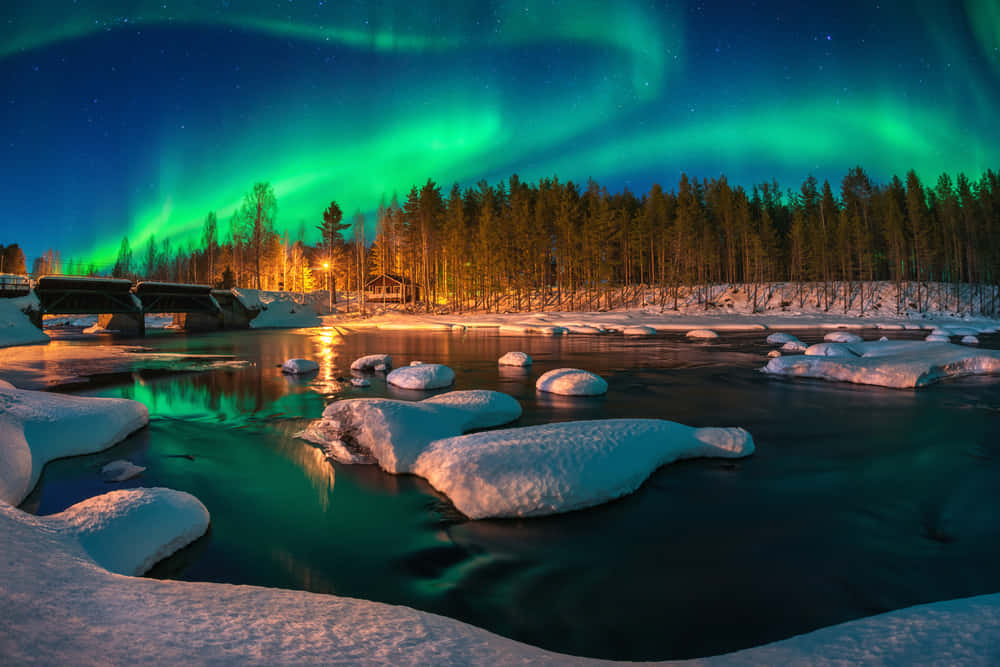
Abisko sits 250 kilometres above the Arctic Circle in Swedish Lapland and is the most reliable aurora-viewing destination in Europe. A combination of geographic position and the local 'blue hole' weather effect keeps the skies clearer above Abisko than much of the surrounding region. The Aurora Sky Station on Mount Nuolja, reached by chairlift, provides a viewing platform with guides who explain solar activity and aurora science.
In summer, the same area transforms into a hiking destination. The Kungsleden trail, one of Sweden's most famous long-distance routes, begins near Abisko and stretches south through mountain valleys. The Midnight Sun is active above the Arctic Circle during parts of June and July, which means hiking in daylight at midnight.
Gothenburg
Sweden's second city sits on the west coast and has a noticeably more relaxed pace than Stockholm. Gothenburg developed as a major trading port in the seventeenth century, and the canal network running through the city centre reflects that maritime background. Liseberg, one of Scandinavia's largest theme parks, is located in the city centre and draws both families and adults. The city's seafood culture is also worth mentioning: restaurants near the harbour serve oysters, lobster, and fresh fish from nearby coastal waters, making Gothenburg tour packages a great choice for travellers who enjoy coastal experiences and local cuisine.
Gamla Stan, Stockholm
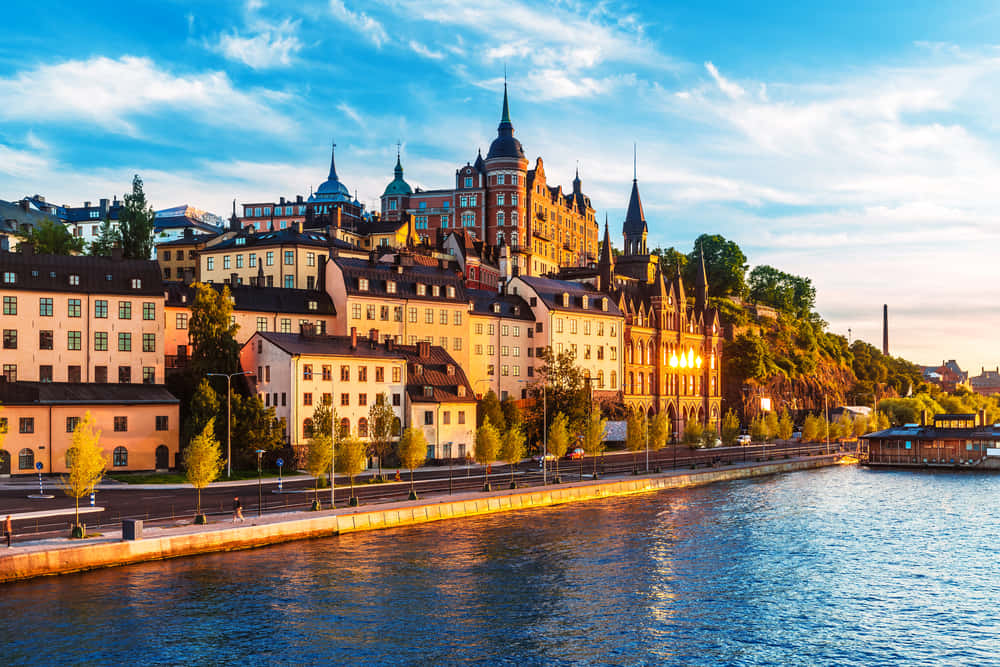
Though part of Stockholm, Gamla Stan deserves its own mention because it draws a significant portion of every city itinerary. The district dates to the medieval period and contains some of the most photographed streets in Scandinavia. Stortorget Square and the Nobel Museum are popular stops, and the narrow alleys between them house small cafes, antique shops, and bookstores.
Kiruna and Jukkasjärvi
Kiruna is the northernmost city in Sweden and the gateway to two winter experiences that appear in many Sweden holiday packages: dog sledging safaris across frozen lakes and the ICEHOTEL in Jukkasjärvi. The ICEHOTEL is rebuilt every winter using ice from the Torne River, and each room is individually sculpted by invited artists. Overnight stays are possible, though guided daytime tours are more common for travellers who prefer to sleep in warmer conditions.
Malmö and the South
Malmö sits across the Øresund Bridge from Copenhagen and takes about 30 minutes by train. The city has a strong international character because of its cross-border geography and has undergone significant urban redevelopment over the past two decades. Lund, 15 minutes from Malmö by train, is a historic university town with a cathedral dating to 1145 and one of Scandinavia's oldest universities, founded in 1666. Both cities work well as two-day extensions if your itinerary starts or ends in Copenhagen.
Top Things to Do in Sweden
Here are the top things to do in Sweden:
Watch the Northern Lights in Abisko
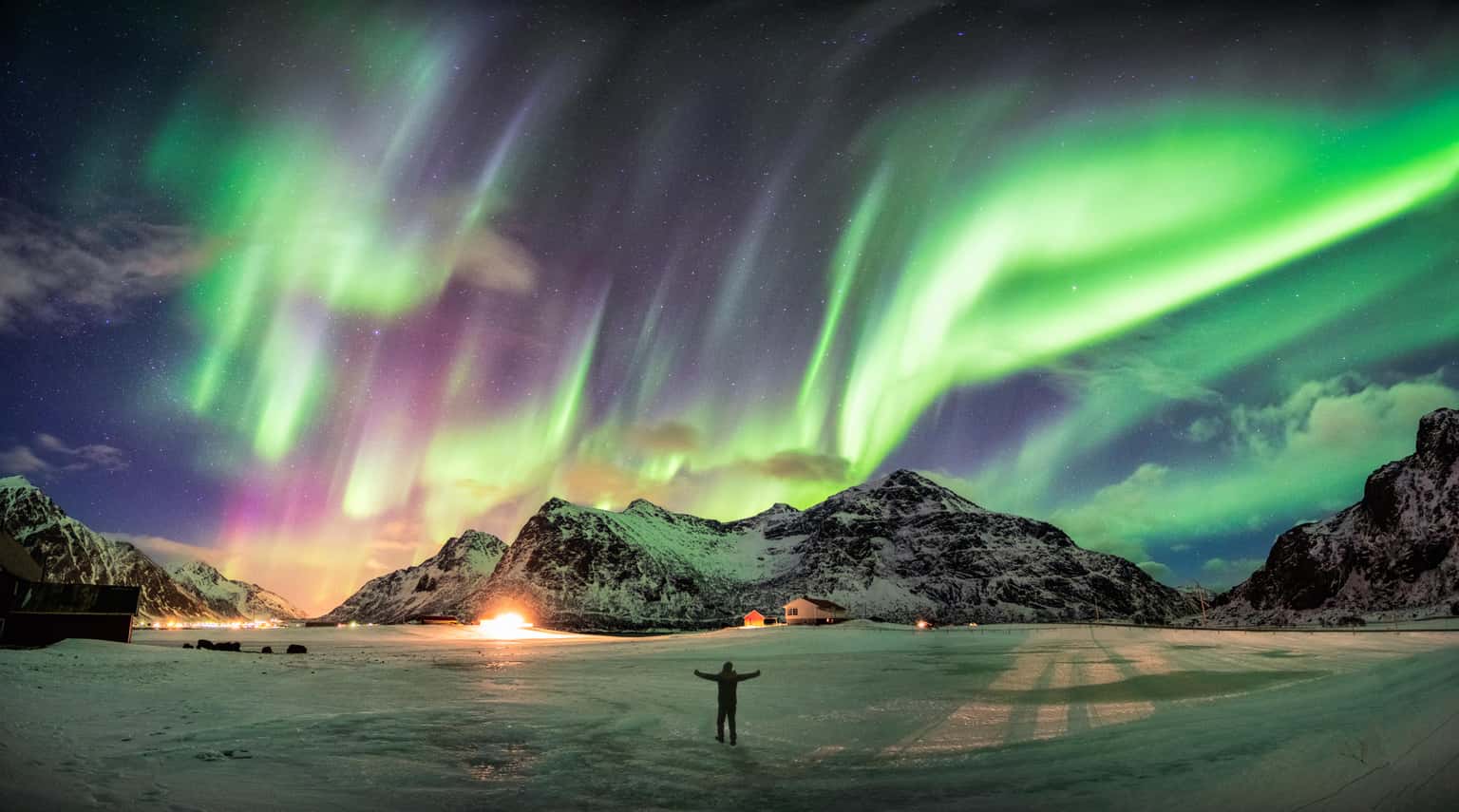
Aurora viewing in Abisko generally runs from September through March, with the most active hours generally between 9 PM and 2 AM. The Aurora Sky Station on Mount Nuolja provides a designated viewing point away from light pollution. Most guided Sweden tours for Northern Lights include thermal suits for warmth during extended outdoor waits. This is experience that is on the list of everyone wanting a honeymoon in Sweden and is loved by aurora chasers, first-time Lapland visitors, and winter travellers. October to February is the best time as it has the highest aurora activity.
Explore the Stockholm Archipelago
The Stockholm Archipelago stretches across 30,000-plus islands east into the Baltic Sea. Day and half-day ferries connect the city with island communities like Vaxholm, Sandhamn, and Grinda, where coastal trails, kayak rentals, and seafood restaurants make for an easy escape from the capital. Summer ferry schedules are the most frequent, but services run year-round.
Dog Sledging in Swedish Lapland
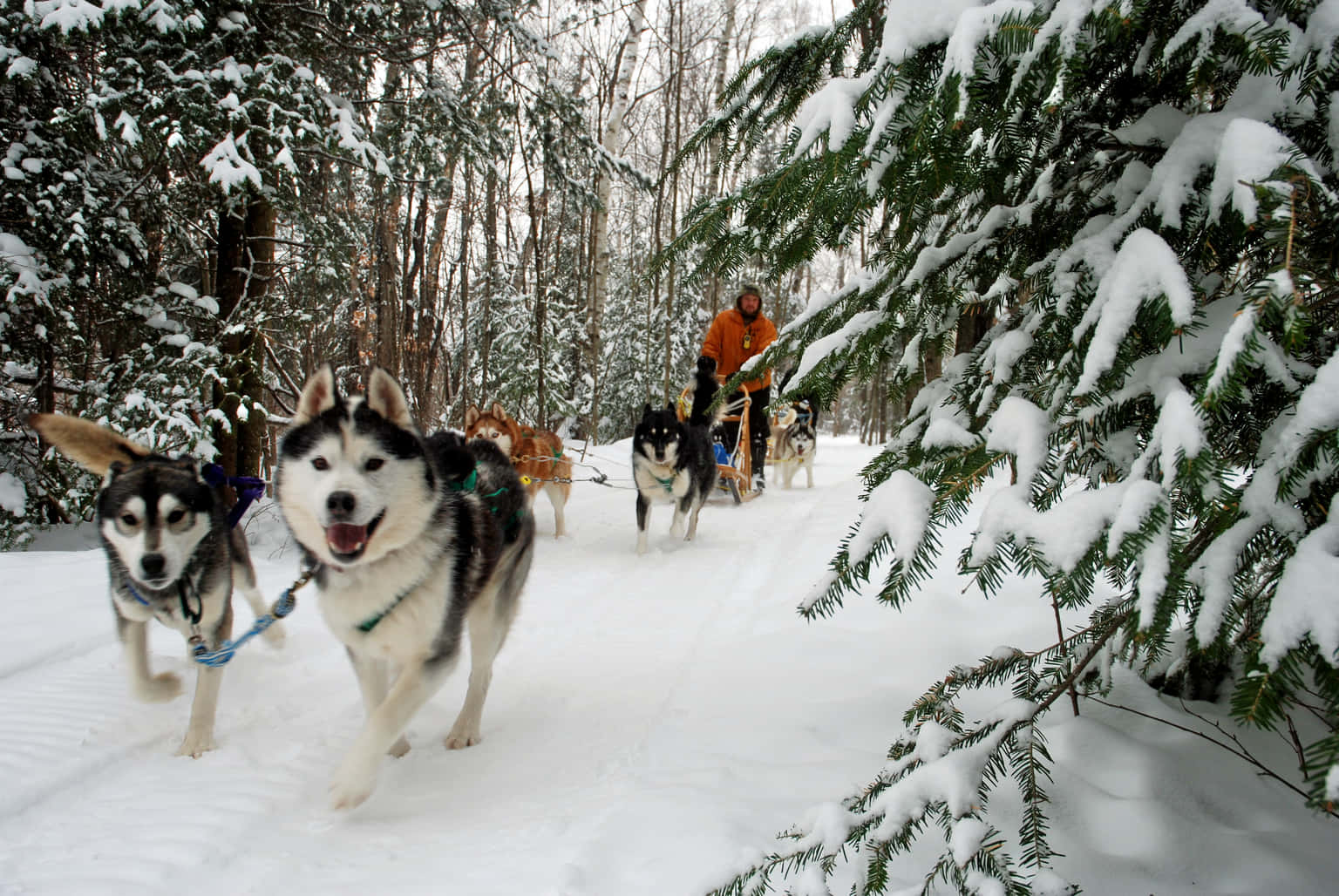
Guided dog sledging excursions run from Kiruna and Abisko between December and March. Most operators offer half-day and full-day experiences where participants drive their own team of huskies across frozen lakes and forest tracks. No prior experience is needed; guides brief participants on handling the sledge before departure. The cost is approximately INR 15,000 to INR 25,000 per person for a half-day guided experience.
Ski at Are Ski Resort
Are is Sweden's largest alpine ski resort, with around 90 kilometres of piste covering beginner to advanced terrain. The resort village stays lively throughout the ski season with restaurants, rental shops, and on-mountain accommodation. For Indian travellers who have never skied in Europe before, Are offers a good introduction because of its well-marked runs and accessible ski school.
Visit the ICEHOTEL in Jukkasjärvi
The ICEHOTEL is rebuilt every year using ice and snow from the Torne River. Beyond overnight stays, the hotel offers guided tours and ice sculpting workshops. Basically, it’s time for your childhood dream to turn into reality, as here you get to sleep overnight in a room made of real snow. A permanent warm-room section runs year-round for visitors who want the experience outside the winter season.
Kayak the Lakes and Archipelagos
Sweden's geography of thousands of lakes, rivers, and coastal waterways makes it one of Europe's strongest kayaking destinations. Popular areas include the Stockholm Archipelago, Lake Vanern, and Lake Siljan in Dalarna. Guided half-day excursions are available for beginners; no prior experience needed.
Walk Gamla Stan
An hour in Gamla Stan covers most of the main streets, though most travellers spend longer because of the cafes, shops, and side alleys. The Stortorget Square, the Nobel Museum, and the Royal Palace all sit within walking distance of each other. Early mornings before 9 AM are noticeably quieter than afternoons.
Drottningholm Palace
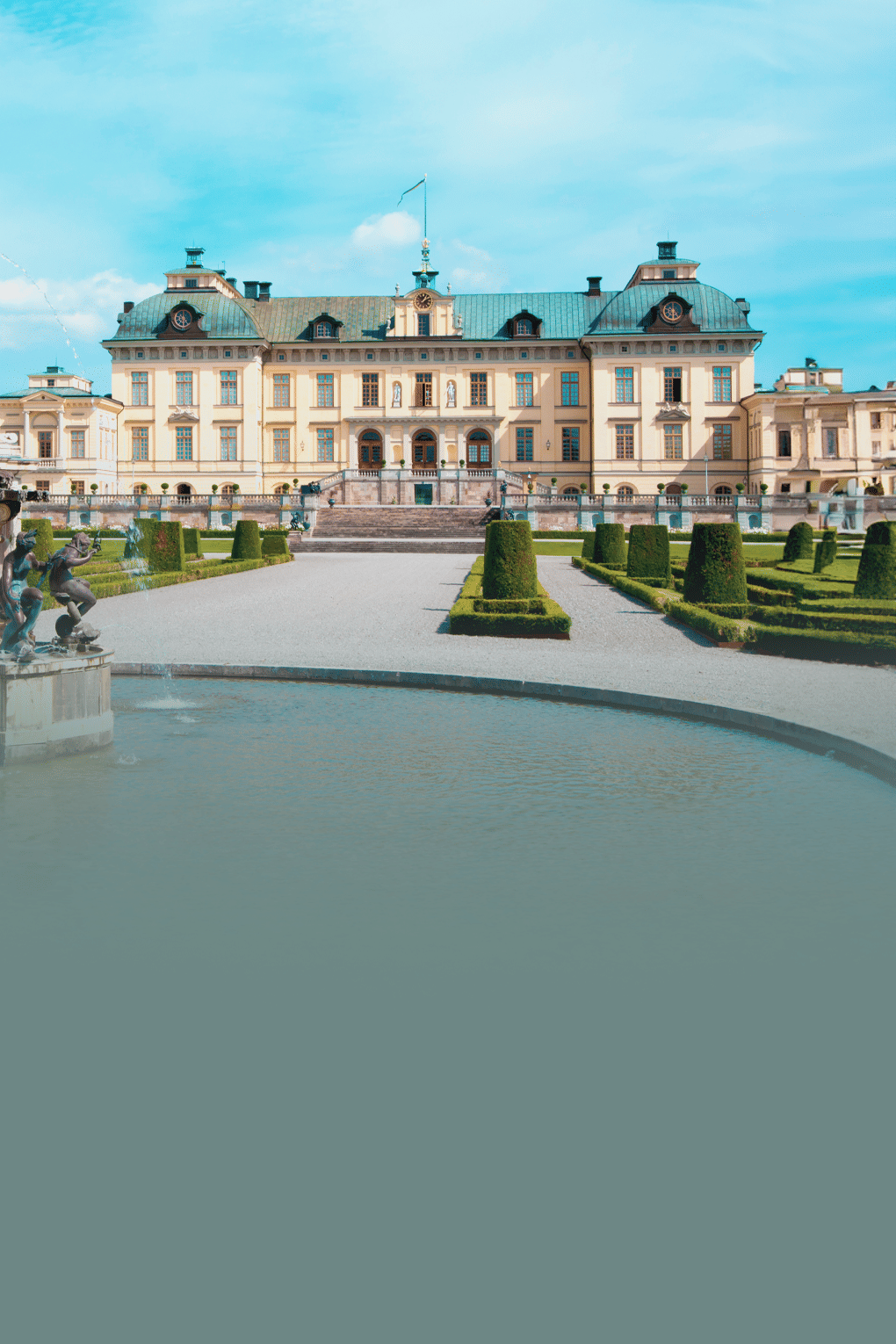
The official residence of the Swedish royal family sits on Lovön island, about 30 minutes from central Stockholm by ferry. The palace and its grounds are a UNESCO World Heritage Site and include Baroque gardens, the Chinese Pavilion, and a preserved 18th-century court theatre. Entry to the grounds is free; the palace interior requires a ticket.
Best Sweden Itineraries by Duration
Thrillophilia offers 15 Sweden tour packages that can be customised based on your preferred destinations, travel pace, and group size. Below are three sample itineraries drawn from the most-booked options, covering budget, mid-range, and premium travel styles.
6-Day Budget Itinerary: Copenhagen and Stockholm Highlights
Package: Copenhagen & Stockholm Highlights | Starting from INR 86,107 per adult (land only)
Best for: First-timers and budget-conscious travellers wanting the highlights of two Scandinavian capitals
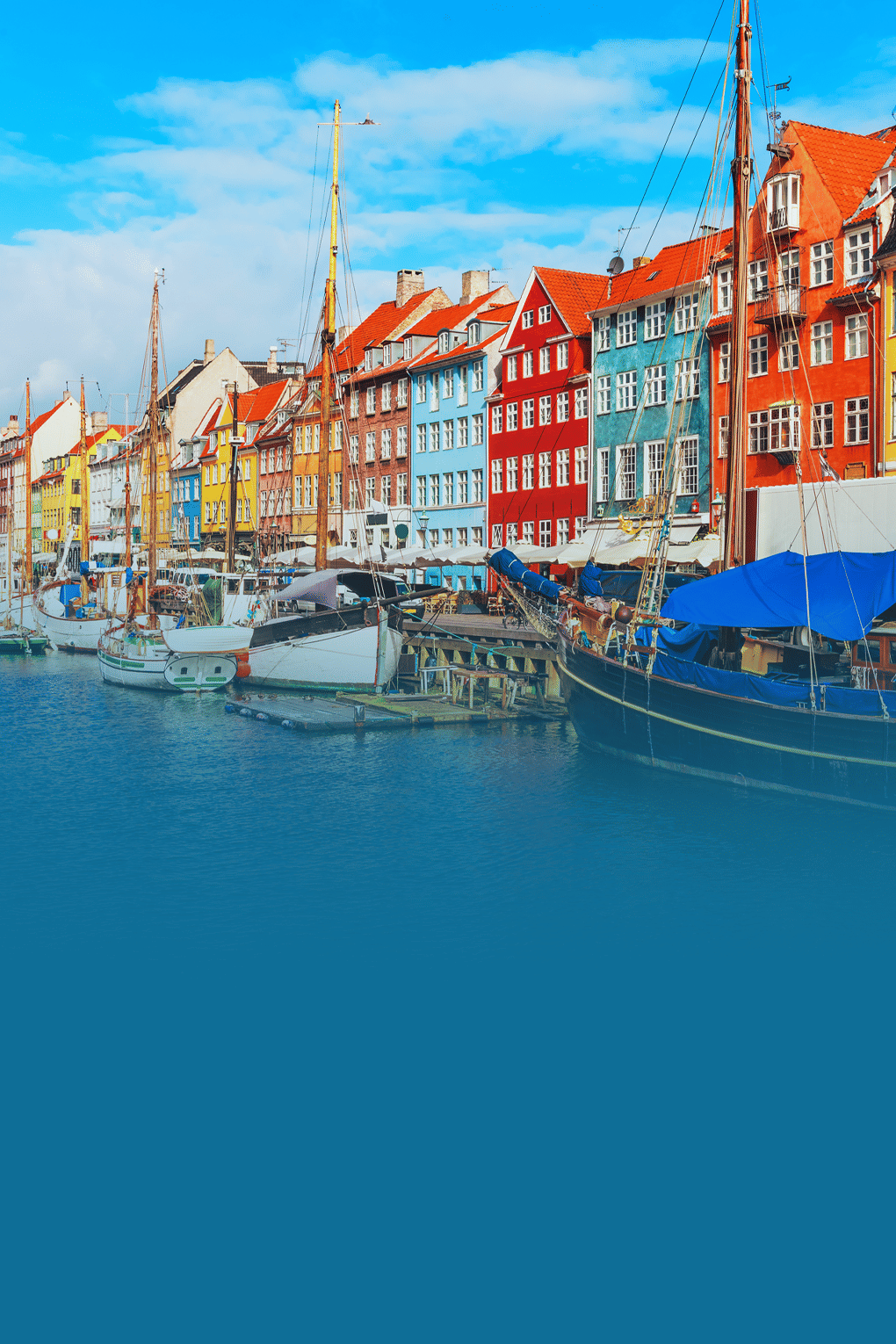
- Day 1: Fly into Copenhagen. Check in and explore Nyhavn, the colourful harbour district. Evening walk along the waterfront.
- Day 2: Full day in Copenhagen. Visit Tivoli Gardens, Christiansborg Palace, and the Little Mermaid statue. Optional city bike rental.
- Day 3: Morning train from Copenhagen to Stockholm via the Øresund Bridge. Afternoon arrival and check-in. Evening stroll in Gamla Stan.
- Day 4: Stockholm sightseeing. Vasa Museum, Fotografiska, and Royal Palace. Evening at leisure in Södermalm.
- Day 5: Stockholm Archipelago day trip by ferry. Return to city in the evening for last-minute shopping.
- Day 6: Departure transfer to Stockholm Arlanda Airport for your return flight to India.
Know More About: 6 Days Sweden Tour Package
9-Day Mid-Range Itinerary: Discovering Scandinavia with Oslo Fjord Cruise
Best for: Travellers who want Sweden alongside Norway and Denmark in a well-paced, mixed itinerary
- Day 1: Arrive in Copenhagen. City orientation and Nyhavn evening walk.
- Day 2: Copenhagen highlights. Tivoli, Christiansborg Palace, and Rosenborg Castle.
- Day 3: Train to Stockholm. Afternoon city exploration in Gamla Stan.
- Day 4: Stockholm in depth. Vasa Museum, ABBA The Museum, and the Djurgården park island.
- Day 5: Optional day trip to the archipelago or Uppsala. Return to Stockholm for the evening.
- Day 6: Fly to Oslo. Check in and explore the harbour area and Aker Brygge waterfront.
- Day 7: Oslo Fjord Cruise (included free in this package). Afternoon at the Viking Ship Museum or Vigeland Sculpture Park.
- Day 8: Oslo at leisure. Operahuset rooftop, Holmenkollen ski jump viewpoint. Evening departure or overnight in Oslo.
- Day 9: Return flight to India from Oslo.
Know More About: 9 Day Sweden Tour Package
14-Day Premium Itinerary: Best of Nordic with FREE Flam Railway
Travellers looking for a complete international getaway often combine Sweden with countries like Norway and Finland for a variety of experiences. One such traveller is Amit Agarwala from Mysore, who booked Best of Nordic | Exploring Sweden, Denmark, Finland and Norway, shared his experience: "Our recent trip to the Nordic countries - including Iceland, Finland, Sweden, Norway, and Denmark - arranged through Thrillophilia was nothing short of spectacular. From start to finish, the experience was seamless, immersive, and deeply memorable. "
Package: Best of Nordic – Sweden, Denmark, Finland, and Norway | Starting from approx. INR 1,89,610 per adult (land only)
Best for: Travellers who want the complete Scandinavia experience across all four Nordic countries
- Day 1: Arrive in Copenhagen. Check in and Nyhavn waterfront evening walk.
- Day 2: Copenhagen sightseeing. Tivoli, Frederiksberg, and street food market at Reffen.
- Day 3: Train to Stockholm. Afternoon in Gamla Stan. Evening riverfront dinner.
- Day 4: Stockholm museums. Vasa Museum and Fotografiska. Optional ABBA Museum visit.
- Day 5: Stockholm Archipelago ferry day trip. Return for the evening.
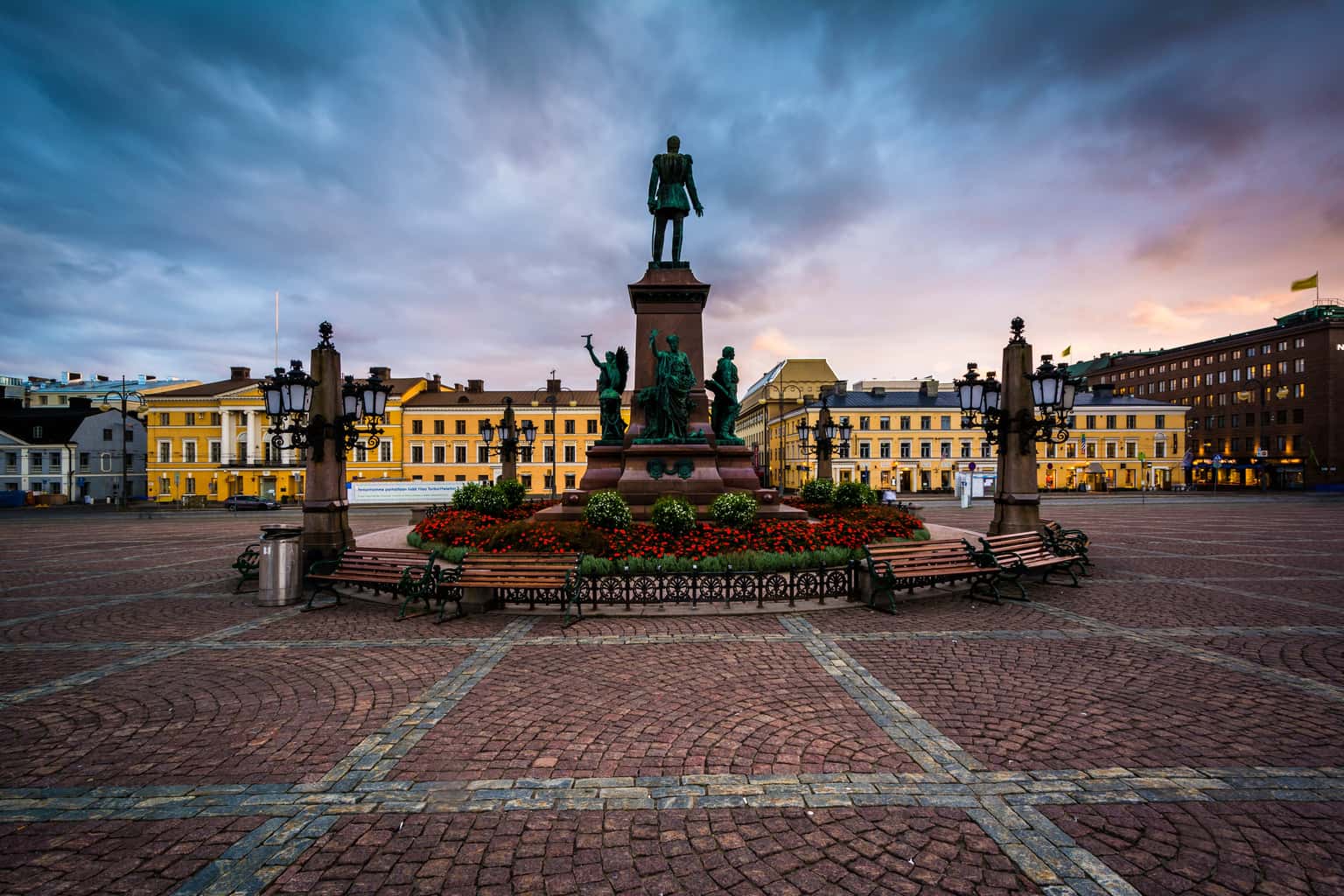
- Day 6: Fly to Helsinki. City orientation, Senate Square, and Market Square.
- Day 7: Helsinki highlights. Suomenlinna Sea Fortress and Temppeliaukio rock church.
- Day 8: Ferry or flight to Oslo. Settle in and explore Aker Brygge harbour.
- Day 9: Oslo sightseeing. Viking Ship Museum and Vigeland Sculpture Park.
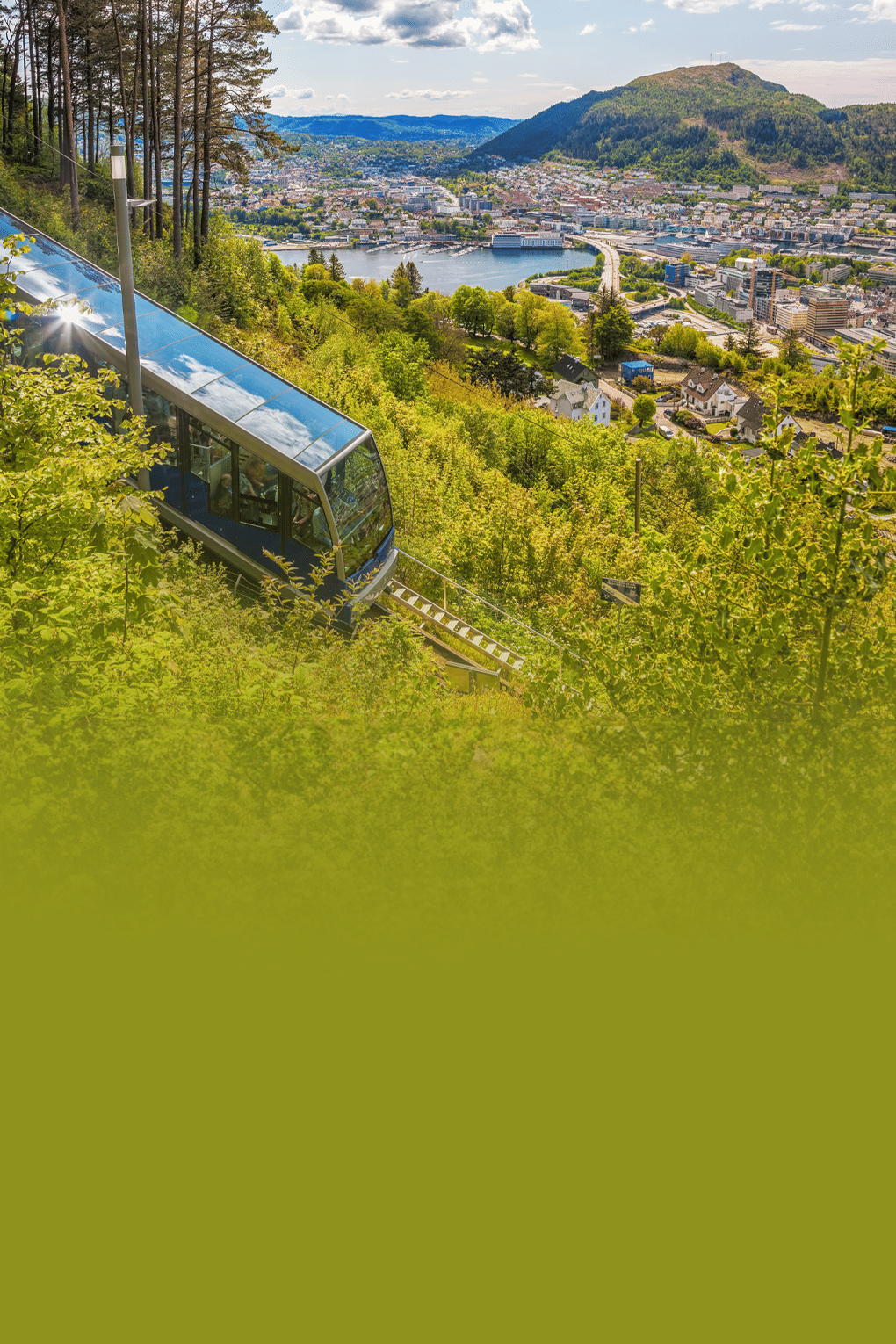
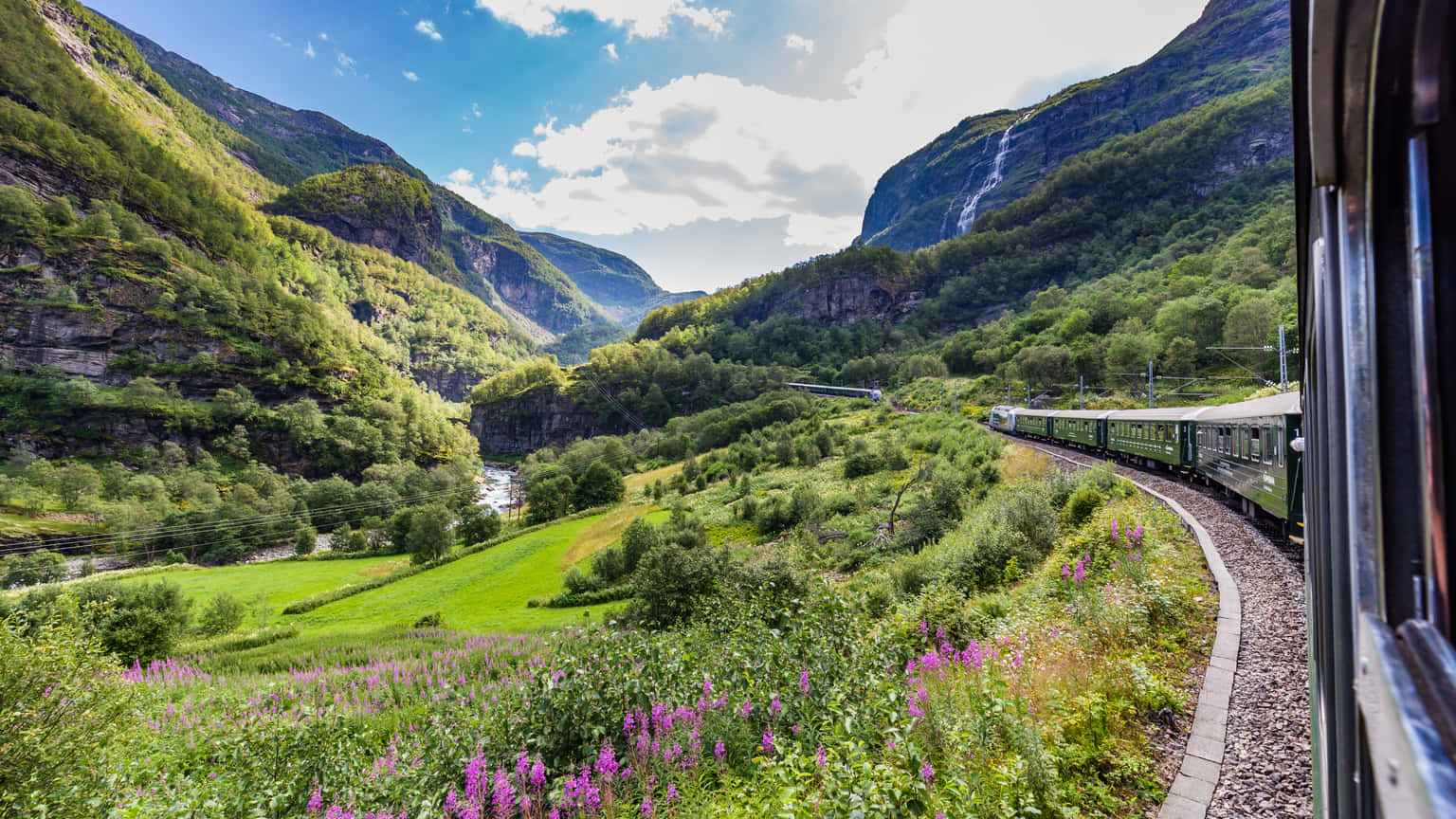
- Day 10: Myrdal by train. Board the Flam Railway (included free in this package). One of Europe's most scenic mountain rail routes.
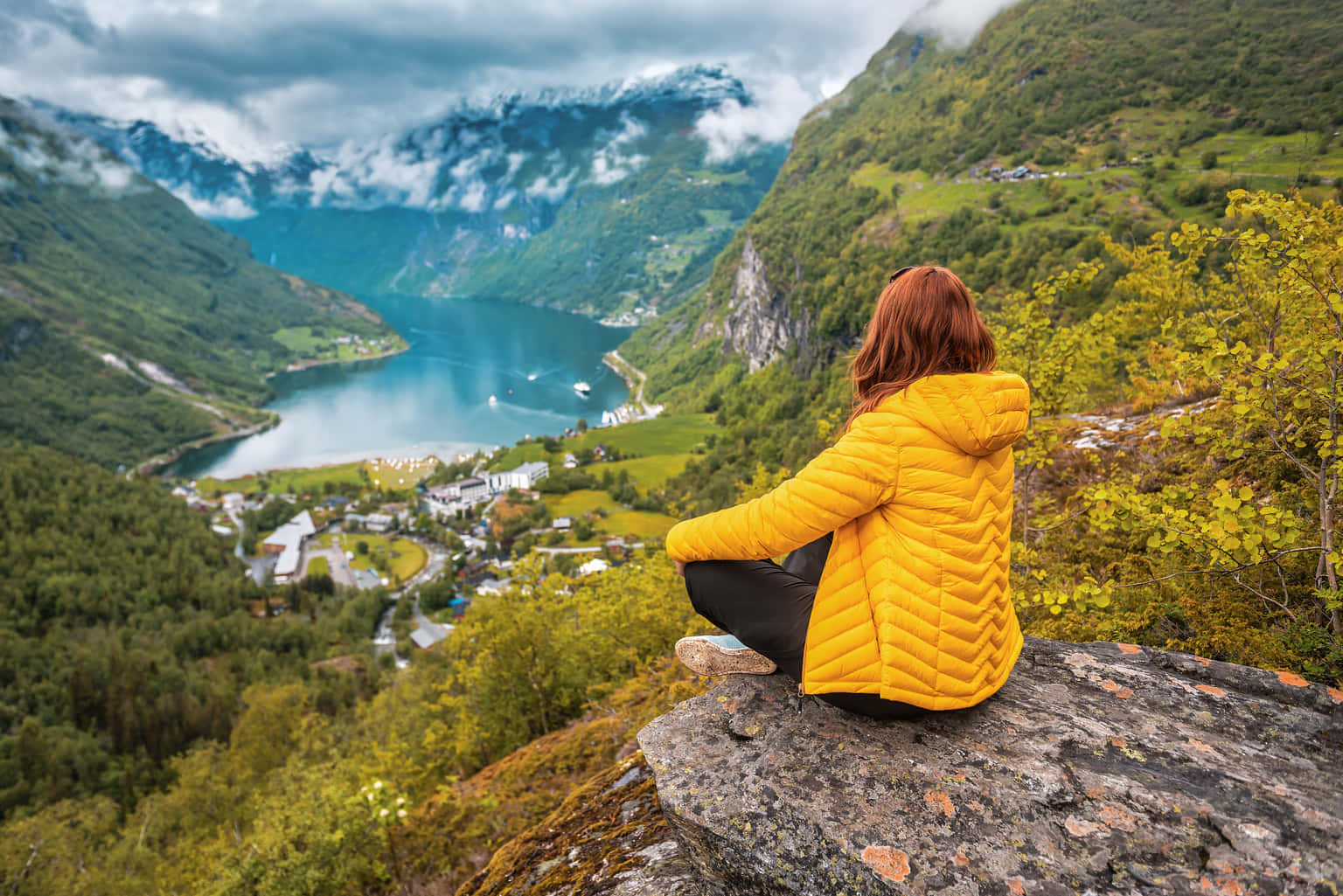
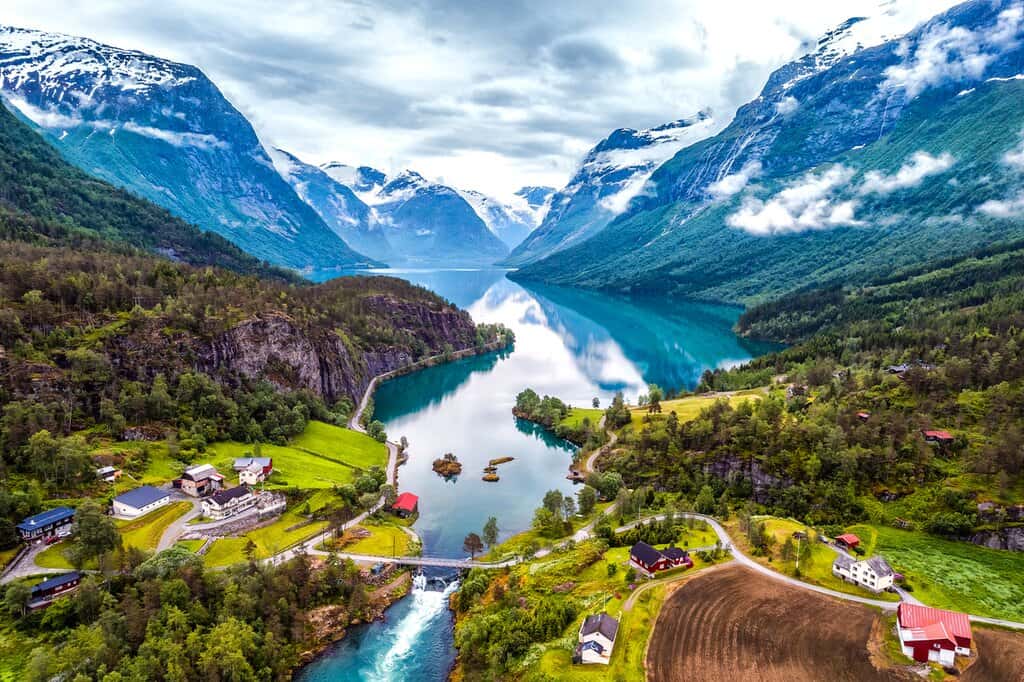
- Day 11: Fjordland excursion. Boat tour of the Naeroyfjord or Sognefjord.
- Day 12: Return to Oslo or Bergen. Leisure afternoon.
- Day 13: Fly back to Stockholm or Copenhagen for departure connections.
- Day 14: Return flight to India.
Know More About: 14 Day Sweden Tour Package
Best Time to Visit Sweden
Sweden's four distinct seasons create very different travel experiences, and the best time for Sweden tours depends on what you want from the trip.
Summer: June to August (Peak Season)
Summer is the most popular time to visit Sweden, and for good reason. Temperatures in Stockholm sit between 15 and 25 degrees Celsius, making it comfortable for sightseeing, archipelago trips, and city walking. Daylight is extended above the Arctic Circle during June and early July; the sun barely sets, creating the Midnight Sun phenomenon that lets travellers hike or kayak well past midnight.
Midsummer in late June is one of Sweden's most important cultural celebrations, with decorated poles, traditional folk dances, and outdoor gatherings across the country. This is a culturally rich time to visit, though accommodation books up early. Expect higher hotel rates and advance booking requirements from June through August.
Autumn: September to November (Shoulder Season)
Autumn is a strong choice for travellers who prefer fewer crowds and lower prices. This is the time mostly chosen by people booking Sweden family tour packages. Forests across Sweden turn golden from September onwards, making national parks and countryside routes especially scenic. September and October also mark the start of aurora season in northern Sweden, so travellers who want both autumn landscapes and a chance at the Northern Lights often find this window ideal.
As per Thrillophilia's destination experts, November is when advance bookings for December and January trips start filling up. If you plan to travel over winter for the Northern Lights, booking in October or November gives you the best shot at preferred accommodation in Abisko and Kiruna.
Winter: December to February (Northern Lights Season)
Winter transforms northern Sweden into a landscape unlike anything most Indian travellers have seen. Temperatures in Abisko and Kiruna regularly drop to minus 20 or minus 30 degrees Celsius. Aurora activity is at its strongest between December and February, and Lapland experiences complete polar darkness for parts of December, which makes aurora photography and dog sledging possible at any hour of the day.
Experiences that are only available in winter include ICEHOTEL stays, snowmobile safaris, ice fishing, and reindeer sledging with Sami communities. Packing for extreme cold is essential: thermal base layers, insulated jackets, waterproof outer layers, and insulated boots. Most Northern Lights tour operators provide specialised outer suits during outdoor sessions.
Spring: March to May (Shoulder Season)
Spring sees snow melting across most of Sweden and gradually rising temperatures. The aurora season extends into March in northern Sweden, so travellers who want Northern Lights without the harshest winter cold sometimes choose March as a compromise. April brings milder weather and thinner crowds across Stockholm and the south. This is also one of the better months for value pricing on hotels.
Food Guide for Indian Travellers in Sweden
Swedish cuisine centres on seafood, meat, pickled vegetables, and fresh dairy, shaped by the country's geography and short growing season. For Indian travellers, some flavours will be new, though the cooking style is generally mild and ingredient-forward.
Must-Try Swedish Dishes
- Meatballs with lingonberry sauce (Köttbullar): The most internationally recognised Swedish dish, served with cream sauce, boiled potatoes, and tart lingonberry jam. A staple across restaurants and cafes.
- Gravlax: Salmon cured with salt, sugar, and dill, served cold with mustard sauce. Common at breakfast buffets and as a starter.
- Smörgåsbord: A spread of cold and hot dishes including pickled herring, cured meats, cheese, and salads. Best experienced at a traditional restaurant rather than a tourist buffet.
- Princess Cake (Prinsesstarta): Sponge cake layered with custard and whipped cream, covered in green marzipan. Found at every konditori (cafe-bakery) in the country.
- Kanelbullar: Swedish cinnamon buns, less sweet than their American counterparts and flavoured with cardamom. Best fresh from a bakery.
- Jansson's Temptation: A creamy potato and anchovy gratin that often surprises visitors with how approachable it tastes despite the combination.
Indian and Vegetarian Food in Sweden
Stockholm and Gothenburg both have Indian restaurants serving familiar curries, tandoori dishes, and vegetarian options. Shanti Indo-Pak in Stockholm has been operating for years and is well-regarded by residents. In Gothenburg, Indian Garden serves traditional Indian meals, including Jain-friendly preparations on request.
Vegetarian food is widely available across Sweden, with most restaurants clearly labelling vegetarian dishes and supermarkets such as ICA and Coop offering a good selection of vegetarian products. Travellers booking with Thrillophilia also have the added convenience of not having to worry about finding breakfast every morning. Our Sweden tour packages include daily breakfast with vegetarian options, while selected itineraries may also include additional meals depending on the package chosen. If you have specific dietary requirements, including vegetarian preferences, our team can assist with meal requests wherever possible before and during your trip, helping make your travel experience smoother and more comfortable.
Restaurants Worth Knowing
Restaurant | Location | Why Visit |
Seafood Gastro | Stockholm | Famous crab and seafood. The Stockholm outpost of the Sri Lankan original. |
Frantzen | Stockholm | Three Michelin stars. Seasonal Nordic tasting menu. Best booked months ahead. |
Oaxen Slip | Stockholm Archipelago | Organic Scandinavian cuisine on the waterfront. Sustainable sourcing focus. |
Sjömagasinet | Gothenburg | Historic harbour building. Seafood platters and grilled fish from nearby waters. |
Shanti Indo-Pak | Stockholm | Long-standing Indian restaurant. Good for a familiar meal mid-trip. |
Indian Garden | Gothenburg | Traditional curries and vegetarian options. Jain meals available on request. |
Sweden Travel Essentials for Indian Travellers
Currency and Payments
Sweden uses the Swedish Krona (SEK), not the Euro.1 SEK is approximately INR 10, though rates fluctuate and should be verified before travel. Sweden is one of Europe's most cashless societies: you can pay by card at virtually every restaurant, shop, and transport service. Cash is rarely needed in Stockholm or Gothenburg, though keeping a small amount is useful in very small towns.
SIM and Connectivity
Tourist SIM cards are available at Stockholm Arlanda Airport on arrival. Providers like Telia, Comviq, and Halebop offer prepaid data plans with solid 4G coverage across major cities and transport corridors. eSIM options are also available for compatible smartphones, which is convenient if you want to keep your Indian number active simultaneously.
Stockholm Public Transport
Stockholm's SL transport network covers metro, bus, tram, and ferry lines across the city. A 72-hour SL travel card allows unlimited travel on all modes and is the most practical option for a multi-day Stockholm stay. The Stockholm metro is also worth noting for its stations: many platforms are decorated with murals and sculptures, and several stops in the system have become attractions in their own right.
Power Adapters
Sweden uses Type F electrical sockets (the standard two-pin European plug). Indian travellers should carry a universal adapter to charge devices. Most modern hotels also provide USB charging points.
Cold Weather Packing for Northern Sweden
Travellers heading to Abisko, Kiruna, or Jukkasjärvi in winter should plan for extreme cold. Temperatures between minus 20 and minus 30 degrees Celsius are common from December through February. A proper packing list should include thermal base layers (top and bottom), an insulated mid-layer, a windproof and waterproof outer jacket, insulated trousers, gloves and liners, a wool or fleece hat, and insulated waterproof boots rated to at least minus 30 degrees. Most Northern Lights tour operators provide additional outer suits for aurora excursions, but having your own base layers is essential.
Why Book Sweden Tour Packages with Thrillophilia
Planning a trip to Sweden from India involves a lot of planning. You need to manage the connecting flights, multi-country routing, seasonal activity bookings, and visa documentation. Thrillophilia's Sweden trip packages are designed to handle these in advance, so travellers arrive with logistics already sorted. We understand that each traveller is different, and so we manage each trip uniquely to craft the best memories from your trip.
As shared by one of our happy customers, Varun Aggarwal from Delhi, who travelled with us in March 2026 by booking the Northern Lights Safari Tour Sweden package, "The itinerary planned for our Sweden trip felt perfectly balanced and provided a great sense of ease. We were particularly impressed with the trip management during transitions between Stockholm and Abisko. Thrillophilia ensured our accommodation was consistently top-rated and very cosy. It was a premium vacation experience with excellent on-ground support."
Here's how Thrillophilia's helps you plan the trip better:
- 24/7 Trip Support: Assistance before and during your trip for visas, hotels, transfers, and any on-ground issues.
- Transparent Pricing: Clear package inclusions with no hidden charges.
- Flexible Itineraries: 15 Sweden packages, all customisable by duration, destination mix, and budget.
- Trusted Local Partners: Carefully selected guides, drivers, and activity operators across Stockholm, Lapland, and partner Scandinavian destinations.
- Advance Bookings for High-Demand Experiences: Aurora tours, ICEHOTEL visits, dog sledging, and fjord cruises during peak season fill quickly. Thrillophilia books these in advance.
- Visa Documentation Support: Hotel vouchers, transport documentation, and a full pre-departure checklist in the correct format for Schengen submissions.