Reviewed by Thrillophilia Jammu and Kashmir Operations Team
Updated as of June 2026
Jammu and Kashmir tour packages start from INR 17,500 per person for a 4-day trip and go up to INR 1,31,600 for a 7-day premium honeymoon experience. With regular flights from Delhi, Mumbai, Bangalore, and other major Indian cities landing at Srinagar International Airport (SXR) and Jammu Airport (IXJ), reaching Kashmir is easier than ever. Airlines like IndiGo, Air India, SpiceJet, and GoFirst operate frequent flights to the region.
If you are planning a trip to Jammu and Kashmir, you have probably heard the same question from family and friends: "Is it safe to visit Kashmir right now?"
It is a fair question, and the answer is yes. Thousands of families, couples, solo travellers, and pilgrims visit the valley every month. In fact, Jammu and Kashmir is one of India's most popular tourist destinations, with dedicated tourist police, secure travel routes, and welcoming local communities across the region.
At Thrillophilia, our Kashmir operations team has been organising trips to Jammu and Kashmir for over 8 years. We work with verified local drivers, carefully selected hotels, and experienced guides who know the region well. Our on-ground team in Srinagar stays updated on road conditions, weather, and local travel updates to help ensure a smooth travel experience. Most of our packages also include 24/7 on-trip support, so assistance is always available when you need it.
With 90+ Jammu and Kashmir tour packages rated 4.6/5 by thousands of verified travellers, Thrillophilia offers well-planned itineraries for every type of traveller and budget. Whether you are planning a family holiday, a romantic honeymoon, a trip with friends, a pilgrimage to Vaishno Devi, or an adventure getaway, you will find a package that suits your needs. Most packages include comfortable stays, airport transfers, guided sightseeing, breakfast, and round-the-clock support. You can also customise your itinerary and enjoy transparent pricing with no hidden costs.
Jammu and Kashmir Trip Cost – Realistic Budget Breakdown
The cost of your Jammu and Kashmir tour package depends mainly on the season, the hotels you choose, and whether you want premium experiences like houseboat stays or gondola rides. From budget-friendly trips to luxury escapes, there are options for every traveller.
Thrillophilia allows you to customise your package based on your budget and interests. You can pick your preferred hotel category, activities, transfer type, and more. Here is a simple breakdown of what you can expect to spend.
Most Booked Jammu and Kashmir Tour Packages by Traveller Type
Here are the most booked Jammu and Kashmir packages on Thrillophilia as of June 2026, chosen by travellers for their great value and experience.
Traveller Type
| Recommended Package
| Duration
| Starting Price (Per Adult)
| Why Choose It
|
|---|
Couples & Honeymooners | Heavenly Bliss Kashmir Honeymoon Retreat / Romantic Escape to Kashmir | 5-6 Days | INR 18,000 | Beautiful houseboat stays, shikara rides at sunset, and peaceful valley views perfect for couples |
Families | Family Getaway to Kashmir with FREE Houseboat Stay | 7 Days | INR 26,500 | Family-friendly pace, visits to all major valleys, Mughal gardens, and a night on a houseboat |
Pilgrims | EXCLUSIVE Srinagar Delight with Vaishno Vista / Jammu & Kashmir Spiritual Trip | 7 Days | INR 17,500 | Covers Vaishno Devi darshan along with Srinagar, Pahalgam, and Gulmarg in one trip |
Adventure Seekers | Ski Adventure in Gulmarg with FREE Gondola Ride Tickets | 5 Days | INR 27,600 | Focuses on Gulmarg's gondola ride, skiing, and snow activities |
First-Time Visitors | Highlights of Kashmir with FREE Shikara Ride on Dal Lake | 6 Days | INR 19,500 | Covers the top attractions of Srinagar, Gulmarg, and Pahalgam in a balanced itinerary |
Budget Travellers | Kashmir Retreat Romantic Escape to Doodhpathri | 6 Days | INR 20,000 | Affordable package covering key destinations without compromising on comfort |
Premium Travellers | Indulge in Romance Kashmir Honeymoon Luxury DEAL | 7 Days | INR 1,31,600 | Premium hotels, luxury houseboat stay, private transfers in SUV, and curated experiences |
Note: Prices are starting rates and may vary based on travel dates, hotel category, and customisations.
Daily Expense Guide (Per Person)
Expense
| Budget
| Mid-Range
| Premium
| Note
|
|---|
Accommodation per night | INR 1,500 - 3,000 | INR 3,500 - 7,000 | INR 8,000 - 20,000+ | Budget stays in Srinagar are affordable. Houseboats and luxury resorts in Gulmarg cost more. |
Meals per day | INR 600 - 1,200 | INR 1,200 - 2,500 | INR 3,000 - 6,000+ | Local Wazwan and street food are budget-friendly. Fine dining at luxury resorts costs extra. |
Internal transport | INR 800 - 2,000 | INR 2,000 - 4,000 | INR 4,000 - 8,000+ | Shared taxis are cheaper. Private Sedan or SUV transfers cost more but offer comfort. |
Activities and entry fees | INR 2,000-5,000 | INR 2,000 - 5,000 | INR 2,000 - 5,000 | A mid-range budget covers shikara rides, Mughal garden entries, and one gondola ride. |
What Is Included in a Thrillophilia Jammu and Kashmir Package
- Accommodations: We choose well-located hotels and resorts in Srinagar, Gulmarg, Pahalgam, Sonmarg, and Katra. Options range from comfortable 3-star hotels for budget packages to premium 5-star stays and traditional houseboats on Dal Lake for luxury packages.
- Food Inclusions: Daily breakfast is included in most packages. Many itineraries also offer dinner options, especially at houseboat stays. Vegetarian meals are easily available across the valley.
- Airport and Internal Transfers: Depending on your package, we arrange private Sedan or SUV transfers for airport pickups, drop-offs, and all intercity sightseeing. For budget packages, shared transfers may be arranged. Our drivers are local residents and know the mountain routes well.
- Sightseeing and Activities: Based on your package, we book shikara rides on Dal Lake, gondola rides in Gulmarg, guided visits to Mughal gardens, and excursions to valleys like Pahalgam, Sonmarg, and Doodhpathri.
- 24/7 On-Trip Assistance: Every traveller gets round-the-clock support from our local ground team. Whether you need help with directions or have an emergency, we are there for you.
General Jammu and Kashmir Package Exclusions
- Travel insurance (We recommend adding this to your package.)
- Meals not mentioned in your itinerary
- Flights and train tickets
- Transfers not mentioned in your itinerary
- Entry fees at monuments, gardens, and attractions
- Gondola ride tickets (unless specified as free)
- Personal expenses like shopping, tips, and drinks
- Any adventure activities like skiing, river rafting, or pony rides
What Makes Jammu and Kashmir Trip Package Prices Go Up or Down
No two Jammu and Kashmir trips cost exactly the same. The final price of your package depends on factors such as the season, accommodation, transfers, and experiences included in your itinerary. Here are the main factors that affect the cost:
- Season: Summer (March to June) and autumn (September to November) are peak seasons with higher prices. Winter (December to February) is great for snow lovers and often more affordable, except during the New Year week.
- Accommodation: Hotels in Srinagar city centre are more affordable. Houseboats on Dal Lake and luxury resorts in Gulmarg cost more. If you want to stay in a premium houseboat, expect to pay a little extra.
- Activities: Shikara rides, gondola rides, and skiing add to your overall trip cost. Some packages include these, while others offer them as add-ons.
- Transfers: Choosing a private Sedan or SUV for your entire trip costs more than shared transfers. But it gives you flexibility and comfort, especially on long mountain drives. Most mid-range and premium packages use private Sedan transfers for airport pickup, drop-off, and daily sightseeing.
- Duration: Longer itineraries covering more destinations naturally cost more. A 4-day trip covering only Srinagar and Gulmarg will be cheaper than a 7-day trip covering Srinagar, Pahalgam, Gulmarg, Sonmarg, and Katra.
How to Reach Jammu and Kashmir from Indian Cities
For most travellers, the easiest way to reach Kashmir is by flight. Both Srinagar and Jammu airports are well connected to all major Indian cities.
India to Srinagar Flight Insights
- Departure Cities: Delhi, Mumbai, Bangalore, Hyderabad, Kolkata, Chennai, Ahmedabad, Chandigarh, and more
- Flight Duration: Approximately 1.5 to 3 hours from most cities
- Round-Trip Fare: INR 6,000 - 15,000+ per person on average
- Major Operating Airlines: IndiGo, Air India, SpiceJet, Vistara, GoFirst, Akasa Air
India to Jammu Flight Insights
- Departure Cities: Delhi, Mumbai, Bangalore, Chennai, and other metros
- Flight Duration: Approximately 1.5 to 2.5 hours from most cities
- Round-Trip Fare: INR 5,000 - 12,000+ per person on average
- Major Operating Airlines: IndiGo, Air India, SpiceJet
By Train: Jammu Tawi railway station is well connected to Delhi, Mumbai, Kolkata, and other cities. From Jammu, you can take a taxi or bus to Srinagar (about 8 to 10 hours). Thrillophilia offers packages that include a Jammu-to-Srinagar transfer, usually provided via private or shared AC cabs as part of their multi-day itineraries or as an option to add on in their trip. The train journey from Delhi to Jammu takes about 8 to 10 hours, and many pilgrims prefer this route for Vaishno Devi trips.
By Road: You can also travel to Srinagar by road from several cities in North India. The most popular route is via the Jammu–Srinagar National Highway, which connects Kashmir with Jammu, Delhi, Chandigarh, Amritsar, and other nearby cities. The drive from Jammu to Srinagar takes around 6 to 8 hours, while travellers driving from Delhi can expect a journey of about 12 to 14 hours. Along the way, you will pass through scenic mountain landscapes, tunnels, and beautiful valleys.
Top Places to Visit on Your Jammu and Kashmir Trip
A trip to Jammu and Kashmir is incomplete without visiting its iconic valleys, lakes, gardens, and hill towns. Here are the top places you should add to your itinerary:
Srinagar: The Heart of Kashmir
No Kashmir trip is complete without spending time in Srinagar. The summer capital of Jammu and Kashmir is famous for its Dal Lake, Mughal gardens, and traditional houseboats. You can enjoy a shikara ride on the lake, visit the beautiful Nishat Bagh and Shalimar Bagh, and explore the old city.
- Best for: First-timers, families, and couples
- Entry Fees: Mughal gardens (Nishat Bagh, Shalimar Bagh, Chashme Shahi) charge around INR 50 for Indian adults and INR 25 for children.
- Thrillophilia Tip: Visit the Mughal gardens early in the morning to avoid crowds. For shikara rides, the sunset slot is the most beautiful. Include it in your package to get the best rates.
Gulmarg: The Meadow of Flowers
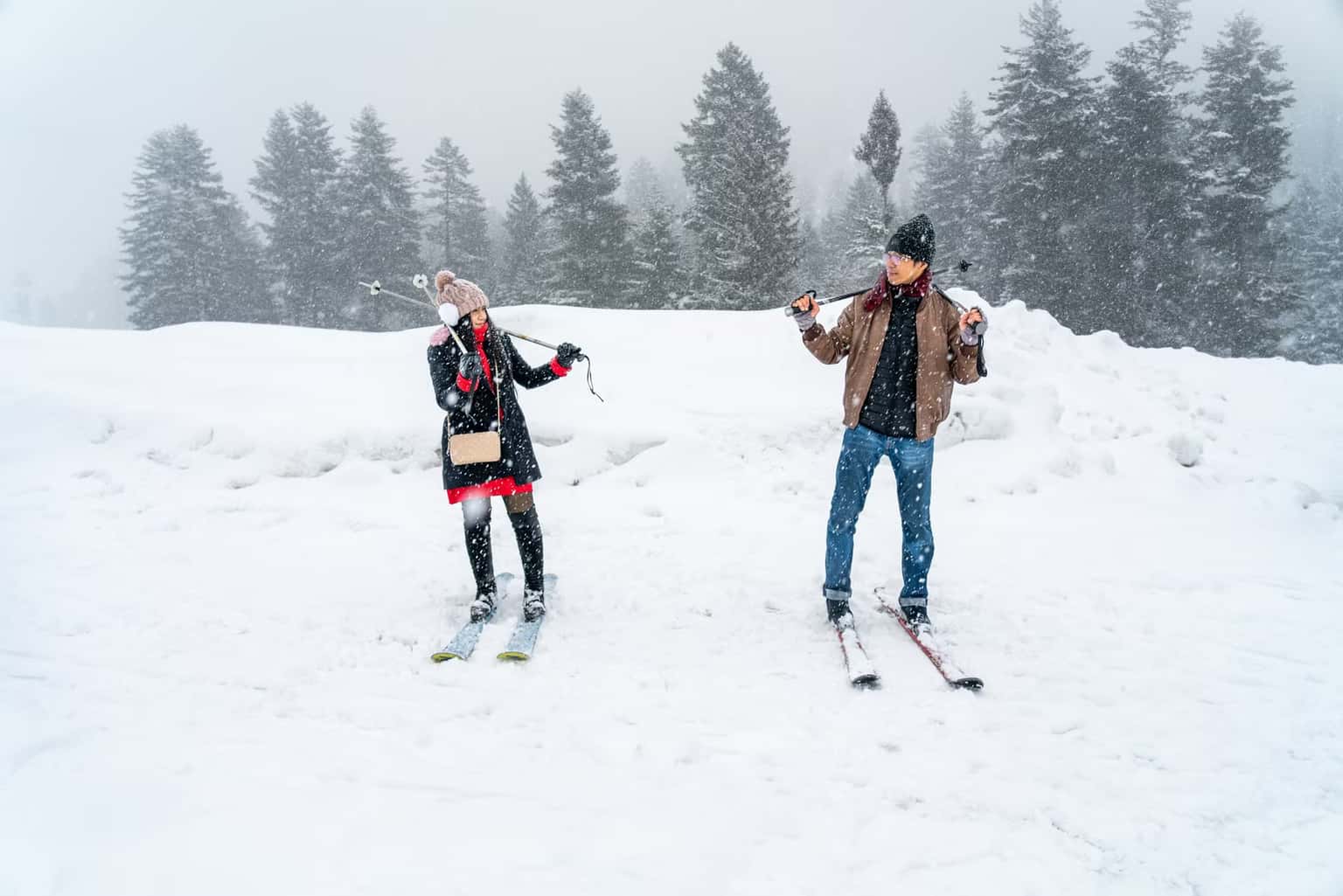
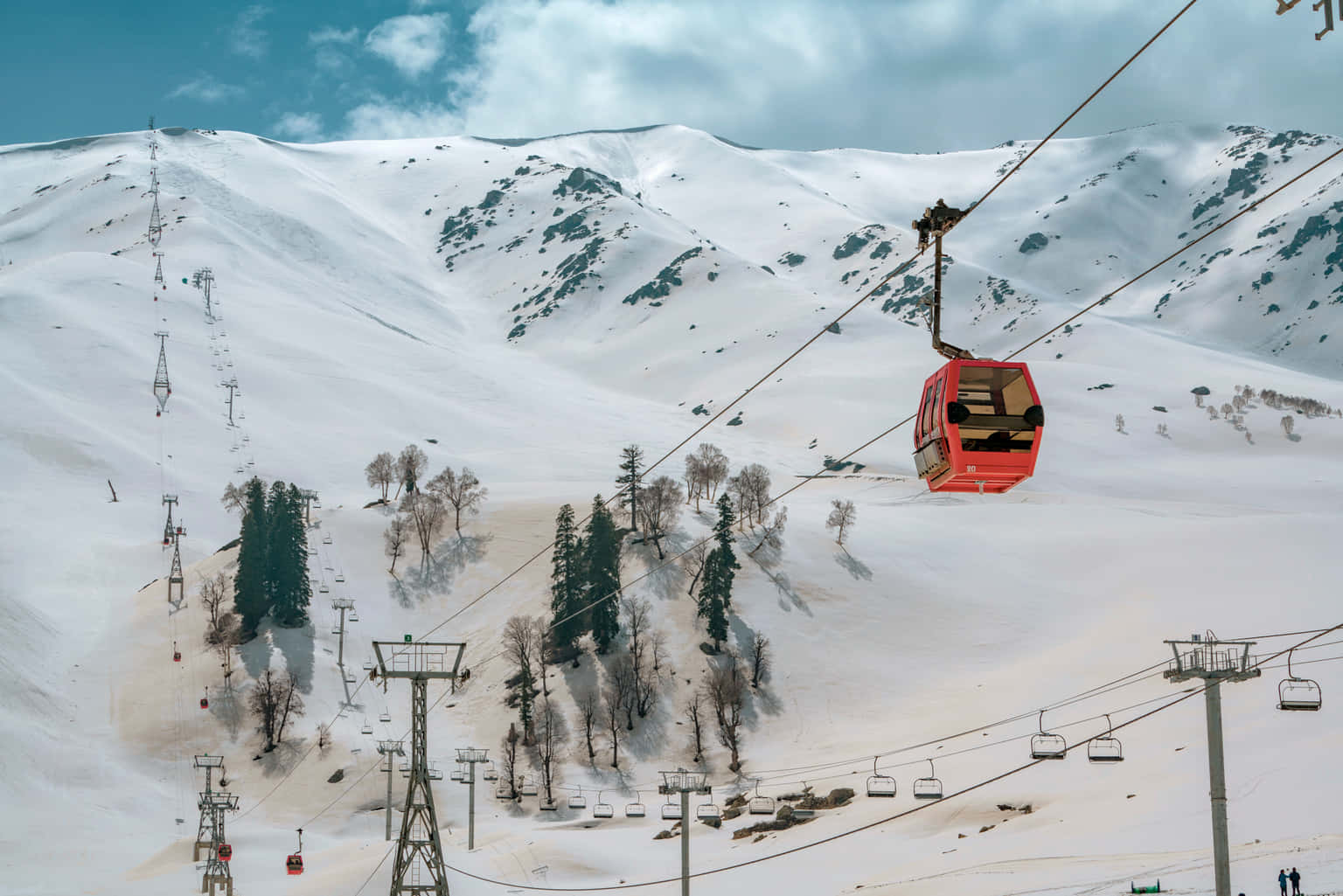
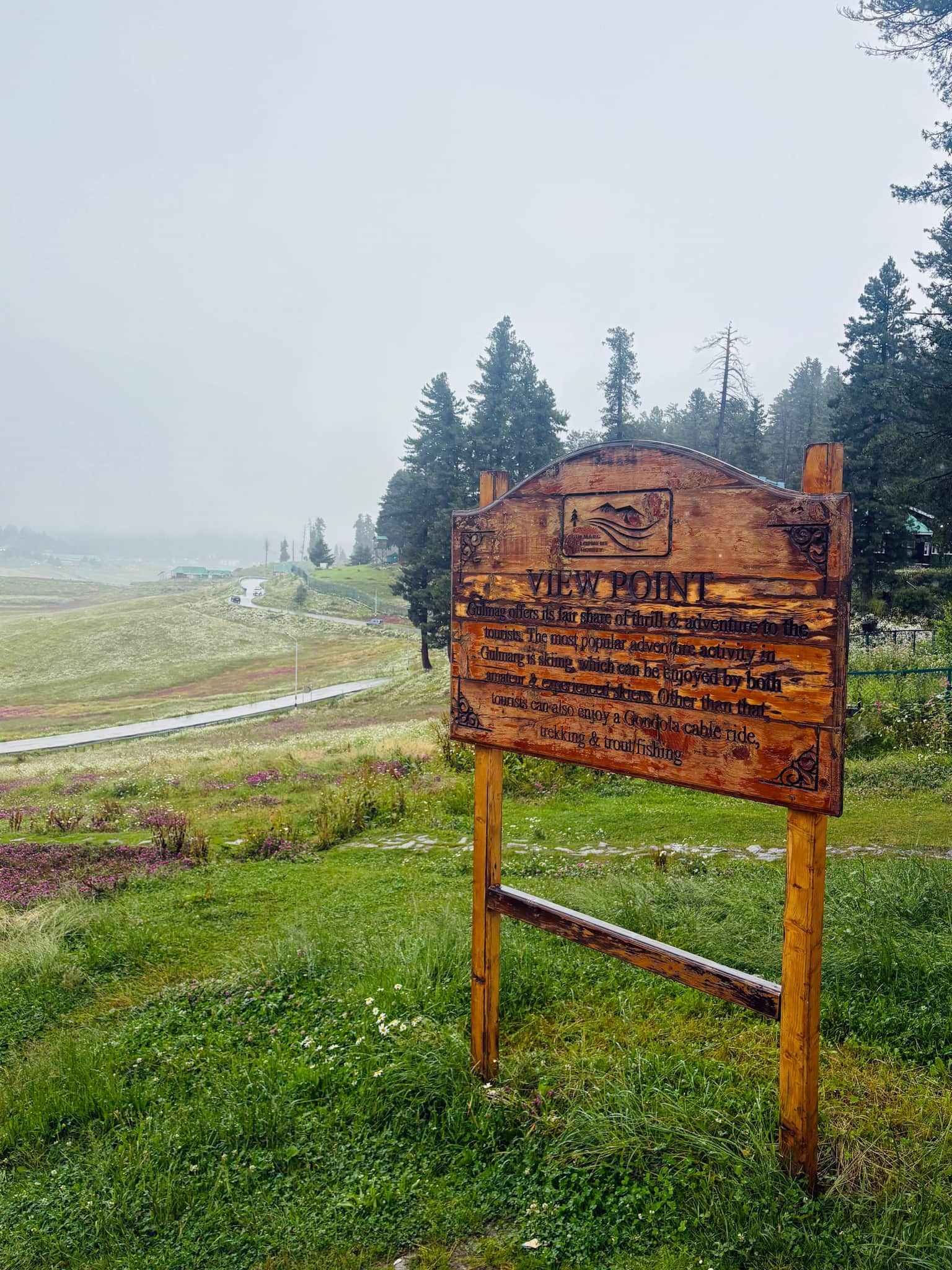
Gulmarg is famous for its Gondola ride, one of the highest cable cars in Asia. In winter, the entire valley turns into a white wonderland, perfect for skiing and snowboarding. In summer, the green meadows are covered with wildflowers, making it a great spot for picnics and nature walks.
Best for: Adventure seekers, couples, families, and winter sports lovers
Thrillophilia Tip: Book your Gondola tickets at least 2 days in advance during peak season (December to March and June to August). The queue can get very long, and tickets sell out fast. Our packages with FREE Gondola ride tickets save you both time and money.
One of our travellers, Rohan from Mumbai, shared his experience after visiting Gulmarg. He said, "We booked the Ski Adventure in Gulmarg package, and it was worth every rupee. The Gondola ride to Apharwat Peak was absolutely incredible. Our driver was a local from Tangmarg and knew all the best snow spots, which made the experience even better."
Reviews like Rohan's are a reminder of how local expertise and well-planned itineraries can make your Gulmarg experience even more memorable.
Pahalgam: The Valley of Shepherds
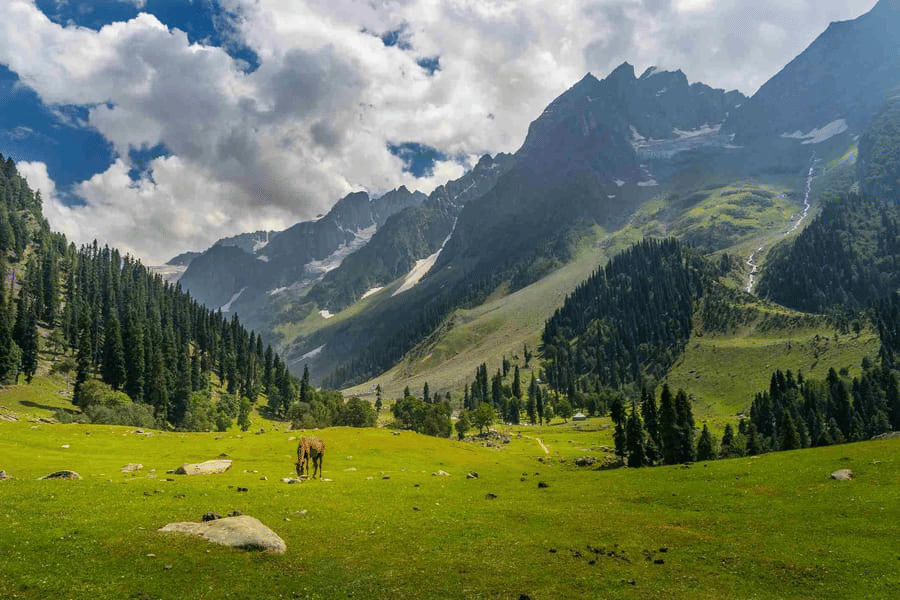
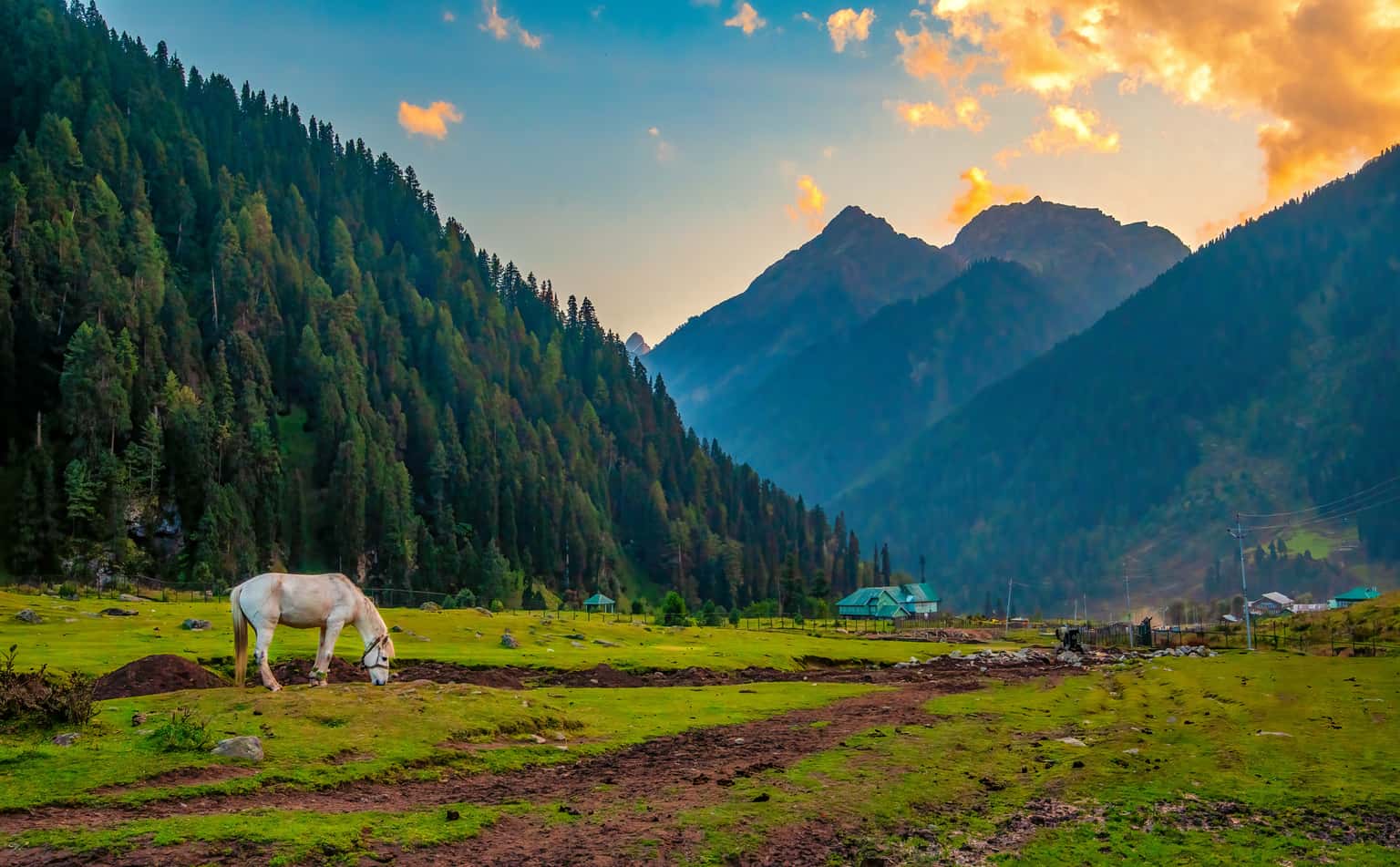
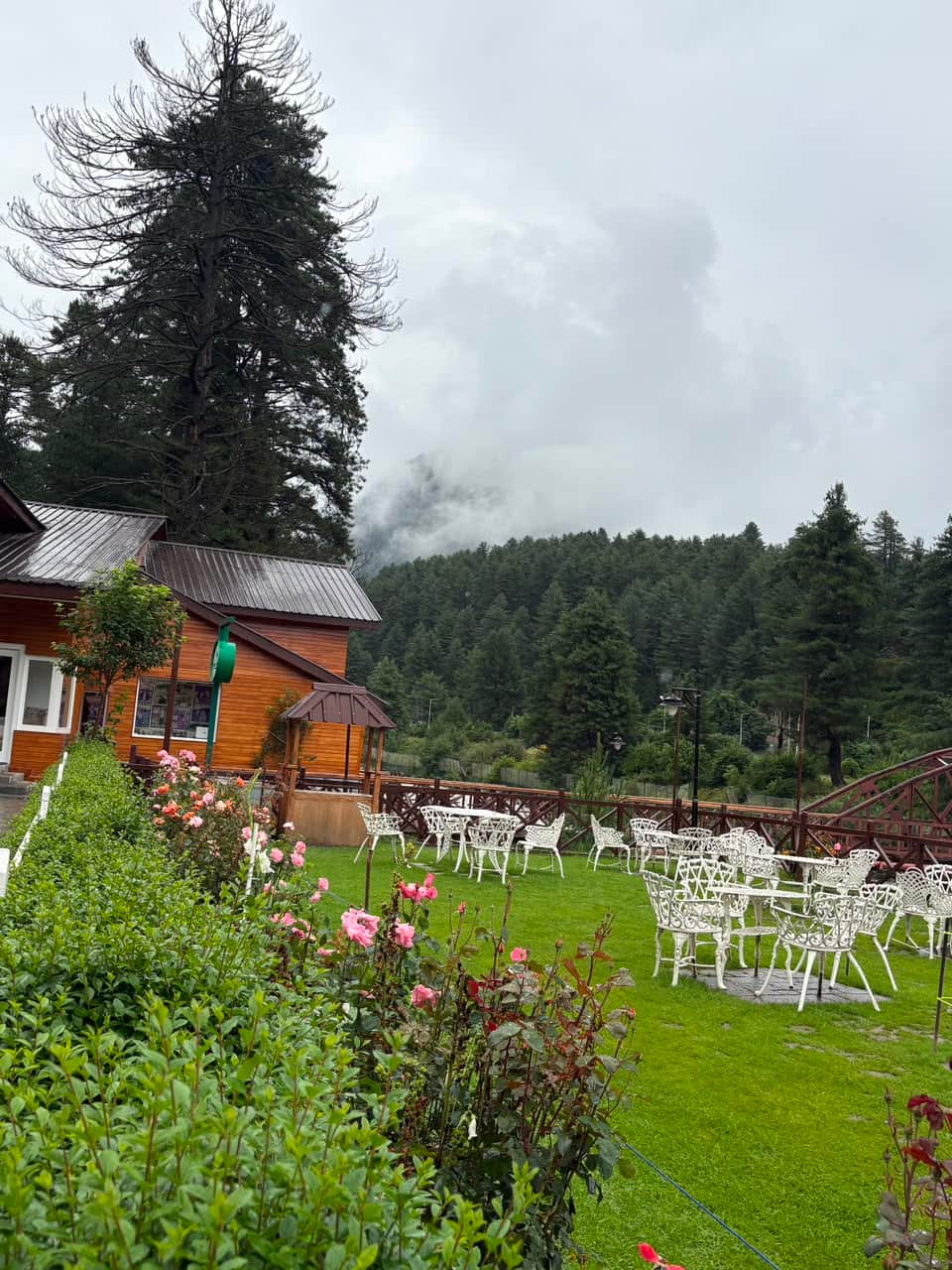
Pahalgam is the perfect destination for travellers looking to relax and enjoy the natural beauty of the Himalayas. Surrounded by pine forests, meadows, and rivers, it offers a peaceful escape from city life. Popular attractions include Betaab Valley, Aru Valley, and Chandanwari. You can enjoy pony rides, try river rafting on the Lidder River, or simply sit by the riverside and soak in the serene surroundings.
- Best for: Nature lovers, families, couples, and adventure enthusiasts
- Entry Fees: Most of Pahalgam's natural attractions are open and free to visit. However, pony rides cost around INR 800 to INR 1,500 per person, depending on the route. River rafting starts from INR 500 to INR 1,000 per person.
- Thrillophilia Tip: The Betaab Valley gets its name from the Bollywood film "Betaab" that was shot here. If you are a movie buff, this spot will feel extra special. Visit early in the day before the crowds arrive.
Sonmarg: The Meadow of Gold
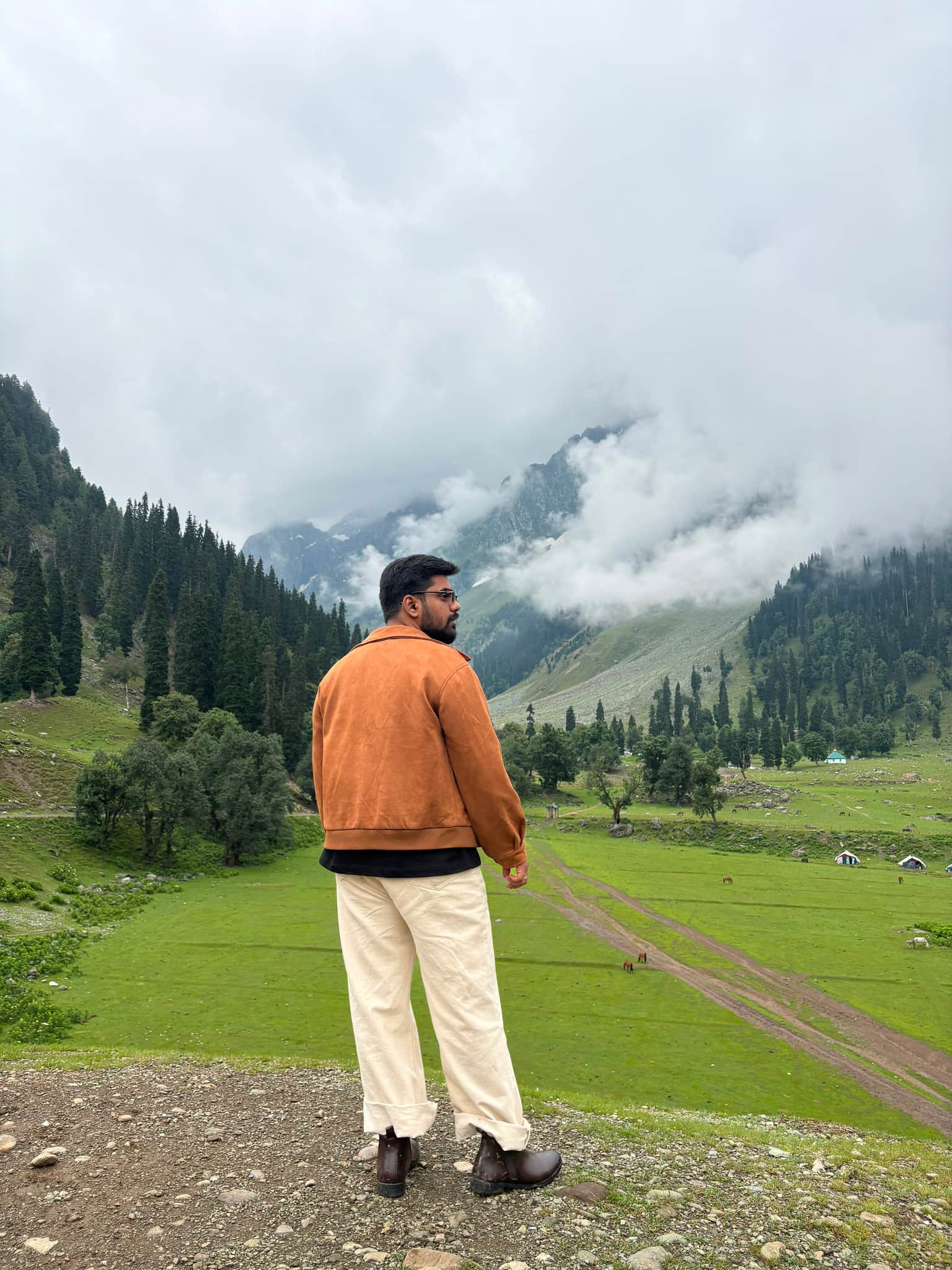
Sonmarg is known for the Thajiwas Glacier, a stunning snowfield that stays frozen even in summer. You can trek to the glacier or take a pony ride. The drive from Srinagar to Sonmarg is one of the most scenic ones in the region, with views of pine forests and rushing rivers.
- Best for: Adventure travellers, families, and photographers
- Entry Fees: There is no entry fee for Sonmarg itself. Pony rides to Thajiwas Glacier cost around INR 800 to INR 1,500 per person. If you want to go further up, the cost increases.
- Thrillophilia Tip: Carry good walking shoes and a light jacket, even in summer. The glacier area stays cold, and some sections can be slippery.
Vaishno Devi: India's Most Sacred Pilgrimage
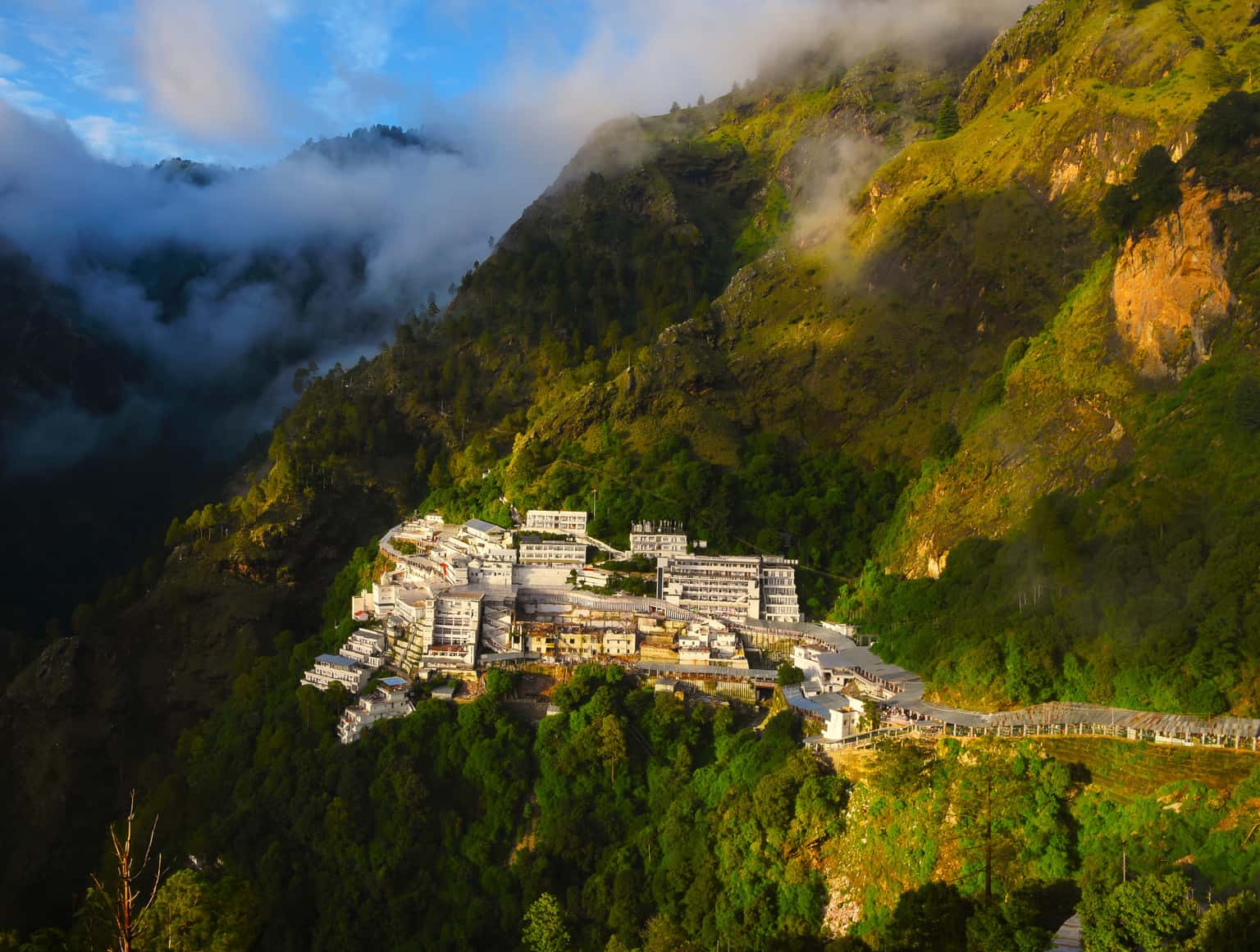
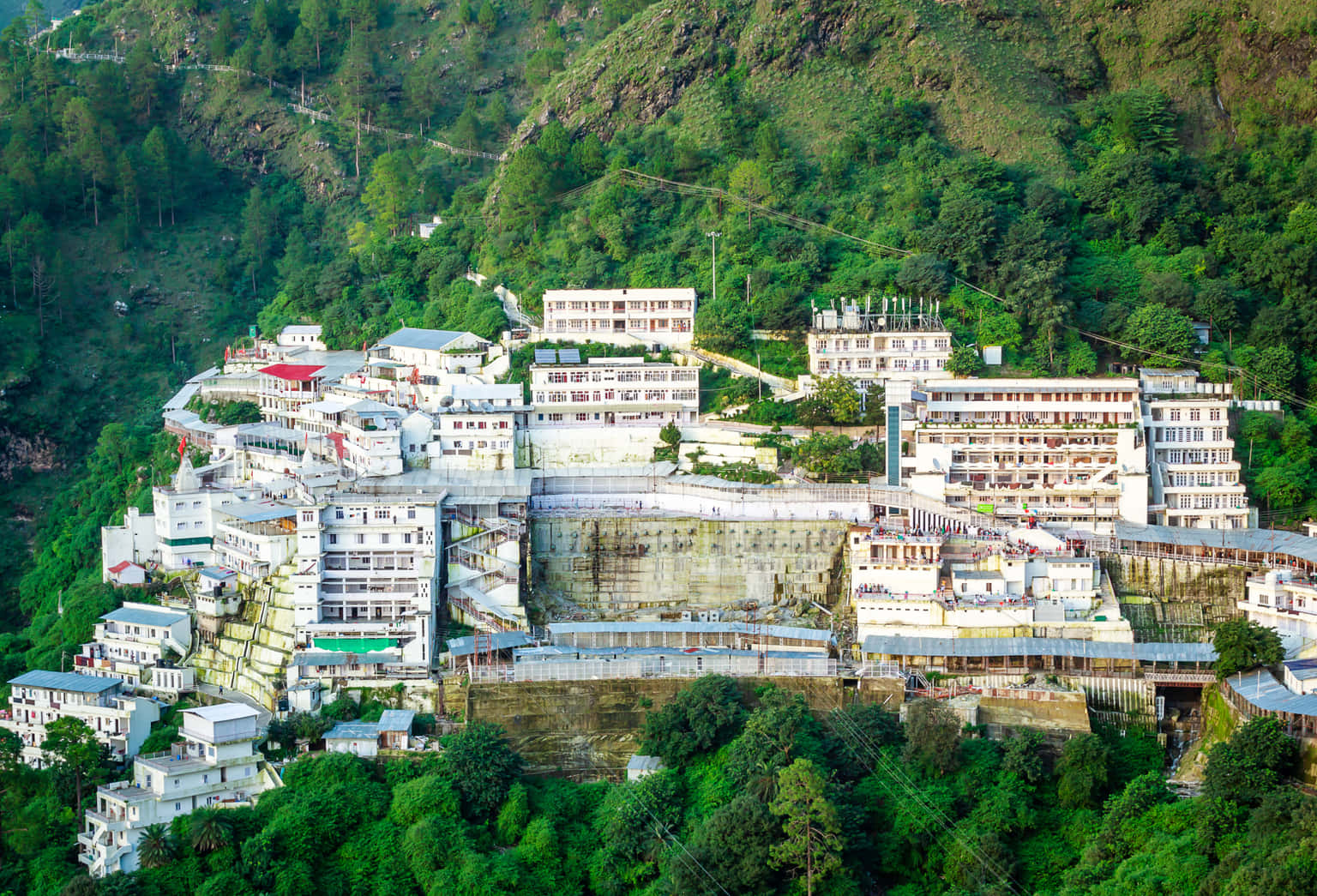
One of the holiest Shaktipeeths in India, the Vaishno Devi temple is located in the Trikuta Mountains near Katra. Pilgrims trek about 12 kilometres from Katra to reach the temple. You can also take a helicopter or hire a pony. The temple is dedicated to Mata Vaishno Devi, and the three Pindis inside represent Maha Kali, Maha Lakshmi, and Maha Saraswati.
- Best for: Pilgrims, spiritual travellers, and families
- Vaishno Devi Entry Fee: There is no entry fee for darshan. However, you need to register for the yatra online. Helicopter tickets cost around INR 2,500 to INR 3,000 per person one way. Pony rides cost around INR 2,500 to INR 3,500.
- Thrillophilia Tip: The trek to Vaishno Devi is moderate in difficulty but can be tiring if you are not used to walking uphill. Start early in the morning to avoid the heat. Our packages include yatra registration assistance and comfortable stays in Katra so you can rest well before the trek.
Patnitop: The Quiet Hill Escape
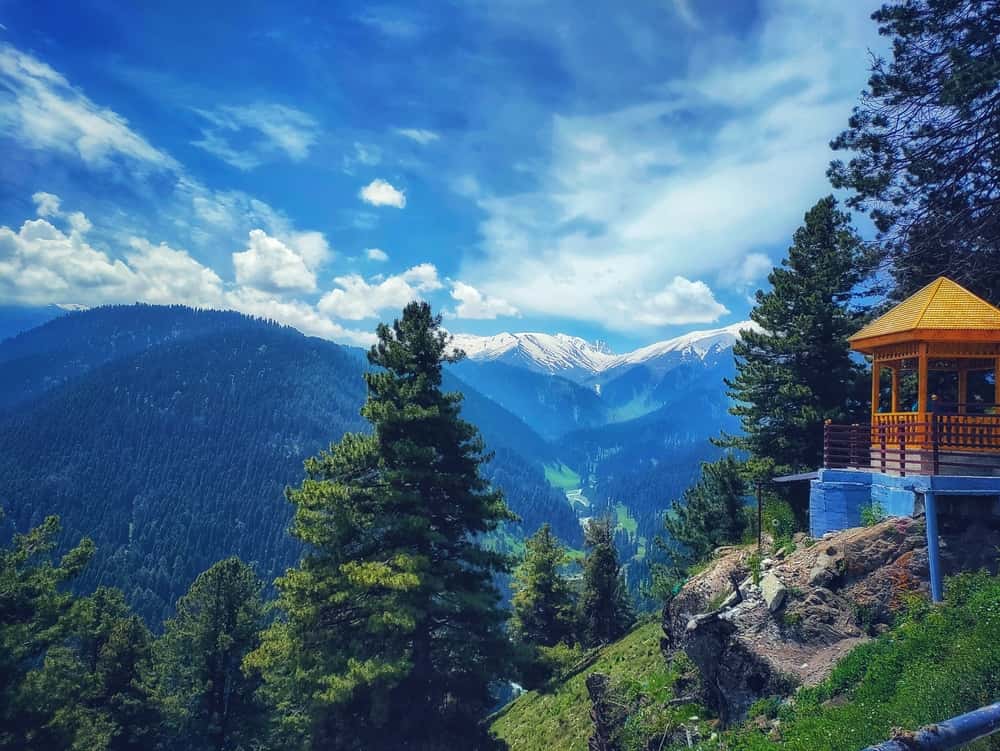
Located on the Jammu-Srinagar highway, Patnitop is a peaceful hill station with beautiful meadows and pine forests. It is a popular stop for travellers heading to or from Vaishno Devi. You can visit Nathatop for panoramic views, Sanasar for adventure sports, and the Nag Temple.
- Best for: Families, stopover travellers, and nature lovers
- Entry Fees: There is no entry fee for Patnitop. Adventure activities like paragliding and zorbing cost extra, usually between INR 500 and INR 1,500 per person.
Best Jammu and Kashmir Experiences to Include in Your Package
From scenic rides to thrilling adventures, Jammu and Kashmir offers unforgettable experiences for every traveller.
Shikara Ride on Dal Lake: The Kashmir Signature
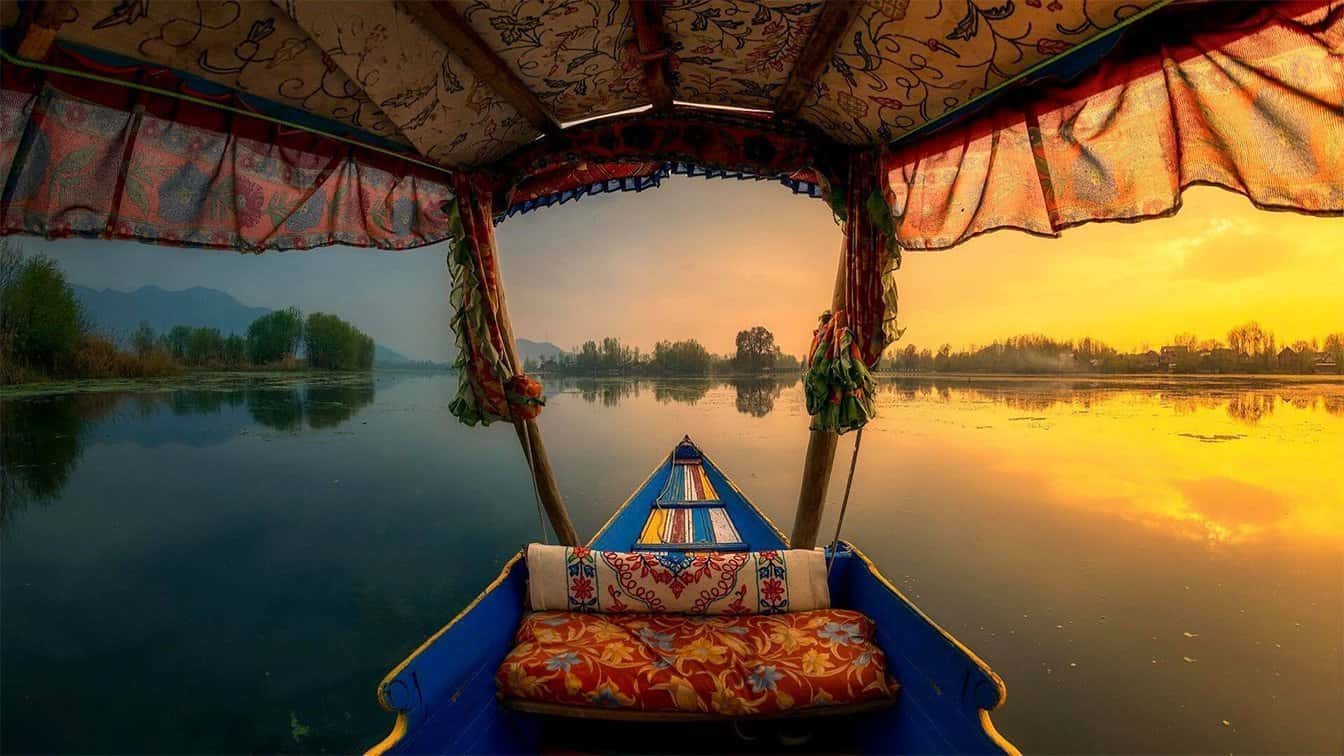
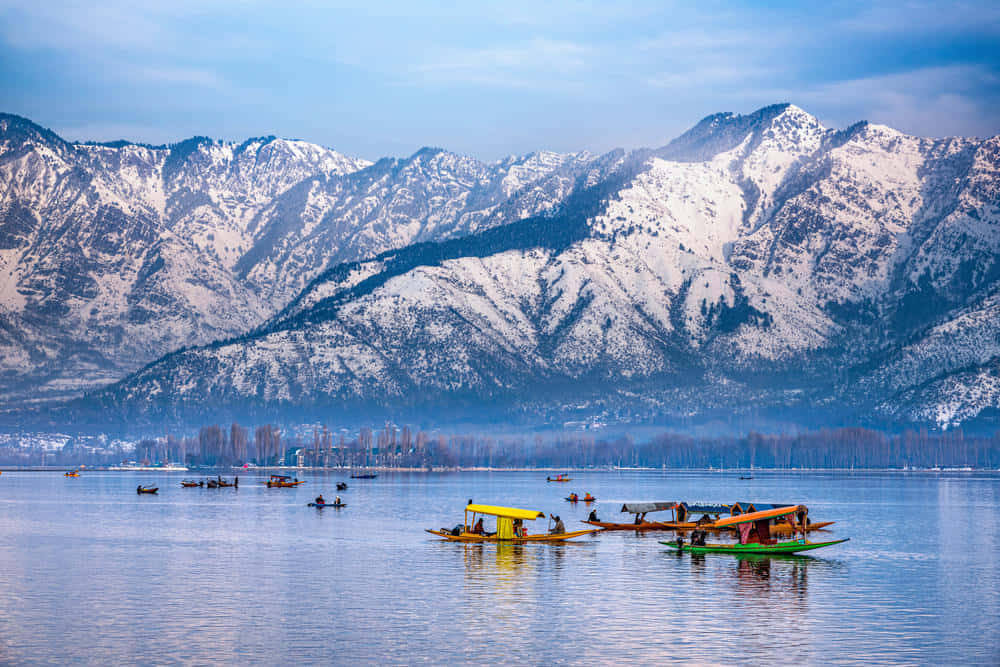
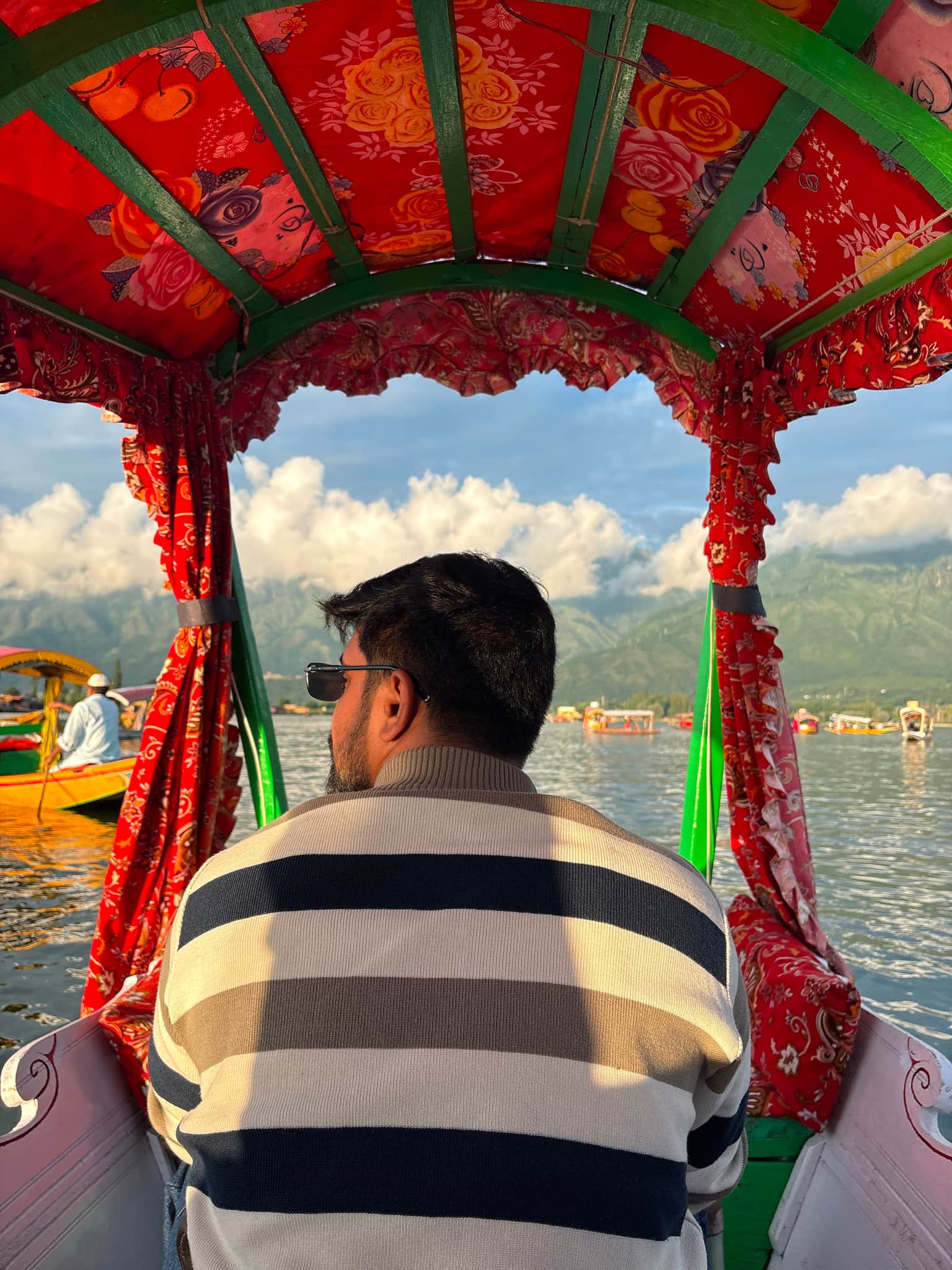
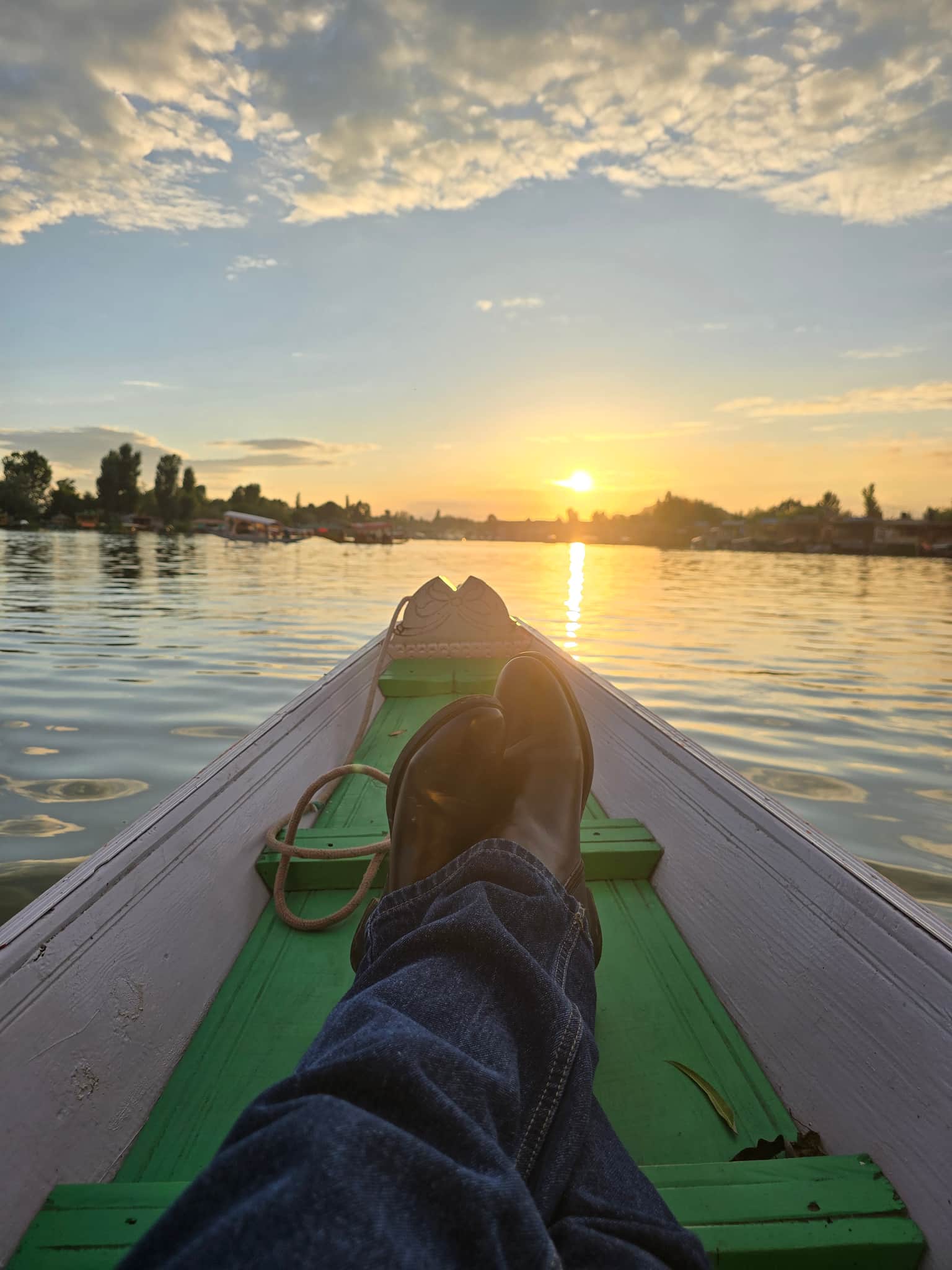
No trip to Kashmir feels complete without a shikara ride on Dal Lake. These traditional wooden boats glide silently through the lake's calm waters, giving you views of the Pir Panjal mountains, floating gardens, and houseboats. You can ride in the morning when the water is still, or at sunset when the sky turns orange and pink. Many of our travellers call this the most peaceful hour of their entire trip.
Shikara Ride Cost: INR 400 to INR 1,000 per hour, depending on the route and time of day. A sunset ride costs a little more but is worth every rupee.
Best for: Couples, honeymooners, families, and first-time visitors
Gondola Ride in Gulmarg: Asia's Highest Cable Car
The Gulmarg Gondola is one of the highest cable cars in Asia, taking you from the meadow up to the snow-covered Apharwat Peak at 3,980 metres. The views from the top are breathtaking. In winter, this is where skiers and snowboarders head for the best slopes. In summer, you can walk on snow patches and see the entire valley spread out below you.
Gondola Ride Cost:
- Phase 1 (Gulmarg to Kongdoori): INR 1,200 to INR 1,500 per person
- Phase 2 (Kongdoori to Apharwat Peak): INR 2,500 to INR 3,000 per person
Best for: Adventure seekers, families, couples, and photographers
Thrillophilia Tip: The Phase 2 Gondola is not for the faint-hearted. If you have a fear of heights, Phase 1 is still a great experience. Book your tickets in advance during peak season. Our Ski Adventure in Gulmarg package includes FREE Gondola ride tickets.
Houseboat Stay on Dal Lake: A Night You Will Never Forget
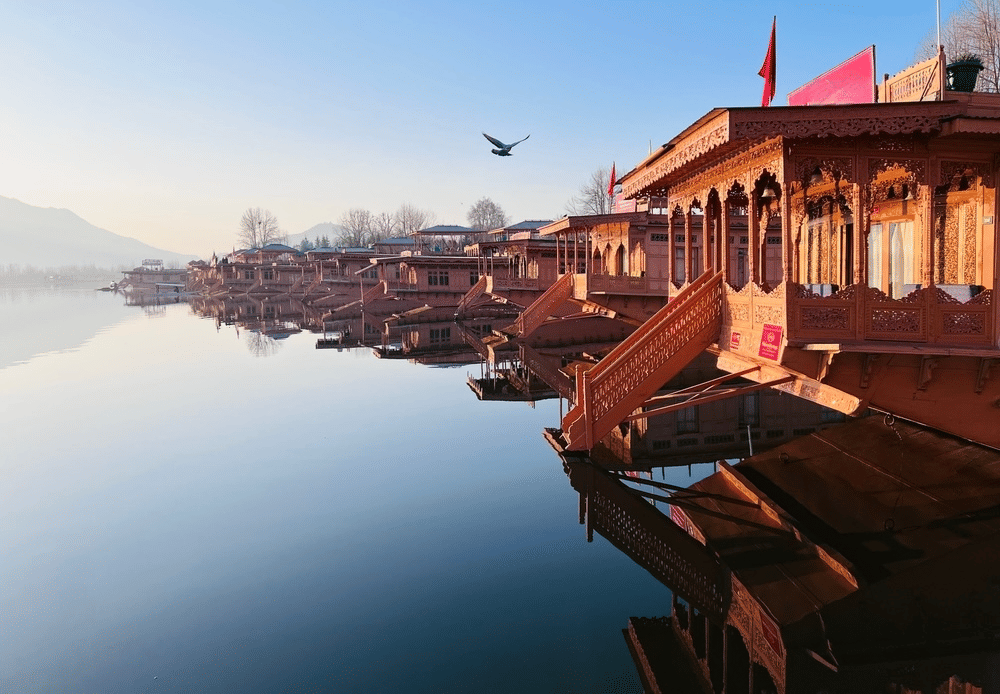
Staying on a houseboat on Dal Lake is a uniquely Kashmiri experience. These beautifully carved wooden boats have been hosting travellers for over a century. You get a cosy room with Kashmiri decor, a private shikara to take you to and from the shore, and a warm dinner served on the boat. Waking up to the sound of water gently lapping against the hull is something our travellers talk about for years.
- Houseboat Stay Cost: INR 3,000 to INR 15,000+ per night, depending on the category. Luxury houseboats with multiple rooms, attached bathrooms, and private decks cost more.
- Best for: Couples, honeymooners, and families wanting a unique experience
- Thrillophilia Tip: Our Family Getaway to Kashmir package includes a FREE houseboat stay. Most houseboats serve Kashmiri Wazwan for dinner, so come hungry. Vegetarian options are also available if you inform us in advance.
Skiing in Gulmarg: India's Best Winter Sport Destination
Gulmarg is India's top skiing destination, and for good reason. The slopes are long, the snow is powder-soft, and the views are stunning. Skiing equipment, instructors, and guided tours are all available. Whether you are a beginner or an experienced skier, there are slopes for every level.
- Skiing Cost: INR 1,500 to INR 5,000+ per session, depending on equipment rental, instructor fees, and lift access.
- Best for: Adventure travellers, winter sports lovers, and young adults
Highly Rated Jammu and Kashmir Itineraries by Duration
Thrillophilia offers 90+ Jammu and Kashmir tour packages, thoughtfully designed by local experts and our Kashmir operations team to suit different travel styles and budgets. Each itinerary can be customised to match your interests, pace, and preferred experiences.
Here are some of our most-loved Jammu and Kashmir packages, based on reviews from thousands of verified travellers.
4-Day Jammu & Kashmir Spiritual Trip
- Vaishno Devi Darshan & Beyond
- Cost: Starting at INR 17,500 per adult
- Best for: Pilgrims, families, senior travellers, and spiritual seekers
Itinerary
- Day 1: Arrival in Srinagar | Transfer to Katra | Check-in at hotel | Evening at leisure
- Day 2: Trek to Vaishno Devi Temple | Darshan at the holy shrine | Return to Katra for overnight stay
- Day 3: Transfer to Srinagar | Visit Shankaracharya Temple, Nishat Bagh, Shalimar Bagh, and Pari Mahal | Overnight stay in Srinagar
- Day 4: Departure from Srinagar
6-Day Kashmir Tour Package
- Romantic Escape to Kashmir with FREE Excursion to Gulmarg
- Cost: Starting at INR 21,000 per adult
- Best for: Couples, honeymooners, and small groups
Itinerary
- Day 1: Arrival in Srinagar | Transfer to hotel | Evening shikara ride on Dal Lake
- Day 2: Srinagar sightseeing | Visit Mughal gardens, Shankaracharya Temple, and local markets
- Day 3: Full-day excursion to Gulmarg | Gondola ride (Phase 1 and 2) | Free time for skiing or snow activities
- Day 4: Full-day excursion to Pahalgam | Visit Betaab Valley, Aru Valley, and Chandanwari
- Day 5: Leisure day in Srinagar | Floating market visit | Shopping at Lal Chowk
- Day 6: Departure from Srinagar
7-Day Complete Kashmir Itinerary
- Best of Kashmir with FREE Excursion to Sonmarg
- Cost: Starting at INR 27,500 per adult
- Best for: First-time visitors, families, and travellers wanting a complete experience
Itinerary
- Day 1: Arrival in Srinagar | Check-in at hotel | Evening shikara ride on Dal Lake
- Day 2: Srinagar sightseeing | Visit Nishat Bagh, Shalimar Bagh, Chashme Shahi, and Shankaracharya Temple
- Day 3: Excursion to Gulmarg | Gondola ride | Snow activities or nature walk
- Day 4: Excursion to Pahalgam | Visit Betaab Valley, Aru Valley, and Chandanwari
- Day 5: Excursion to Sonmarg | Trek or pony ride to Thajiwas Glacier
- Day 6: Leisure day in Srinagar | Floating market | Houseboat dinner
- Day 7: Departure from Srinagar
7-Day Kashmir Tour with Vaishno Devi
- EXCLUSIVE Srinagar Delight with Vaishno Vista
- Cost: Starting at INR 33,500 per adult
- Best for: Pilgrims and spiritual travellers
Itinerary
- Day 1: Arrival at Jammu | Transfer to Katra | Check-in and rest
- Day 2: Vaishno Devi Yatra | Trek or helicopter to the temple | Darshan and return to Katra
- Day 3: Transfer from Katra to Srinagar | Evening at leisure on Dal Lake
- Day 4: Excursion to Pahalgam | Visit Betaab Valley and Aru Valley
- Day 5: Excursion to Sonmarg | Visit Thajiwas Glacier
- Day 6: Excursion to Gulmarg | Gondola ride and sightseeing
- Day 7: Departure from Srinagar
7-Day Luxury Kashmir Honeymoon Package
- Indulge in Romance Kashmir Honeymoon Luxury DEAL
- Cost: Starting at INR 1,31,600 per adult
- Best for: Premium travellers, honeymooners, and anniversaries
Itinerary
- Day 1: Arrival in Srinagar | Luxury houseboat check-in | Private shikara ride with candles and Kahwa
- Day 2: Private guided tour of Mughal gardens | Couple's photoshoot at Nishat Bagh | Dinner at a premium restaurant
- Day 3: Private transfer in SUV to Pahalgam | Stay at a luxury resort | Visit Betaab Valley and Aru Valley
- Day 4: Private transfer in SUV to Gulmarg | Gondola ride Phase 1 and 2 | Premium hotel stay
- Day 5: Skiing or snow activities in Gulmarg | Return to Srinagar
- Day 6: Leisure day | Floating market visit | Spa or wellness session at the hotel
- Day 7: Departure from Srinagar
Best Time to Visit Jammu and Kashmir
Kashmir can be visited throughout the year, but the best time depends on the weather, crowd levels, and the kind of experience you are looking for.
Tulip Season (Late March to Mid-April)
For many travellers, tulip season is the most beautiful time to visit Kashmir. During these few weeks, the Indira Gandhi Memorial Tulip Garden in Srinagar blooms with millions of colourful tulips against the backdrop of the Zabarwan Hills and Dal Lake. The annual Tulip Festival attracts visitors from across India and beyond.
- Temperature: 10°C to 20°C
- Festival Highlights: Tulip Festival, cultural performances, local handicraft exhibitions
- Best for: Photographers, couples, families, and first-time visitors
- Thrillophilia Insight: Tulip blooms last for only a few weeks, making this one of Kashmir's most sought-after travel periods. Plan your trip between late March and mid-April and book flights and hotels at least 6 to 8 weeks in advance.
Summer (April to June)
This is the most popular time to visit Kashmir. The weather is pleasant, the gardens are in full bloom, and all major tourist attractions are easily accessible.
- Temperature: 15°C to 30°C
- Festival Highlights: Navroz celebrations and local cultural events
- Best for: Families, couples, and first-time visitors
- Thrillophilia Insight: Summer is the peak tourist season in Kashmir. Flights and hotel prices are usually 20% to 30% higher than normal, so booking 2 to 3 months in advance is recommended.
Monsoon (July to August)
Light rainfall makes the valley even greener. This is a good time for budget travellers as prices are lower. However, some trekking routes may be affected by weather conditions.
- Temperature: 18°C to 28°C
- Festival Highlights: Eid celebrations and local fairs
- Best for: Budget travellers and slow-paced travellers
- Thrillophilia Insight: Early mornings are usually clear and ideal for sightseeing. Carry a light rain jacket, as short showers are common around Srinagar and Pahalgam.
Autumn (September to November)
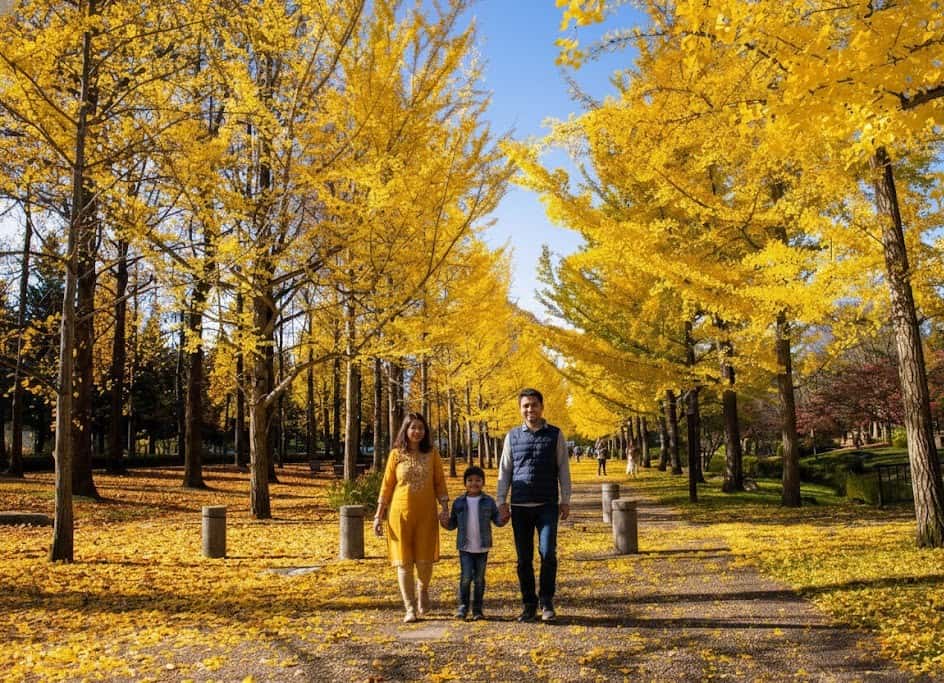
The chinar trees turn golden and red, making this the most photogenic season in Kashmir. The weather is cool and comfortable, with fewer crowds than in summer.
- Temperature: 10°C to 25°C
- Festival Highlights: Autumn colours and local harvest festivals
- Best for: Photographers, couples, and nature lovers
- Thrillophilia Insight: October offers the best autumn views in Kashmir, with golden chinar-lined roads and pleasant weather throughout the valley.
Winter (December to February)
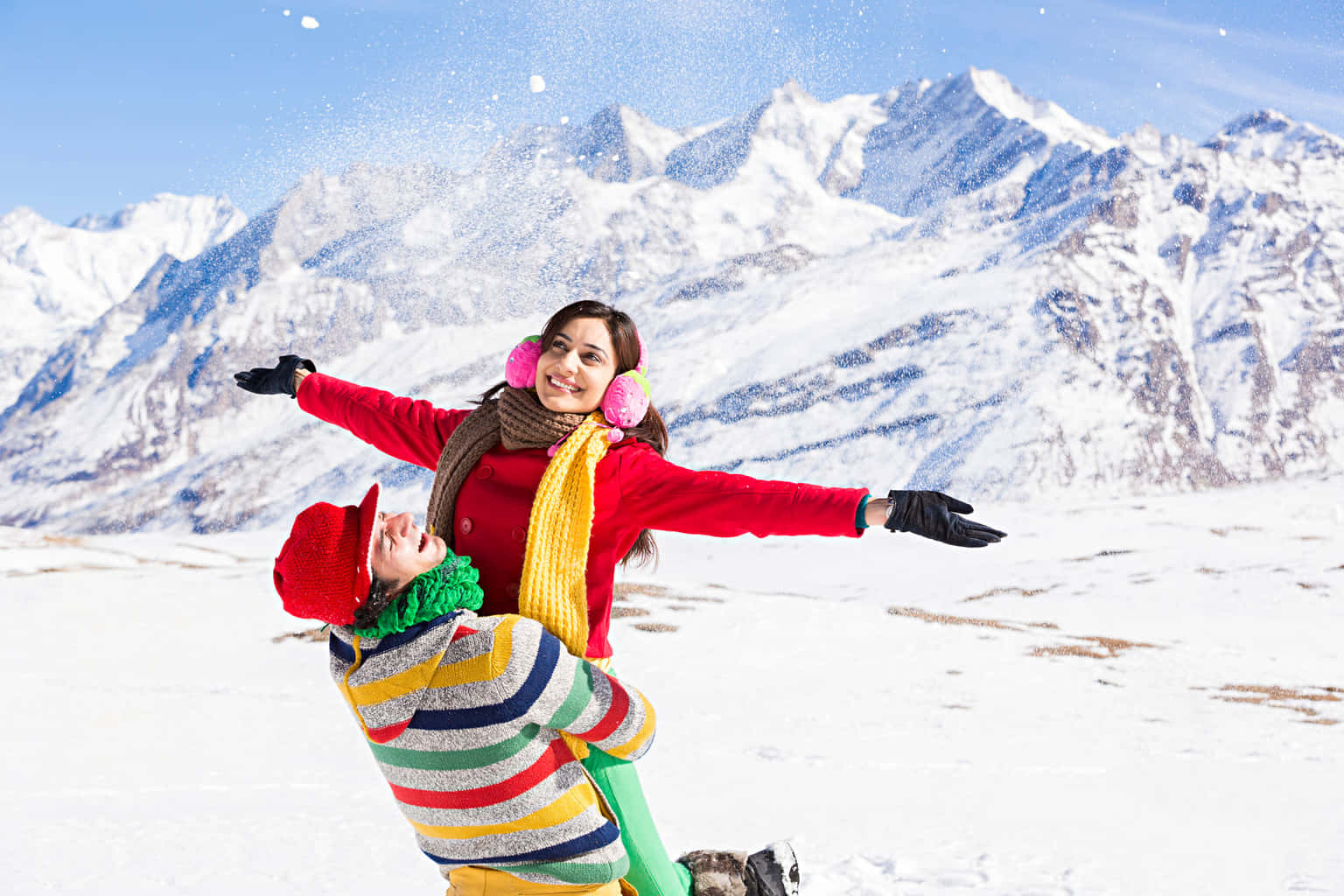
Winter transforms Kashmir into a snowy wonderland. Gulmarg becomes India's top skiing destination, while Srinagar and Pahalgam receive beautiful snowfall.
- Temperature: -5°C to 10°C
- Festival Highlights: Winter sports events and New Year celebrations
- Best for: Snow lovers, skiers, and adventure travellers
- Thrillophilia Insight: January and February are the best months to experience fresh snowfall. Carry heavy woollens, thermals, and waterproof footwear for a comfortable trip
.
Food Insights for Travellers Visiting Jammu and Kashmir
Food is an important part of the Jammu and Kashmir experience. From traditional Kashmiri dishes to familiar everyday meals, the region offers something for every taste. Whether you enjoy trying local specialities or prefer simple comfort food, you'll find plenty of delicious options throughout your trip.
Wazwan: The Traditional Kashmiri Feast
Wazwan is the most famous Kashmiri meal and is often served during weddings and special occasions. It is usually a multi-course non-vegetarian feast served on a large copper plate called a trami. The most popular dishes include Rogan Josh, Rista, Gushtaba, Yakhni, and Dum Aloo. Even if you do not want a full feast, many restaurants serve a smaller version of Wazwan that still gives you a proper taste of Kashmiri food.
- Average Meal Cost: INR 800 to INR 2,500 per person, depending on the restaurant and number of dishes
- Best for: Food lovers, families, and travellers who want to try local Kashmiri cuisine
- Thrillophilia Tip: If you are trying Wazwan for the first time, ask for a mixed platter instead of ordering too many dishes separately. It is the easiest way to sample more flavours without over-ordering.
Kahwa: The Valley’s Signature Drink
Kahwa is a traditional Kashmiri tea made with saffron, cardamom, cinnamon, and almonds. It is light, fragrant, and especially comforting in cold weather. Many travellers enjoy it after sightseeing in Gulmarg or after a long evening in Srinagar. You will find Kahwa in hotels, houseboats, cafés, and local tea stalls.
- Average Cost: INR 20 to INR 100 per cup, depending on where you drink it
- Best for: Everyone, especially winter travellers and tea lovers
- Thrillophilia Tip: If you are visiting Kashmir in winter, do not miss a hot cup of Kahwa after a snow drive. It tastes even better in cold weather.
Dum Aloo: A Simple Dish with Kashmiri Flavour
Kashmiri Dum Aloo is one of the most loved vegetarian dishes in the region. Unlike the spicy versions found in other parts of India, the Kashmiri version is rich, aromatic, and cooked in a yoghurt-based gravy with local spices. It is a safe and satisfying choice for vegetarian travellers.
- Average Meal Cost: Usually included in thali meals or priced between INR 250 to INR 600 per plate
- Best for: Vegetarians, families, and travellers who prefer mild flavours
Trout Fish in Pahalgam and Sonmarg
If you enjoy fresh fish, trout is one of the best dishes to try in Kashmir. It is especially popular in Pahalgam and Sonmarg, where the local
rivers and streams make fresh catch possible. It is usually grilled, fried, or cooked with light seasoning so the natural flavour stands out.
- Average Meal Cost: INR 500 to INR 1,200 per plate, depending on the restaurant
- Best for: Non-vegetarian travellers and seafood lovers
- Thrillophilia Tip: Trout is best eaten at small local restaurants near riverside areas, where it is often fresher and served hot.
Kashmiri Saag and Local Vegetarian Meals
For vegetarian travellers, Kashmir has plenty of comforting options like saag, paneer dishes, rice preparations, and local breads such as lavasa and girda. Most hotels and restaurants serving Indian food will also have simple vegetarian meals that suit families and older travellers.
- Average Meal Cost: INR 200 to INR 500 per meal at regular restaurants
- Best for: Vegetarians, children, and senior travellers
Everyday Food Options in Jammu and Kashmir
While Kashmiri cuisine is a highlight of the trip, travellers will also find plenty of familiar meal options across the region. Restaurants, hotels, and local eateries in Srinagar, Jammu, Katra, Gulmarg, and Pahalgam serve a wide variety of dishes, including parathas, rajma chawal, paneer preparations, biryani, dosa, idli, and thali meals. This makes it easy for families, children, and senior travellers to enjoy comfortable and familiar food throughout their journey.
Popular Restaurants and Food Experiences in Jammu and Kashmir
Restaurant / Experience
| Highlights
|
|---|
Mughal Darbar, Srinagar | Famous for Kashmiri Wazwan, Rogan Josh, and rich local meals |
Ahdoos, Srinagar | One of the most trusted names for traditional Kashmiri food and family dining |
Shamyana Restaurant, Srinagar | Popular for a mix of Kashmiri, North Indian, and vegetarian dishes |
Krishna Vaishno Dhaba, Katra | Well-known for simple vegetarian food preferred by pilgrims |
Trout Bhavana, Pahalgam | Known for fresh trout dishes and local riverside dining |
Houseboat Dining, Dal Lake | A cosy and memorable way to enjoy dinner with Kashmiri hospitality |
Thrillophilia Tip: In Srinagar and Katra, most travellers prefer having at least one meal at a local restaurant rather than only in the hotel. It gives a better feel of the place and usually tastes fresher too.
Jammu and Kashmir Travel Essentials for Travellers
Before you pack your bags, here are a few important things travellers should know to make their Jammu and Kashmir trip smooth and hassle-free.
Payments and Spending
Most hotels, restaurants, cafés, and shops in popular tourist areas accept UPI and card payments. However, carrying some cash is recommended when visiting smaller markets, remote sightseeing spots, or places where digital payments may not be available.
Recommended Cash to Carry:
- Budget travellers: INR 2,000 to INR 5,000
- Mid-range travellers: INR 5,000 to INR 10,000
- Premium travellers: INR 10,000+ for shopping and personal expenses
Thrillophilia Tip: Keep some cash handy for pony rides, local transport, small eateries, shopping, and other expenses in areas where digital payments may not be accepted.
SIM and Connectivity
Mobile network coverage is generally good in Srinagar, Jammu, Katra, and most major tourist areas. However, in some higher altitude or remote spots like parts of Sonmarg and Gulmarg, the signal can fluctuate.
You can use:
- Indian SIM cards: Airtel, Jio, Vi, and BSNL usually work in most tourist zones
- Physical SIM or eSIM: Not required unless your phone or plan needs it for specific reasons
Thrillophilia Tip: Download maps offline before your trip, especially if you are visiting remote valleys or travelling during winter.
Safety
The main tourist zones of Jammu and Kashmir are safe and actively visited by thousands of families, couples, solo travellers, and pilgrims every month. The major tourist areas are monitored, and there are clearly marked safe travel routes throughout the valley. Thrillophilia's local team stays updated on road conditions, weather, and any local advisories. Thrillophilia also offers Jammu and Kashmir Group Tour packages and 24/7 on-ground support so that you can remain stress-free during your trip.
That said, a few basic precautions always help. Stick to tourist-safe zones. Do not wander into military or restricted areas. Check weather forecasts before heading to extension destinations like Sonmarg or Pahalgam in the monsoon or winter months. Keep your phone charged and share your daily itinerary with family back home.
Anjali Deshpande, a traveller from Nagpur who booked the Highlights of Kashmir package, shared, "I'm a solo traveller, and safety was my main concern. The team made me feel so secure from the first sales call to daily WhatsApp check-ins. My driver treated me like a sister and showed me the best spots in Old Srinagar. The team even called me after I reached Nagpur. This winter trip was the bravest and best thing I've ever done."
Reviews like this reflect why so many solo travellers choose Thrillophilia’s Jammu and Kashmir packages with confidence. From carefully selected local partners and trusted drivers to proactive on-ground support and regular check-ins throughout the journey, the focus remains on ensuring a safe, comfortable, and memorable travel experience.
A few simple things can make your trip smoother:
- Dress modestly, especially while visiting temples and local religious places
- Use verified taxis and local drivers recommended by your travel provider
- Keep your ID and travel documents safely packed
- Follow local weather advisories, especially during winter or heavy snowfall
- Avoid late-night travel in remote areas unless arranged through a trusted operator
Thrillophilia Tip: During winter, road conditions can change quickly in hill areas. It is always better to plan sightseeing with some buffer time.
Jammu and Kashmir Travel Planning Insights and Seasonal Updates (Updated as of June 2026)
Based on traveller preferences, seasonal conditions, and on-ground destination expertise, here are some important experiences, pilgrimage updates, and travel insights that can help you plan a smoother and more rewarding Jammu and Kashmir holiday.
Topic
| Key Information
| Thrillophilia Planning Tip
|
|---|
Amarnath Yatra 2026 | The yatra is scheduled from 3 July to 28 August 2026. Pilgrims must register online and obtain a Compulsory Health Certificate (CHC). Pregnant women beyond six weeks of pregnancy are not permitted. | Thrillophilia offers dedicated Amarnath Yatra packages with assistance for registration, accommodation, transfers, and helicopter bookings, helping pilgrims focus on the spiritual experience rather than logistics. Thrillophilia also provide Amarnath Yatra helicopter tour package, so that you don’t need to worry about any of this as we will take care of it all for you. |
Baltal vs Pahalgam Route | The Amarnath Yatra has two main routes, one that starts from Baltal and the other that starts from Pahalgam. Baltal is a 14 km trek that can be completed in a day, while the traditional Pahalgam route covers approximately 48 km over 3-5 days. | First-time pilgrims and families often prefer the Pahalgam route for gradual acclimatisation, while experienced trekkers usually choose Baltal for a shorter pilgrimage. |
Helicopter Services to Panjtarni | Helicopter services operate from both Baltal and Pahalgam, reducing the final trekking distance to around 6 km. | Helicopter seats are limited and often sell out weeks in advance. Travellers planning during peak pilgrimage dates should secure bookings as early as possible. |
Tulip Festival, Srinagar | The annual festival takes place between late March and mid-April, showcasing millions of tulips in bloom. | Travellers visiting Kashmir during spring should book flights and hotels at least 6–8 weeks in advance as this is one of the most popular seasonal events in the valley. |
Doodhpathri Valley | Located around 45 km from Srinagar, Doodhpathri is known for its meadows, pine forests, and riverside landscapes. | Many travellers now add Doodhpathri as a day excursion from Srinagar to experience a quieter alternative to Gulmarg and Pahalgam. Thrillophilia also offers dedicated Doodhpathri day trips with Kashmir packages. |
Gurez Valley | One of Kashmir's most scenic offbeat destinations, accessible mainly between May and September. | Best suited for travellers planning longer Kashmir itineraries of 7 days or more who wish to explore beyond the traditional tourist circuit. |
Gulmarg Gondola Advisory | Gondola tickets are released in limited numbers and frequently sell out during peak tourist seasons. | Thrillophilia recommends booking Gondola tickets well in advance, especially between December-February and April-June, when demand is highest. |
High-Altitude Travel Advisory | Attractions like Apharwat Peak, Sonmarg, and Amarnath involve significantly higher elevations than Srinagar. | Travellers should keep at least one flexible day in their itinerary, stay hydrated, and avoid over-scheduling activities immediately after arriving in Kashmir. |
Winter Snow Experiences | Gulmarg receives some of India's best snowfall between December and February, making it a leading ski destination. | Thrillophilia's winter itineraries often include snow activities, skiing experiences, and Gondola access, making trip planning easier during peak snow season. |
Vaishno Devi Pilgrimage | One of India's most visited pilgrimage sites, accessible throughout the year from Katra. | Many travellers combine Vaishno Devi with Srinagar, Gulmarg, and Pahalgam in a single itinerary to experience both the spiritual and scenic sides of Jammu and Kashmir. |
Why Book Jammu and Kashmir Tour Packages with Thrillophilia
At Thrillophilia, we handle the planning, bookings, and on-ground coordination so you can enjoy a smooth and stress-free holiday. Here's what makes our Jammu and Kashmir packages stand out:
- Regular Safety Updates: Our local team closely tracks weather conditions, road accessibility, and travel updates across Kashmir. Before your trip, we share important travel information to help you plan better.
- Vaishno Devi Registration Assistance: If your package includes Vaishno Devi, we assist with the yatra registration process, helping you save time and avoid last-minute hassles.
- Gondola Ticket Support: Gulmarg Gondola tickets often sell out quickly during peak season. We help arrange tickets in advance for eligible packages, making your trip planning easier.
- Verified Houseboat Stays: We work with carefully selected houseboats on Dal Lake that meet quality, cleanliness, and safety standards, ensuring a comfortable stay.
- Clear and Transparent Pricing: We clearly mention what is included in your package, including hotels, transfers, meals, and experiences. There are no hidden surprises, and you know exactly what to expect before you travel.
- 24/7 On-Trip Support: Our local support team is available throughout your journey to assist with any questions or travel-related concerns.


.jfif?w=1536&q=65&format=auto)
.jpg?w=1536&q=65&format=auto)
.jpg?w=1536&q=60&format=auto)
.jpg?w=1536&q=60&format=auto)





_jpg_auto_x2_colored_toned-transformed.jpeg?w=1536&q=60&format=auto)






.JPG?w=1536&h=300&q=65&format=auto)