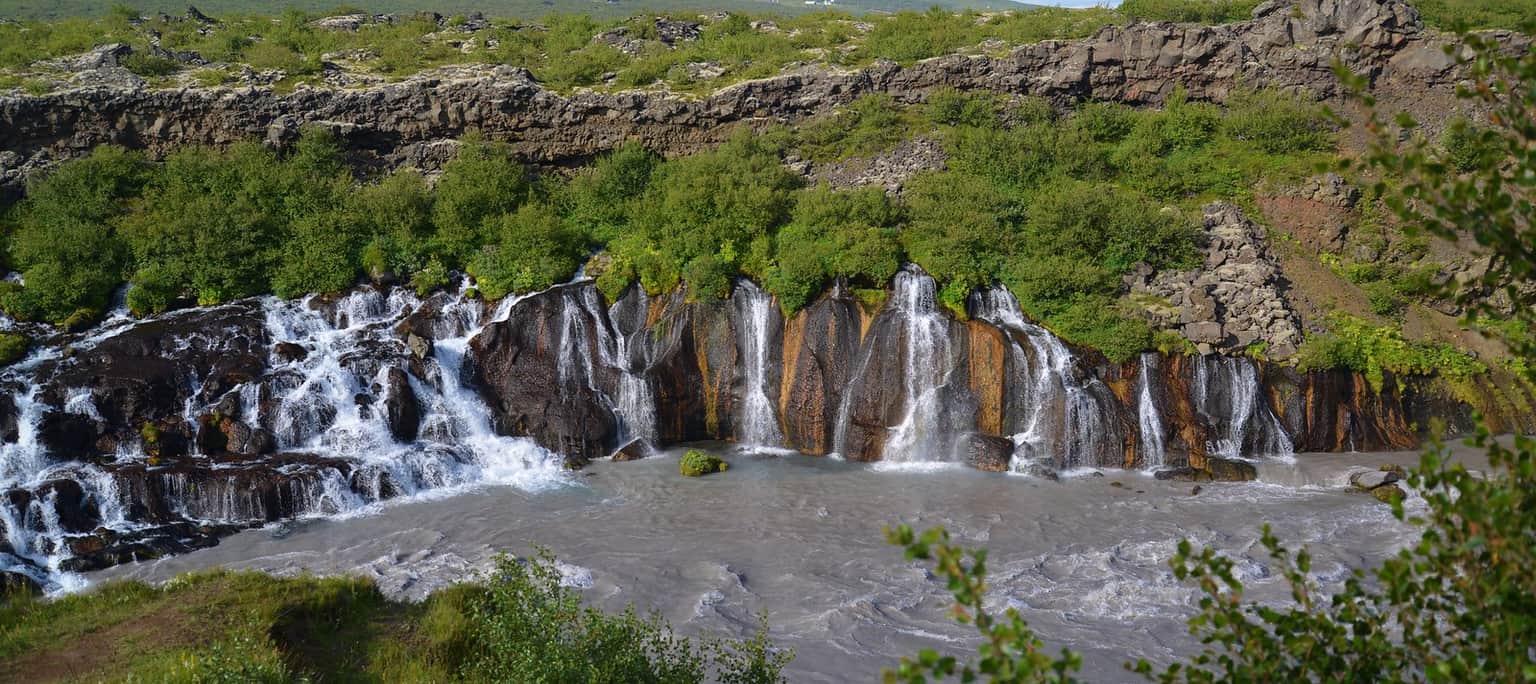
Hraunfossar, Iceland
About Hraunfossar
Day Wise Timings
Burj Khalifa opening hours through the week.
Hraunfossar Highlights

Why Choose Thrillophilia?
3 Million+
Happy customers from 70+ countries all around.
4.8/5
Rated across Trip Advisor and Google reviews.
Curated With Love
Special curated Indian itineraries built for Indians.
24/7 Assistance
Always there to help before and during trips.

Point of Interest for Hraunfossar
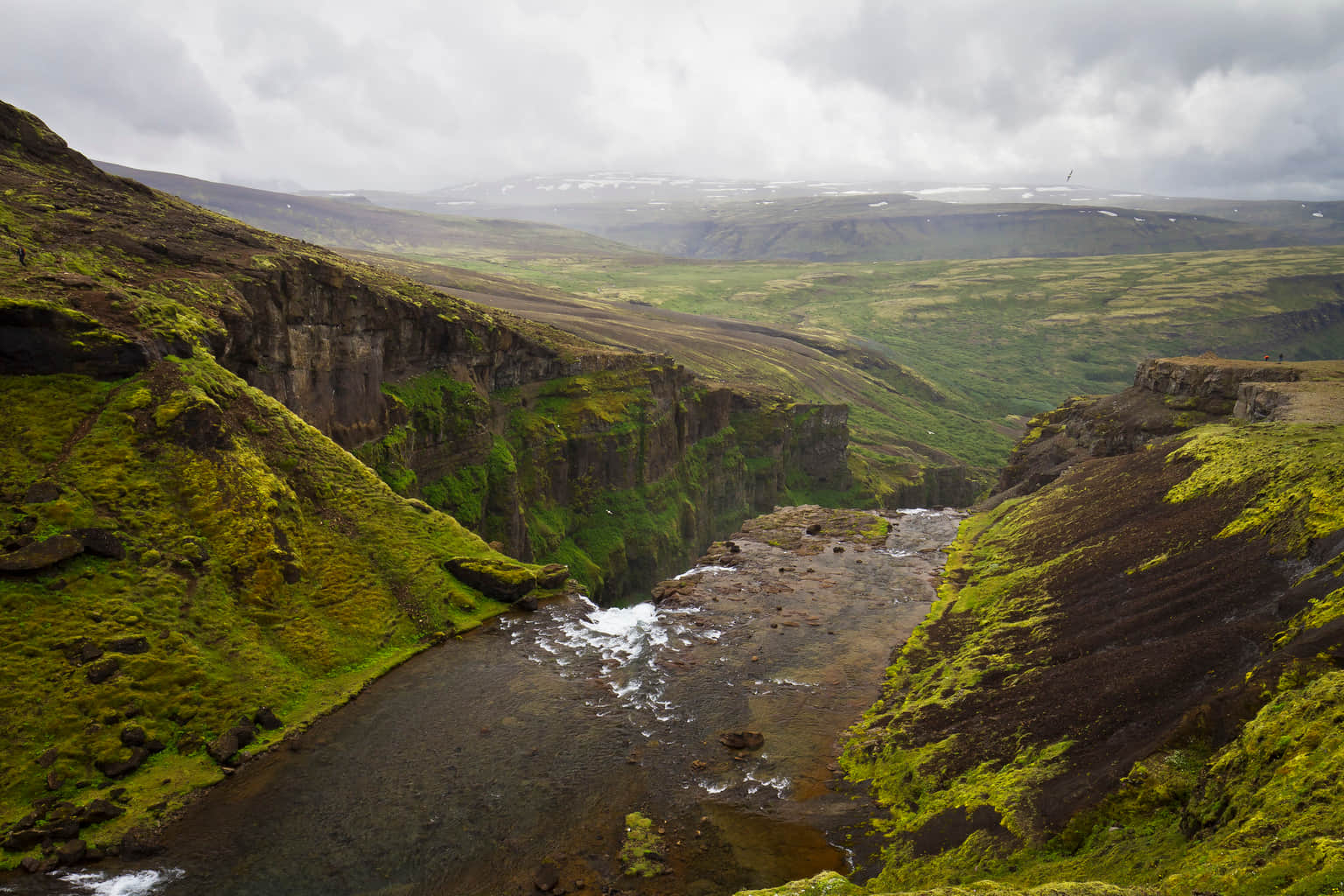
Explore the Walking Trails and Viewpoints
The area around Hraunfossar and Barnafoss is crisscrossed with well-maintained walking trails and viewpoints, providing visitors with multiple angles from which to view the waterfalls. These trails offer varying perspectives, from close-up views of the cascading waters to panoramic vistas of the surrounding landscape. Information boards along the paths provide insights into the area's geological formations, local legends, and flora and fauna. The trails are relatively easy to navigate, making them accessible for visitors of all ages and fitness levels.
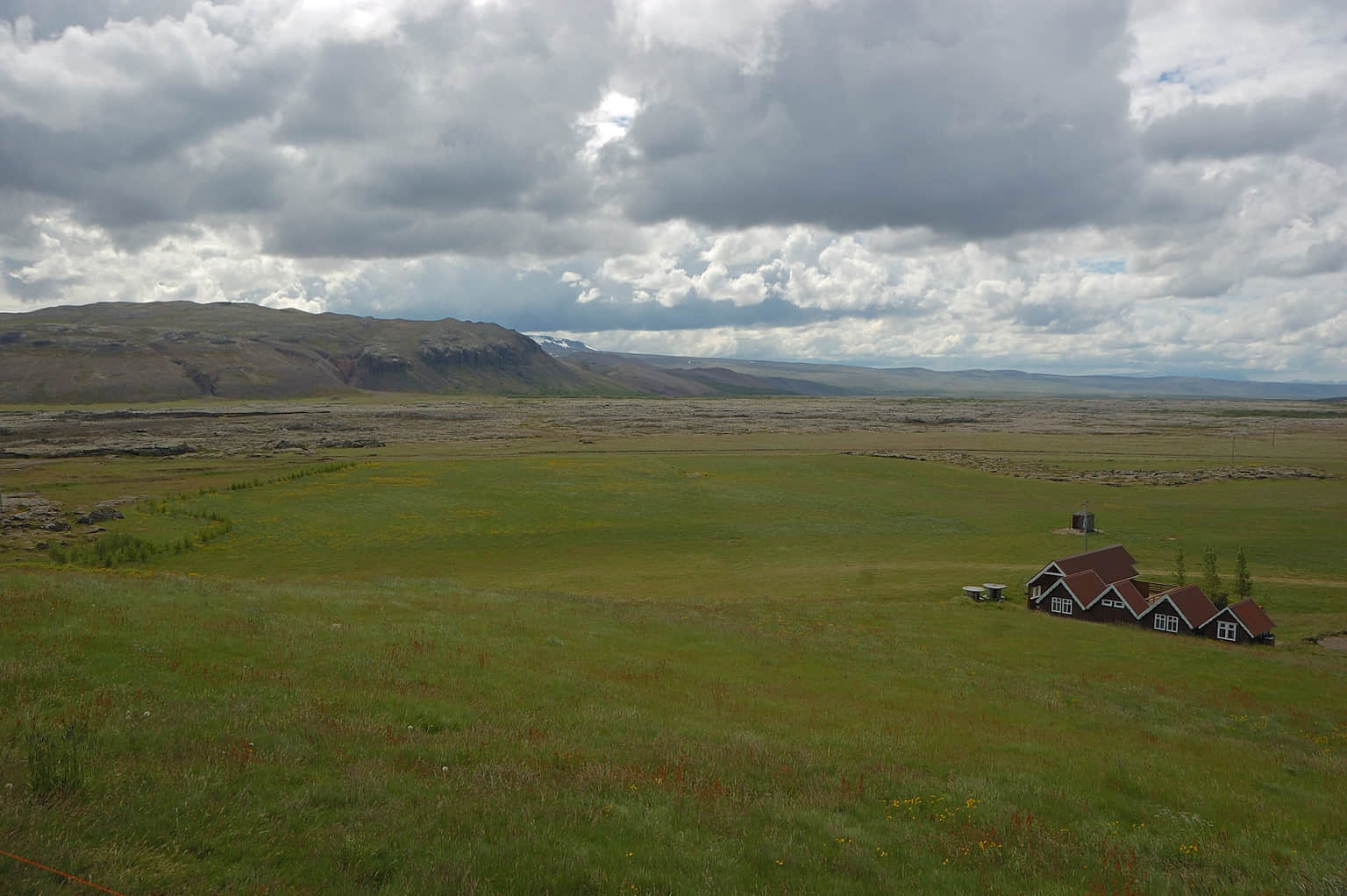
Visit the Hallmundarhraun Lava Field
The Hallmundarhraun lava field, from which the waters of Hraunfossar emerge, is a fascinating geological feature. Formed by volcanic eruptions over a thousand years ago, this extensive lava field stretches across the landscape, offering a glimpse into Iceland's volcanic history. Visitors can explore the rugged terrain and observe the unique textures and formations of the solidified lava. The lava field also supports a variety of plant life, providing an interesting study of how life can thrive in such seemingly inhospitable environments.
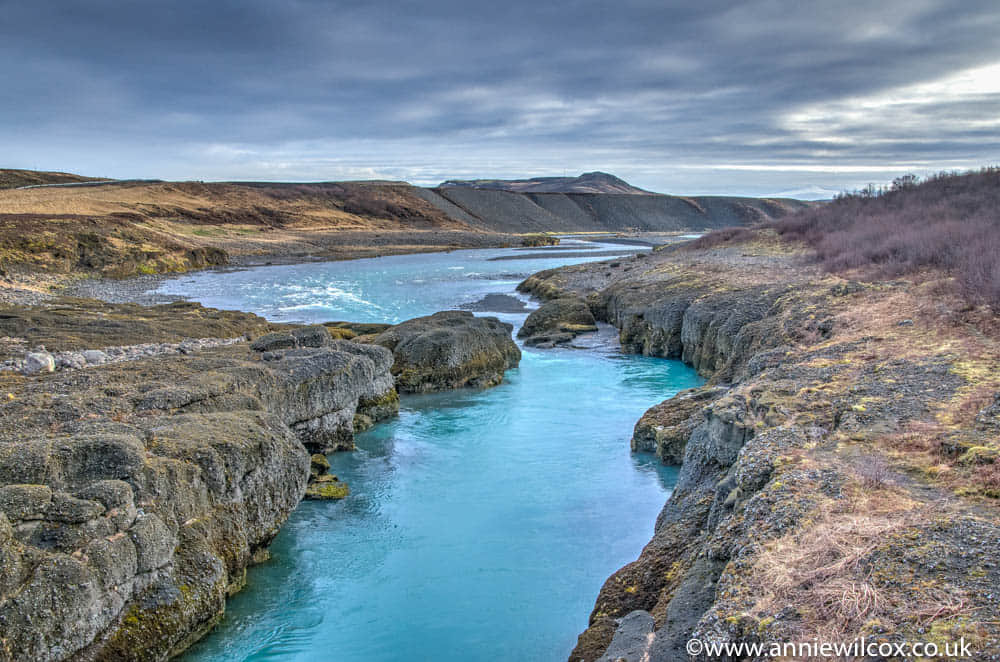
Marvel at the Hvita River
The Hvita River, into which both Hraunfossar and Barnafoss flow, is another point of interest in the area. The river's name, meaning "White River," is derived from its milky blue color, caused by glacial silt from the Langjökull glacier. The river's dynamic flow and striking color contrast the black lava and green vegetation. In the summer, the river's banks are adorned with vibrant wildflowers, adding to the site's natural beauty. The Hvítá River is also popular for activities like fishing and white-water rafting, offering adventurous visitors an opportunity to engage with the landscape in a more active way.
Popular Related Attractions
.jpg?w=1536&q=65&format=auto)
More Things to Do in Iceland
Quick links to everything else worth a slot on a longer stay.