Reviewed by Thrillophilia Kenya Operations Team
Updated as of June 2026
Masai Mara tour packages by Thrillophilia start from INR 1,46,408 per person for a 5-day safari and go up to INR 2,26,452+ per person for longer 9-day wildlife holidays covering multiple parks across Kenya. Whether you are planning your first African safari, a honeymoon, a family adventure, or a bucket-list wildlife journey, there is a well-planned itinerary to suit every travel style and budget.
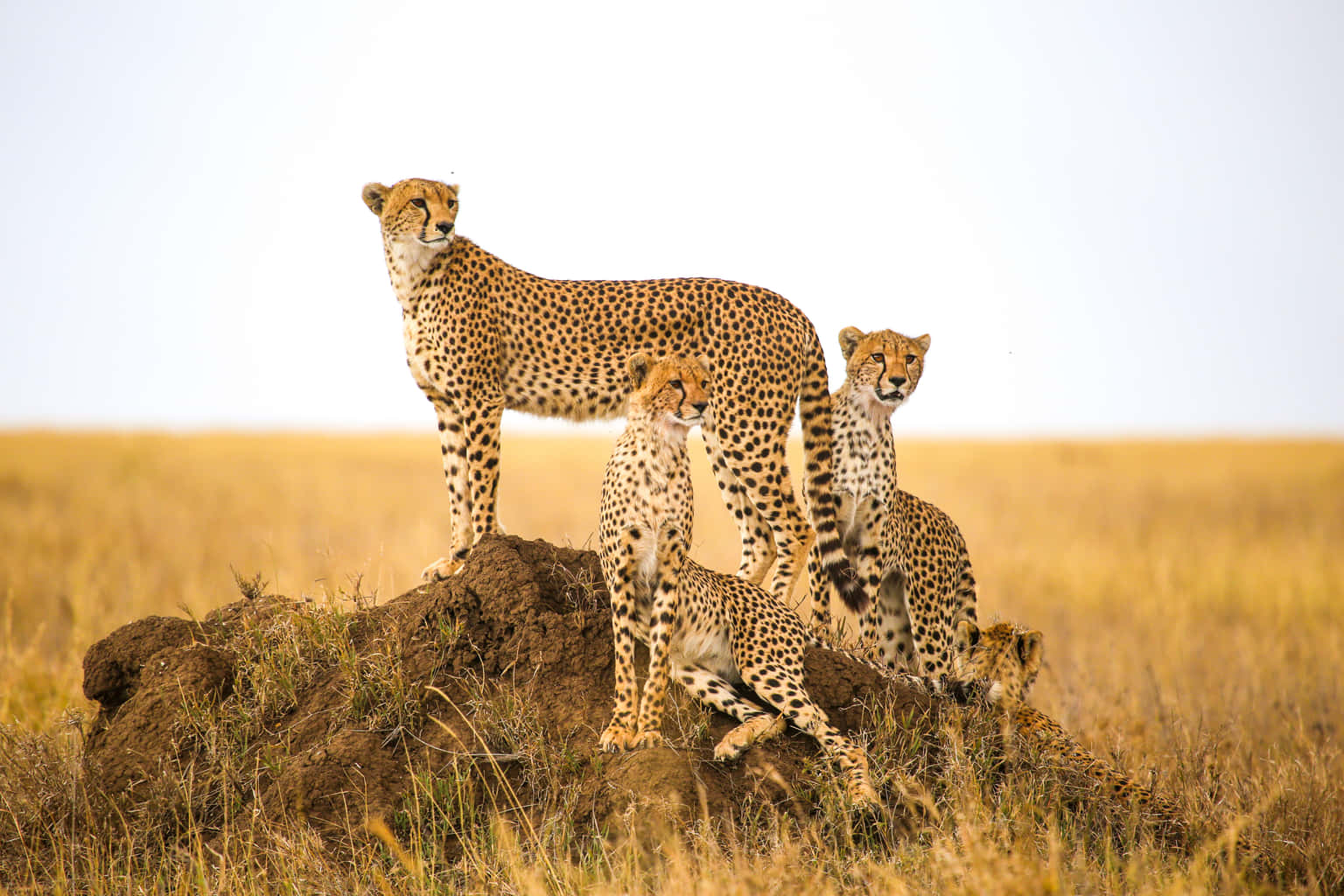
The Masai Mara is one of the world's most famous safari destinations and is best known for the Big Five, vast savannah landscapes, and the Great Wildebeest Migration. Home to lions, elephants, leopards, rhinos, buffaloes, cheetahs, giraffes, and hundreds of bird species, it offers some of Africa's most rewarding wildlife experiences throughout the year.
Backed by a 4.7/5 rating across thousands of traveller reviews and years of operating safaris in East Africa, Thrillophilia designs Masai Mara packages with realistic travel schedules, carefully selected lodges, experienced local guides, and seamless logistics. Most itineraries include accommodation, game drives, airport transfers, selected meals, park entry arrangements, and 24/7 on-trip support. Several Kenya itineraries also include comfortable road transfers in private Sedans, SUVs, or safari vehicles, depending on group size and route requirements, helping travellers move smoothly between Nairobi, Lake Naivasha, Amboseli, and the Masai Mara.
With thousands of successful wildlife holidays planned across East Africa, Thrillophilia continuously refines its Masai Mara itineraries based on traveller feedback, seasonal wildlife movement patterns, and on-ground operational expertise. This ensures that every itinerary balances game drives, travel time, accommodation quality, and wildlife experiences to deliver a rewarding safari experience from start to finish.
Masai Mara Packages by Traveller Type
Not every Masai Mara trip looks the same. A honeymoon couple wants a private drive and sundowners on the plains. A family needs a comfortable pace with kid-friendly lodge stops. An adventure traveller wants to push across to the Serengeti. Here is a quick guide to help you find the right package.
Traveller Type | Duration | Starting Price (Per Adult) | Why Choose It |
|---|
Couples and Honeymooners | 6 Days | INR 1,65,990+ | Private game drives, sunset sundowners over the savannah, romantic lodge stays near the Mara. |
Families | 7 Days | INR 1,59,000+ | Family-friendly pace, Giraffe Centre Nairobi, Lake Naivasha boat ride, comfortable lodge transfers. |
First-Time Safari Travellers | 5 Days | INR 1,46,408+ | Entry-level Masai Mara trip covering the core Big Five experience. Best value for first-time India to Masai Mara travellers. |
Adventure Travellers | 8 Days | INR 3,00,999+ | Combines two of Africa's greatest wildlife reserves for an unmatched cross-border safari experience. |
Beach and Safari Travellers | 9 Days | INR 2,26,452+ | Ends with Mombasa's coast and Diani Beach, offering the classic Africa wildlife-and-beach combination. |
Premium Travellers | 9 Days | INR 3,54,517+ | Multi-ecosystem safari covering Amboseli, Naivasha, Nakuru, and Masai Mara in super-deluxe lodge stays. |
Note: Prices above are starting rates for land-only packages and may vary based on travel dates, lodge category, and customisations.
Masai Mara Trip Cost from India: What to Expect
The cost of a Masai Mara trip from India depends on your package duration, lodge category, safari type, and whether you add extensions like Diani Beach or the Serengeti. For a 7-day mid-range Kenya trip covering Nairobi, Masai Mara, and one additional park, the total spend for two people typically falls between INR 3,00,000 and INR 5,00,000, including return flights.
Expense | Budget | Mid-Range | Premium |
|---|
Accommodation per night | INR 3,000-6,000 (bush camps near park boundary) | INR 8,000-18,000 (standard tented lodge) | INR 20,000-60,000+ (luxury conservancy lodge) |
Meals per day | INR 800-1,500 (lodge basics included in most packages) | INR 2,000-5,000 | INR 6,000-15,000+ |
Internal transport | INR 1,500-3,000 (road transfers included in package) | INR 3,000-7,000 | INR 8,000-20,000+ (fly-in safari upgrade) |
Activities and entry fees | INR 2,000-5,000 (park fees included in most packages) | INR 2,000-5,000 | INR 2,000-5,000 |
What Is Included in a Thrillophilia Masai Mara Package
- Most Masai Mara safari packages by Thrillophilia cover the following as standard:
- Safari lodge or tented camp accommodation near or inside the reserve boundaries, chosen for proximity to game-rich zones and easy morning drive access
- Daily breakfast and dinner at the lodge; many packages include lunch as full-board, depending on the tier
- Airport arrival and departure transfers from Nairobi Jomo Kenyatta International Airport (NBO) to your first and last accommodation. Transfers on the Kenya Highlights package use a private Sedan or SUV, depending on group size
- Intercity road transfers between all parks and destinations in the itinerary
- ame drives in open 4x4 safari vehicles with licensed local guides who know animal movement patterns across the Mara
- National park and reserve entry fees for all destinations listed in the itinerary
- Nairobi city experiences, such as the Giraffe Centre where available in the itinerary
- 24/7 on-trip support from Thrillophilia's operations team
What Is Not Included in Most Masai Mara Packages
- International flights from India to Nairobi and return
- Kenya eTA visa fee (approximately INR 4,200 to INR 8,400 depending on processing type)
- Travel insurance, which is strongly recommended for all international trips
- Hot air balloon safari over the Mara (available as a premium add-on, approximately INR 30,000 to INR 45,000 per person)
- Lunch, unless specifically mentioned in the package details
- Tips, gratuities for drivers, guides, and hotel staff
- Optional excursions and personal expenses
How to Reach Masai Mara from India: Flights and Visa Guide
The Masai Mara is not a city with its own airport. It is a reserve accessed overland from Nairobi, which is where your international flight lands. The main arrival point for all Kenya safaris is Nairobi's Jomo Kenyatta International Airport (NBO).
India to Kenya Flight Details
Departure Cities | New Delhi (DEL), Mumbai (BOM), Bengaluru (BLR), Chennai (MAA), Hyderabad (HYD), Kochi (COK) |
Arrival Airport | Jomo Kenyatta International Airport, Nairobi (NBO) |
Direct Flights | No direct flights currently operate between India and Nairobi |
Common Connecting Hubs | Dubai (DXB), Addis Ababa (ADD), Doha (DOH), Nairobi via Entebbe |
Total Flight Duration | Approximately 8 to 14 hours, including layover, depending on route and airline |
Round-Trip Fare | INR 35,000 to INR 70,000 per person on average, depending on airline, season, and advance booking |
Major Airlines | Kenya Airways, Ethiopian Airlines, Emirates, Qatar Airways, Air India (via connections) |
From Nairobi, the Masai Mara is approximately a 5 to 6-hour drive on mostly paved roads. Thrillophilia's packages include all road transfers as part of the package cost. Fly-in options via domestic charter flights (Wilson Airport, Nairobi to Mara airstrips) are available as premium upgrades and cut travel time to around 45 minutes.
Kenya eTA Visa for Indian Travellers (As of June 2026)
Indian passport holders need an Electronic Travel Authorisation (eTA) before travelling to Kenya. The eTA replaced the traditional visa system and can be applied for entirely online.
eTA Fee | Approximately USD 50 to USD 100 (INR 4,200 to INR 8,400), depending on processing type |
Stay Allowed | Up to 90 days per visit |
Processing Time | 2 to 5 working days for standard processing |
Application | Online via the official Kenya eTA portal. Receive approval by email; carry a printed copy when travelling |
Documents Required for Kenya eTA
- A valid passport with at least 6 months of validity beyond your travel dates
- A recent passport-sized photograph with a white or plain background
- Scanned copy of the biodata page of your passport
- Confirmed return flight tickets or onward travel details
- Proof of accommodation for your stay in Kenya (hotel voucher or lodge booking)Yellow fever vaccination certificate if arriving from or via a yellow fever endemic country
Thrillophilia provides confirmed hotel and lodge vouchers, day-by-day itinerary documents, and a complete pre-departure checklist to help with your Kenya eTA application.
Best Places and Experiences to Include in Your Masai Mara Trip
The Masai Mara is the centrepiece, but Kenya packs in a remarkable range of experiences within easy reach. From flamingo-lined salt lakes and Kilimanjaro backdrops to Indian Ocean beaches and Nairobi's unique city wildlife, here is what to include in your trip.
Masai Mara National Reserve
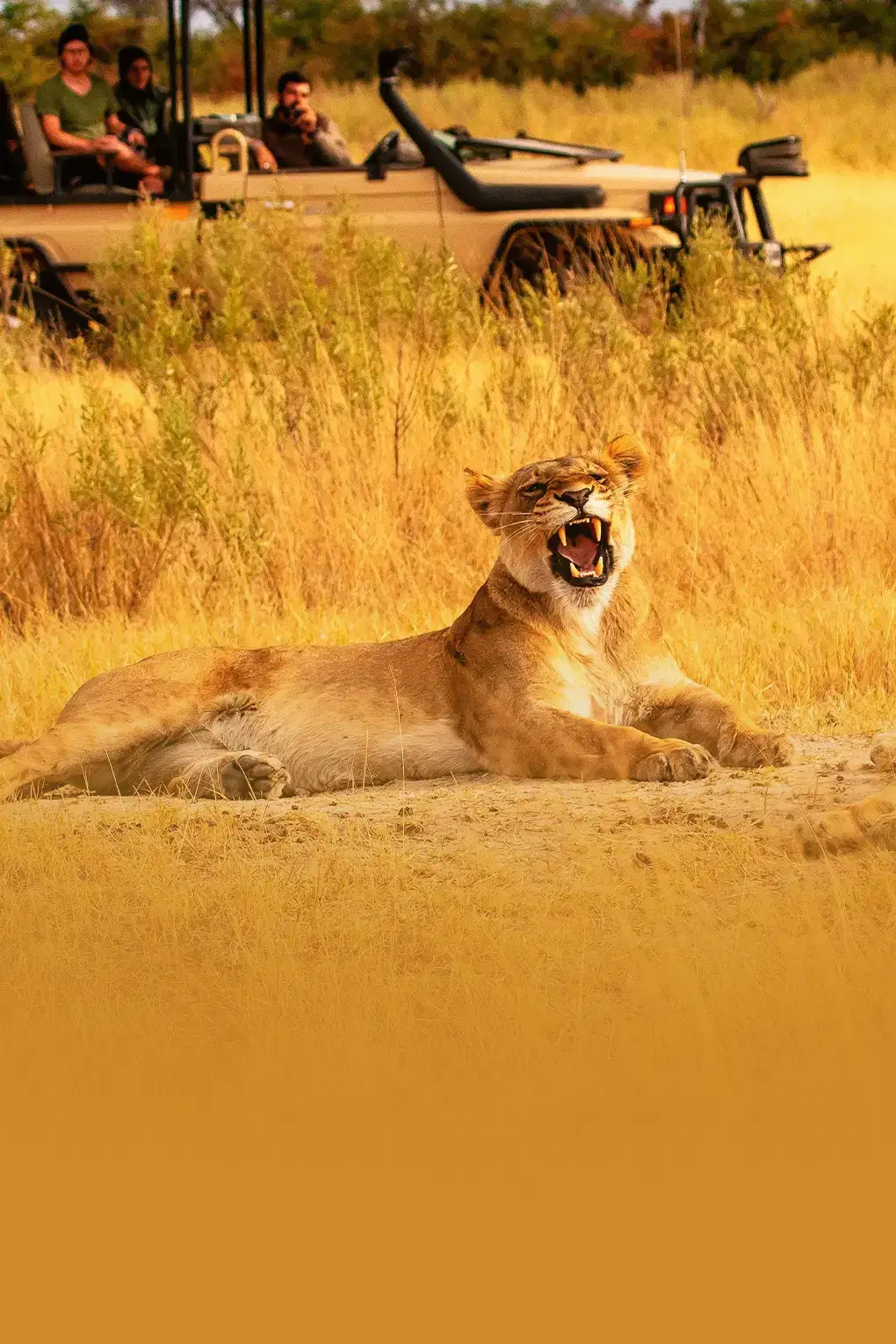
The Masai Mara is the main reason most Indian travellers book a Kenya trip. Covering 1,510 square kilometres of open savannah, it is home to all of the Big Five and has one of the highest predator densities anywhere on the planet. Between July and October, the Great Wildebeest Migration brings over 1.5 million animals into the Mara ecosystem, with dramatic Mara River crossings that are genuinely one of nature's most jaw-dropping events.
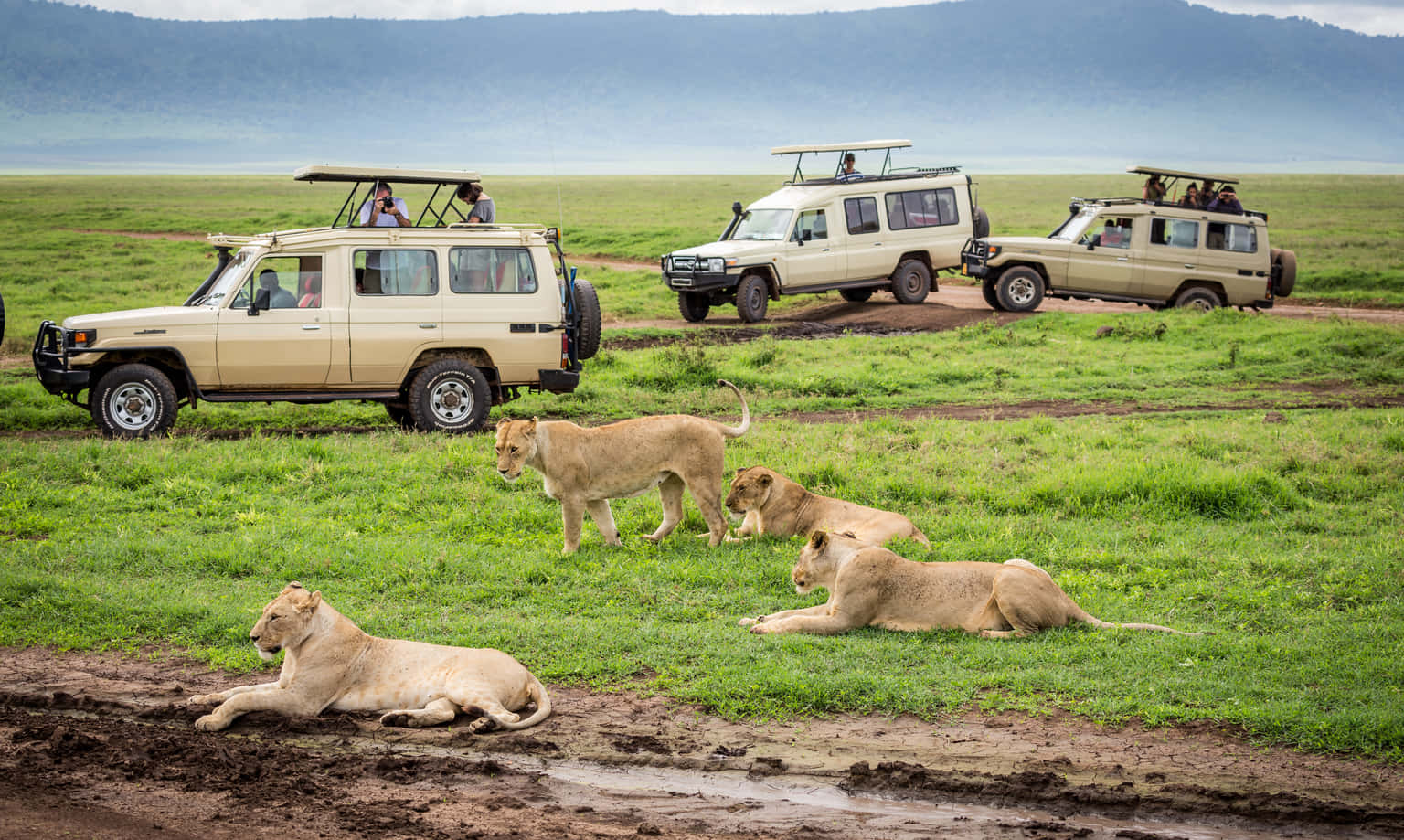
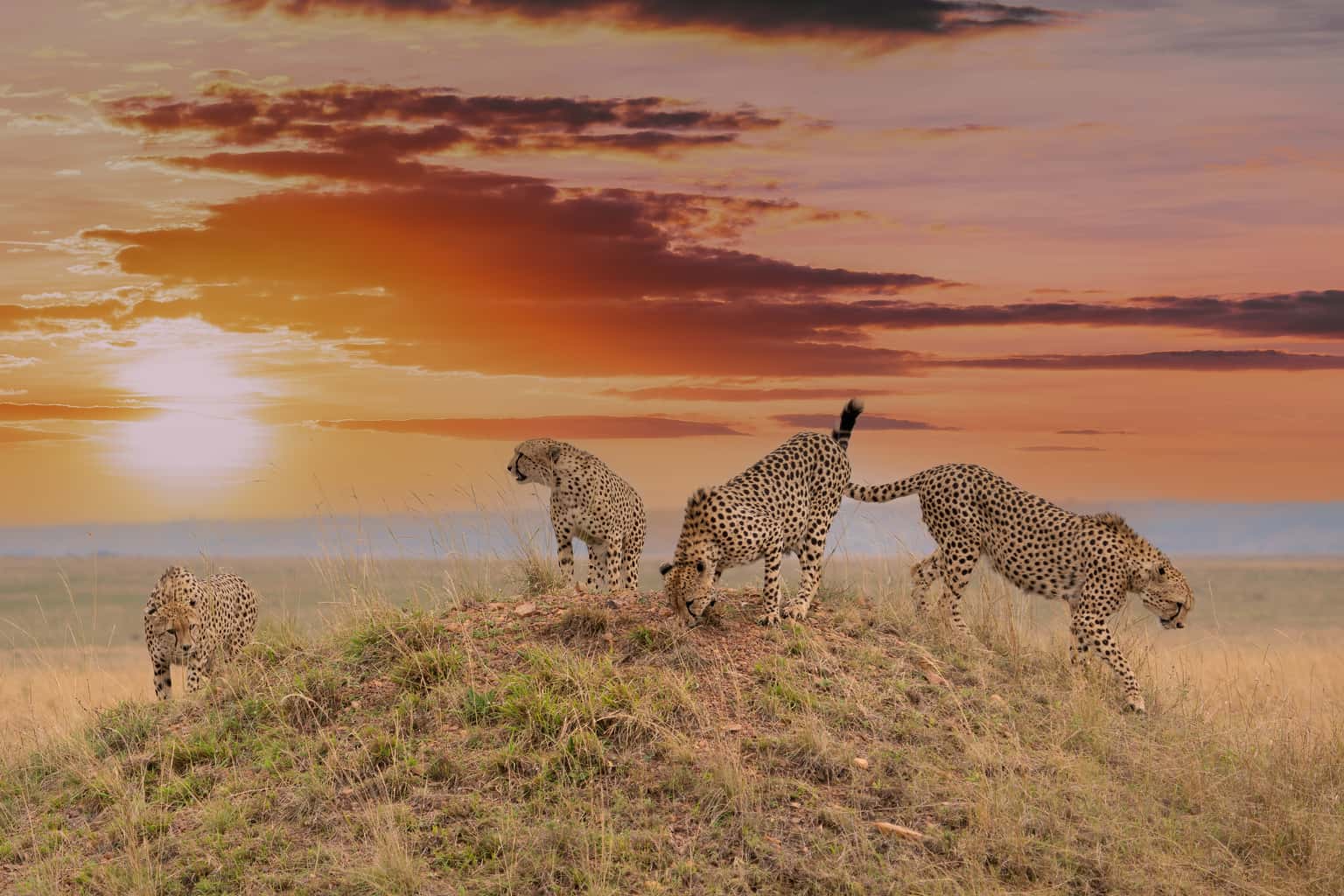
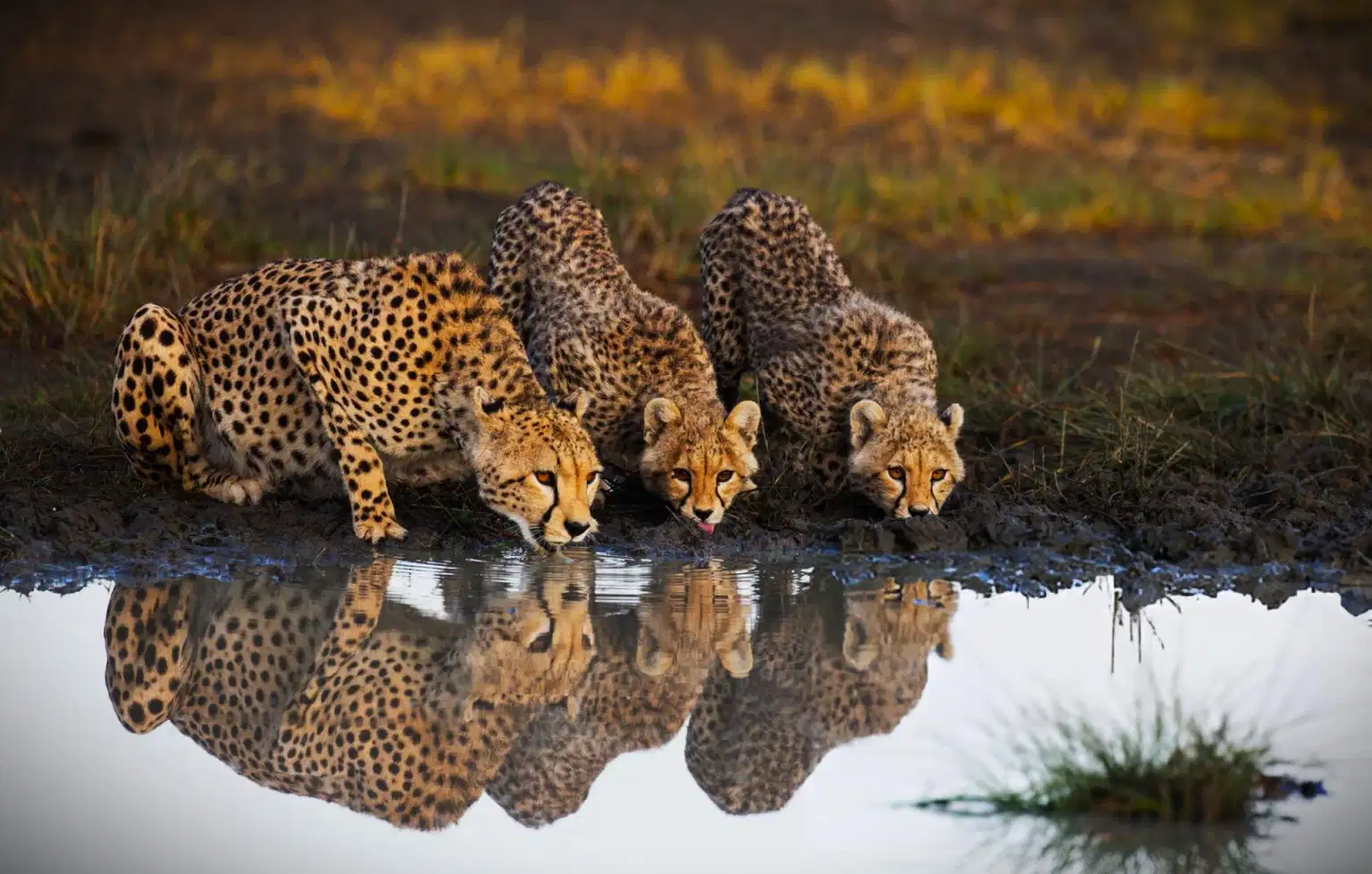
Morning game drives, which start at 6 AM, give you the best chances of seeing lions, cheetahs, and leopards in active hunting mode before the midday heat. Full-day drives let you explore the deeper zones of the reserve where the terrain shifts and wildlife sightings feel much more exclusive. Our guides have spent years learning the Mara's terrain and know where the big cats tend to rest, which water crossings to watch, and how to position the vehicle for the best viewing angles.
"I thought I had seen wildlife on TV a hundred times, but nothing comes close to seeing a lion ten metres away. Our guide knew where to find them every time. It was completely unforgettable." Shared by Sanjay Verma from Pune, who booked Kenya Highlights | Adventure in Heartland of Africa in April 2026.
- Best For: All travellers, first-time safari goers, wildlife photographers, families
- Park Entry Fee: Approximately USD 80 per adult per day (INR 6,700), included in most Thrillophilia packages
- Best Time: July to October for the Great Migration; January to March for excellent wildlife sightings with fewer crowds
- Thrillophilia Tip: Morning game drives starting at 6 AM give you the best chances of seeing predators in action. Do not sleep in on safari days.
Nairobi
Most Masai Mara packages start and end in Nairobi, and it genuinely deserves a day or two of its own. The Giraffe Centre lets you hand-feed endangered Rothschild giraffes from an elevated wooden platform - one of the most charming wildlife encounters you will find anywhere in Africa. The David Sheldrick Wildlife Trust is a rescue and rehabilitation centre for orphaned baby elephants that you can visit during the morning feeding hour. Nairobi National Park, just 7 kilometres from the city centre, is the only national park in the world situated within a capital city and offers game drives with the Nairobi skyline as a backdrop.
- Best For: Families, first-time Africa visitors, travellers with a spare day between safari legs
- Giraffe Centre Entry: Around INR 1,500 to INR 2,000 per adult
- Thrillophilia Tip: Book the David Sheldrick elephant orphanage visit in advance online; the morning feeding slots fill quickly
Lake Naivasha
Lake Naivasha is a freshwater lake in the Great Rift Valley, about two hours from Nairobi. A boat ride on the lake gets you remarkably close to hippos, water buffalo, and hundreds of bird species, including African fish eagles and kingfishers. The lake area is also home to Crescent Island, a small wildlife sanctuary where you can walk freely among zebras, giraffes, and wildebeest on foot - something that is not possible inside most national parks.
- Best For: Families, couples, birdwatchers, travellers who prefer a gentler nature experience
- Boat Ride Cost: Around INR 1,200 to INR 2,500 per person
- Crescent Island Entry: Around INR 3,500 to INR 5,000 per person, including guide
- Thrillophilia Tip: Combine your Naivasha visit with a cycling or gorge walk at Hell's Gate National Park, just nearby
Amboseli National Park
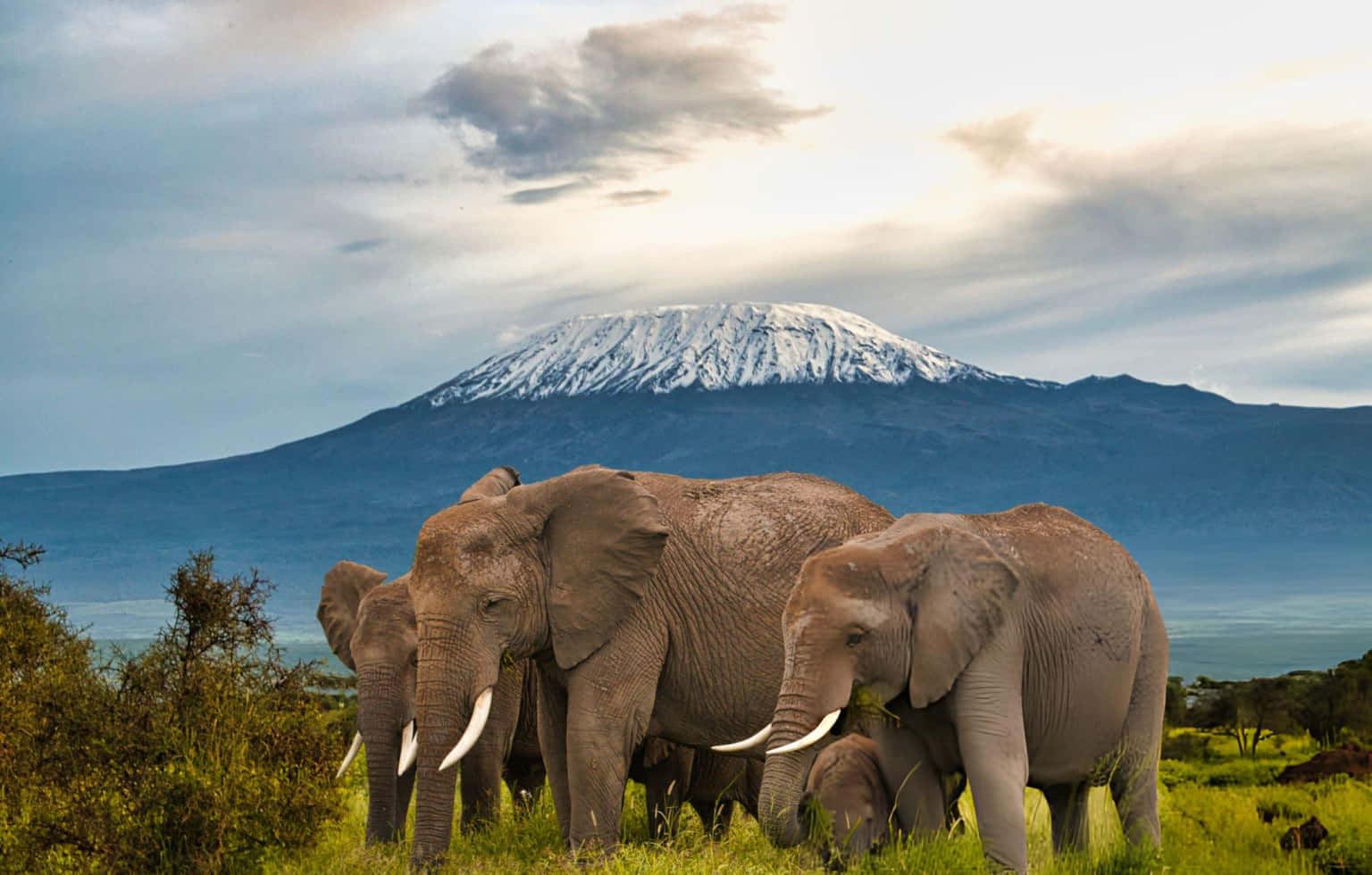
Amboseli is Kenya's second most popular national park and sits right next to Mount Kilimanjaro, Africa's highest peak, whose snow-capped summit you can see clearly from across the Kenyan border on a clear morning. The park is famous for its large, well-studied elephant herds that roam across open grasslands and marshy plains. The combination of elephants in the foreground and Kilimanjaro in the background makes for some of the most iconic wildlife photographs taken anywhere in Africa.
- Best For: Photographers, families, elephant lovers, travellers who want the classic Kilimanjaro backdrop
- Park Entry Fee: Approximately USD 60 per adult per day (INR 5,000)
- Thrillophilia Tip: Early morning drives give you Kilimanjaro clear of cloud cover and elephants near the swamp edges
Lake Nakuru National Park
Lake Nakuru is most famous for its flamingo flocks, which historically turn the lake shoreline a vivid pink. Flamingo numbers fluctuate depending on water and algae levels, but the park remains one of the best in Kenya to see white and black rhinos. It also supports healthy populations of lions, leopards, and large herds of buffalo. The park sits in a scenic bowl surrounded by acacia forest and rocky escarpments, and it makes a rewarding half-day or full-day extension from Lake Naivasha.
- Best For: Wildlife photographers, birdwatchers, rhino enthusiasts
- Park Entry Fee: Approximately USD 60 per adult per day (INR 5,000)
- Thrillophilia Tip: Visit in the morning for flamingo viewing and the best light for photography
Diani Beach and Mombasa
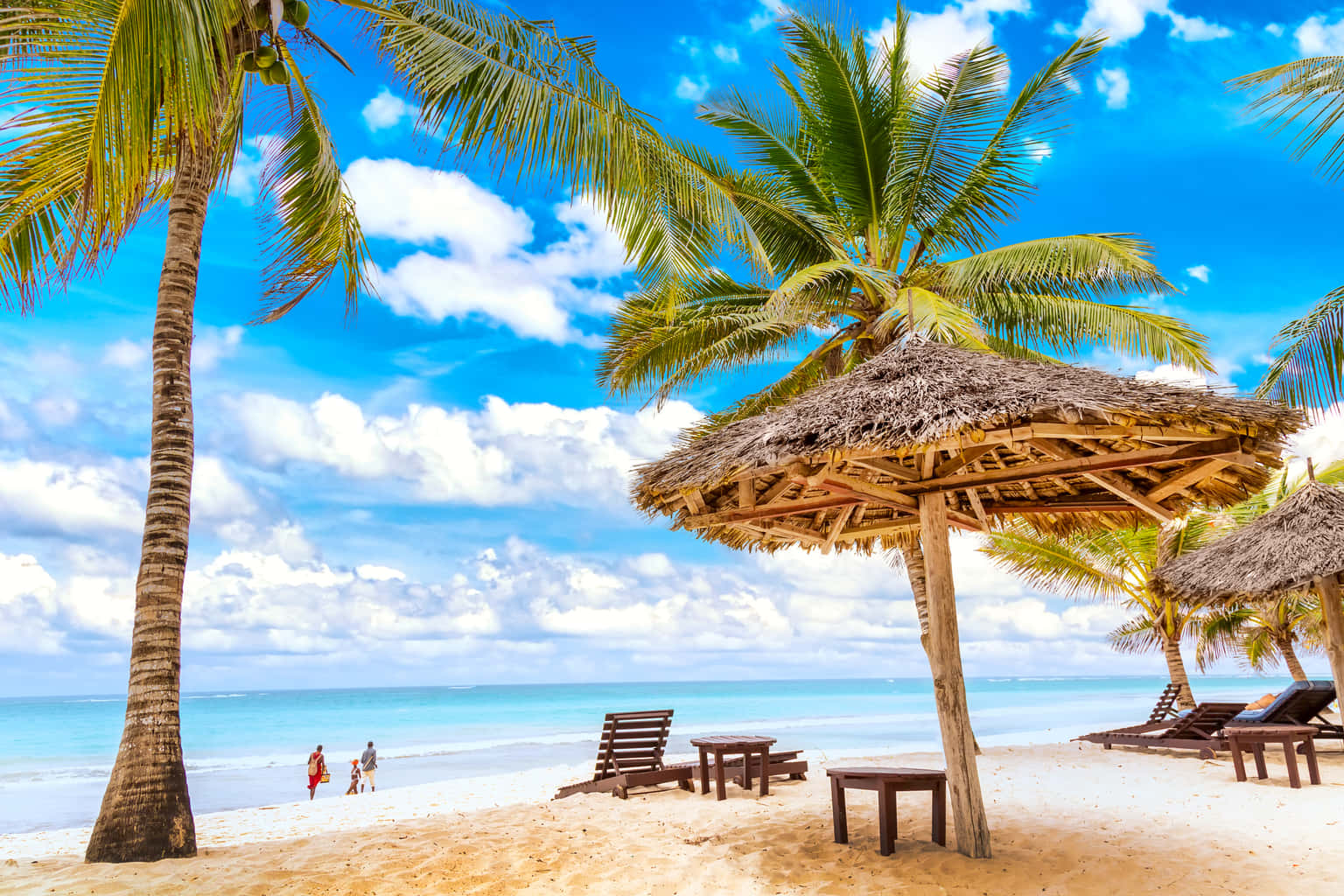
Kenya's Indian Ocean coast is a completely different experience from the safari circuit. Diani Beach, about an hour south of Mombasa, is widely considered one of the finest beaches in Africa - 17 kilometres of white sand and clear turquoise water. Adding two to three nights at Diani at the end of your safari gives you the classic wildlife-and-beach combination that very few destinations in the world can offer within the same trip. Mombasa's old town is also worth half a day, with its Swahili architecture, Fort Jesus, and a lively coastal food scene.
- Best For: Honeymooners, couples, families, anyone wanting a beach wind-down after safari
- Best Time for Diani Beach: October to March for calm seas and sunny weather on the South Coast
- Fort Jesus Entry: Around INR 1,500 per adult
- Thrillophilia Tip: The Discover Kenya with Diani Beach package already includes this coastal extension, so you do not need to arrange it separately
Hot Air Balloon Safari over Masai Mara
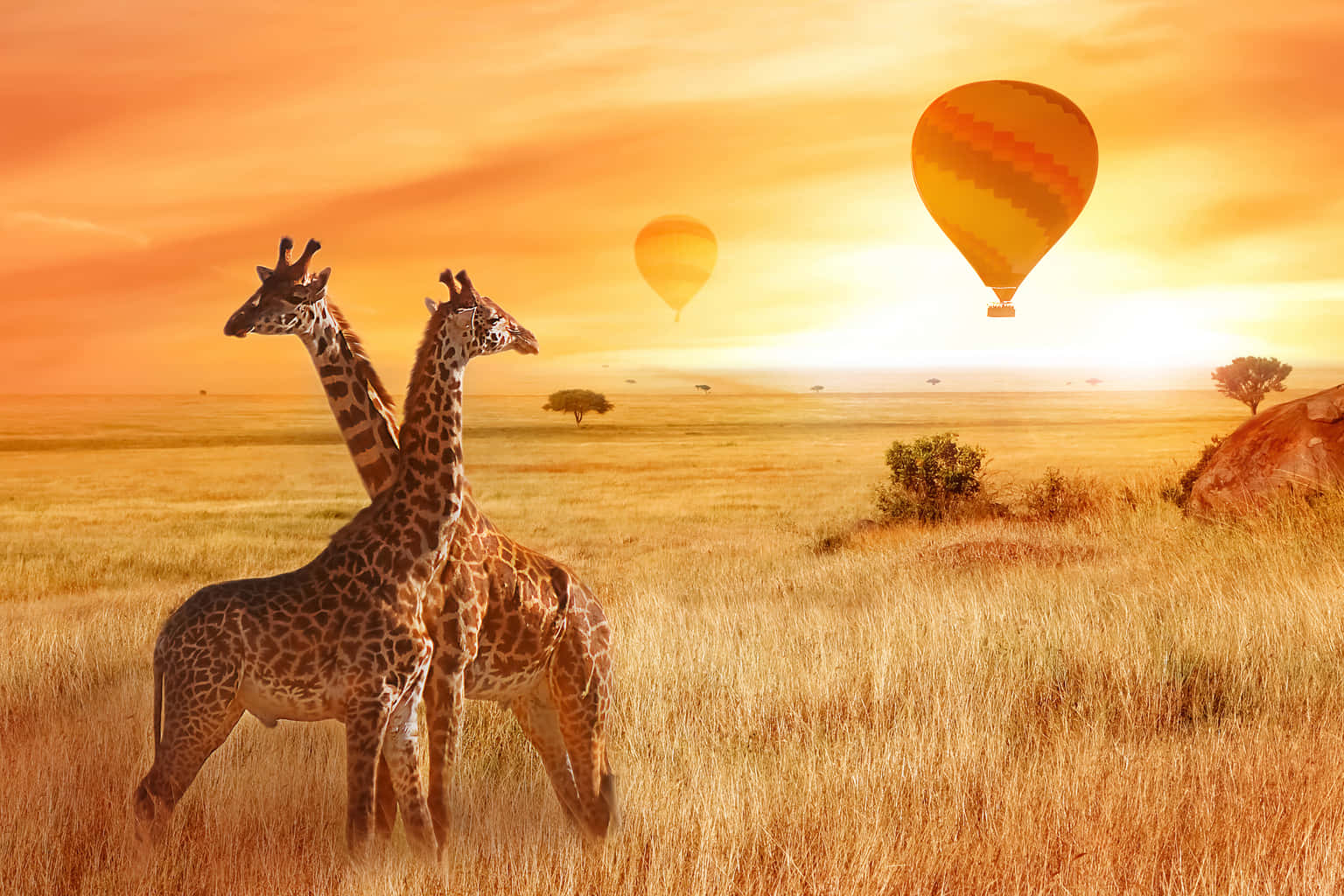
Watching the Mara from the ground during a game drive is already extraordinary. Floating over it in a hot air balloon at sunrise, 300 metres above herds of elephants and watching hippos in the rivers below, is something that stays with you for the rest of your life. The flight lasts roughly one hour and ends with a bush breakfast champagne toast on the open plains. It is expensive, but most travellers who have done it describe it as the single best moment of their entire Kenya trip.
- Best For: Couples, honeymooners, serious wildlife photographers, bucket-list travellers
- Cost: Approximately INR 30,000 to INR 45,000 per person, depending on operator and season
- Duration: About 1 hour in the air; 4 to 5 hours total, including transfers and breakfast
- Thrillophilia Tip: Book at least 2 to 3 months in advance during peak season (July to October). Slots fill very fast
Maasai Village Cultural Visit
A visit to a Maasai village is one of the most culturally rich experiences you can have on a Maasai Mara trip. The Maasai are one of Africa's most iconic indigenous communities and still maintain many of their traditional customs - from the adumu jumping dance and warrior training to their distinctive red shukas and intricate beadwork. A well-run community visit covers genuine interactions: entering traditional homes, watching fire-making demonstrations, and browsing handmade beadwork created by community members. The Nashulai Maasai Conservancy and Mara North Conservancy both offer respectful, community-led experiences.
- Best For: All travellers, culture enthusiasts, families
- Cost: Around INR 1,500 to INR 3,000 per person, depending on the operator
- Thrillophilia Tip: Choose community-run visits over staged lodge-arranged demonstrations for a more genuine experience
Most Popular Masai Mara Itineraries by Duration and Travel Style
The ideal Masai Mara trip from India depends on how much time you have and how much you want to include. Here are three popular itineraries to give you a sense of what each duration actually covers on the ground.
5-Day Masai Mara Package: Kenya Highlights
Starting from INR 1,46,408 per adult (land only) | Best For: First-time safari travellers, budget-conscious visitors, short Kenya getaways
- Day 1: Arrive at Nairobi Jomo Kenyatta International Airport. Transfer to your hotel in Nairobi. Evening orientation and dinner.
- Day 2: Morning transfer to Lake Nakuru National Park. Afternoon game drive to see rhinos, flamingos, and leopards. Overnight at lodge.
- Day 3: Transfer to Masai Mara National Reserve. Evening game drive across the savannah.
- Day 4: Full day in Masai Mara with early morning Big Five game drive and afternoon predator-focused drive. Optional Maasai village visit.
- Day 5: Morning transfer from lodge back to Nairobi. Transfer to Jomo Kenyatta International Airport for departure.
7-Day Kenya Itinerary
Starting from INR 1,59,000 per adult (land only) | Best For: Families, couples, travellers wanting a well-rounded Kenya experience
- Day 1: Arrive in Nairobi. Afternoon visit to the Giraffe Centre and David Sheldrick Elephant Orphanage. Evening in Nairobi.
- Day 2: Morning drive to Lake Naivasha. Afternoon boat ride on the lake for hippos and birdlife. Optional Crescent Island walk.
- Day 3: Morning at Hell's Gate National Park (cycling or gorge walk safari). Afternoon drive to the Masai Mara.
- Day 4: Full day in the Masai Mara with morning and afternoon game drives. Maasai village visit in the evening.
- Day 5: Early morning game drive in the Mara. Afternoon transfer to Nairobi.
- Day 6: Optional Nairobi city exploration or leisure. Evening international departure.
- Day 7: Return to India.
9-Day Masai Mara Safari
Starting from INR 3,54,517 per adult (land only) | Best For: Premium travellers, comprehensive safari seekers, those who want the full Kenya experience
- Day 1: Arrive in Nairobi. Hotel check-in; evening at leisure.
- Day 2: Morning at Nairobi - Giraffe Centre and David Sheldrick Trust. Afternoon drive to Amboseli National Park.
- Day 3: Full day in Amboseli with elephant herds and Mount Kilimanjaro views. Morning and afternoon drives.
- Day 4: Morning drive to Lake Naivasha. Afternoon boat ride and optional Crescent Island walk.
- Day 5: Day trip to Lake Nakuru National Park for rhinos and flamingos. Return to Naivasha for overnight.
- Day 6: Transfer to Masai Mara. Afternoon half-day game drive.
- Day 7: Full day in Masai Mara with morning and afternoon drives. Optional hot air balloon at dawn.
- Day 8: Morning game drive. Maasai cultural village visit. Afternoon return to Nairobi.
- Day 9: Transfer to Nairobi Jomo Kenyatta International Airport for departure to India.
Best Time to Visit the Masai Mara from India
The Masai Mara can be visited year-round, but timing matters enormously for specific experiences. The Great Wildebeest Migration is the most famous reason to time your visit carefully, but even outside migration season, the Mara offers excellent wildlife sightings throughout the year.
Season | Months | Temperature | Best For | Indian Holiday Alignment |
|---|
Peak Dry Season | July to October | 15°C to 28°C | Great Migration, Big Five sightings, hot air balloon | School summer holidays and Dussehra break (October) |
Short Dry Season | January to March | 18°C to 30°C | Wildlife spotting with fewer visitors, Diani Beach | New Year holidays and winter break |
Long Rains | April to June | 18°C to 26°C | Budget travel, green landscapes, birdwatching | Not ideal; limited migration activity and muddy tracks |
Short Rains | November to December | 17°C to 28°C | Light showers, green scenery, some migration activity | Diwali break (November) and Christmas holidays (December) |
Thrillophilia Insight: For Indian travellers, July to October aligns well with school summer holidays, but it is also when lodge rates are highest and availability is tightest. If the Great Migration is your primary goal, book at least 4 to 5 months in advance. For a more relaxed and cost-effective Masai Mara trip, January to March offers very good wildlife sightings at noticeably lower prices.
Food Guide for Indian Travellers in Masai Mara and Kenya
Kenyan food is hearty and more vegetarian-friendly than many travellers expect. The coastal belt carries centuries of Indian Ocean spice trade influence, which means some dishes will feel genuinely familiar. Most Thrillophilia safari packages include full-board or half-board meals at safari lodges, so you are unlikely to go hungry on the road.
Must-Try Kenyan Dishes
Dish | What It Is |
Nyama Choma | Kenya's most beloved street and restaurant food. Slow-roasted goat or beef over open wood fires, served with ugali (dense maize porridge) and kachumbari salad. |
Ugali | A thick maize flour staple eaten with almost every Kenyan meal. Similar in concept to India's makki ki roti, but much denser. Scooped by hand to pick up stews and vegetables. |
Pilau | A Swahili spiced rice dish with deep roots in the Indian Ocean trade. Made with whole spices and a slow-cooking process that infuses the rice with rich flavour. Will feel very familiar to Indian travellers. |
Sukuma Wiki | Kenya's everyday vegetable side. Braised collard greens cooked with onion and tomato. Naturally vegetarian and widely available. |
Mandazi | East African fried dough similar to a lightly sweet, cardamom-scented doughnut. Common at breakfast alongside strong Kenyan chai. |
Kenyan Chai | Kenya grows some of the world's finest tea in the highlands around Kericho. Kenyan chai is brewed strong and milky, very similar in style to Indian masala chai. |
Indian and vegetarian food is available in Nairobi's Westlands, Parklands, and Upperhill neighbourhoods. Safari lodge kitchens are experienced with Indian vegetarian requirements and can prepare dal, rice, and vegetable dishes with advance notice through Thrillophilia's operations team.
Masai Mara Travel Essentials for Indian Travellers
Currency and Payments
The official currency of Kenya is the Kenyan Shilling (KES). As of June 2026, 1 KES is approximately INR 0.55. USD is widely accepted across lodges, safari operators, and popular tourist areas, and most park entry fees are quoted in USD. Nairobi's major hotels and restaurants accept Visa and Mastercard, but rural areas and some park entry points require cash. Carry a mix of US dollars and Kenyan Shillings.
SIM and Connectivity
Buying a local SIM at Nairobi Jomo Kenyatta Airport is the most convenient way to stay connected. Safaricom (M-Pesa) is Kenya's most reliable network with good 4G coverage in Nairobi and reasonable coverage along major safari routes. Coverage inside the reserve can be patchy, which many travellers consider part of the experience. eSIM options are available for compatible smartphones.
Health and Vaccinations
• A Yellow Fever vaccination certificate is required if arriving from or via a yellow fever endemic country. Confirm requirements with your doctor before travel.
• Malaria is present in Kenya, particularly in low-altitude areas and national park regions. Consult a travel health physician about antimalarial medication at least 4 to 6 weeks before your trip.
• Use insect repellent containing at least 50% DEET and wear long sleeves and trousers at dawn and dusk when mosquitoes are most active.
• Kenya has banned single-use plastic bags. Luggage may be scanned on arrival. Bring a reusable water bottle from home.
Safety Tips
• Always remain inside the safari vehicle during game drives unless your guide gives explicit permission to step out
• Use registered, licensed safari vehicles. Thrillophilia works only with vetted local partners
• In Nairobi, use Uber or Bolt rather than unmarked taxis
• Keep photocopies of your passport and eTA approval separate from the originals
• Dress modestly when visiting Maasai villages and ask for permission before photographing community members
Why Book Masai Mara Tour Packages with Thrillophilia
Planning a Masai Mara safari from India involves coordinating an international flight to Nairobi, a Kenya eTA visa, safari lodge bookings, national park entry logistics, and road transfers that can add up to 10 hours of driving across a multi-destination itinerary. Thrillophilia takes care of all of these, so you arrive with everything confirmed and no on-ground planning to worry about.
• 24/7 on-trip support from before departure for visas and documents, and throughout your time in Kenya for any hotel, safari, or transfer issues
• Transparent pricing with clear inclusions so you know exactly what you are paying for before you book
• All Kenya packages can be customised based on your travel dates, budget, group size, and preferred park combinations
• We work with licensed guides and lodges selected for their reliability, vehicle standards, and English proficiency. Our partners know the parks and understand how to maximise wildlife sightings
• Hot air balloon safaris, peak-season lodge availability, and specific park entry slots are booked well in advance to prevent last-minute unavailability
• We provide confirmed lodge vouchers, transport documentation, and a complete pre-departure checklist in the format required for a smooth Kenya eTA application

.png?w=1536&q=65&format=auto)
.png?w=1536&q=65&format=auto)