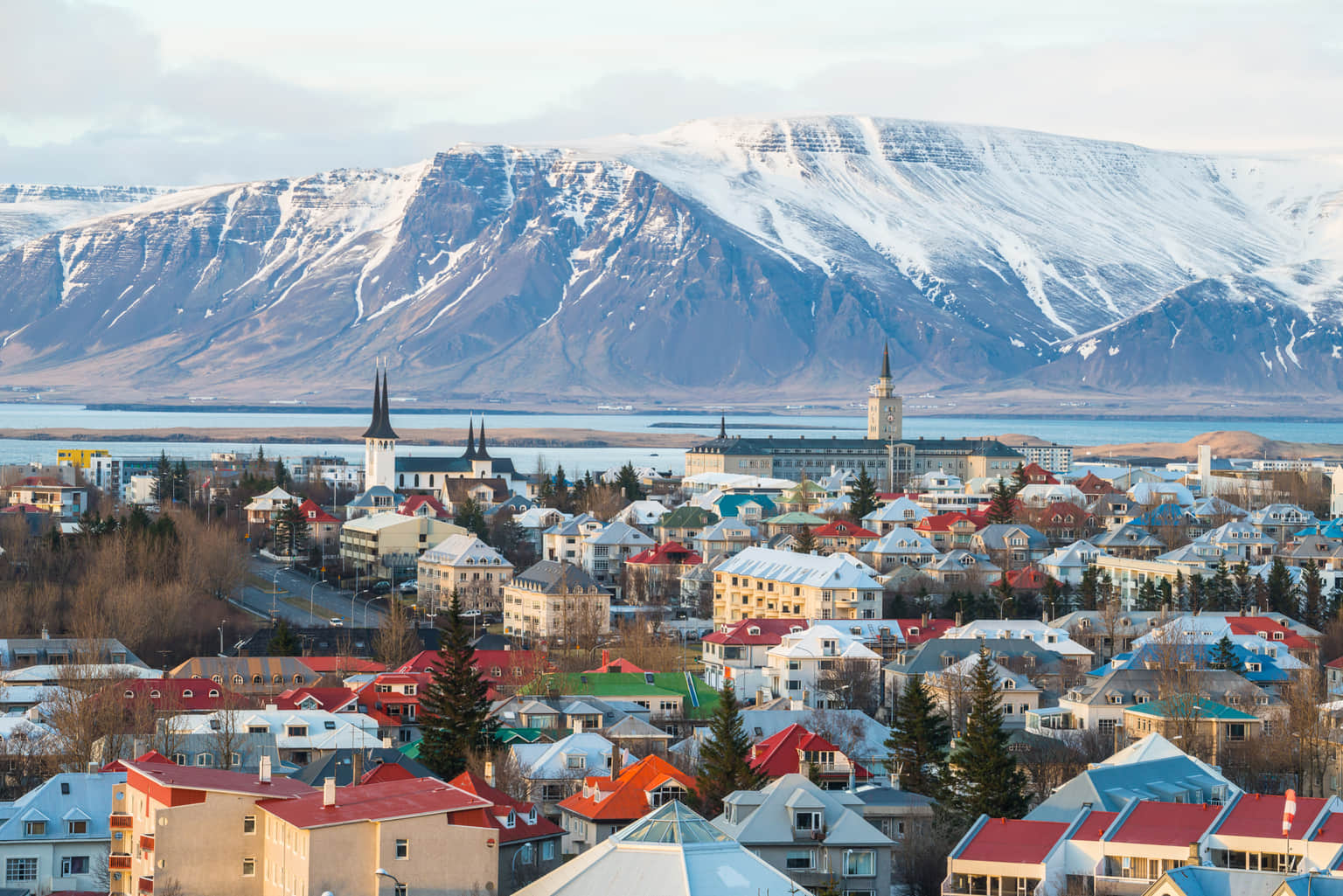
Perched on the edge of the North Atlantic, Reykjavik is the world’s northernmost capital, known for its colourful streets, creative culture, and dramatic natural setting. Despite its compact size, the city offers a remarkably rich travel experience where Viking heritage, modern design, and powerful landscapes come together effortlessly.
Things to do in Reykjavik span cultural landmarks, outdoor experiences, and everyday local rituals. The skyline is dominated by Hallgrímskirkja, whose observation tower provides panoramic views of the harbour, surrounding mountains, and volcanic plains. Along the waterfront, Harpa Concert Hall reflects Iceland’s contemporary spirit through its striking glass façade and year-round cultural events.
The lively Old Harbour is a hub for whale-watching tours, scenic walks, and seafood dining, while nearby streets are filled with cafés, museums, and bold street art. Many travellers begin their journey with well-planned Reykjavik tour packages, using the city as a base before expanding their itinerary through wider Iceland tour packages that include glaciers, waterfalls, and geothermal wonders like the Blue Lagoon. Together, these experiences make Reykjavik an engaging and unforgettable gateway to Iceland.
15 Things to do in Reykjavik
1. Witness the Northern Lights
Witnessing the Northern Lights is one of the most memorable things to do in Reykjavik, especially between September and April when nights are longest. Guided aurora tours take visitors away from city lights to coastal areas or countryside viewpoints, increasing visibility of the Aurora Borealis. On clear nights, green, purple, and pink ribbons dance across the Arctic sky, driven by solar activity.
Popular viewing spots include Grotta Lighthouse, located at the tip of the Seltjarnarnes Peninsula, and Perlan hill, which offers darker skies on the city’s outskirts. Many travellers also head to Elliðaárdalur Valley, a green corridor away from traffic lights. Weather flexibility is important, as sightings depend heavily on cloud cover and solar conditions.
2. Visit Hallgrímskirkja Church
Visiting Hallgrímskirkja Church is one of the most recognisable things to do in Reykjavik, thanks to its dramatic design inspired by Iceland’s basalt lava columns. Standing 74.5 metres tall, the church dominates the city skyline and acts as a key landmark for navigation. Inside, the interior is minimal and serene, reflecting Icelandic design principles.
The main highlight is the elevator ride to the observation tower, which offers panoramic views of Reykjavik’s colourful rooftops, Mount Esja, and the Atlantic coastline. The statue of Leif Erikson outside adds historical context, making this stop both architecturally and culturally significant.
3. Explore Harpa Concert Hall
Harpa Concert Hall is a striking example of contemporary Icelandic architecture, located along Reykjavik’s waterfront. Designed with a glass façade inspired by basalt columns and shifting light, the building changes appearance throughout the day. Inside, visitors can explore public spaces, attend classical concerts, jazz performances, or cultural festivals, and enjoy harbour views from its cafés.
Harpa is also home to the Iceland Symphony Orchestra and Icelandic Opera, making it a cultural hub year-round and one of the best things to do in Reykjavik. Even without attending a performance, walking through Harpa offers insight into Iceland’s modern design sensibility and creative identity, especially during evening illuminations.
4. Shop at Laugavegur Street
Shopping along Laugavegur Street is one of the most enjoyable Reykjavik things to do, offering insight into the city’s everyday lifestyle. This central shopping street features Icelandic fashion brands, outdoor gear stores, souvenir shops, bookstores, and design boutiques. Cafés, bakeries, and bars line the street, making it lively from morning to late evening.
Colourful murals and street art add visual interest, especially between Skólavörðustígur and Bankastræti. Laugavegur is compact and walkable, allowing travellers to browse at a relaxed pace while soaking in local culture. It’s an ideal place to shop, eat, and observe the city’s urban rhythm.
5. Discover Perlan Museum and Observation Deck
Perlan Museum sits atop Öskjuhlíð Hill and offers one of the best viewpoints in Reykjavik. Inside, interactive exhibits focus on Iceland’s natural forces, including volcanoes, glaciers, earthquakes, and geothermal energy. A standout attraction is the indoor ice cave, constructed from real snow and ice.
The observation deck provides 360-degree views over Reykjavik, the coastline, and surrounding mountains, making it one of the top things to do in Reykjavik. Perlan Museum also houses a rotating restaurant and café, making it a complete cultural and scenic stop. Its elevated location and immersive exhibits make it ideal for understanding Iceland’s landscapes before exploring the countryside.
6. Relax at the Blue Lagoon Geothermal Spa
Relaxing at the Blue Lagoon Geothermal Spa is one of Iceland’s most iconic experiences and among the things to do in Reykjavik. The geothermal spa is located about 45 minutes from Reykjavik. The milky blue waters are rich in silica and minerals, naturally heated by geothermal activity. Visitors soak while surrounded by lava fields, creating a dramatic contrast of elements. Facilities include steam rooms, saunas, in-water masks, and relaxation areas.
Timed entry ensures a comfortable experience, and many travellers visit either upon arrival or departure from Keflavík Airport. The Blue Lagoon combines wellness, nature, and modern spa culture, making it a highlight even for short Reykjavik itineraries.
7. Tour the National Museum of Iceland
The National Museum of Iceland offers a comprehensive overview of the country’s history from Viking settlement to modern times. Visitors exploring Reykjavik things to do visit this museum, located near Reykjavik’s city centre, which features artefacts such as medieval tools, religious objects, and traditional clothing. Interactive displays and multimedia exhibits make the experience accessible and engaging.
Visitors gain insight into Icelandic identity, language, governance, and daily life across centuries. The museum’s layout allows for a self-paced visit, typically lasting one to two hours. For travellers seeking historical context before exploring Iceland’s landscapes, the National Museum provides essential background and cultural understanding.
8. Take a Boat Ride at the Old Harbour
Taking a boat ride from Reykjavik’s Old Harbour is one of the top things to do in Reykjavik for seeing the city from a different perspective. Harbour cruises range from scenic coastal tours to fishing and wildlife experiences. From the water, travellers enjoy views of colourful waterfront buildings, Harpa Concert Hall, and Mount Esja rising in the distance.
Many tours include commentary on Reykjavik’s maritime heritage and fishing economy. The Old Harbour itself is lively, filled with seafood restaurants and museums. Boat rides are suitable for all ages and offer a relaxing alternative to walking-based sightseeing.
9. Visit Reykjavik Art Museum
Visiting Reykjavik Art Museum is among the best things to do in Reykjavik for art and culture enthusiasts. The museum operates across three locations: Hafnarhús, Kjarvalsstaðir, and Ásmundarsafn. Each branch highlights different aspects of modern and contemporary Icelandic art.
Hafnarhús focuses on experimental and international works, while Kjarvalsstaðir features landscape-inspired paintings by Jóhannes S. Kjarval. Ásmundarsafn showcases sculpture and outdoor installations. Together, these spaces reflect Iceland’s artistic diversity and deep connection to nature. Visitors can choose one or explore multiple locations depending on time and interest.
10. Attend a Show at the National Theatre of Iceland
The National Theatre of Iceland is a key cultural institution showcasing Icelandic performing arts. Located near central Reykjavik, the theatre presents plays, modern adaptations, and original productions inspired by Icelandic literature and social themes. Performances often incorporate contemporary staging while preserving strong narrative traditions.
Even non-Icelandic speakers can appreciate visual storytelling, set design, and acting, making it among the top things to do in Reykjavik. Attending a show provides insight into local creative expression beyond museums and landmarks. Schedules vary seasonally, so checking performance listings in advance is recommended. A theatre visit adds depth to a Reykjavik trip by connecting visitors with living culture.
11. Walk Around Tjörnin Lake
Tjörnin Lake is a peaceful urban retreat located in central Reykjavik, surrounded by colourful houses, government buildings, and cafés. A flat walking path circles the lake, making it ideal for relaxed strolls at any time of day.
Swans, ducks, and geese are commonly seen, especially in warmer months. In winter, parts of the lake freeze, creating a serene atmosphere. Tjörnin also connects easily to City Hall and nearby museums. Walking around the lake offers a glimpse into everyday Reykjavik life, providing a balance between sightseeing and slow, scenic moments within the city.
12. Check Out Árbær Open Air Museum
Árbær Open Air Museum preserves Icelandic heritage through relocated historic buildings and reconstructed turf houses. Located on the outskirts of Reykjavik, the museum showcases how Icelanders lived from the 19th to the early 20th centuries. Visitors can walk through traditional homes, farm structures, and workshops, often staffed by guides in period clothing.
Seasonal demonstrations highlight crafts, domestic life, and celebrations. The open-air layout allows exploration at a relaxed pace, making it suitable for families and history enthusiasts. Árbær offers a tangible connection to Iceland’s past, contrasting sharply with Reykjavik’s modern cityscape.
13. Go Whale Watching from Old Harbour
Whale watching from Reykjavik’s Old Harbour is one of the top things to do in Reykjavik. Tours head into Faxaflói Bay, where humpback whales, minke whales, dolphins, and porpoises are frequently spotted. Boats are equipped with indoor seating, viewing decks, and knowledgeable guides who explain marine life and behaviour.
Sightings are common year-round, though summer offers calmer seas and longer daylight. Many operators provide warm overalls for comfort. Departing directly from the city centre, whale watching allows travellers to experience Iceland’s wildlife without committing to long-distance travel.
14. Explore Reykjavik Botanical Gardens
Reykjavik Botanical Gardens, located in Laugardalur Valley, showcase plant species adapted to Arctic and subarctic climates. The gardens feature themed sections with Icelandic flora, alpine plants, and international species. Walking paths wind through quiet green spaces, offering a break from urban sightseeing.
Informational signs provide context about plant origins and ecological conditions. Open mainly during warmer months, the gardens are ideal for leisurely walks and photography. Nearby attractions include Laugardalslaug geothermal pool and family parks, making the area easy to combine into a half-day visit focused on nature and relaxation.
15. Try Local Cuisine at Reykjavik Street Food Markets
Reykjavik’s street food markets offer an accessible way to experience Icelandic cuisine in a casual setting. Popular food halls serve dishes such as lamb soup, fish and chips, Arctic char, and Icelandic hot dogs. Visitors can sample traditional flavours alongside modern interpretations influenced by Nordic cooking. Many markets also feature vegetarian and seafood options.
Located near the city centre, these food spots are convenient for quick meals between sightseeing stops. Eating at street food markets allows travellers to explore local tastes without formal dining, making it an essential part of understanding Reykjavik’s everyday food culture.