thrillophilia-logo
INR
login

About Nagaur Fort, Rajasthan

Opening Hours: Every day, 9 am to 1 pm, 2 pm to 5 pm

Prime Day & Hours: Weekends, late morning to late afternoon

Suggested Duration: 1.5 to 2 hours

Tickets: Available offline

Nearest Railway Station: Nagaur Railway Station, around 1.8 km away.

Nearest Airport: Jodhpur Airport, about 137 km away.

Nearest Bus Stop: Nagaur Bus Stand, about 1.1 km away.

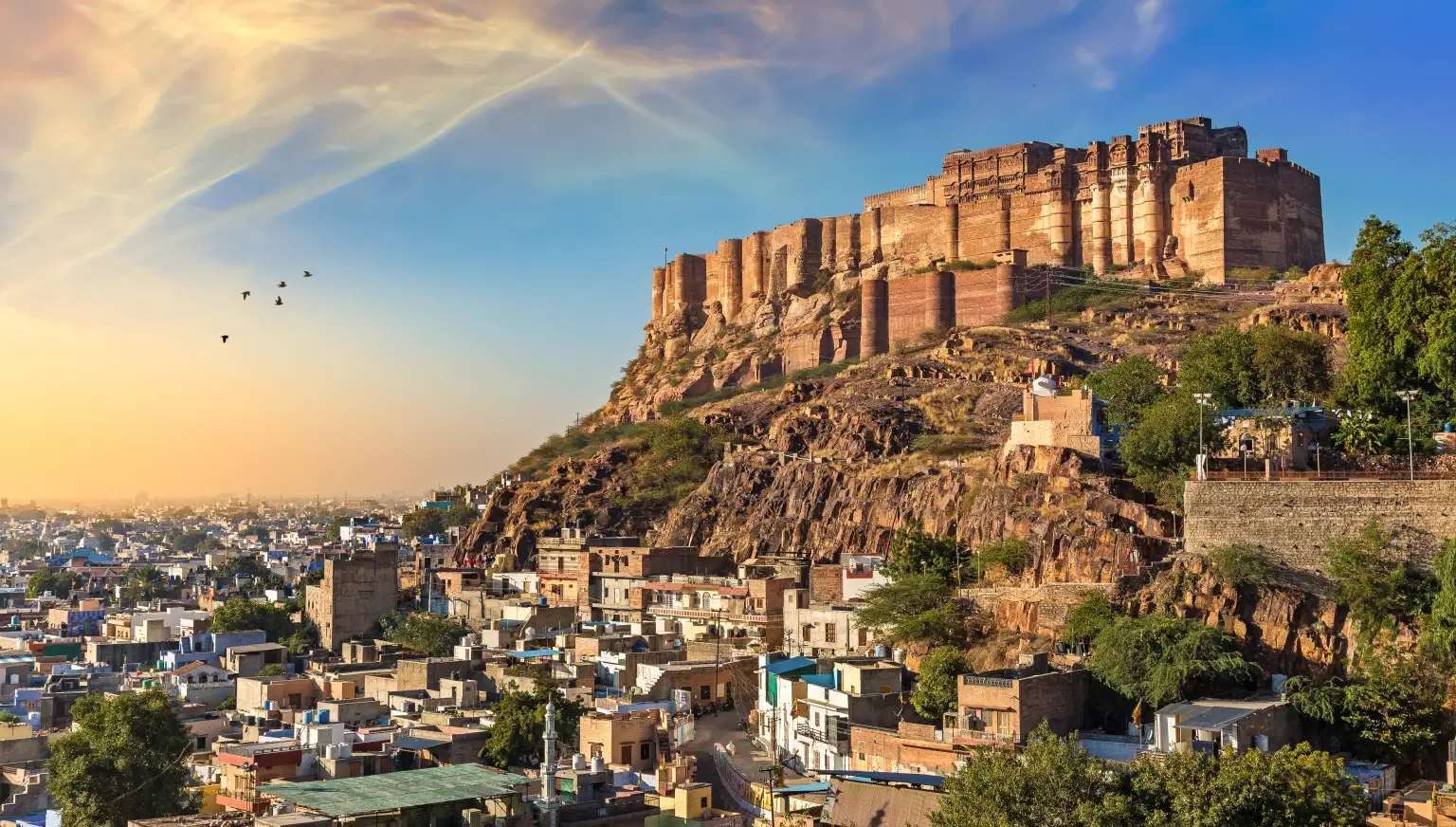
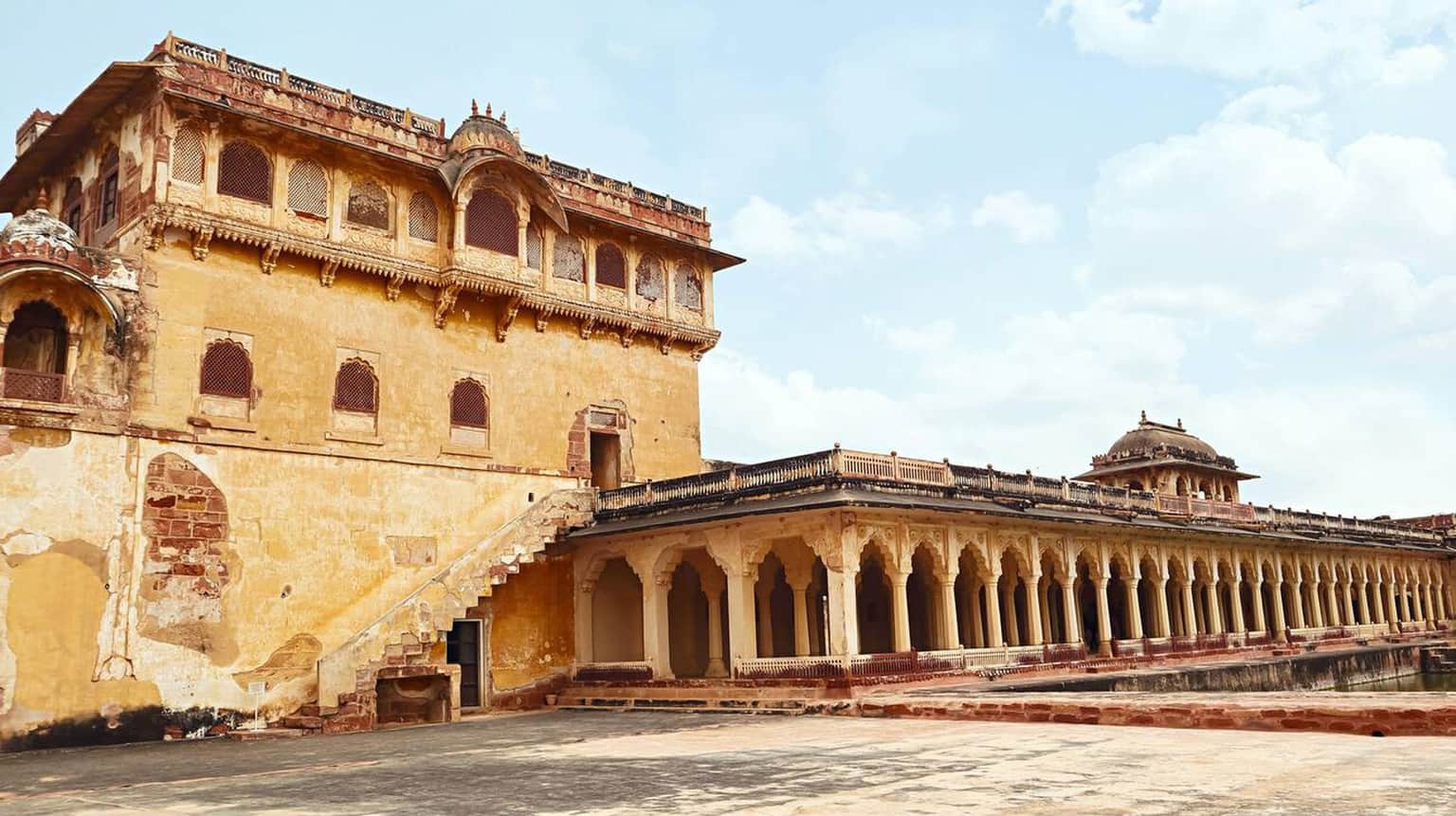
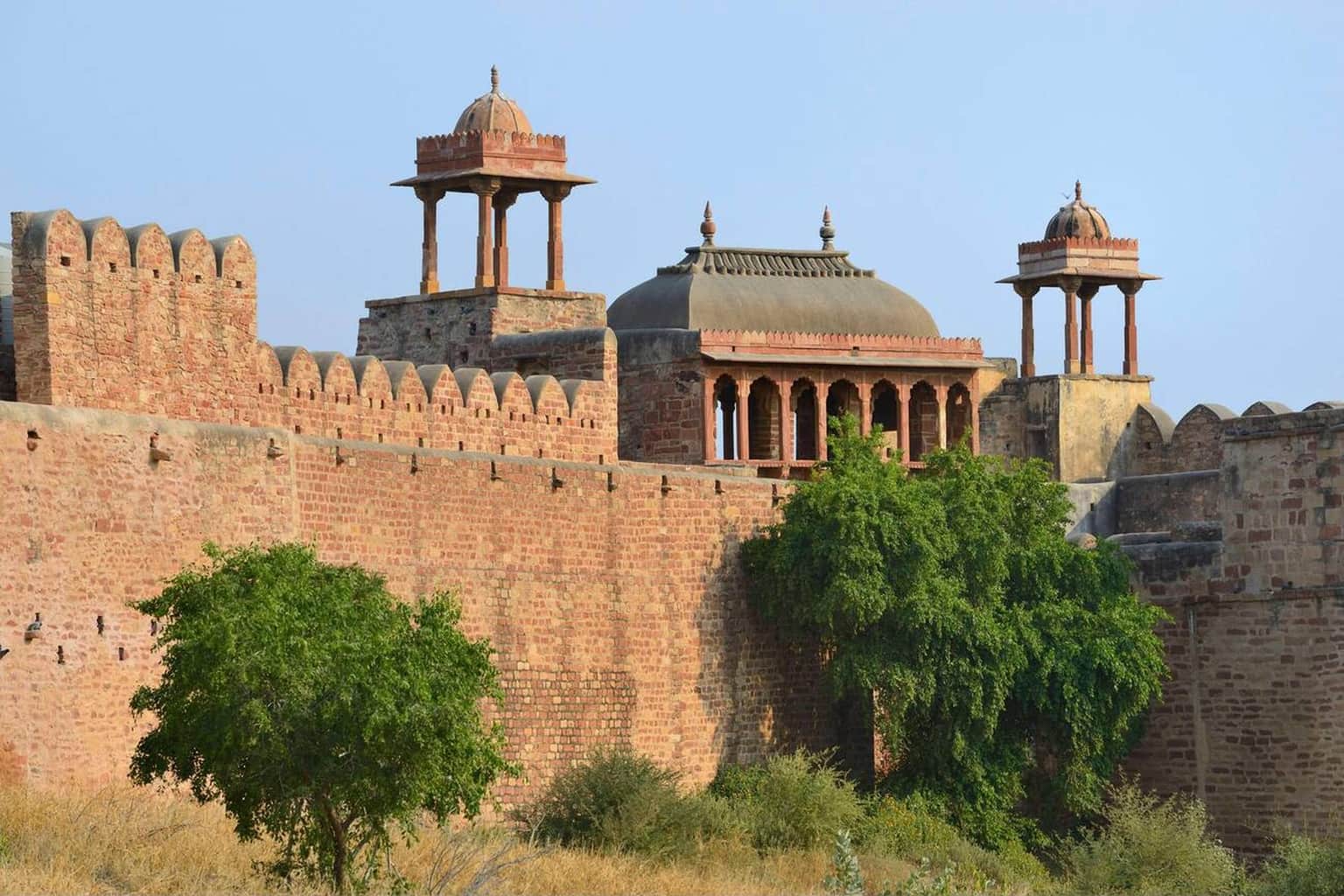
Located in the Nagaur district of Rajasthan, Nagaur Fort is a grand historical monument. Built under the Naagvanshi Kshatriyas, it was later developed by the Mughal emperors, Akbar and Shah Jahan. Over the years, the fort has seen numerous battles and rulers, which makes it one of the important historical landmarks of Rajasthan. The fort is a beautiful blend of Mughal and Rajput architecture.

Its massive walls, three majestic gateways, and spacious layout offer insight into its strategic importance. Inside, you can explore lush gardens, charming fountains, temples, and intricately designed palaces like Akbari Mahal, Hadi Rani Mahal, Deepak Mahal, and Amar Singh Mahal. These structures highlight the cultural richness of the state. The peaceful atmosphere and scenic surroundings of the fort are perfect for history lovers and families.

Nagaur Fort, Rajasthan Highlights

• Step into Nagaur Fort, a historic monument with the Rajput and Mughal architecture in a large complex.
• Wander through palaces like Akbari Mahal and Hadi Rani Mahal, known for their detailed designs and royal history.
• Walk through the gardens and fountains that provide a peaceful contrast to the strong military past of the fort.
• Admire old temples and artistic frescoes that show the rich cultural and spiritual heritage of Rajasthan.
• Pass through the grand gates of the fort built for power and protection.

How To Reach Nagaur Fort, Rajasthan

  • By Car/Taxi- Nagaur Fort is located about 950 metres from the city centre. You can hire a taxi, an auto-rickshaw, or a local tuk-tuk to reach the fort in 5 minutes.
  • By Bus- You can also take an RSRTC bus from the city centre to Nagaur Bus Stand, which is situated 1.1 km from the fort. Then, you can take a 6-minute walk to the fort.

Best Time To Visit Nagaur Fort, Rajasthan

Peak Season (November to February)

  • Weather Insights: Pleasant, cool, and dry climate, perfect for sightseeing and outdoor activities.
  • Things to Do: Explore the palaces and gardens, and attend the famous Nagaur Cattle Fair in January or February.

Moderate Season (July to October)

  • Weather Insights: Occasional monsoon showers.
  • Things to Do: Explore Deepak Mahal, click pictures, and relax in the courtyards.

Low Season (March to June)

  • Weather Insights: Extremely hot with harsh afternoons.
  • Things to Do: Capture golden-hour photos.

Nagaur Fort, Rajasthan Other Essential Information

  • Wear comfortable shoes and clothing as the fort involves a fair amount of walking.
  • Hire a local guide to uncover hidden stories and understand the historical and architectural depth of the fort.
  • Carry water and sun protection, especially if visiting during the summer or midday hours.
  • Take your time to explore the serene water reservoirs, landscaped gardens, and quiet temple courtyards.
Day Wise Timings
Open Today
mo
Normal Timings:
02:00 PM to 05:00 PM
tu
Normal Timings:
02:00 PM to 05:00 PM
we
Normal Timings:
02:00 PM to 05:00 PM
th
Normal Timings:
02:00 PM to 05:00 PM
fr
Normal Timings:
02:00 PM to 05:00 PM
sa
Normal Timings:
02:00 PM to 05:00 PM
su
Normal Timings:
02:00 PM to 05:00 PM
Point of Interest for Nagaur Fort
Admire the Beauty of Hadi Rani Mahal
1

Admire the Beauty of Hadi Rani Mahal

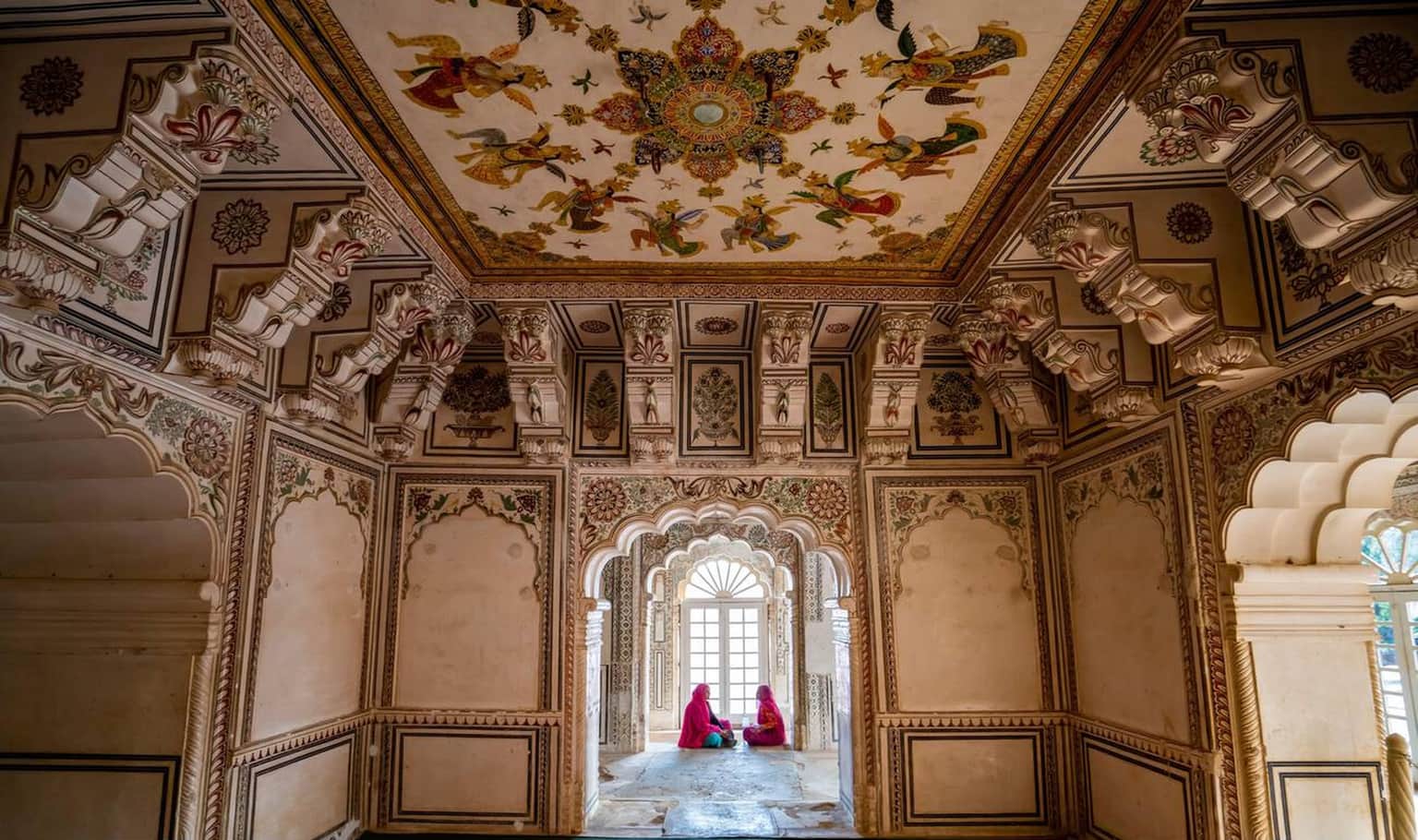
Go to the Hadi Rani Mahal, one of the largest palaces in the fort. It is known for its intricate latticework, traditional jharokas, and Nagaur-style murals. Named after the notable queen, it shows the finest style of Rajput craftsmanship.
Soak in the charm of Deepak Mahal
2

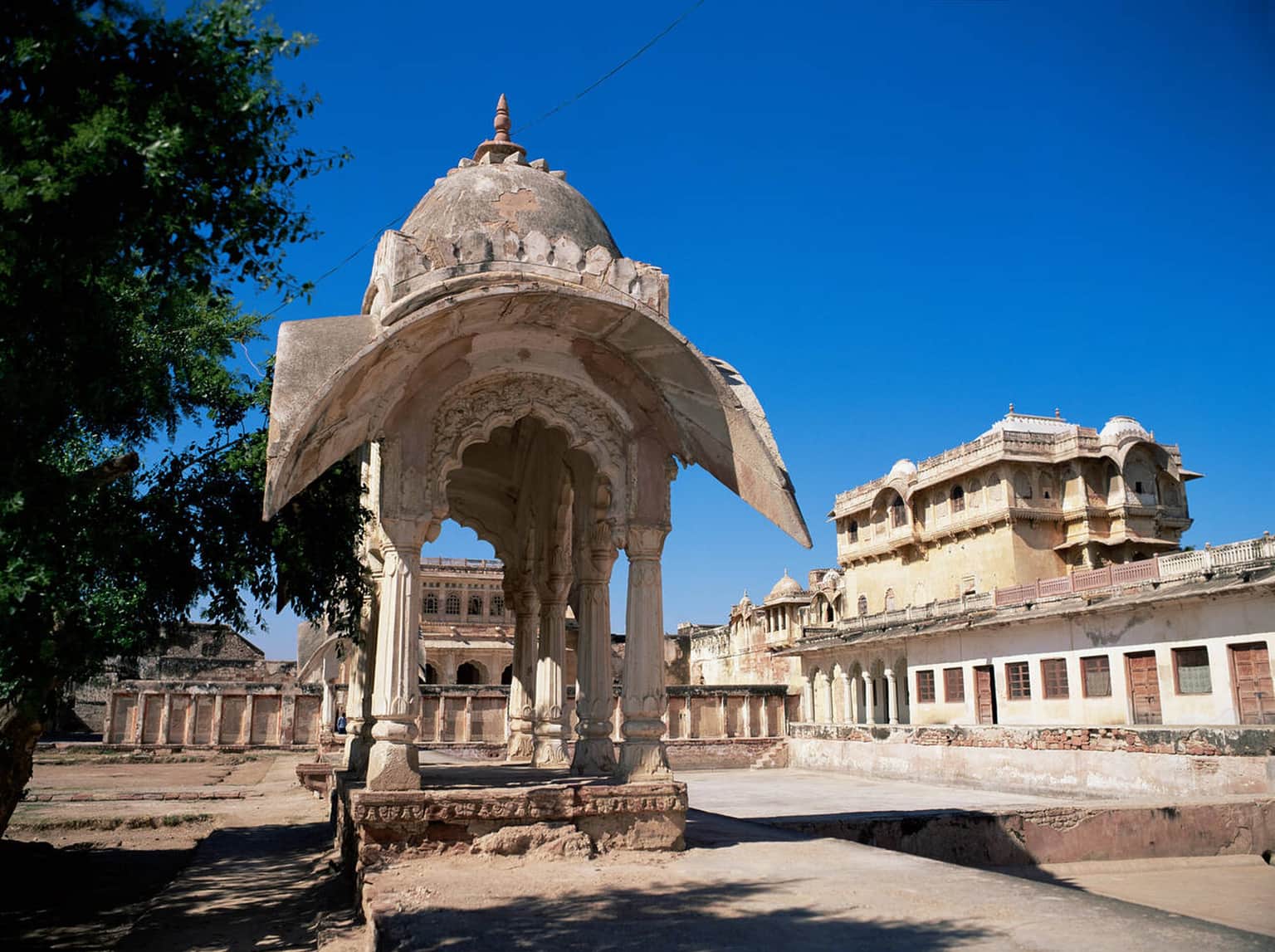
Soak in the charm of Deepak Mahal

Visit Deepak Mahal to see stunning Persian floral designs on its walls. Unique wall niches for holding Persian lamps show the cultural mix of the fort. This palace reminds you of the artistic glory of the fort through a serene and visually rich experience.
 Wander through Abha Mahal’s Water Wonders
3

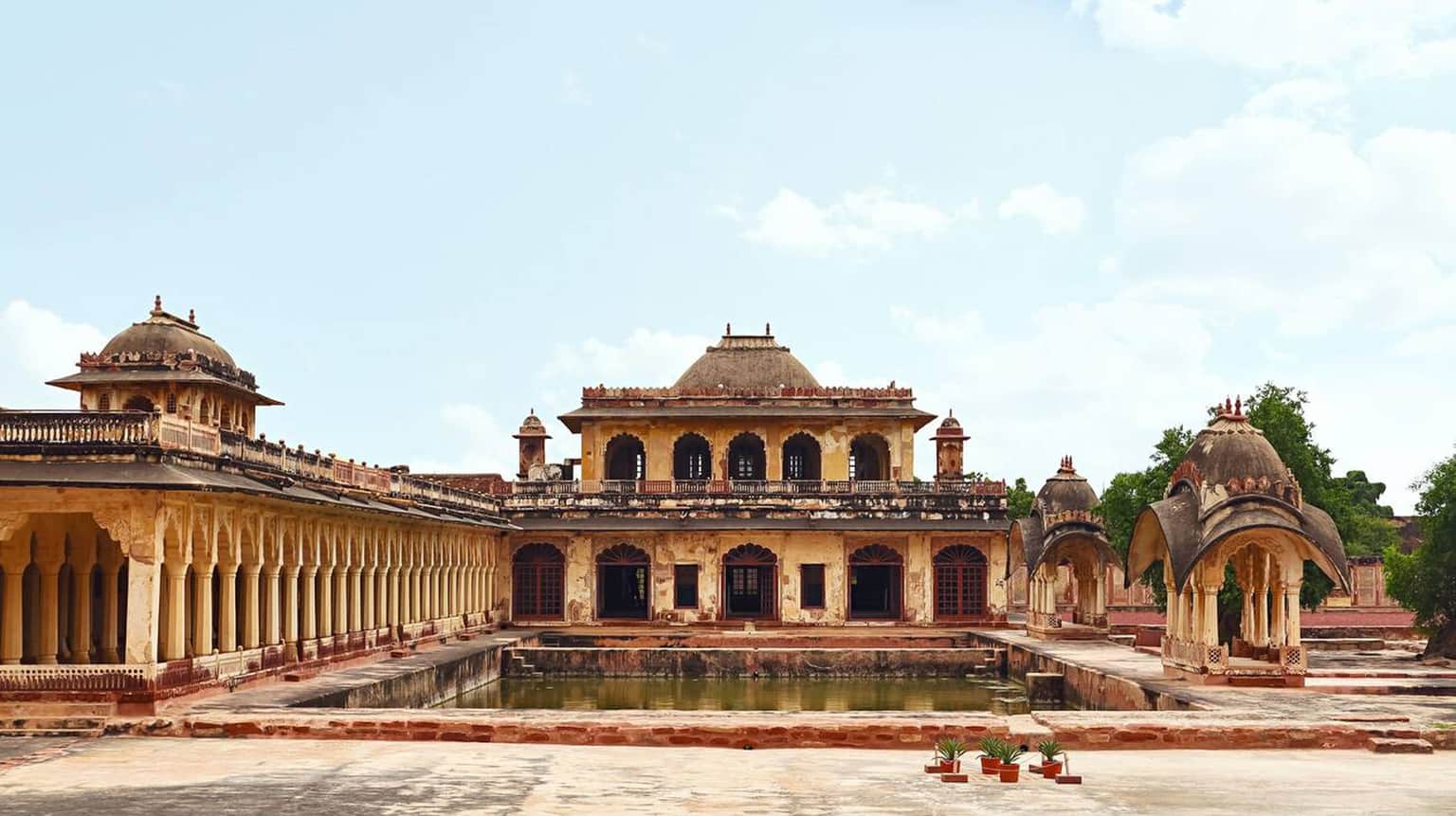
Wander through Abha Mahal’s Water Wonders

Experience royal luxury at Abha Mahal, which has the highest concentration of water features in the fort. From traditional hammams and elegant fountains to beautifully designed water channels, this section showcases the luxurious lifestyle and smart engineering of the royal past of Nagaur.
Climb to Akbari Mahal and Enjoy the View
4

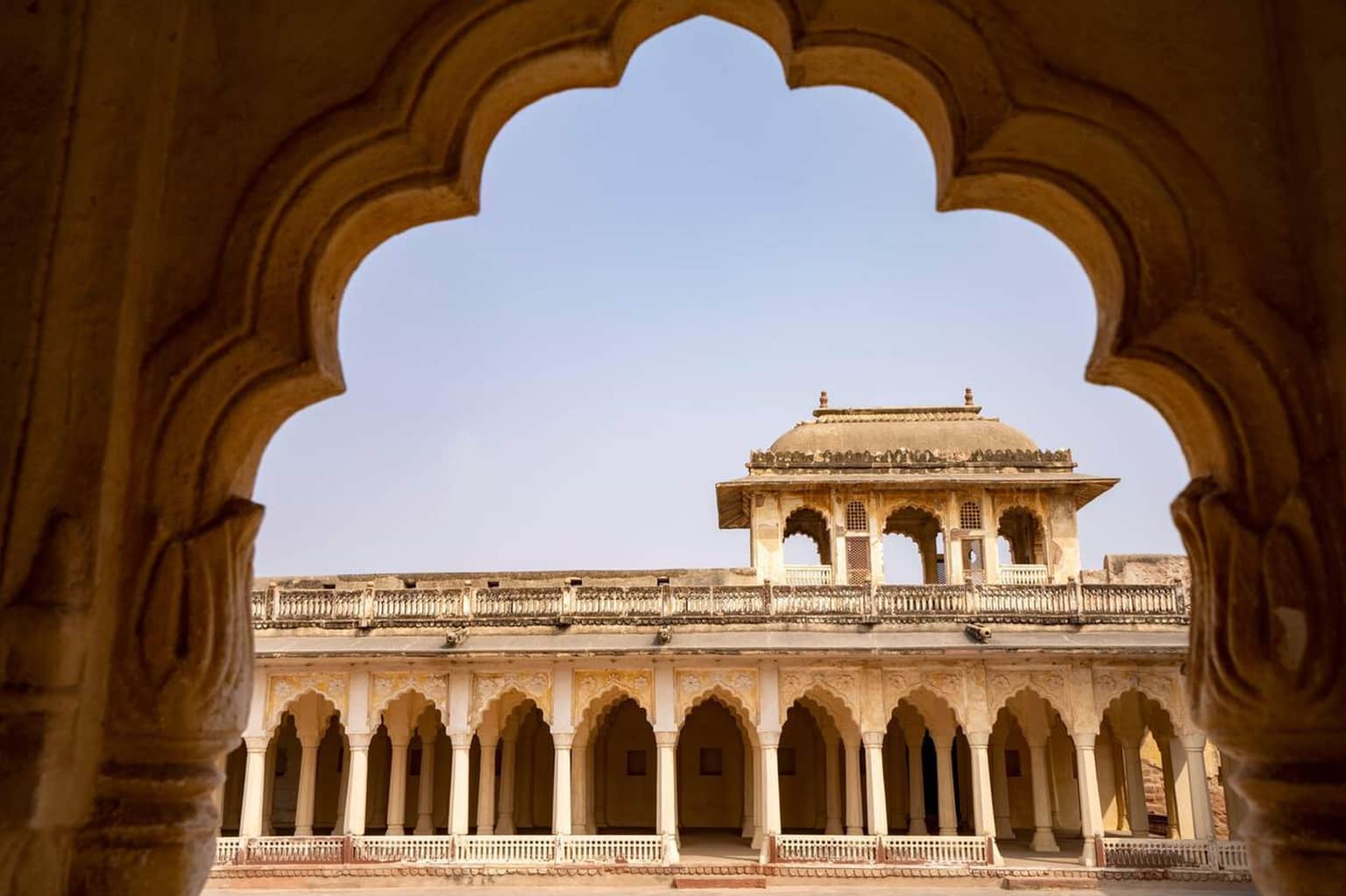
Climb to Akbari Mahal and Enjoy the View

Discover Akbari Mahal, a later Mughal addition built to celebrate the recapture of Nagaur. Its architecture is designed in the impressive Rajput-Mughal style. You can climb to its open terrace for beautiful aerial views of the fort and the historic city below.
Relax in Scenic Lawns and Explore Sacred Spaces
5

Relax in Scenic Lawns and Explore Sacred Spaces

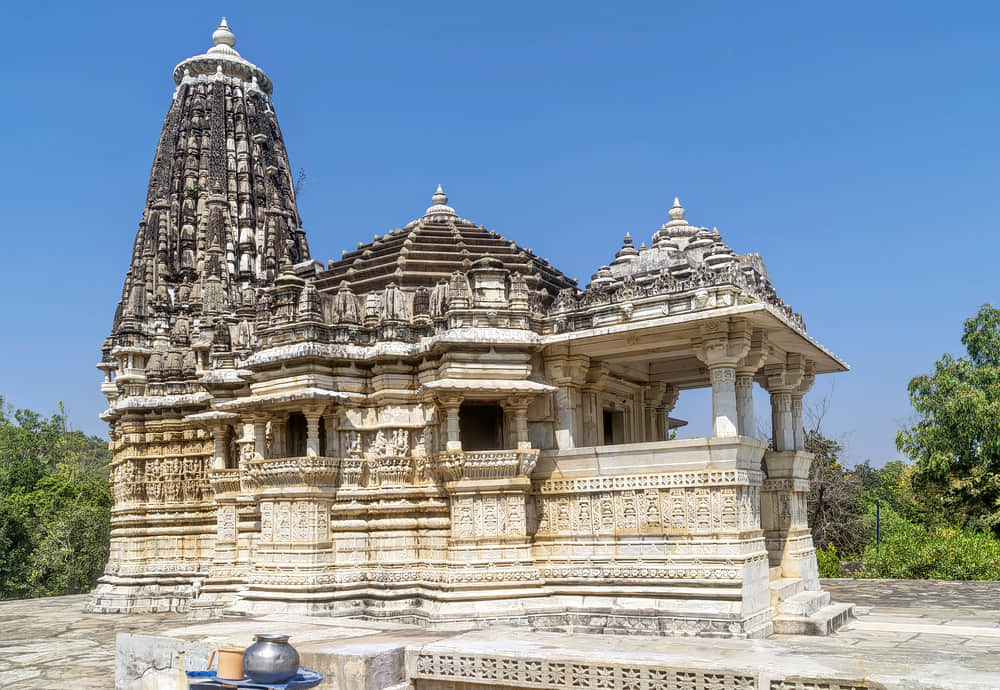
Walk through the peaceful courtyards in the fort, with well-kept lawns, vibrant flower beds, and cooling fountains. You can then visit the two ancient temples dedicated to Lord Krishna and Lord Ganesha. Admire the Shah Jahani mosque with its blue mosaic tiles, along with the still-active Jama Masjid.

Tourism Board Alliances

Nagaur Fort FAQs

Who made the Nagaur Fort?

Nagaur Fort was originally constructed by the Maharaja of the Parmar Rajput dynasty. Over time, it was expanded and modified by various rulers, including the Mughals like Akbar and Shah Jahan. They added their own architectural styles to the structure.

What is famous about Nagaur?

Nagaur is well known for its spices and traditional Rajasthani sweets. It is also rich in minerals and home to religious landmarks like the Deresiya Mata Mandir, the Kuldevi of the Maheshwari community, and the Banshiwala Mandir, located in the heart of the city.

What is the climate in Nagaur?

Nagaur has a dry desert climate with hot summers, cold winters, and short and irregular monsoons. Temperatures can reach 47.2°C in summer and fall to 0°C in winter. Sandstorms are common during the summer months. The monsoon runs from July to mid-September, with an average annual rainfall of 36.16 cm.

Why Choose Thrillophilia