thrillophilia-logo
INR
login

About Jalore Fort

Opening Hours: Every day, 9 am to 5 pm

Prime Day & Hours: Early morning or late afternoon

Suggested Duration: 1-2 hours

Tickets: Available offline at the entrance of the fort

Nearest Railway Station: Jalore Railway Station, about 4.5 km away.

Nearest Airport: Jodhpur Airport, about 146.8 km away.

Nearest Bus Stop: Jalore Bus Stand, about 2.3 km away.

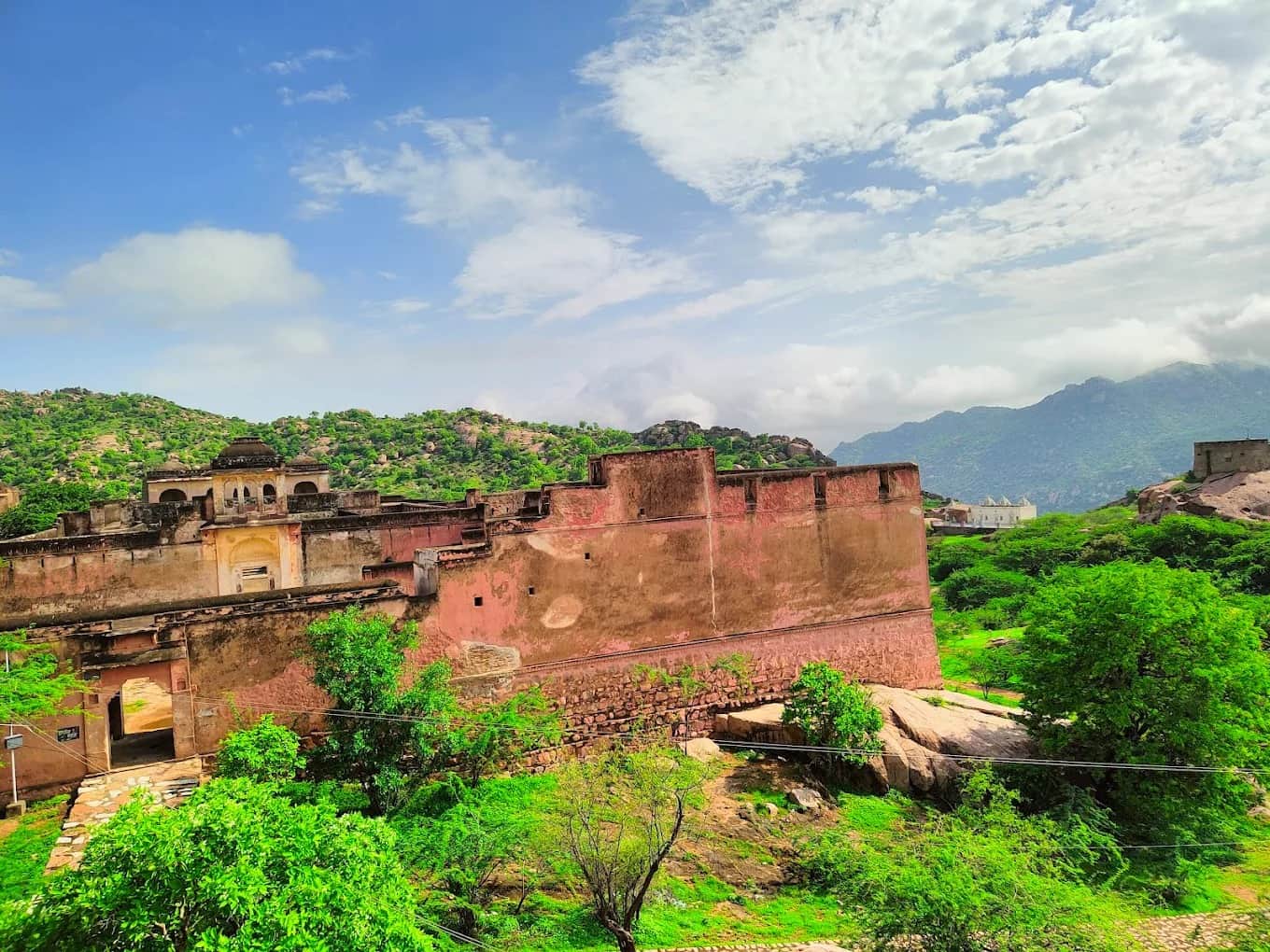
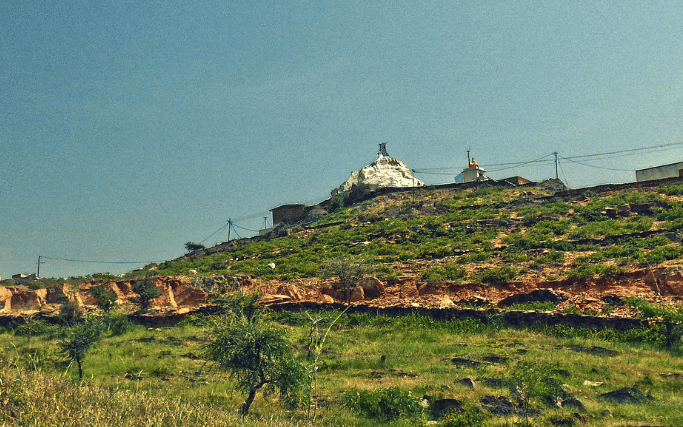
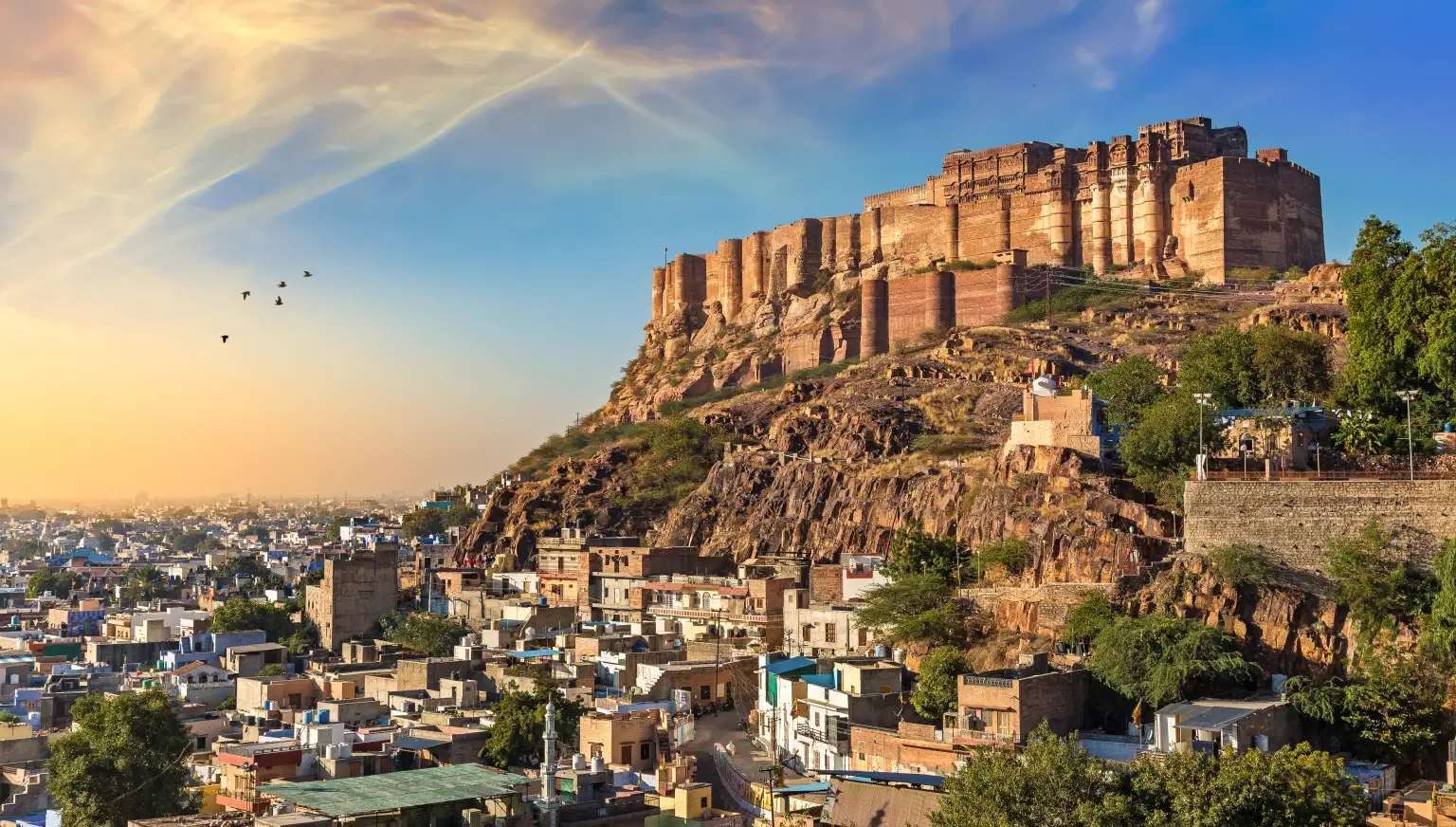
Located at the top of the steep Sonagir Hill, Jalore Fort is one of the most impressive hill forts in India. Believed to have been built between the 8th and 10th centuries by the Paramaras, the strategic elevation of the fort at 336 metres once made it nearly impregnable. The fort has four tall gates, namely Suraj Pol, Dhruv Pol, Siroh Pol, and Bal Pol, but entry is possible only through a winding north-facing path. 

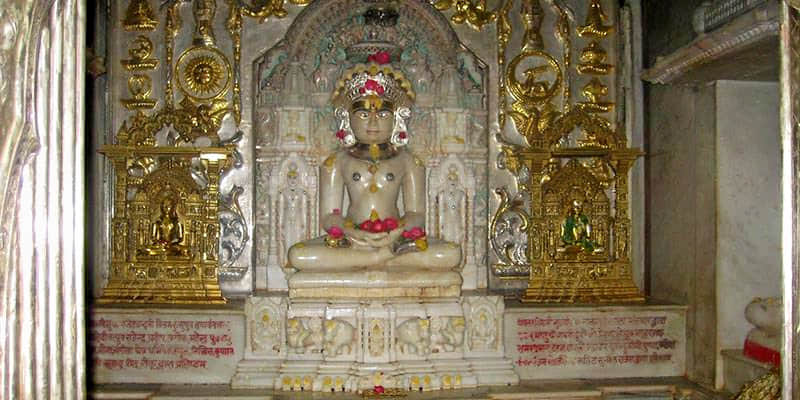
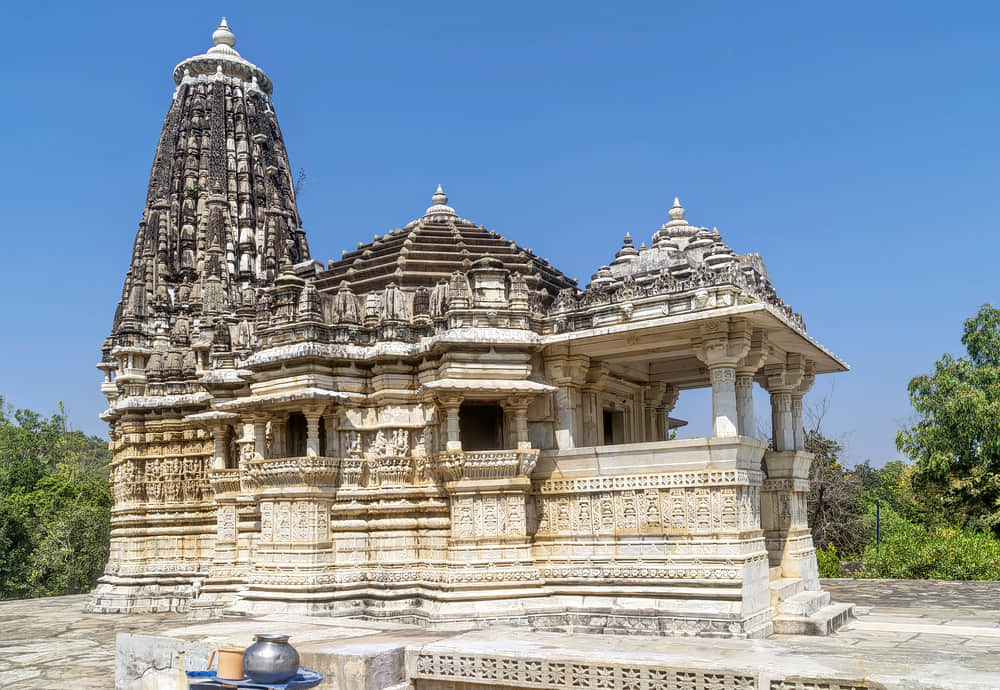
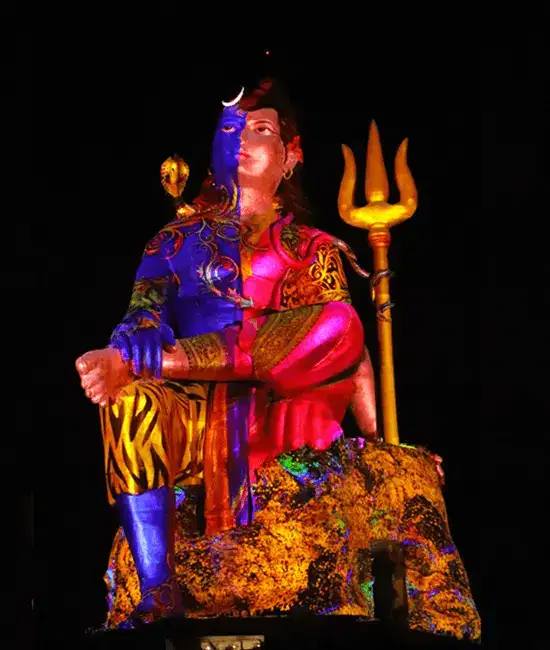
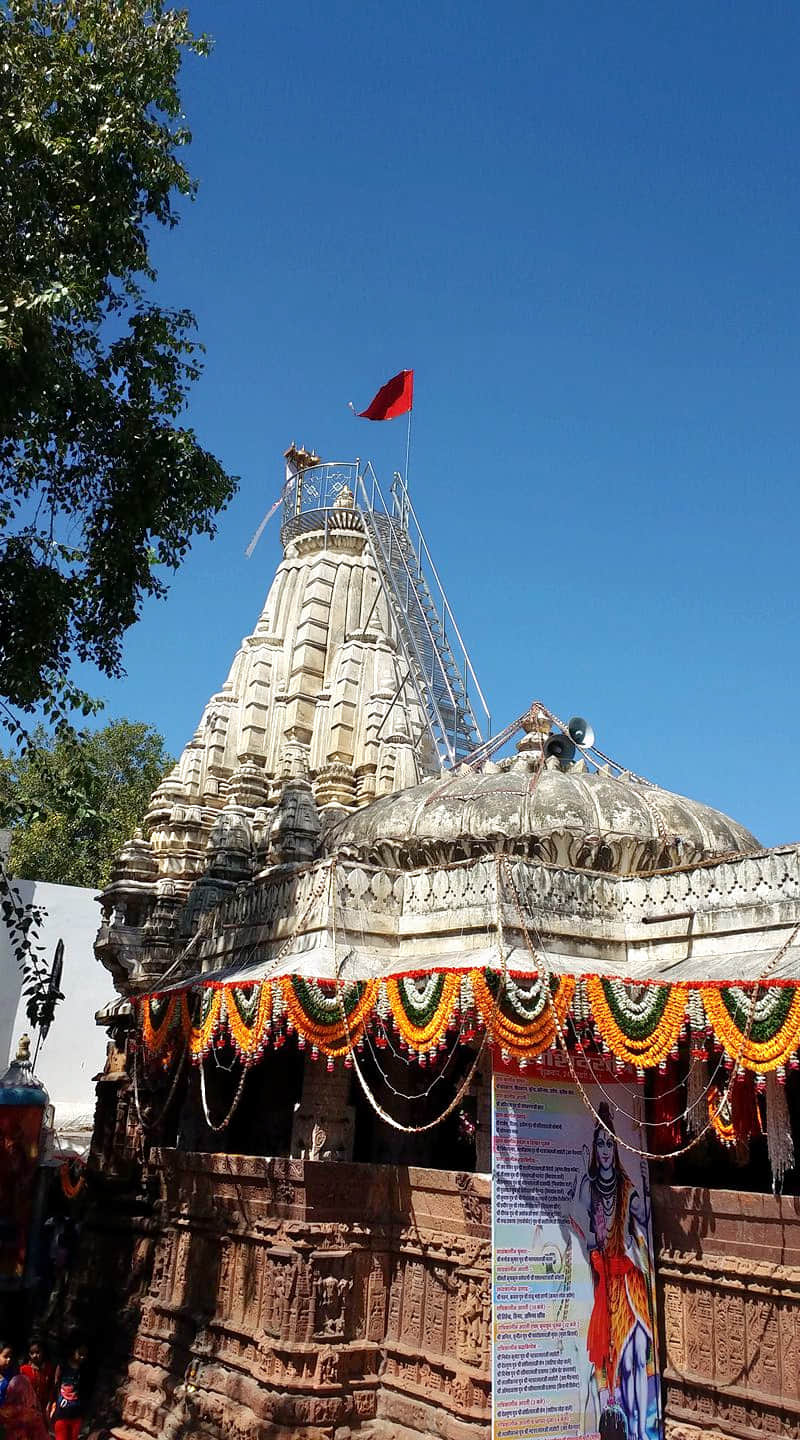
Its design showcases early Hindu craftsmanship, with later additions from Islamic and Jain styles. Inside, you can explore the Killa Masjid that was built in the 16th century. There are also several ancient temples, like the Shiva Temple built by King Kannhadev, and shrines for Ashapuri, Amba Mata, and Hanuman. The beautifully carved white marble Jain temple of Lord Adinath is also present there.

Jalore Fort Highlights

• Explore Jalore Fort, an incredible 8th-century hilltop fort that tells the story of Rajasthan's royal legacy.
• Climb to the top via a steep and winding path and enjoy stunning views of Jalore city and the Aravalli hills.
• Admire the unique architecture, like the large bastions, ancient gates like Suraj Pol, and elements from Hindu, Jain, and Islamic traditions.
• Visit sacred sites, including the Killa Masjid, the marble Jain temple of Lord Adinath, and temples like Amba Mata and Shiva.
• Witness the history of the Paramaras and Chauhans through cannons, carvings, and ruins of the fort.

How To Reach Jalore Fort

By Car/Taxi: Jalore Fort is about 2.6 kilometres from the city centre. The journey in a car or taxi takes approximately 9 minutes via Jalore Fort Road.

Best Time To Visit Jalore Fort

1. Peak Season (October to March)

  • Weather Insights: The climate is cool and pleasant for exploring the fort and enjoying outdoor activities.
  • Things to Do: Explore the fort, enjoy panoramic views, and visit temples within the fort complex.

2. Moderate Season (July to September)

  • Weather Insights: Monsoon showers and lush landscapes.
  • Things to Do: Enjoy photography and explore temples and inner structures.

3. Low Season (April to June)

  • Weather Insights: High temperatures and dry heat, with daytime temperatures often above 38°C. 
  • Things to Do: Enjoy photography and shorter walks around key fort points.

Jalore Fort Other Essential Information

  • Bring a hat, sunglasses, and sunscreen, especially if you visit during sunny months.
  • Stay hydrated, especially during the summer months or if you plan to walk to the top.
  • Wear comfortable footwear that is suitable for trekking, as the path to the fort has a steep and winding climb.
  • Respect local customs and follow posted guidelines when exploring religious or historical structures within the fort.
  • Check photography rules with local authorities or at the entrance, as it may be restricted in some areas of the fort.
Day Wise Timings
Open Today
mo
Normal Timings:
09:00 AM to 05:00 PM
tu
Normal Timings:
09:00 AM to 05:00 PM
we
Normal Timings:
09:00 AM to 05:00 PM
th
Normal Timings:
09:00 AM to 05:00 PM
fr
Normal Timings:
09:00 AM to 05:00 PM
sa
Normal Timings:
09:00 AM to 05:00 PM
su
Normal Timings:
09:00 AM to 05:00 PM
Point of Interest for Jalore Fort
 Trek the Winding Path
1

Trek the Winding Path

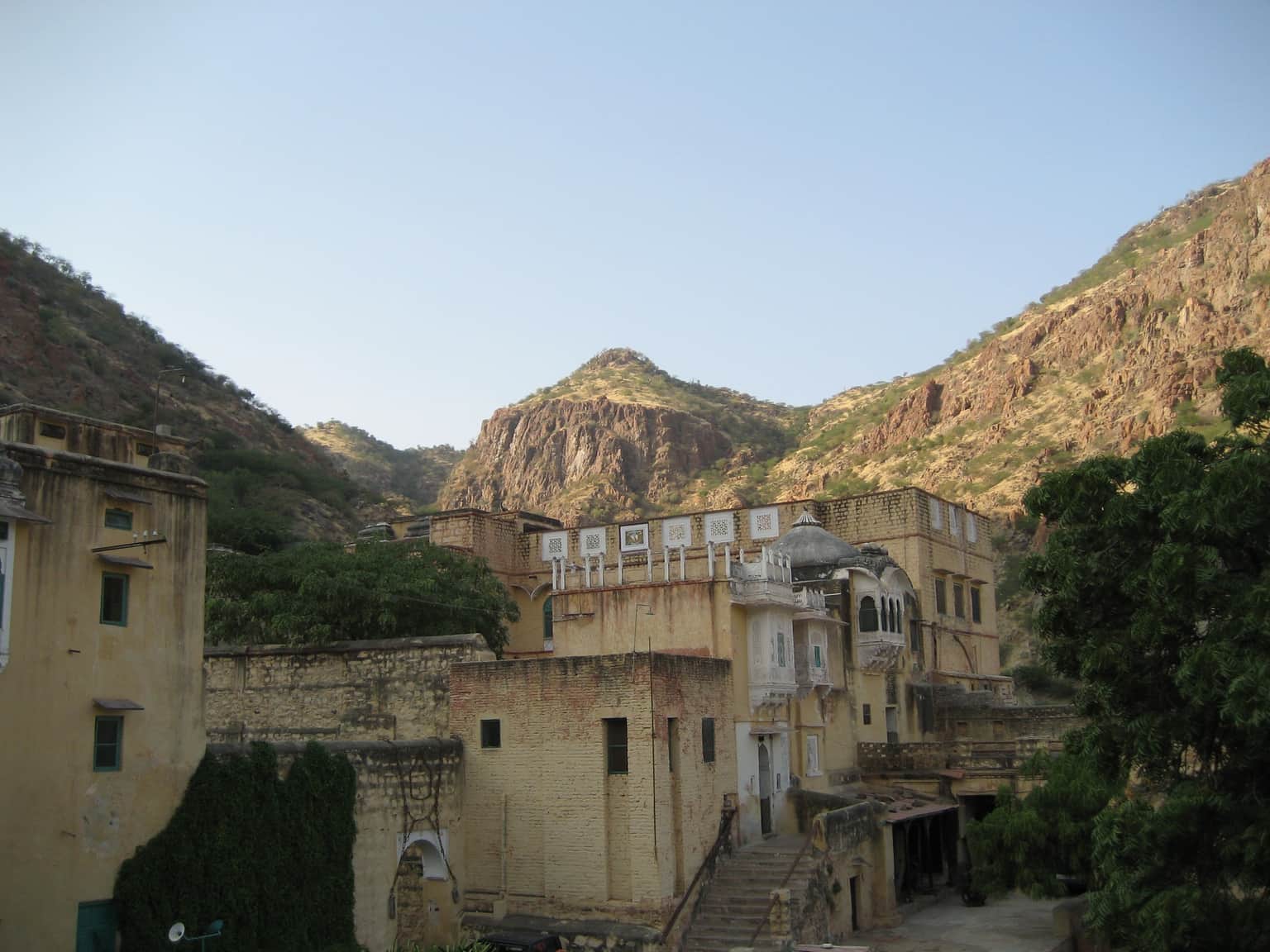
You can hike through the steep path to reach the Jalore Fort. On your way, you can enjoy beautiful views of the surrounding Aravalli range. You can also immerse yourself in the natural setting of the fort and admire its strategic location.
Enter Through the Four Historic Gates
2

Enter Through the Four Historic Gates

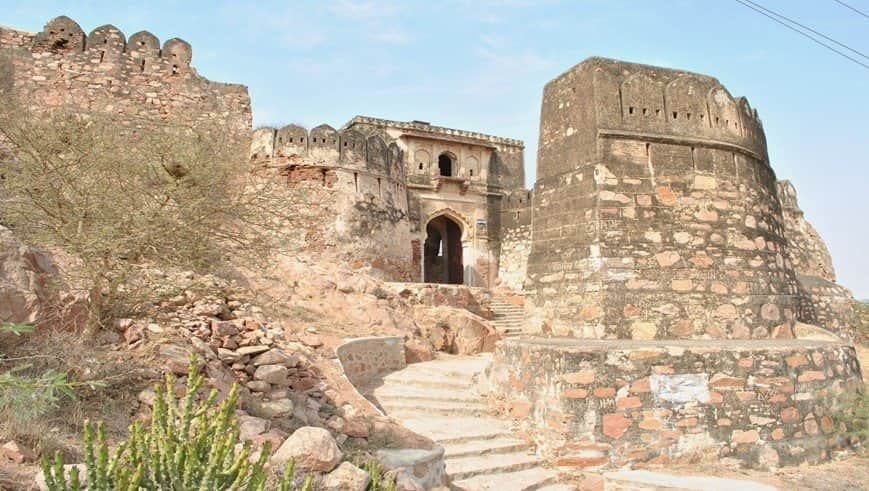
Walk through the grand gates of Suraj Pol, Dhruv Pol, Siroh Pol, or Bal Pol. Each of these gates has a unique architectural style and historical significance. Suraj Pol is popular for letting sunlight stream directly through its arch, which symbolises strength and enlightenment in Rajput architecture.
Visit the Jain Temple of Lord Adinath
3

Visit the Jain Temple of Lord Adinath

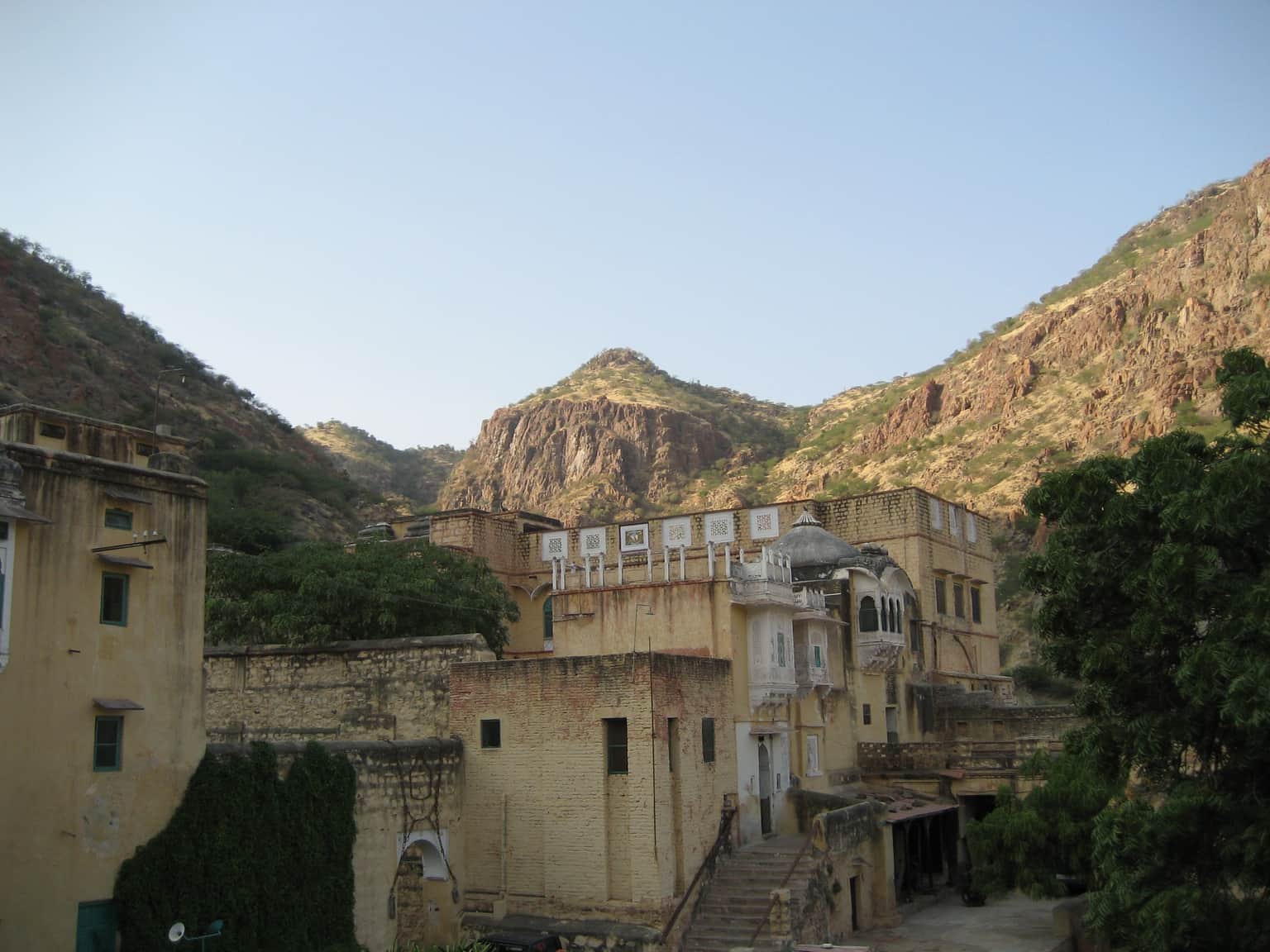
Admire the intricately carved white marble temple dedicated to Lord Adinath, built in the 8th century. The craftsmanship of the temple reflects Jain architectural style, and its serene atmosphere offers a spiritual pause in the rugged fort.
Explore the Killa Masjid and Hindu Shrines
4

Explore the Killa Masjid and Hindu Shrines

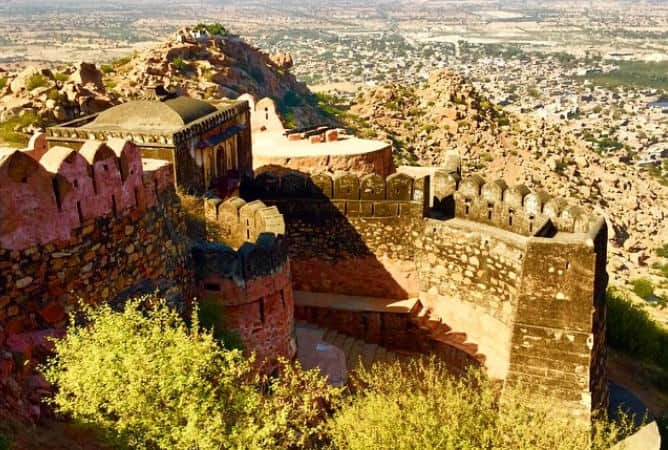
Discover the cultural layers of the fort by visiting the Killa Masjid, a mosque believed to have been constructed using remains of Hindu temples. Nearby, you will also find ancient shrines devoted to Shiva, Ashapuri, Amba Mata, and Hanuman.

Stand Beside the Mounted Cannons
5

Stand Beside the Mounted Cannons

Take a moment beside the well-preserved cannons placed on top of the fort’s bastions. These historical weapons defended the fort against numerous invasions, and today, they offer a powerful visual link to its military legacy. From here, enjoy sweeping views of Jalore city and the plains stretching to the horizon.

Tourism Board Alliances

Jalore Fort FAQs

Why is Jalore famous?

Jalore is famous for its high-quality granite, which is exported all over the world. Over the years, the area has changed from a small town into a growing industrial hub. Along with its rich historical and cultural importance, the granite quarries of Jalore have earned it a strong reputation in the stone and construction industry globally.

Who built the Jalore Fort?

Jalore Fort was originally built by the Parmar Rajputs between the 8th and 10th centuries. In 1181, Kirtipala Chauhan took control of it and started the Songara Chauhan dynasty. Later, his descendant Udayasimha strengthened the fort, but it was eventually captured by Alauddin Khilji in 1311.

Why Choose Thrillophilia