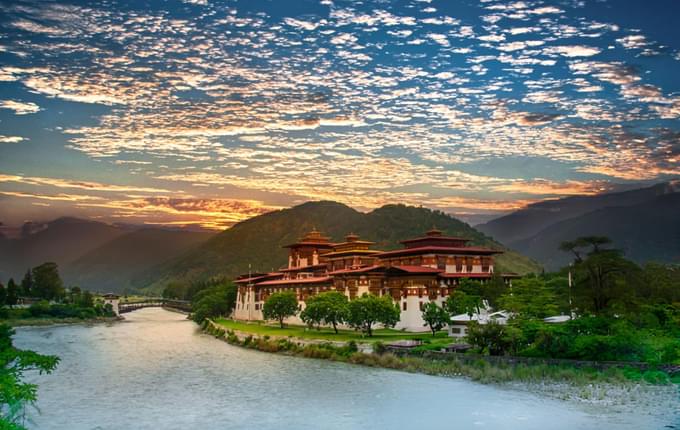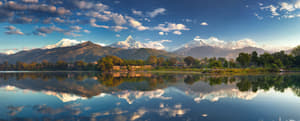
Thimphu is one of the largest cities in Bhutan and offers a pristine view of the Himalayan range. Located in the central part of western Bhutan, it resides on the west banks of Raidak River that is colloquially known as the Wang Chu River. The hills surrounding Thimphu are elevated at a range of 2,000 – 3,800 meters. Thimphu is the meeting point of various tributaries that emerge out of the Himalayan ranges and meet at Raidak River.
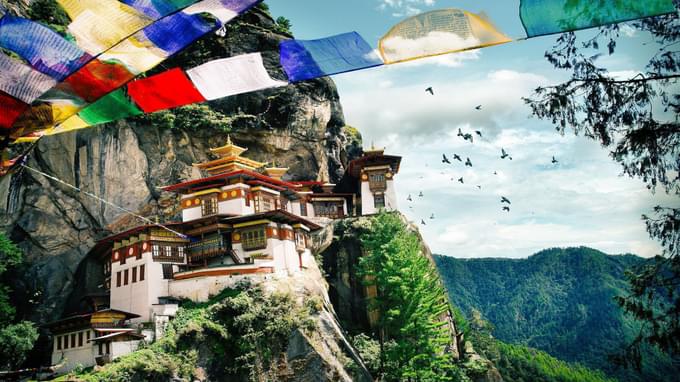
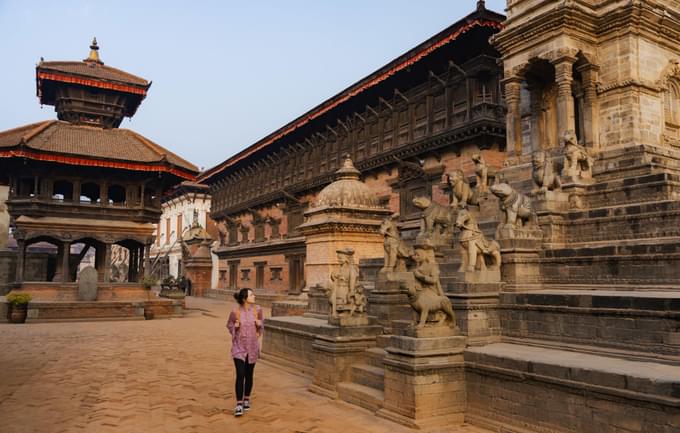
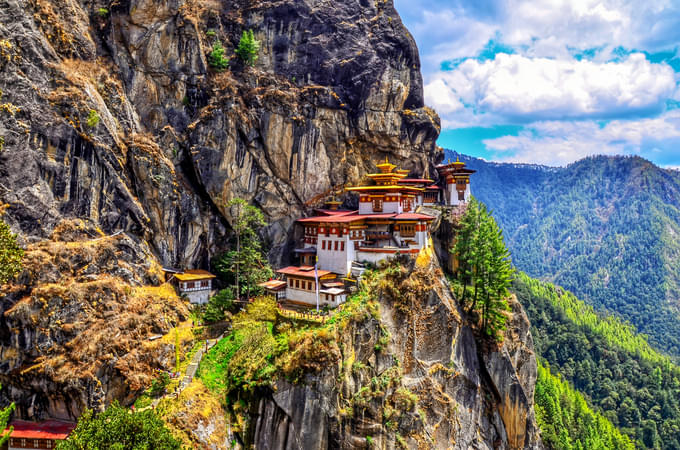
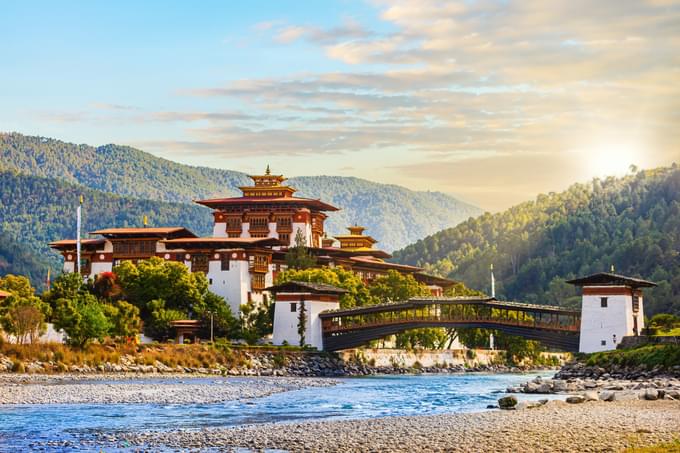
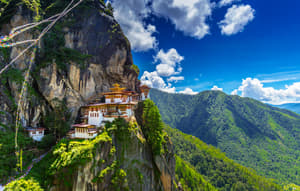
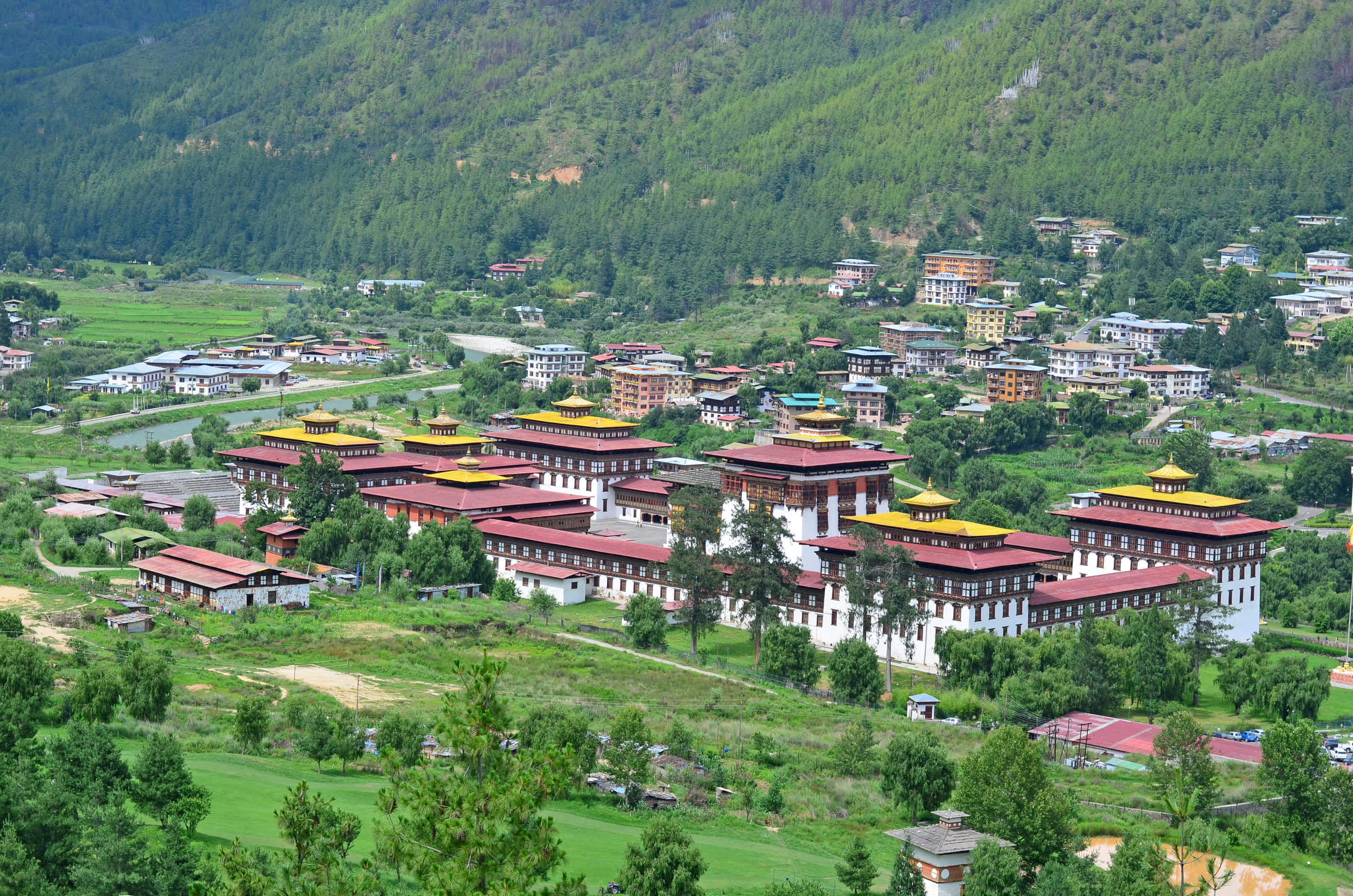
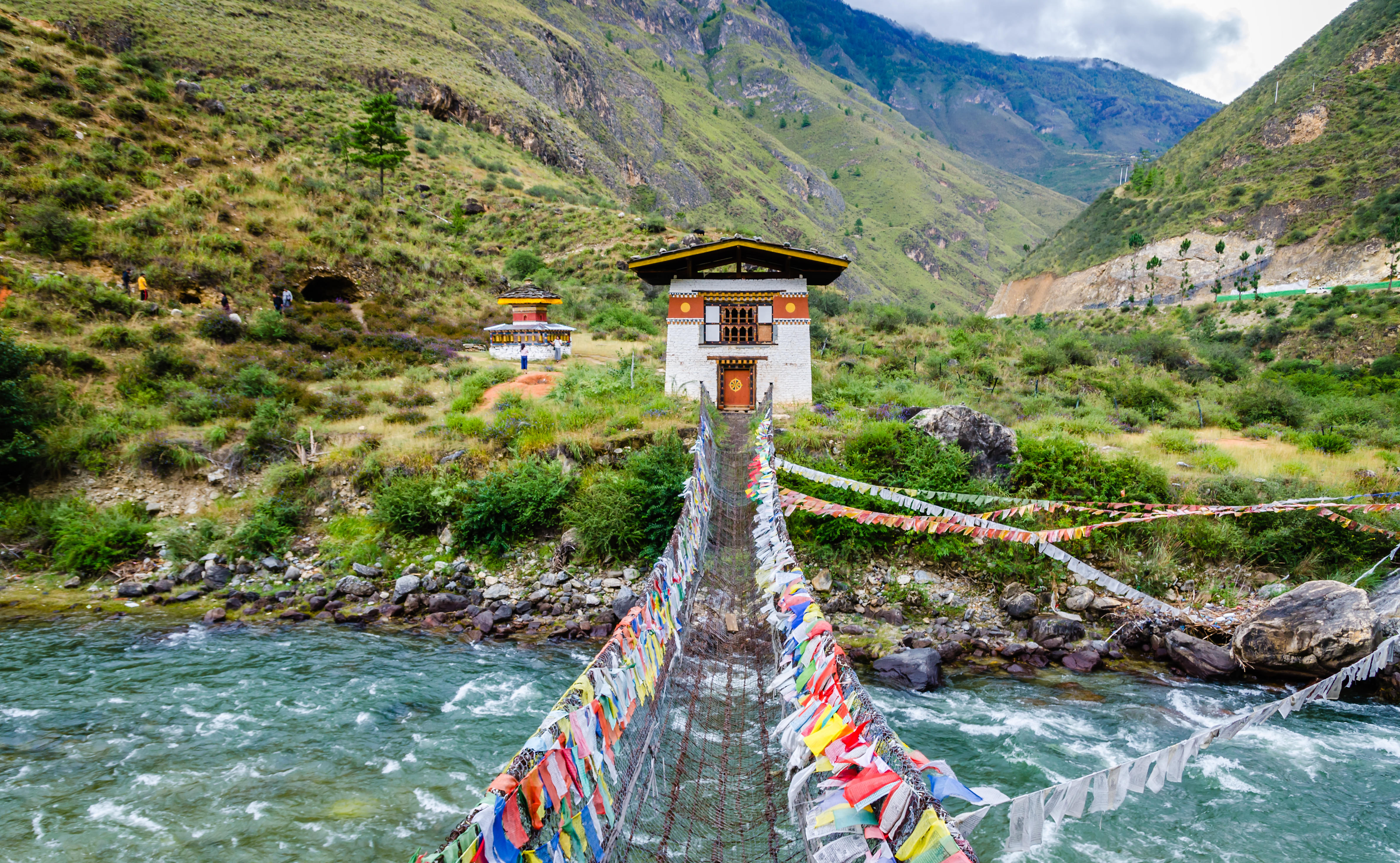
The beauty of Thimphu not only resides in the colossal Himalayan view and its tributaries, but also the monasteries and dzhongs, or fortress-like structures all across Thimphu. The architectural design of these monuments is striking, with some of them being as old as the 12th century. In fact, Tango Monastery is one of the highest teaching institutes in the city. The hamlets visible from atop high mountains, glimmering at night, only add on to the beauty of the place.
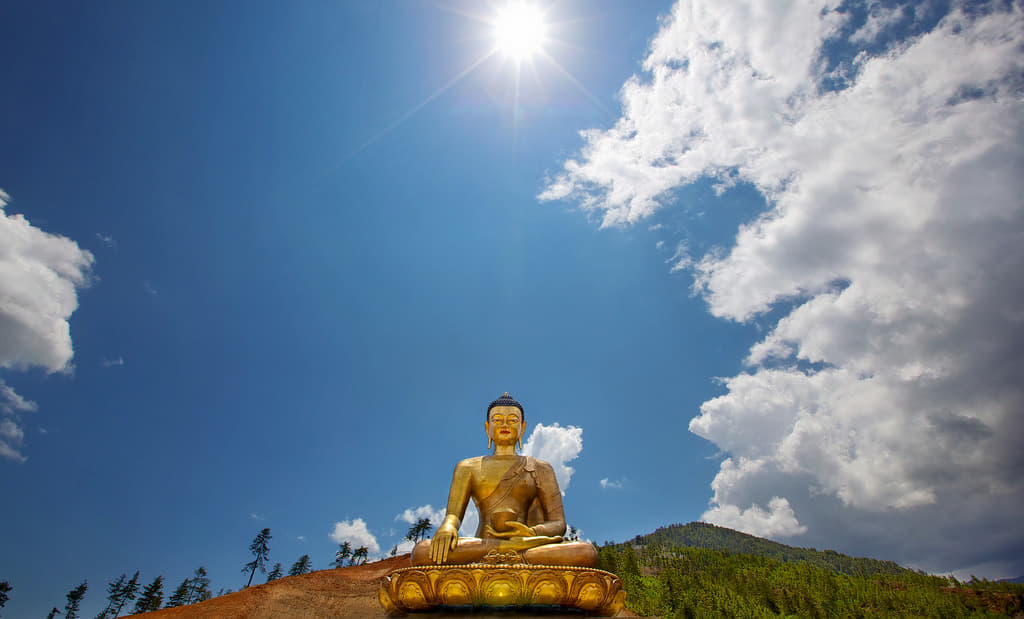
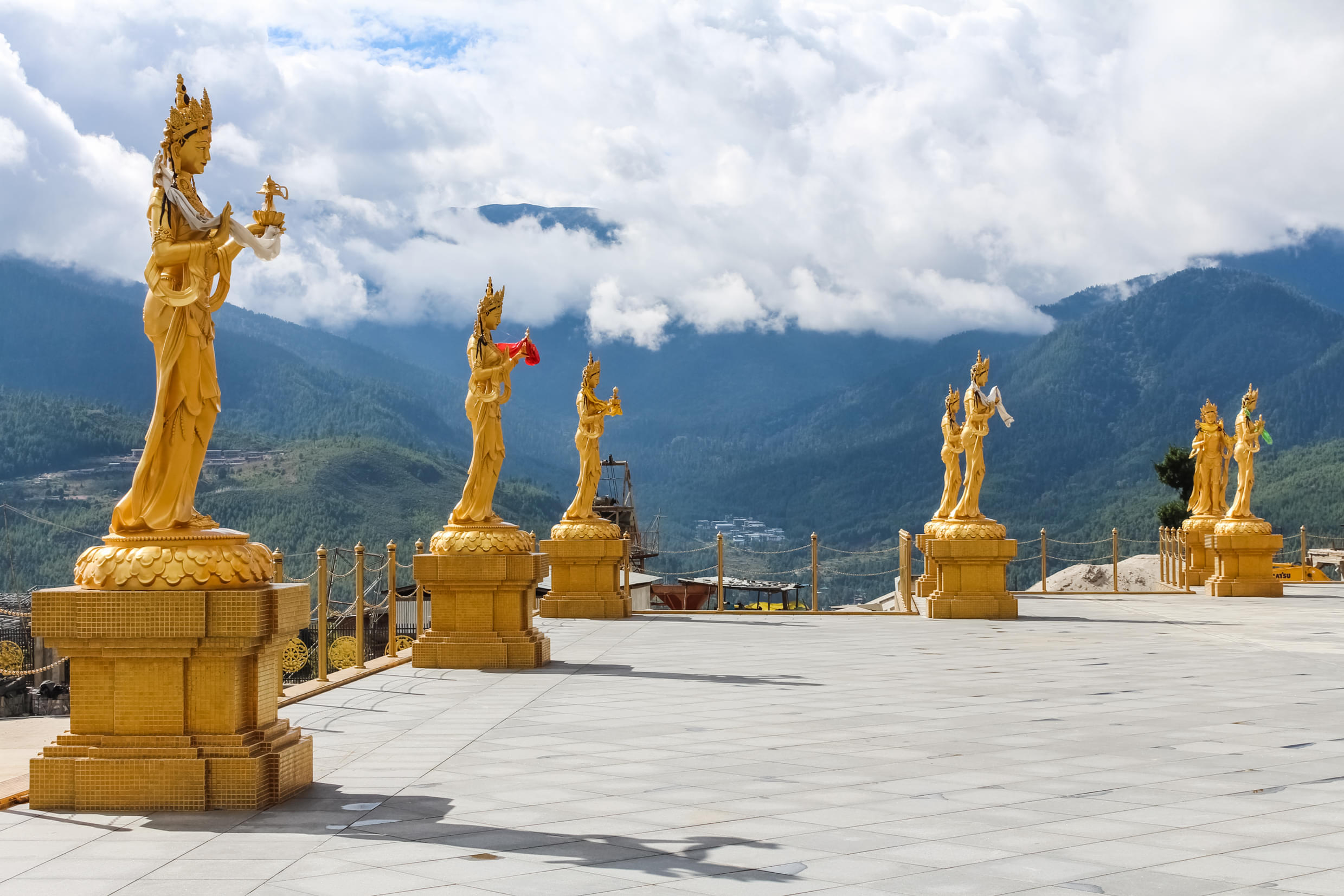
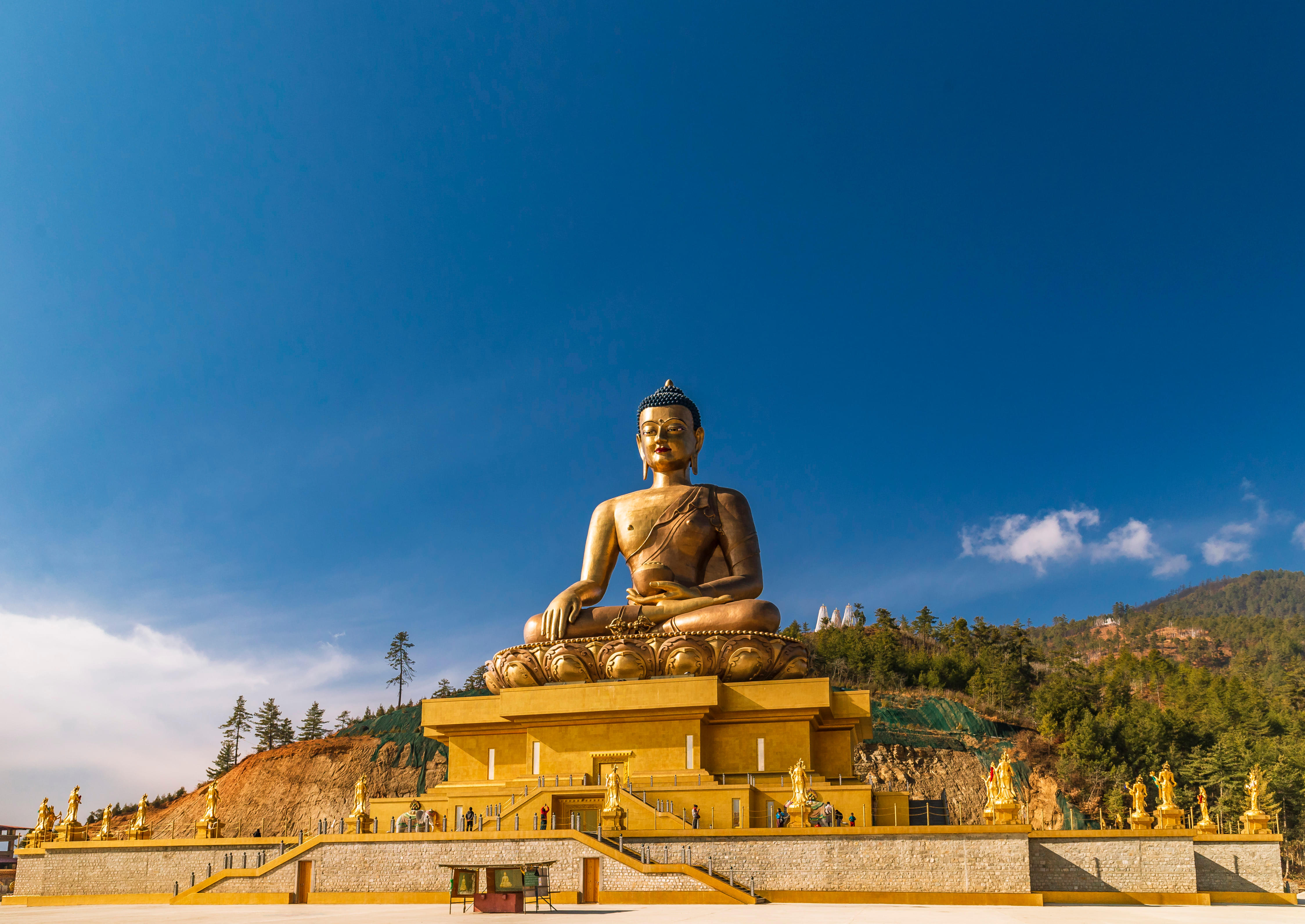
The top two attractions to be explored in the city are Dochula Pass and Budhha Dodhenma. The Dochula Pass is located at an elevation of 10,334 feet with a mesmerizing view of Jigme Singye Wangchuck Himalayan range. The Buddha Dordenma is a colossal Shakyamuni Budhha statue located atop a hill that is 169 meters tall with minute details carved into the gold-plated structure.
River rafting and kayaking are two of the most popular activities conducted mostly in the Raidak River. Cycling is now becoming the most adventurous act that offers an adrenaline-pumping journey across the rocky terrains of Thimphu. Hiking and mountain biking are also becoming popular.
The weather in Bhutan is pleasant during spring and autumn. Springs are blooming with flowers, and the melted snow still glimmers with the sunlight during the morning, giving the city a surreal appearance. Autumn is met with naked tree branches and cloudy skies that hide the majestic Himalayas behind their grandeur. Winters receive snowfall, so do carry heavy warm clothes if you are visiting during winters.
There are several things that must be kept in mind since you, as visitors will be entering a new territory whose culture, way of living and people may or may not be of the same kind that you are hailing from.
Climate: The weather in Bhutan is generally very pleasant with not much to worry about. However, if you’re planning on visiting Thimpu in the month of winters then it is better advisable to pack your bags up with enough warm clothes. It can get quite cold after a point of time especially during nights.
It can get crowded: The real joy and essence of one place can truly be experienced provided there is lesser amount of distraction. Visitors would quite naturally want to visit Bhutan during a time when it’s less crowded. Thus, avoid visiting Thimpu during peak periods of March, April, October and November as the hotel and resort bookings get full almost instantly and air tickets get quite expensive too.
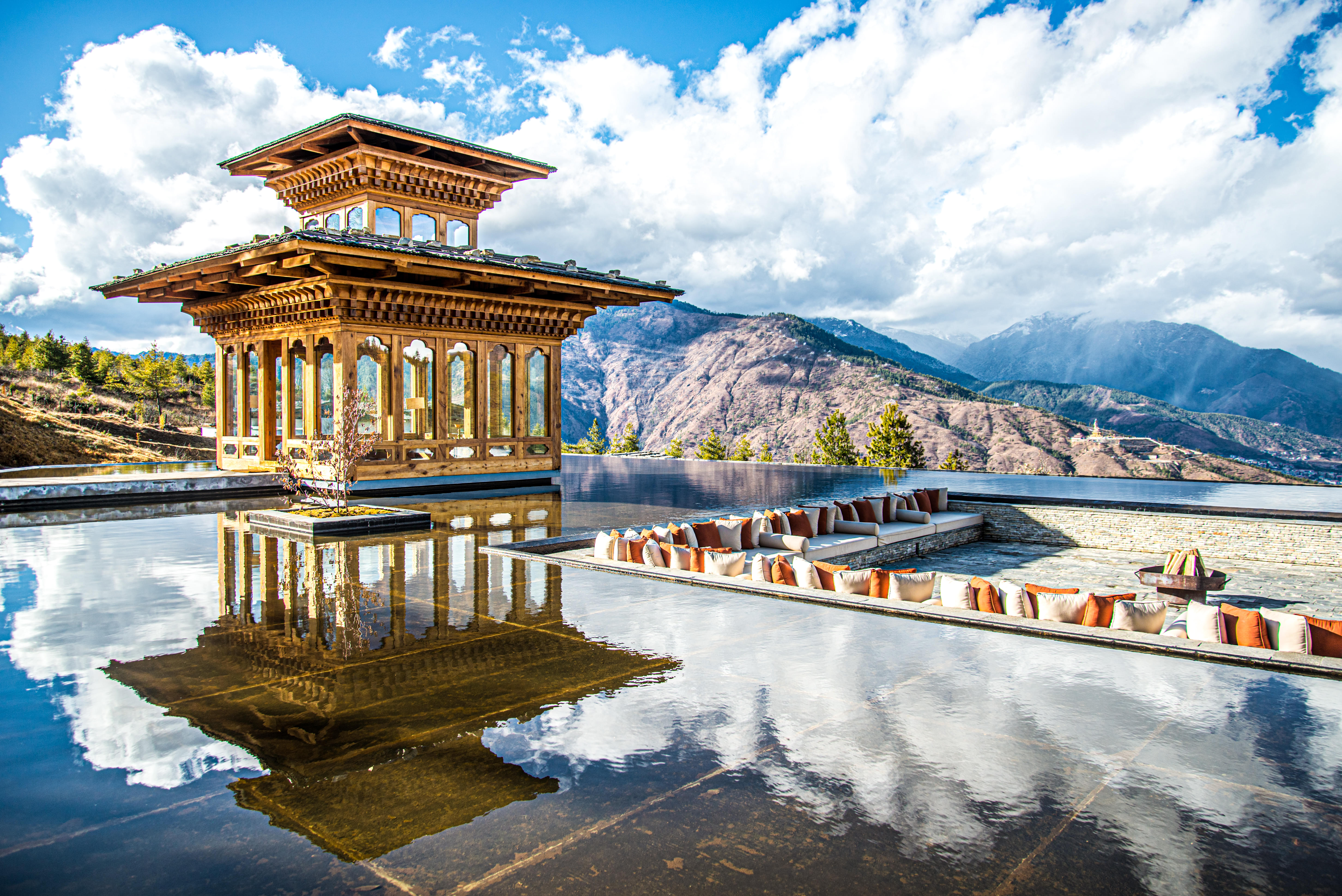
Weigh all possibilities when it comes to staying in Thimpu: Wouldn’t you like to experience having a stay with a Bhutanese family? Yes, there are certainly those visitors who would love to enjoy the comfort at the numerous, well-known resorts of Thimpu – however, do consider a homestay while you’re at it.
Tip at restaurants: If you’re staying at a resort of a hotel then it is quite obvious that you won’t be required or expected to end a certain matter with a tip. The same applies to restaurants as well. Most of the times, it is your well-trusted guide that takes care of such situations and if you’re without one then do as you may without feeling obligated.
Drinking laws: There are no strict drinking laws in Thimpu and nor is there any Las Vegas type night-life scenario. You will enjoy the best at affordable rates provided you do so within safe limits.
Understand the Bhutanese culture by visiting the Changangkha Lhakhang: A fortress-like temple by nature, this is among the most popular destinations in the whole of Thimpu. It is home to numerous pilgrim activities. Established back in the 12th century, Changangkha Lhakhang holds great value for those who believe in the Buddhist culture. This site was actually chosed by the revered Lama Phajo Drukgom. Visitors will enjoy a great view from the back of the temple.
Visiting the Painting School: The Painting School or officially known as the National Institute for Zorig Chusum is Bhutan’s only place that provides courses in varied art-related subjects. Learn more about Bhutan’s 13 different traditional art forms and be impressed by the local students’ skill and discipline.
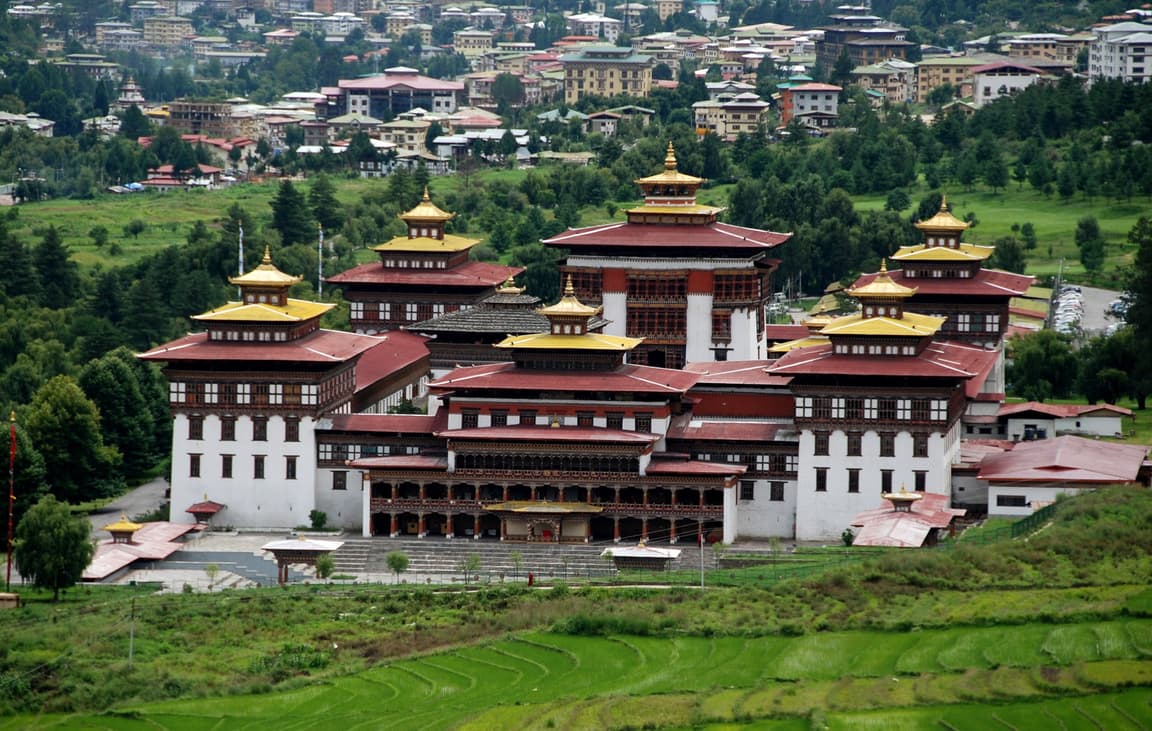
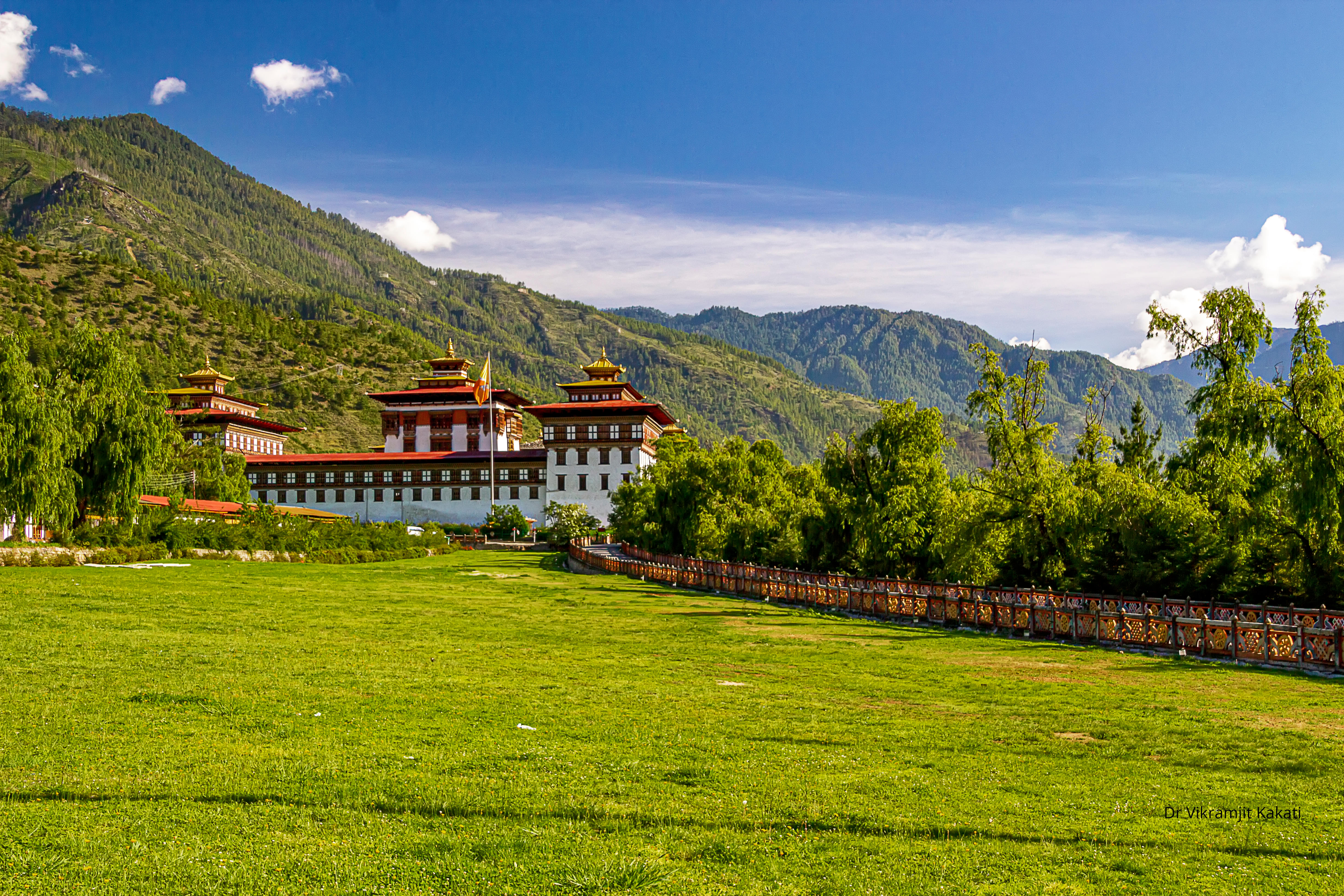
Be mesmerized by the great Tashi Chho Dzong: Tashi Chho Dzong also known as the Fortress Of The Glorious Religion lies on the northern portion of the city. It is beautifully nestled away amid valleys thereby provided a grand view of the city as well as the incredible green pastures of the place. Get a glimpse of the traditional and rich architecture that stands strong even years later.
Go on an endless shopping spree at Thimpu’s Weekend Market: Weekend Market which usually is formed on the west bank of Wang Chhu by vendors that sell a variety of things – all the way from handicrafts to an interesting section of aromatic raw ingredients of food, is one of must-do things in Thimpu. Have a great time wandering around stalls and own a pungent collection of food, clothings and so much more.
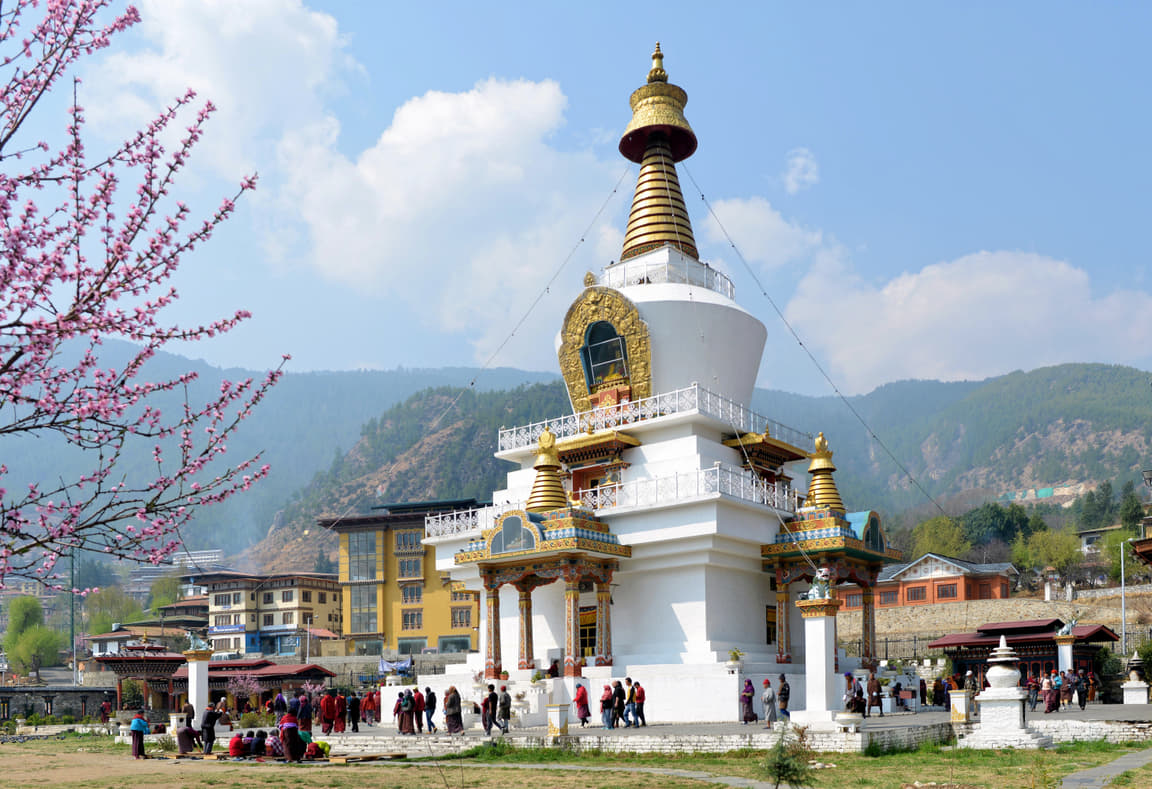
Realize the importance of religious ethnicity of Thimpu: Visit the largest, Tibetan-style religious structure – the National Memorial Chorten and feel one with the daily worship conducted by the locals. This structure is truly beautiful especially given the perfected white-washed chortens which are typically decorated with richly painted symbols of the religion.
Be amazed by the Changlimithang Stadium: This is the place where the 1885 battle of Bhutan’s first king took place. There is great relevance and soul-shuttering history that exists on this particular land of Thimpu. Apart from that, there are occasional football matches that take place as well.
Meet the oddball mammals of Motithang Takin Preserve: Did you think there isn’t anything wild to explore in Thimpu? Well, think again cause you’re wrong. This largely-fenced enclosure is house to some of the most unique species of mammals. Meet Bhutan’s national animal – Takin among various other animals and enjoy the adventurous trail towards the tower view point while you’re at it. There is no regretting when it comes to this.
Government website:
Others:
Books to read:
Dreams of the peaceful dragon, Bhutan: The land of serenity.
Thimphu experiences a varying climate throughout the year, with each season adding on a vivid spark to the city. The best time to visit the city is from September to November and March to May.
In autumn (September – November)
Autumn is considered to be the best time to visit Thimphu. The temperature during autumn rarely crosses 20 degrees Celsius, and the minimum temperature is 4 degrees Celsius. There might be mild showers, so it is advisable to carry an umbrella or raincoat.
In winters (December – February)
Thimphu has chilly and snowy winters, with temperatures going as low as -10 degrees Celsius. Activities like trekking and bird-watching are popular attractions during this season.
In spring (March – May)
Spring in Thimphu is blooming with flowers with lush green surroundings. Many birds migrate during this time, making it a haven for birders.
In monsoon (June – August)
Monsoon in Bhutan is followed by heavy rains with the mountains being covered in clouds. This is the wettest season in Thimphu.
There are no direct train or air routes to Thimphu, which makes traveling via road the most convenient way of commuting. Indian cars are allowed in Thimphu, so you can hire from car rentals or take your own car. When doing so, you will have to select one of the three borders - Bongaigaon - Gelephu Point, Darangamela – Samdrup in Assam, and Jaigaon -Phuentsholing in West Bengal.
The most preferred route is Jaigaon – Phuentsholing, due to the ease of obtaining entry passes.
You can also catch buses from Phuentsholing, which run every 30 minutes.
When in Thimphu, you can commute using autos and buses. It is well-connected with negligible traffic.
Jhungi Handmade Paper Factory
Cherish the Bhutanese culture while making greeting cards or your souvenirs with your sweetheart at Jhungi Handmade Paper Factory.
Bumthang Owl Trek
Have an immersive cultural experience in the lush green hills of Thimphu with your sweetheart with stargazing at night.
Simply Bhutan
Explore the living museum Simply Bhutan while how to make arak (the local alcohol) and clicking pictures with your sweetheart in traditional Bhutanese clothing.
During winters, the temperature ranges from -2 degrees Celsius during daytime to -10 degrees Celsius at night.
During summers, the temperature ranges from 24 degrees Celsius during daytime to 15 degrees Celsius at night.
During monsoon, the temperature ranges from 9 degrees Celsius during daytime to 20 degrees Celsius at night.
The overall climate of Thimphu is pleasant, and little bit cold.
Cycling
Cycling on the rocky terrains of hills and slopes will get your adrenaline pumping like no other activity.
Kayaking
The rivers in Bhutan fed by the colossal glacial melts of Eastern Himalayas have made it an adventurous kayaking place. You are made to sit on a canoe and row in the Raidak River while kayaking over here.
Rafting
The rapid flow of crystal clear rivers emerging from the Himalayan ranges has made river rafting a popular activity. In rafting, you sit on a boat and paddle your way across the rapid flow of water.
Trekking
The pristine mountains of Bhutan offer glamorous view and have become a trekking paradise for wanderers and explorers. There are moderate to difficult level treks available to make your adrenaline go berserk.
When traveling to Thimphu during summers, carry light sweaters as it might get chilly at night.
During winters, the temperatures fall as low as -10 degrees Celsius, so carry heavy coats, jackets, shawls, and scarves.
Carry moisturizers and Vaseline to take care of your skin.
Yes, Thimphu is a popular honeymoon destination for lovebirds due to the aesthetic appeal of the place coupled with adventurous activities.
Yes, there are several ATMs in Thimphu, but due to the topography of the place, they may not always be under working conditions. However, Visa cards are a reliable source of transactions.
Yes, Thimphu also has international ATMs but with a withdraw limit of 10,000 Ngultrums.
The ideal duration of stay in Thimphu is a week, more or less. This is enough to cover the treks, watersport activities, museums, and monuments in and around Thimphu
Temporary local SIM cards are easy to get in Thimphu, and only cost 100 Ngultrums at any local mobile store. You will have to give them a copy of your passport, and you can get 3G/4g recharges along with unlimited talk time.
Thimphu has various private and public hospitals interspersed throughout the city, and help is only a phone call away with most of them. The main hospital here is the National Referral Hospital or Jigme Dorji Wangchuck National Referral Hospital.