4.6959
7 days & 6 nights
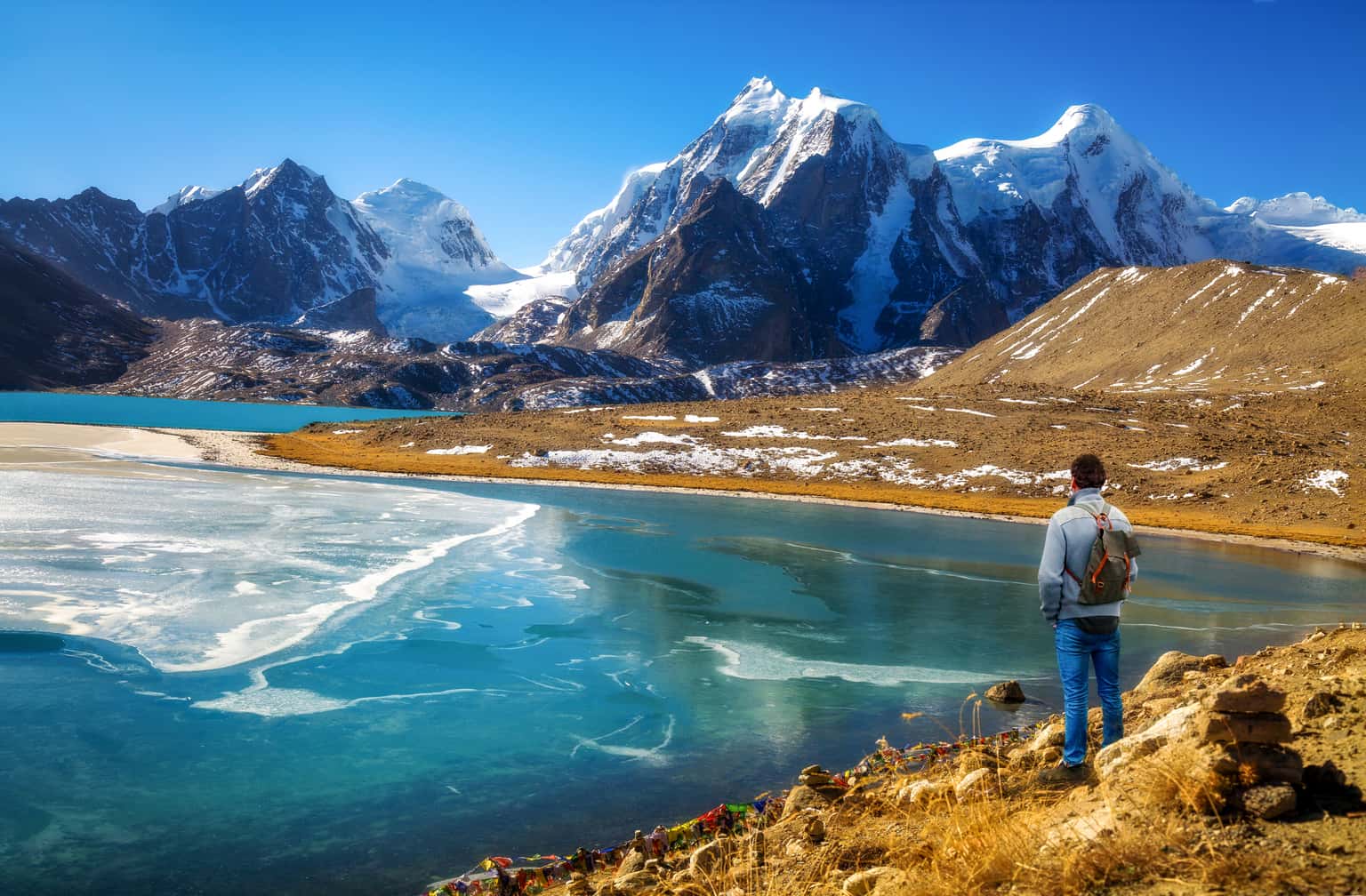
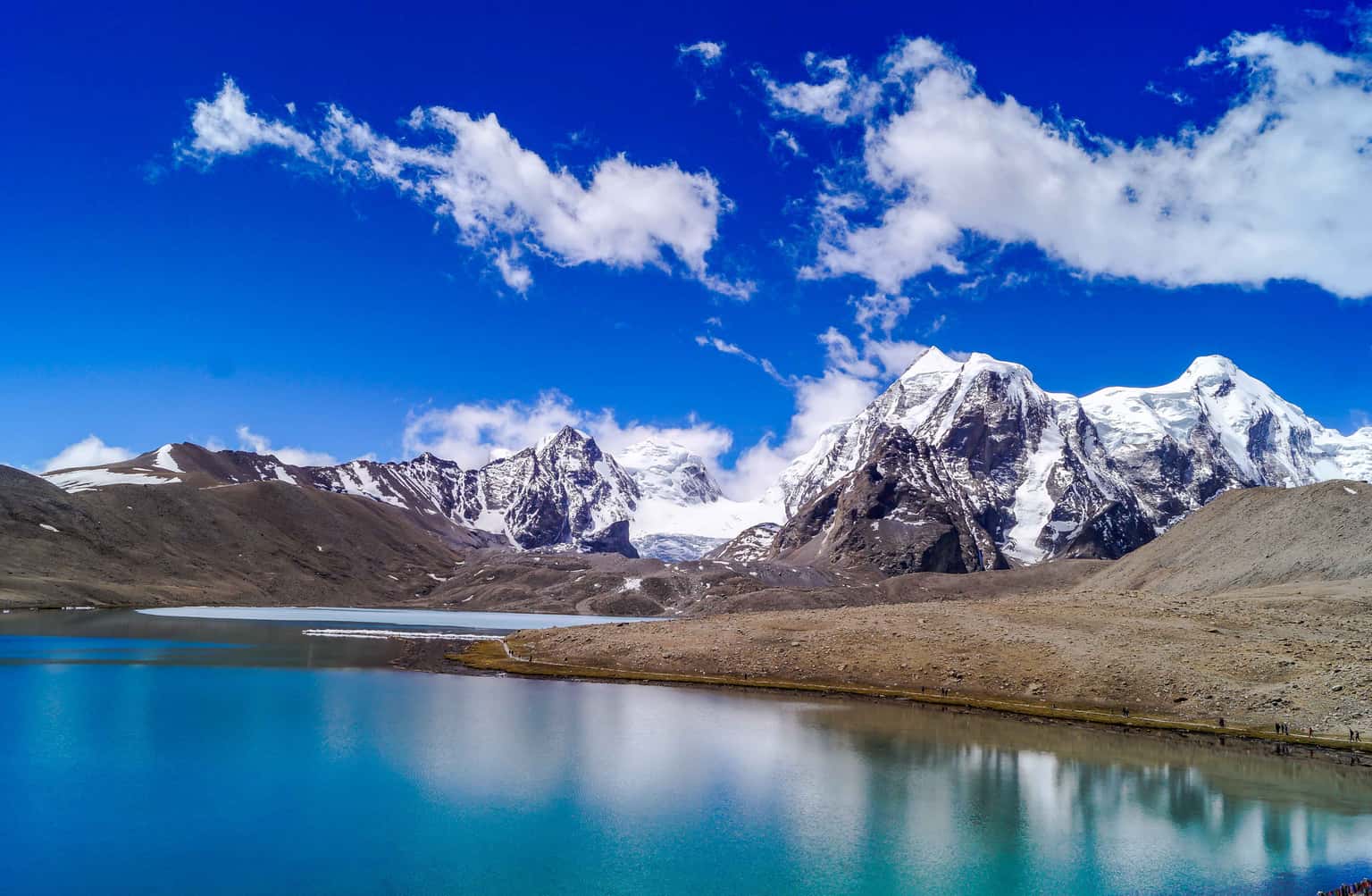
Highlights of North Sikkim | FREE Visit to Bhim Nala Falls
₹33,24824% OFF
₹25,249/ Adult
Take the first step to getting there!
Reserved by our own team.
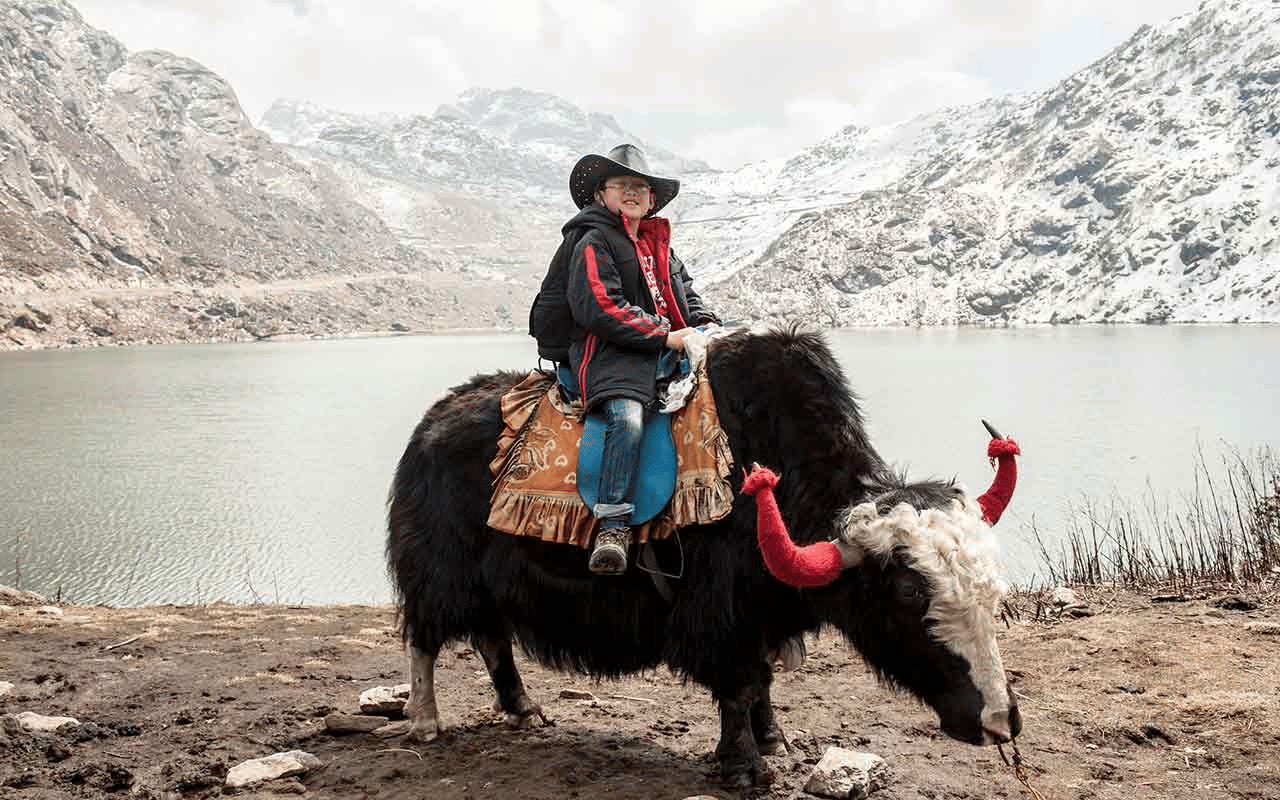
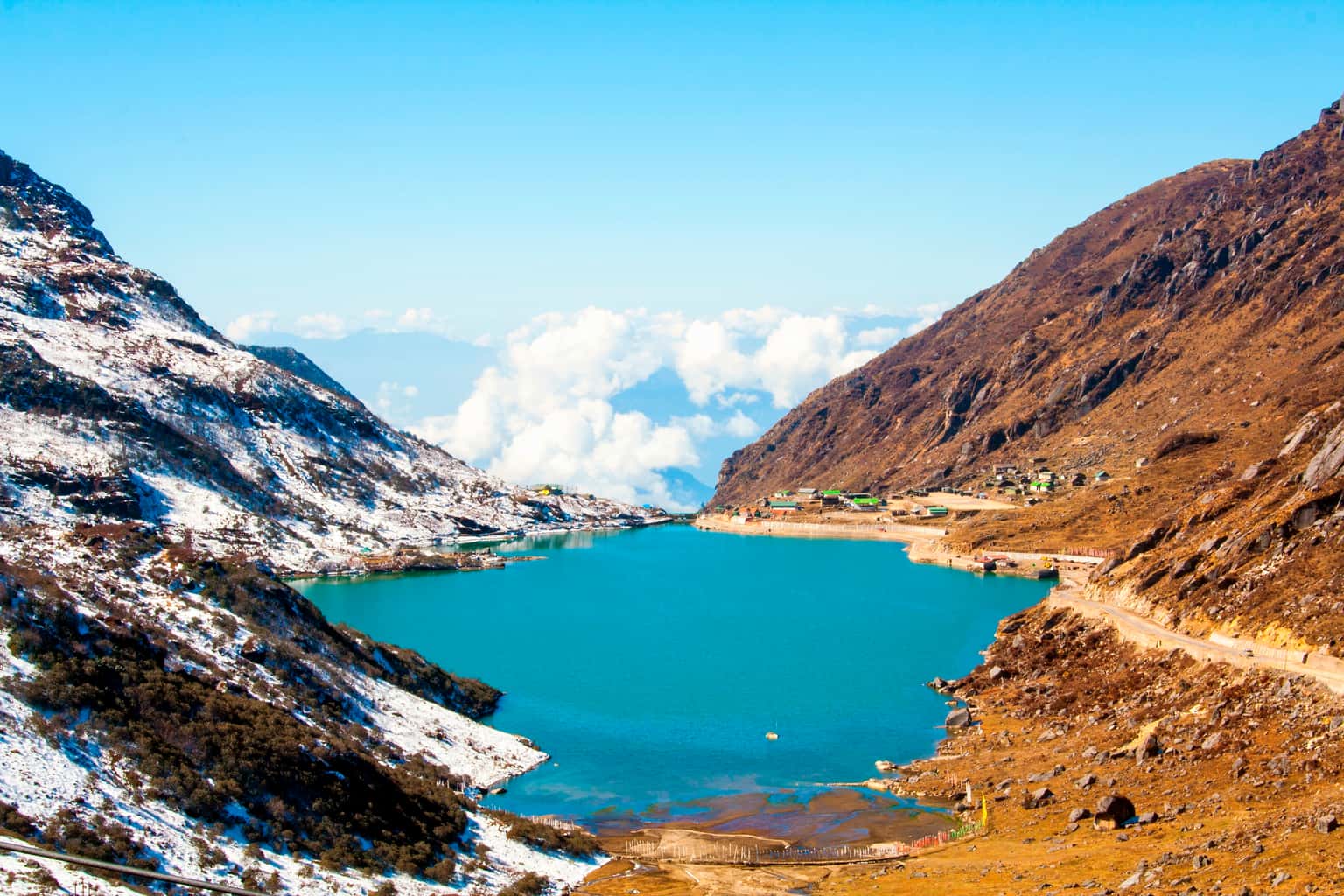
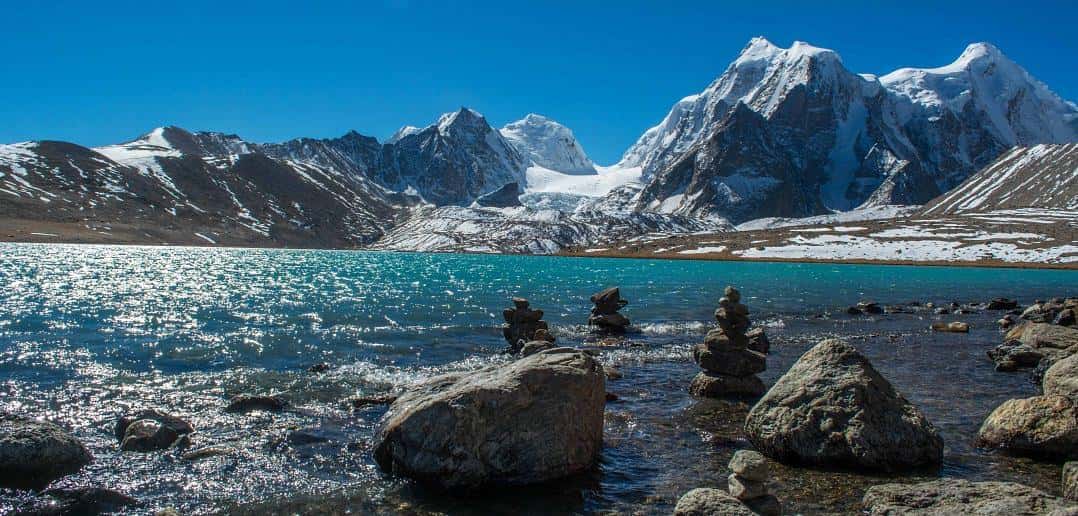
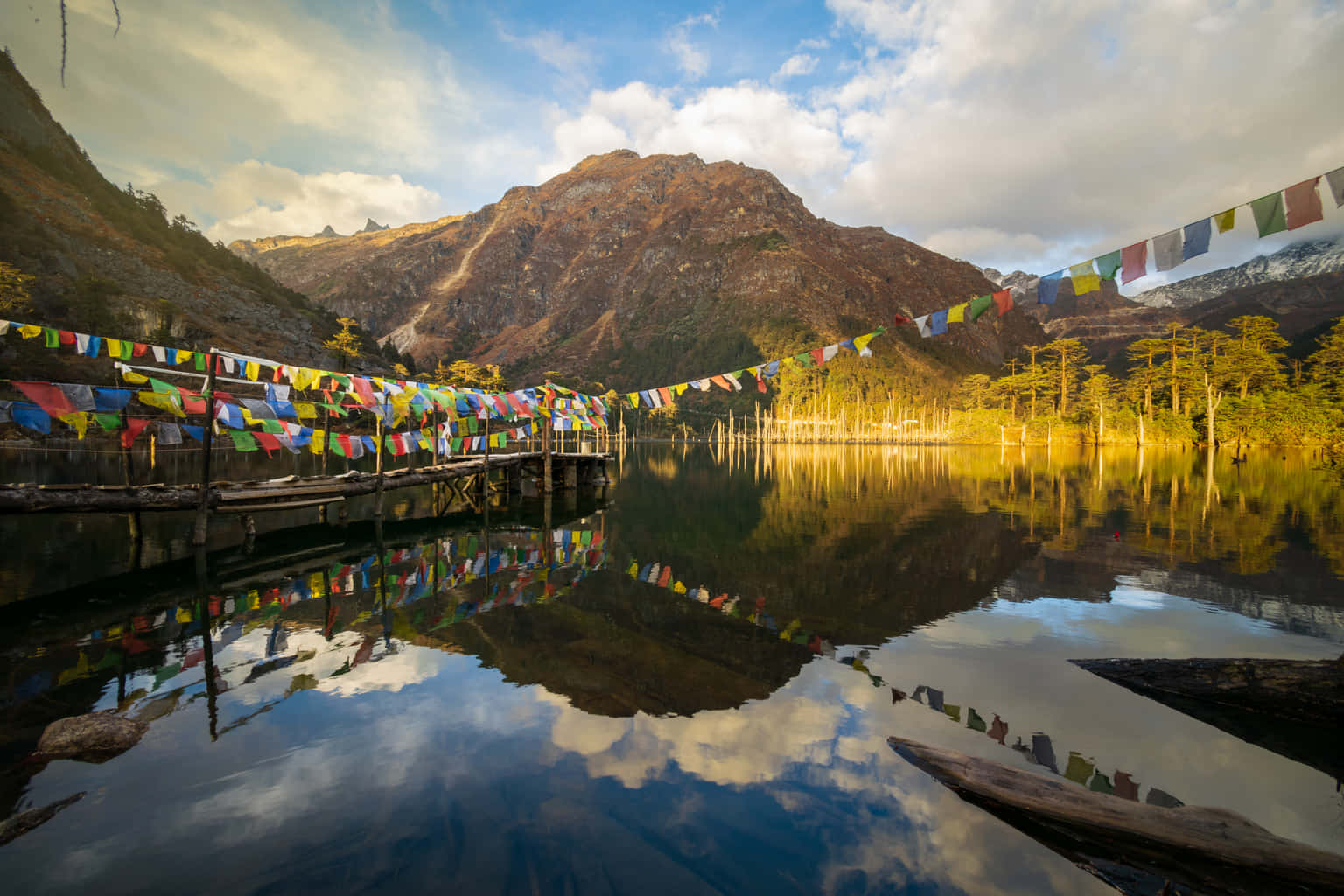
Reserved by our own team.












Happy customers from 70+ countries all around.
Rated across Trip Advisor and Google reviews.
Special curated Indian itineraries built for Indians.
Always there to help before and during trips.

Dive into North East India's best with meticulously curated tours and genuine local insights.
Explore hidden gems with passionate locals who bring North East India to life.
Flights, hotels, activities and visas — leave it all to us for a seamless journey.
Enjoy unmatched value with special Thrillophilia prices and seasonal offers.
Usually booked alongside North East India — same team.
From 18,315 travellers
Everything was perfectly planned and well organized. The driver assigned to us was excellent, very friendly, and knowledgeable, which made it easy for us to visit all the places we had planned. The trip organizer was also very supportive and regularly checked in with us to make sure everything was going well. Overall, it was a wonderful and memorable experience exploring Meghalaya with the help of the Thrillophilia team. Highly satisfied with the arrangements and service!
It was my first time planning with Thrillophilia and they delivered everything they promised. So supportive and transparent
Overall, the trip was well organised and enjoyable.
We recently returned from North east trip. It was designed in perfect way. I would appreciate the planning team especially Mr Sachin, he took care of each & everything. Since I was travelling with children so he curated the trip accordingly. My children were so happy to explore the abode of clouds- Cherrapunji, Dawki, & Shillong local market. Though we could not go to Mawllynnong due to Sunday but it was ok. We also like to express our gratitude for the driver assigned for the trip, Mr Hiren Deka. He was very polite & professional. Also, shared some knowledge about the local cuture which was really helpful. When we travel with kids, safety is the first thing that we look for and driver made us fell safe & secure throughout the trip. Accomodation were really good & spacious and last one near the local market which I found very convenient. Thank tou Team Thrillophilia for paying attention to every details and making the travel better. Thanks again & keep it up!
Package itinerary was good, hotels/stay provided was
The trip was really nice, comfortable, hassle free and fun. Ambika gave us a good deal and itinerary. Cab Drivers were experienced and very helpful. So overall it was a good tour.
Visas, weather, money and booking basics.
Quick links to everything else worth a slot on a longer stay.