Reviewed by Thrillophilia Bhutan Operations Team
Updated as of June 2026
Bhutan tour packages from Mumbai for 6 to 11 days range between INR 28,500 and INR 79,000 per adult, which covers scenic destinations like Buddha Dordenma, Dochula Pass, and Punakha Dzong.
A Bhutan tour package from Mumbai offers a shift that few destinations can match, connecting the relentless pace of the Maximum City to the quiet authority of the Last Shangri-La. There are no direct flights from Chhatrapati Shivaji Maharaj International Airport (BOM) to Paro (PBH), but one can reach Bhutan from Mumbai via Kolkata or Delhi.
Thrillophilia's itineraries connect you seamlessly via Kolkata (CCU) or Delhi (DEL) through Drukair and Bhutan Airlines. We also provide operational authority for the Sustainable Development Fee (SDF) for Indian travellers, at INR 1,200 per person per night. While planning for your Bhutan tour package from Mumbai, include the SDF fee per night separately in your budget.
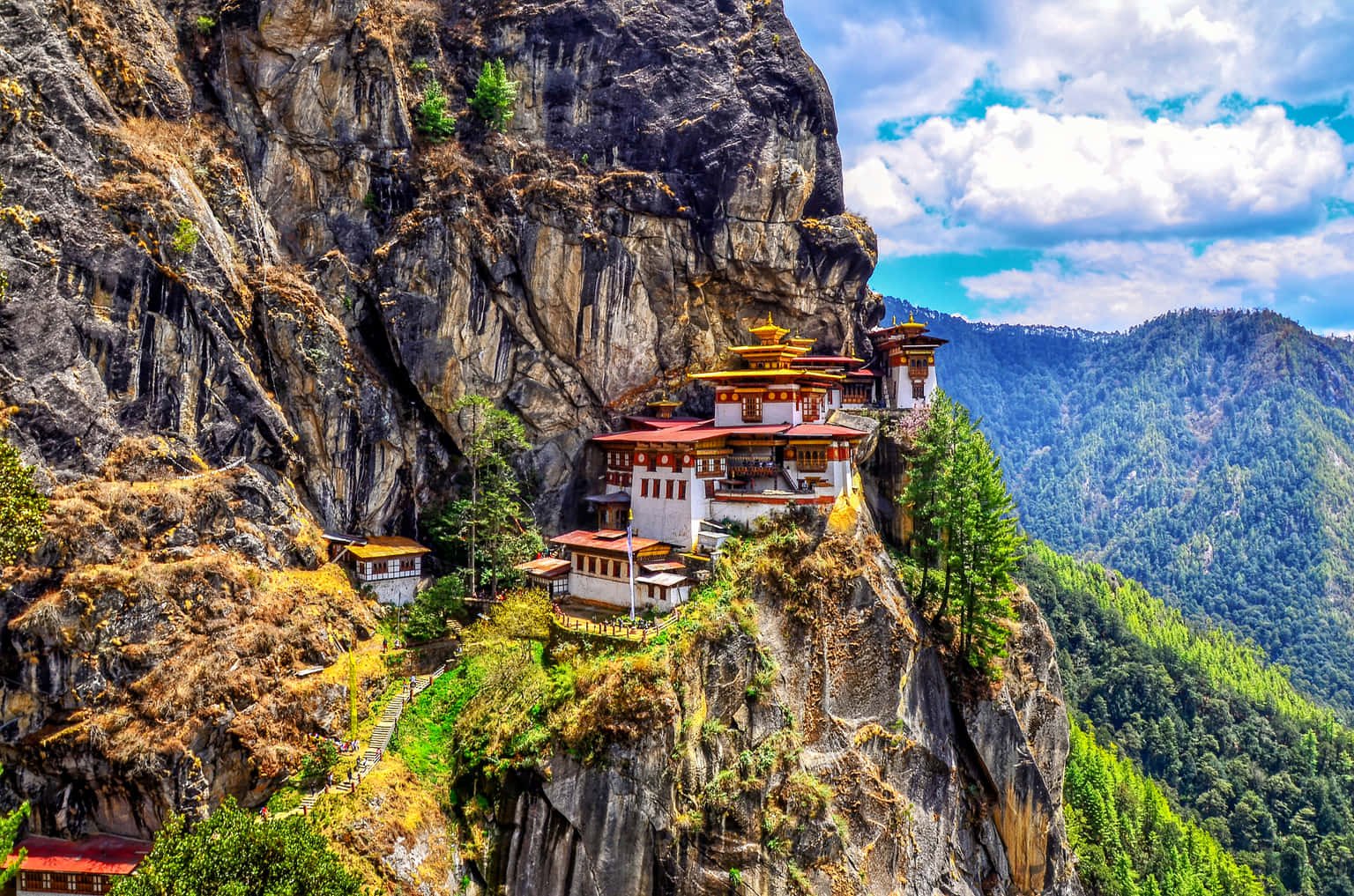
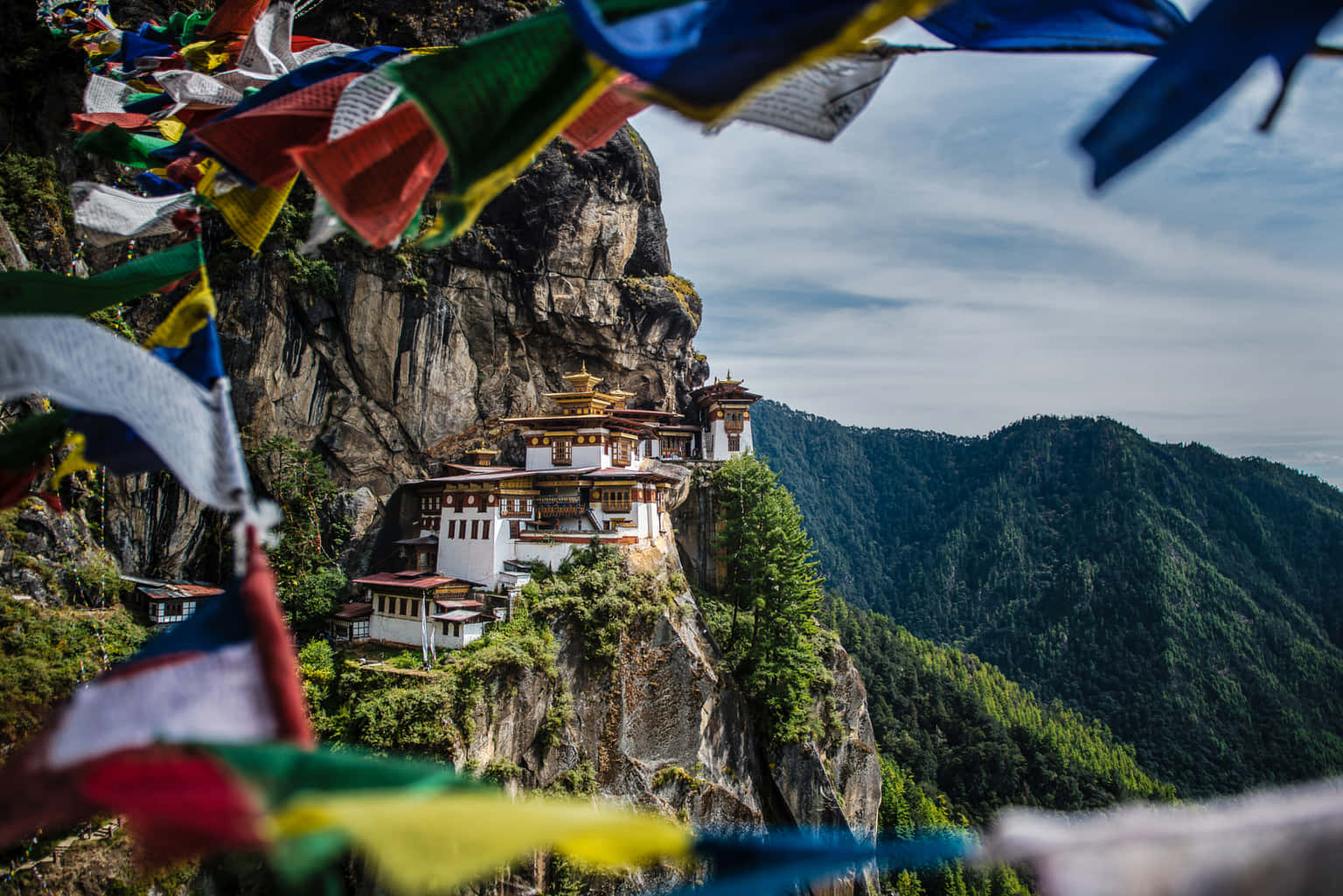
Whether you are a South Mumbai professional eyeing the 900-metre ascent to Tiger's Nest or a Juhu resident drawn to the river-fort architecture of Punakha Dzong, we guide you with your entry permits and pre-approved clearances. With a 4.5 rating, Thrillophilia helps you to plan your trip to the world's only carbon-negative kingdom.
Bhutan Honeymoon Packages Breakdown
- Price Range: INR 28,500 to INR 79,000 per person for 6 to 11 days. The cost of your Bhutan tour package increases depending on duration, route taken, and the type of accommodation you choose.
- Duration: The 8-day and 7-night Bhuta tour package is the most popular duration for having a comfortable and in-depth trip to Bhutan, offering flexible itineraries suitable for both short getaways and extended tours.
- Accommodation: Options for accommodations include deluxe hotels or comfortable 3-star and premium 4-star hotels like Hotel Prince Plaza in Kathmandu and White Dragon Hotel in Punakha, giving travellers the freedom to choose based on their budget and preferences.
- Cities Covered: Major destinations include Thimphu, Paro, Punakha, and Bumthang, covering the best of western and central Bhutan.
- Inclusions: Bhutan entry permit and Sustainable Development Fees (SDF) guidance, guided tours to iconic sites like Punakha Dzong and Tiger's Nest Monastery, internal transfers, itinerary customisation and selected meals.
- Best Time to Visit: March to May for spring blooms and October to December for clear skies and festival season.
Bhutan tour package from Mumbai: Price Range
Expense Category | Budget (INR) | Mid-Range (INR)
| Luxury (INR)
|
|---|
Accommodation (per night) | INR 8,000 – 15,000 | INR 12,000 – 14,000
| INR 25,000 – 40,000+ |
Local Transfers | INR 6,000 – 7,000
| INR 8,000 – 9,000
| INR 10,000+ |
Meals | 2,000 – 3,500/day | 3,500 – 7,000/day | 7,000+/day |
SDF & permits (not included in the packages)
| INR 6,000 – 7,000 (5–6 nights × INR 1,200)
| INR 7,200 – 9,600 (6–8 nights × INR 1,200)
| INR 8,400 – 12,000 (7–10 nights × INR 1,200)
|
Flights (Return) | INR 45,000 to 70,000 | INR 45,000 to 70,000 | INR 45,000 to 70,000 |
Bhutan tour package from Mumbai: Types of Packages
Package
| Duration
| Destinations Covered
| Land Price / Person
| Best For
|
|---|
Bhutan Budget tour package | 4 to 5 days | Thimphu City and Paro | INR 28,500 to INR 39,290 | First-timers and travellers who want a short Bhutan trip |
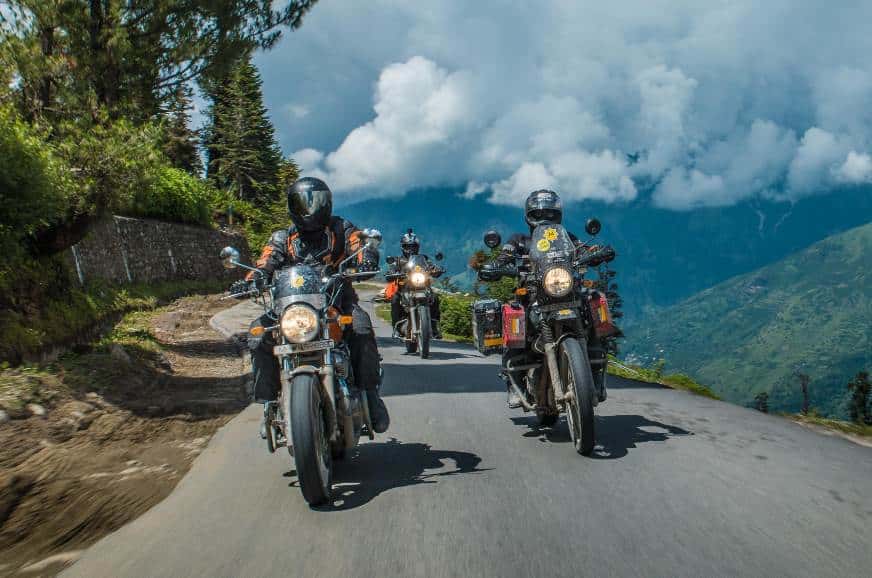
Bhutan Bike Tour Packages | 5 to 6 days | Thimphu City, Punakha, Paro and Phuntsholing | INR 38,586 to INR 66,990 | Road trip lovers, Adventure enthusiasts and Bikers |
Bhutan Family Tour Package | 6 to 7 days | Phuntsholing, Thimphu City, Paro, Nubding, Punakha, Siliguri | INR 45,950 to INR 68,990
| For families wanting a mountain holiday |
Bhutan Honeymoon Package | 6 to 7 days | Phuntsholing, Thimphu City, Paro, Phuntsholing, Siliguri | INR 50,586 to INR 79,999 | Groups, families and extended holiday travellers |
How to Reach Bhutan from Mumbai
Getting from Mumbai to Bhutan requires planning your transit carefully. The route you choose directly affects how much of your first day you actually spend in Bhutan.
Paro Air Gateway (Via Kolkata & Delhi)
- Kolkata is the most efficient transit point from Mumbai
- Take an early flight (IndiGo / Air India) from Mumbai to Kolkata
- Connect to Bhutan Airlines flights (08:00 AM / 11:00 AM) to Paro
- Flight duration: ~1–1 hour 20 minutes (Kolkata → Paro)
- Fares: ₹15,000–₹20,000 one-way
- Via Delhi is possible but involves a stop; fares start around ₹22,000
- The Kolkata route is better for a same-day arrival in Paro
No Direct Flights (BOM → PBH)
- No non-stop flights operate from Mumbai to Paro
- All itineraries route via Kolkata or Delhi
- Planning around this ensures a smoother, stress-free journey
Alternative Route
- Fly from Mumbai to Bagdogra (IXB)
- Drive to Phuentsholing, which will take approx. 4 to 5 hours by road. Vandana Singh, one of our verified travellers from Mumbai who booked the INSTAGRAMMABLE Bhutan Group Tour | Excursion to Chele La Pass package shared in April 2026 that, “Excellent experience the moment I entered Bhutan. Expert driver along with polite and knowledgeable guide......they took care of everything....even extending helping hands to those who were unable to walk...... Good and comfortable vehicle”
- Even though Bhutan has no railway station of its own, one can choose to reach Bhutan via Hasimara or New Jalpaiguri. Hasimara is the closest railway, just 17 km from the Phuntsholing border, whereas New Jalpaiguri (NGP) is a major hub with several conveniences, from which it is a 4 to 6-hour drive to the border.
Visa Requirements and Sustainable Development Fees for Travellers
For International Travellers: Couples who are non-Indians need to carry e-visas as mandatory advance clearance. Adults have to pay $200 per night as Sustainable Development Fees (SDF), which is separate from visa fees, hotels, and food costs.
For Indian Travellers: Indian nationals visiting Bhutan do not require a visa. However, they will be issued an Entry Permit. An entry permit will be issued by the Department of Immigration in the Pedestrian Terminal at Phuentsholing based on a valid travel document.
Moreover, the Sustainable Development Fee (SDF) for Indian travellers remains INR 1,200 per person per night in 2026. This rate is confirmed through at least August 2027. Children between 6 and 12 years pay INR 600 per night. Children under 6 are exempt.
Indians just have to carry any one of the two valid travel requirements:
(a) Valid Indian passport with a validity of at least 6 months
(b) original voter ID card issued by the Election Commission of India, along with recent passport-size photographs.
As instructed on the website of the Embassy of India, Thimphu.
- Indian travellers coming by road need an entry permit based on the above travel documents by applying online via the Bhutan Immigration Portal or obtaining it on arrival at Paro Airport or land borders like Phuentsholing.
- The e-permit covers Thimphu and Paro only. To visit other districts of Bhutan, one must get a special area permit in Thimphu.
- For stays exceeding 14 days, Indian couples must coordinate with authorised Bhutanese tour operators to obtain the necessary permits.
- Indians need to pay an SDF of INR 1,200 per person per night.
Money & Currencies
The national currency of Bhutan is the Bhutanese Ngultrum (Nu. or BTN), which is valued as 1:1 to the Indian rupee (INR). So both currencies are used alternatively throughout the country.
For Indians
- Indian currency is widely accepted in Bhutan. So, one can carry up to INR 25,000 in cash, in INR 500 notes or a preferred denomination.
- If you pay in INR, you are most likely to get the change back in Bhutanese Ngultrum.
- BHIM UPI and apps like Google Pay or PhonePe are now accepted at many Bhutanese merchants through the mBoB QR code.
For International tourists
- The US dollar is the most accepted foreign currency in Bhutan. Meanwhile, currencies such as euros, British pounds, and Singapore dollars can be exchanged at the Bank of Bhutan.
- As of April 2026, the approximate rate for USD is Nu 95.20, which equals 1 USD.
- Foreign currency other than Indian is not directly accepted for retail transactions. You need to exchange them for the currency of Bhutan for daily expenses.
For ATM card withdrawals, credit or debit cards (Visa/Mastercard) are widely accepted in 3-star and above hotels and large shops in Thimphu and Paro. ATMs are often unreliable for international travel due to poor connectivity.
As per our destination experts, some Indian bank cards may have some restrictions in Bhutan. Always consult your bank before travelling
Best Time to Plan Your Bhutan Tour Package from Mumbai
Bhutan rewards travellers who plan their timing well. Each season offers something distinct, and your choice should match what you have actually come to experience.
Peak Season (March to May and September to November)
Spring brings daytime temperatures of 10°C to 25°C. Rhododendrons and magnolias are in full bloom across the valleys. If you are planning a Bhutan honeymoon package, this season can be the most romantic time to experience the best of Bhutan. The Paro Tsechu and Ura Yakchoe festivals fall in this window. Autumn offers similar temperatures with clearer skies. Trekking conditions on the Jomolhari and Druk Path trails are at their best. The Thimphu Tsechu draws large crowds in October. Book flights and hotels well in advance for both windows.
Shoulder Season (June to August)
The monsoon brings frequent rain, especially in July and August. Daytime temperatures reach up to 30°C. Crowds thin out considerably. The Haa Summer Festival is a genuine cultural draw during this period. Outdoor treks become harder, but valley drives and dzong visits remain accessible.
Low Season (December to February)
Daytime temperatures drop to between 0°C and 15°C. Nights can go as low as minus 5°C. The black-necked cranes are present in Phobjikha Valley through February. The Punakha The Drubchen festival is a highlight of this season. Hotel rates are generally lower, and popular sites are far less crowded.
Top Destinations to Visit during your Bhutan tour package from Mumbai
Here are some of the top places to visit in Bhutan during your Bhutan trip from Mumbai. Our travellers completely rely on our route selection and selected destination just how Kunal did. Kunal Singh, one of our verified travellers who booked the Explore Bhutan with FREE Taktsang Monastery Tour package, shared in March 2026 that, “My Bhutan tour with Thrillophilia was perfectly planned and executed. From Paro to Thimphu, everything was seamless and comfortable. The cultural experiences and monasteries were highlights of the trip. Special thanks to Neha Joshi for her guidance. Thanks to Thrillophilia for such a great experience!”
1. Thimphu
Bhutan's capital city of Thimphu is the heart of governance as well as culture. Major landmarks here are Tashichho Dzong, Memorial Chorten, and the National Library. The city has no traffic light system and has modern infrastructure alongside traditional values. Textile museums, local markets, and weekend fairs comprise the urban landscape of Thimphu, making it an ideal destination for those who wish to experience Bhutanese culture and everyday life.
2. Paro
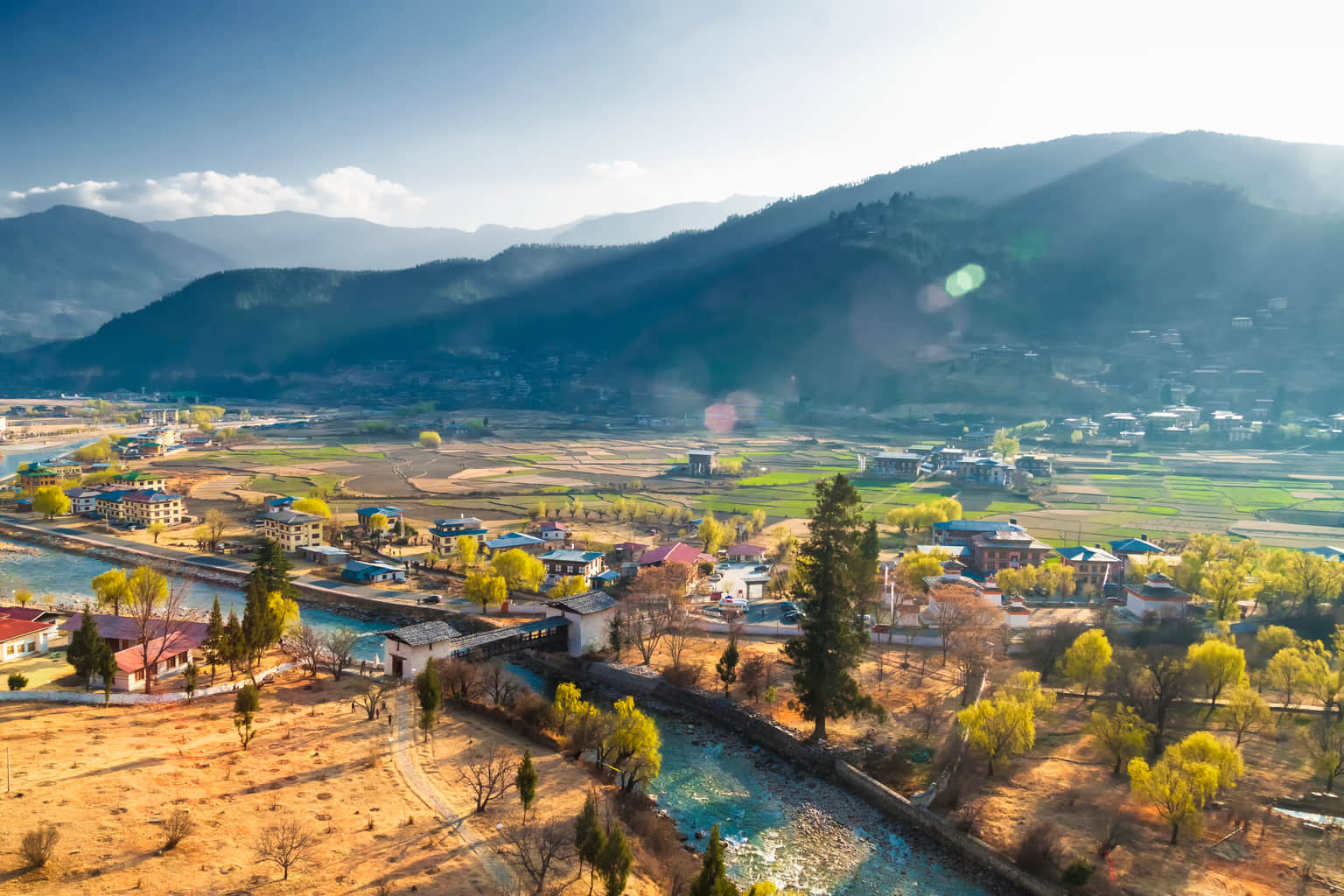
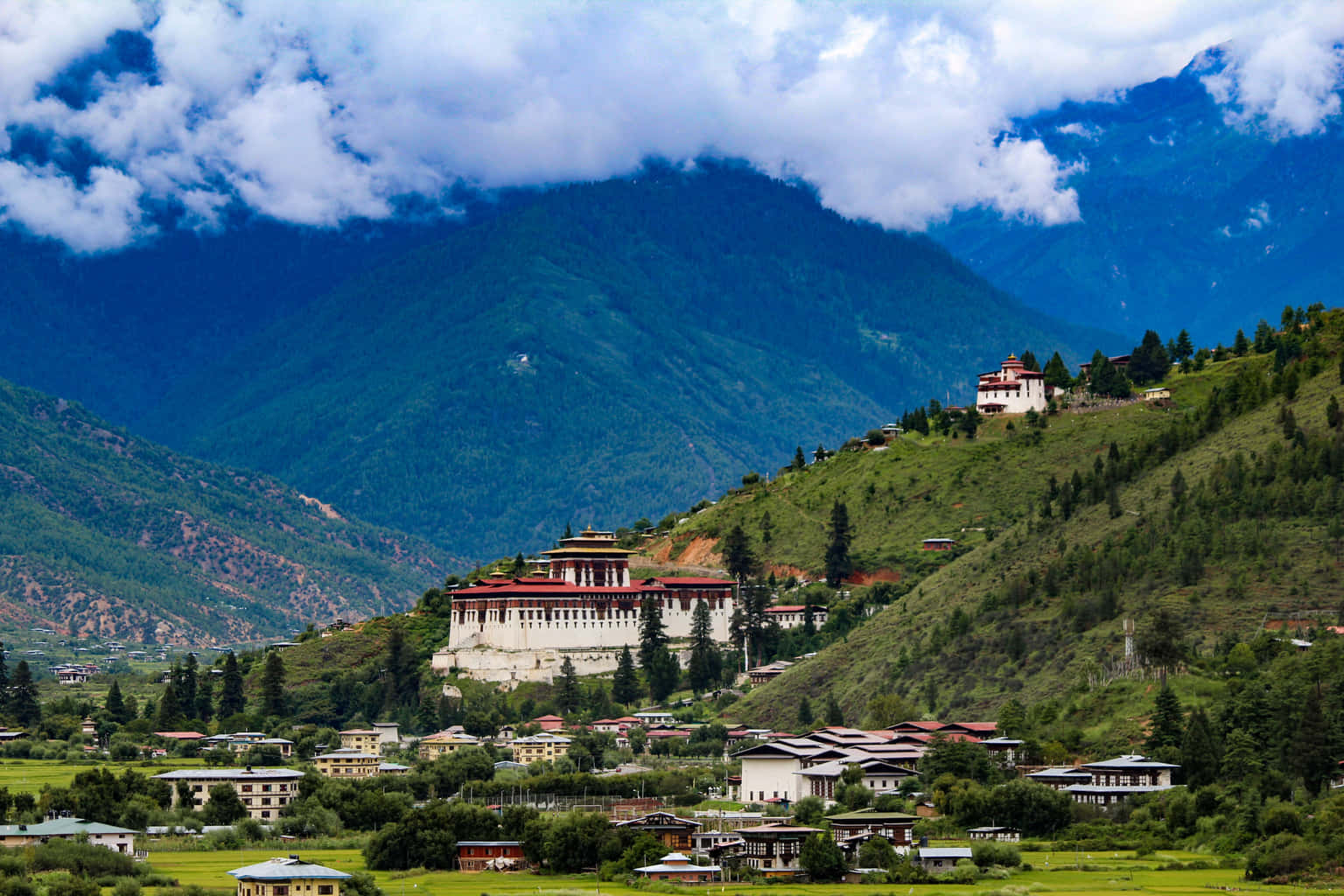
Paro is the only international airport in the country, located at the height of 2,235 metres above sea level, making it an entry point for most foreigners. Some of the world's most famous tourist sites here are Tiger's Nest Monastery (Taktsang), Rinpung Dzong, and the National Museum. The Paro Valley is home to ancient temples, traditional farmhouses, and beautiful riverside surroundings. Popular for cultural introduction and trekking, Paro attracts thousands of international tourists every year.
3. Punakha
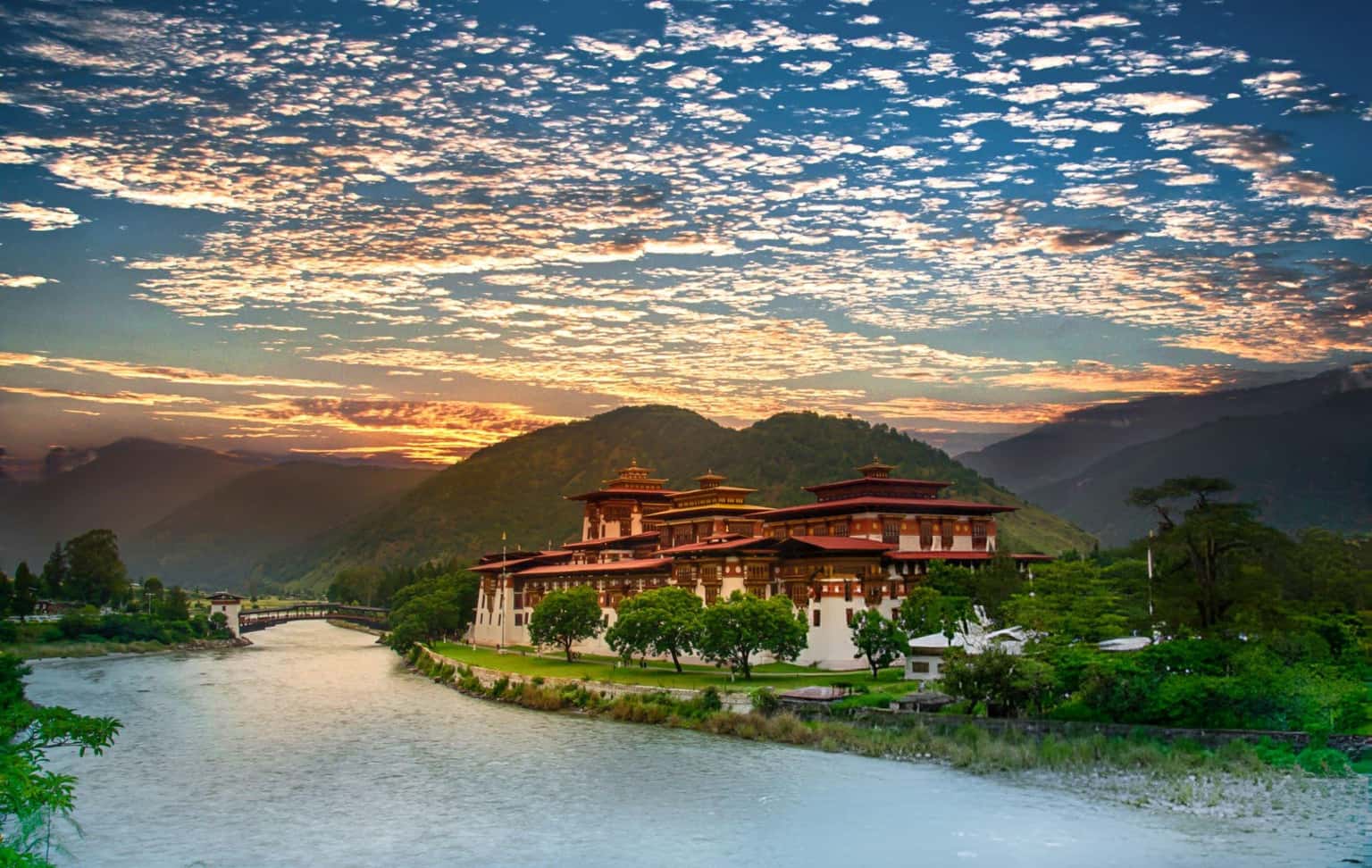
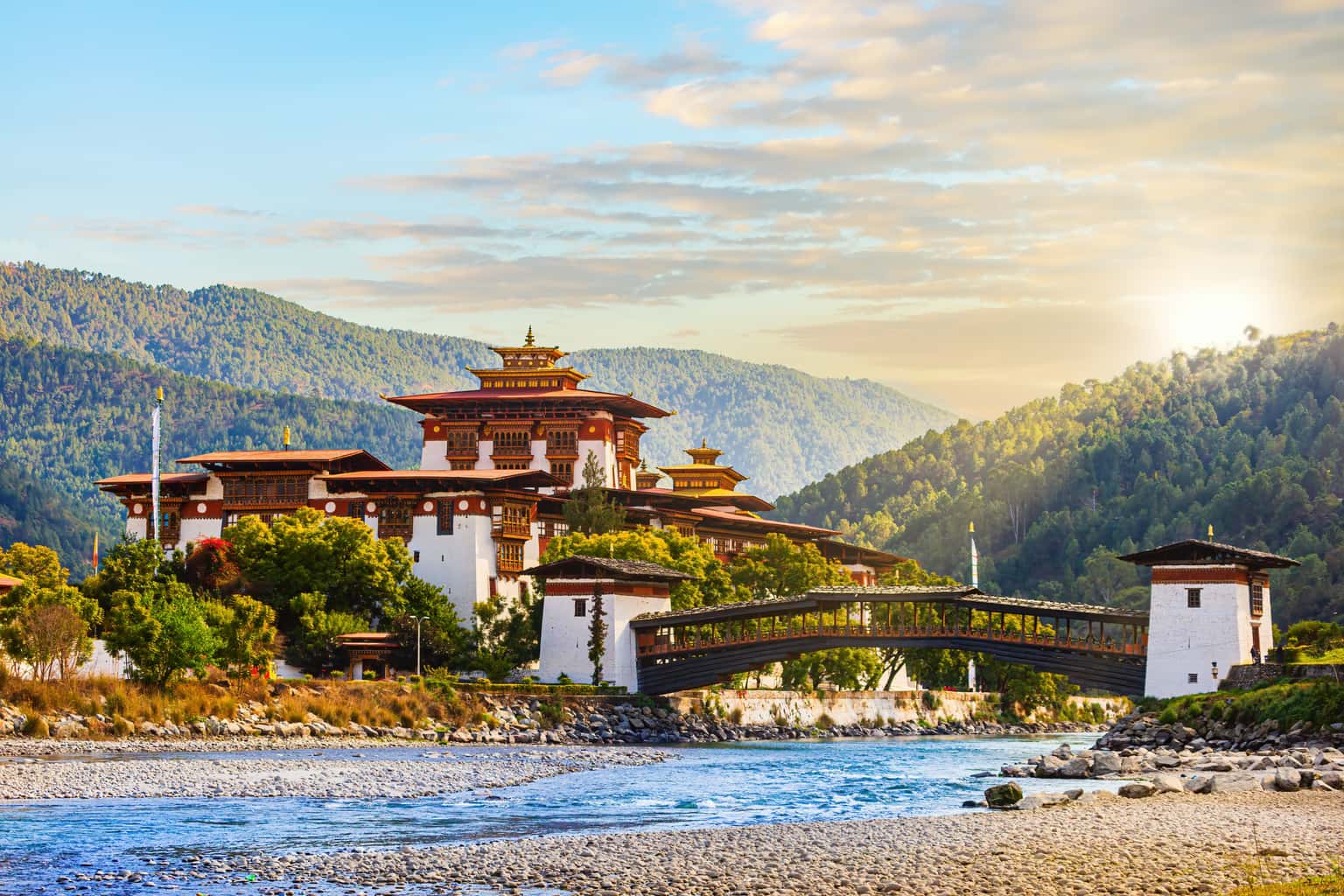
Punakha served as Bhutan’s capital until the mid-20th century and still hosts important religious events. The town is located on the junction of the Pho Chhu and Mo Chhu rivers and is suitable for river rafting. Among the most architecturally important dzongs in the country, the Punakha Dzong is the most popular in the region. The perfect winter climate here attracts tourists all year round.
4. Phobjikha Valley
Phobjikha is among the top wildlife habitats in Bhutan. It has been well-known for being a winter haven of black-necked cranes, an endangered bird. Here, the Gangtey Monastery sits majestically above the wetlands, giving an insight into local spiritual practices. Eco-tourism and nature conservation extend to this area, therefore attracting trekkers, wildlife enthusiasts, or those interested in Bhutan's environmental conservation.
5. Bumthang
Bumthang is the site of some of the earliest monasteries in Bhutan, such as the Jambay Lhakhang and Kurjey Lhakhang. The area includes four valleys: Chokhor, Tang, Ura, and Chhume, all of which are steeped in Bhutanese mythology and religious history. Several festivals, like Jambay Lhakhang Drup, are celebrated all year round, making it a very important place for any traveller associated with culture and spiritual tourism.
6. Tiger's Nest
Every traveller to Bhutan must visit Tiger's Nest, or Paro Taktsang, the ultimate attraction of Bhutan. This place is located on the hillside and is also referred to as Taktsang Monastery. You can visit any of the many shrines in the monastery, in addition to the cave temple. On your short hike to the tops of the Himalayan Mountains and the area of the Tiger's Nest, you will be able to see the magnificent Paro Valley views. Riya Kapoor from Mumbai booked the Experiential Bhutan | Free Gangtey Gompa Monastery Excursion package in January 2025. She says, “Hiking to the Tiger’s Nest was a dream come true. The climb was challenging, but reaching the monastery was an amazing experience. Thanks to guide Tashi, the trekking poles and encouragement were so helpful; I highly recommend this trek to everyone.”
Things to Do on a Bhutan Tour Package from Mumbai
Here are some of the best things to do in Bhutan:
1. Attend the festivals
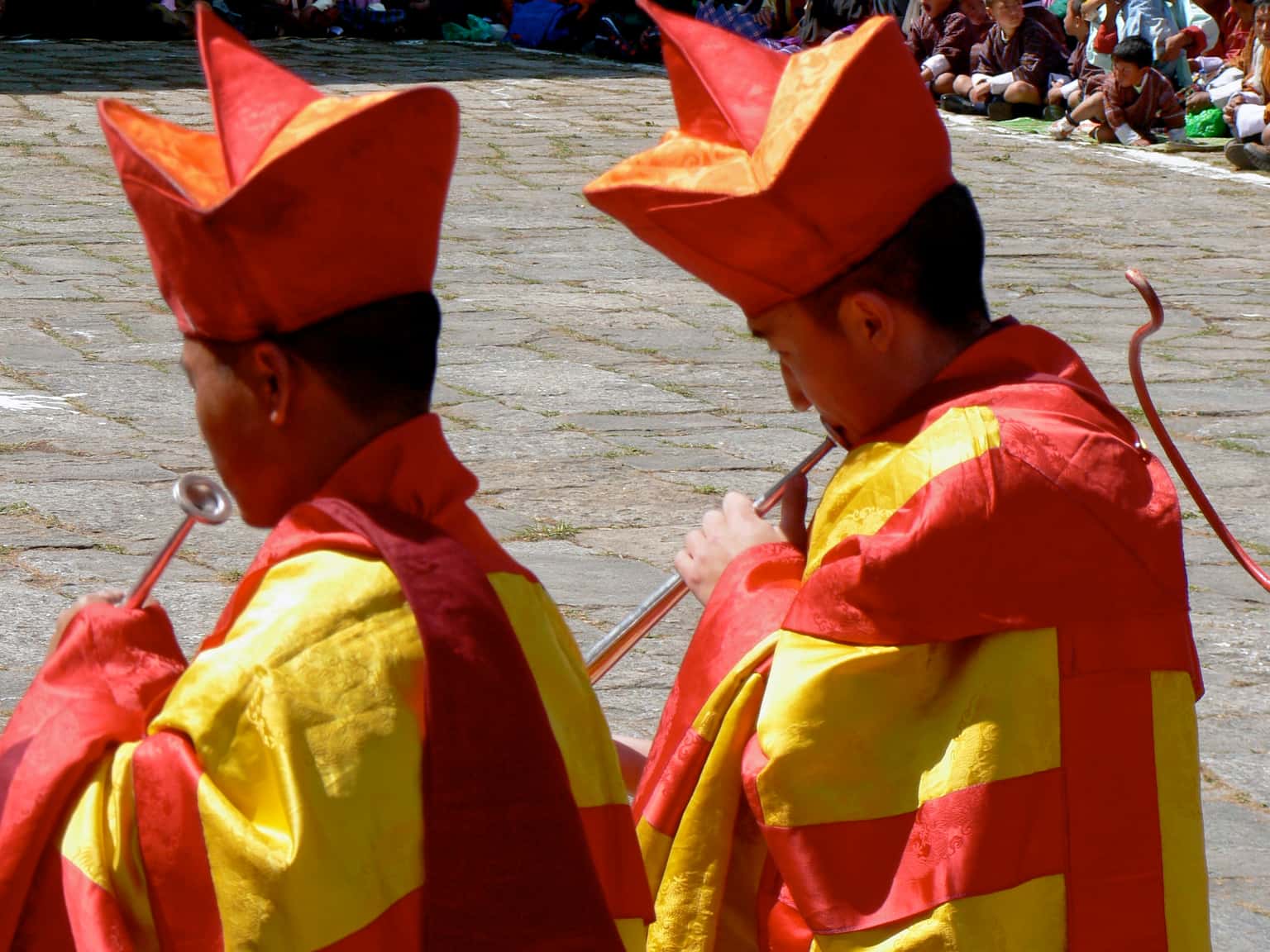
Depending on the season you choose to visit Bhutan, you can participate in several vibrant and colourful festivals that will directly connect you with the country's roots. Bhutan, being a Buddhist nation, has many festivals, including the Thimphu Tsechu Festival, the Haa Summer Festival, the Matsutake Festival, the Ura Yakchoe Festival, the Jomolhari Mountain Festival, and more.
2. Tour the museums
Educate yourself about the country's customs, culture, beliefs, and years of history by visiting the local museum. Centuries of stories and heritage, which the happiest country has, come alive through extensive collections and exhibits at the many museums.
Some of the famous museums are the National Museum of Bhutan, the National Textile Museum and the Folk Heritage Museum. You can also visit Simply Bhutan, the Bhutan Postal Museum, the Royal Heritage Museum, and the National Handicraft Emporium.
3. Shopping exploration
Any Bhutan tour package from Mumbai can’t be completed without shopping at the local market. Norzin Lam is one of the busiest and most popular places to shop for local and traditional Bhutanese items, like boots, clothing, handmade papers, carpets, silver, colourful masks, jewellery, hand-woven bamboo items, and wooden products.
4. Relax at these hot springs
Experience luxury and comfort at the same time while having the hot spring pools in Bhutan, like Gasa Tshachu, Dhur Tshachu, Chuboog Tshachu, etc. Locally, it's believed that it's not just a form of relaxation, but it has several medical properties that can heal several muscle and skin issues.
For a truly indulgent experience, consider combining these relaxing visits with luxury Bhutan holidays, where comfort meets tradition in breathtaking settings.
5. Quench the thirst for adventure
Bhutan gives you not only luxury, views, nature and spiritual breakthroughs but also thrilling experiences. A range of daring adventures, like trekking, hiking, mountain biking, rafting, camping, and archery, are some of the many ways to explore Bhutan’s true essence.
6. Soak in nature
Surrounding yourself with nature is the best way to dive deep into the natural scenery of Bhutan. Take walks alongside the mountains and enjoy the sunrises or sunsets to have the best of Bhutan
.
7. Spot the exotic wildlife
Participate in Bhutan’s rich biodiversity by witnessing exotic wildlife in its landscapes. The kingdom offers a unique wildlife experience, featuring elusive snow leopards and red pandas in the Eastern Himalayas, as well as vibrant birdlife in Phobjikha Valley.
8. Visit the Temple of the Divine Madman.
Indulge yourself in the spirituality of Bhutan by exploring the enchanting monasteries of the divine moment. The monasteries and temples hold cultural significance, adding a unique dimension to your Bhutan tour package from Mumbai.
9. Taste The Local Cuisine
Enjoy the local foods of Bhutan and try some different types of food while there. There are some great tastes of Bhutanese food, such as Ema Datshi, a spicy dish made from chilli peppers and cheese, and delicious varieties of momos, which are steamed dumplings with various fillings. Other delicious traditional dishes they serve in Bhutan include red rice (cooked with butter) and yak butter tea.
Sample Bhutan Tour Itineraries from Mumbai: Most Booked by Our Travellers
These three itineraries reflect what Indian travellers from Mumbai most consistently choose while exploring Bhutan. Each itinerary is planned around comfortable mountain routes, scenic drives, cultural experiences, monasteries, valleys, and enough leisure time to experience Bhutan’s peaceful Himalayan charm. The routes cover popular destinations such as Paro, Thimphu, Punakha, Dochula Pass, Tiger’s Nest Monastery, and Phobjikha Valley.
6 Days, 5 Nights: Short & Scenic Bhutan Escape
- Day 1: Arrive at Paro Airport and enjoy a scenic drive towards Thimphu. Explore the capital city in the evening with a walk through local markets and cafés.
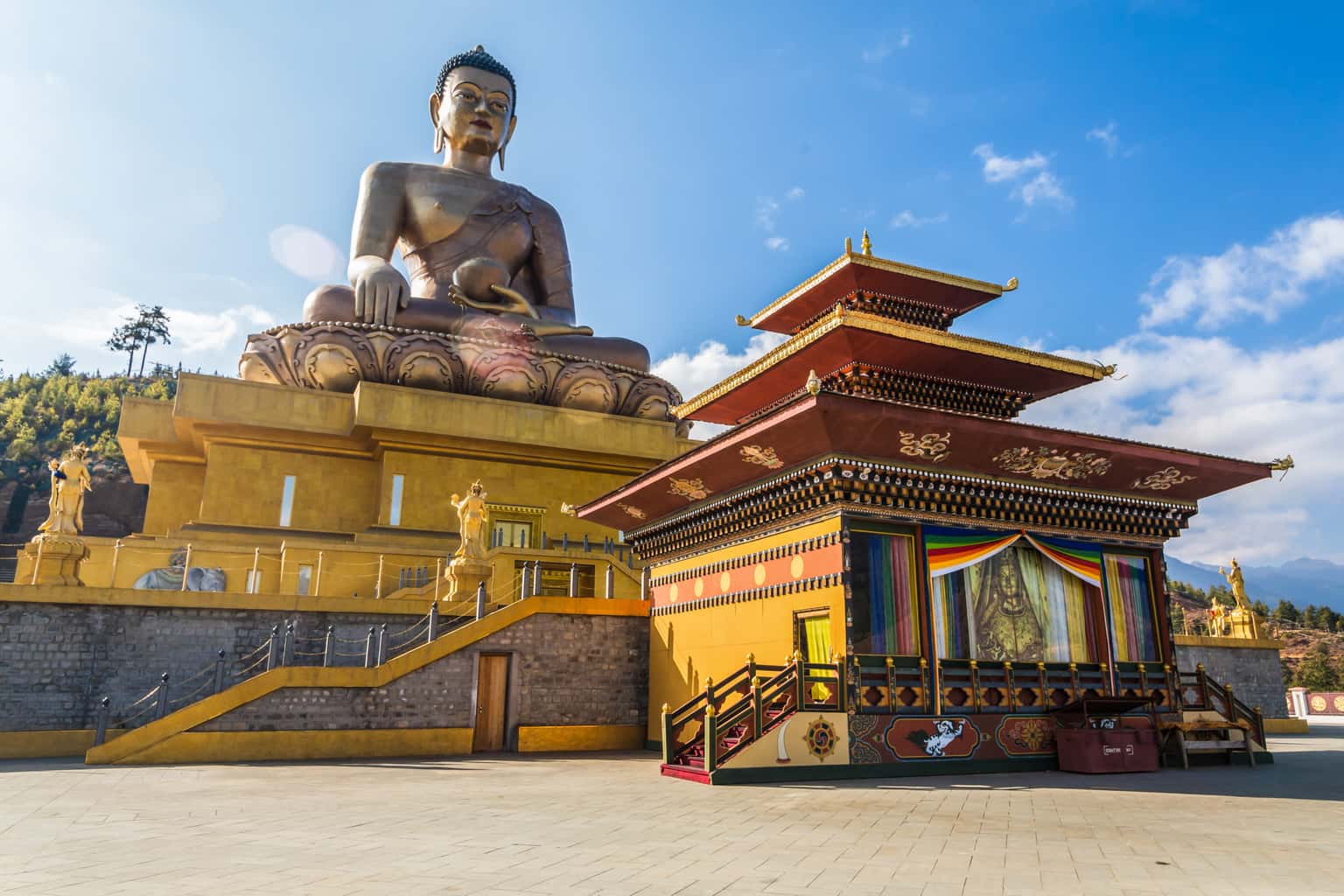
- Day 2: Visit the Buddha Dordenma Statue, Memorial Chorten, and Tashichho Dzong and explore Bhutanese handicraft markets.
- Day 3: Drive through the scenic Dochula Pass and admire Himalayan views. Visit Punakha Dzong and the famous suspension bridge.
- Day 4: Return to Paro and explore Rinpung Dzong, local streets, and traditional Bhutanese architecture.
- Day 5: Visit the Tiger's Nest Monastery viewpoint and explore nearby attractions before spending a relaxed evening in Paro.
- Day 6: Depart from Paro Airport with beautiful memories of Bhutan.
Know More About: 6 Days Bhutan tour Packages
8 Days, 7 Nights: Bhutan Himalayan Experience (Most Booked)
- Day 1: Arrive in Paro and travel to Thimphu. Spend the evening exploring the city and local cafés.
- Day 2: Visit Buddha Dordenma, Memorial Chorten, Tashichho Dzong, Folk Heritage Museum, and traditional markets.
- Day 3: Drive through Dochula Pass and enjoy panoramic Himalayan views. Explore Punakha Dzong and nearby attractions.
- Day 4: Visit Chimi Lhakhang, the suspension bridge, and riverside areas and experience Bhutan’s peaceful countryside.
- Day 5: Explore Gangtey Monastery, Phobjikha Valley, and enjoy scenic views. Seasonal black-necked crane sightings can be experienced during the right months.
- Day 6: Drive back to Paro through beautiful mountain routes and enjoy the evening exploring Paro town.
- Day 7: Visit Tiger’s Nest Monastery, Rinpung Dzong, National Museum, and nearby viewpoints.
- Day 8: Depart from Paro Airport.
Know More About: 8 Days Bhutan tour Packages
11 Days, 10 Nights: Complete Bhutan Exploration
- Day 1: Arrive in Bhutan and transfer to Thimphu. Relax and explore the city.
- Day 2: Visit Buddha Dordenma, Memorial Chorten, Tashichho Dzong, and local cultural attractions.
- Day 3: Explore Bhutanese markets, cafés, monasteries, and local experiences.
- Day 4: Drive via Dochula Pass and visit Punakha Dzong and the suspension bridge.
- Day 5: Explore Chimi Lhakhang, riverside villages, and the Bhutanese countryside.
- Day 6: Travel to Gangtey and explore Phobjikha Valley, Gangtey Monastery, and nature trails.
- Day 7: Spend the day experiencing local village life, valley views, and seasonal wildlife experiences.
- Day 8: Return to Paro and enjoy leisure time exploring the town.
- Day 9: Visit Tiger’s Nest Monastery, one of Bhutan’s most iconic landmarks, along with nearby attractions.
- Day 10: Explore local markets, cafés, and traditional handicraft stores, and enjoy Bhutanese cuisine.
- Day 11: Depart from Paro Airport.
Know More About: 11 Days Bhutan tour Packages
Practical Tips for Your Bhutanese Sojourn
A few ground-level details can make a real difference to how smoothly your trip runs once you land in Paro.
- Roads in Bhutan are winding; always carry plastic bags and medicines if you tend to motion sickness.
- Even if you visit Bhutan in the summer, do not forget to layer up enough, as the evenings and nights are still cold.
- While you will be visiting several temples and monasteries, make sure you dress modestly (knees and shoulders covered) to avoid any unwanted situations.
- Though taking selfies is quite common for tourists, always discuss with your guide regarding photography rules, especially before entering any monastery or dzong.
- Bhutan has two main mobile providers, Bhutan Telecom and TashiCell. Local SIMs are available at Paro airport and in Thimphu. Internet access is available in most hotels in the capital, but it becomes patchy in Phobjikha and rural valley areas. Do not rely on connectivity for navigation outside major towns.
- While planning for a Bhutan tour package from Mumbai, you cannot casually backpack or travel completely independently; you must pay a daily fee and hire a guide for sightseeing. Bhutan strictly follows a "High Value, Low Volume" tourism policy to preserve its pristine environment and rich culture.
- While Bhutan has officially lifted the mandatory travel insurance requirement, buying a basic policy is strongly recommended due to volatile mountain weather and altitude risks.
Why Travellers Trust Thrillophilia for their Bhutan tour package from Mumbai
Booking Bhutan tour packages from Mumbai involves more moving parts than most international trips. Here is what we handle so you do not have to. Pooja Mehta booked the Best of Bhutan FREE Visit to Taktsang Monastery package with Thrillophilia in March. He says, “Exploring Bhutan with Thrillophilia was one of my best travel experiences. The calm environment and beautiful valleys made the trip unforgettable. All arrangements were smooth and hassle-free. Thanks to our guide Amit Verma for making the journey even more enjoyable.”
- Permit processing: We submit your entry permit 15 days before departure. Most travellers clear Paro immigration in under 10 minutes.
- SDF fee calculation: Our team calculates your Sustainable Development Fee upfront, broken down by nights and group size, before you confirm the booking.
- Certified guides: Every guide on our Bhutan itineraries is certified by the Department of Tourism, Bhutan, with expertise in both cultural history and mountain trekking.
- Transit sequencing: We build your BOM to CCU/ DEL connection around Bhutan Airlines departure windows, so same-day Paro arrival is the default, not an exception.
- On-ground coordination: Hotel check-ins, valley transfers, and monastery timings are pre-confirmed. Nothing is left to improvise on arrival.