1. Prime Day & Hours: Weekends
2. Suggested Duration: 2-3 hours
3. Tickets: Free Entry
4. Nearest Railway Station: Satara Railway Station, about 51 km away
5. Nearest Airport: Pune International Airport, about 104 km away
6. Nearest Bus Stop: Satara Bus Stand, about 49 km away
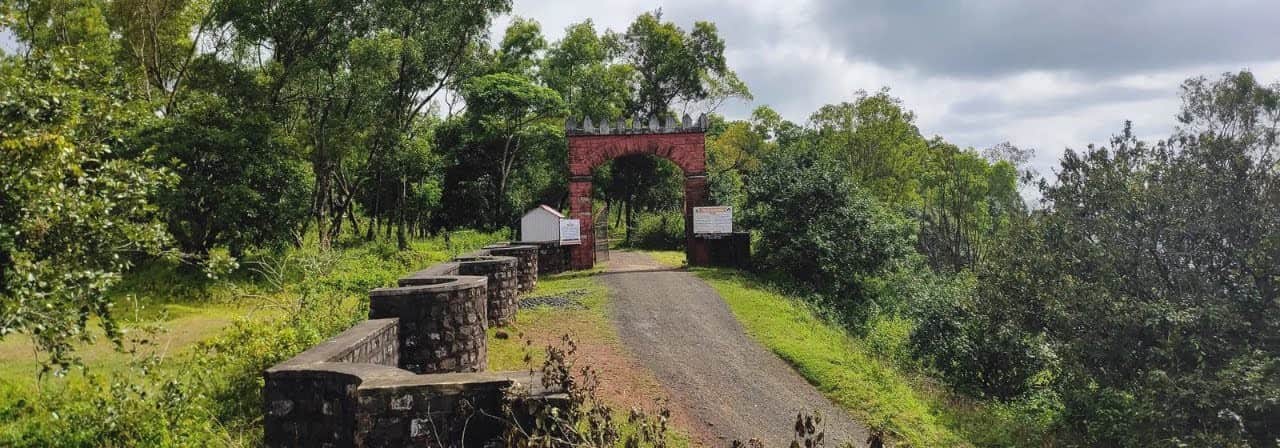
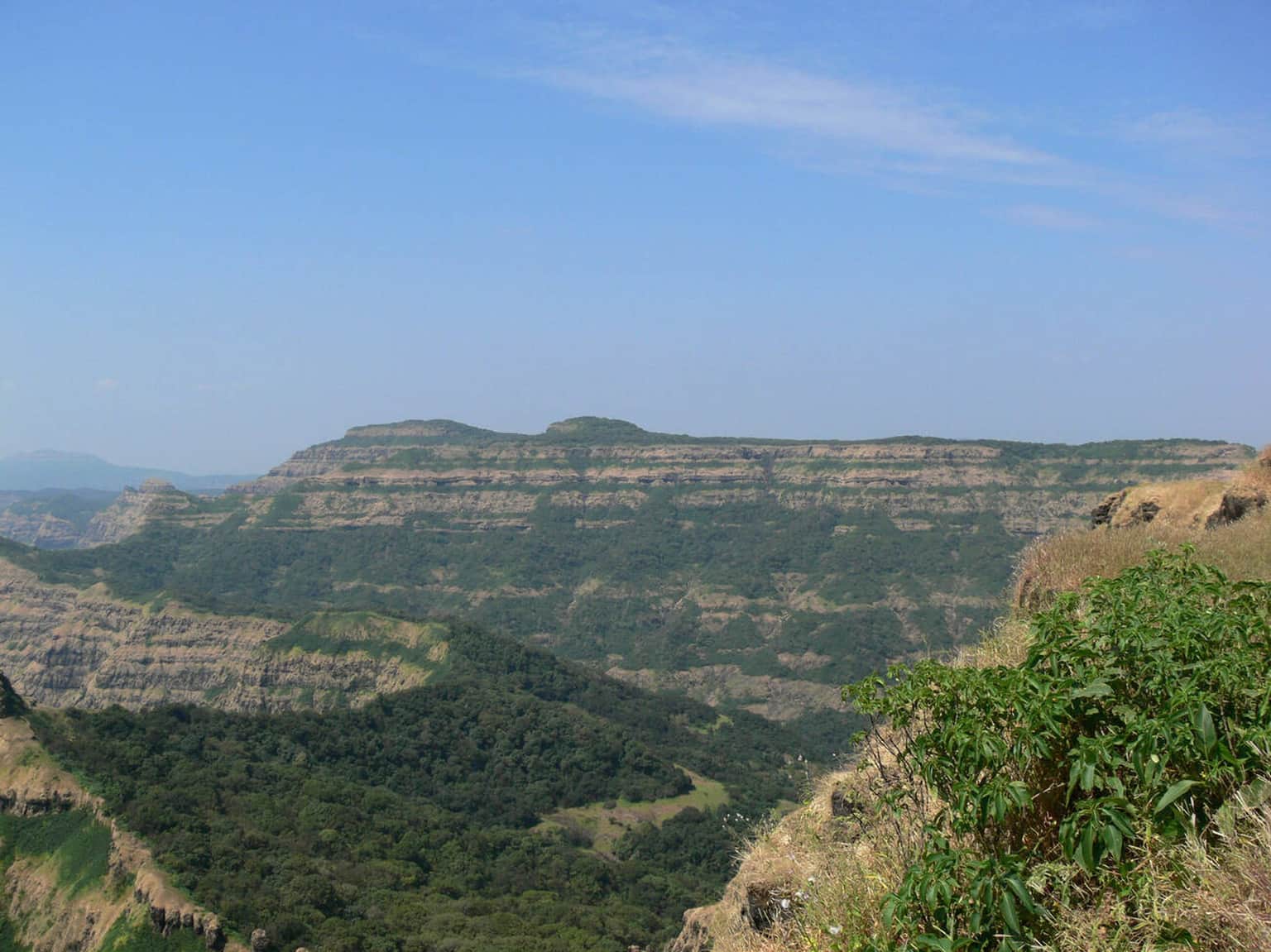
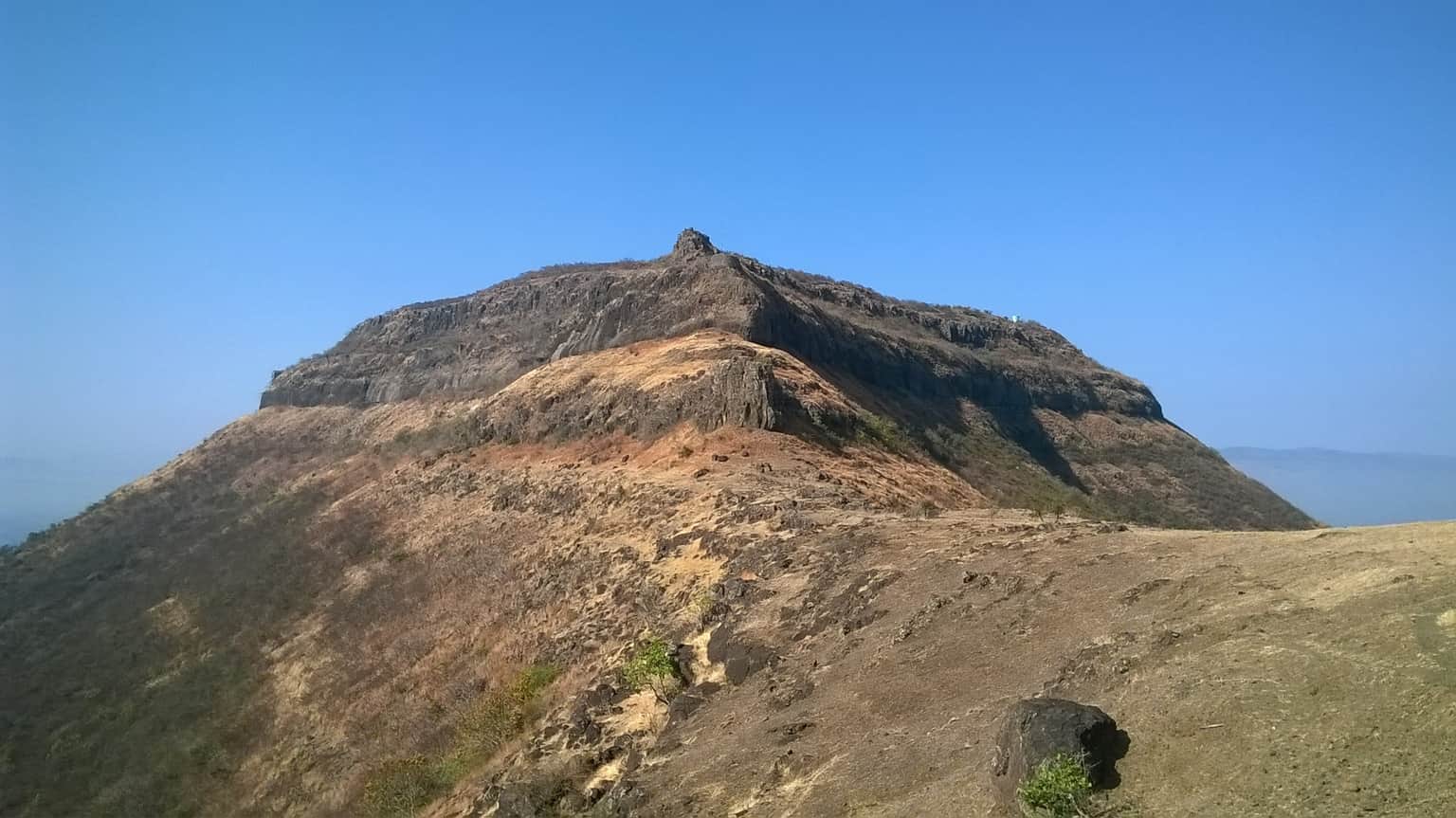
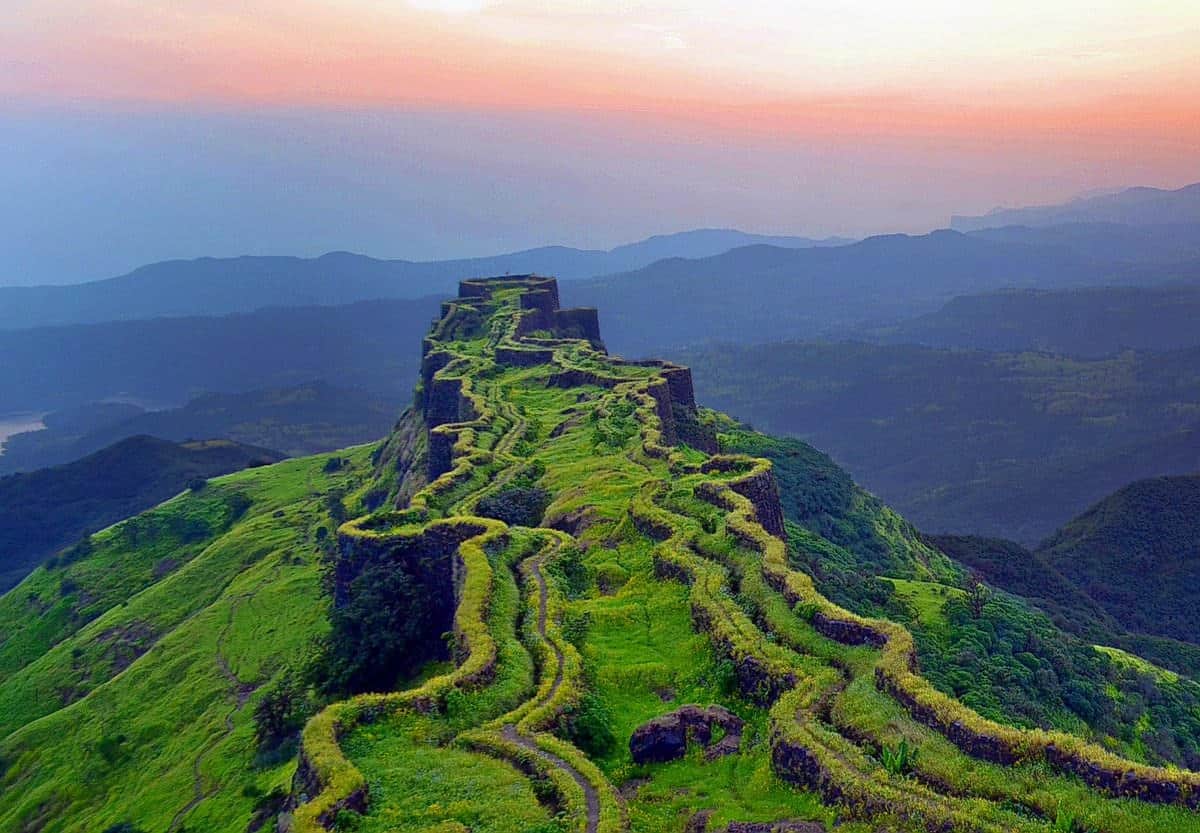
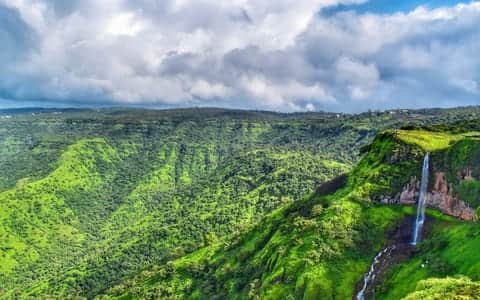
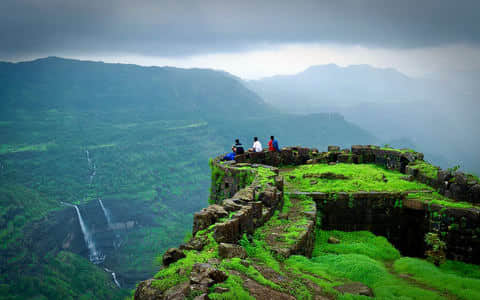
Samangad is known as one of Shivaji's "smallest yet strongest forts" after major renovations in 1676. It sits on top of an oval-top hill near Gadhinglaj at 2,600 ft (790 m). The Shilahara king Bhoja II built it in the 8th century, and its intact eight-foot encircling wall still stands on top of the rocky hill. The walk is short (1-2 hours) through Chinchewadi village and has great views of green valleys and the distant Sahyadri ridges. Inside, visitors can see the remains of bastions, a square laterite well, and memorials to Prataprao Gujar, who bravely fought the Adil Shahi army with just six soldiers and died.
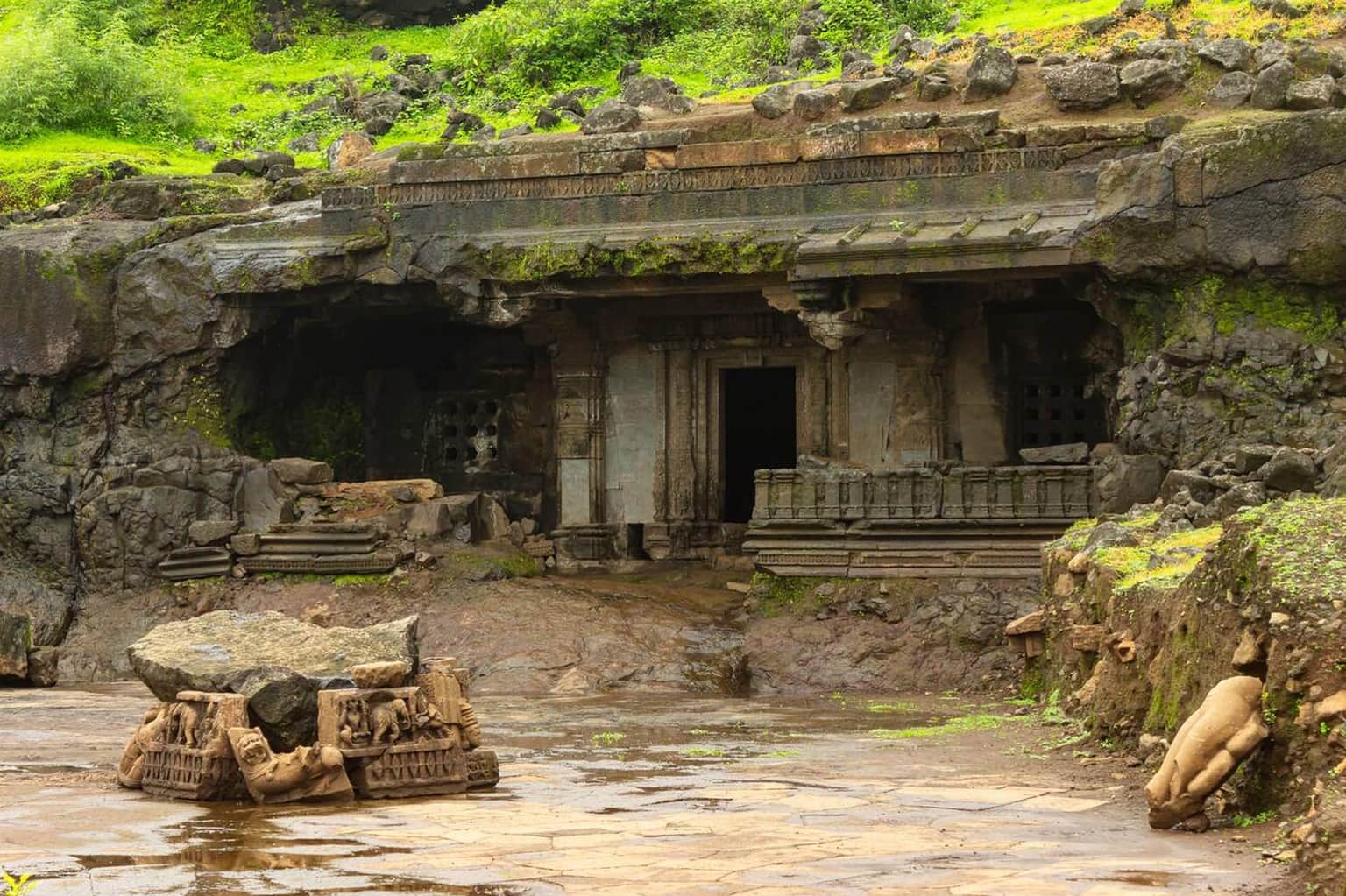
In the past, ancient rock-cut cisterns made sure there was water all year round, but they don't work anymore. Some of the most interesting things about this place are the arch-well prisoner chamber, the secret door, the pillars whose purpose is unknown, and the nearby Bhimsasgiri shrine and “Bhui Bhangara” cracked-period Shiva shrine. The yearly Bhimacha Utsav, which takes place after Shivratri, is full of life with bullock cart races and religious events. Bring your own food and lodging, and enjoy the quiet, underrated atmosphere of this rugged Maratha heritage gem.
Must-try experiences:
1. Trek to the Summit via Chinchewadi: Start your trip with a beautiful 1-2 hour walk from Chinchewadi. You'll go up through thick forest and past two foreign-made cannons near a big village well. Finally, get to the fort plateau, which is 2,600 feet high and has eight-foot walls that are still standing. From there, you can see for miles and learn about the fort's history.
2. Descend into the Rock‑Cut Cisterns and Wells: There are many rock-cut cisterns on Samangad's plateau, such as the square laterite well and the Kamaan Baw, which is a stepped well with beautiful arches. Some had prisoners inside, with seven-arched tunnels. They are still architectural highlights and provide a cool place to rest while exploring.
3. Explore Prataprao Gujar Memorial: On the plateau, you can see memorials to Prataprao Gujar, the famous warrior who died defending the fort with six other soldiers. There are strong bastions and cannons nearby that show how brave the Marathas were. These buildings mark the path to Mughal-era battlefields and the site of a heroic moment.
4. Discover Amberabai Temple and Hidden Passageways: The Ambabai Temple is next to the cisterns. There are also drained water tanks and carved paths nearby. Find a hidden door that leads to a double-fortified bastion and strange pillars carved into laterite. People in the area still don't know what these pillars were used for.



.jpg.jpg?w=1536&q=65&format=auto)
.jpg.jpg?w=1536&q=65&format=auto)