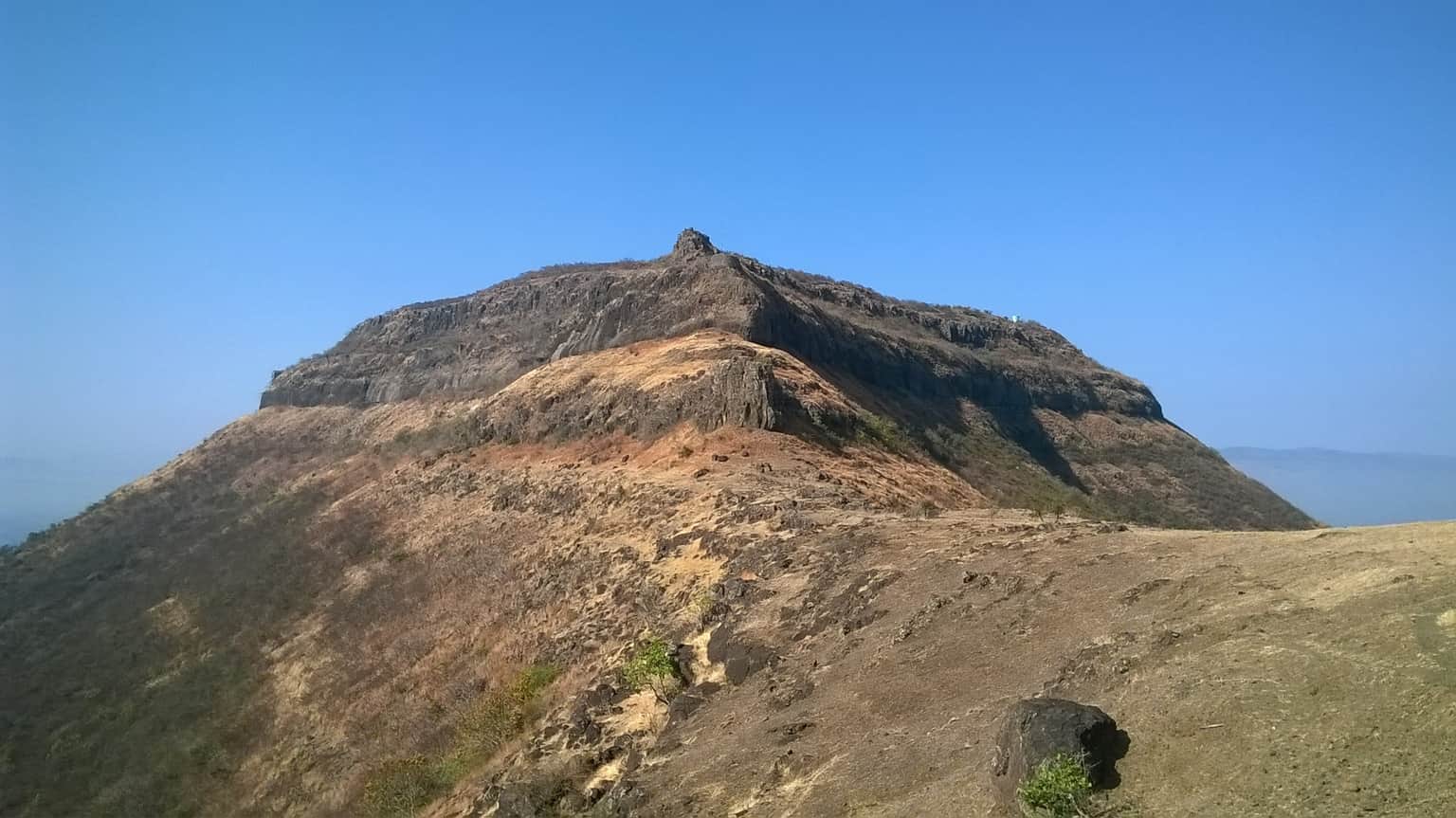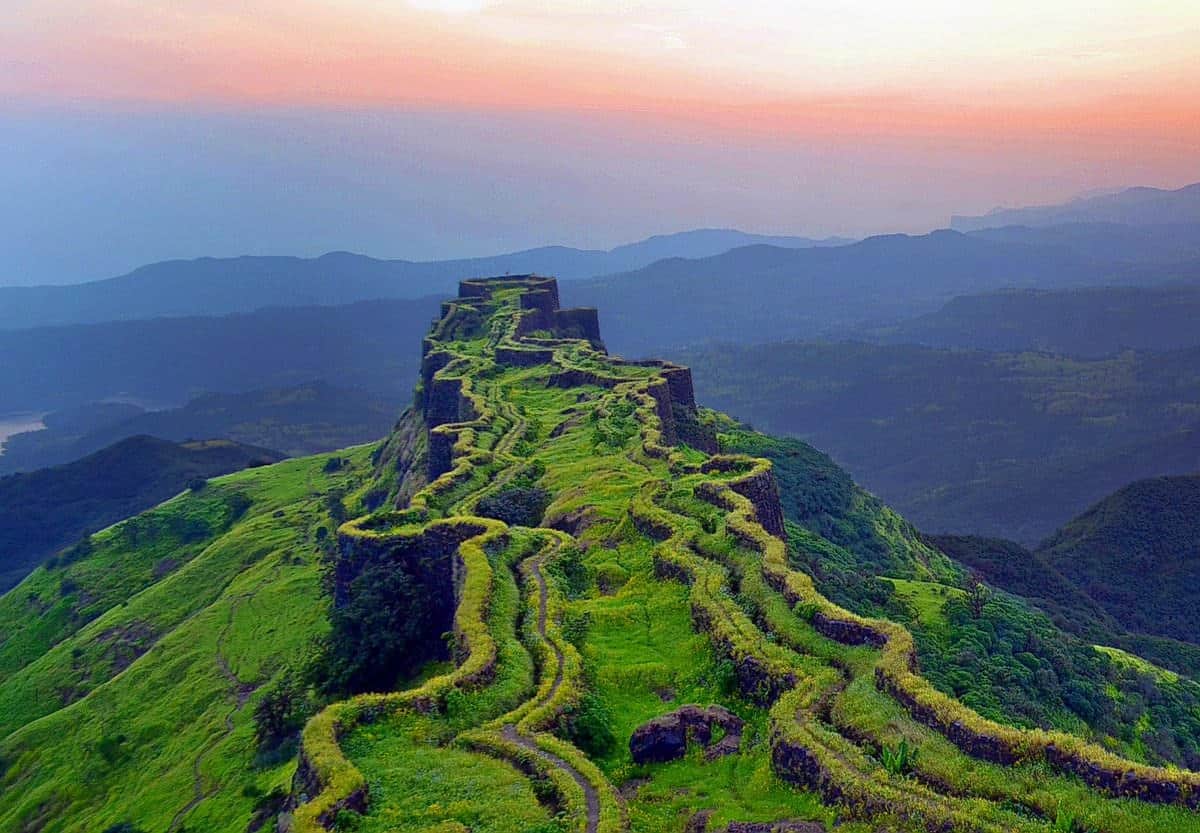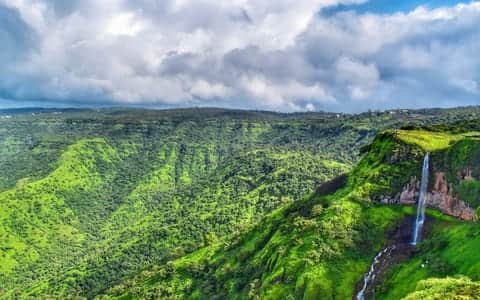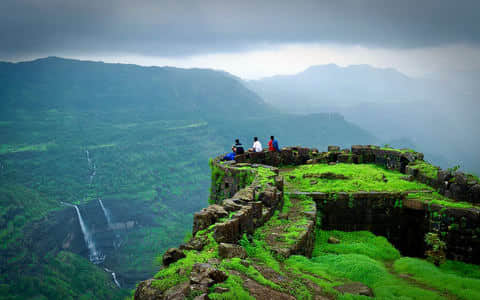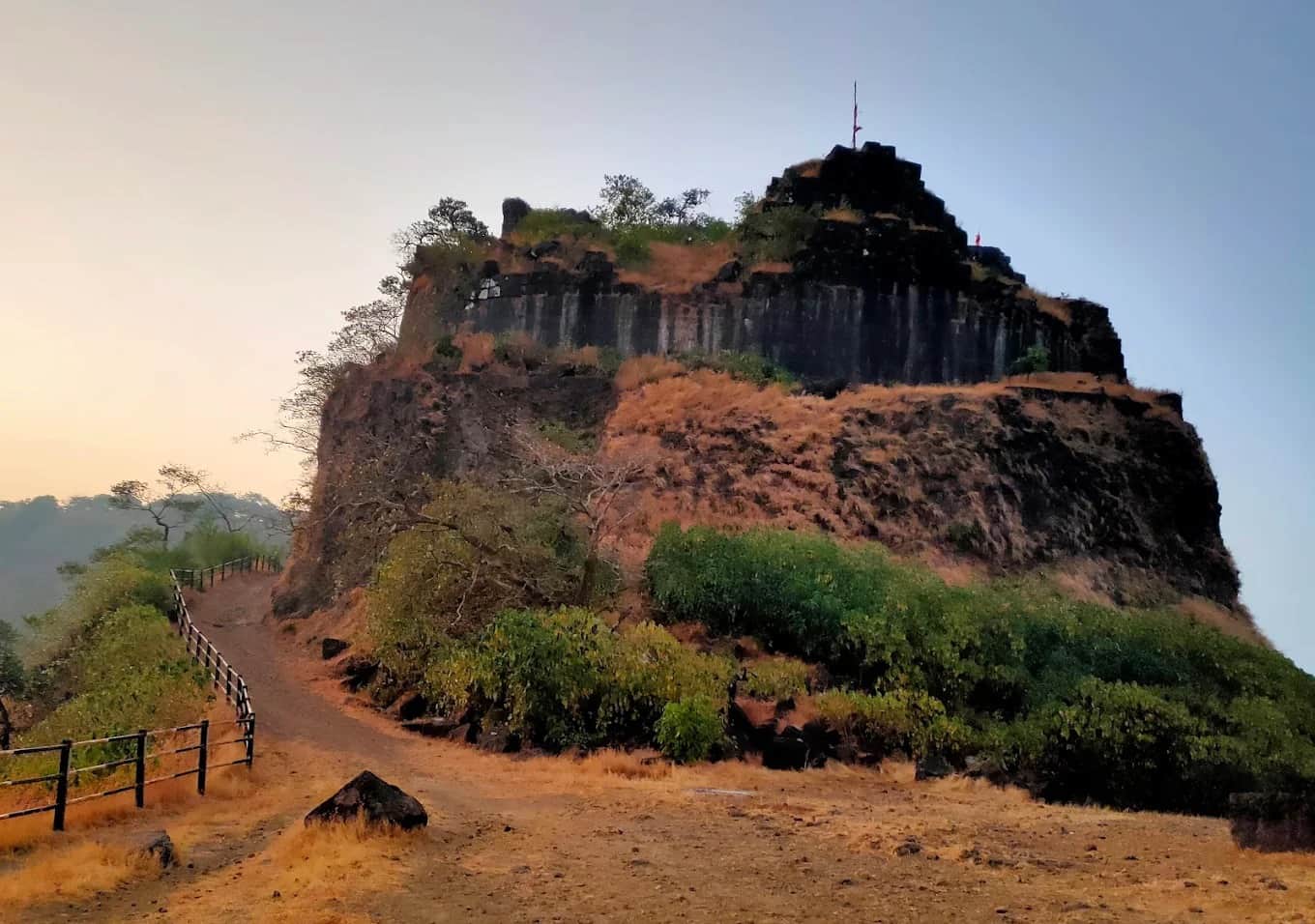
The Sahyadri ridge is home to Rangana Fort (Prasiddhagad), which is about 2,227 feet high. It combines the grandeur of the Maratha Empire with the quiet of the deep forest. The Shilahara dynasty built it in the 12th century. Shivaji took it over in 1659 to protect Konkan, Kolhapur, and Goa.
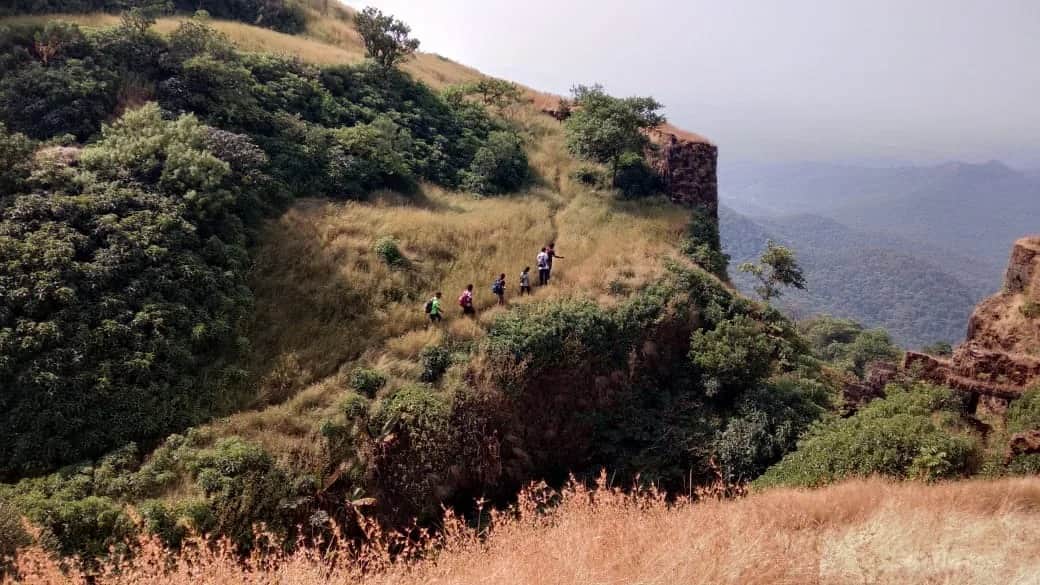
To get to the fort, you have to hike for 1–2 hours through dense jungle and narrow forest trails that were once almost impossible to get through even for experienced trekkers. The spread covers about 3 km by 1 km of rough ground and has more than 65 historic buildings, five intact gates, several water tanks, a permanent lake, and old temples like the Bhadrakali shrine and the Ranganai Devi temple. It is often counted among the best forts in Maharashtra because of its scale and historic importance.
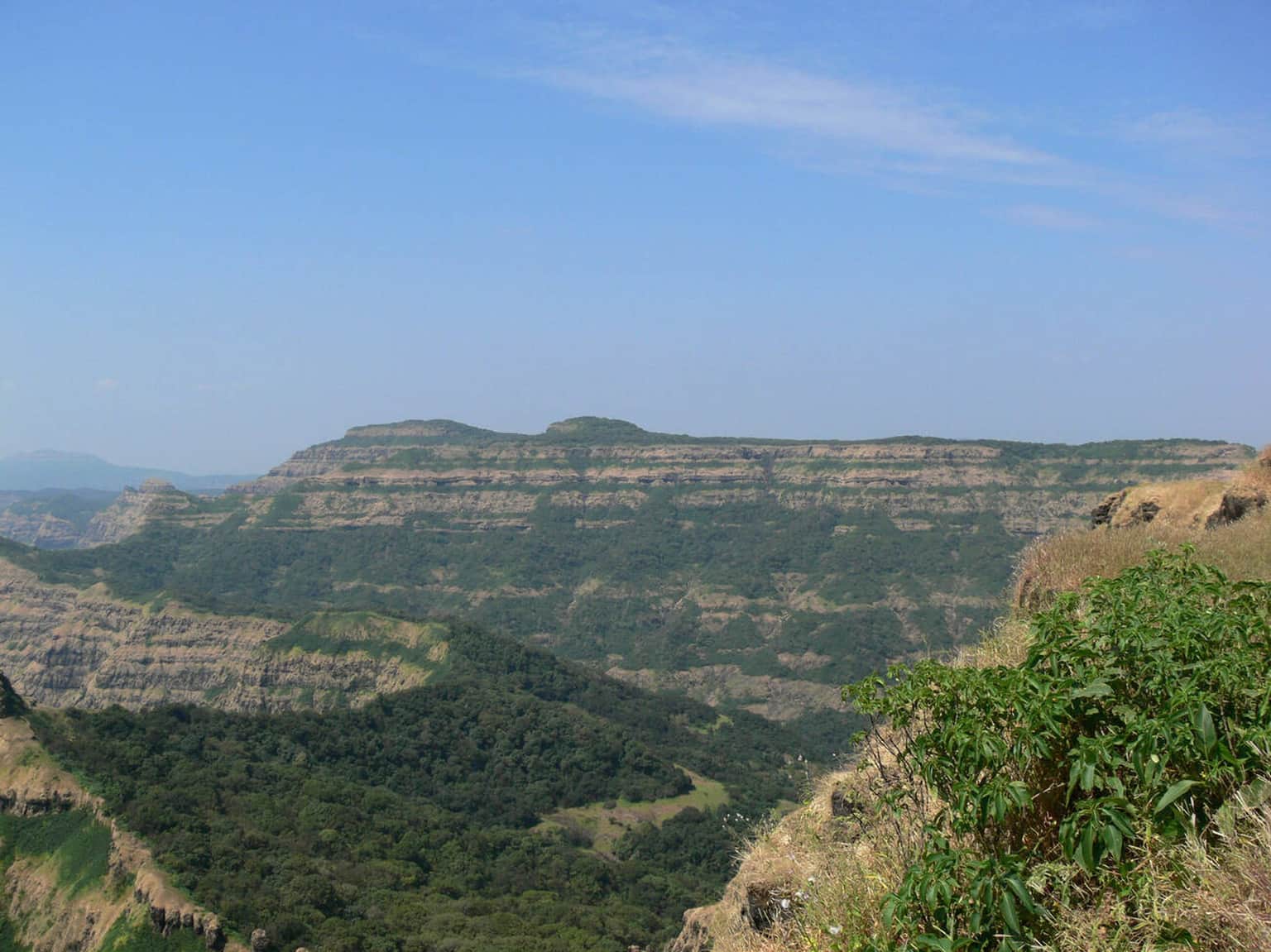
The fort is covered in thick moss and plants that have grown so much that it is mostly hidden from view from the valley below. Bears, panthers, and peacocks are some of the animals that sometimes roam its slopes. Trekkers love the wide views of the nearby Manohar and Mansantosh forts while they enjoy the peace and quiet under the high walls.
Rangana is great for people who love history and nature. You can camp on its plateau, stay with villagers at the Ranganai temple, and see parts of Maharashtra's wild Sahyadri mountains that few people get to see.
It combines unspoiled nature, Maratha history, misty waterfalls, and architectural discovery into one unforgettable trip to the top of a hill.
• Marvel at the structurally intact five gateways guarding the massive fort spanning about a 3 km by 1 km plateau.
• Discover over 65 historic structures, including carved temples, red-stone walls, ponds, tombstones, and ancient inscriptions.
• Visit serene Ranganai Devi Temple adjacent to a year‑round lake and luminous Deep Stambh column.
• Observe surviving cisterns and a perennial lake, still providing potable water during dry seasons.
• Scan panoramic views of Manohargad, Mansantoshgad, Hanuman Ghat and surrounding valleys from the ramparts.
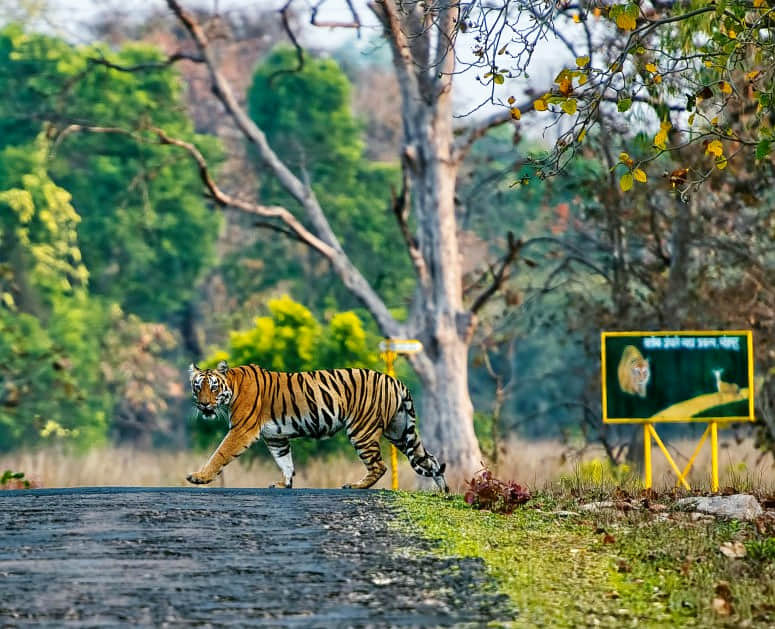
• Spot elusive wildlife like bison, leopards, and bears in the surrounding forest, especially post-monsoon.
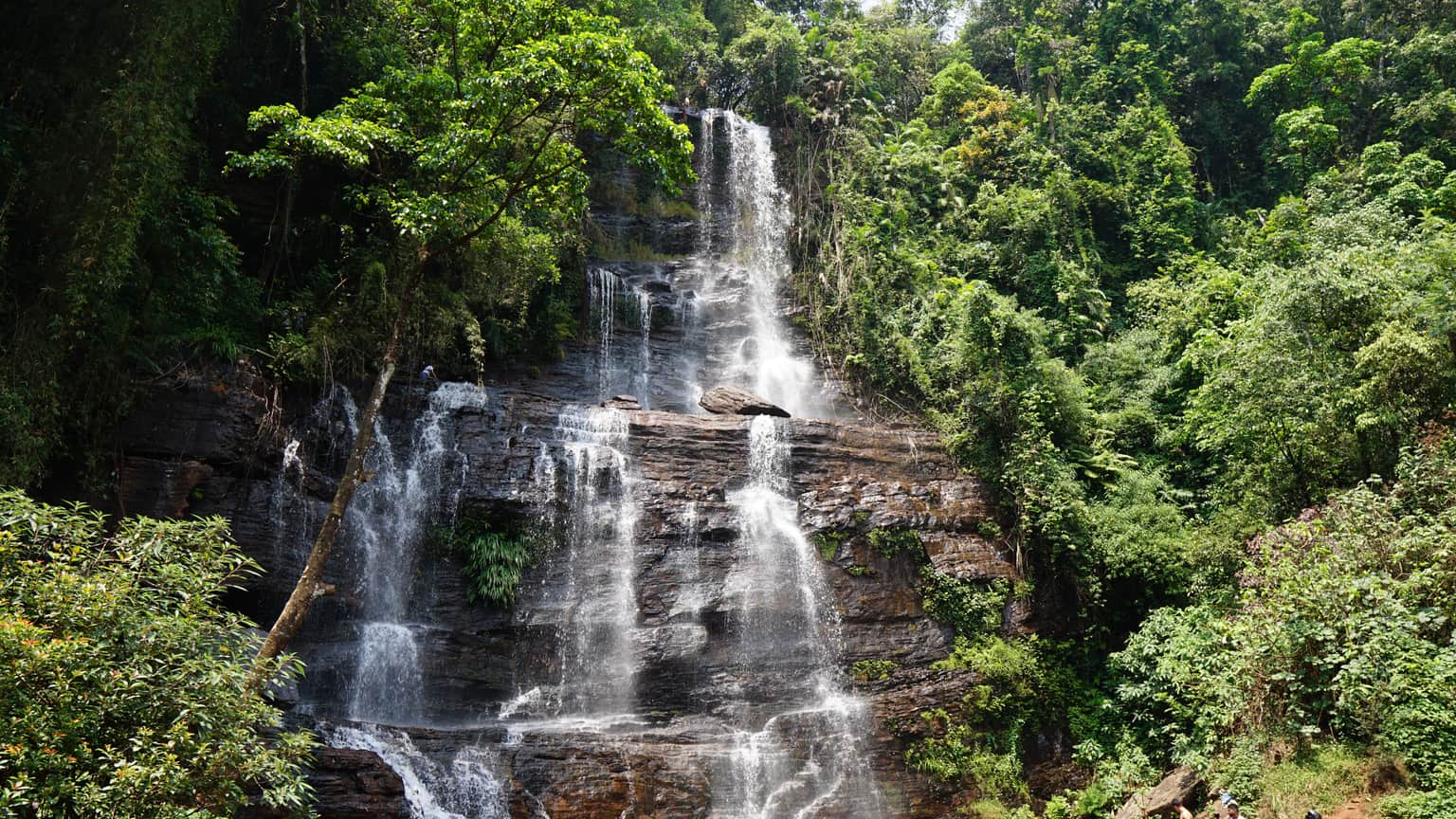
• Traverse jungle trails interspersed with streams and seasonal waterfalls during monsoon-enhanced greenery.
• Ascend through dense Sahyadri jungle from Patgaon to find the hidden fortress, Rangana Fort, perched at approximately 2,600 ft elevation.
By car/taxi: Samangad Fort is about 75 km away from the Kolhapur city centre via NH 48 and Nipani Gadhinglaj Rd. It will take you about 1 hour and 50 minutes to get there.
1. Peak Season (October to March):
2. Moderate Season (July to September):
3. Low Season (April to June):
Take a beautiful trek from Chikkewadi to Patgaon that takes about 1 to 1.5 hours through the thick Sahyadri evergreen forest. Signboards help people find their way. During the post-monsoon season, the lush trail has seasonal waterfalls and wildlife sightings, such as bison or panthers, in the quiet jungle.
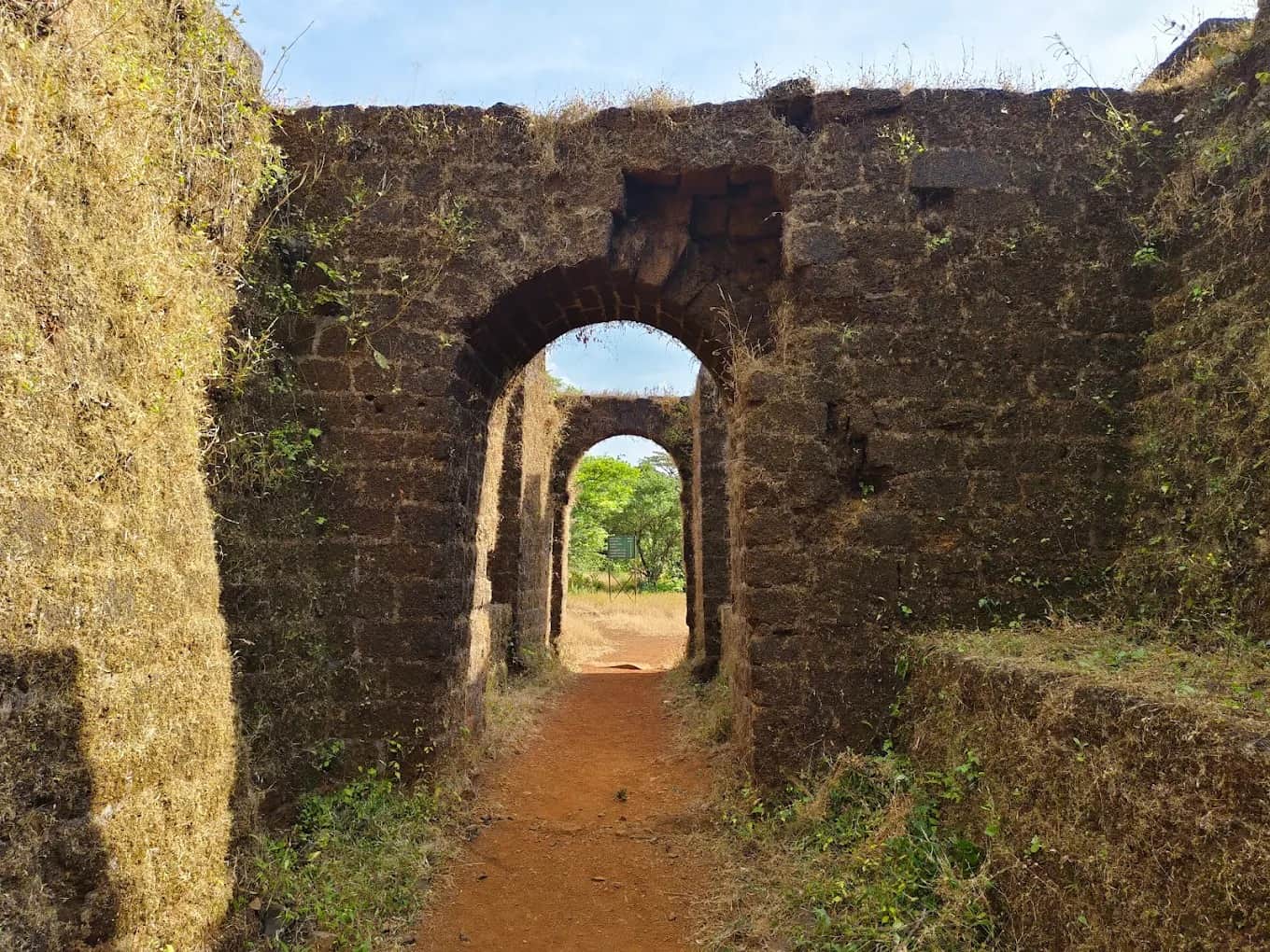
When you get to the plateau, walk through five gates in a row (Kokan Gate, etc.). Each one shows off well-preserved defensive masonry and smart placement. These gates used to make strong lines of defence across the fort, which was about 3 km long and sat at an elevation of about 2,600 feet.
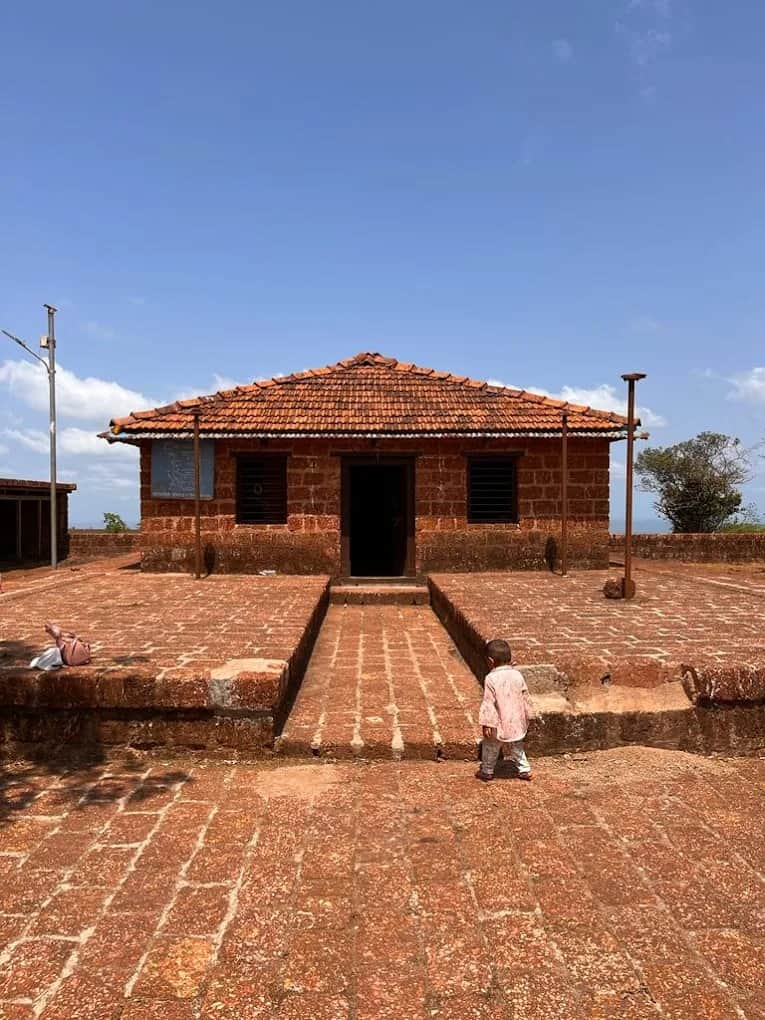
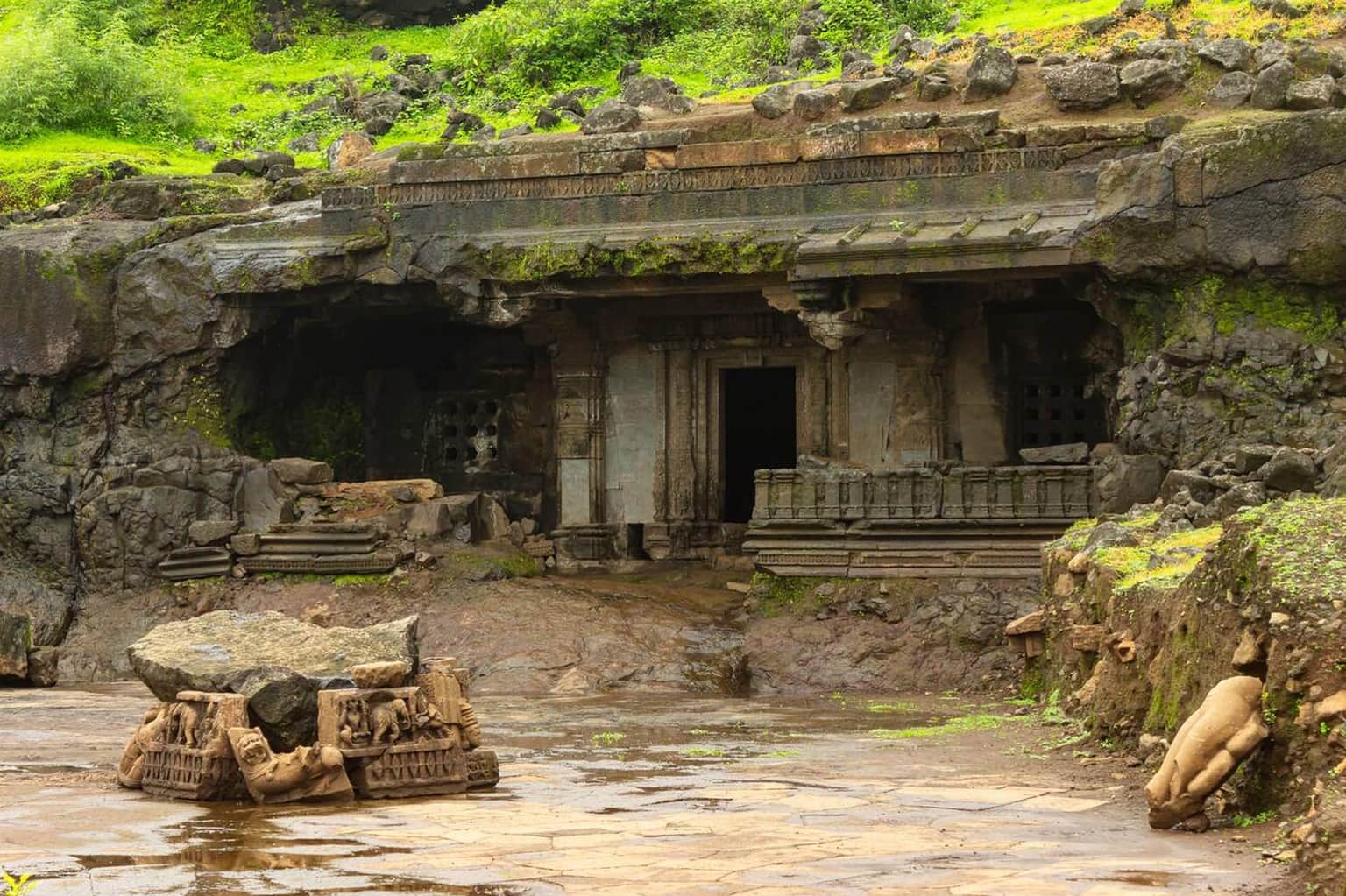
The Ranganai Devi temple is on top of the plateau. It has a tall Deep Stambh and old pictures of the goddess. A nearby lake has water almost all year round and is considered sacred. Locals have used it for rituals in the past.
You don't need an official entry or permit. Visitors only have to pay for parking or vehicle fees at the Patgaon or Chikkewadi base villages. There is no ticketing system at the fort, so people can visit it all year round.
The main path from Patgaon to Tambewadi and Chikkewadi is moderately difficult and takes about 2–3 hours to walk through dense forests, ridges, and valleys. Signs help hikers find their way, but they should be in good shape and be careful on slippery parts.
There are five fortified gates on the plateau, as well as more than 65 heritage buildings, such as ruins, inscriptions, water cisterns, and the Ranganai Devi temple next to a lake that never dries up and Deep Stambh. The buildings are from the Shilahara to the Maratha periods.