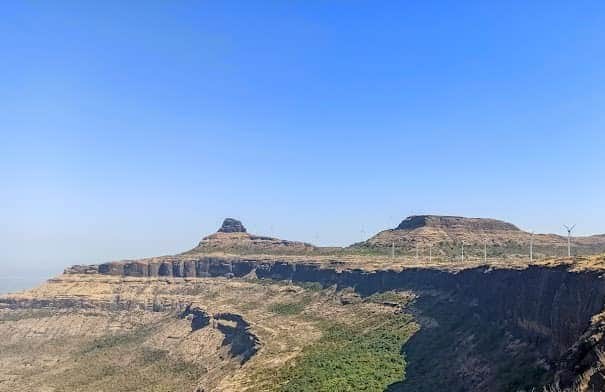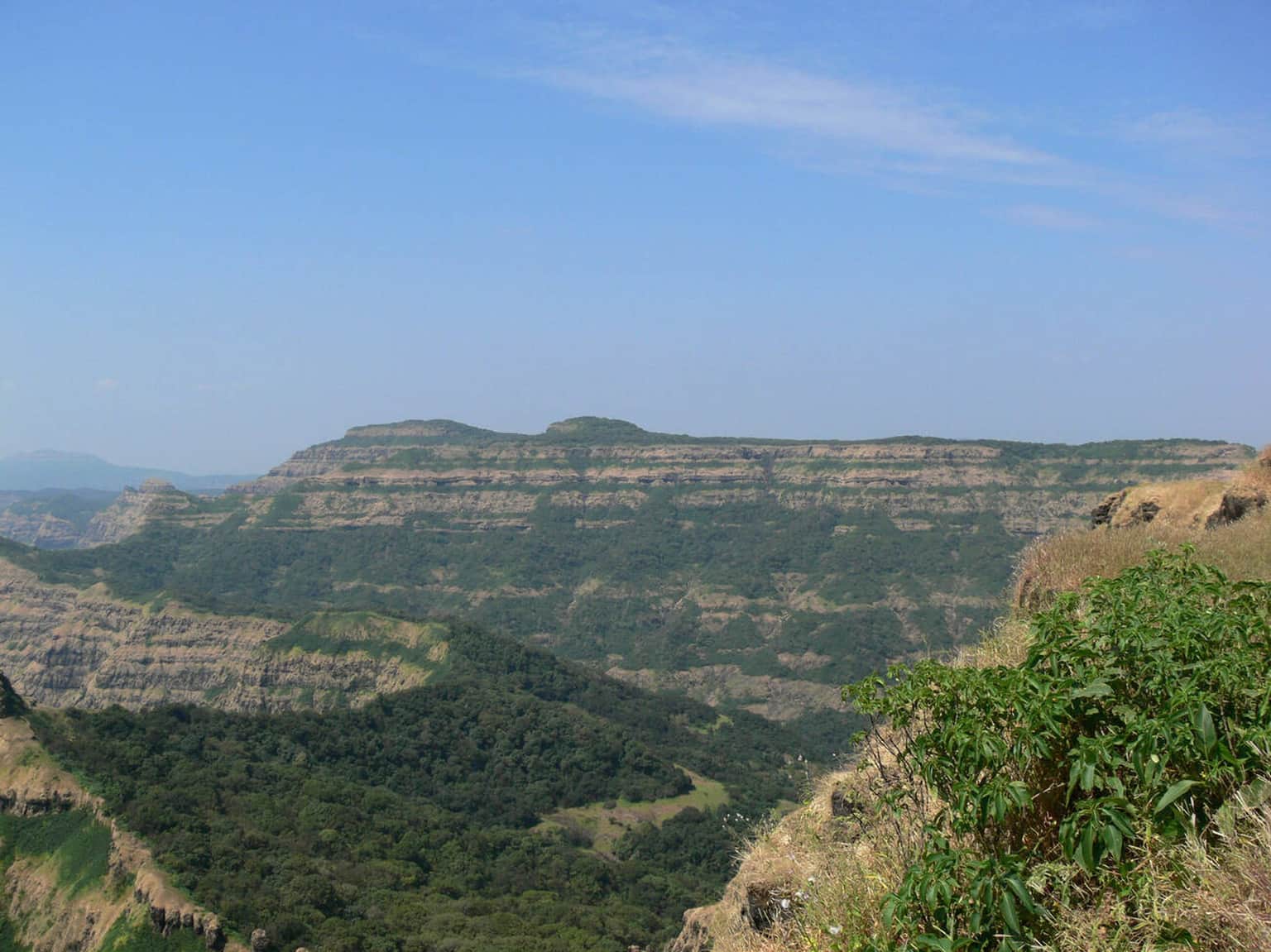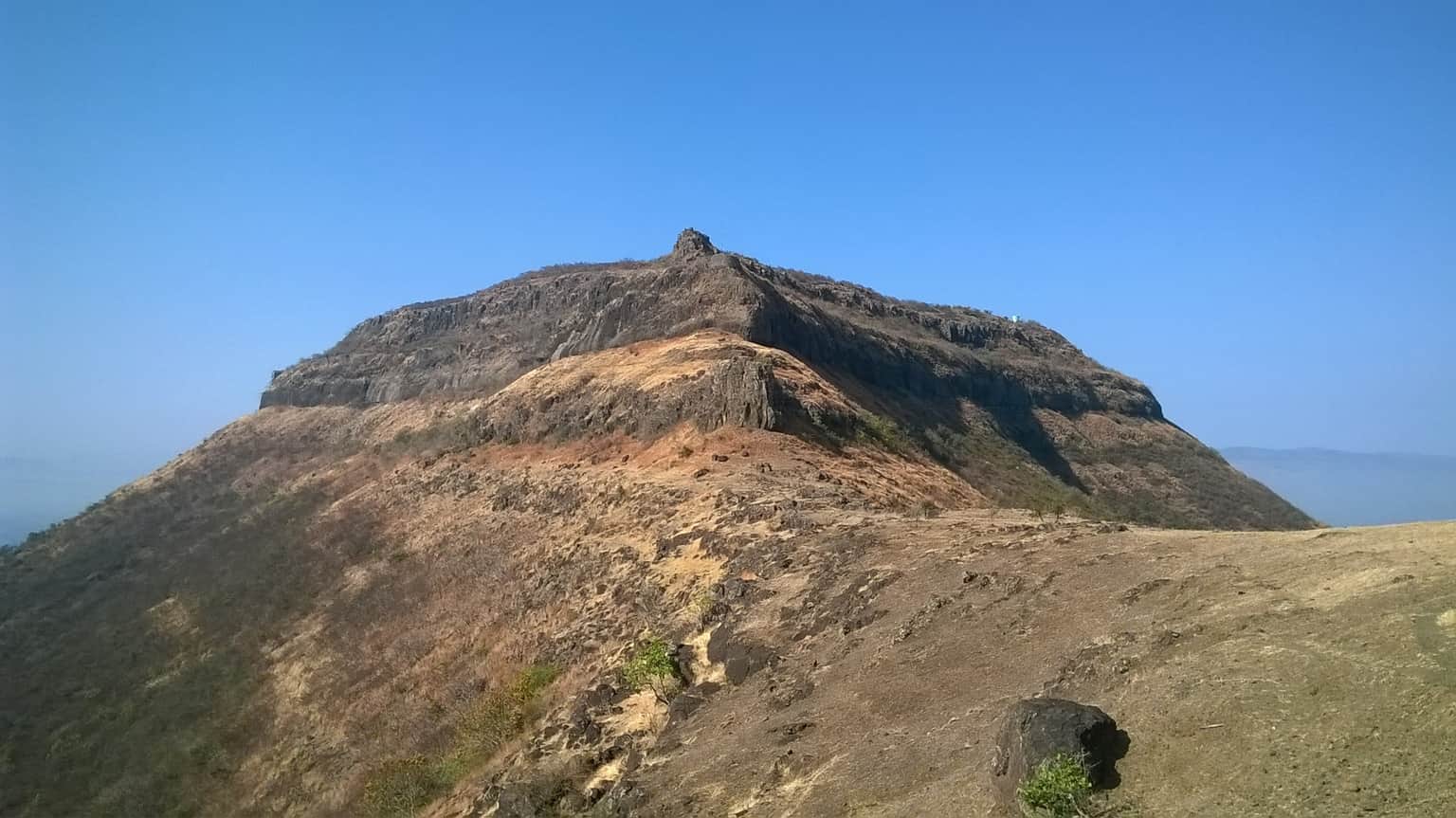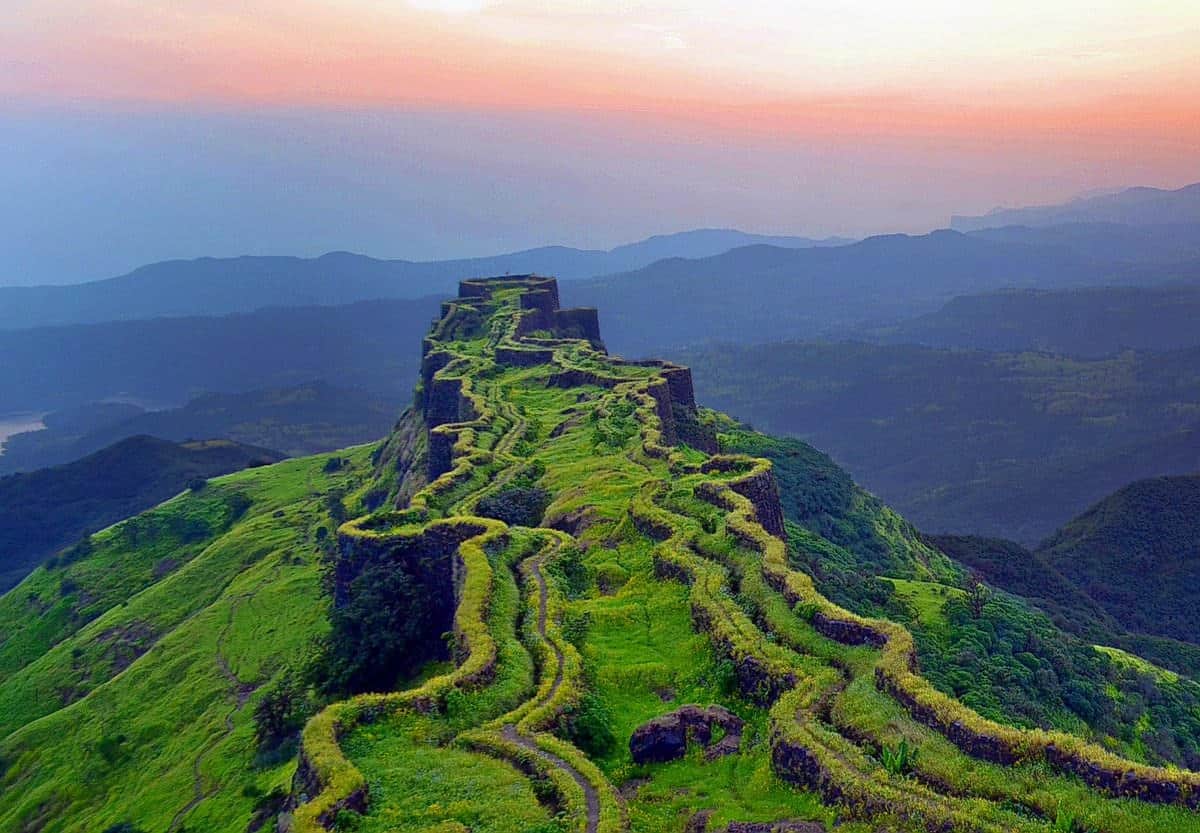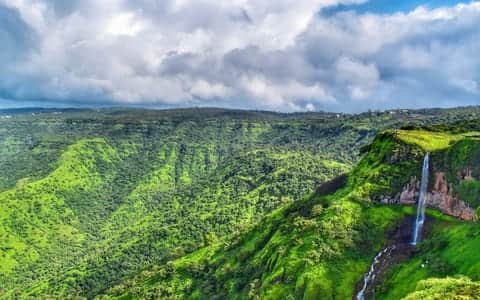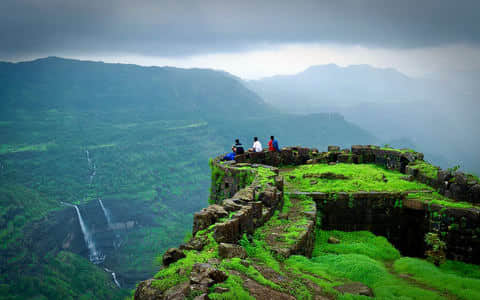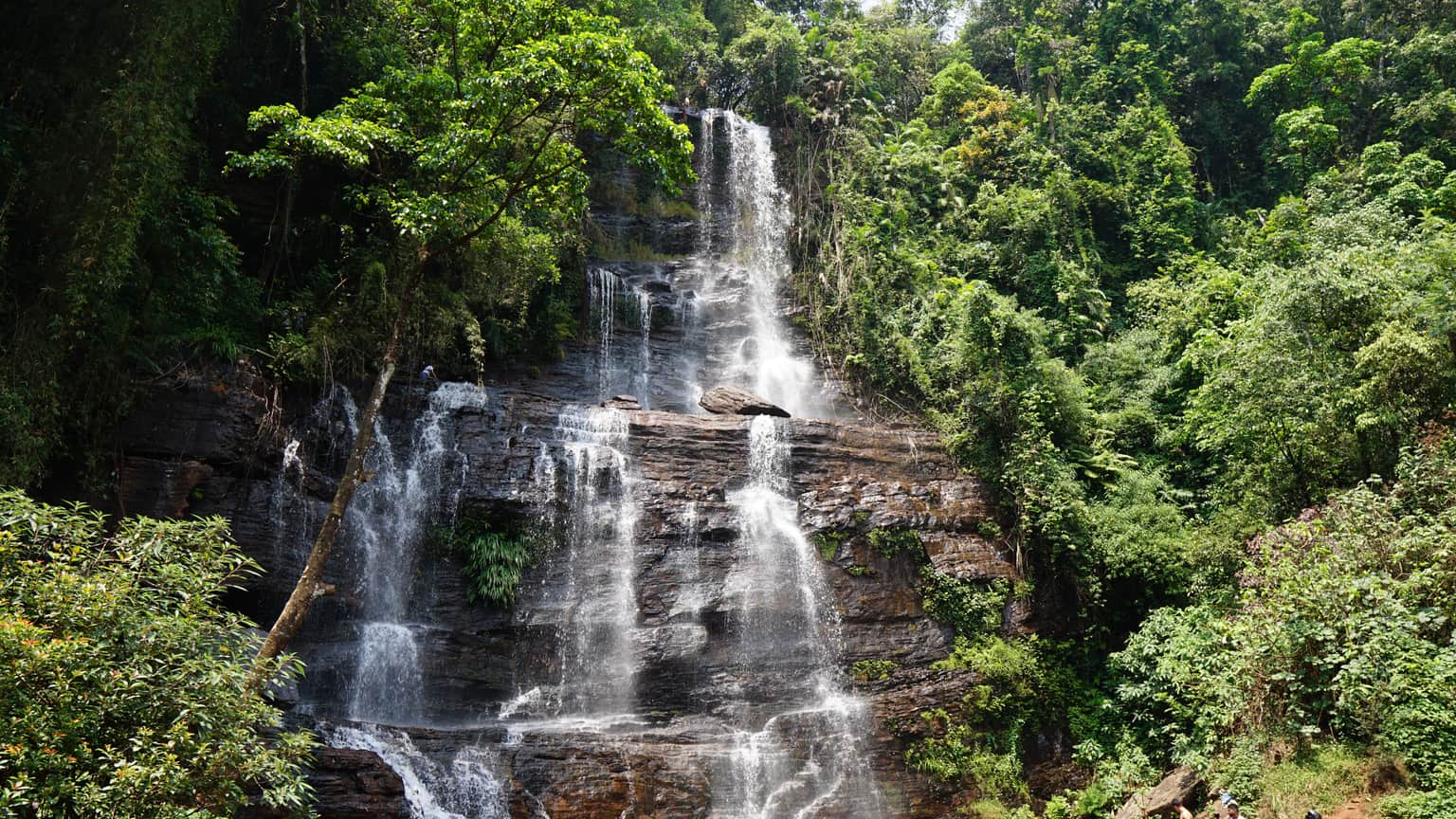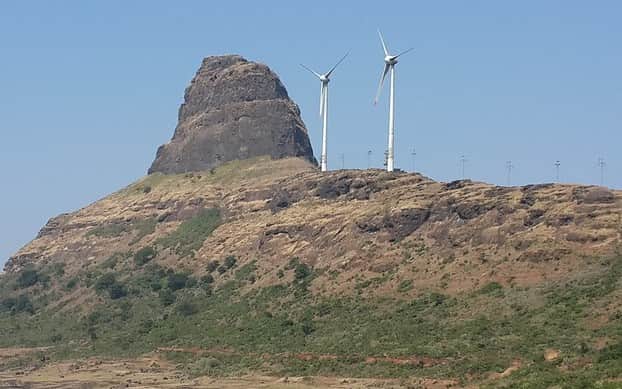
The Aundha Fort, sometimes called Avandha Killa, is located 4,270 feet above sea level on the boundary of the Maharashtra districts of Nashik and Ahmednagar. Being a part of the eastern Kalsubai mountain range, its prominent elevation and wonderful views made it a prime location for a watchpost. This fort can be reached by hiking from Patta Fort, climbing from Aundhewadi village, or driving along the Konkanwadi windmill path.
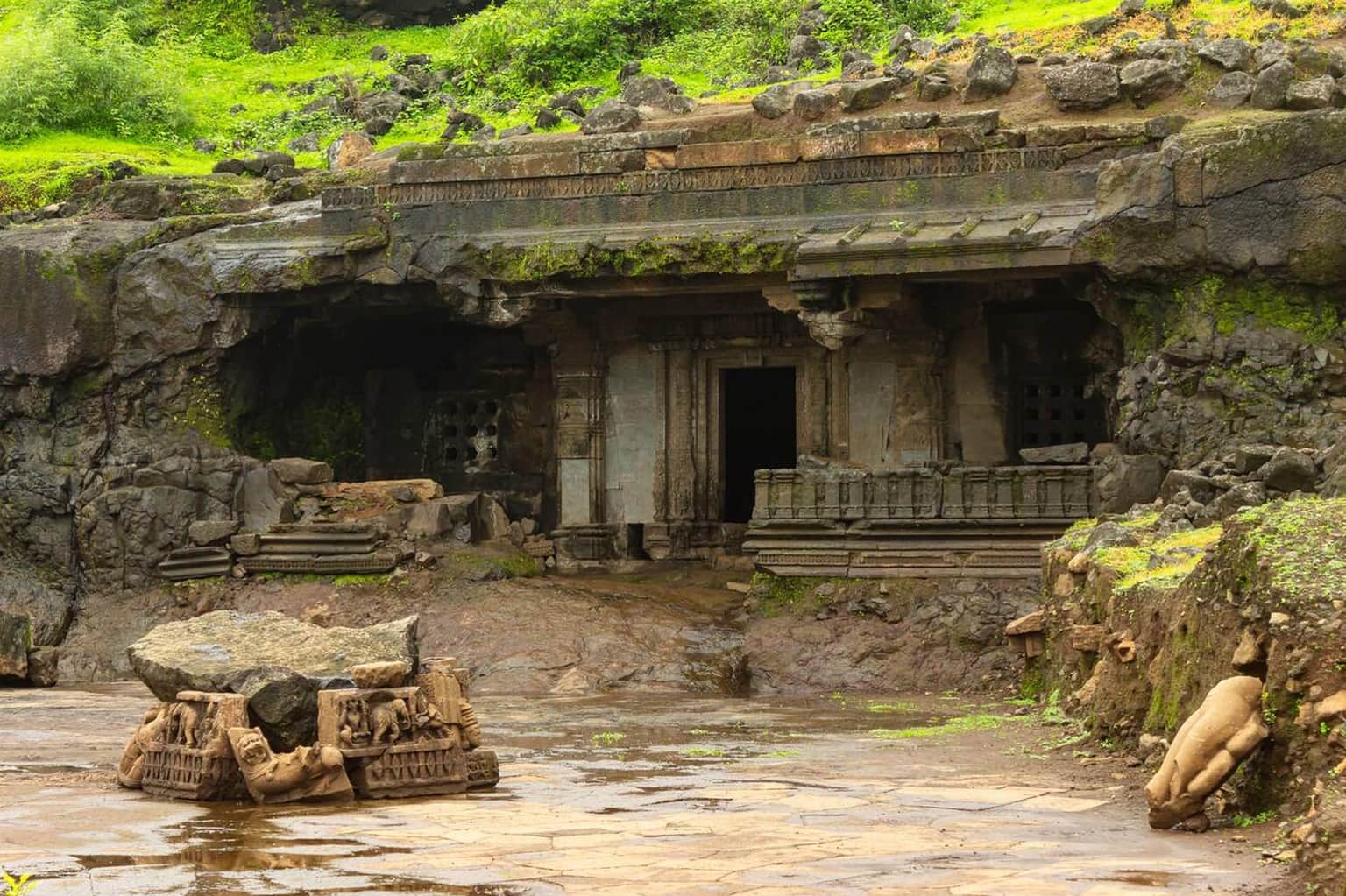
Here, you can encounter steep cliffs, a small temple, a tiger statue, rock-cut steps, and other caves built into the mountainside as you climb. On the last stretch, you can spot iron chains fastened to the rock being used to go up a steep cone. At the top, you can see the broken remains of stone walls, gates, homes, and several big water cisterns.
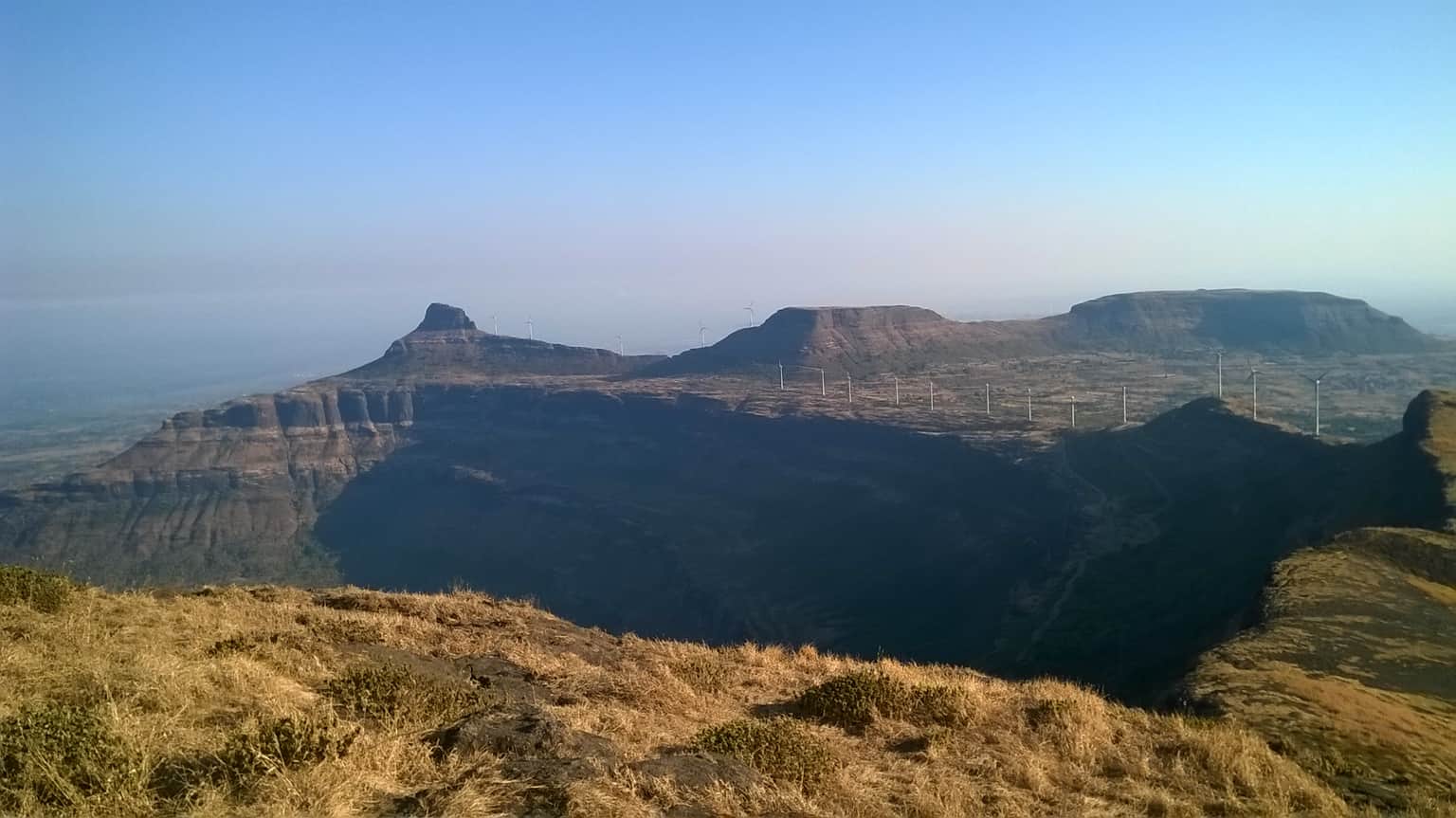
See Patta, Bitangad, Alang, Madan, Kulang, and the faraway Kalsubai peak from the side of the fort, making it one of the most famous forts in Maharashtra
for both hikers and people who are interested in history.
• Climb the steep cone and rock-cut steps of Aundha Fort which was built as a lookout fort on the eastern edge of the Kalsubai Range.
• Observe the main gate, bastion, and ruined stone houses that show how the fort was built along with who dwelt there in the past.
• Explore the rock-cut caves with water tanks, one of which still holds drinking water, showing traditional water conservation methods.
• Visit the small plateau temple, the tiger figure, and the shendur-covered stones, which are signs of ancient worship and folk beliefs.
• Appreciate views of Patta, Bitangad, Alang, Madan, Kulang, and Kalsubai peaks, which shows how important the fort was for military contact and observation.
By car/taxi: Take the Nandigram Express from Dadar to Igatpuri which takes around 2 hrs 16 mins. From Igatpuri bus station, you can hire a cab or take a bus via the Samruddhi Mahamarg to Kadva Colony Naka to reach in about 1.5 hrs. Then, you can reach Ninavi village via Kadva Dam in 45 mins approx. From here, you can choose between a steep ridge trail or an easier path past Hanuman Temple. The easier route can take 45 minutes to reach the plateau, followed by a 30-minute climb with rock-cut steps to the fort top.
1. Peak Season (October to March)
2. Moderate Season (July to September)
3. Low Season (April to June)
Know before you go
Visit the rock-cut caves on the fort, where one still has clean drinking water. You can walk around the 4–5 cisterns that were once crucial for survival. These ancient water systems show how the fort was prepared to support its guards even during long sieges.
Witness the 3x3 feet tunnel near the entrance which is partially blocked but still intriguing. You can walk to the edges of the fort where ancient watch points once stood. These spots give you a real sense of how soldiers monitored the surrounding lands from this strategic height.
The trek to Aundha Fort is moderately difficult. The path includes carved steps, rock patches, and a steep cone section that needs a chain to climb. If you are a beginner, you can take the Hanuman Temple route, which is longer but safer as well as less tiring.
At the summit, you can find broken gateways, ruined stone houses, cisterns, and caves. Other than this, you can also find a small tunnel, and a temple. From the top, you can admire views of forts like Patta, Madan, and Kulang apart from the Kalsubai peak which make it rewarding for history and nature lovers.