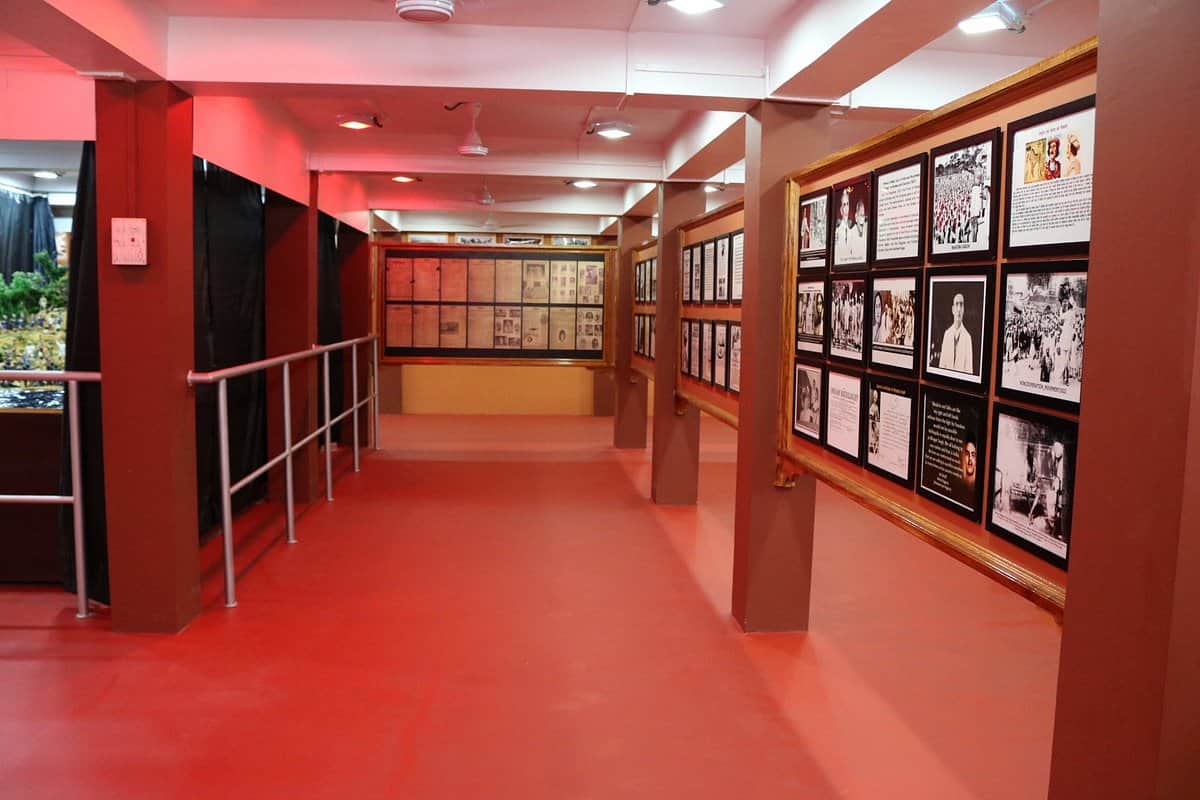
Kalapani Museum, Port Blair
About Kalapani Museum
Day Wise Timings
Burj Khalifa opening hours through the week.
Kalapani Museum Highlights

Why Choose Thrillophilia?
3 Million+
Happy customers from 70+ countries all around.
4.8/5
Rated across Trip Advisor and Google reviews.
Curated With Love
Special curated Indian itineraries built for Indians.
24/7 Assistance
Always there to help before and during trips.

Point of Interest for Kalapani Museum
Explore the Galleries of the Museum
Dive into the heart of India's independence movement with a visit to the galleries in the museum. These galleries are filled with significant artefacts, photographs, and personal accounts from freedom fighters. Each exhibit is meticulously preserved and tells the painful tales of courage and sacrifice. Walking through these halls, you will feel a deep connection to the past, understanding the immense hardships endured for India's freedom. Here, you can also find letters written by revolutionaries and see the tools they used while they were imprisoned. You can also see their personal belongings, along with interactive displays in the museum, which enhances your overall experience.
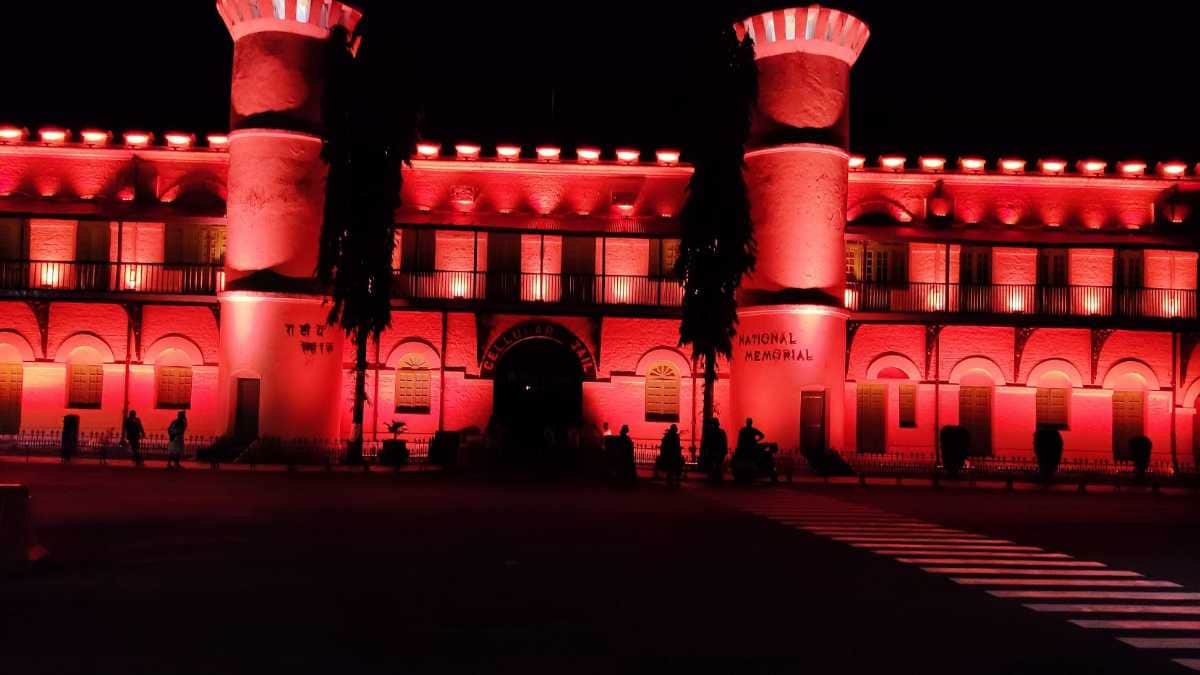
Attend the Light and Sound Show
Experience the Cellular Jail come to life with the mesmerising Light and Sound Show. Narrated by the voice of the Indian film icon Om Puri, this show takes you through the violent history of the jail, making the struggles of its inmates palpable. Set against the backdrop of the imposing structure, the play of light and sound under the night sky is both captivating and emotionally stirring. The narration weaves together tales of despair and hope, illustrating how the echoes of freedom fighters' resilience have reverberated through the walls of the jail.
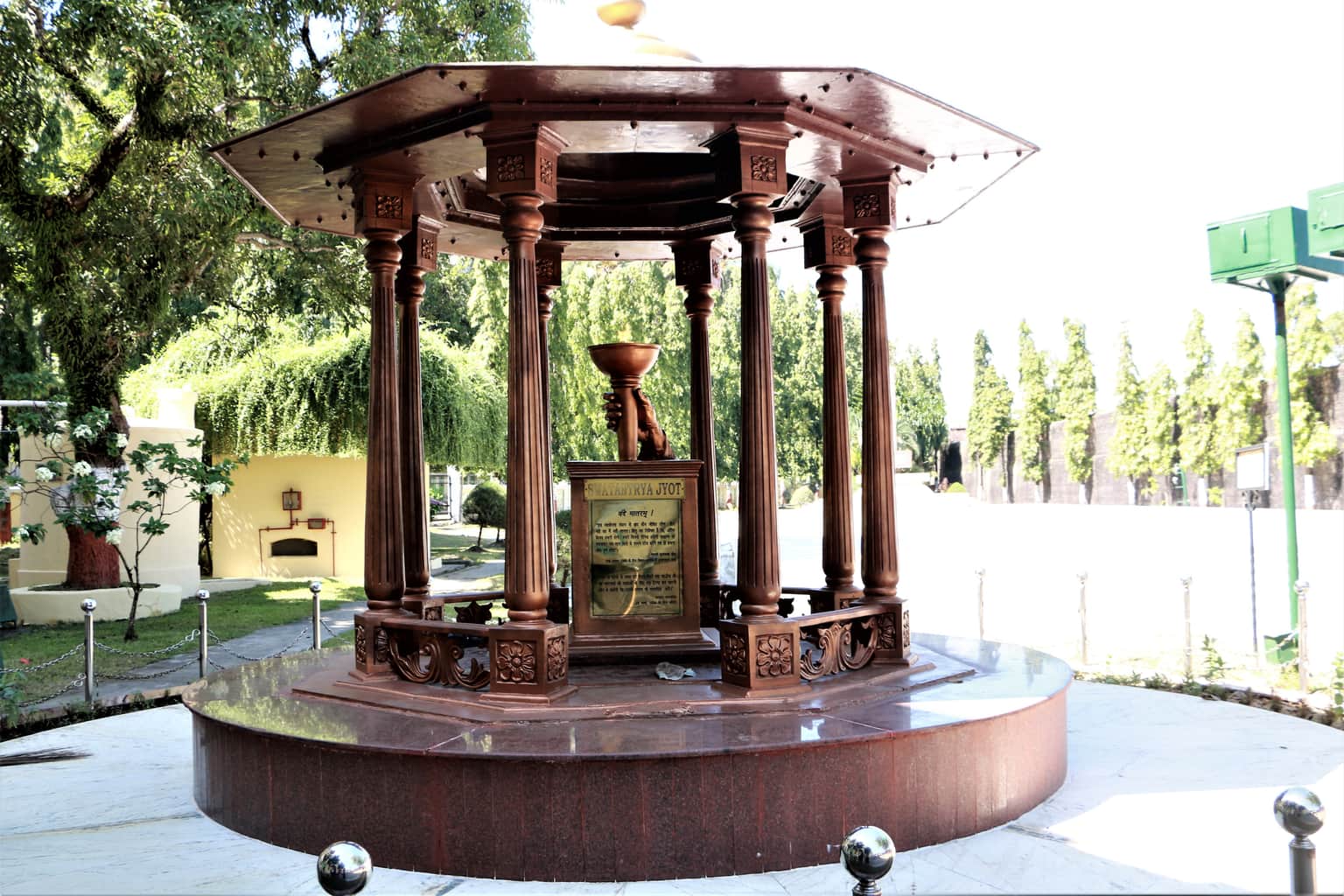
Witness the Eternal Flame - Swatantrya Jyot
Pay your respects at the Eternal Flame, a tribute to all the freedom fighters and martyrs who laid down their lives. This solemn spot evokes a deep sense of patriotism and gratitude. Standing in silence near the flame, you will feel a deep connection to the soul of India and its brave heroes. It is a moment of reflection, reminding you of the price of freedom and the bravery of those who fought for it. The Eternal Flame stands as a symbol of hope and bravery.
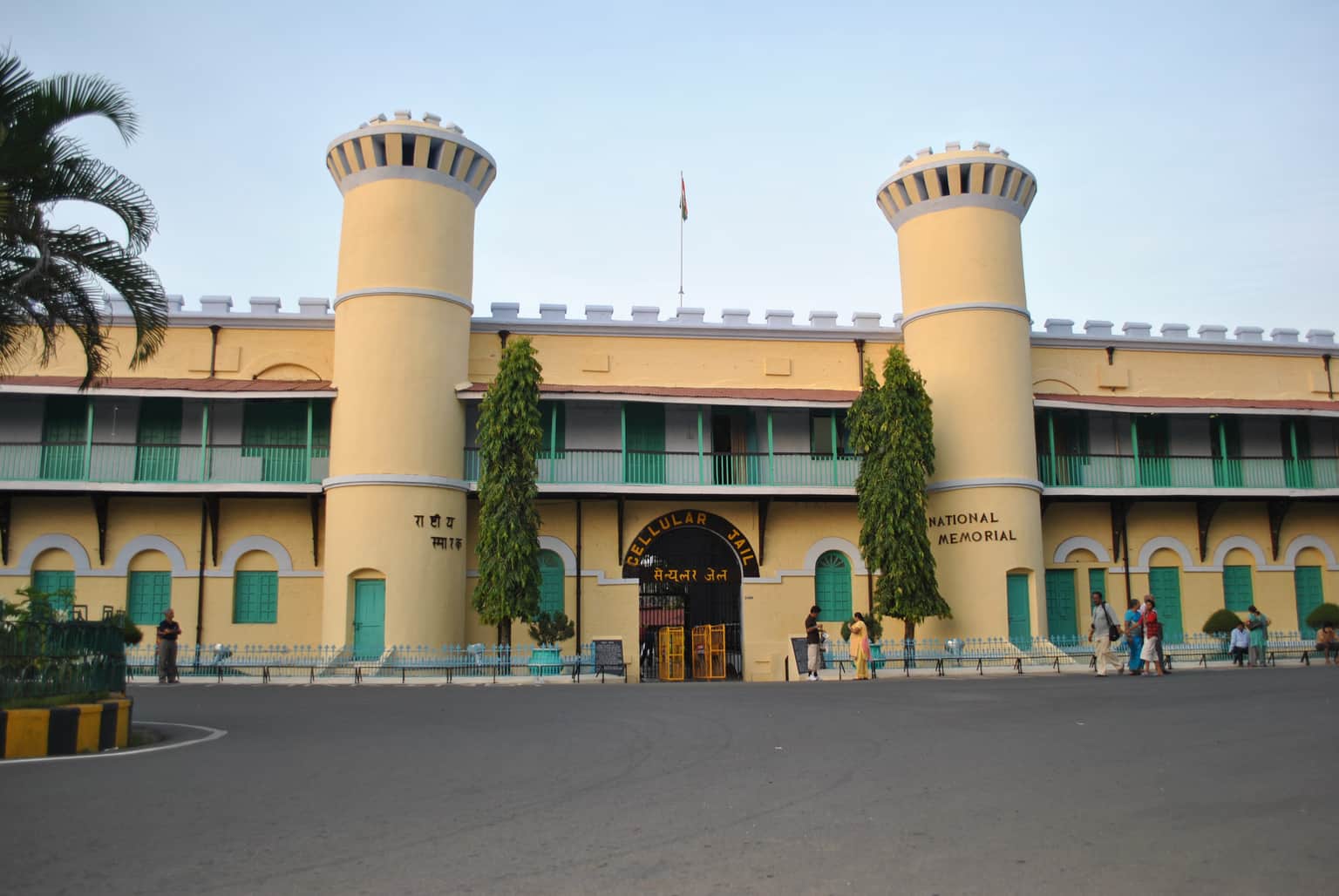
Take a Guided Tour of the Architecture
Sign up for a guided tour to delve into the architectural brilliance of the Cellular Jail, where the museum is located. It was designed to isolate and monitor the prisoners. It has a panopticon structure, where the prison cells open to a central tower. With its seven wings, the jail was a marvel of colonial engineering. The knowledgeable guides share insights into the design's purpose, the daily life of prisoners, and how this architecture played a crucial role in the freedom struggle. As you explore the corridors, you will encounter the solitary confinement cells, the central tower, and the execution yard.
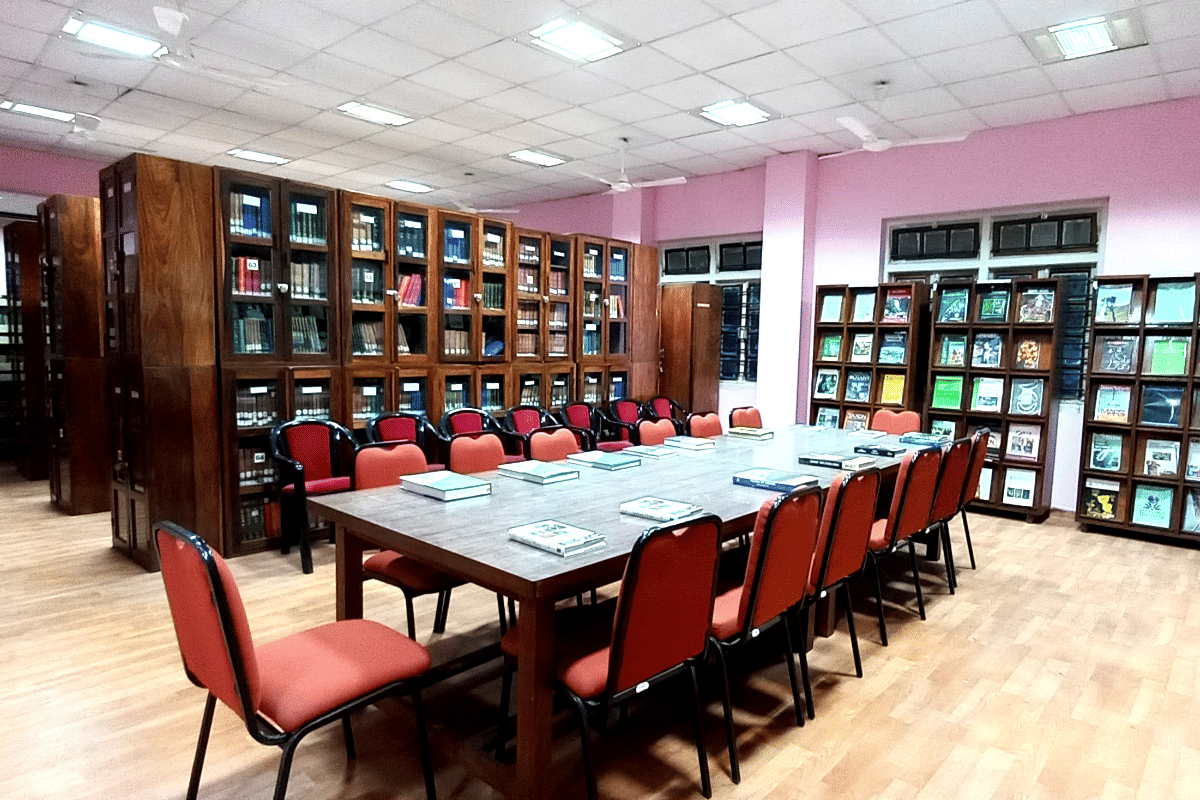
Visit the Netaji Gallery and Library
For history buffs and those intrigued by the strategic aspects of India's freedom movement, the Netaji Gallery and Library is the place to be. This section is dedicated to Netaji Subhash Chandra Bose and his contributions to the independence struggle. Here, you can discover documents, photographs, and artefacts that detail his leadership and the strategies employed by the Indian National Army. You can also find rare footage, personal effects, and correspondences that offer a glimpse into Netaji's vision for a free India.
Popular Related Attractions





Popular Related destinations




More Things to Do in Port Blair
Quick links to everything else worth a slot on a longer stay.