Reviewed by Thrillophilia Switzerland Operations Team
Switzerland tour packages start from INR 60,000 and go up to INR 320,000 per person, with itineraries ranging from 3 to 10 days. These packages cover some of Switzerland's most popular destinations, including Zurich, Lucerne, Interlaken, Zermatt, Montreux, Geneva, and St. Moritz, along with experiences such as Jungfraujoch, Mount Titlis, Glacier Express, scenic rail journeys, lake cruises, and alpine excursions.
Rated 4.7 stars by over 7,000 verified travellers, our Switzerland tour packages are designed for different travel styles, whether you are planning your first Europe trip, a honeymoon, or a family holiday. Packages include accommodation, transportation, sightseeing, and mountain experiences, allowing travellers to explore multiple regions comfortably within a single journey.
Switzerland is one of Europe's most traveller-friendly destinations, but planning a trip often involves decisions that can significantly impact both cost and overall experience. Choosing the right rail pass, selecting suitable mountain excursions, understanding seasonal differences, and deciding how many regions to cover are often more important than simply deciding which cities to visit.
Based on insights gathered from thousands of Switzerland bookings, our travel experts design itineraries that balance sightseeing, travel time, hotel locations, rail connectivity, and excursion planning. Every itinerary can be customised based on your preferred pace, budget, travel season, and interests. We also guide travellers on rail passes, mountain excursions, scenic train journeys, and other trip-planning considerations before booking.
Thrillophilia has partnered with Switzerland Tourism, providing travellers with destination insights, route-planning expertise, and up-to-date travel recommendations throughout their journey.
Note: Prices, visa requirements, rail pass references, and operational information in this guide were last reviewed in June 2026.
Switzerland Tour Overview: Costs, Duration & Planning
- Price Range: INR 60,000 to INR 320,000 per person, depending on travel season, itinerary duration, accommodation category, and included experiences.
- Duration: 3 to 10 days
- Most Popular Duration: 7 to 8-day itineraries, offering a balanced mix of mountain excursions, scenic train journeys, and major Swiss destinations.
- Package Inclusions: Accommodation, transportation, sightseeing, selected mountain experiences, breakfast, visa guidance, and 24/7 on-trip assistance. Package inclusions may vary depending on the itinerary.
- Customisation Options: Rail pass selection, scenic train journeys, mountain excursions, hotel upgrades, and itinerary modifications based on travel preferences and budget.
- Thrillophilia Support: Fully customisable itineraries, visa assistance, destination expertise, and 24/7 on-ground support throughout your trip.
Switzerland Tour Package Prices — 2026 Breakdown
Switzerland trip costs vary based on trip duration, destinations covered, and more. The table below outlines the most common package categories with their typical duration, pricing, and coverage.
|
Short Switzerland Getaway | 5 to 6 days | Zurich, Lucerne, Mount Titlis, Rhine Falls | INR 1,00,000 to INR 1,20,000 | April to June, September to October | First-time visitors, travellers with limited vacation time |
Classic Switzerland | 7 to 9 days | Zurich, Lucerne, Interlaken, Zermatt | INR 1,30,000 to INR 1,90,000 | May to September, December to February | Couples and families seeking a balanced trip |
Extended Scenic Switzerland | 10 to 12 days | Interlaken, Zermatt, Montreux, Bernina Region | INR 1,80,000 to INR 2,40,000 | June to September, Late December to March | Travellers exploring beyond the classic Swiss circuit |
Switzerland + Europe Combo | 10 to 14 days | Swiss Alps with Paris or Italy | INR 2,20,000 to INR 3,20,000 | May to June, September to October | Honeymooners and travellers wanting maximum coverage |
Note: All prices are land-only per person, indicative as of June 2026.
What is Included in Thrillophilia's Switzerland Packages
Core Package Inclusions
- Accommodations
- Intercity transport
- Selected mountain experiences
- 24/7 on-ground support
- Complete itinerary customisations
- Daily breakfast
Optional Add-Ons
- Flights: International flights from India and domestic flight transfers are not included unless specified in the package.
- Meals: Breakfast is included in most packages. Lunch and dinner are included only where mentioned in the itinerary.
- Visa Assistance: Schengen visa guidance and documentation support are provided. Visa fees are charged separately unless stated otherwise.
- Rail Passes and Experiences: Swiss Travel Passes, Half Fare Cards, Saver Day Passes, mountain excursions, scenic train journeys, and travel class upgrades are included only when mentioned in the itinerary.
- Travel Insurance: Travel insurance is not included in the package. Travellers can purchase it separately before departure.
Which Factors Affect Your Switzerland Trip Pricing the Most
- Travel Season: Prices are usually higher during July to August and the Christmas to New Year period. May, September, and October often have lower hotel and flight costs.
- Trip Duration: Longer trips generally cost more due to additional hotel stays, transportation, and sightseeing.
- Alpine Experiences: Alpine experiences such as Jungfraujoch, Mount Titlis, Matterhorn Glacier Paradise, and Gornergrat are among the largest cost components of a Switzerland tour.
- Scenic Train Journeys: Adding journeys such as the Glacier Express or Bernina Express increases package pricing.
- Hotel Category and Location: Hotel rates vary based on category, location, and room type. Properties with mountain or lake views usually cost more than standard city hotels.
- Rail Pass Selection: The cost of your trip can vary depending on whether your itinerary includes a Swiss Travel Pass, Half Fare Card, or Saver Day Pass.
- Destinations Covered: Packages covering destinations such as Zurich, Lucerne, Interlaken, Zermatt, Montreux, and St. Moritz typically cost more than itineraries covering fewer regions.
How Does Thrillophilia Keep Switzerland Tour Packages Cost Under Control
- Rail Pass Selection: We compare options such as the Swiss Travel Pass, Half Fare Card, Saver Day Passes, and point-to-point tickets to identify the most suitable option for your itinerary.
- Experience Planning: We help prioritise key experiences such as mountain excursions, scenic train journeys, and lake cruises based on your route, travel season, and trip duration.
- Route Planning: We design itineraries that reduce unnecessary travel between destinations. This helps minimise transit time and allows more time for sightseeing and local experiences.
- Hotel Location Selection: Hotels are selected based on connectivity, access to attractions, and proximity to transport hubs, helping reduce travel time during the trip.
Switzerland Trip Cost Breakdown — What You'll Actually Spend
|
Flights from India (return) | INR 35,000 to INR 50,000 | INR 50,000 to INR 65,000 | INR 65,000 to INR 75,000+ | Low season (Jan to Mar, Nov) is the cheapest. Book 3 to 4 months ahead for July and December. |
Accommodation (per night) | INR 6,000 to INR 10,000 (3-star guesthouse) | INR 10,000 to INR 18,000 (3 to 4-star hotel) | INR 18,000 to INR 35,000+ (4 to 5-star, mountain or lake view) | Zermatt is the most expensive. Lucerne and Interlaken are more affordable. |
Mountain excursions (per adult) | INR 8,075 to INR 10,925 (Gornergrat or Titlis lower range) | INR 9,500 to INR 14,250 (Titlis or Jungfraujoch with rail pass) | INR 19,000 to INR 31,000 (Jungfraujoch day trip from Zurich) | Most packages include one excursion. Additional peaks are charged separately. Book in advance during peak months. |
Scenic train journeys (per adult) | INR 3,400 to INR 6,000 (GoldenPass or Bernina Express) | INR 6,000 to INR 12,000 (Bernina or Glacier Express 2nd class) | INR 19,000+ (Glacier Express full route, 1st class) | Seat reservations are mandatory for Glacier Express and Bernina Express. Not always covered by the rail pass. |
Rail pass | INR 3,500 to INR 6,200 (Saver Day Pass) | INR 14,000 (Half Fare Card, 30-day validity) | INR 22,500 to INR 26,000 (Swiss Travel Pass, 3-day 2nd class) | No single pass suits all itineraries. Thrillophilia compares options against your specific route before booking. |
Meals (per day) | INR 2,500 to INR 4,000 (self-catering, Migros or Coop supermarket) | INR 4,000 to INR 7,000 (mix of restaurant and self-catering) | INR 7,000 to INR 12,000+ (restaurant-led, hotel dining) | Switzerland is expensive for food, but supermarkets and local takeaway spots offer affordable meal options. |
Schengen visa fee | INR 7,200 (EUR 80) per adult | INR 7,200 (EUR 80) per adult | INR 7,200 (EUR 80) per adult | Standard Schengen fee as of June 2026. Children under 6 are exempt. Verify at VFS Global India before applying. |
Travel insurance | INR 2,000 to INR 3,000 per person | INR 3,000 to INR 5,000 per person | INR 5,000 to INR 8,000 per person | Mandatory for Schengen visa (minimum EUR 30,000 cover). Highly recommended due to weather risks in Switzerland. |
Total 7-day trip (including flights) | INR 1,35,000 to INR 1,80,000 per person | INR 1,80,000 to INR 2,60,000 per person | INR 2,60,000 to INR 3,90,000+ per person | Includes return flights from India. Visa fee (approximately INR 7,200 per adult) is additional. |
How to Reach Switzerland from India
Switzerland is well-connected to India through direct and one-stop flights. Most travellers arrive via Zurich or Geneva, the country's two main international gateways, with convenient rail connections to destinations across Switzerland.
Major Arrival Airports
Zurich Airport (ZRH)
- Gateway to Zurich, Lucerne, Interlaken, and the Jungfrau Region
- Preferred by most first-time visitors to Switzerland
Geneva Airport (GVA)
- Gateway to Montreux, Lausanne, and the Lake Geneva region
- Suitable for itineraries covering western Switzerland
Flights from India
- Delhi to Zurich: Direct and one-stop flights, approximately 8 to 10 hours
- Mumbai to Zurich: Direct and one-stop flights, approximately 8 to 11 hours
- Bangalore to Switzerland: One-stop flights, approximately 11 to 15 hours
- Chennai to Switzerland: One-stop flights, approximately 11 to 15 hours
- Hyderabad to Switzerland: One-stop flights, approximately 11 to 15 hours
- Kolkata to Switzerland: One-stop flights, approximately 12 to 16 hours
Economy Return Fare Ranges from India (2026)
- Shoulder season (April to June, September to October): INR 45,000 to INR 60,000 per person
- Peak summer (July to August) and December: INR 60,000 to INR 75,000 per person
- Low season (January to March, November): INR 35,000 to INR 50,000 per person
Note: Book at least 3 to 4 months ahead for summer and December travel. May and September are the best value windows for flights and hotels combined.
Switzerland Visa for Indians
Indian passport holders require a Schengen Visa to visit Switzerland for tourism.
When to Apply
- Apply at least 4 to 6 weeks before departure
- Visa processing usually takes 10 to 15 working days
- Processing times may be longer during summer and holiday travel periods
Documents Required
- Completed visa application form
- Valid passport
- Recent passport-size photographs
- Flight reservations
- Hotel bookings
- Travel itinerary
- Travel insurance with a minimum coverage of EUR 30,000 ( approx INR 32,44,000)
- Bank statements and financial documents
- Employment or business proof
- Income Tax Returns, where applicable
Visa Assistance: Thrillophilia provides guidance on visa documentation, itinerary requirements, and the application process. Visa fees are charged separately unless mentioned in the package inclusions.
Top Places to Visit in Switzerland
Interlaken
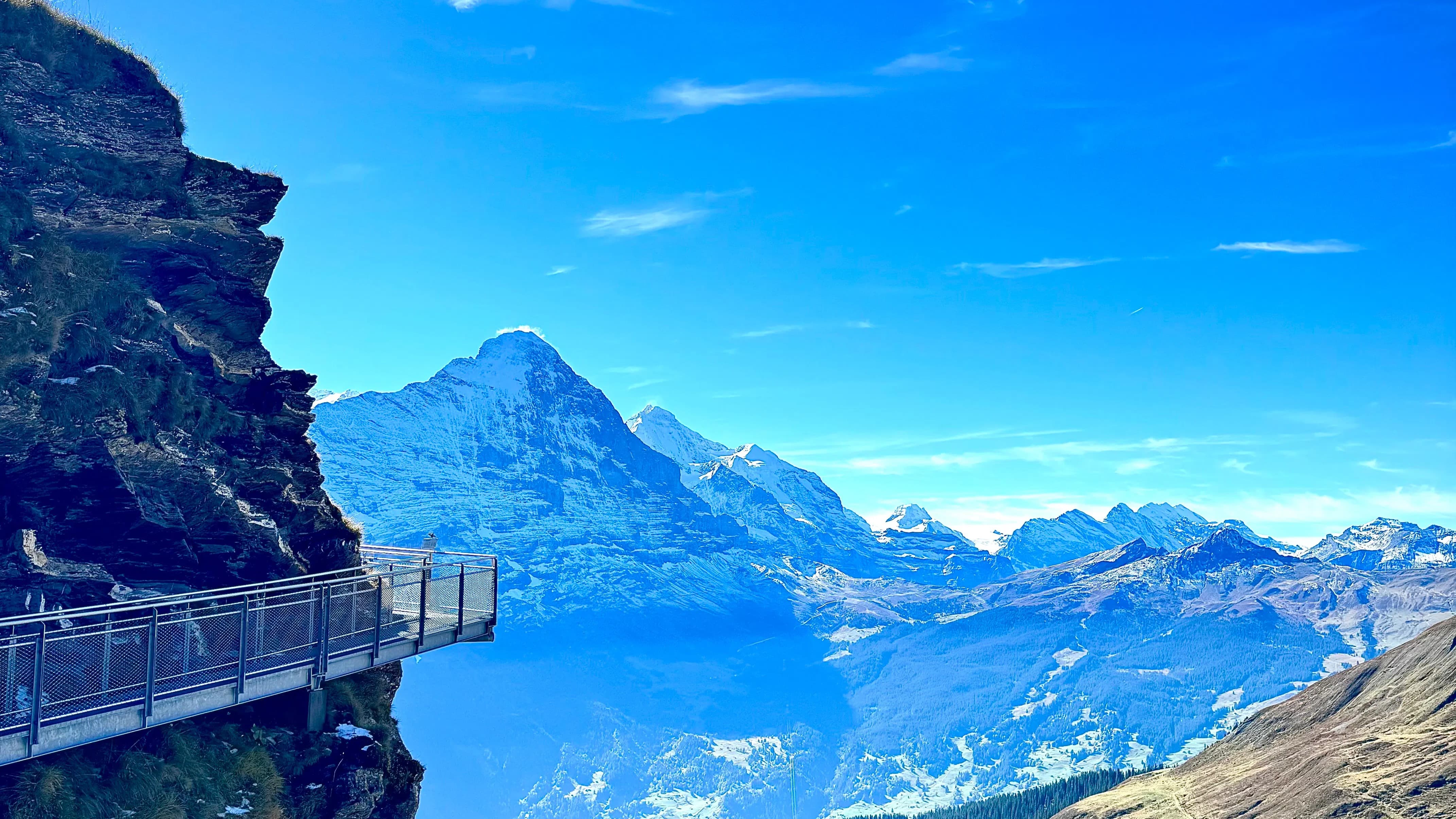
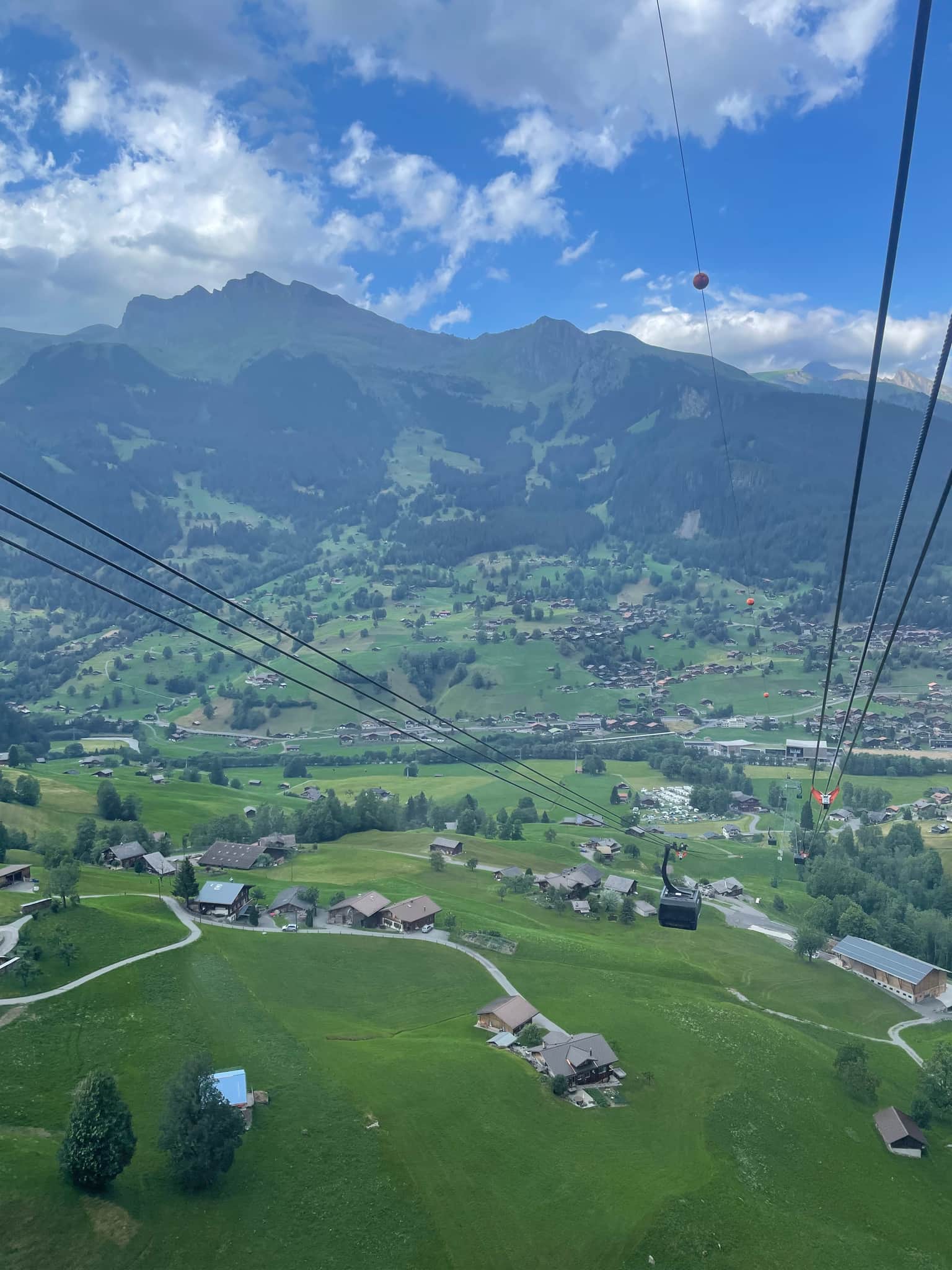
This Photo of First cliff Walk in Grindelwald, Switzerland, has been taken by one of our travlers, Abhi Kanojia. They booked our Wonders of Switzerland and Paris | Glitz & Glaciers package.
Located between Lake Thun and Lake Brienz, Interlaken is one of the most popular destinations in Switzerland. It serves as the base for several famous experiences, including Jungfraujoch, Grindelwald, Lauterbrunnen, and Harder Kulm.
- Top Attractions: Jungfraujoch, Lauterbrunnen Valley, Harder Kulm, Lake Brienz, Grindelwald
- Why Visit: Interlaken offers easy access to the Jungfrau Region and some of Switzerland's most popular mountain experiences, making it a convenient base for first-time visitors.
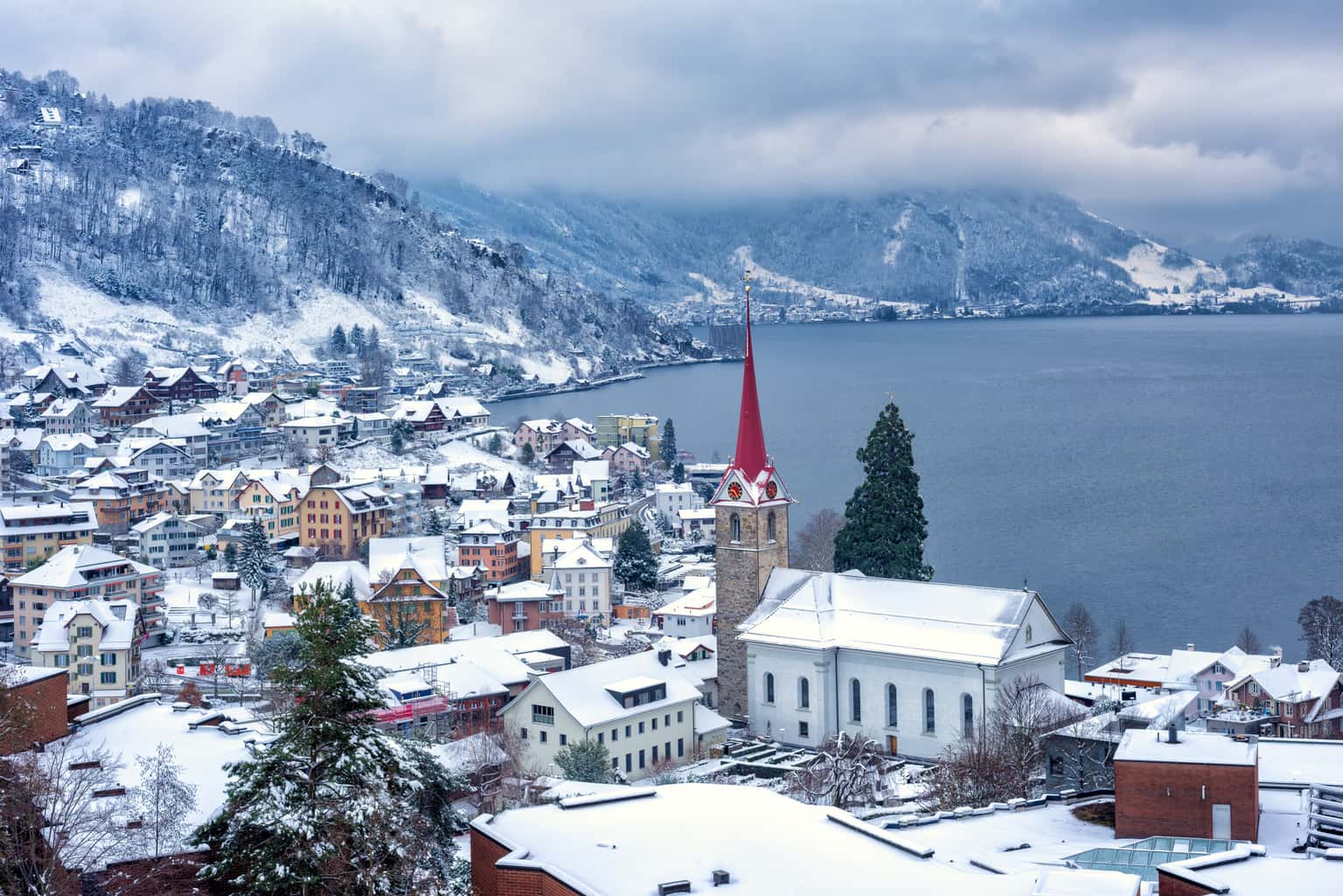
Lucerne
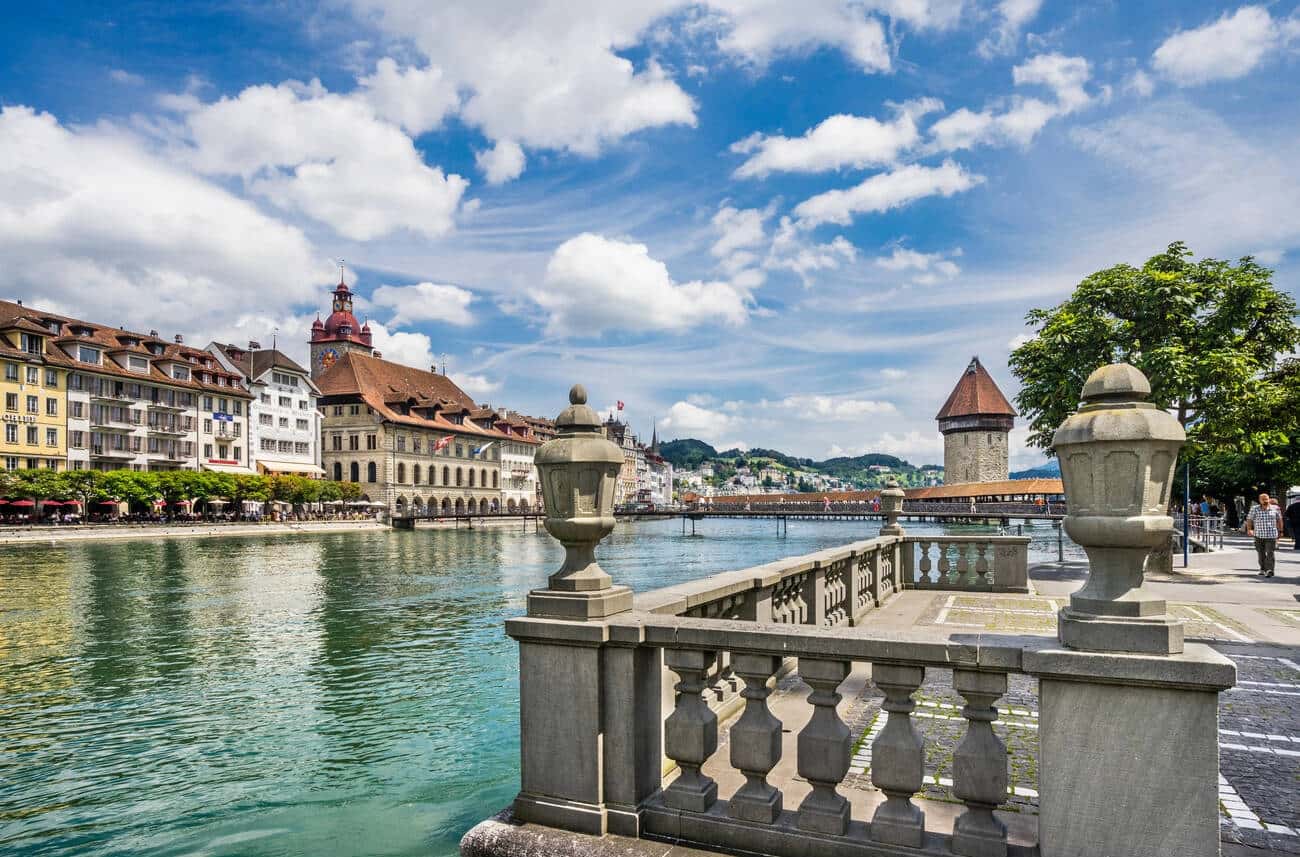
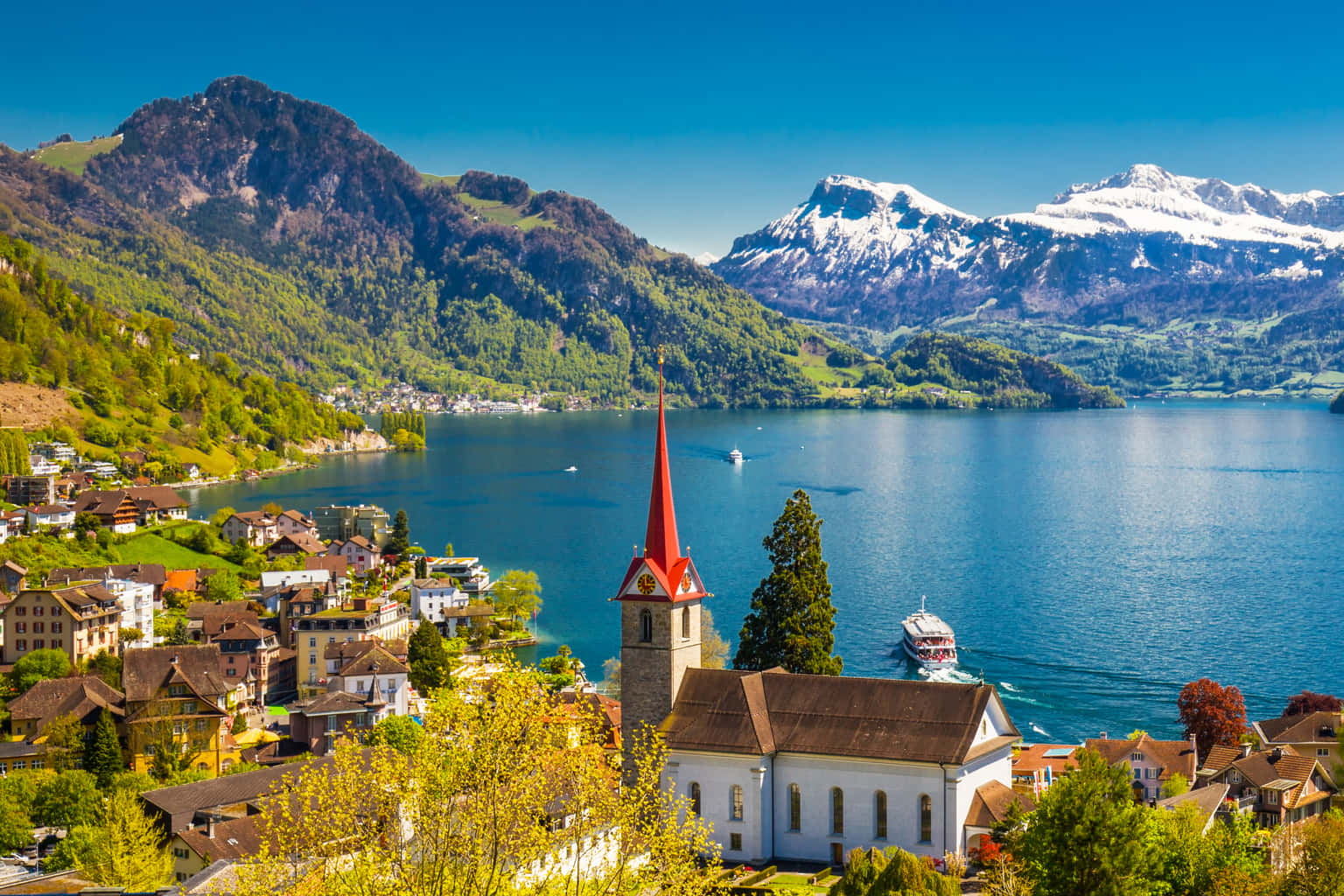
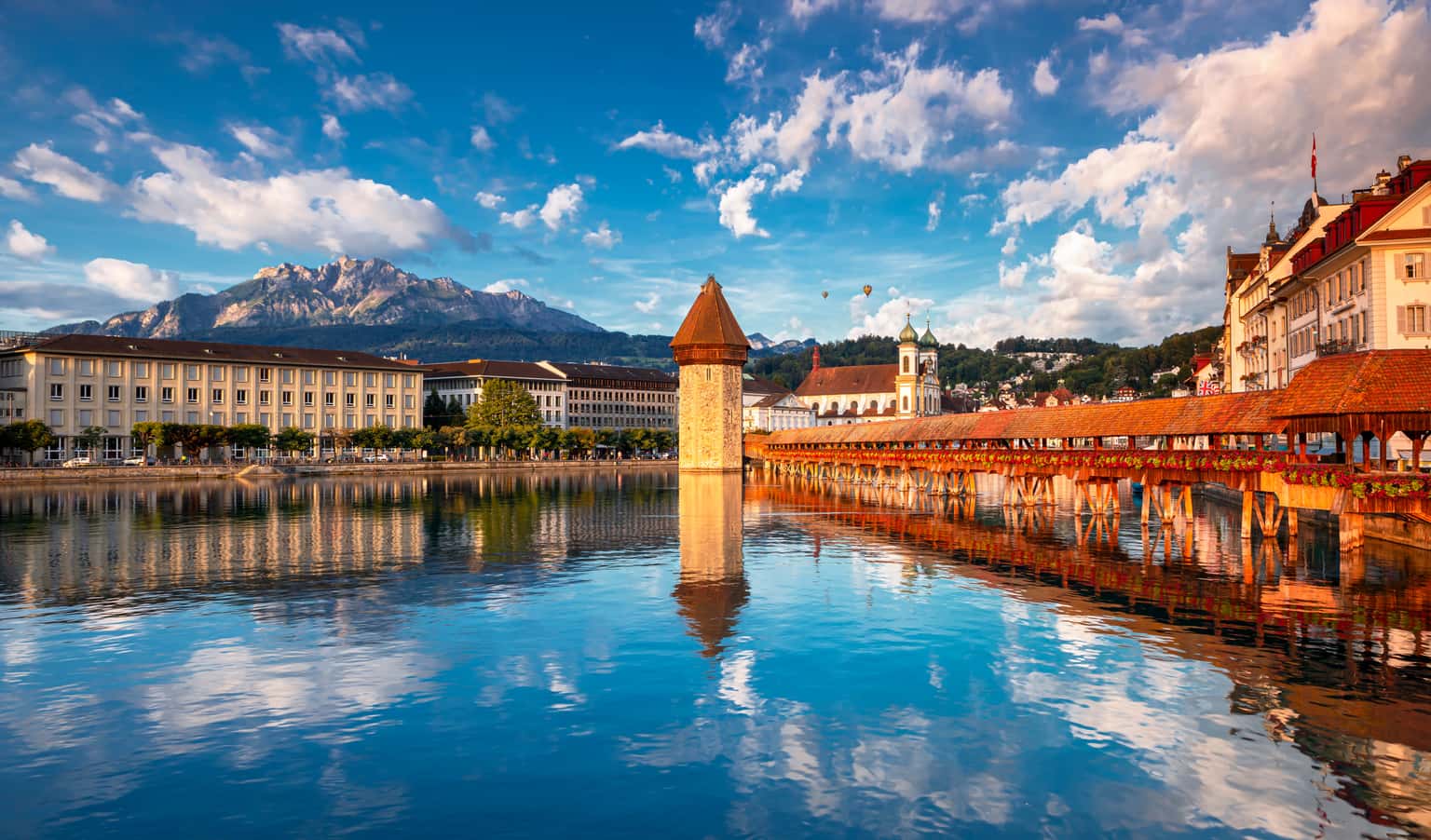
Set along the shores of Lake Lucerne, this city combines historic landmarks, mountain excursions, and scenic lake views. It is often included in both short and long Switzerland itineraries.
- Top Attractions: Chapel Bridge, Lake Lucerne, Mount Titlis, Mount Pilatus, Old Town
- Why Visit: Lucerne offers a mix of sightseeing and mountain experiences while requiring fewer travel days than some alpine regions.
Zermatt
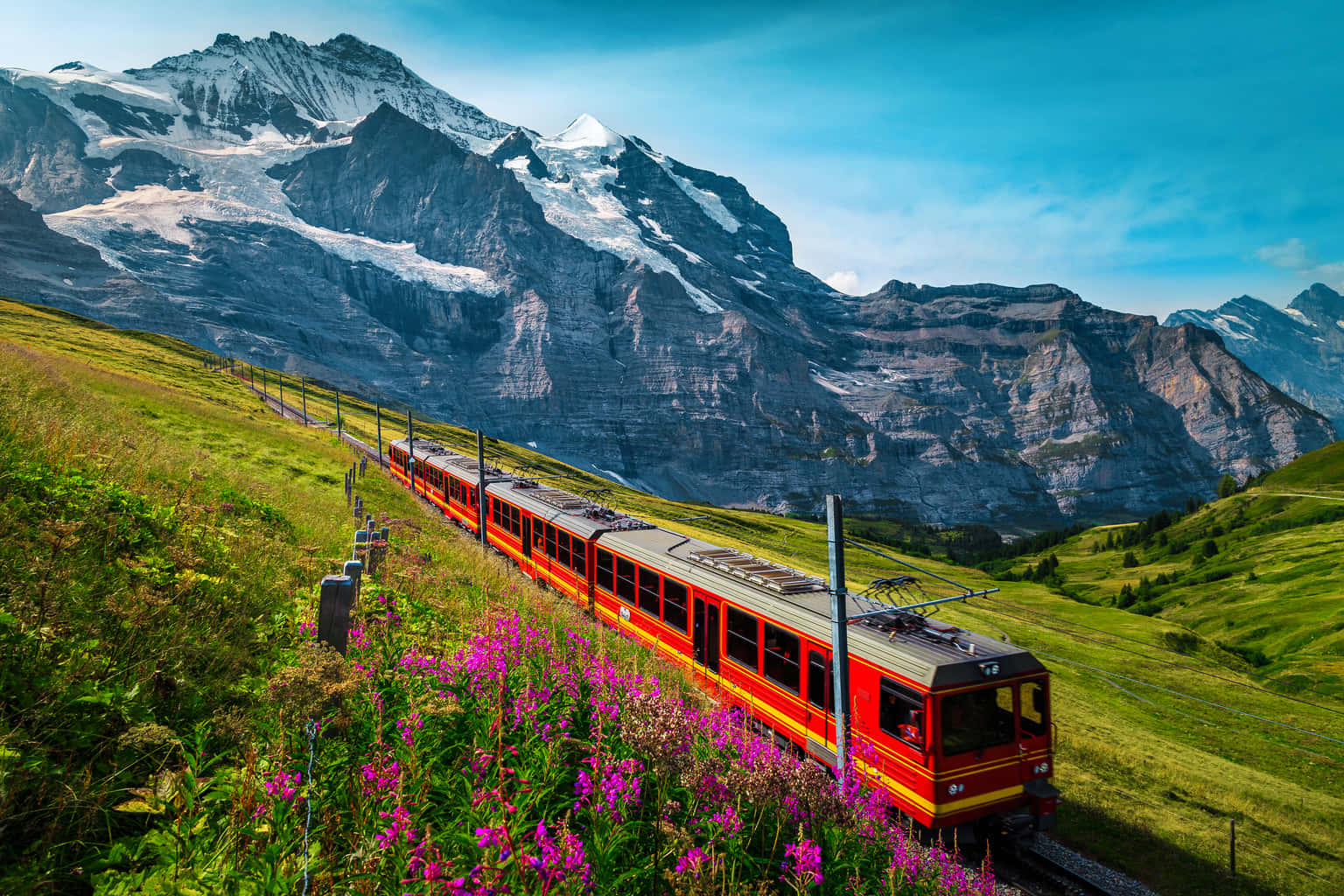
Zermatt is a mountain town located at the foot of the Matterhorn. The town is car-free and is known for its alpine scenery and scenic railway journeys.
- Top Attractions: Matterhorn Glacier Paradise, Gornergrat Railway, Matterhorn Viewpoints, Glacier Express
- Why Visit: Zermatt is one of the best destinations for travellers looking to experience Switzerland's mountain landscapes beyond the Jungfrau Region.
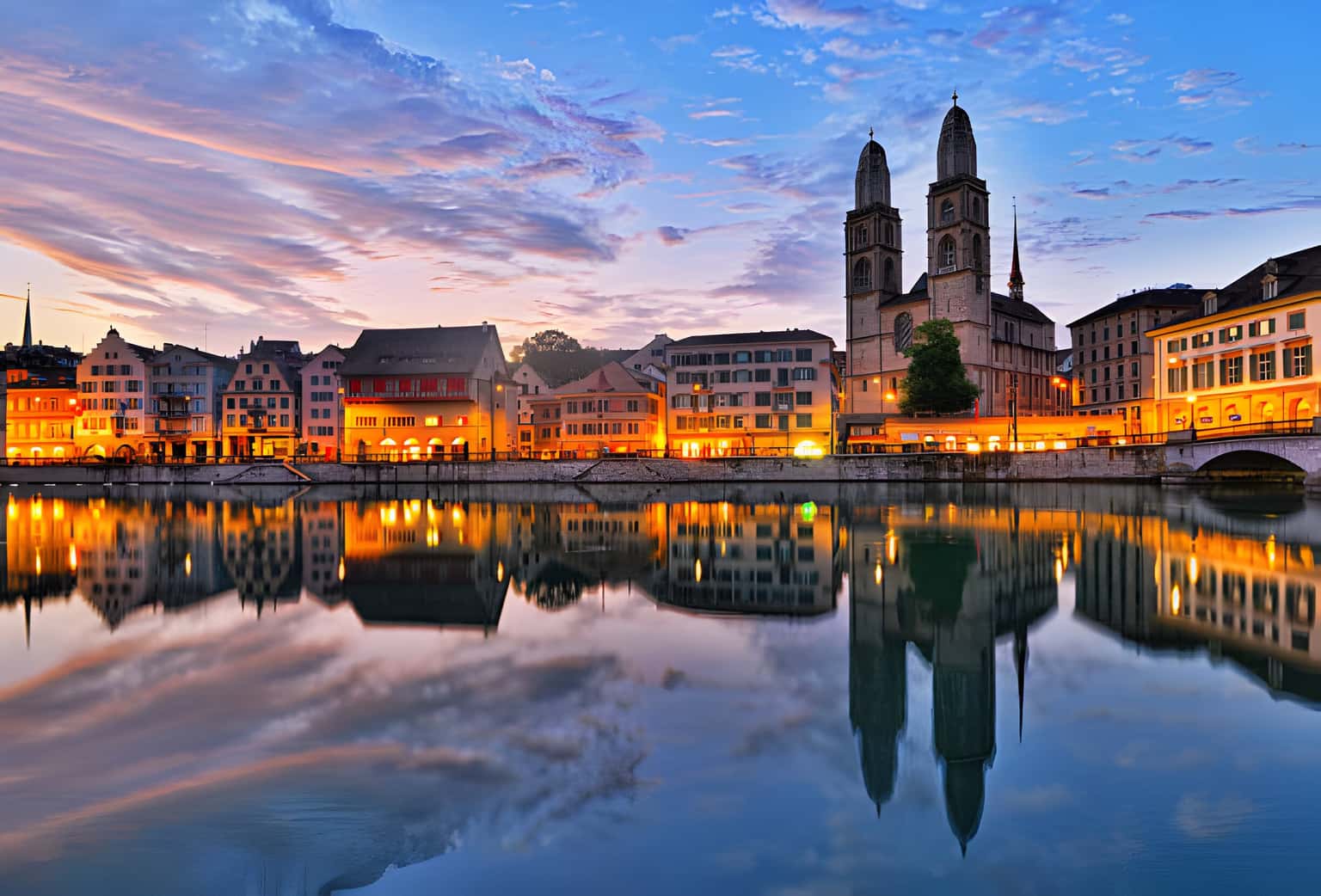
Zurich
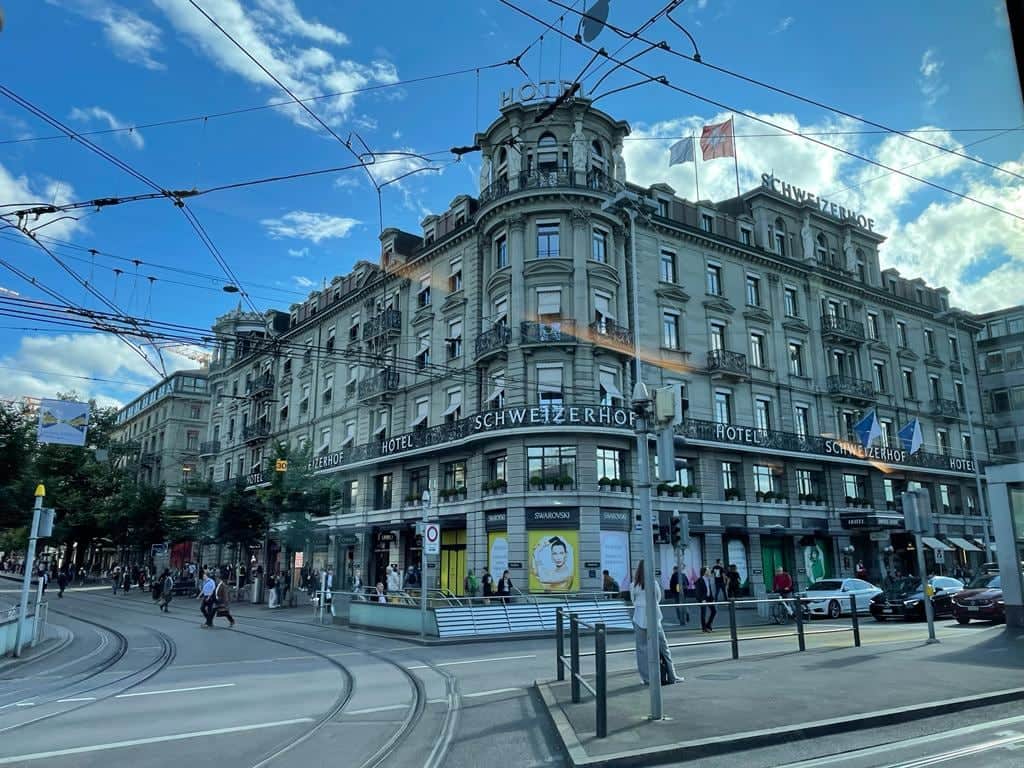
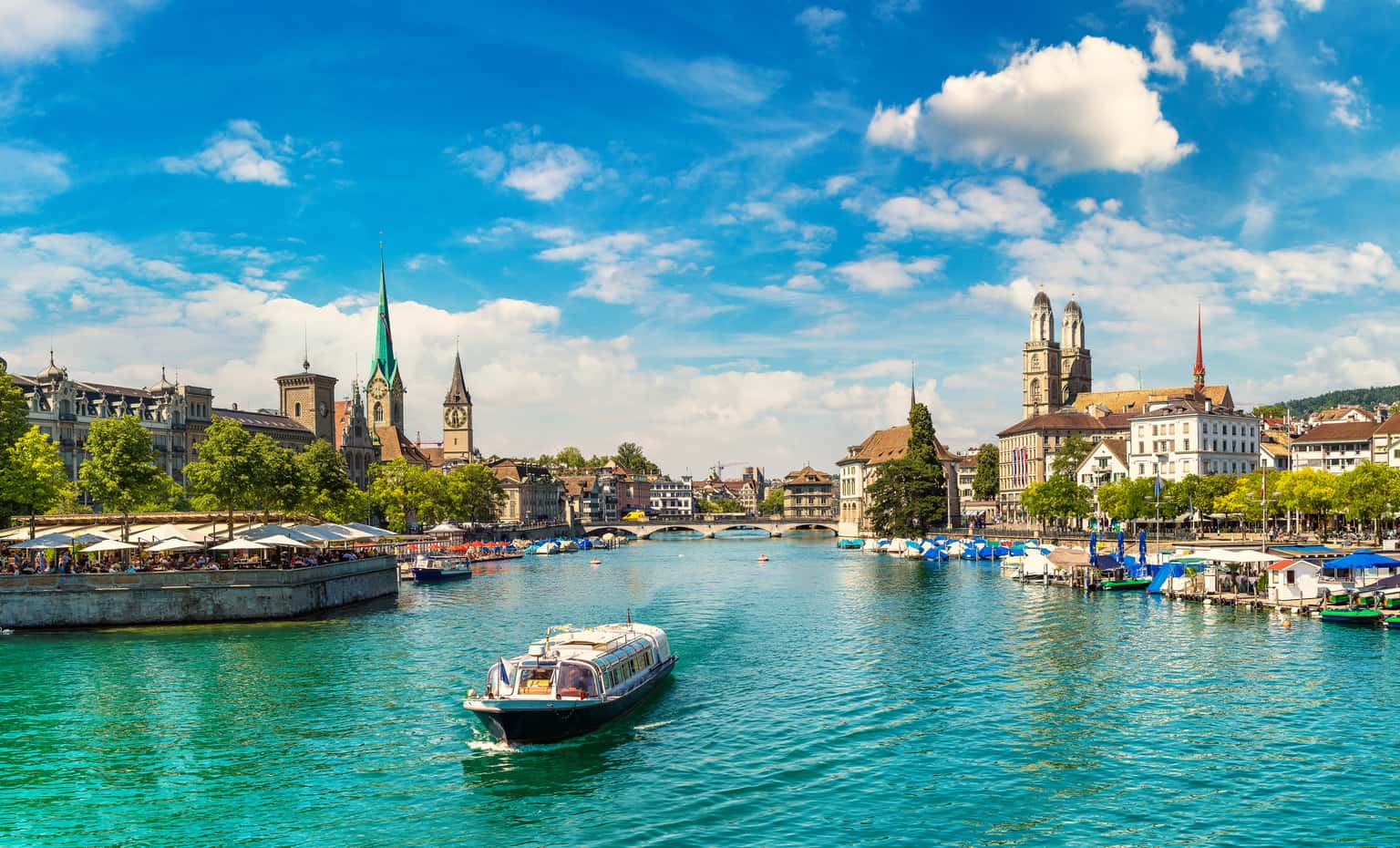
Zurich is Switzerland's largest city and one of the country's main international gateways. Most travellers begin or end their Switzerland trip here.
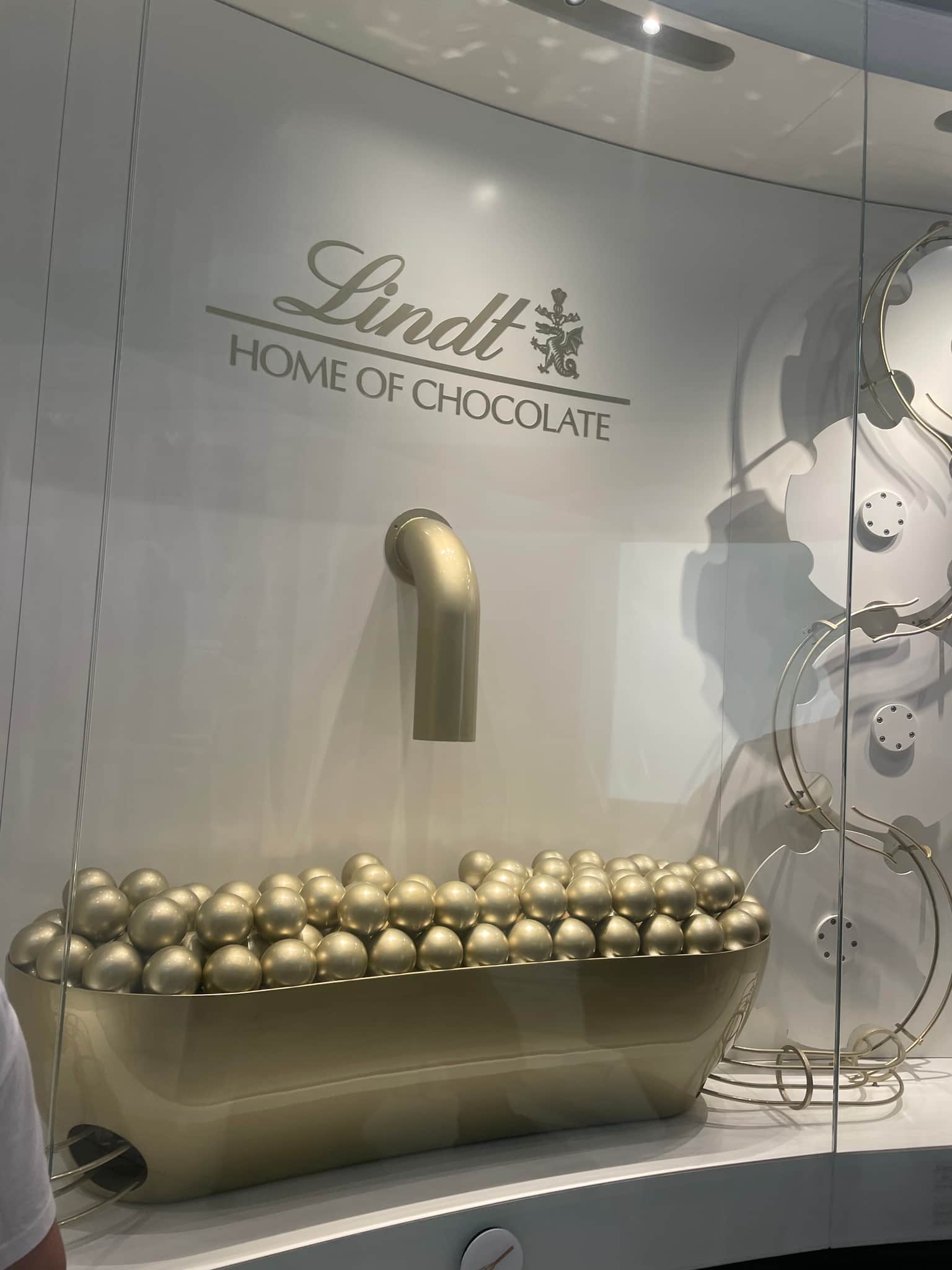
- Top Attractions: Lake Zurich, Old Town, Bahnhofstrasse, Lindt Home of Chocolate
- Why Visit: Zurich combines sightseeing, shopping, and convenient transport connections with the rest of Switzerland.
Montreux
Located on the shores of Lake Geneva, Montreux is known for its lakeside promenade, vineyards, and scenic train connections.
- Top Attractions: Chillon Castle, Lake Geneva Promenade, Lavaux Vineyards, GoldenPass Express
- Why Visit: Montreux offers a different side of Switzerland, combining lakeside scenery with easy access to scenic rail routes.
St. Moritz
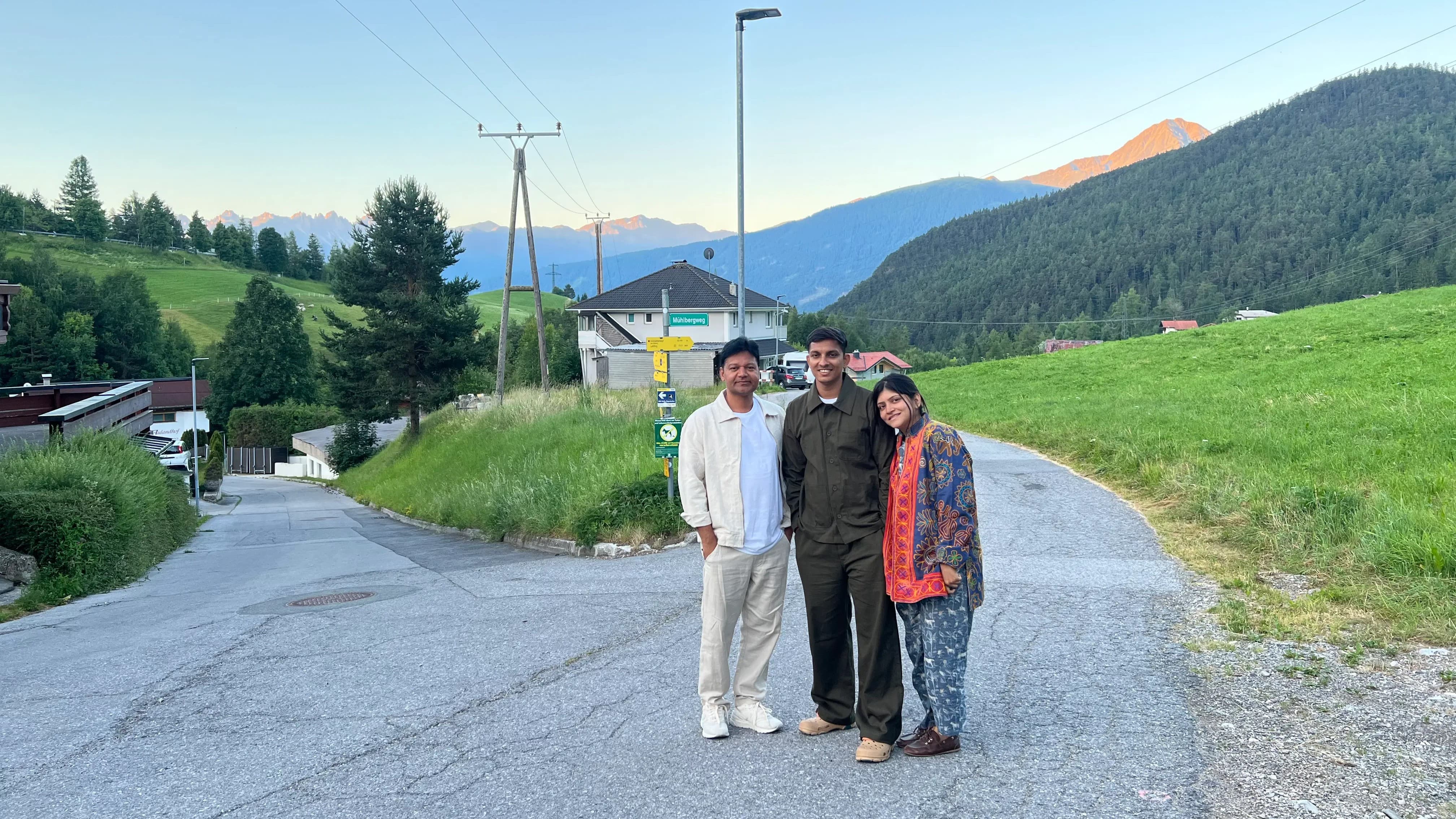
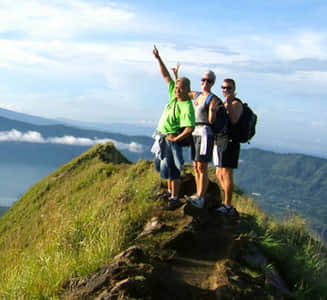
Vinod Bafna and Friends enjoying the view of Alpine Viewpoint. They booked our European Wonders | Group Tour Package. Their Trip duration was 14 days and 13 nights
St. Moritz is one of Switzerland's most famous mountain resorts and a key stop on the Bernina Express route.
- Top Attractions: Bernina Express, St. Moritz Lake, Alpine Viewpoints, Mountain Railways
- Why Visit: St. Moritz is often included in longer Switzerland itineraries focused on scenic train journeys and alpine landscapes.
Top Things to Do On Your Switzerland Trip
Visit Jungfraujoch — Top of Europe
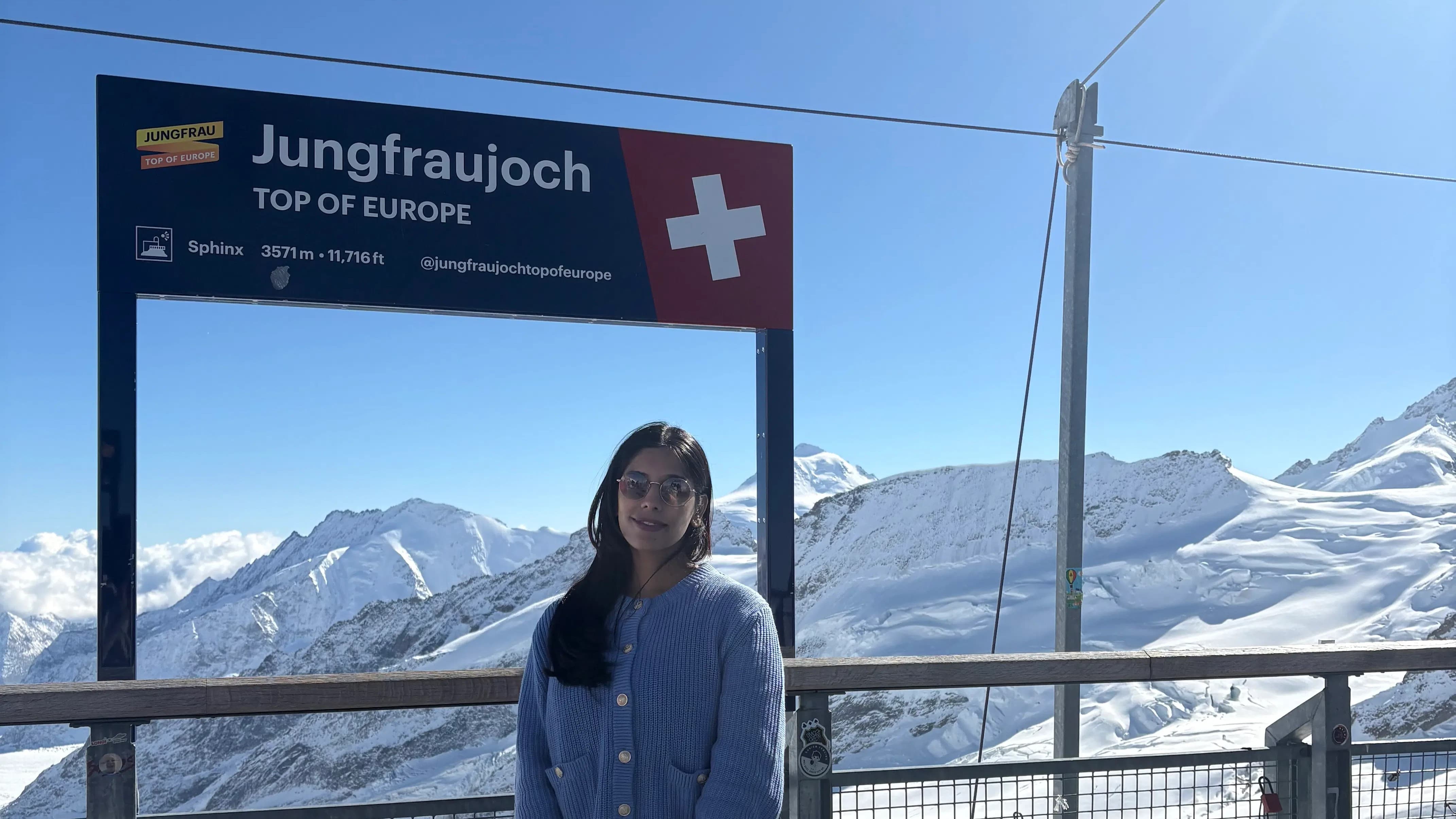
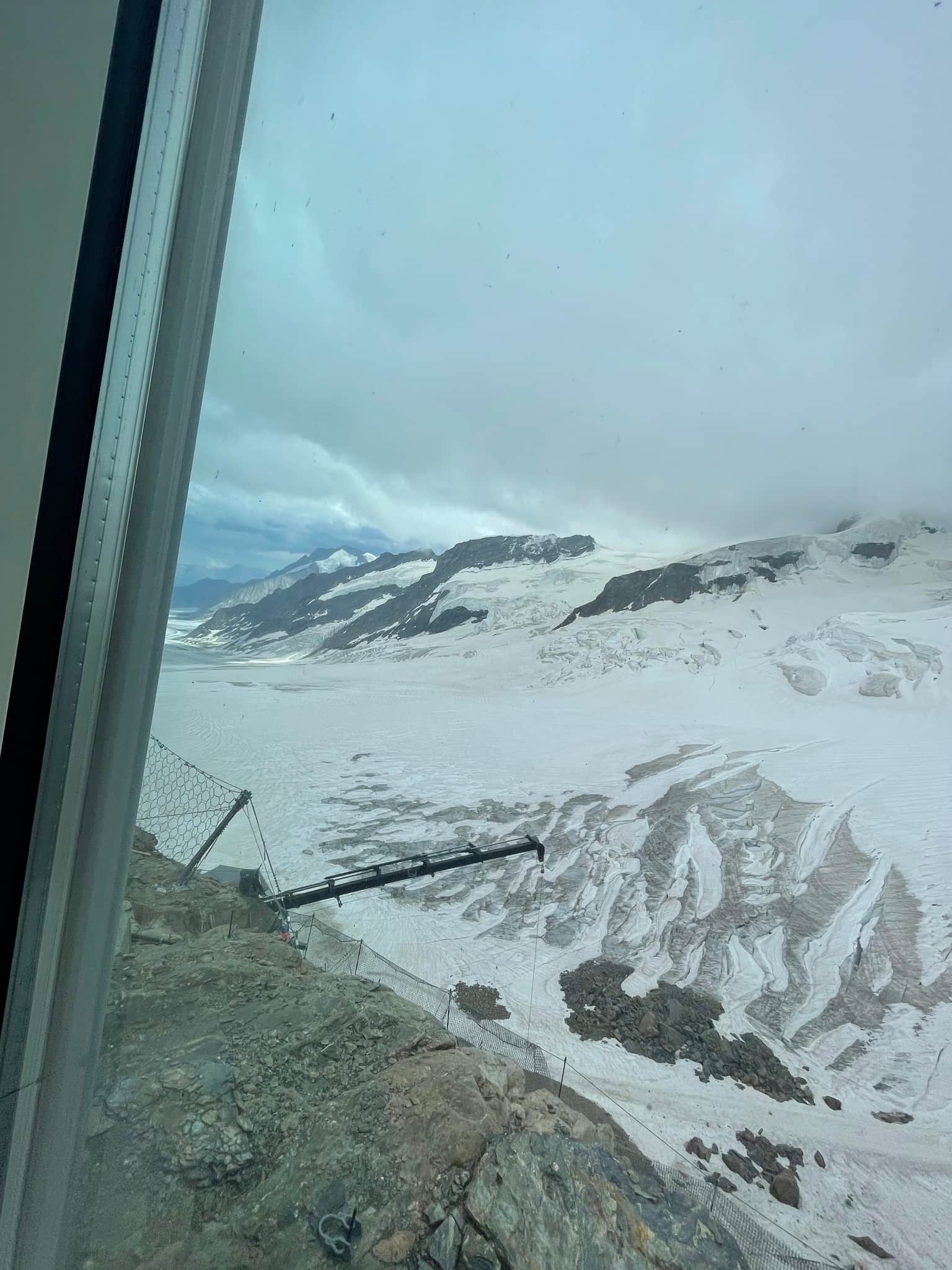
Sarabjeet Kaur enjoying the view of Jungfraujoch. She booked our Grand Europe Group Tour Package.
Jungfraujoch is one of Switzerland's most visited attractions and the highest railway station in Europe.
- Highlights: Aletsch Glacier views, Ice Palace, Sphinx Observation Deck, snow activities during winter
- Good to Know: Most travellers visit Jungfraujoch from Interlaken or Grindelwald. Ticket prices vary depending on the season and rail pass discounts.
Ride the Rotair Cable Car to Mount Titlis
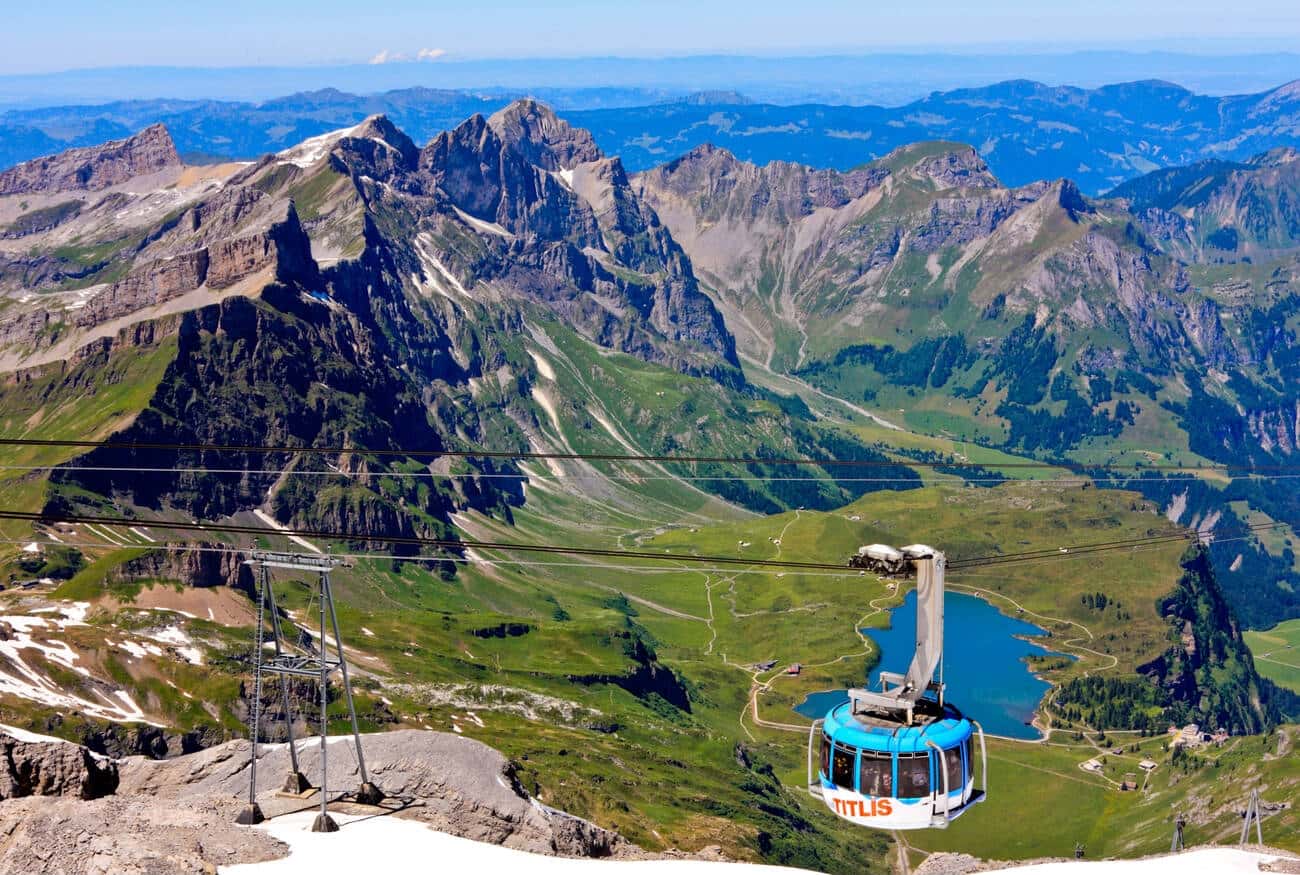
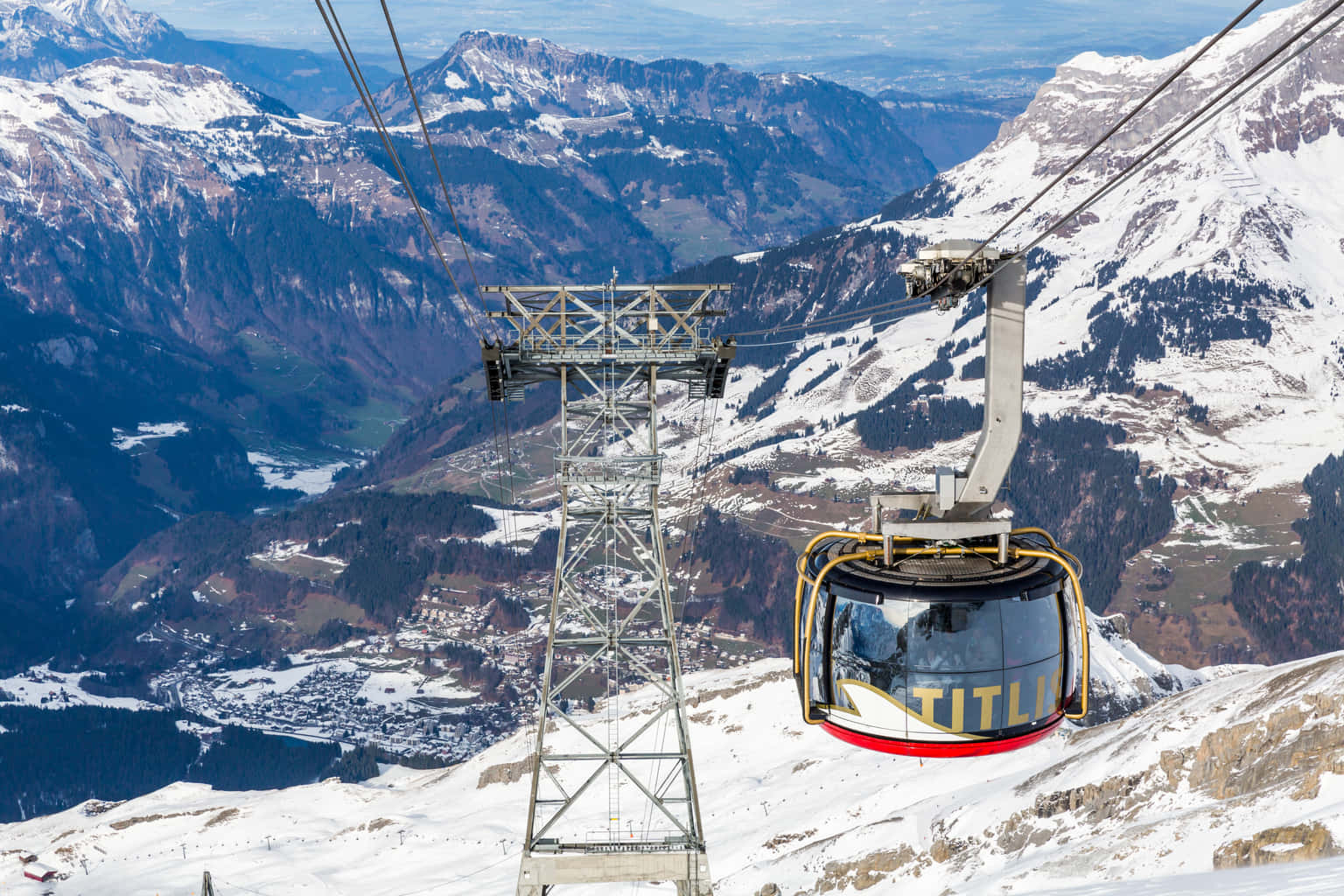
Mount Titlis is known for year-round snow and the world's first rotating cable car.
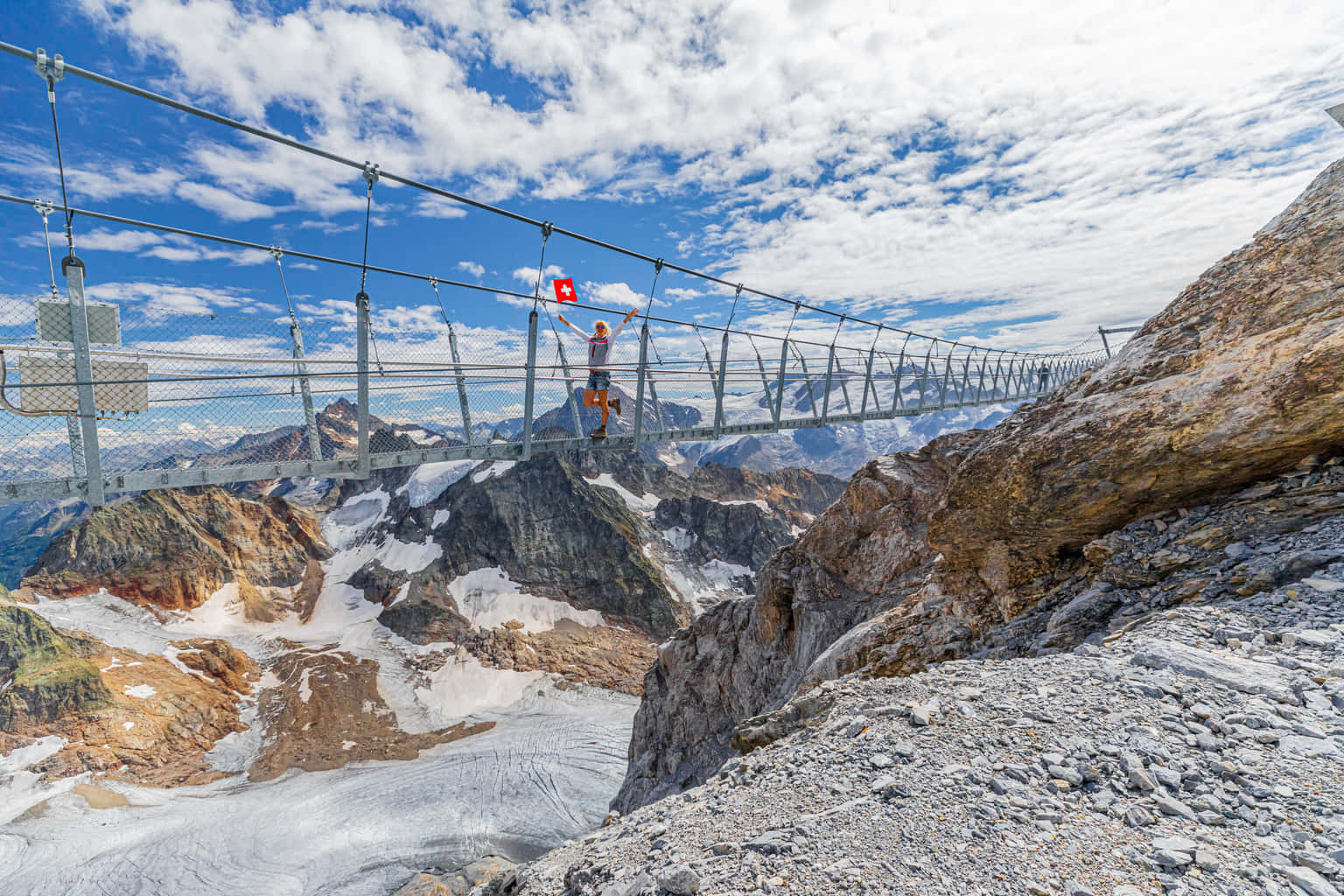
- Highlights: Rotair Cable Car, Titlis Cliff Walk, Glacier Cave, Ice Flyer Chairlift
- Good to Know: Lucerne is the most convenient base for visiting Mount Titlis.
Travel on the Glacier Express
Connecting Zermatt and St. Moritz, the Glacier Express is one of the most famous scenic train journeys in the world.
- Highlights: Panoramic coaches, alpine valleys and bridges, mountain landscapes
- Good to Know: Seat reservations are mandatory and should be booked in advance during peak travel months.
Ride the Bernina Express
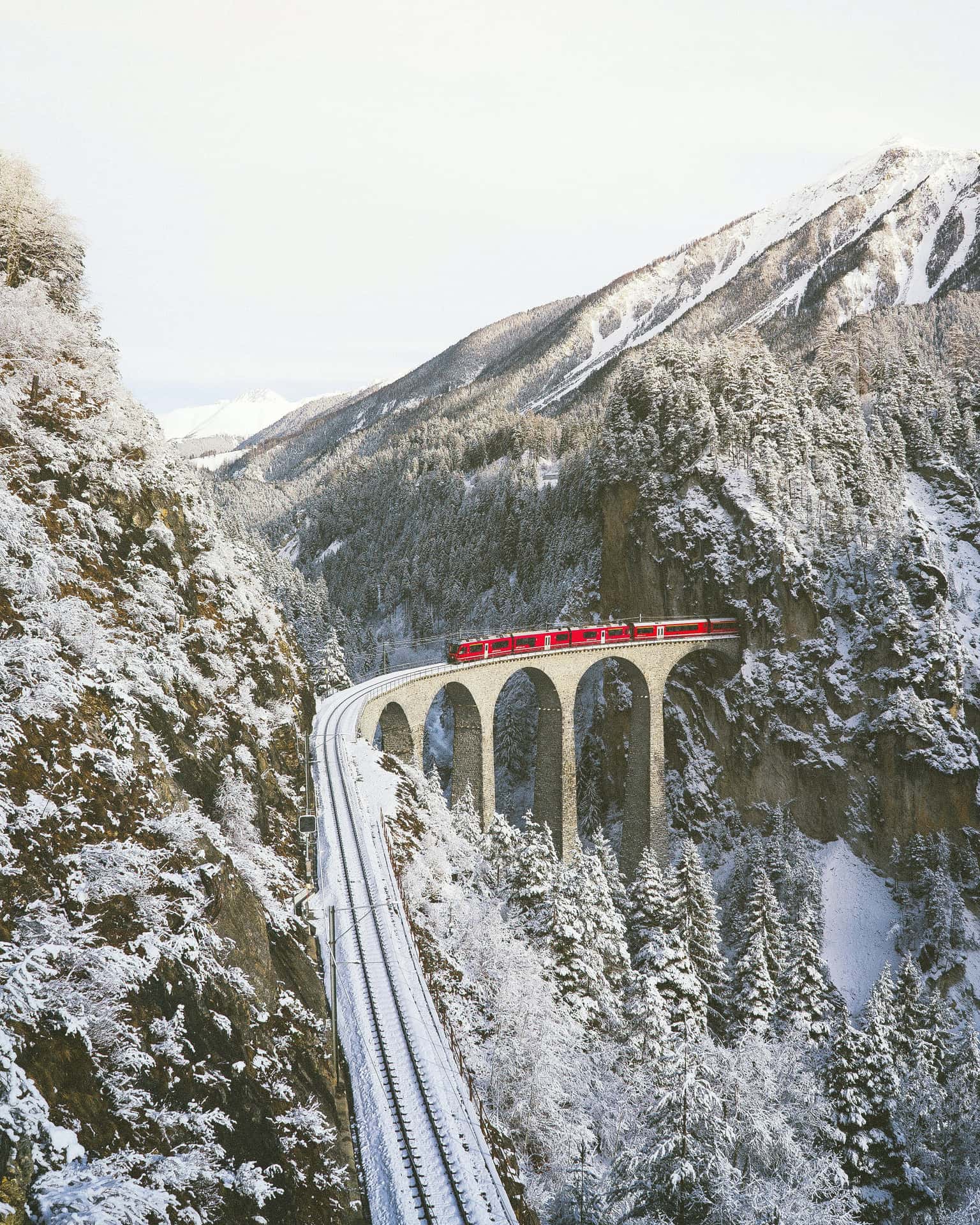
The Bernina Express connects the Swiss Alps with the Italian-speaking region of Switzerland through a UNESCO-listed railway route.
- Highlights: Bernina Pass, alpine lakes, glacier views, Landwasser Viaduct
- Good to Know: The route is especially popular among travellers visiting St. Moritz.
Visit Matterhorn Glacier Paradise
Located above Zermatt, this attraction offers some of the highest mountain views accessible by cable car in Europe.
- Highlights: Matterhorn views, Glacier Palace, viewing platforms
- Good to Know: This experience is often combined with a stay in Zermatt.
Take a Lake Lucerne Cruise
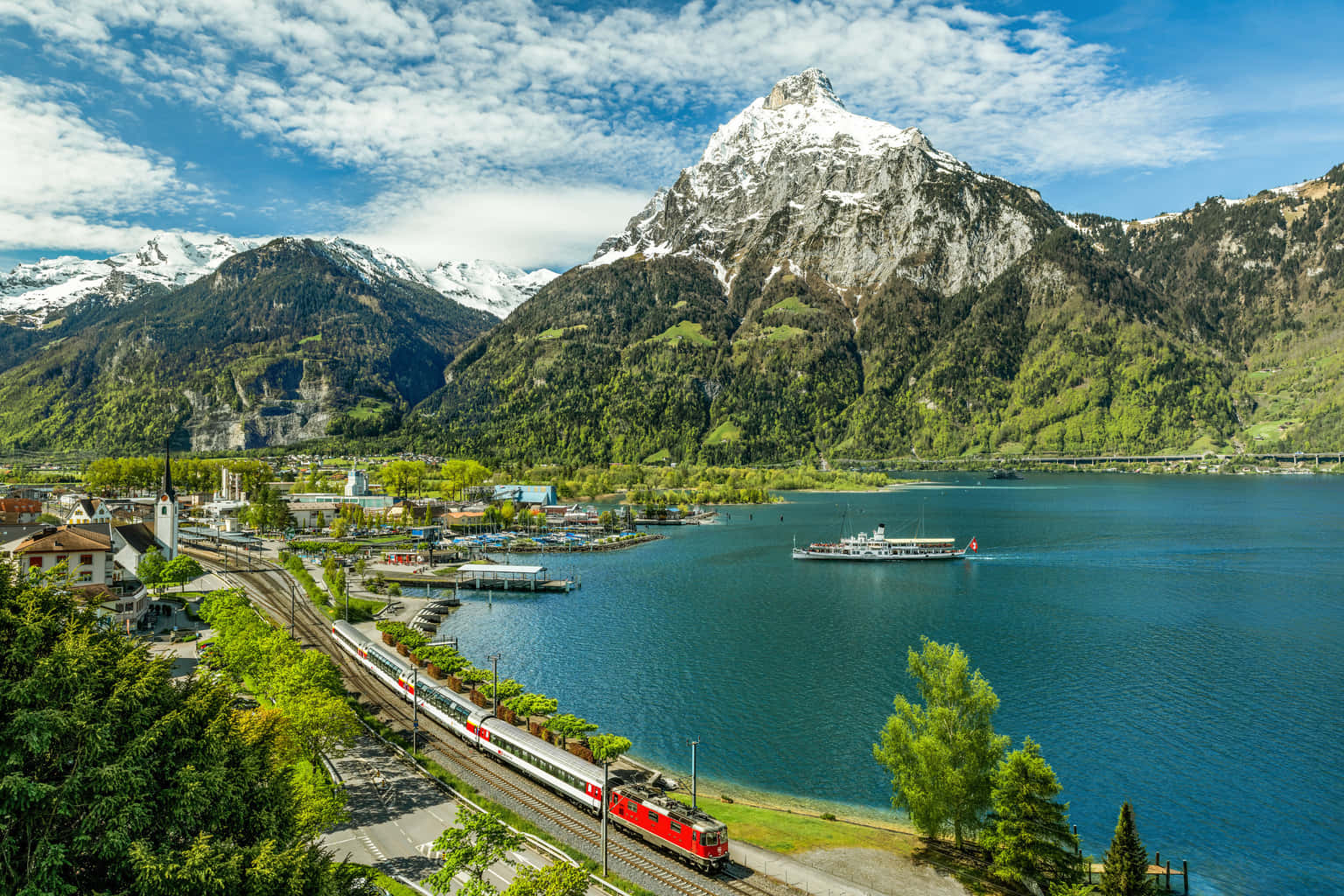
A lake cruise is one of the most relaxing ways to experience Central Switzerland.
- Highlights: Mountain scenery, historic towns, lakeside villages
- Good to Know: Several cruise routes are covered or discounted with Swiss rail passes.
Explore Lauterbrunnen Valley
Known for its waterfalls and dramatic cliffs, Lauterbrunnen is one of Switzerland's most photographed regions.
- Highlights: Staubbach Falls, Trümmelbach Falls, alpine villages, walking trails
- Good to Know: Many travellers visit Lauterbrunnen as a day trip from Interlaken.
Visit Chillon Castle
Located on Lake Geneva near Montreux, Chillon Castle is one of Switzerland's best-preserved historic landmarks.
- Highlights: Lakeside setting, historic architecture, castle interiors
- Good to Know: The castle is easily accessible by train or boat from Montreux.
Sample Switzerland Itineraries by Duration
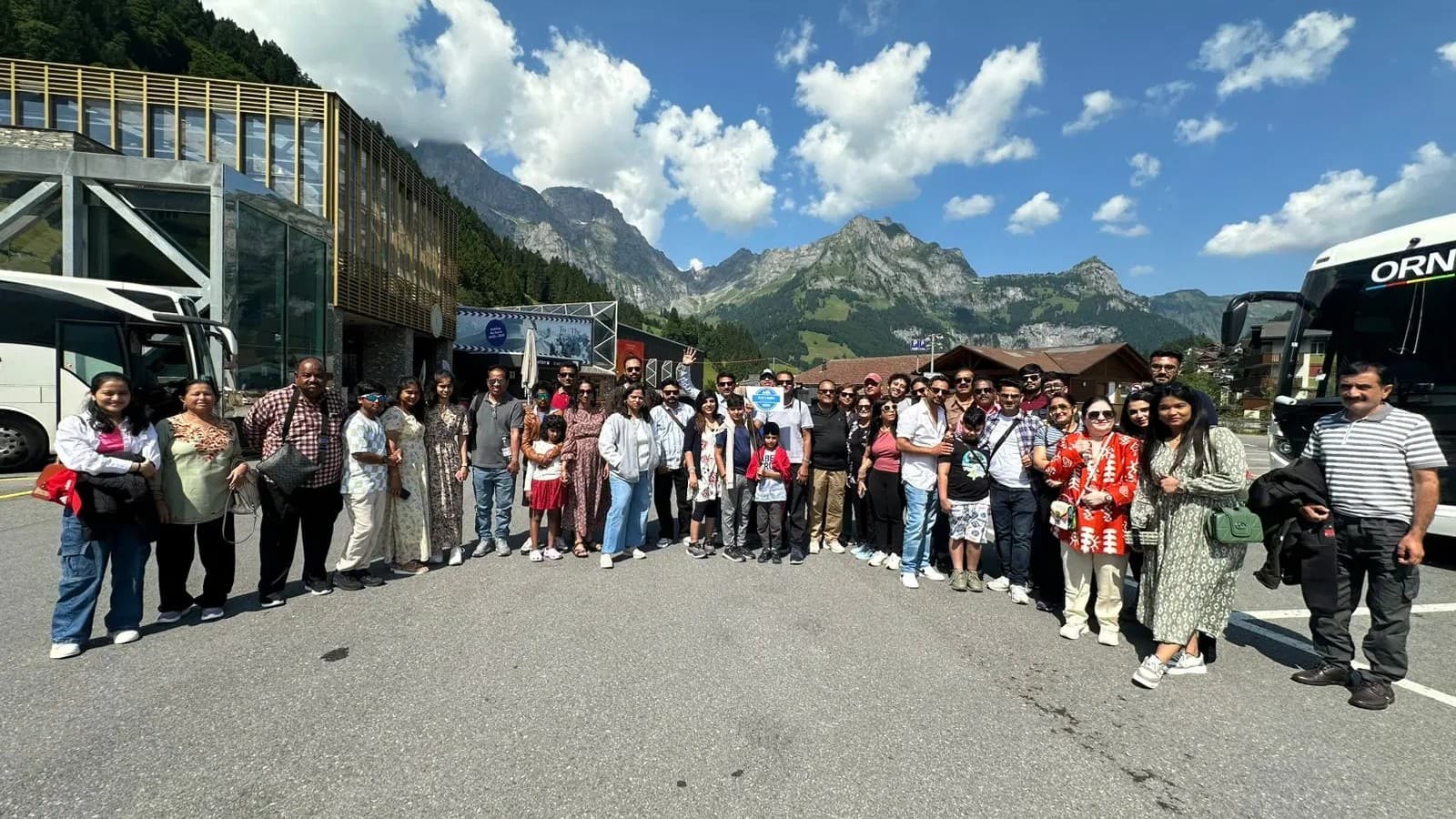
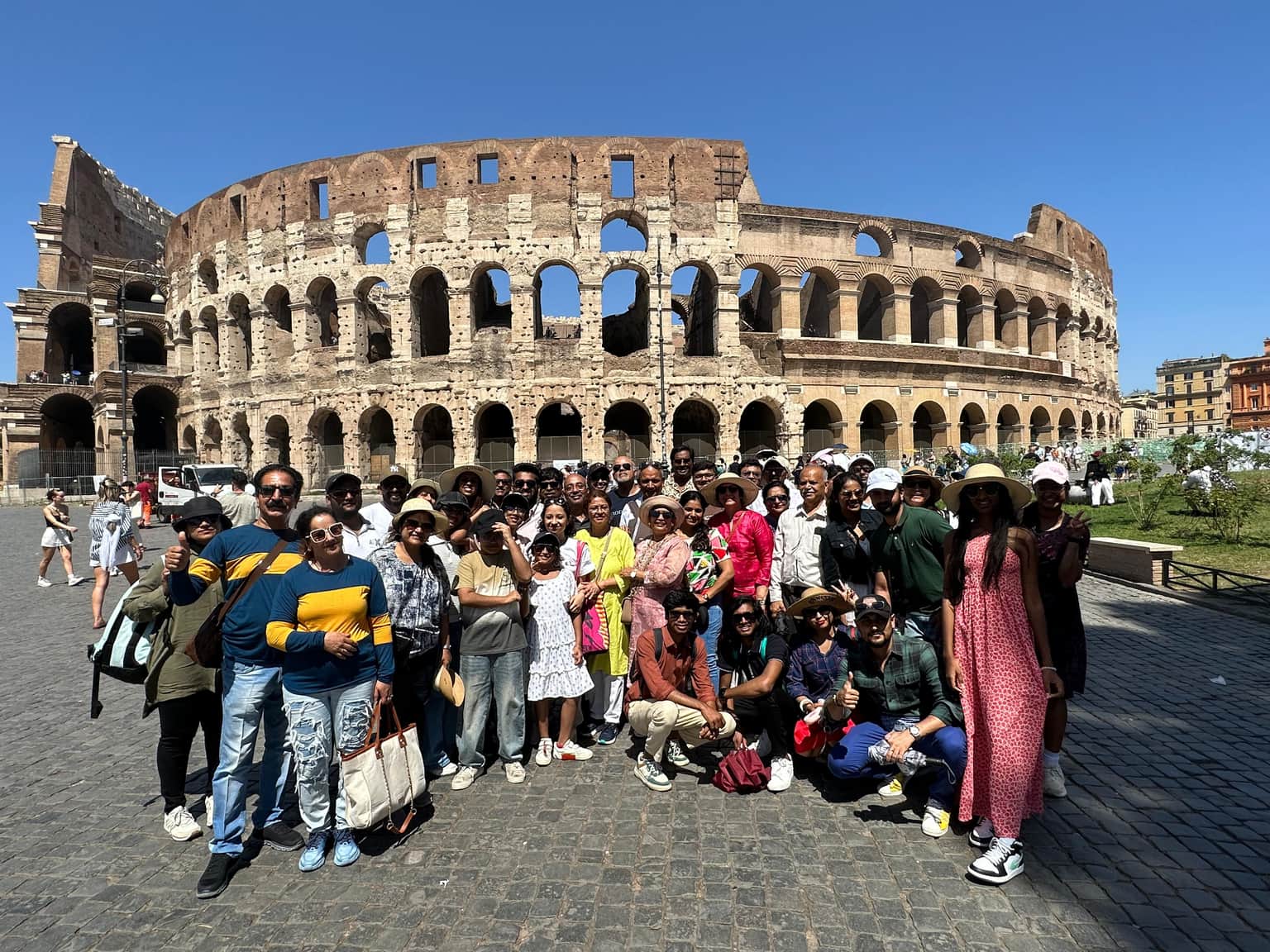
Anuradha Tewari and group enjoying there Grand Getaway to Europe | Group Tour Package. There Trip duration was 12 Days and 11 Nights.
These are the three most booked Switzerland itinerary formats from India. Each is built around realistic train connections, confirmed mountain excursion timing, and a pace that works across the full duration.
5 Days Switzerland Itinerary
Route: Zurich, Lucerne, Mount Titlis, Rhine Falls
- Day 1: Arrival in Zurich. Evening in Zurich Old Town along the Bahnhofstrasse.
- Day 2: Lucerne sightseeing. Chapel Bridge, Lion Monument, Lake Lucerne promenade.
- Day 3: Mount Titlis excursion from Lucerne. Rotair cable car, glacier cave, Ice Flyer, snow play area.
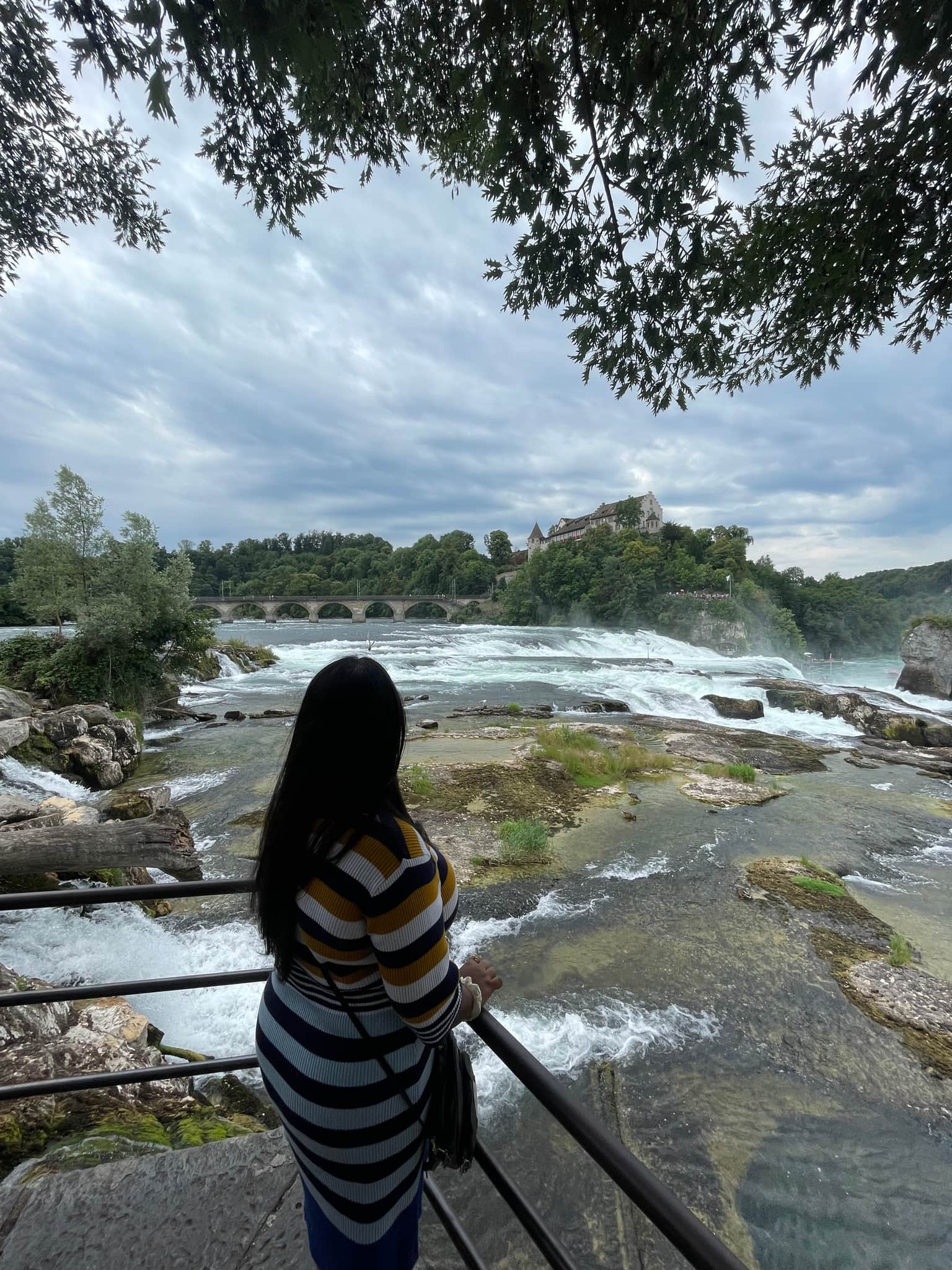
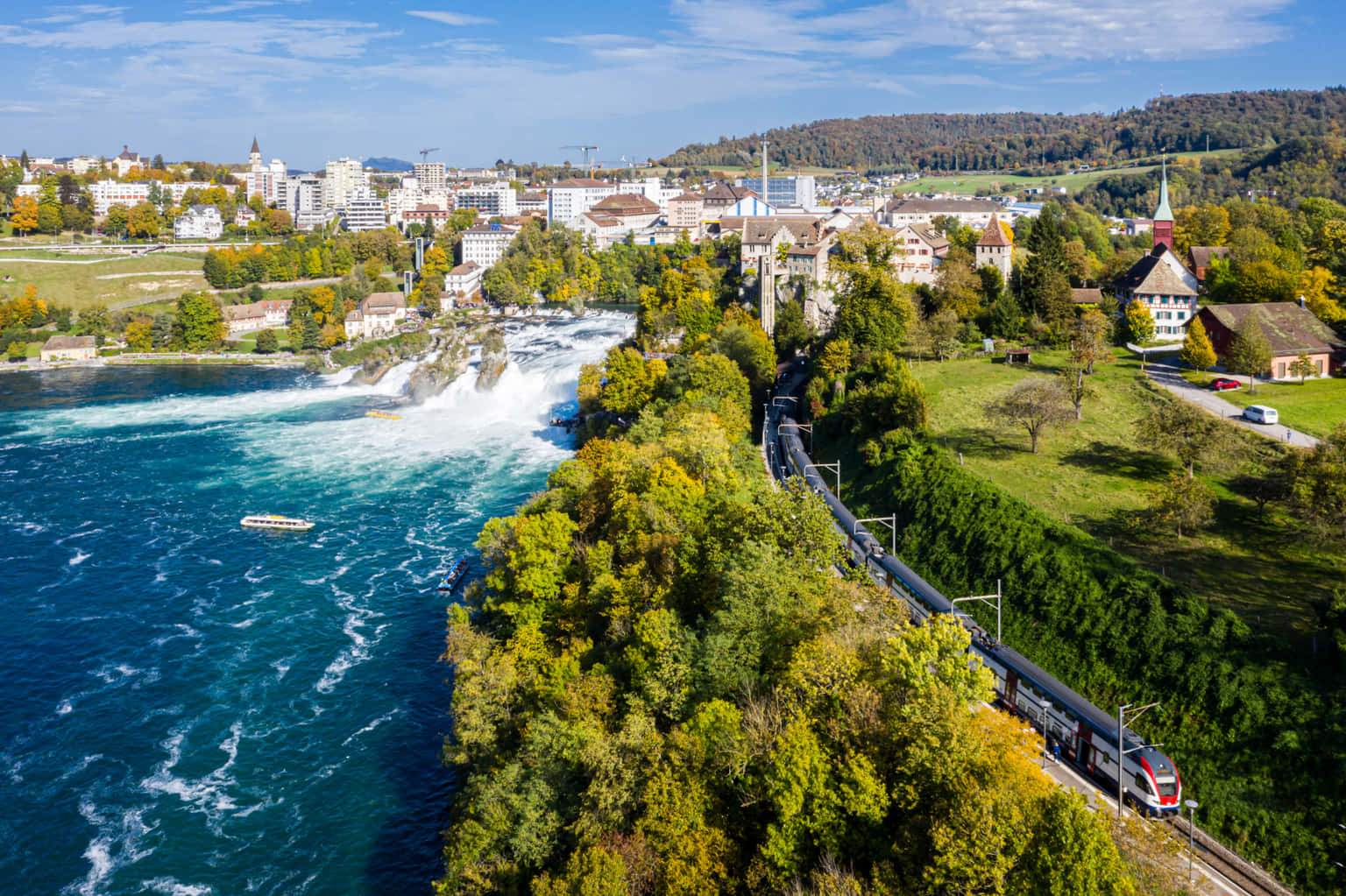
- Day 4: Rhine Falls visit (Europe's largest waterfall), then return to Zurich. Old Town, Bahnhofstrasse, Lindt Home of Chocolate.
- Day 5: Departure from Zurich.
Know More About: 5 Days Switzerland Packages
7 Days Switzerland Itinerary
Route: Zurich, Lucerne, Interlaken, Jungfrau Region
- Day 1: Arrival in Zurich. Transfer to Lucerne (1 hour by train). Evening walk on Chapel Bridge.
- Day 2: Lucerne sightseeing. Chapel Bridge, Lion Monument, Old Town. Afternoon Mount Titlis excursion.
- Day 3: Transfer to Interlaken (1 hour from Lucerne). Afternoon Harder Kulm cable car or lakeside walk.
- Day 4: Jungfraujoch excursion. Depart Interlaken Ost by 8 am. Sphinx Observatory, Aletsch Glacier, Ice Palace.
- Day 5: Lauterbrunnen valley walk and Grindelwald exploration. Day trip from Interlaken base.
- Day 6: Leisure day in Interlaken. Paragliding, kayaking, or relaxed walking along the Höheweg main street.
- Day 7: Departure from Interlaken or Zurich.
Know More About: 7 Days Switzerland Packages
10 Days Switzerland Itinerary
Route: Zurich, Lucerne, Interlaken, Zermatt, St. Moritz
- Day 1: Arrival in Zurich. Transfer to the hotel. Evening in Zurich city.
- Day 2: Lucerne sightseeing. Chapel Bridge, Lion Monument, Lake Lucerne boat cruise.
- Day 3: Mount Titlis excursion from Lucerne.
- Day 4: Transfer to Interlaken. Afternoon Harder Kulm viewpoint or leisure.
- Day 5: Jungfraujoch excursion (8 am departure from Interlaken Ost recommended).
- Day 6: Transfer to Zermatt via Visp (approx. 2 hours). Afternoon village walk with Matterhorn views.
- Day 7: Gornergrat Cogwheel Railway in the morning for an open Matterhorn panorama.
- Day 8: Glacier Express from Zermatt to St. Moritz (full day scenic journey, seat reservation mandatory).
- Day 9: St. Moritz exploration. Lake walk, mountain railways, alpine views.
- Day 10: Departure from St. Moritz or Zurich
Know More About: 10 Days Switzerland Packages
Where to Stay in Switzerland — Lucerne, Interlaken, or Zermatt
Most Switzerland itineraries are built around one or two base cities. The table below helps you decide which city suits your travel style, trip duration, and priorities.
|
Best For | First-time visitors, families, and shorter trips | Mountain lovers, adventure seekers, and first-time Switzerland travellers | Couples, scenic rail enthusiasts, and travellers seeking alpine scenery |
Ideal Trip Duration | 3 to 5 days | 5 to 8 days | 7 days or longer |
Top Attractions | Chapel Bridge, Lake Lucerne, Mount Titlis, Mount Pilatus | Jungfraujoch, Lauterbrunnen, Grindelwald, Harder Kulm | Matterhorn, Gornergrat, Matterhorn Glacier Paradise |
Best Mountain Excursions | Mount Titlis, Mount Pilatus | Jungfraujoch, Schilthorn, Harder Kulm | Gornergrat, Matterhorn Glacier Paradise |
Scenic Train Access | GoldenPass connections | Jungfrau Region rail routes | Glacier Express |
Best Time to Visit | Year-round. Summer and December offer the widest range of experiences. | Year-round. Spring maintenance closures can affect some mountain excursions. | Year-round. Mountain attractions and Matterhorn views are available in every season. |
Getting There | Around 1 hour from Zurich Airport by train | Around 2 hours from Zurich Airport by train | Around 3 to 4 hours from Zurich Airport via Visp |
Hotel Costs | Moderate | Moderate to high | Generally, the highest among the three destinations |
Overall Experience | A balanced mix of city sightseeing, lake views, and mountain excursions | Switzerland's most popular base for mountains, valleys, and outdoor activities | A quieter alpine destination focused on the Matterhorn, scenic trains, and mountain scenery |
Jungfraujoch vs Titlis vs Gornergrat - Which Peak is the Right Pick for You
Jungfraujoch
If you are staying in Interlaken, Grindelwald, or the Jungfrau Region, Jungfraujoch is the most popular choice. Home to Europe's highest railway station, it offers glacier views, the Ice Palace, and the Sphinx Observation Deck.
Best For:
- First-time Switzerland visitors
- Glacier views
- Snow experiences
- Jungfrau Region itineraries
Approximate Cost: INR 14,250–19,000 per person (CHF 150–200) from Interlaken or Grindelwald. Day trips from Zurich generally cost around INR 31,000, including transfers.
Good to Know: Visibility can change quickly, particularly during the afternoon. Early departures often provide the clearest views.
Mount Titlis
Mount Titlis is the most convenient mountain excursion from Lucerne and is known for its rotating Rotair cable car, Glacier Cave, and Ice Flyer chairlift.
Best For:
- Families
- Travellers based in Lucerne
- Snow activities
- Shorter Switzerland itineraries
Approximate Cost: INR 9,500–12,350 per adult (CHF 100–130) from Lucerne. Children's tickets are generally available at reduced rates.
Good to Know: Several attractions remain accessible even during less favourable weather conditions.
Gornergrat
Located above Zermatt, Gornergrat is known for its panoramic views of the Matterhorn and surrounding Alpine peaks. The journey itself is part of the experience, with the historic cogwheel railway offering some of Switzerland's most scenic mountain views.
Best For:
- Matterhorn views
- Couples
- Photography
- Travellers staying in Zermatt
Approximate Cost: Return tickets on the Gornergrat Railway start from INR 8,075–10,925 per adult (CHF 85–115). Children's tickets start from approximately INR 5,200.
Good to Know: Morning departures generally offer the clearest views of the Matterhorn.
Traveller Note: Ticket prices vary by season, departure point, and rail pass discounts. If you are travelling during the summer or the festive season, booking mountain excursions in advance is recommended.
What Our Travellers Say
The following reviews are from verified Thrillophilia bookings. All quotes are taken directly from post-trip feedback submitted by travellers after completing their Switzerland trip.
Ananya Krishnan — Bangalore
Classic Switzerland — couple trip, Lucerne, Interlaken, Zermatt | June 2025
"We were worried about the weather at Jungfraujoch. It was cloudy the morning we were supposed to go. Our Thrillophilia coordinator called at 7am and said wait until 10am, the window would clear. It did. We had 45 minutes of clear glacier views before clouds came back. That kind of monitoring on the day is what makes the difference in Switzerland. You cannot plan this sitting in India."
Suresh and Kavitha Iyer — Chennai
Extended Classic Switzerland — family of 5 including elderly parents | September 2025
"My parents are both over 65 with knee problems. Thrillophilia had already marked which hotels had lifts, which train platforms had step-free access, and which mountain options had seated cable cars versus walking paths. None of us asked for this. It was already in the itinerary notes. My father did Gornergrat without any difficulty. That level of pre-planning is not something you get from a standard travel agent."
Preethi and Rohit Shah — Mumbai
Classic Switzerland — first Europe trip, 9 nights | May 2025
"We had no idea about Swiss rail passes before this trip. Thrillophilia sent us a comparison of the Swiss Travel Pass versus point-to-point tickets for our specific route. It saved us approximately INR 12,000 per person. We did Lucerne, Interlaken, and Zermatt in 9 days, and the trains were the highlight. Every connection worked perfectly."
Which Swiss Rail Pass Should You Choose for Your Switzerland Tour?
Understanding the difference between a Travel Pass, a Half Fare Card, and a Saver Day Pass is very important to avoid unnecessary expenses on transport. There is no single best pass. Passes are only useful when bought depending on your route, duration, and number of mountain excursions on your itinerary.
Swiss Travel Pass — Best for Packed Itineraries
The Swiss Travel Pass gives unlimited free access to all local transport. It also gives free entry to over 500 museums and 50% off on mountain excursions. It starts at CHF 232 to 254 (INR 22,500 to INR 26,000) for 2nd class, 3-day validity.
Choose This Pass If:
- Your itinerary has multiple long train journeys
- Your route has trains, buses, and boats across multiple areas
- You do not want to purchase multiple tickets for all your transfers
- Saving on museums and local transport is a priority
Half Fare Card — Best for Slower Itineraries
The Swiss Half Fare Card gives you 50% off on most trains, buses, boats, and mountain excursions. It costs approx. CHF 150 (INR 14,000) with 30-day validity.
This Card Is for You If:
- You are staying overnight in multiple bases
- You do not have multiple long intercity train journeys planned
- Your itinerary is mountain excursion-heavy
- You are okay with buying tickets at discounted prices individually
Saver Day Pass — Best for Fixed Itineraries
This pass gives unlimited access to most local transport with a 24-hour validity. Prices start at CHF 29 (INR 3,500 approx.) for half-fare and CHF 52 (INR 6,200 approx.) for full-fare.
Choose This Pass If:
- You know exactly which days you will be travelling
- You have individual travel-heavy days with a gap between them
Things to Know Before You Purchase Any Swiss Travel Pass
- Mountain excursions are never completely free of cost
- Seats for scenic trains always cost extra
- Premium classes, dining cars, and glacier access cost extra
Scenic Trains in Switzerland — Glacier Express, Bernina, and GoldenPass
- Glacier Express (Zermatt to St. Moritz): 8-hour journey. Tickets from INR 19,000 (CHF 159) in 2nd class without Travel Pass.
- Bernina Express: Perfect for a day trip from St. Moritz or Chur. Tickets from INR 6,000. Seat reservation fee CHF 26 to 36 (approx. INR 2,500 to INR 3,500).
- GoldenPass Express (Lucerne to Interlaken to Montreux): Mandatory seat reservation approx. INR 1,900 (CHF 20). Tickets from INR 3,400 for standard scenic trips.
What is the Best Time to Visit Switzerland from India
Switzerland offers a different travel experience in every season. Understanding how weather, mountain operations, crowd levels, and pricing change throughout the year can help you choose the right time to visit based on your interests and budget.
Peak Season - June to August, December
Temperature: 18°C to 30°C in summer | -2°C to 7°C in December
Summer is the most popular time to visit Switzerland. Mountain railways, cable cars, hiking trails, lake cruises, and outdoor attractions operate across most regions without restrictions. December attracts travellers looking for snow-covered landscapes, Christmas markets, festive events, and winter experiences.
This is also the busiest and most expensive period to visit Switzerland, with higher demand for flights, hotels, scenic trains, and mountain attractions.
- Thrillophilia's Tip: If you plan to travel on the Glacier Express during this period, book your tickets several months in advance as reservations can fill up quickly.
- Skip this Season If: You prefer fewer crowds or are looking for lower flight and hotel prices.
Shoulder Season - April to May, September to October
Temperature: 8°C to 18°C in spring | 10°C to 20°C in autumn
These months offer a balance between favourable weather, lower prices, and fewer tourists. Spring brings blooming landscapes, while autumn is known for clear mountain views and seasonal colours. Most major attractions remain accessible, making this one of the most popular periods for travellers seeking value without sacrificing sightseeing opportunities.
Flights and hotels are often more affordable compared to the summer and festive travel seasons.
- What Thrillophilia Suggests: For many travellers, the Half Fare Card offers better value during this season, especially for itineraries with fewer train journeys and multiple mountain attractions.
- Skip this Season If: Snow experiences and winter activities are a priority for your trip.
Low Season - January to March, November
Temperature: -5°C to 5°C in winter | 2°C to 10°C in November
This season is best suited for travellers interested in snow experiences, winter sports, and lower accommodation costs outside major ski destinations. November is generally one of the quietest months to visit Switzerland and often offers some of the lowest overall travel costs.
Weather conditions can affect mountain visibility, and some attractions, cable cars, and scenic routes may operate on reduced schedules.
- Thrillophilia's Tip: Build your itinerary around winter experiences such as skiing, snow activities, alpine villages, and mountain resorts rather than trying to cover multiple cities.
- Skip this Season If: You are visiting Switzerland for the first time and want maximum access to mountain attractions, outdoor experiences, and scenic viewpoints.
Vegetarian Food Guide for Indian Travellers in Switzerland
Switzerland has a strong vegetarian culture in cities, and most restaurants clearly mark vegetarian dishes. Knowing where to go in advance makes a real difference, particularly for Jain travellers and those from Gujarat or Rajasthan.
Zurich:
Hiltl on Sihlstrasse is the world's oldest vegetarian restaurant, founded in 1898. Buffet format at approx. INR 2,200 to INR 3,000 per person. Tibits is a vegetarian buffet chain with multiple Zurich locations. Indian restaurants cluster around the Langstrasse area. Namaste Oerlikon and Little India are reliable options recommended by our travellers.
Lucerne:
Kanchi Indian Restaurant and Bombay Alley are highly recommended by our operations team. Restaurant GourmIndia Luzern is a reliable vegetarian option according to our travellers. Hotel breakfast at most Thrillophilia-selected properties includes vegetarian choices.
Interlaken:
Vegetarian options along Höheweg (the main street). Indian-owned restaurants near Interlaken Ost. The Grand Indian and Madras Jungle are well-rated by our travellers.
Zermatt:
More limited, primarily European cuisine. Inform your Thrillophilia trip coordinator in advance about strict vegetarian or Jain requirements. Hotel half-board reduces dependence on restaurant availability in Zermatt.
Mountain summits (Jungfraujoch, Titlis, Gornergrat):
Summit restaurants have limited vegetarian options. Carry snacks for high-altitude excursion days. Thrillophilia provides guidance in advance on what is available at each peak for each package.
For Jain travellers:
Jain meal options are limited in Switzerland outside major cities. Inform Thrillophilia in writing at the time of booking so dietary requirements can be communicated to accommodation partners in advance.
Weather, Cancellations, and What to Expect on Mountain Days
Mountain weather in Switzerland is often more unpredictable than first-time travellers expect. A sunny morning in Interlaken does not always mean clear views at Jungfraujoch, and a cloudy forecast does not necessarily mean a mountain excursion will be cancelled. Understanding how the major peaks behave can help set realistic expectations before your trip.
Jungfraujoch
Jungfraujoch offers some of the most spectacular views in Switzerland, but it is also one of the most weather-sensitive mountain excursions. Visibility can change quickly throughout the day, especially during the summer.
For this reason, we generally prefer early departures whenever possible. The first trains of the day often provide the best chance of clear glacier views before cloud cover begins building around the peaks.
Mount Titlis
Mount Titlis is usually a more flexible option than Jungfraujoch. The glacier cave, Cliff Walk, and several attractions remain accessible even when conditions are not ideal.
Because of its location and lower altitude, weather disruptions tend to have a smaller impact on the overall experience compared to some of Switzerland's higher mountain excursions.
Gornergrat
Gornergrat is best known for its Matterhorn views. Similar to Jungfraujoch, visibility is usually strongest in the morning. During the summer months, clouds often begin building around the Matterhorn later in the day.
Travellers staying overnight in Zermatt generally have a better chance of choosing the clearest weather window for their visit.
What Happens If an Excursion Is Affected by Weather?
Weather disruptions are a normal part of travelling in the Alps. If visibility is poor or a mountain attraction is not operating, we help travellers evaluate alternative options based on their itinerary and the latest operating updates.
Depending on the destination, alternatives may include:
- Lake cruises
- Scenic train journeys
- Valley walks
- Old town exploration
- Additional sightseeing in nearby regions
Where itinerary timings allow, mountain excursions can also be moved to a different day.
Important Things to Know
- Mountain tickets are often non-refundable once issued.
- Operating schedules can change due to weather and maintenance work.
- Travel insurance is recommended for Switzerland trips.
- Weather forecasts become significantly more reliable closer to the travel date than several weeks in advance.
Why Should You Choose Thrillophilia for Your Switzerland Trip from India?
With a 4.8 rating, we were awarded Best Leisure Tours Brand by The Economic Times Travel and Tourism Annual Awards. But this achievement alone is not why you should choose us for your upcoming Switzerland trip.
- 100+ Expert-Curated Packages: Our packages are not just destinations thrown together, but designed to match the travel behaviour of our travellers. We consider their location, pace, preference, food and medical issues before putting together an itinerary. Every detail and suggestion is based on careful consultation with local experts. We account for every possible issue and plan for alternatives in advance.
- Verified Local Operators and Partnerships: Every guide, driver, and private activity operator is completely verified by Thrillophilia. We also have partnerships with the Swiss railways to get early insights on passes and seats so that we can book your train rides without any hassle.
- Transparent Pricing: Before your itinerary is locked down, we explain every aspect of money distribution to you. From bus rides to montain excursions, we calculate and consider all costs. We guarantee no surprise costs will arise after your trip. Once you personally approve and lock down the itinerary, we do not make any changes.
- 24/7 On-Trip Assistance: An international trip has many factors that can go wrong. We prepare for all of them. Our 24/7 on-ground trip assistance team coordinates local support across all cities you travel to. Our mobile app provides complete itinerary tracking. In case of any issues, our team aims for immediate contact with minimal waiting time.

.jpg?w=1536&q=60&format=auto)