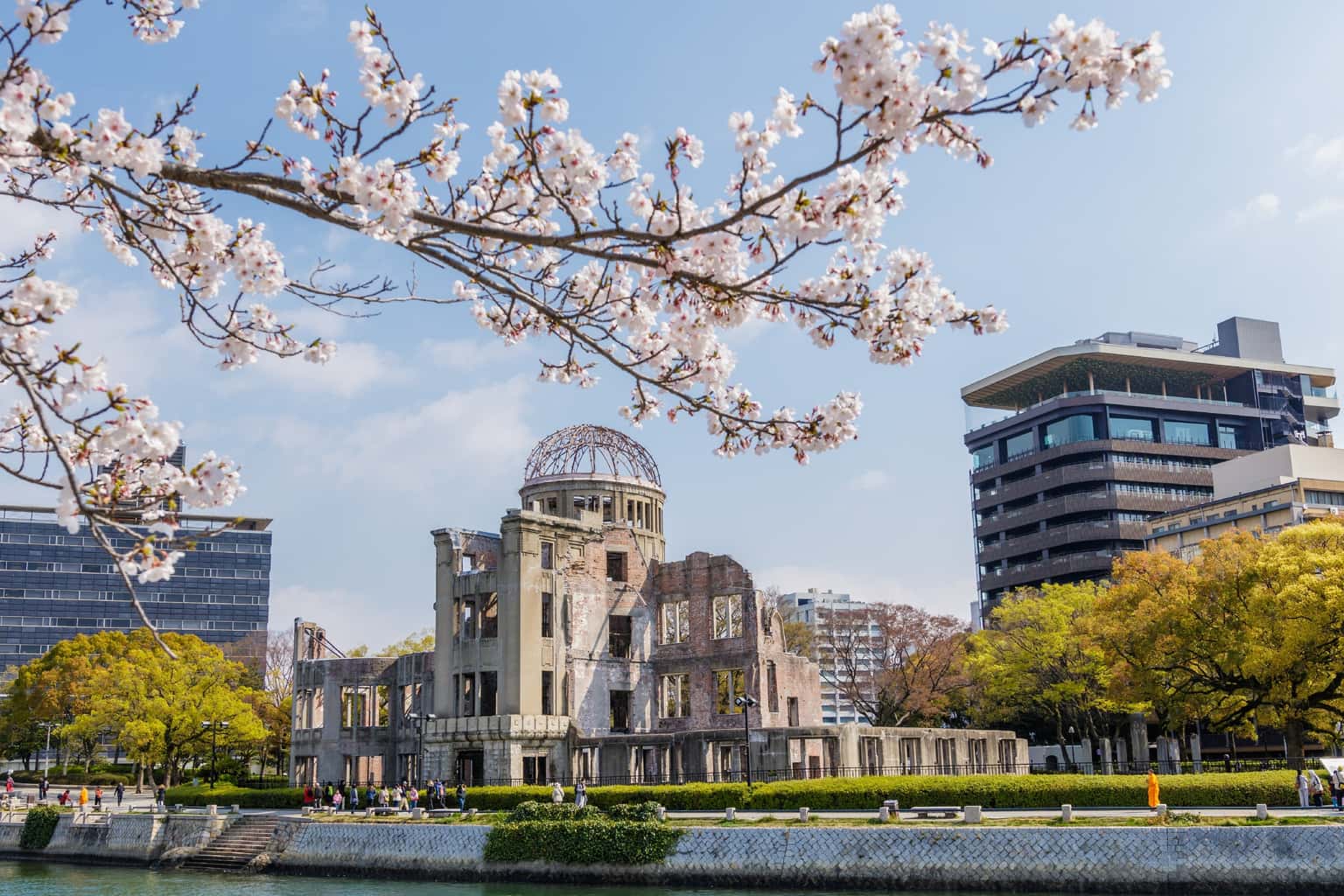
Hiroshima is one of Japan’s most meaningful destinations, blending history, nature, and modern city life with calm elegance. Many travellers exploring Japan tour packages visit Hiroshima to experience its peaceful atmosphere and learn about its inspiring journey of resilience. The city offers iconic attractions such as the Hiroshima Peace Memorial Park, Atomic Bomb Dome (a UNESCO World Heritage Site), and the moving Hiroshima Peace Memorial Museum. For scenic beauty, Miyajima Island, with its floating Torii Gate and friendly deers, is a must-visit.
Hiroshima also offers unique activities, including cruising along the Motoyasu River, cycling through leafy boulevards, and enjoying seasonal cherry blossoms. Food lovers can relish Hiroshima-style okonomiyaki, fresh oysters, momiji manju, and delightful street snacks in Hondori Shopping Street. Shoppers can explore local craft markets for wooden toys, handmade ceramics, and traditional textiles.
Rich in culture and warm hospitality, Hiroshima tourism promises a gentle, memorable experience for every traveller. So, enjoy your peaceful and enriching journey through this beautiful city!
1. Type of destination: Historical, cultural, scenic, family-friendly
2. Prime season: March to May for cherry blossoms; October to November for autumn colours
3. Snow season: December to February, with mild to moderate winter conditions
4. Languages spoken: Japanese (primary), English (basic tourist-level), some Chinese and Korean assistance in major areas
5. Exploration time: 3 to 5 days for the main attractions and nearby Miyajima Island
6. Local modes of transport available:
- Hiroshima Electric Railway (streetcars/trams)
- JR trains and local rail lines
- City buses and sightseeing loop buses
- Ferries to Miyajima Island
- Taxis and rental bicycles
Best Time to Visit Hiroshima
Summer in Hiroshima
- Months: May to September
- Avg. Temperature: 20°C to 32°C
- Weather: Warm, sunny, perfect for sightseeing, parks, island trips, and exploring memorial sites
- Crowd Density: High (tourist peak season)
- Budget: Moderate to high
- Clothes to Pack: Light cotton clothes, a hat, sunglasses, sunscreen, comfortable walking shoes, a light jacket for evenings
Monsoon in Hiroshima
- Months: June to early July
- Avg. Temperature: 22°C to 28°C
- Weather: Humid with frequent rain showers; good for museum visits and indoor attractions
- Crowd Density: Moderate
- Budget: Moderate
- Clothes to Pack: Light breathable outfits, waterproof jackets, umbrellas/ponchos, comfortable sandals or shoes
Winter in Hiroshima
- Months: December to February
- Avg. Temperature: 0°C to 10°C
- Weather: Cold but mostly dry; great for peaceful sightseeing, festivals, and hot food experiences
- Crowd Density: Low
- Budget: Low to moderate
- Clothes to Pack: Warm jackets, sweaters, thermals, gloves, scarves, warm socks, closed shoes
How to Reach Hiroshima
By Shinkansen (Bullet Train): The fastest way is the Tokaidō–Sanyō Shinkansen Line. From Tokyo Station, take the Nozomi, Hikari, or Sakura trains directly to Hiroshima Station, taking around 4–5 hours. From Osaka (Shin-Osaka Station), the trip takes just 1.5 hours.
By Domestic Flight: Fly into Hiroshima Airport (HIJ) from major cities like Tokyo Haneda, Tokyo Narita, Sapporo, and Okinawa. From the airport, take the Hiroshima Airport Limousine Bus to Hiroshima Bus Center or Hiroshima Station, which takes around 45–55 minutes.
By Highway Bus: Budget travelers can take overnight or daytime Willer Express, JR Chugoku Bus, or Chugoku JR Bus from Tokyo, Osaka, Kyoto, or Fukuoka. Travel time ranges between 5–12 hours, depending on the city.
By Car/Self-Drive: For a flexible journey, drive via the Sanyō Expressway (E2). The route connects cities like Osaka, Kobe, and Okayama directly to Hiroshima. It’s scenic but takes a longer time to reach, around 4–6 hours from Kansai.
By Ferry (to nearby islands): While not a direct entry point, travelers coming from nearby islands like Matsuyama (Ehime) can reach Hiroshima via the Super Jet Ferry to Hiroshima Port in about 1 hour and 10 minutes.
Places to Visit in Hiroshima
Here are some of the best places to visit in Hiroshima that beautifully blend history, peace, nature, and modern Japanese culture.
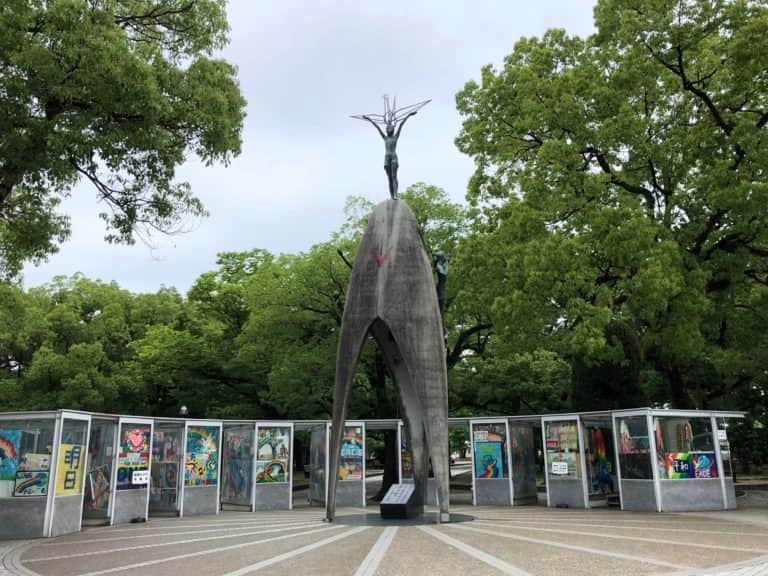
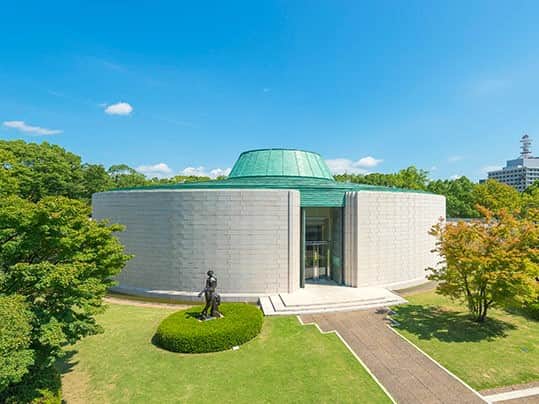
1. Hiroshima Peace Memorial Park: One of the most meaningful places to visit in Japan, this park honors the victims of the atomic bombing. It includes the Peace Memorial Museum, cenotaphs, and quiet reflection spaces, making it a deeply moving and educational destination.
2. Miyajima Island (Itsukushima Shrine): Miyajima is famous for its floating torii gate, scenic hiking trails, deer roaming freely, and peaceful temples. The island offers beautiful coastal views, especially during high tide and sunset, making it one of Hiroshima’s most iconic destinations.
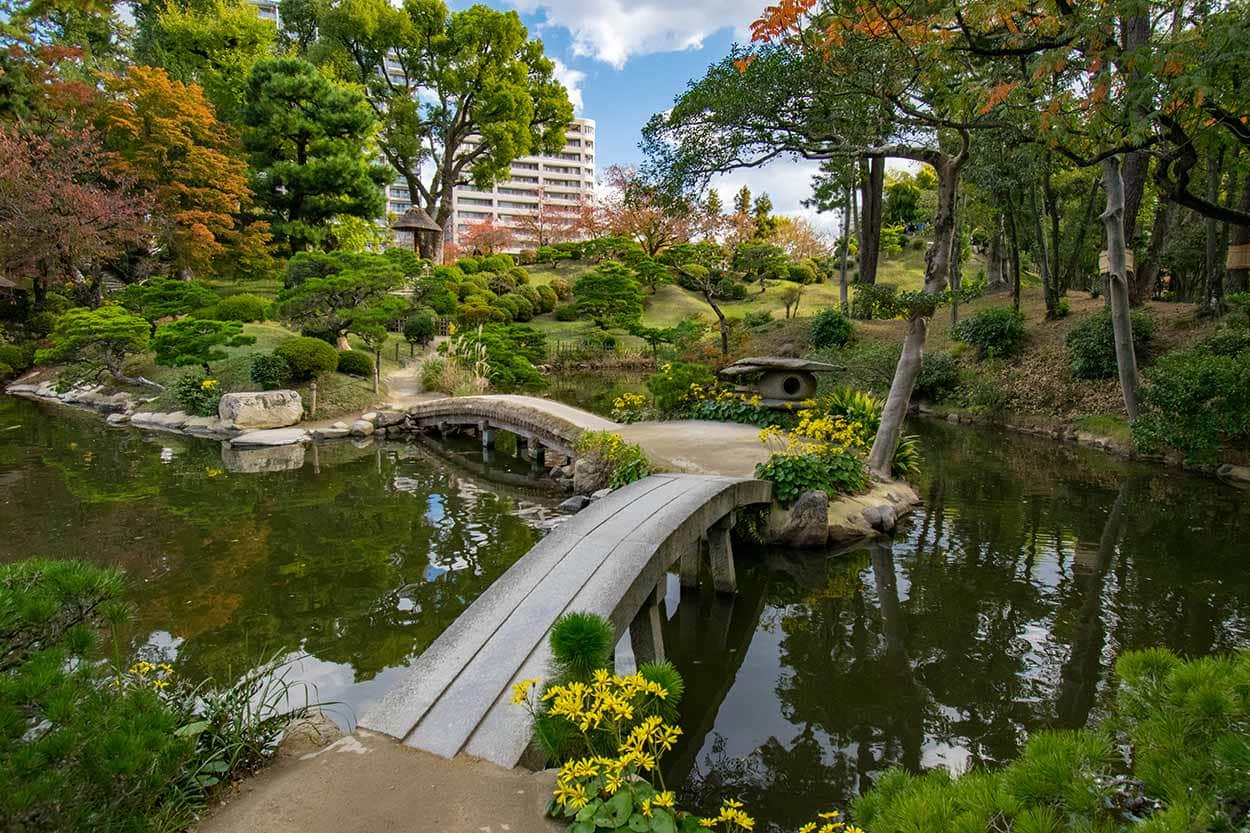
3. Shukkeien Garden: This traditional Japanese garden features miniature landscapes, koi ponds, charming bridges, and serene teahouses. Its carefully designed paths and seasonal flowers make it perfect for slow walks, photography, and peaceful nature breaks in the heart of Hiroshima.
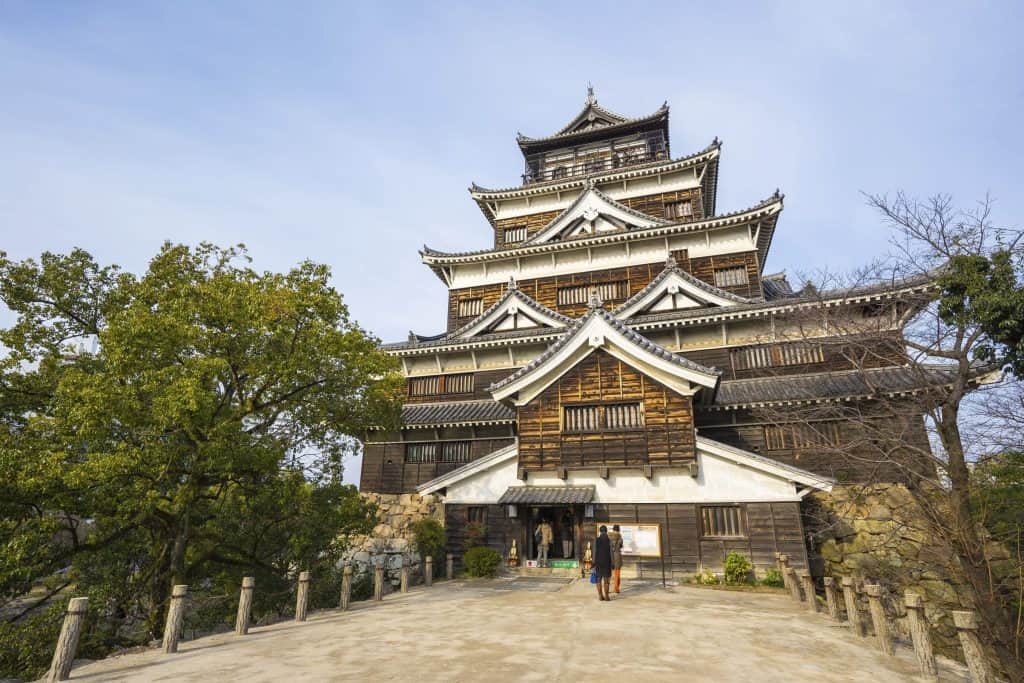
4. Hiroshima Castle: A beautifully reconstructed castle showcasing samurai history, cultural displays, and ancient artifacts. Its observation deck offers panoramic views of the city skyline, cherry blossoms in spring, and the castle grounds surrounded by a reflective moat.
5. Okunoshima (Rabbit Island): A fun and unique escape filled with hundreds of friendly rabbits, scenic cycling paths, quiet beaches, and wartime ruins. It’s an enjoyable mix of nature, adorable animal encounters, and peaceful spots perfect for a relaxed day trip.
Things to Do in Hiroshima
If you’re looking for memorable things to do in Hiroshima, here are five amazing activities that offer culture, nature, food, and heartfelt local experiences.
1. Take the Hiroshima Peace Learning Tour: Join guided storytelling walks, museum sessions, and survivor narratives that provide a deeper emotional understanding of Hiroshima’s past. These tours focus on peace education, global harmony, and thoughtful reflection, making the visit meaningful and eye-opening.
2. Cruise Along the Seto Inland Sea: Enjoy scenic boat rides offering calm blue waters, island views, and refreshing breezes. Sunset cruises are especially magical, with glowing horizons and gentle waves that create a peaceful and unforgettable maritime experience.
3. Try Hiroshima-Style Okonomiyaki Workshops: Learn to make the city’s signature layered okonomiyaki with noodles, cabbage, and special sauces. Local chefs guide you through the fun cooking process, ending with a delicious, freshly made meal that you created yourself.
4. Cycle Through Riverside and City Trails: Rent a bike and explore Hiroshima’s beautiful riverside paths, quiet bridges, and charming local streets. It’s a relaxing way to discover neighbourhood cafés, hidden corners, and everyday Japanese life at your own pace.
5. Relax in Natural Hot Springs (Onsen): Visit peaceful hot spring resorts around Hiroshima to soak in mineral-rich waters surrounded by nature. It’s perfect for unwinding, easing muscle tension, and enjoying soothing Japanese wellness traditions after a long day of exploring.
Key Experiences to Have in Hiroshima
Here are five meaningful and memorable experiences that truly define Hiroshima’s charm, blending history, culture, and scenic beauty in a way that enriches Hiroshima tourism:
1. Attend a Traditional Kagura Performance
Experience vibrant folklore storytelling through colourful costumes, dramatic dance, and live music. Kagura shows offer a magical glimpse into ancient Japanese myths and remain one of the most enchanting things to do in Japan.
2. Walk the Shimanami Kaido Scenic Route
Enjoy a peaceful stroll or bike ride across parts of this stunning island-hopping route. The views of emerald waters, sweeping bridges, and quiet coastal towns create a refreshing and unforgettable outdoor experience.
3. Join a Local Tea Ceremony by the Garden Ponds
Participate in a serene matcha ritual guided by experts who explain each gesture’s meaning. Surrounded by soothing garden views, the ceremony becomes a calming, mindful cultural moment.
4. Explore Hiroshima’s Craft Boutiques
Browse handmade ceramics, wooden toys, local textiles, and artisanal souvenirs created by skilled craftsmen. Many studios let you watch live demonstrations, giving you a closer connection to the art.
5. Take a Night Walk Around Hiroshima’s Illuminated Streets
Explore peaceful riverside pathways and softly lit bridges that glow beautifully after sunset. The reflections on the water and quiet ambience create a calming end to the day.
Tips to Visit Hiroshima
Here are some helpful tips to make your Hiroshima trip smooth, meaningful, and enjoyable:
- Plan at least two full days to explore both the city and Miyajima Island without rushing.
- Start your day early at the Peace Memorial Park to avoid crowds and have a quieter experience.
- Use Hiroshima Electric Railway trams—they’re affordable, frequent, and cover most major sightseeing areas.
- Try local specialities like Hiroshima-style okonomiyaki and fresh oysters from reputable restaurants.
- Carry a transport IC card for seamless travel across buses, trams, and ferries.
- Wear comfortable shoes since many attractions involve walking through parks, shrines, and coastal paths.
- Check ferry timings in advance, especially during weekends and peak seasons.
- Respect memorial sites by speaking softly, dressing modestly, and avoiding disruptive photography.
FAQs
1. Is Hiroshima worth visiting?
Yes, Hiroshima is absolutely worth visiting for its thoughtful museums, beautiful parks, and peaceful coastal scenery. The city blends history with vibrant modern life, offering meaningful experiences like the Peace Memorial Park, Miyajima Island, Hiroshima Castle, and excellent food. It’s a destination that leaves a lasting impression through culture, nature, and reflection.
2. Is there still radioactivity in Hiroshima?
No, there is no radioactivity, and Hiroshima is completely safe to travel to. The radiation released by the atomic bomb dissipated within months after 1945. Today, people live normal lives, children play outdoors, and travelers explore freely. All major tourist areas are regularly monitored, and radiation levels are no different from any other major global city.
3. What is the best time to visit Hiroshima?
The ideal time to visit is from March to May or October to November, when temperatures are mild and sightseeing is comfortable. Spring brings cherry blossoms, while autumn offers colourful foliage. These seasons make exploring memorial sites, gardens, shrines, and coastal attractions far more enjoyable for visitors.
4. What other cities are worth visiting in Japan?
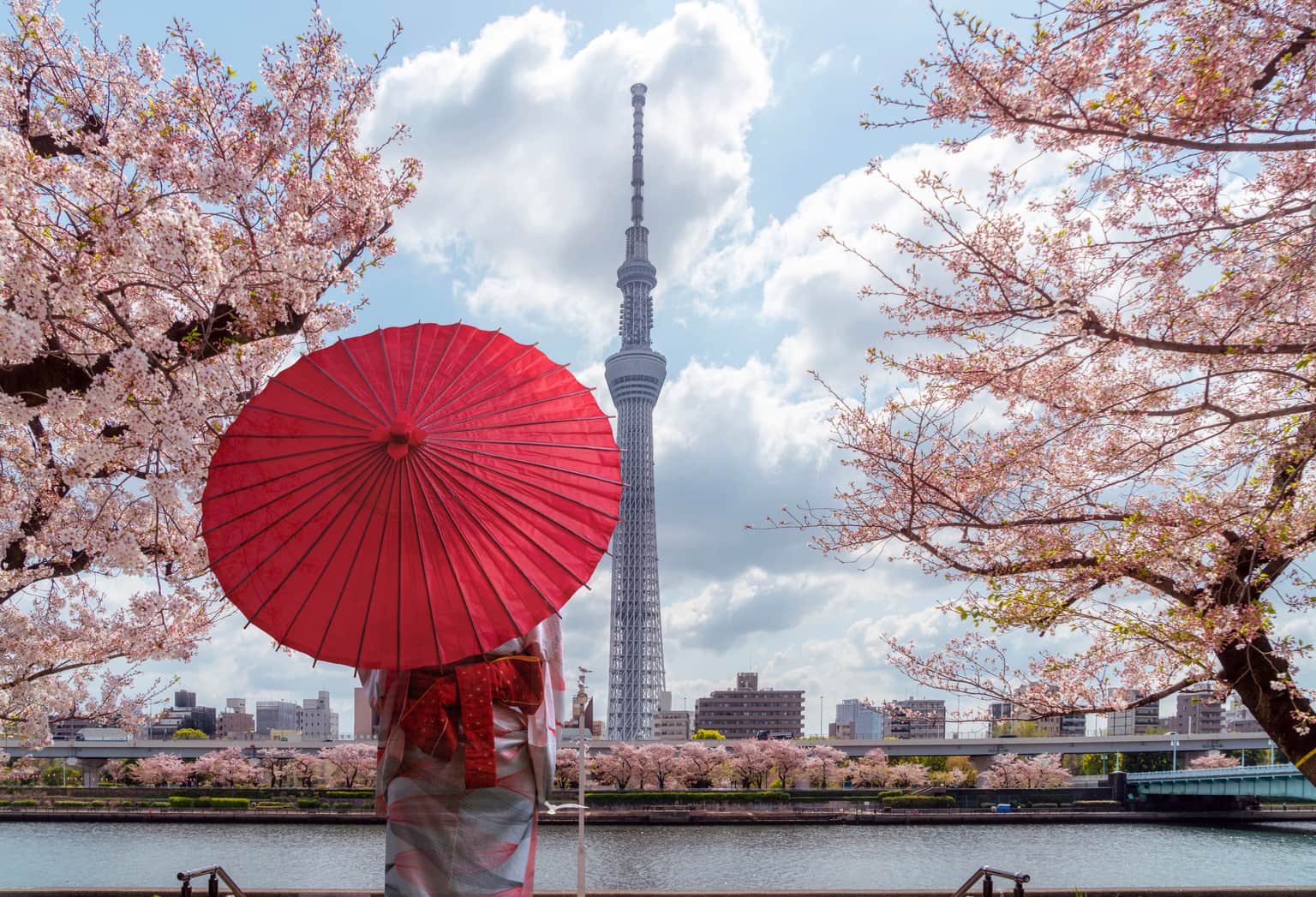
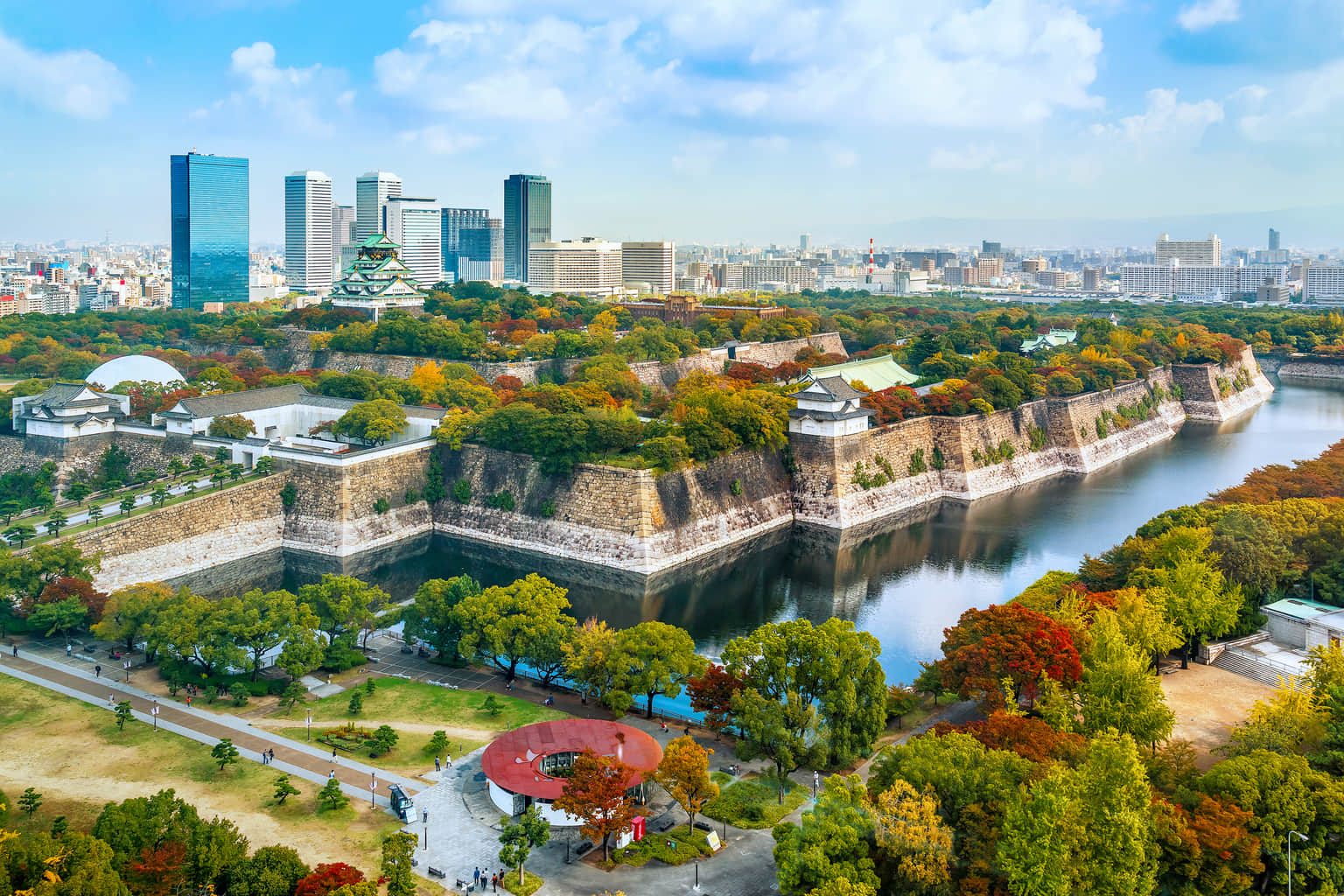
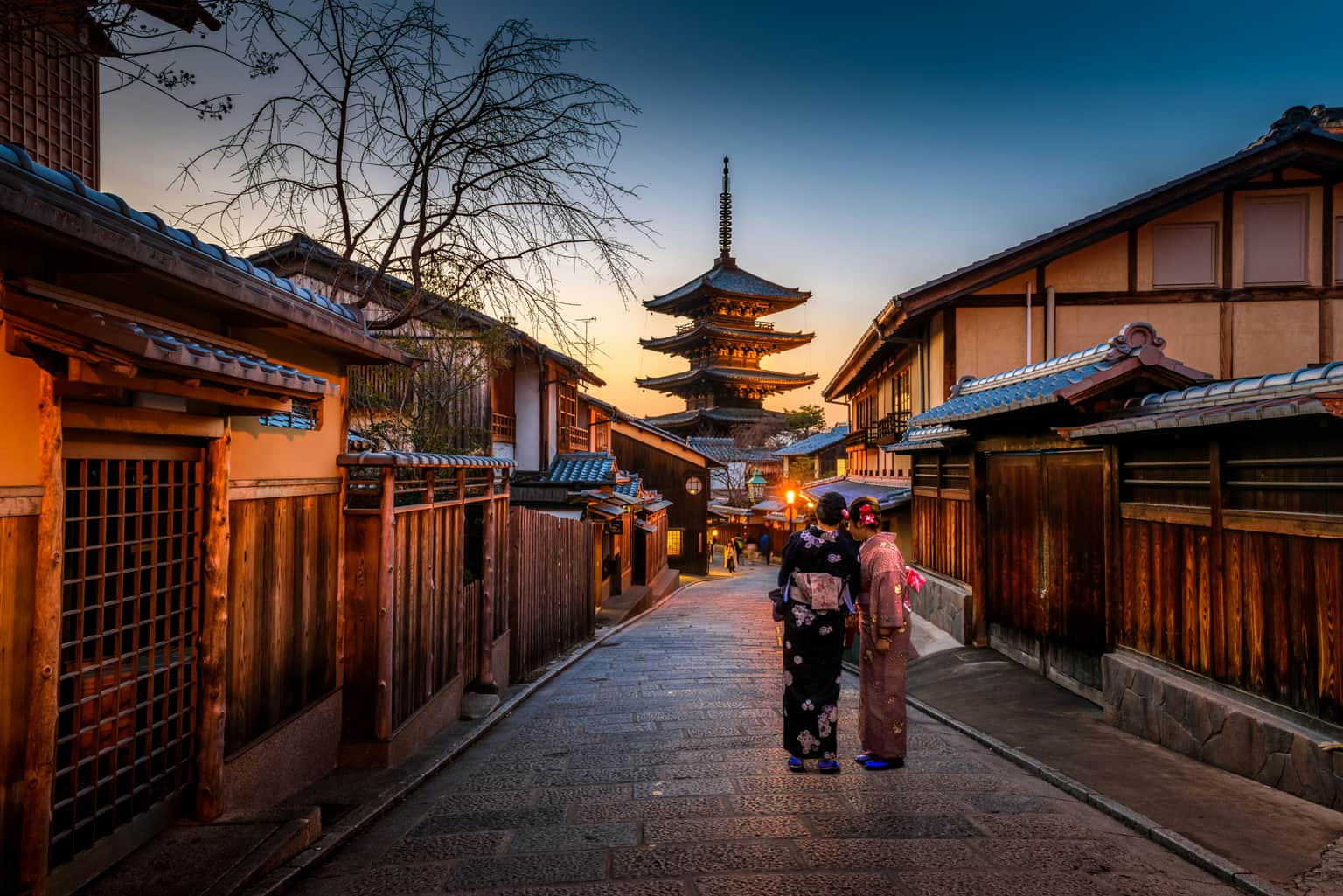
Beyond Hiroshima tourism, Japan offers incredible destinations like Tokyo for modern city life, Kyoto for temples and geisha districts, Osaka for food lovers, Nara for ancient culture, and Sapporo for nature and winter activities. Each city has a distinct vibe, making multi-city itineraries exciting and diverse.



















.jpg?w=1536&q=65&format=auto)