Opening Hours: Monday - Sunday: 08:00 AM - 10:00 PM, 06:00 AM - 08:00 PM
Prime Day & Hours: Thursday and Weekends, morning
Suggested Duration: 1.5 hours - 2 hours
Tickets: Available offline
Nearest Railway Station: Mysuru Junction, about 2.3 km away
Nearest Airport: Mysuru Airport, about 9.6 km away
Nearest Bus Stop: Mysuru Bus Stand, about 2.3 km away
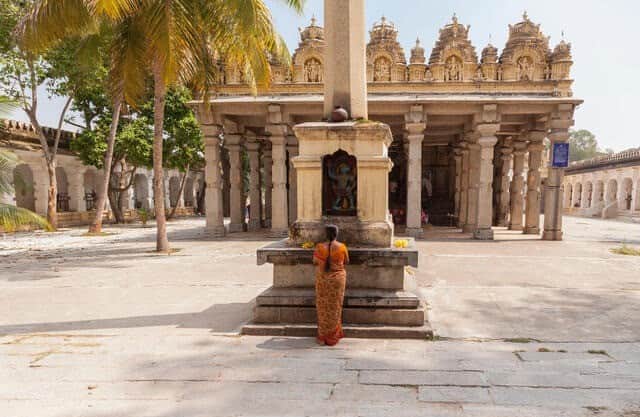
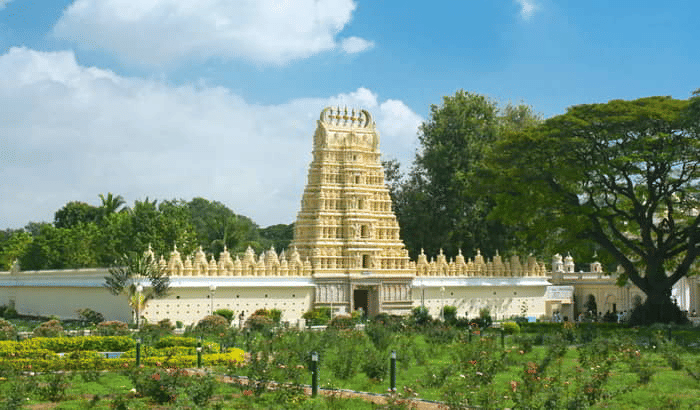
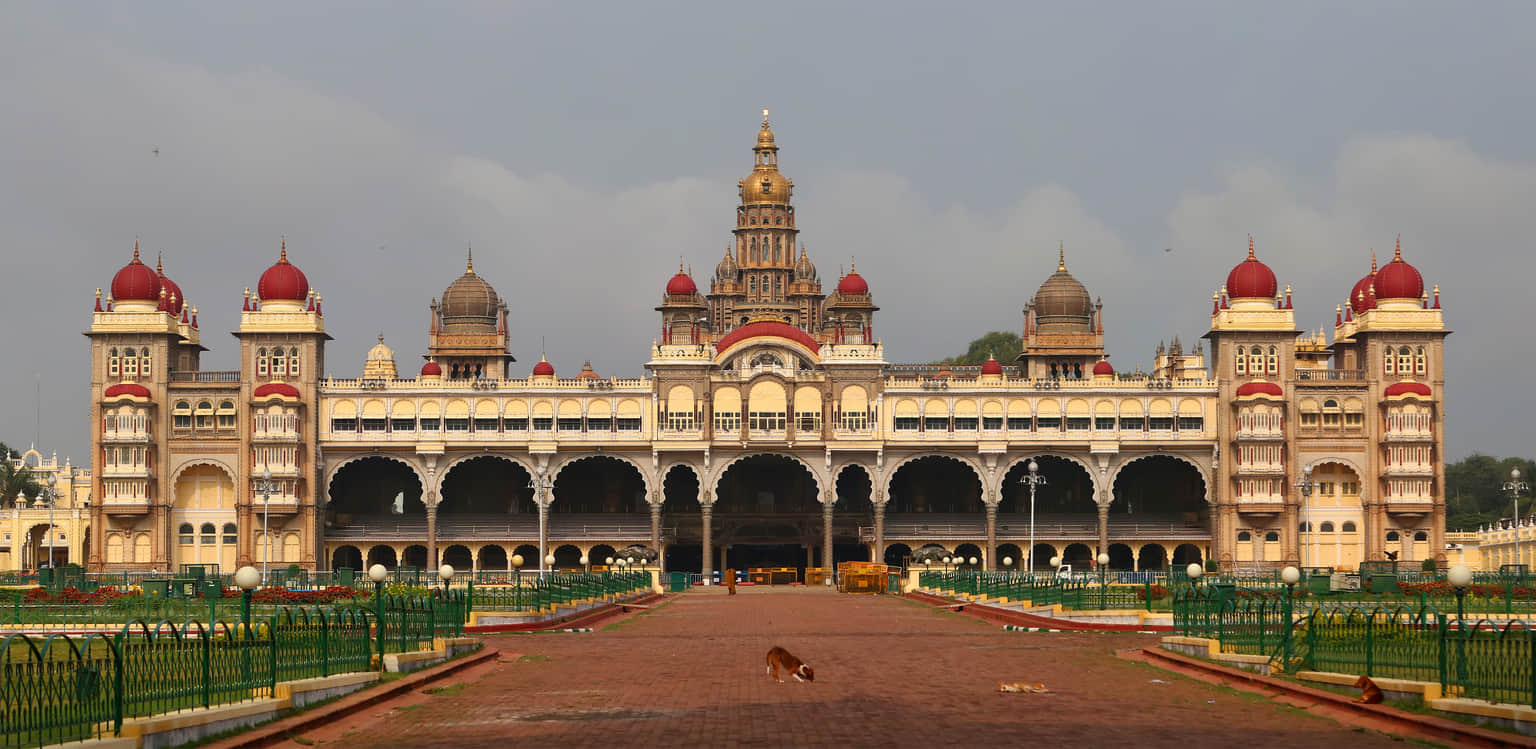
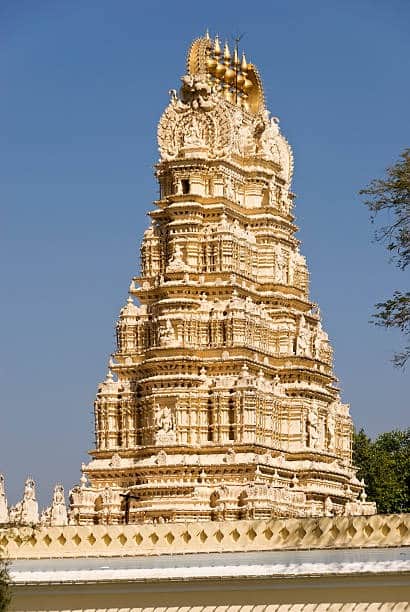
Shri Shvethavaraha Swami Gudi, Mysore, is also known as the Shweta Varahaswamy Temple, and it stands as a symbol of Mysuru’s rich cultural and heritage tapestry. It is located at the southern entrance of the Mysore Palace, and is dedicated to Lord Varaha. This temple’s architecture and its style make it one of the best places to visit in Mysore. Lord Varaha is the boar incarnation of Lord Vishnu, who is believed to have rescued the Earth from the demon Hiranyaksha. This temple’s name, ‘Shvetha Varaha’, means ‘White Boar’, which exactly describes the idol located in the temple.
The lord’s idol was originally consecrated in Srirangapatna by Chikka Devaraja Wodeyar between 1672 and 1704 and was later moved to its current location in 1809. The temple follows the Hoysala style, which you can see in the detailed pillars, carved doors, and murals showing stories from Hindu epics. One special thing here is the images of Srivaishnava Acharayas, Desikar, and Jiyar that were gifted by Krishnaraja Wodeyar III back in 1829, they’re kind of a highlight of the place.
Besides the architectural beauty of this temple, it’s also a peaceful spot where people come to feel connected or just soak in the calm vibe. The quiet atmosphere, along with its history, makes visiting feel nice and meaningful; it’s one of those places that adds to Mysuru’s rich heritage and culture.
• Experience Shri Shvethavaraha Swami Gudi’s ancient charm, located in the Mysore Palace complex, connecting history with spirituality.
• Admire the rare white idol of the Lord Varaha, carved from a unique stone and known for its purity and symbolism.
• Observe beautiful Hoysala-style architecture that features intricately carved pillars, ceiling motifs, and sacred wall carvings.
• Immerse in peaceful morning aartis, where devotional chants echo in a serene setting which is ideal for introspection.
By Car: Shri Shvetha Varaha Swami Gudi is about 3 km from Mysore city centre, and you can reach there in around 11 minutes via Mysore - Kollegal Rd. Visitors can also take a taxi from the city centre to the temple.
Peak Season (October to February)
Moderate Season (June to September)
Low Season (March to May)
Know Before You Go
You can get a chance to experience the divine energy during the morning aarti. The chants echo through the sanctum, and soft lamps highlight the temple carvings. This deeply rooted ritual allows the visitors to feel spiritually connected to the temple while witnessing age-old worship practices in an atmosphere that still remains untouched by the tourist rush.
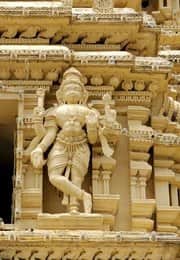
Visitors can behold the beautiful, rare white idol of Lord Varaha, which was sculpted from a special stone and is known for its purity and power. The idol is carved carefully, and its posture reflects the unique phase of Lord Vishnu’s avatar. All of this makes it a point of focus, devotion, and heritage in Mysore.
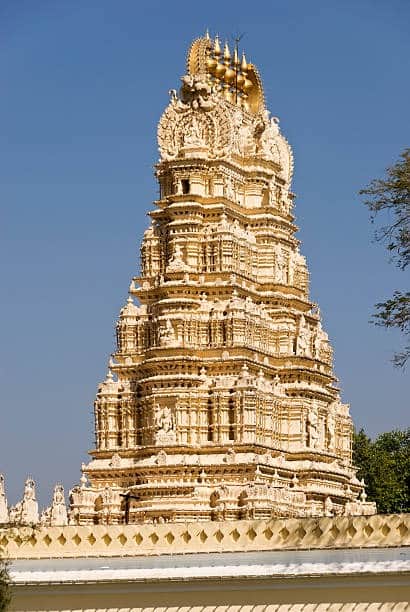
You can walk around the temple, inside and outside, to see the Hoysala-style architecture. It has nicely carved pillars, some mythological designs, and a mostly symmetrical layout. The design not only displays old craftsmanship, but also gives a glimpse of South Indian temple architecture
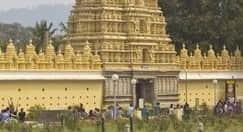
Get a chance to attend the temple’s special festivals like Varaha Jayanti to witness the rituals, vibrant decorations, and collective celebration. During this time, the temple feels much livelier and is decorated with hundreds of lamps and lights, making it a sight worth beholding.
Shri Shvethavaraha Swami Gudi holds deep historical value as it houses a rare white idol of Lord Varaha, originally installed in Srirangapatna by Chikka Devaraja Wodeyar (1672–1704). The idol was relocated to Mysuru in 1809, and the temple stands today as a fine example of Vaishnavite worship and Hoysala architectural influence within the Mysore Palace grounds.
Unlike typical depictions of Varaha, the idol here is carved from a distinctive white stone, hence the name ‘Shvetha’ (white) Varaha. It is one of the very few white Varaha idols in South India and is revered for its spiritual purity, calm expression, and fine detailing, which draw both pilgrims and art admirers.
The temple is open to all respectful visitors, no matter their religion. Non-Hindus might not be allowed inside the main sanctum, but they can visit the general access areas like temple halls, courtyards, gardens, appreciate the architecture, and watch rituals from certain spots. So it’s a pretty welcoming place for anyone interested in the culture.
Photos usually aren’t allowed inside the main part of the temple, and it’s better to dress modestly and take off your shoes before going in. You’ll find basic things like drinking water and washrooms nearby, since the temple is inside the Mysore Palace area, which has more facilities for visitors.