Opening Hours: Monday - Sunday: 08:30 AM - 05:00 PM
Prime Day & Hours: Weekends
Suggested Duration: 1.5 hours - 2 hours
Tickets: Available offline
Nearest Railway Station: Mysuru Junction, about 1.7 km away
Nearest Airport: Mysuru Airport, about 9.9 km away
Nearest Bus Stop: Mysuru Bus Stand, about 2.5 km away
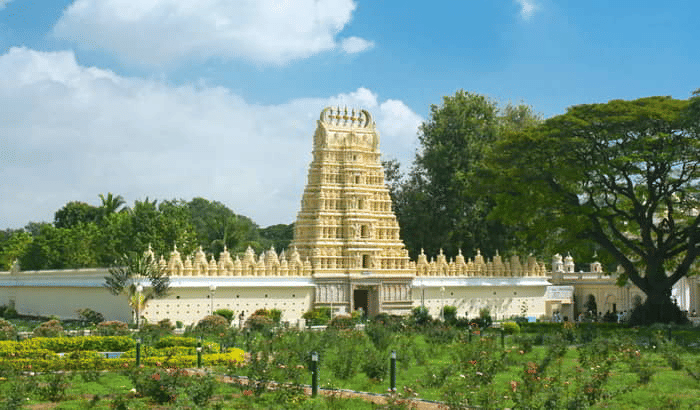
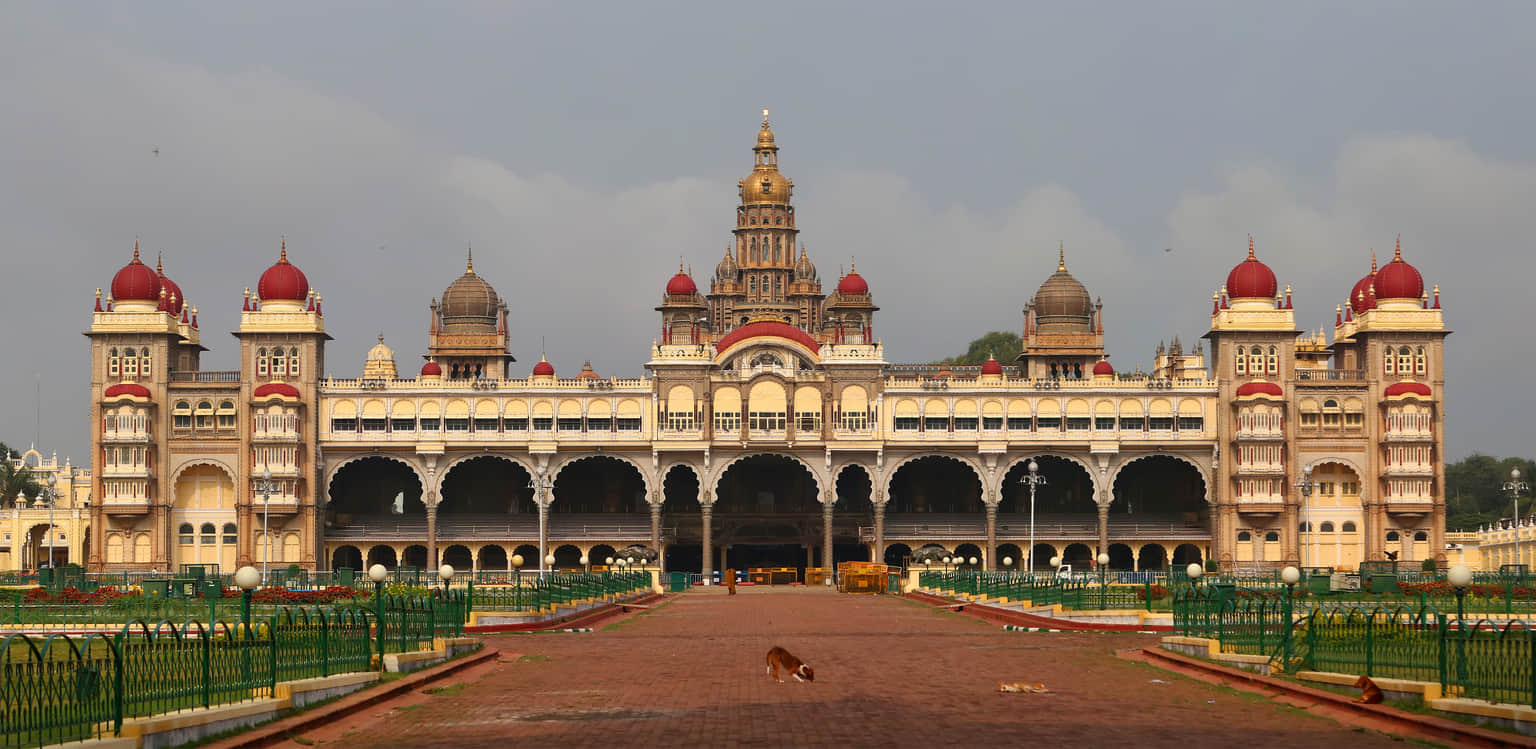
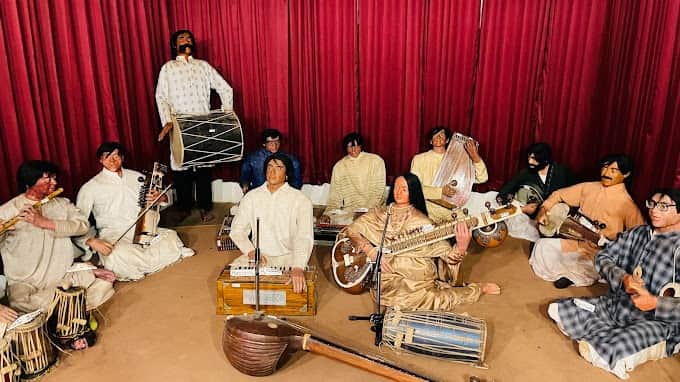
The Jaganmohan Palace is a heritage gem that is located in Mysuru, showcasing a rich fusion of regal architecture and Indian artistry. It was constructed in 1861 by Maharaja Krishnaraja Wodeyar III, and it initially served as the royal residence while the Mysore Palace was being rebuilt. This palace was transformed into the Sri Jayachamarajendra Art Gallery in 1915, and this marked an important moment in preserving South India’s cultural and artistic legacy. This art gallery houses more than 2000 artworks, including a priceless collection of Raja Ravi Varma’s paintings that connects Indian mythological themes with European techniques. It also exhibits traditional Mysore paintings, musical instruments, antique furniture, and rare artefacts.
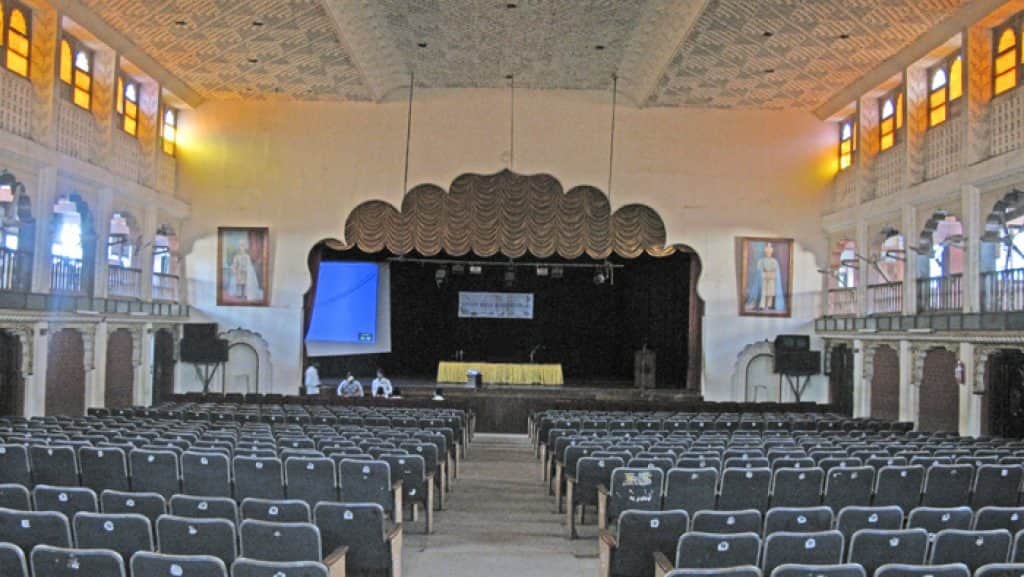
The Jaganmohan Palace’s wooden doors, murals, and interiors reflect fine craftsmanship and royal elegance. The on-site auditorium in this palace continues to stage cultural performances, particularly during the festivals like Dasara.
This palace offers an enriching and royal experience to its visitors. Whether you are a history buff, an art enthusiast, or a cultural explorer, you will witness the stories and experiences of Mysuru’s past with artistic grace.
• Marvel at the interiors of the Jaganmohan Palace, adorned with carved wooden doors, royal murals, and elaborate ceiling artwork, showcasing Mysuru's royal heritage.
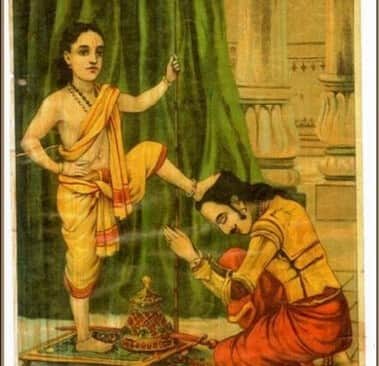
• Witness Raja Ravi Varma’s iconic masterpieces in Jaganmohan Palace, Mysore, displayed across the gallery, connecting mythological Indian themes with European realism.
• Admire the world-famous ‘Glow of Hope’ painting by S.L. Haldankar, which is illuminated in a darkened room to highlight its glow effect.
• Observe the astonishing Indo-Saracenic architecture with ornamental arches, stained glass panels, and a temple-style facade.
• Experience live cultural performances in the auditorium, especially during Dasara, showcasing the Carnatic music, Bharatnatyam, and folk dances.
By Car: The Jaganmohan Palace is about 3 km from Mysore city centre, and you can reach there in around 9 minutes via Krishnaraja Blvd Road. Visitors can also take a taxi from the city centre to the palace.
Peak Season (October to February)
Moderate Season (March to May)
Low Season (June to September)
Know Before You Go
Visitors can get a chance to see the original paintings by Raja Ravi Varma, who is known for portraying expressively the mythological characters. You can see subtle facial expressions, fine brushwork, and Western techniques mixing with Indian themes in the painting, making each canvas a lesson in cross-cultural artistry.
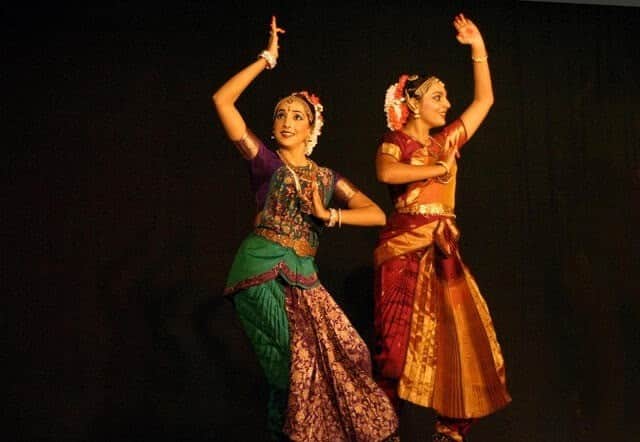
If you are visiting during a festival or an event, do not miss any performance happening in the palace’s auditorium. The acoustics and grandeur of the performances elevate every concert, whether it's a Carnatic recital or a Bharatnatyam performance. These events reflect Mysuru’s living culture and artistic approach, offering an insight into ways of living and expression.
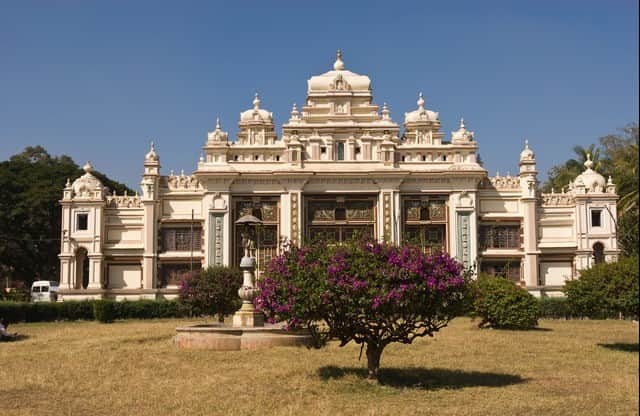
Visitors can sit in the courtyards of the palace with their sketchbook or journal and soak in the peace that the palace provides. You can absorb the surrounding artistry, and this setting is ideal for travellers who are looking to reflect, sketch architectural elements, or write inspired notes.
Rules and regulations related to photography might vary from section to section in the palace. You might not be allowed to capture Raja Ravi Varma’s art or other sensitive artworks. However, you can take photos in the outer premises and certain designated areas. Always check with the staff or the authority of the palace before clicking.
No, there are no guided tours available for Jaganmohan Palace. There are signboards and informational boards for the visitors to learn about each and every artwork on display. They explain the historical context, highlight the key insights, and help you understand the significance of everything on display.
Yes, the palace is accessible for people with mobility needs. The main gallery and hall are on the ground floors, making the maximum of this palace; however, some parts of the palace may have stairs or uneven flooring. It is recommended to bring assistance if mobility is an issue.