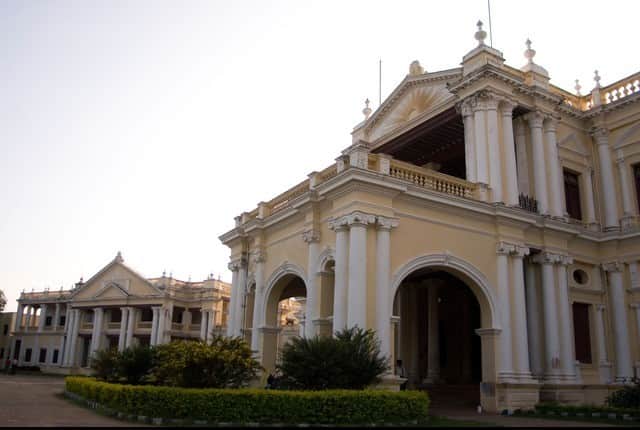
Folklore Museum, Mysore
About Folklore Museum
Day Wise Timings
Burj Khalifa opening hours through the week.
Folklore Museum Highlights

Why Choose Thrillophilia?
3 Million+
Happy customers from 70+ countries all around.
4.8/5
Rated across Trip Advisor and Google reviews.
Curated With Love
Special curated Indian itineraries built for Indians.
24/7 Assistance
Always there to help before and during trips.

Point of Interest for Folklore Museum
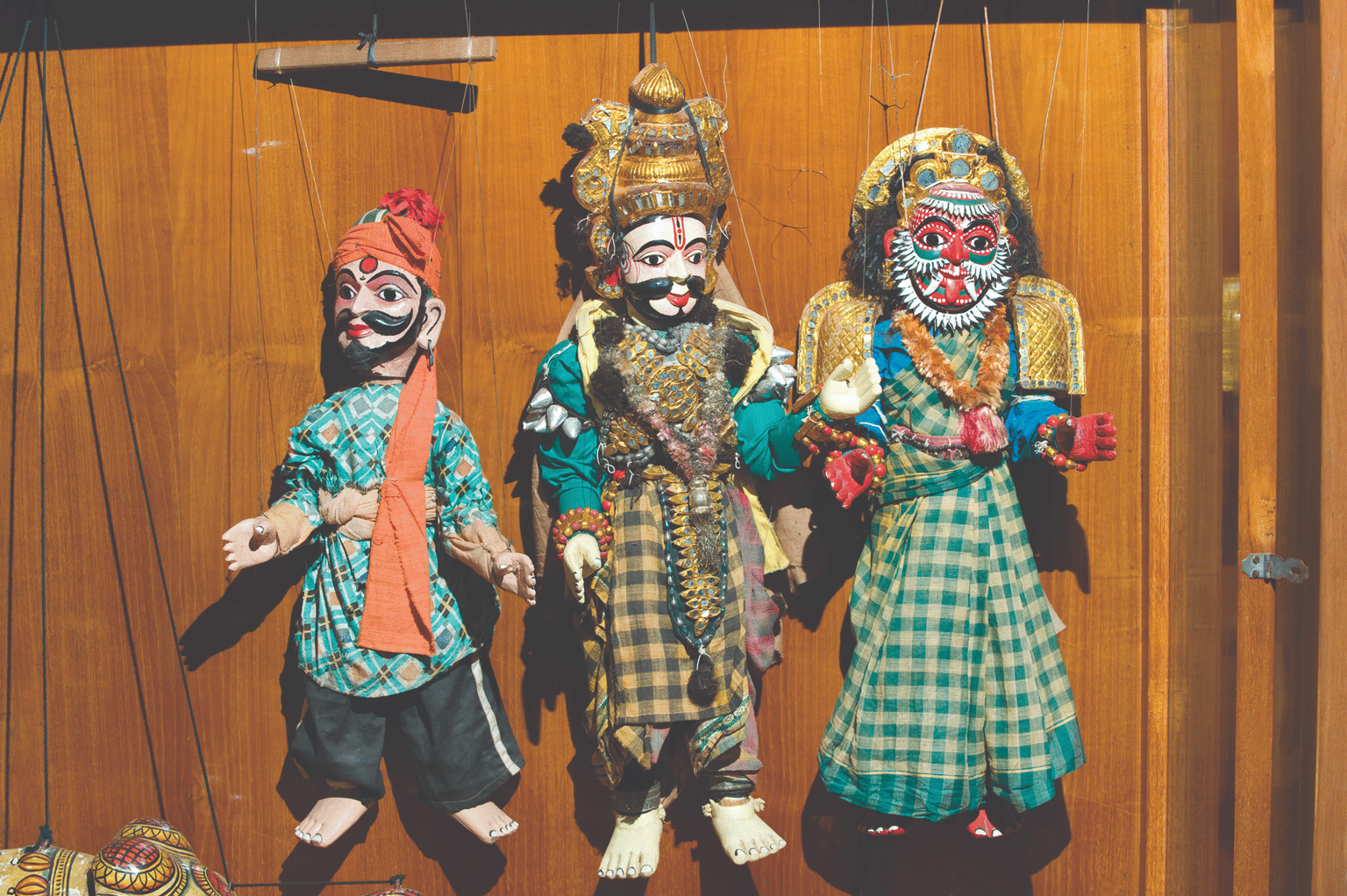
Explore Yakshagana and Folk Dance Costumes
You can see a beautiful collection of traditional costumes from Yakshagana, Kathakali, Theyyam, and Bhootha Aradhane. These vividly coloured and intricately made clothes show how dramatic South Indian folk theatre can be. Their complex designs and historical importance give us a better understanding of Karnataka's performing arts and storytelling traditions.
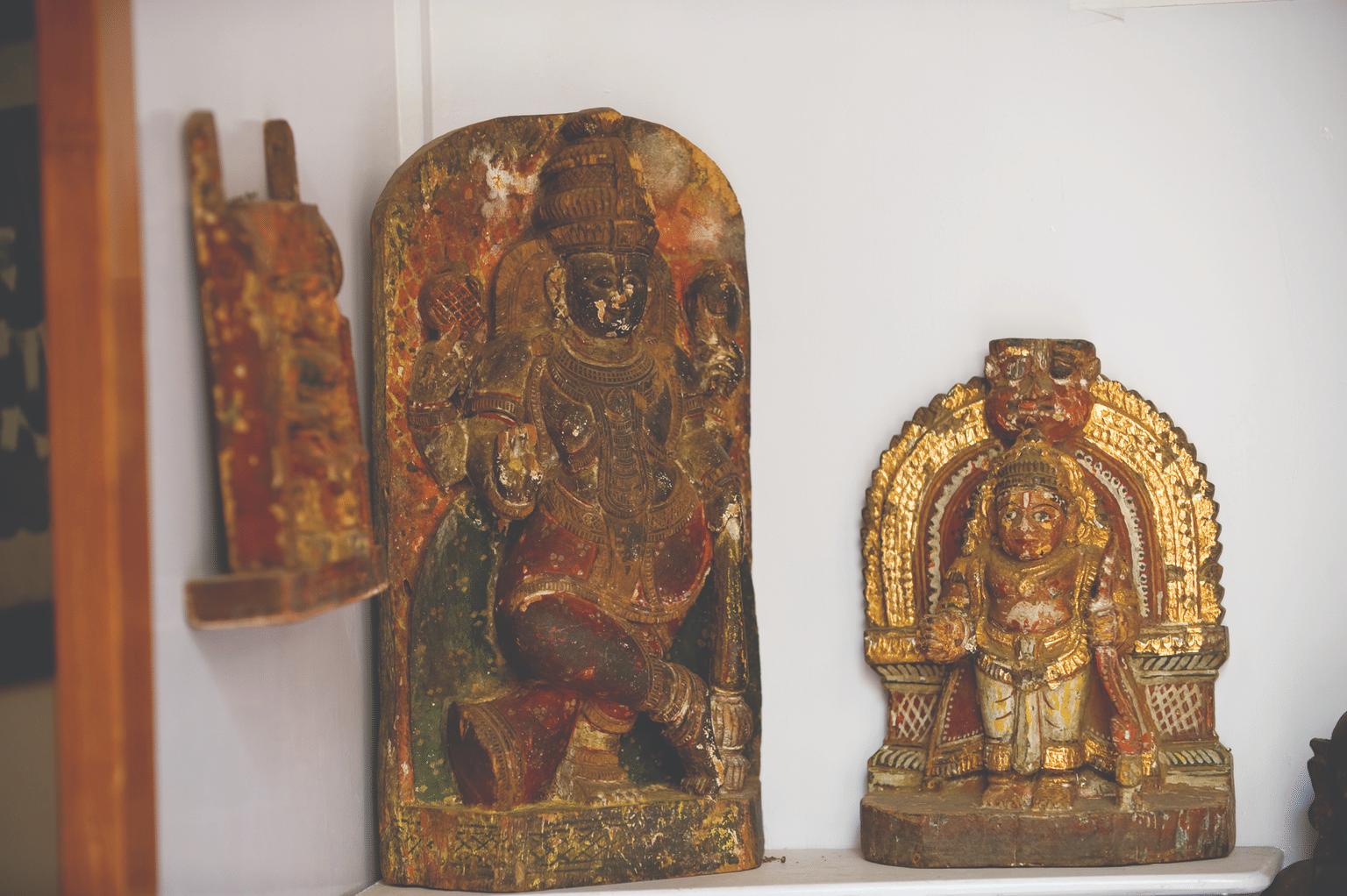
View the Rare Hanuman Crown from Kugala Balli
One of the museum's most important possessions is a ceremonial Hanuman crown from the village of Kugala Balli. This rare object is very important in rituals and shows how spiritually artistic the people of rural Karnataka are. People who like devotional art forms should see it because of how well it was made and how it fits into its culture.
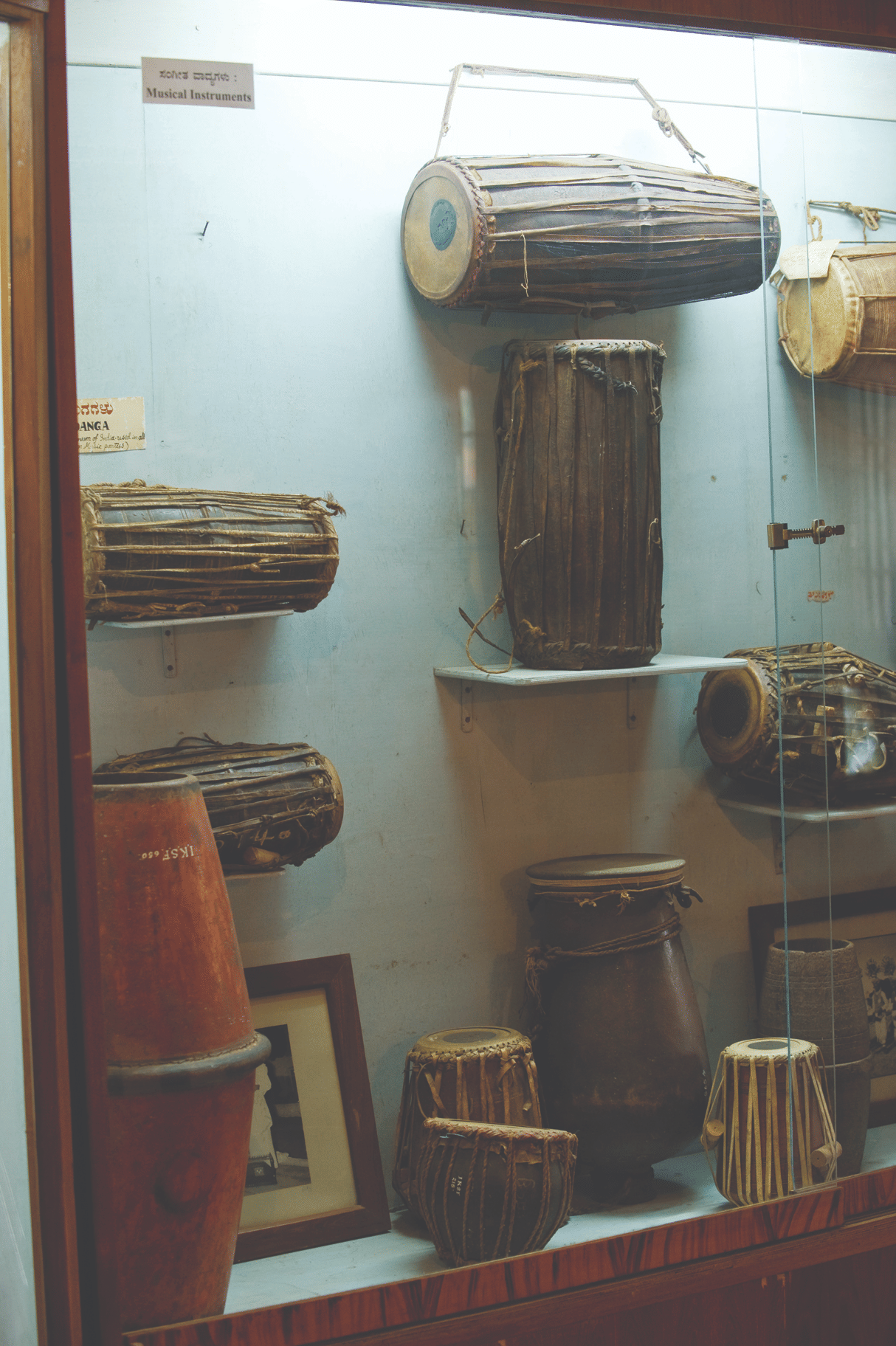
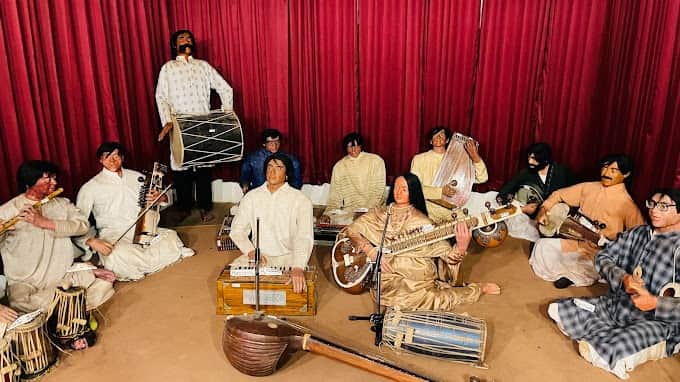
Discover Traditional Musical Instruments
Admire at a wide range of interesting native musical instruments, such as the Kinnari, Tamburi, Nagaswaram, and folk drums. A lot of these are still used in dances and ceremonies in the country. Their unique shapes and sounds show how diverse Karnataka's folk music and oral traditions are.
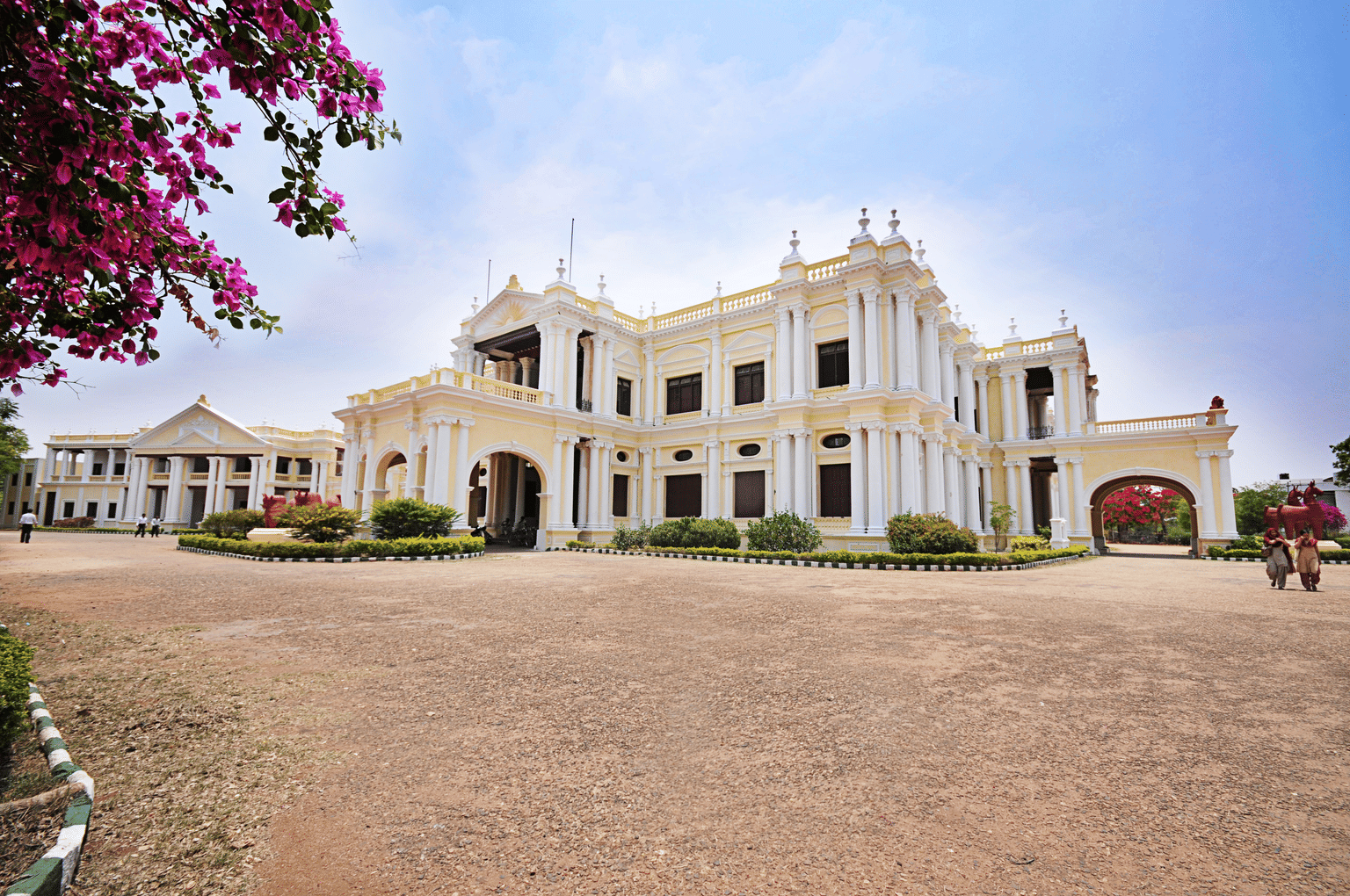
Attend Folk Art Workshops and Events
The museum occasionally hosts folk art workshops, live performances, and academic talks about Karnataka's traditional art forms. These events let people talk to artists, learn about lost traditions, and take part in hands-on cultural activities, which makes the museum visit much more immersive.
Folklore Museum FAQs
Popular Related Attractions
Popular Related destinations

More Things to Do in Mysore
Quick links to everything else worth a slot on a longer stay.