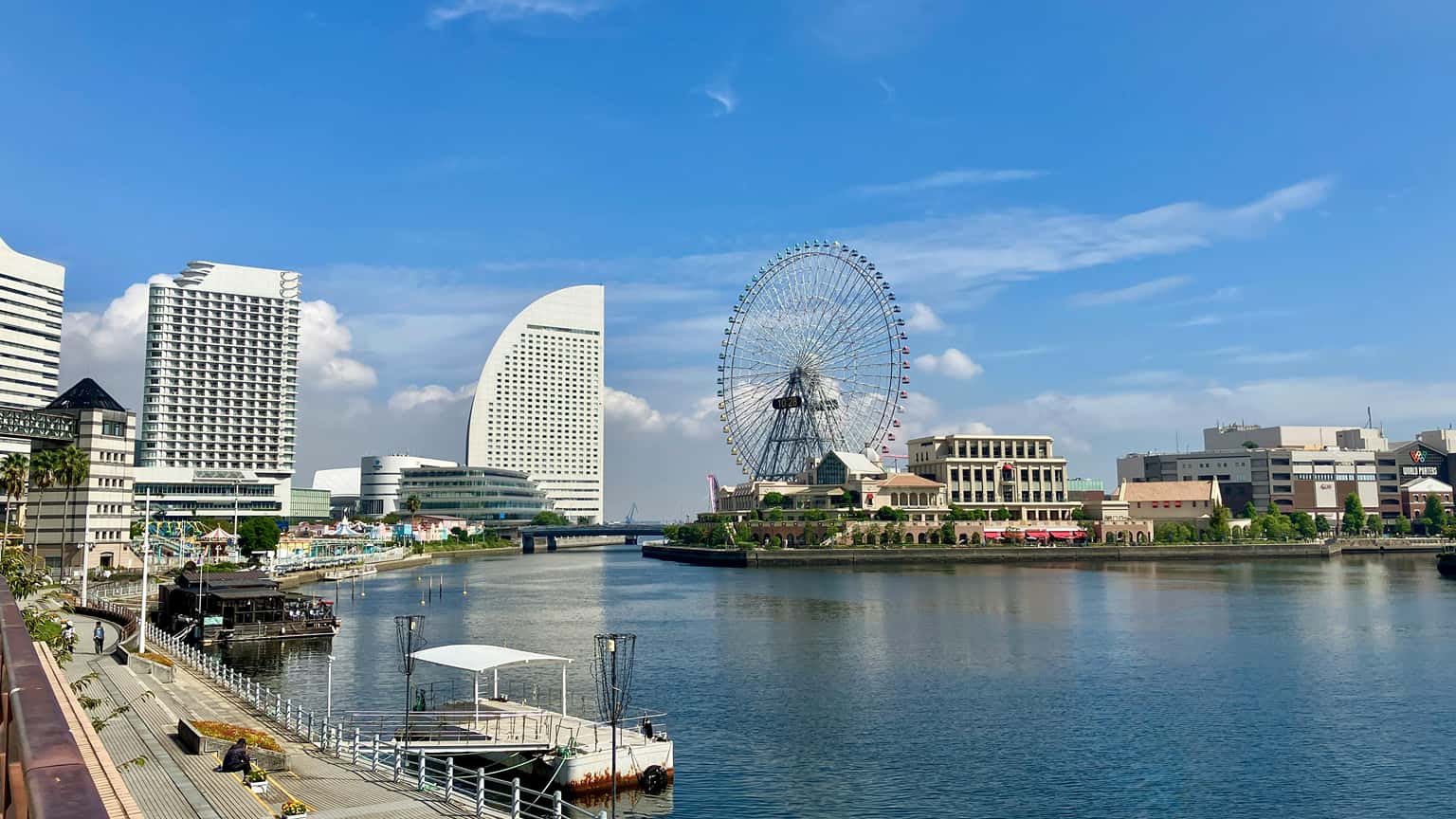
Nagasaki is a warm, coastal city filled with history, culture, and scenic beauty, making it a peaceful yet fascinating stop for travellers exploring Japan trip packages. The city offers a calm atmosphere with charming streets, hillside viewpoints, and a blend of Japanese, Chinese, and European influences. Through Nagasaki tourism, you can explore major highlights like Nagasaki Peace Park, Glover Garden, and the beautifully preserved Dejima. Unique sites such as the UNESCO-listed Hidden Christian Heritage give the city a rare cultural depth.
Travellers can enjoy a ropeway ride to Mount Inasa for breathtaking night views, stroll through Shinchi Chinatown, or take a boat tour to the mysterious Hashima Island, also known as Battleship Island. Nagasaki is famous for its fusion dishes like Champon, Castella cake, and Shippoku cuisine, which can be found in local markets such as Hamano-machi Shopping Arcade.
With its peaceful vibe, historical layers, and seaside charm, Nagasaki promises a memorable and heartwarming travel experience to Japan that you will thoroughly enjoy!
1. Type of destination: Coastal, cultural, historical, scenic city, light adventure and offbeat
2. Prime season: March to June
3. Snow season: Nagasaki rarely receives heavy snowfall, but light winter chills occur from December to February.
4. Languages spoken: Japanese (primary), with English understood at major tourist spots; signage is tourist-friendly.
5. Exploration time: 3 to 5 days is ideal to cover the city, museums, islands, and cultural neighbourhoods.
6. Local modes of transport available:
- Trams: Nagasaki’s iconic and affordable streetcar network covers major attractions.
- Local buses: Connect city areas and nearby districts efficiently.
- Ferries: Used for island visits, including Hashima (Gunkanjima) and Iojima.
- Taxis: Easily available and convenient for short city rides.
- Rental bicycles & e-bikes: Ideal for exploring flat neighbourhoods and waterfront areas.
Best Time to Visit Nagasaki
1. Summer in Nagasaki
- Months: June to September
- Avg. Temperature: 24°C to 32°C
- Weather: Warm, humid days with occasional coastal breezes; ideal for island visits, cruises, and evening city walks.
- Crowd density: High, especially around festivals and waterfront areas.
- Budget: Moderate to high
- Clothes to pack: Breathable cottons, hats, sunglasses, sunscreen, light rain protection, and comfortable walking shoes.
2. Rainy Season in Nagasaki
- Months: June to mid-July (peak monsoon period)
- Avg. Temperature: 22°C to 28°C
- Weather: Frequent showers and cloudy skies; greenery looks lush, and city attractions remain accessible.
- Crowd density: Moderate
- Budget: Moderate
- Clothes to pack: Waterproof jackets, quick-dry outfits, sturdy shoes, umbrellas or ponchos.
3. Winter in Nagasaki
- Months: December to February
- Avg. Temperature: 5°C to 12°C
- Weather: Cool and crisp with very light snowfall in rare cases; perfect for museums, hot springs, and night views from Mt. Inasa.
- Crowd density: Low
- Budget: Low to moderate
- Clothes to pack: Warm jackets, thermals, scarves, gloves, woollen socks, and closed shoes.
4. How to Reach Nagasaki
1. By Air:
Nagasaki Airport, located in Omura, offers frequent domestic flights from Tokyo, Osaka, and Nagoya, plus limited international links. Airport limousines and taxis take under an hour to reach the city center, making it the quickest and most convenient way to arrive.
2. By Rail:
The Nishi-Kyushu Shinkansen connects Nagasaki to Takeo-Onsen, where travelers transfer to JR express trains. This combined high-speed and scenic rail journey links Nagasaki smoothly with Fukuoka and major Kyushu hubs, offering comfort, punctuality, and beautiful countryside views.
3. By Road:
Highway buses from Fukuoka, Kumamoto, and Saga provide an affordable and comfortable road option. These buses run multiple times a day, use well-maintained expressways, and arrive directly at key terminals within Nagasaki, making road travel flexible and budget-friendly.
4. By Ferry:
Regular ferries from Nagasaki connect to nearby island destinations like Fukue and Nakadori in the Goto Archipelago. The journey offers scenic coastal views and is ideal for travelers combining city sightseeing with Kyushu’s island landscapes and maritime routes.
Places to Visit in Nagasaki
Here are some of the best places to visit in Nagasaki that beautifully reflect its history, culture, and coastal charm:
1. Nagasaki Peace Park:
A deeply moving memorial built to honor the victims of the 1945 atomic bombing. The park features symbolic sculptures, fountains, and the iconic Peace Statue, offering visitors a quiet space to reflect on global harmony and the city’s powerful message of peace.
2. Glover Garden:
A scenic hillside park featuring preserved Western-style mansions from the Meiji era. With stunning harbor views, beautifully landscaped paths, and historic homes, it showcases Nagasaki’s early international influences and is perfect for leisurely strolls and photography.
3. Dejima:
Once an artificial island where Dutch traders lived during Japan’s isolation period, Dejima is now a restored heritage zone. Visitors can explore traditional wooden buildings, historical exhibits, and recreated streets that reveal how Nagasaki served as Japan’s window to the world.
4. Mount Inasa:
Famous for offering one of the “top three night views” in Japan, Mount Inasa provides breathtaking panoramic views of Nagasaki’s glittering cityscape. A ropeway ride takes you to the summit, where observation decks create the perfect setting for romantic evenings and photography.
5. Oura Church:
Japan’s oldest surviving Christian church and a designated national treasure. Known for its striking white façade and peaceful interiors, the church reflects Nagasaki’s rich Christian heritage and offers insight into the city’s multicultural history and hidden Christian communities.
Things to Do in Nagasaki
Here are some memorable activities to do in Japan that truly capture Nagasaki’s culture, history, and vibrant local life:
1. Take a cruise to Hashima (Gunkanjima):
Explore the eerie, abandoned “Battleship Island,” once a thriving coal mining hub. Guided boat tours share haunting stories, spectacular sea views, and the island’s cinematic appeal, making it one of Nagasaki’s most unforgettable experiences.
2. Ride the Nagasaki Electric Tram:
Enjoy a nostalgic journey through the city on its vintage trams. This affordable and scenic ride connects major districts, letting you hop off at charming cafés, museums, historical sites, and lively neighborhoods.
3. Savor Champon and Sara Udon:
Taste Nagasaki’s iconic dishes—Champon, a comforting seafood noodle soup, and crispy Sara Udon. These specialties offer a delicious blend of Chinese influences and regional flavors, perfect for travellers seeking authentic local cuisine.
4. Attend the Nagasaki Lantern Festival:
Visit during Lunar New Year to witness streets glowing with lanterns, dragon dances, and cultural performances. This vibrant festival highlights Nagasaki’s rich Chinese heritage and is a stunning visual treat.
5. Walk through Shinchi Chinatown:
Stroll through Japan’s oldest Chinatown, filled with bustling eateries, snack stalls, and colorful shops. It’s an ideal place to try dumplings, explore specialty goods, and soak in the lively atmosphere shaped by centuries of cultural exchange.
Key Experiences to Have in Nagasaki
Here are five meaningful and unique experiences that beautifully reflect the essence of Nagasaki:
1. Witness the night view from Mount Inasa:
Enjoy one of the world’s top panoramic nightscapes as the city sparkles beneath you. This breathtaking viewpoint highlights why Nagasaki tourism is cherished for its blend of natural beauty and urban charm.
2. Experience the Peace Memorial Ceremony:
Attend the moving annual event on August 9, honouring lives lost and promoting global peace. The atmosphere is deeply emotional and helps travellers understand Nagasaki’s historical resilience and hope-filled identity.
3. Try a traditional Nagasaki Glassblowing Workshop:
Create your own handcrafted glass piece at a local studio. This immersive cultural experience connects you to the city’s long-standing craftsmanship, letting you carry home a personal and meaningful souvenir.
4. Explore the Dejima Reconstruction Area:
Walk through the restored 17th-century trading post where Dutch merchants once lived. Its interactive exhibits and preserved houses offer insight into one of the most famous attractions in Japan for early international exchange.
5. Relax in the Iojima Hot Springs:
Unwind in seaside onsen pools with calming ocean views. These therapeutic waters provide the perfect balance of relaxation and cultural immersion, rounding out your Nagasaki journey with peaceful serenity.
Tips to Visit Nagasaki
- Plan at least 2 days to comfortably explore major sights, hidden spots, and cultural neighborhoods.
- Use the Nagasaki Electric Tram for quick, cheap, and efficient travel across the city’s main areas.
- Carry comfortable walking shoes, as many historical sites involve slopes and stairs.
- Try local specialties like castella cake, champon, and sara udon for an authentic food experience.
- Visit viewpoints like Mount Inasa at night for breathtaking panoramas.
- Check museum timings in advance, especially the Atomic Bomb Museum and heritage sites.
- Keep some cash for small eateries and tram fares.