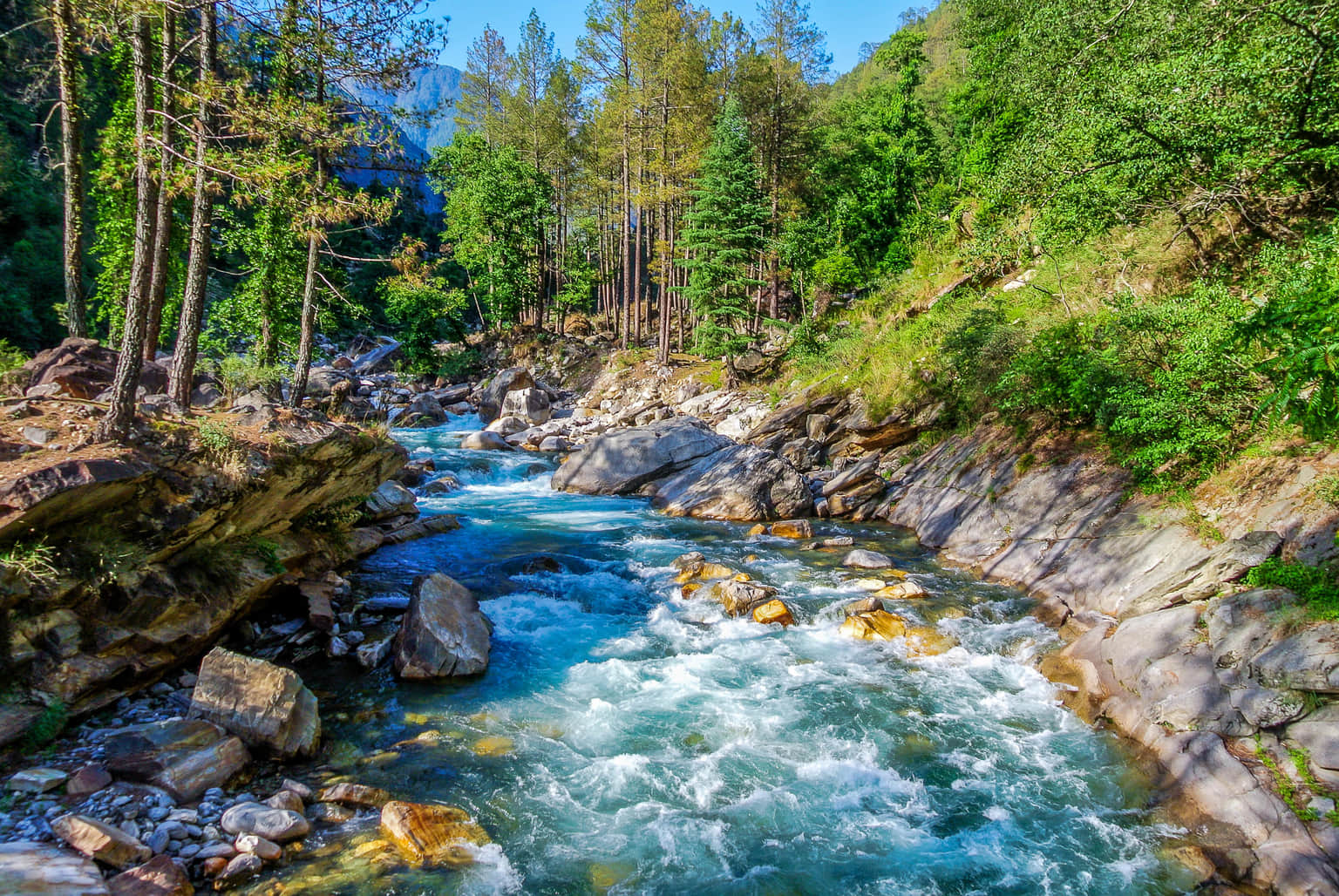
Supin River, Uttarakhand
About Supin River
Day Wise Timings
Burj Khalifa opening hours through the week.
Supin River Highlights

Why Choose Thrillophilia?
3 Million+
Happy customers from 70+ countries all around.
4.8/5
Rated across Trip Advisor and Google reviews.
Curated With Love
Special curated Indian itineraries built for Indians.
24/7 Assistance
Always there to help before and during trips.

Point of Interest for Supin River
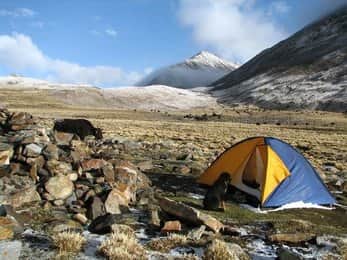
Riverside Camping in Supin Valley
Camp on open meadows near the Supin River, especially between Taluka and Osla. The views of flowing water under Himalayan skies are unforgettable. Evenings are peaceful, and the sound of the river creates a soothing background for a starlit dinner. Wake up to misty mornings and birdsong for a soulful start to another beautiful day in nature.
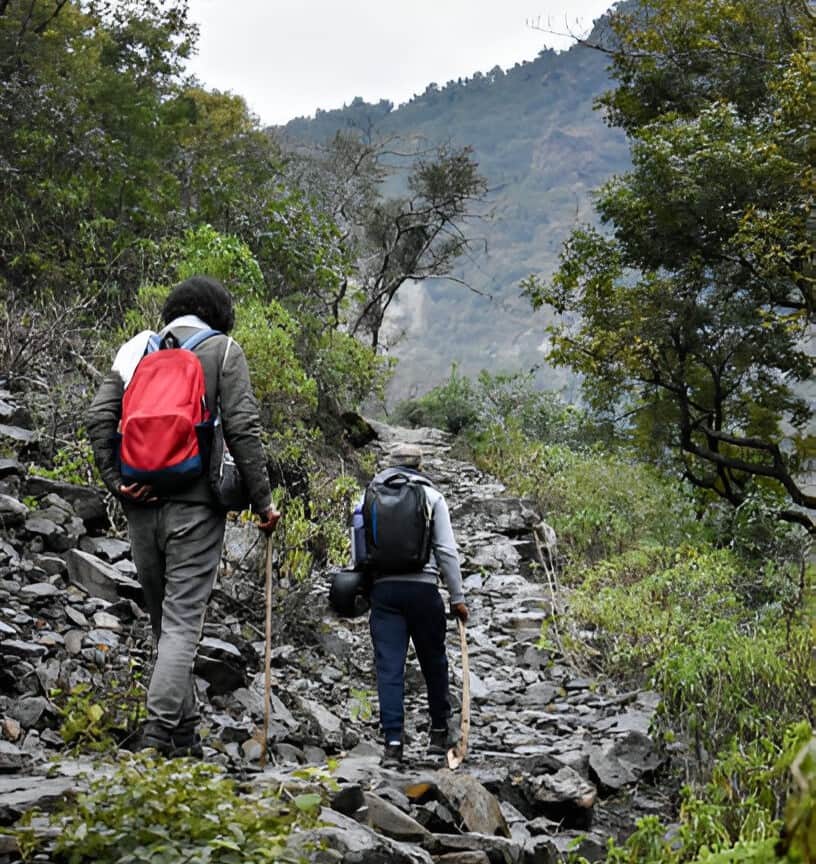
Trek to Har Ki Dun Along Supin
Follow the Supin River for most of your Har Ki Dun trek, crossing wooden bridges and stopping at forest patches, waterfalls, and ridge views. The river becomes a natural guide through some of the most stunning alpine terrain in Uttarakhand. Its gentle roar accompanies your journey, adding rhythm, life, and continuity to every twist and turn of the trail.
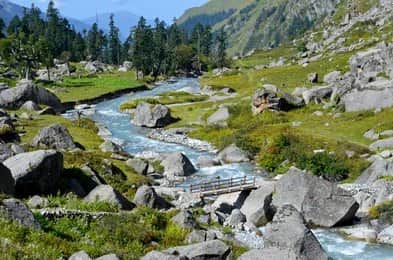
Cross the Supin via Traditional Bridges
Feel the thrill of walking over narrow wooden or hanging bridges that span the fast-flowing Supin. These crossings are both exciting and photogenic, connecting remote villages and adding character to your trekking route. As you step across, you will feel history flowing beneath your feet. These bridges are lifelines, hand-built and weathered, standing strong through changing seasons and stories untold.
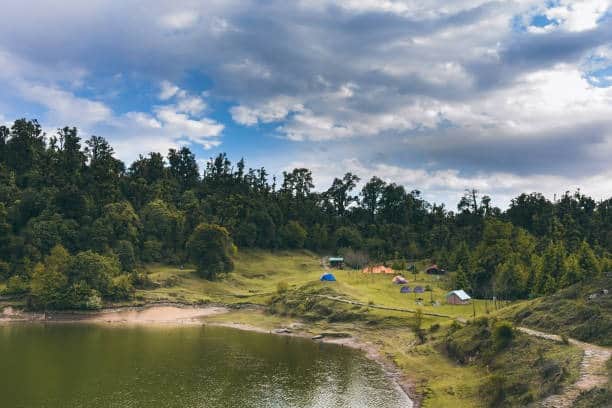
Visit Villages Nourished by Supin
Explore Osla and Seema, where villagers rely on Supin for drinking water, irrigation, and daily life. Witness how life flows with the river, offering a beautiful balance of nature and tradition. From terraced fields to temple rituals, every element of daily living reflects the river’s presence, an enduring source of vitality, connection, and quiet resilience in these remote settlements.
Supin River FAQs
Popular Related Attractions
More Things to Do in Uttarakhand
Quick links to everything else worth a slot on a longer stay.