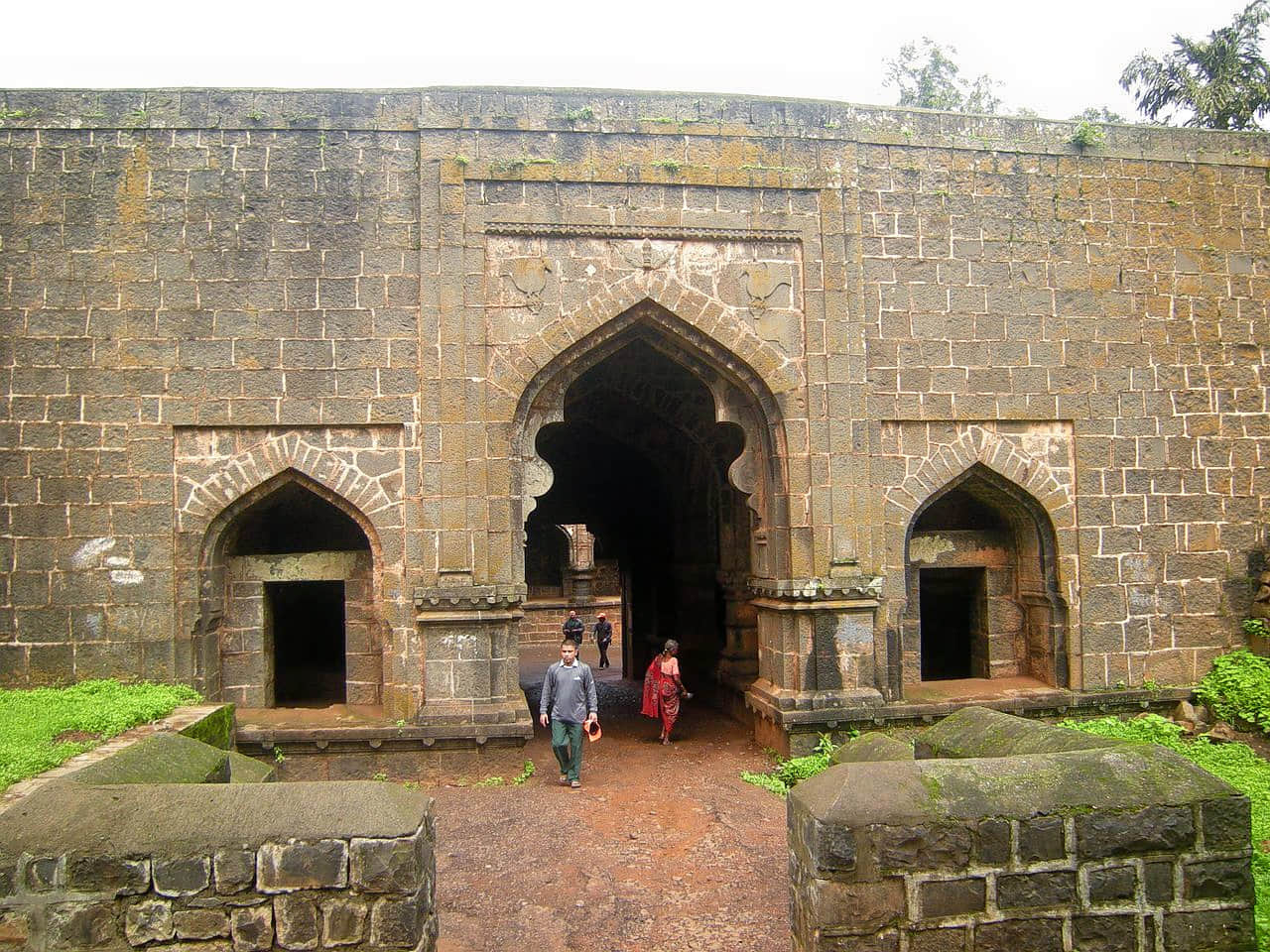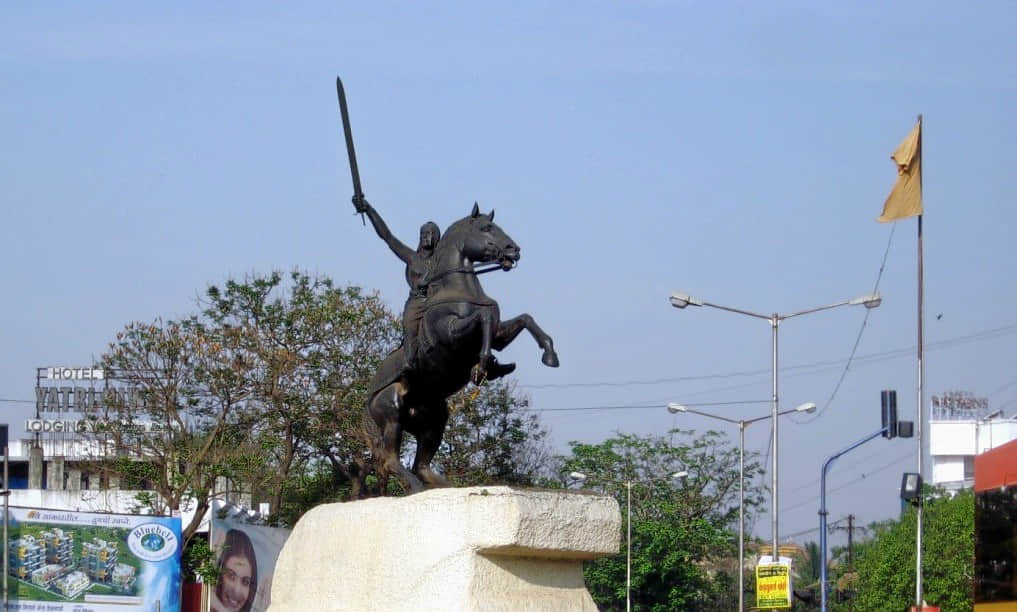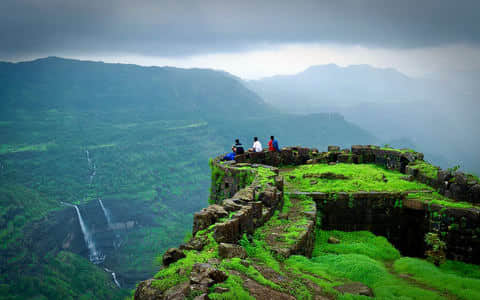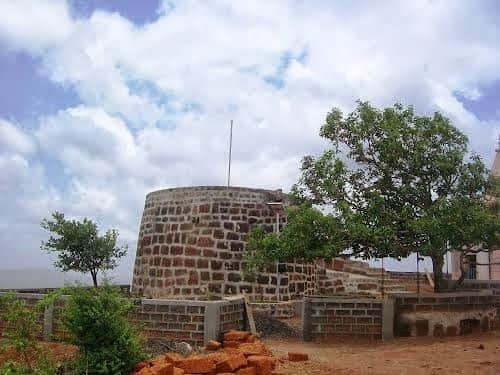
Mahipalgad Fort is an old stronghold built by King Mahipal and later strengthened by Shivaji. It is located on the Maharashtra–Karnataka border in Kolhapur's Chandgad taluka, about 3,220 ft (≈ 981 m) above sea level. It is one of Shivaji's 111 Konkan forts.
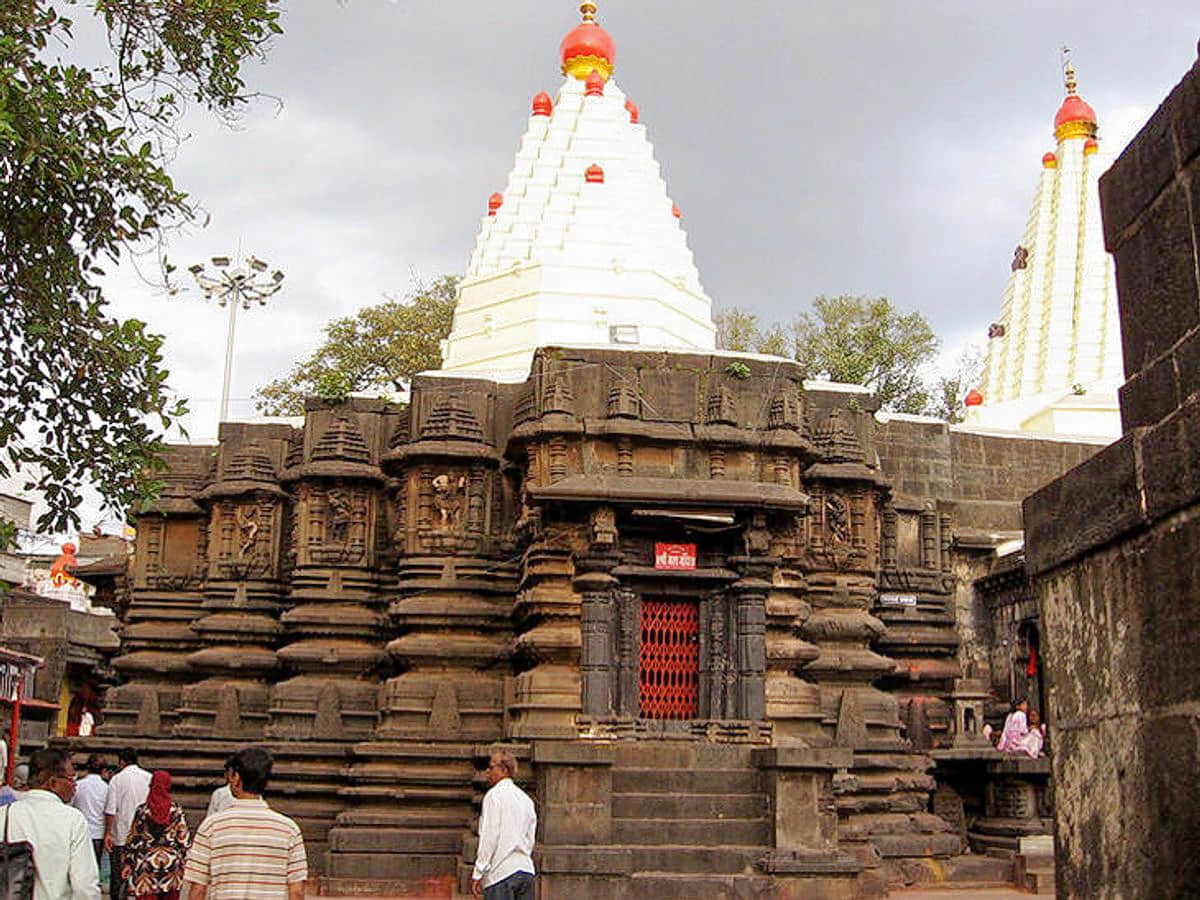
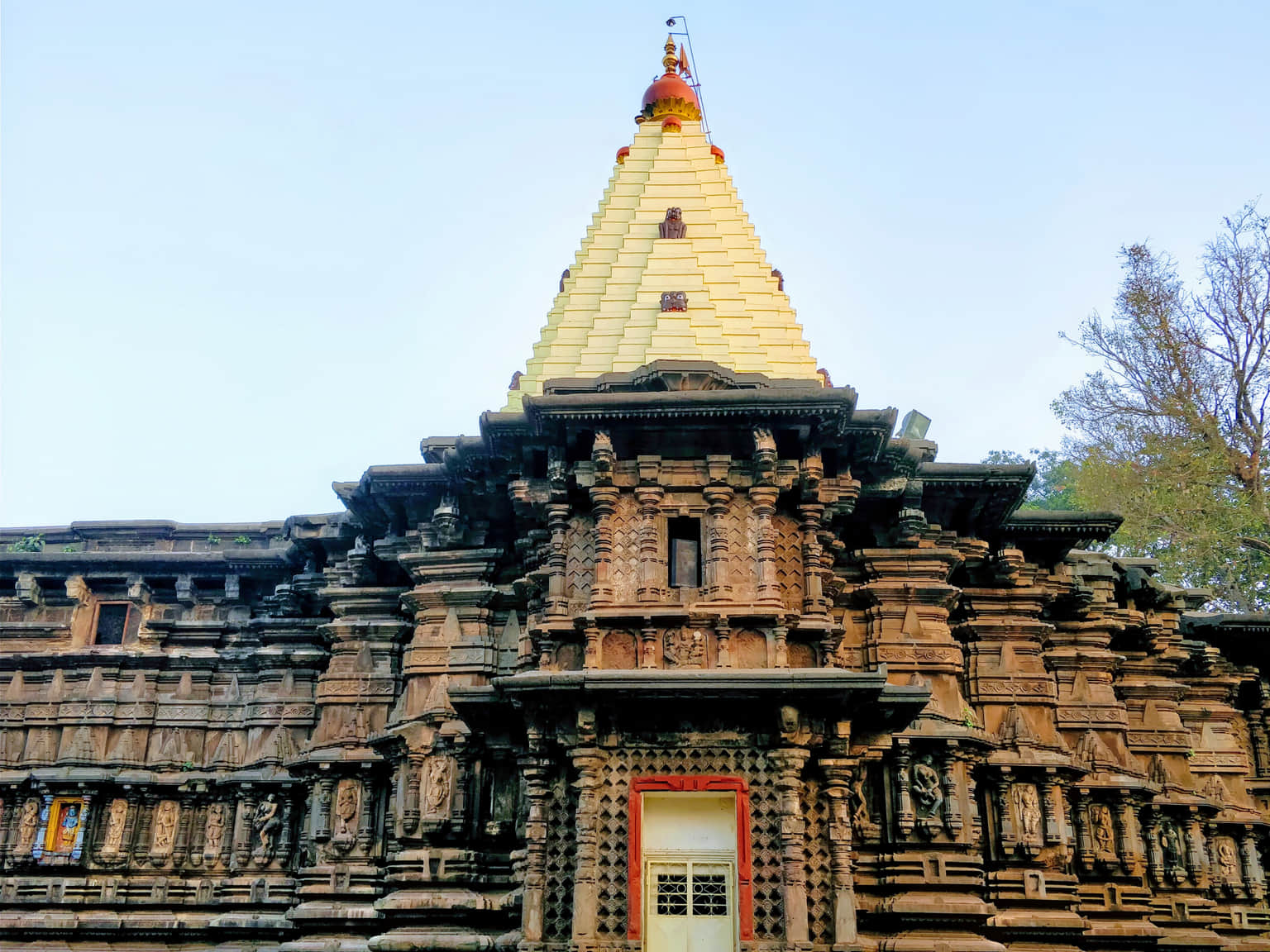
The Times of India The trip starts in the village of Dewarwadi, where you can see the beautiful 11th-century Hemadpanthi Vaijnath and Arogya Bhavani temple complex, which is surrounded by carved pillars, Nandi, and a stone water tank.
Visitors trek through a dense evergreen forest for about 3 km to reach the top, where they can explore a mediaeval citadel with six battlemented gates, a huge 70 × 40 ft water well, ruined temples of Mahadev and Ambabai, and strategic bastions. They can also watch local life in the plateau village of Mahipalgad.
Here, nature is alive and well. The emerald forests are home to a wide range of wildlife, including Indian gaur, reptiles, and native birds. The birds are especially colourful after the monsoon. The trek usually takes two hours, and the site is also a living village where you can learn about Maratha culture and heritage. The best time to visit Mahipalgad is from October to January, when the skies clear and the plateau flowers.
• Ascend the gentle 1.5–2 hour trek through tribal hamlets and forest canopy from Uran to reach the ruined hilltop fortress.
• Explore the crumbling Nossa Senhora da Penha church, a rare intact Portuguese chapel overlooking the coastline within the fort complex.
• Visit two ancient water tanks—Gagoni and Gijoni—with brick arches showcasing colonial water-smart engineering still visible today.
• Stand beside the ruined main gate and guard rooms—the keystone Ganpati carving now rests inside a guard chamber.
• Walk past the Vetal temple ruin and follow forest trails to large masonry water cistern hidden amid dense foliage.
• Survey coastal views of Uran port, ONGC plant, and Arabian Sea from vantage points atop the hill—photography restricted near ONGC.
• Learn about the fort’s layered history—from Yadava dynasty, Portuguese occupation, Adil Shahi control, to Maratha rule under Manaji Angre.
• Capture serenity at the small police chowki by the church, where trekkers pause amidst solitude on this little-known historic site.
By car/taxi: Harishchandragad Fort is about 147 km away from the Ahmadnagar city centre via NH 61. It will take you about 4 hours to get there.
Peak Season (October to February):
Moderate Season (June to September):
Low Season (March to May):
1. Trek Through Arogya Bhavani Temple: To get to the beautiful Hemadpanthi Vaijnath temple, which is next to the Arogya Bhavani shrine, start at Dewarwadi village. Take a look at the beautiful stone Nandi and the fancy pillars, and then dip into the holy water tank that feeds the fort's tirtha. A powerful mix of sacred buildings and local stories.
2. Explore Rock‑Cut Caves and Tunnels: Go through the old rock-cut Mahipalgad caves that are part of the ridge pathway. Some are flooded with water and need torches to be safe. These caves used to be home to hermits and give us a glimpse into life in the mountains during the Middle Ages, near a modern-day army training ground.
3. Visit Ambabai & Mahadev Temple Ruins: Visit the ruined Ambabai temple behind the cistern and the nearby Mahadev temple, both in the laterite style. They are peaceful places to pray in the midst of crumbling fortifications and the daily life of the village that is part of the fort.
No, you don't need a permit or to pay a fee to get in; the fort is open all year. There may be small parking or car fees at Uran or Daur Nagar. No camping overnight is allowed because the Central Industrial Security Force (CISF) limits stays because they are close to ONGC facilities.
The trek is about 1 to 1.5 kilometres long and takes 45 to 60 minutes from Uran or Daur Nagar. The path goes through a tribal village and a Gliricidia forest. It is thought to be an easy to moderate route with no technical climbing, so beginners with good shoes can do it.
At the top, you can see the intact Nossa Senhora da Penha church, the ruins of the Vetal temple, a broken main gate with a carved Ganpati keystone, and two old cisterns, Gagoni and Gijoni—made of brick arches to control evaporation.