


.jpg?w=1440&dpr=2)
About Science Museum
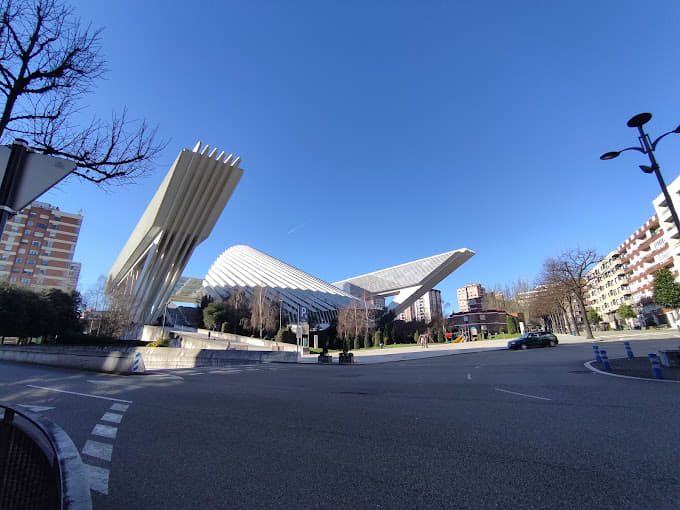
Nestled at the intersection of education and entertainment, the Science Museum stands as a beacon of scientific exploration and human innovation. Its imposing modern architecture, often featuring expansive glass facades and interactive exterior elements, invites visitors of all ages to embark on a journey of curiosity and learning.
Inside, the museum is a labyrinth of discovery, with extensive exhibit halls that transform complex scientific concepts into engaging, accessible experiences. Interactive displays allow visitors to touch, experiment, and directly engage with scientific principles. From immersive planetarium shows that transport audiences through the cosmos to hands-on physics exhibits that demonstrate fundamental natural laws, the museum bridges the gap between theoretical knowledge and tangible understanding.
Permanent exhibitions typically cover diverse scientific domains: natural history, space exploration, technology, human biology, and environmental science. Each section is carefully curated to provide both depth of information and excitement of discovery. Children can operate robotic arms, simulate geological processes, or explore microscopic worlds, while adults find sophisticated explanations of cutting-edge research and technological innovations.
The museum's commitment extends beyond exhibition spaces. Educational programs, workshops, live science demonstrations, and special temporary exhibitions ensure a dynamic, evolving experience. With state-of-the-art laboratories, lecture halls, and interactive zones, the Science Museum isn't just a place to view science—it's a place to live and breathe scientific curiosity.
As a cultural institution, it plays a crucial role in scientific literacy, inspiring future generations of researchers, innovators, and critical thinkers.

.png?w=576&dpr=2)







.jpg?w=300)
.jpg?w=300)
.jpg?w=300)
.jpg?w=300)

.jpg?w=300)