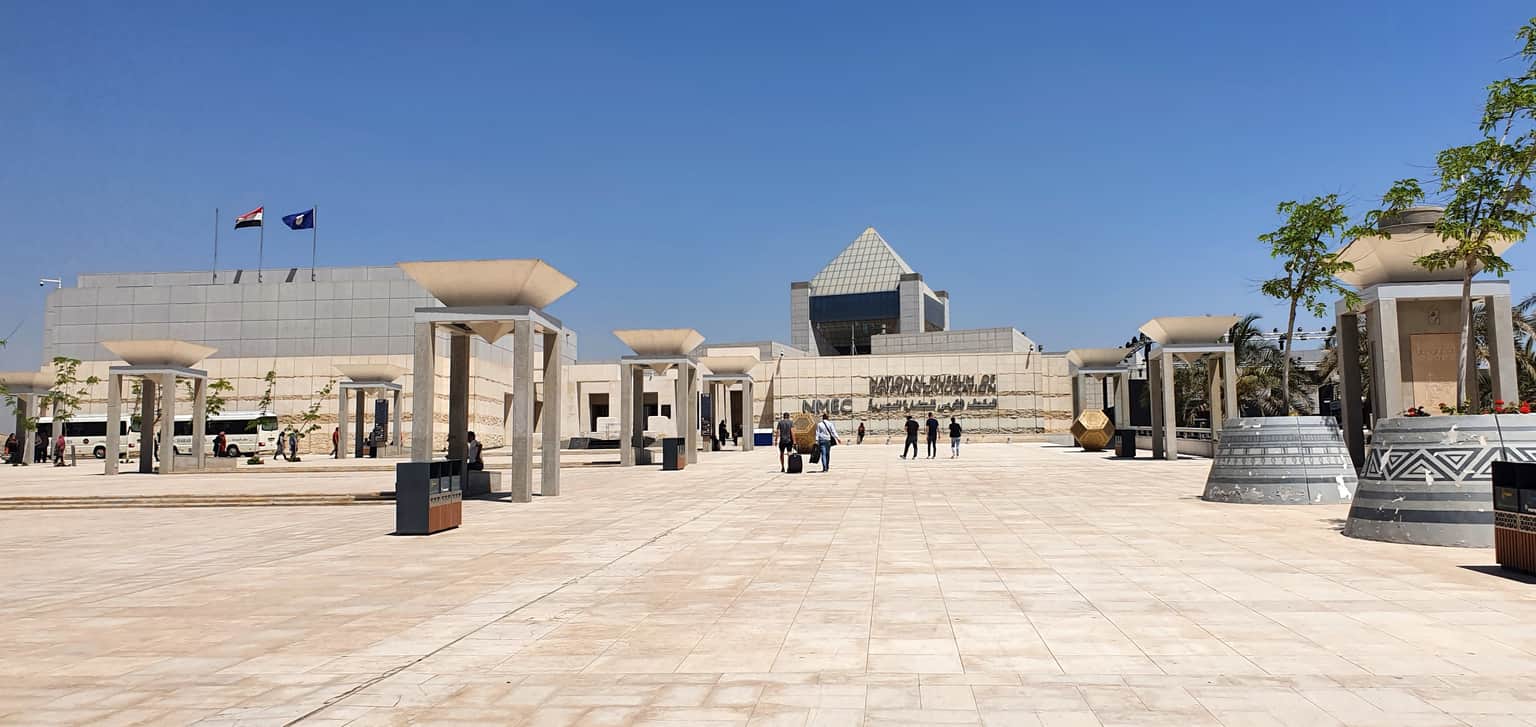
The National Museum of Egyptian Civilization, Egypt
About The National Museum of Egyptian Civilization
Day Wise Timings
Burj Khalifa opening hours through the week.
The National Museum of Egyptian Civilization Highlights

Why Choose Thrillophilia?
3 Million+
Happy customers from 70+ countries all around.
4.8/5
Rated across Trip Advisor and Google reviews.
Curated With Love
Special curated Indian itineraries built for Indians.
24/7 Assistance
Always there to help before and during trips.

Point of Interest for The National Museum of Egyptian Civilization
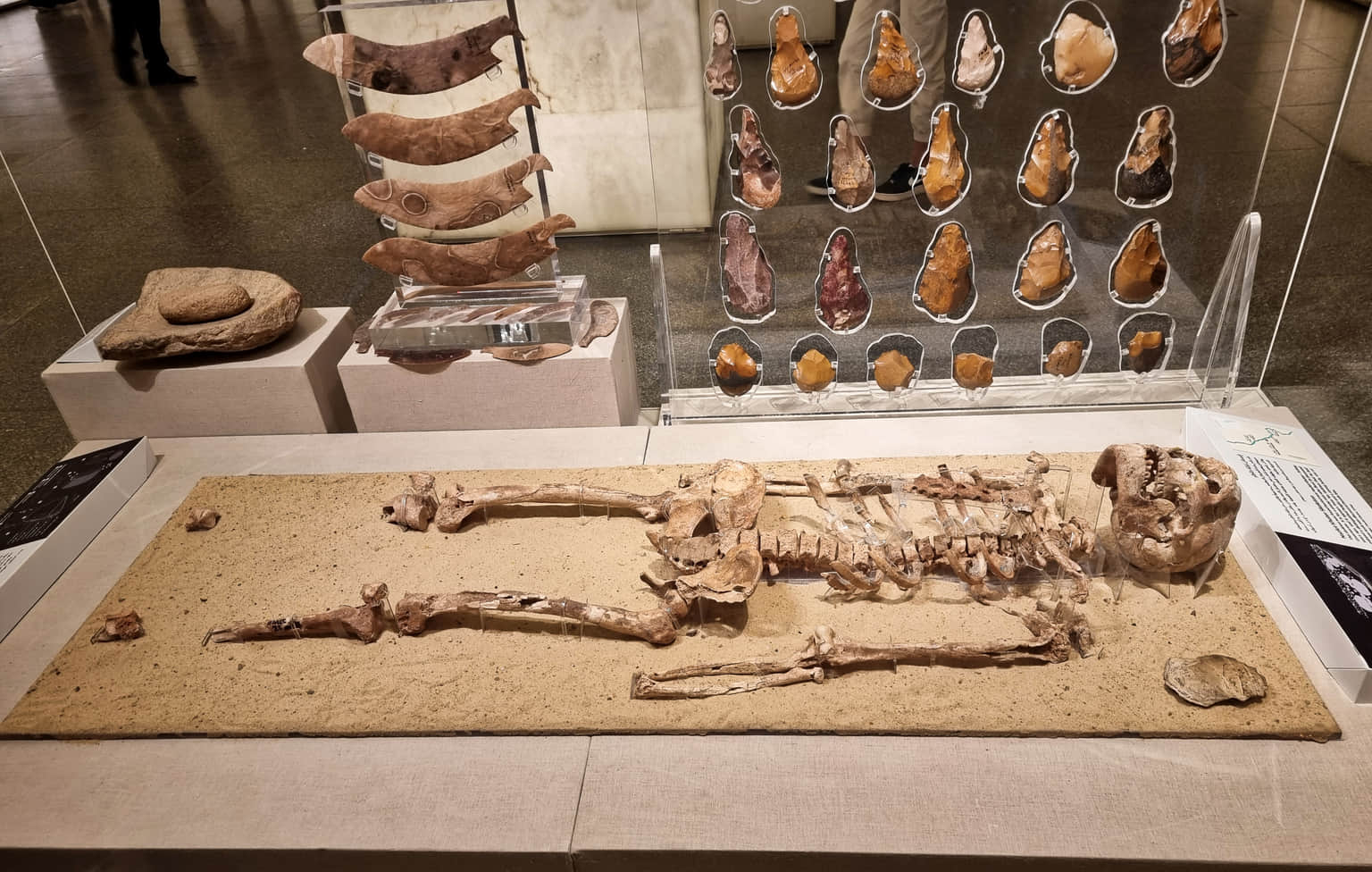
See the Nazlet Khater Skeleton
Discover the astounding 35,000-year-old Nazlet Khater Skeleton, the oldest human remains in Egypt, and venture into history. Discovered in 1980 near Nazlet Khater, this ancient figure was laid to rest alongside his stone tools. Dating back to the Upper Paleolithic era, it offers invaluable insights into human evolution. Its combination of modern anatomy and ancient features will grab your attention as it provides facts about the evolution of humankind.
.jpg?w=1536&q=65&format=auto)
Witness Sennedjem's coffin and belongings
When you visit the National Museum of Civilization, you can see the beautiful collection of Sennedjem's tomb. You can admire his magnificent coffin with its family's funeral masks and gods of protection adorning it. These masks, which were used to recognise them and protect their mummified faces, tell stories of rituals from long ago. Enjoy the beautifully painted furniture, which includes a chair that Sennedjem used to sit on. These small shabti figurines that look like their owners give you a look into centuries-old concepts.
.jpg?w=1536&q=65&format=auto)
Gaze upon Tabaketenmut's prosthetic toe
As you look around the National Museum of Civilization, get ready to be surprised by the prosthetic toe of Tabaketenmut, which is the oldest working prosthetic device in the world. This extremely lifelike toe, which dates to between 950 and 710 BC, belongs to a 55-year-old woman's mummy. It's an odd but fascinating sight, well preserved with minute details such as a carved toenail. This useful miracle helped Tabaketenmut move around easily after she lost her toe. It shows how creative and skilled people were in the past. You can be amazed by its practicality and realistic design, which demonstrates how people have evolved over time.
.jpg?w=1536&q=65&format=auto)
Admire King Ramesses II's Duck bracelets
Take a moment to admire the beautiful King Ramesses II Duck bands as you walk through the Museum. These bands, which were made by skilled craftsmen in the New Kingdom out of gold and lapis lazuli, show how good ancient craftsmanship could be. Look at the beautiful geometric patterns on the solid gold bands that are joined by hinges and clasps. The lapis lazuli body and spread-out tail of the double-headed duck add a touch of royal beauty. With Ramesses II's cartouche engraved on them, these bracelets show how rich ancient Egyptian rulers were.
.jpg?w=1536&q=65&format=auto)
Appreciate the ornate Mamluk lamps
The National Museum of Civilization has several stunning Mamluk lamps that you should stop and admire as you go through the museum. These delicate glass works of art, which used to be in the mosques of Egypt's famous sultans, show how beautiful Arabic writing is. With their bright enamel and lines from the Quran, they make you feel awe and respect. The Arabic writing, which skilled calligraphers wrote, flows into the lamp's curves and turns it into a work of art. As you gaze upon these elaborate lamps, you let yourself be fascinated by the illustrious history of Islamic art.
Popular Related Attractions

.jpg?w=1536&q=65&format=auto)
.jpg?w=1536&q=65&format=auto)






More Things to Do in Egypt
Quick links to everything else worth a slot on a longer stay.