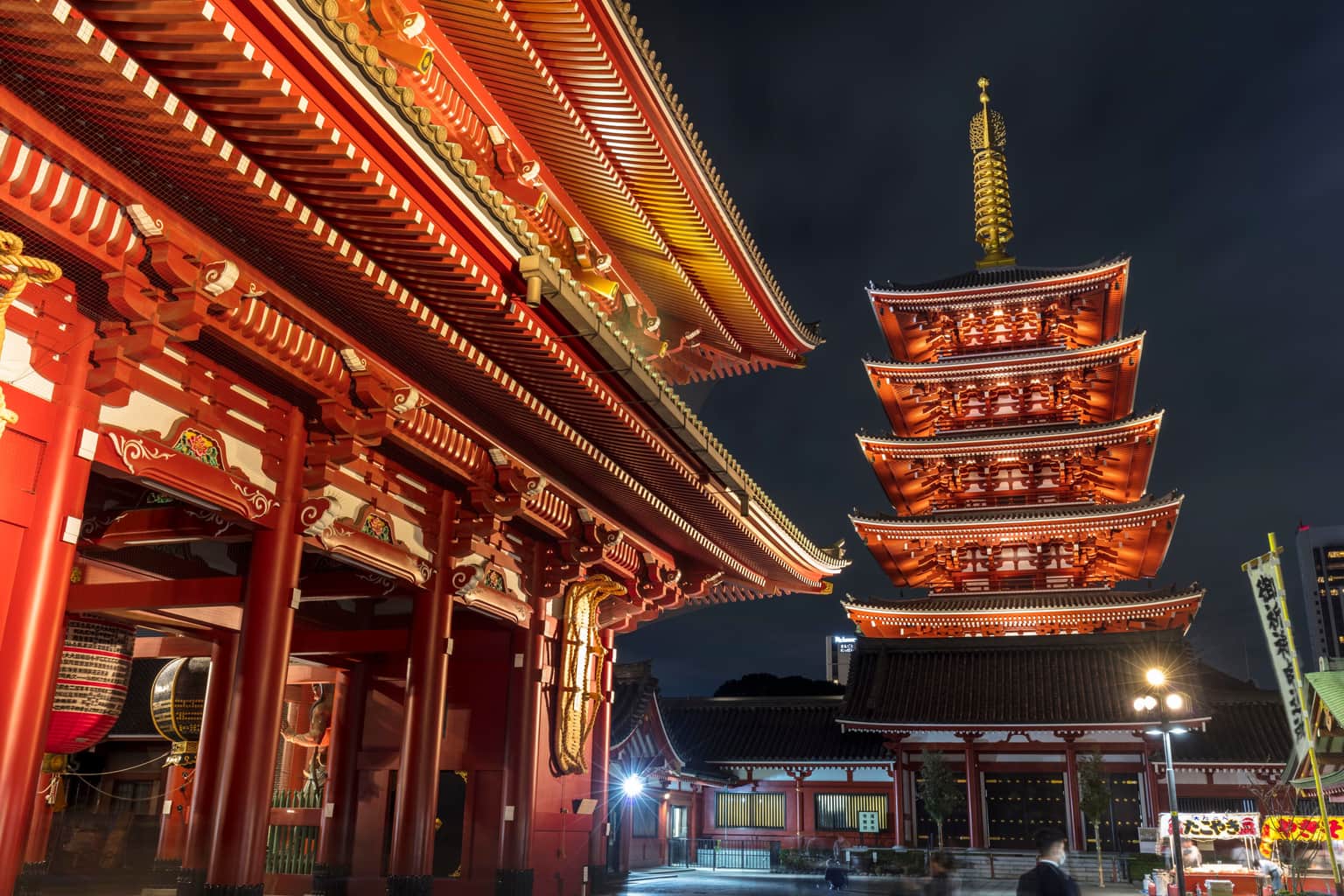
Goju-no-to Pagoda, Japan
About Goju-no-to Pagoda
Day Wise Timings
Burj Khalifa opening hours through the week.
Goju-no-to Pagoda Highlights

Why Choose Thrillophilia?
3 Million+
Happy customers from 70+ countries all around.
4.8/5
Rated across Trip Advisor and Google reviews.
Curated With Love
Special curated Indian itineraries built for Indians.
24/7 Assistance
Always there to help before and during trips.

Point of Interest for Goju-no-to Pagoda
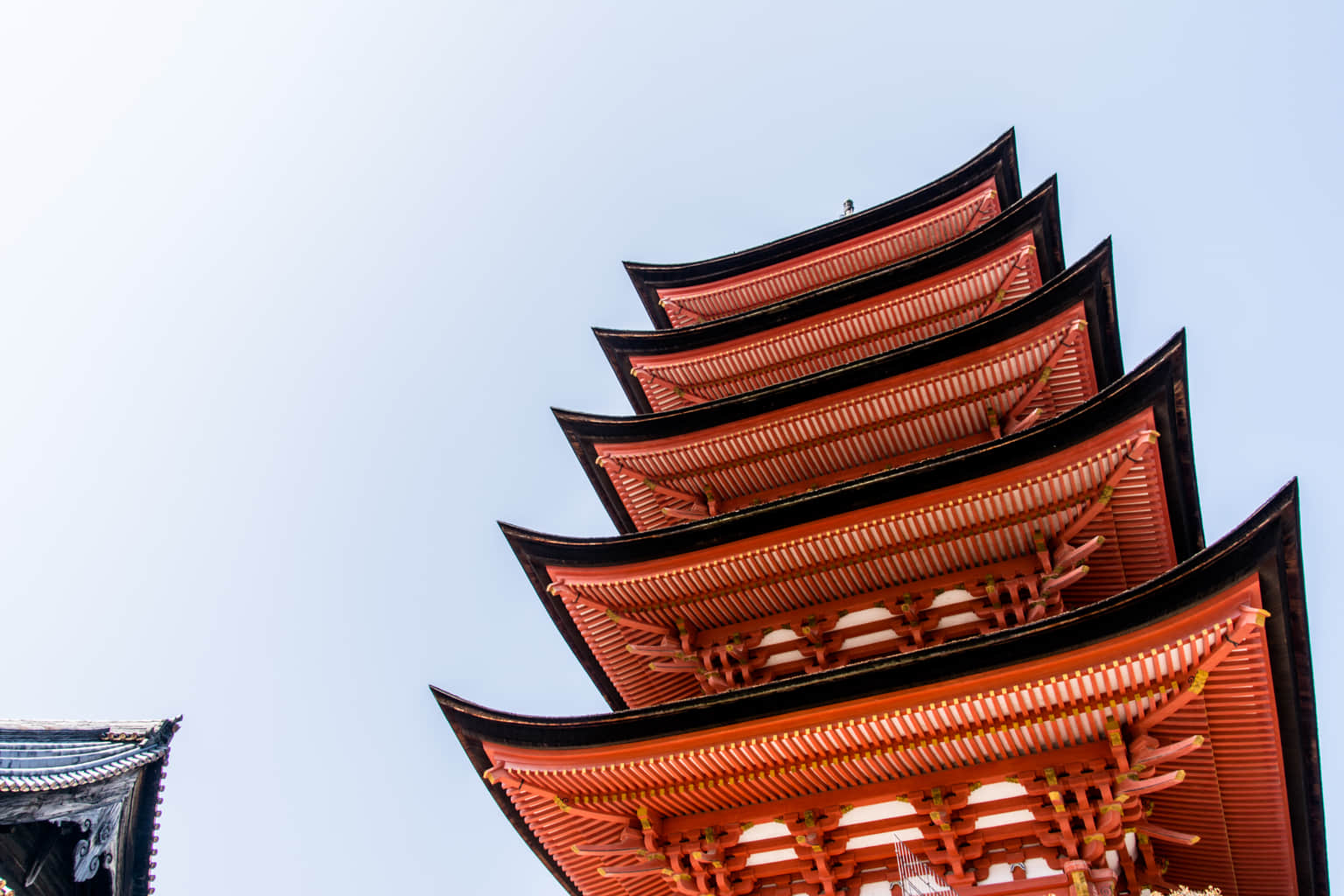
Admire the Architectural Design
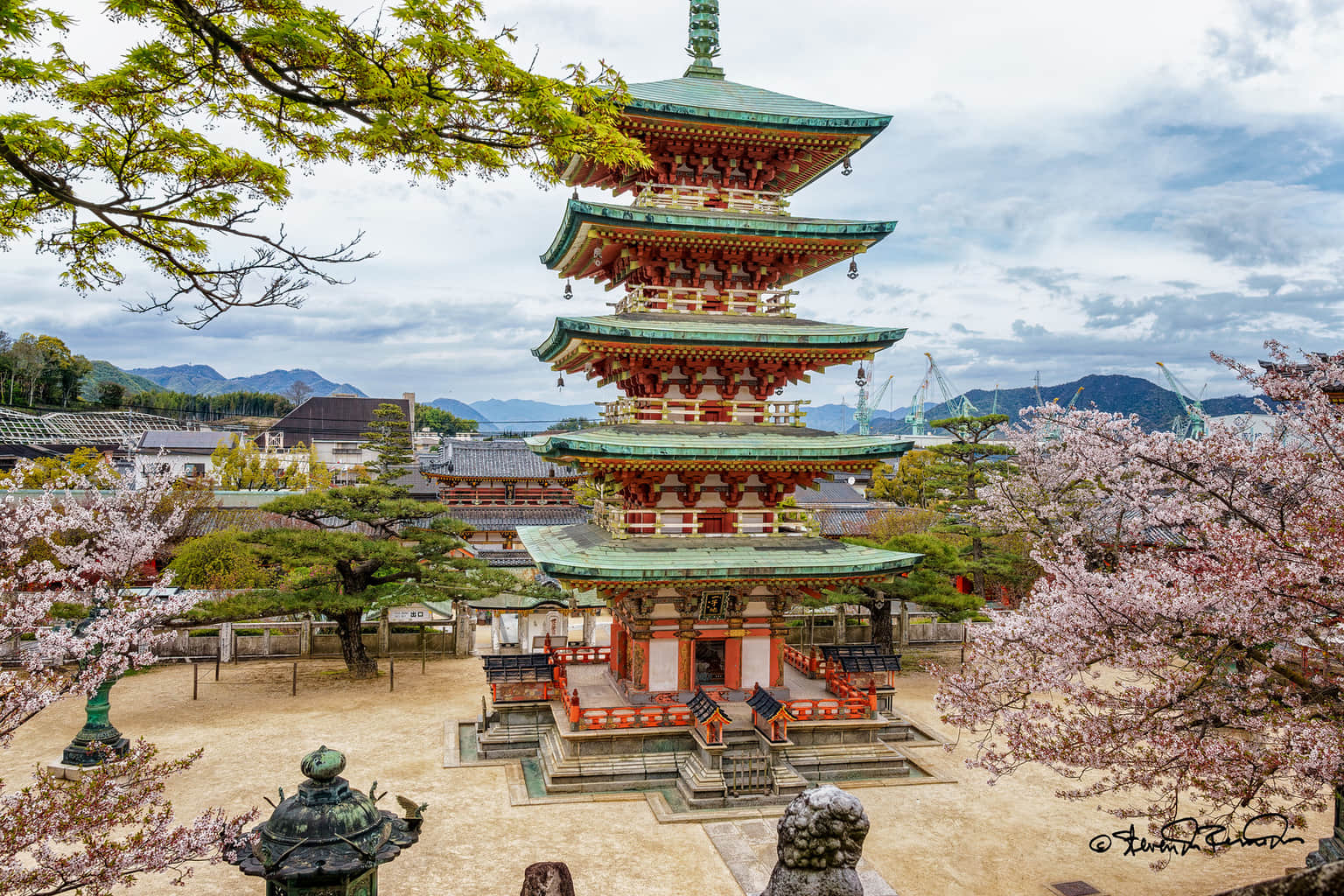
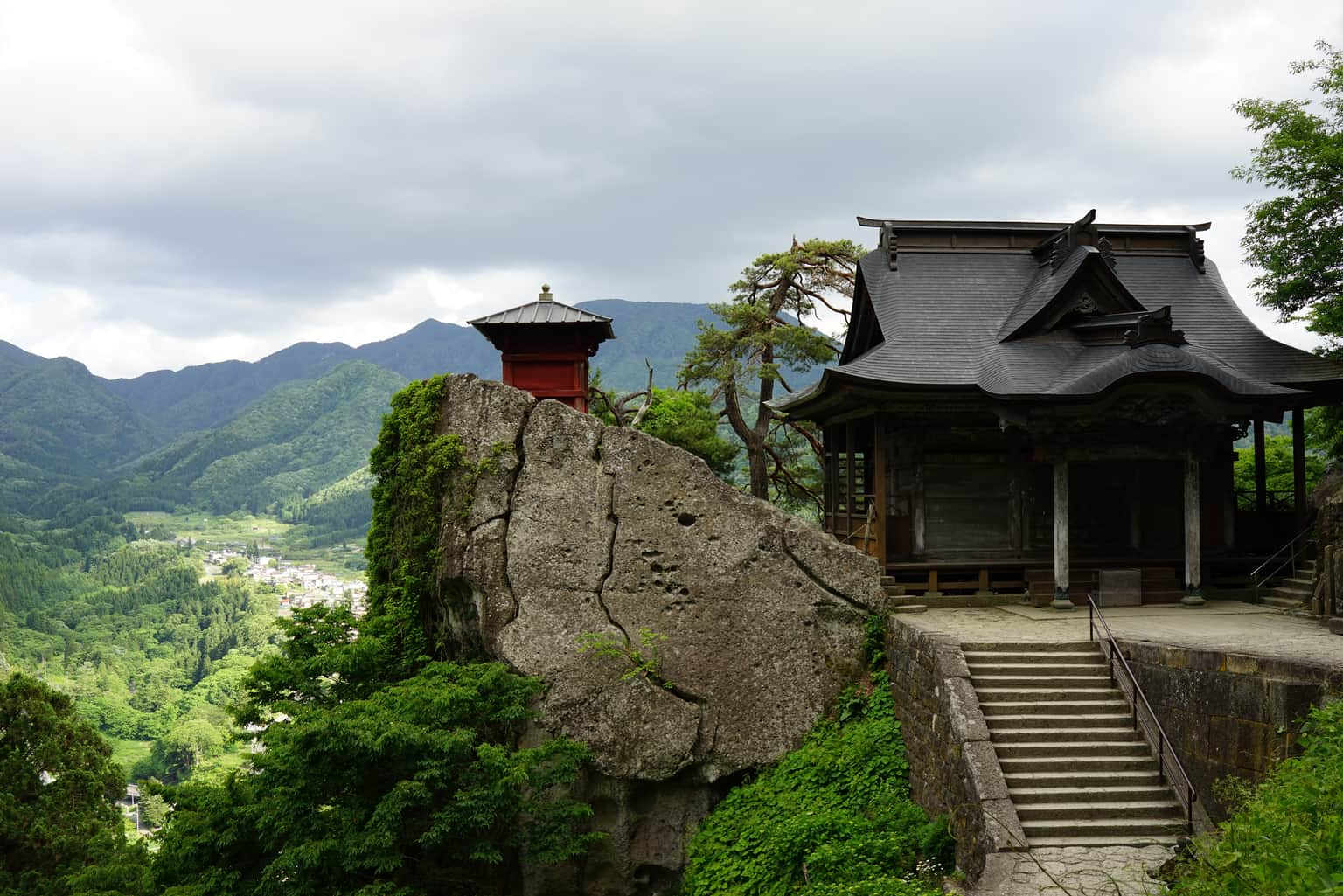
The Pagoda is a mesmerising sight of traditional Japanese architecture. It is characterised by five storeys; each symbolising an element. Earth (chi), water (sui), fire (ka), wind (fu), and sky (ku). The architectural design focuses on balance and harmony where every level is a little bigger than its predecessor. This creates a tapering effect and spellbound everyone. The curved edges and wooden construction depict intricate craftsmanship rooted in Japanese culture.
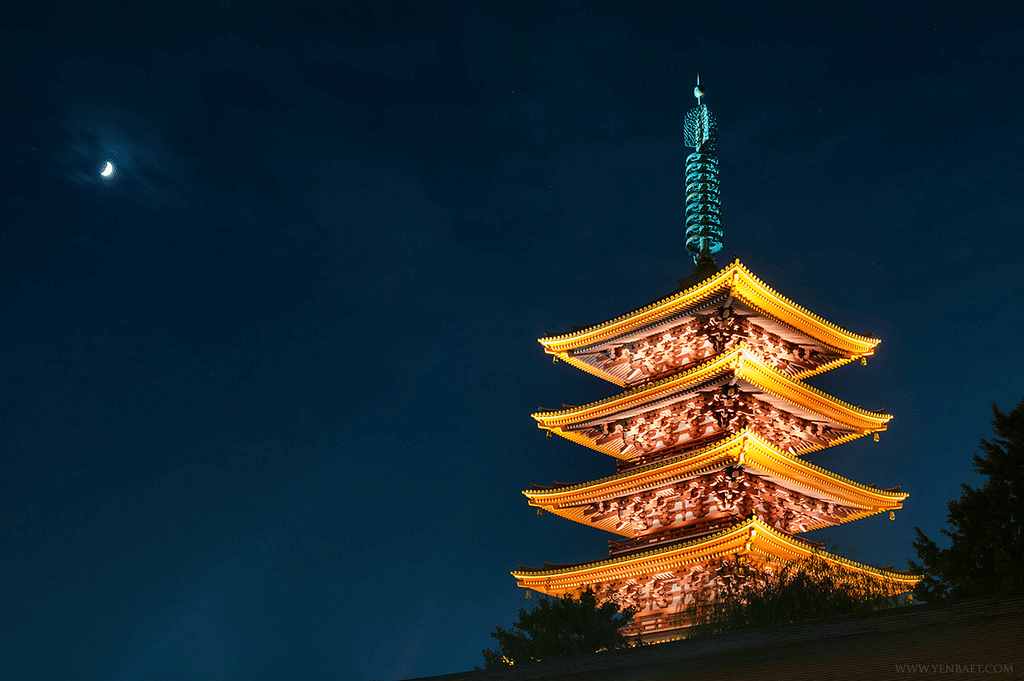
Learn About the Historic Significance
Goju-no-to Pagoda holds immense historical significance in Japan. It was constructed in the Asuka Era and serves as the shrine of Buddhist relics. This historical building reflects the cultural and religious significance of Buddhist temples. The history provides an insight into the cultural beliefs and practices of ancient Japan. As you explore this five-storey building, you will discover and appreciate the importance and context of Buddhism and its significant figures.
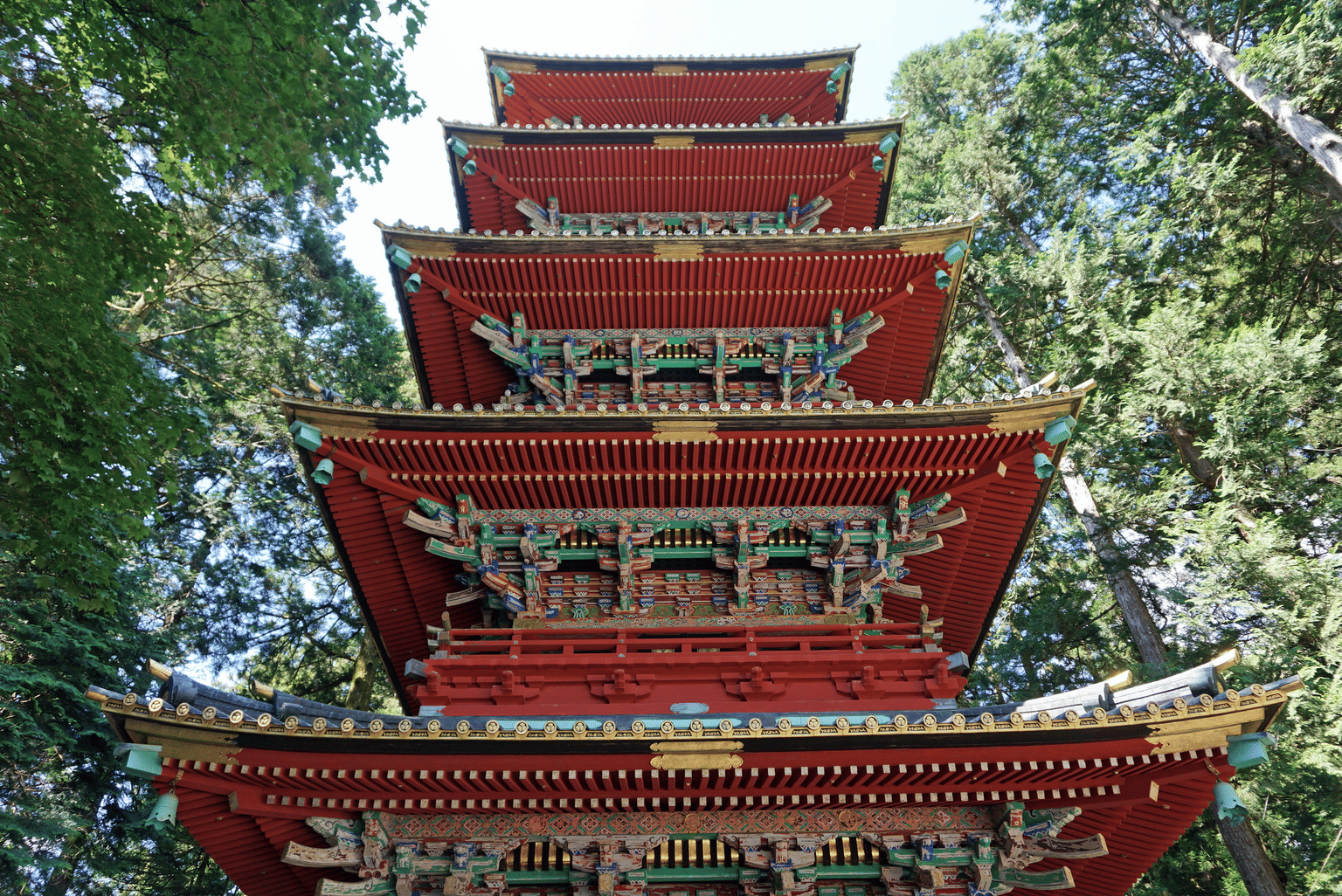
Stroll Through the Scenic Gardens
The pagoda is surrounded by gardens and is well-groomed. This offers a peaceful and picturesque environment to every visitor. There are fresh seasonal flowers, stone lanterns, pruned trees, and koi ponds for a picturesque view. As you stroll through the lush gardens, you will catch an escape from the busy world and connect with nature. The gardens follow a classic Japanese culture and focus on tranquillity, natural beauty, and the harmonious existence of nature and man-made elements.
Attend the Cultural Events
Goju-no-to Pagoda hosts cultural events frequently and promises an immersive experience to the visitors. You can participate in music performances and play instruments like shamisen and koto. Tea ceremonies are also conducted to learn about the importance of matcha and its preparation. The pagoda is also home to calligraphy sessions, allowing everyone to try their hands on the art. This provides a hands-on engagement with the Japanese cultural traditions.
Popular Related Attractions

.jpg?w=1536&q=65&format=auto)
More Things to Do in Japan
Quick links to everything else worth a slot on a longer stay.