_-_13.jpg?w=1536&q=65&format=auto)
Colonia Güell, Spain
About Colonia Güell
Day Wise Timings
Burj Khalifa opening hours through the week.
Colonia Güell Highlights

Why Choose Thrillophilia?
3 Million+
Happy customers from 70+ countries all around.
4.8/5
Rated across Trip Advisor and Google reviews.
Curated With Love
Special curated Indian itineraries built for Indians.
24/7 Assistance
Always there to help before and during trips.

Point of Interest for Colonia Güell
.jpg?w=1536&q=65&format=auto)
Witness the Gaudí’s Crypt
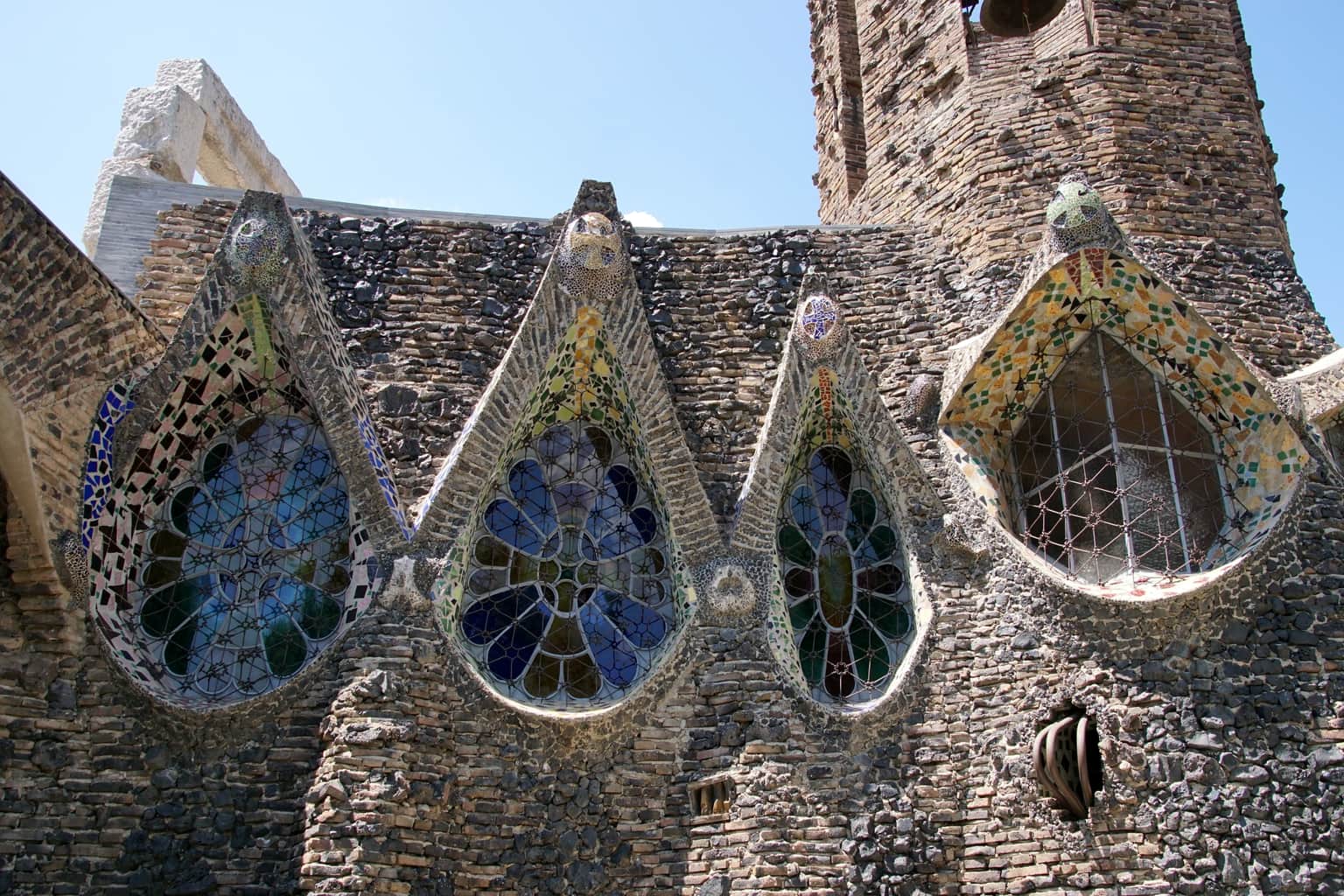
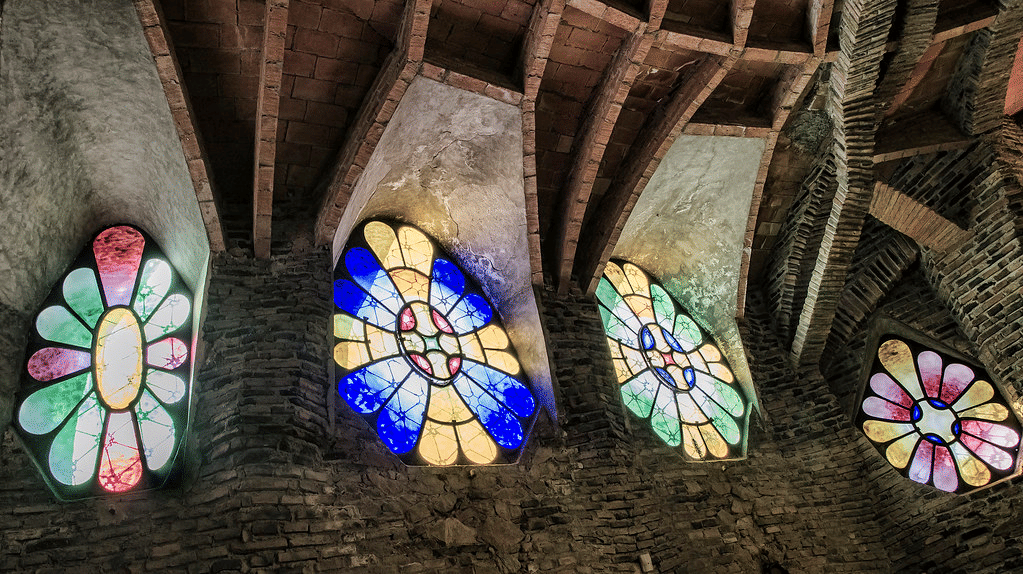
The Crypt of Colonia Güell is undoubtedly the most famous and significant point of interest in the village. Designed by the renowned architect Antoni Gaudí, this unfinished church was intended to serve as the centrepiece of the community. Despite its incomplete state, the crypt showcases Gaudí's groundbreaking architectural techniques, including his use of hyperbolic paraboloids, catenary arches, and inclined columns. The intricate stained glass windows and the organic, flowing design of the structure are quintessentially Gaudí. The Crypt is a UNESCO World Heritage Site and offers a glimpse into Gaudí’s evolving vision, making it a must-see for architecture enthusiasts and admirers of his work.
Admire the Modernist Architecture Throughout the Village
As you stroll through Colonia Güell, you'll encounter several examples of early 20th-century Modernist architecture, reflecting the innovative spirit of the time. The village was designed to be a self-contained community for workers, and the residential buildings, schools, and other facilities were built with both functionality and aesthetic beauty in mind. Architects like Francesc Berenguer, a close collaborator of Gaudí, contributed to the design of these buildings. The use of brick, ceramic tiles, and intricate ironwork, all hallmarks of the Modernist movement, are evident throughout the village. The harmonious blend of form and function in these structures provides insight into the social ideals of the era.
Explore the Former Textile Factory
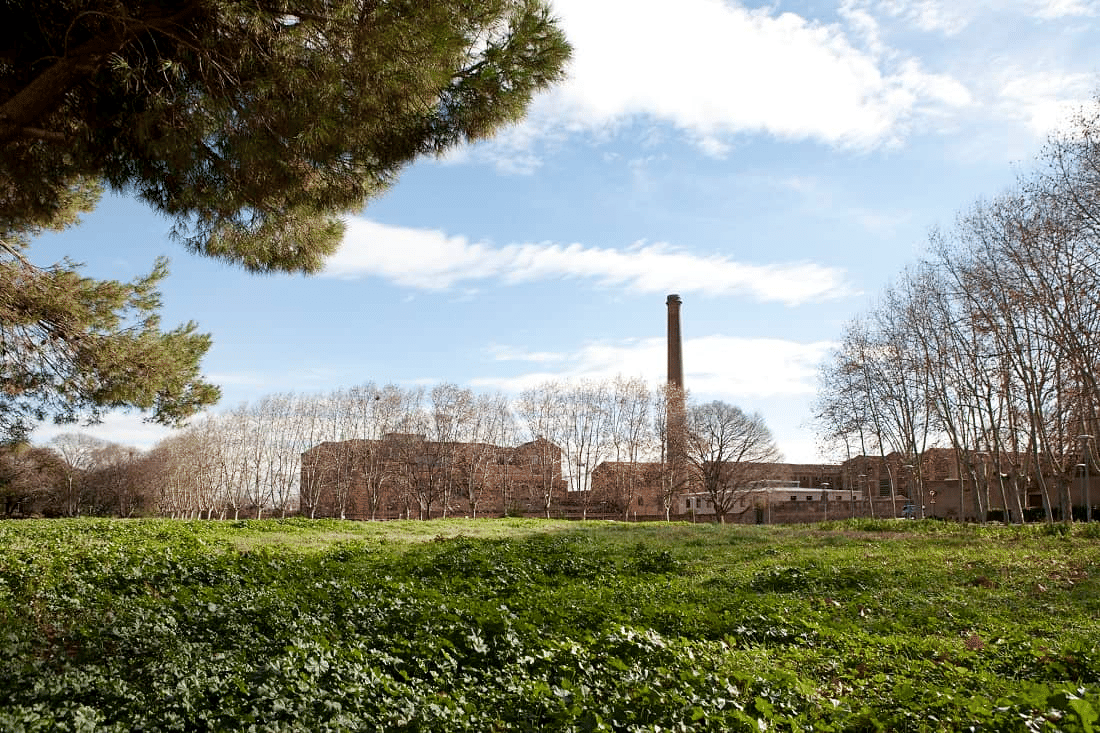
The textile factory, around which Colonia Güell was originally established, is a significant landmark that speaks to the village's industrial past. Founded by Eusebi Güell, the factory was a major employer in the region and was central to the community’s life. Today, visitors can explore the factory’s remains, which offer a fascinating look into the industrial heritage of Catalonia. The factory played a crucial role in the economic development of the area, and its presence provides a deeper understanding of the working conditions and daily life of the people who lived in Colonia Güell.
Head to the Interpretation Centre
Before delving into the village, a visit to the Interpretation Centre is highly recommended. Located in the old cooperative building, the centre provides a comprehensive overview of Colonia Güell’s history, from its founding by Eusebi Güell to its development as a model industrial colony. The exhibits include photographs, models, and multimedia presentations that explain the architectural significance of the crypt and the village’s layout. The Interpretation Centre is an excellent starting point for understanding the broader context of the village.
Popular Related Attractions

.jpg?w=1536&q=65&format=auto)



.jpg?w=1536&q=65&format=auto)
More Things to Do in Spain
Quick links to everything else worth a slot on a longer stay.