thrillophilia-logo
INR
login

About Lolab Valley

Prime Day & Hours: Monday to Friday, 9 AM to 3 PM, and weekends

Suggested Duration: 1 to 2 days

Tickets: Free entry

Nearest Railway Station: Baramullah railway station, approximately 64 km away

Nearest Airport: Sheikh ul-Alam International Airport (SXR), approximately 90 km away

Nearest Bus Stop: Kupwara Bus Stand, approximately 4 km away.

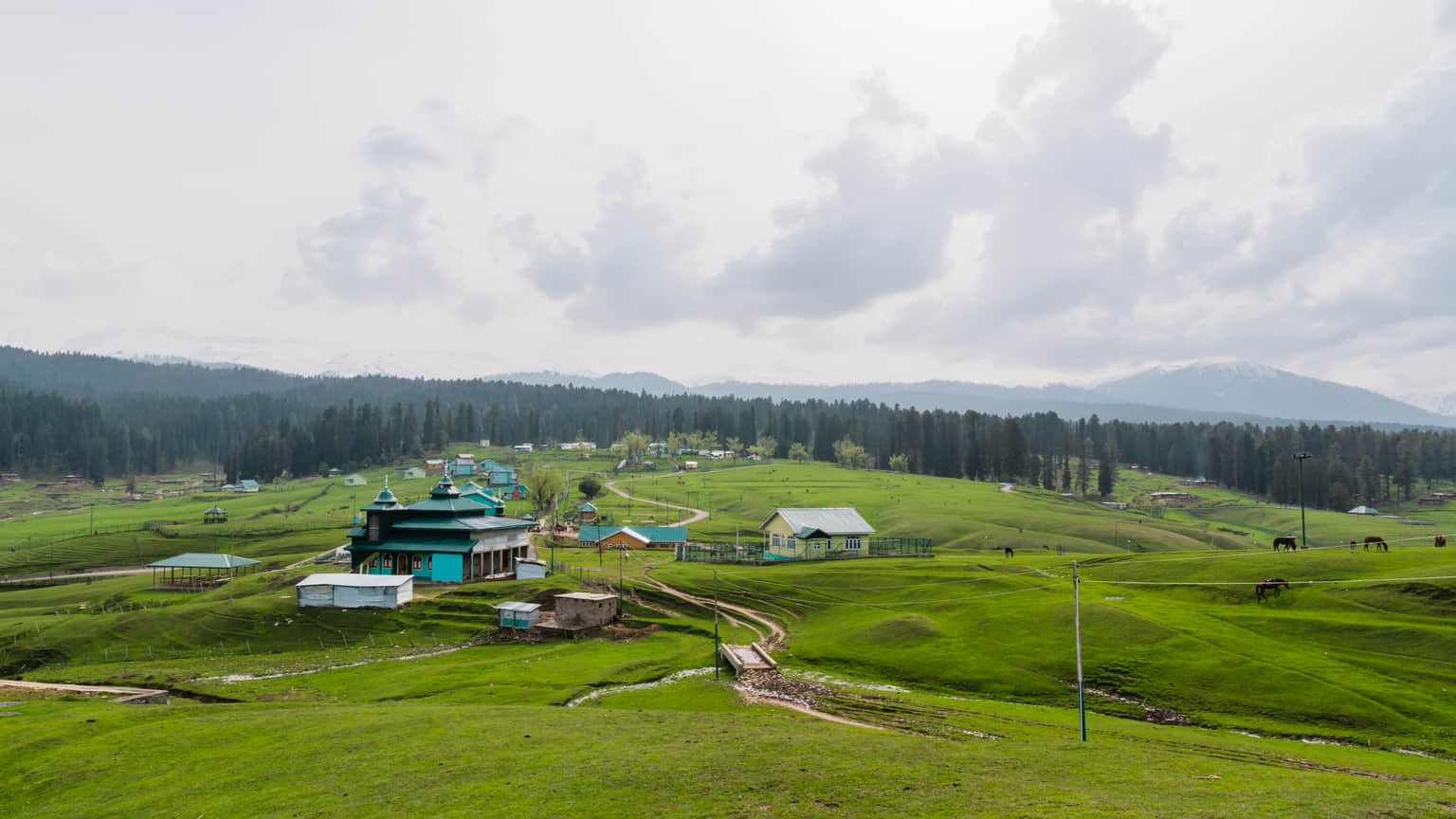
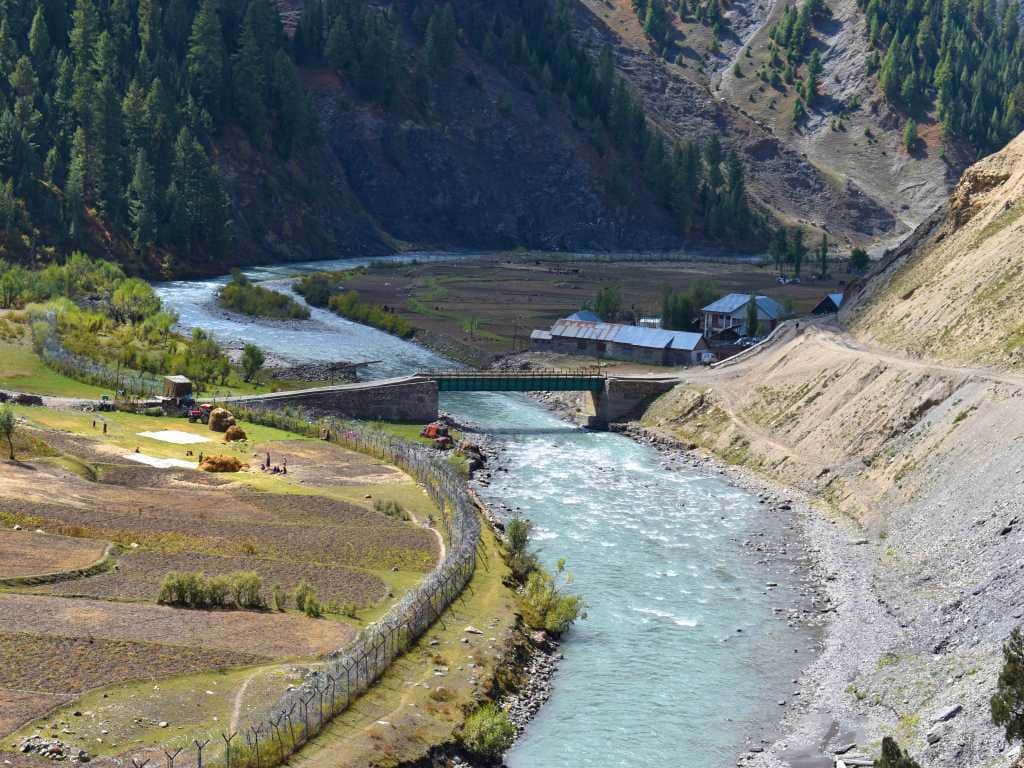
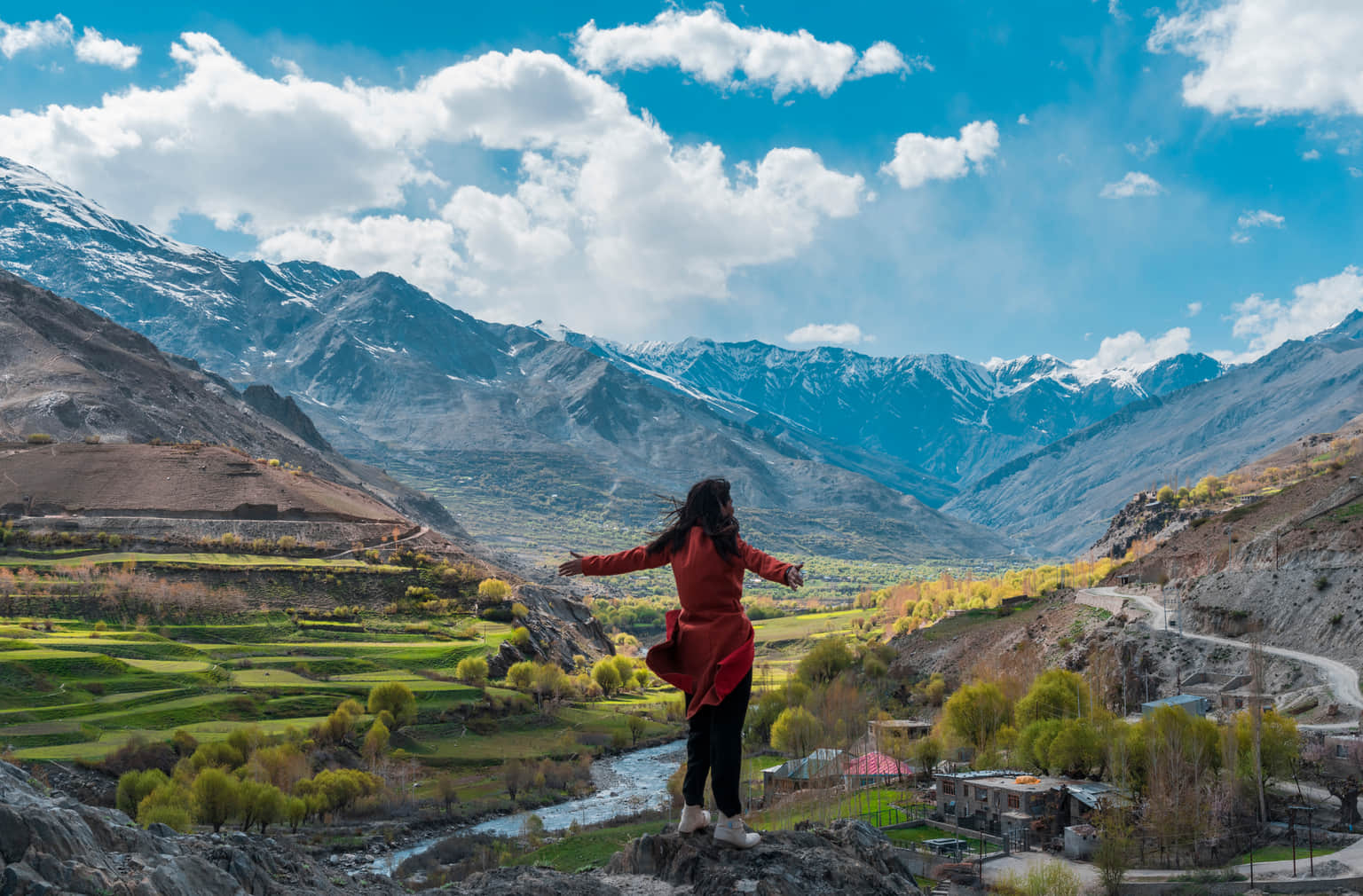
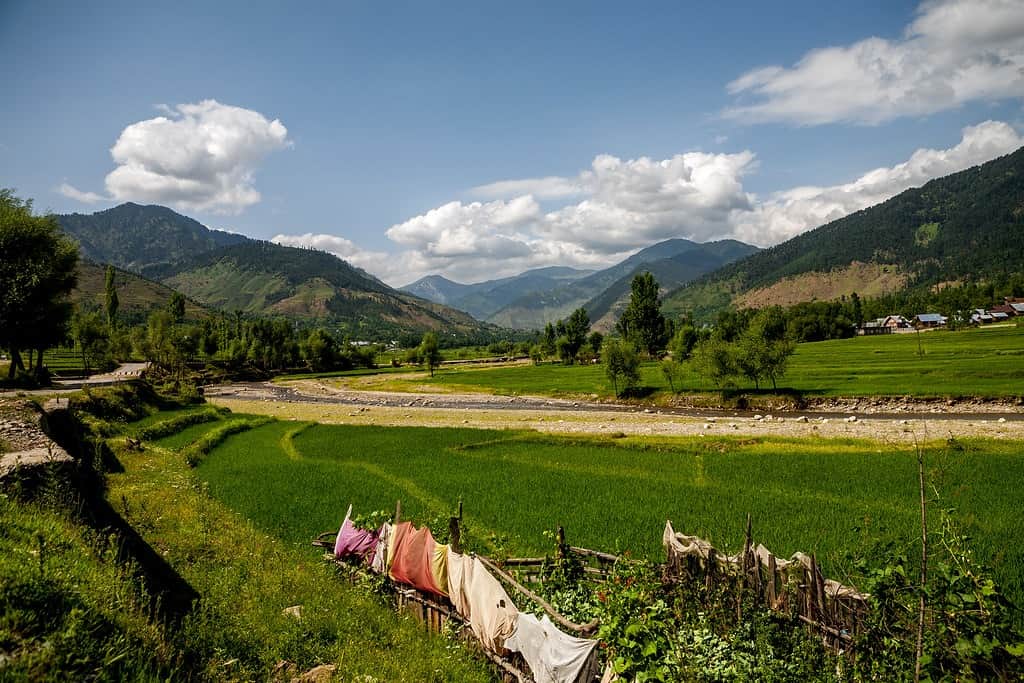
Enclosed by fruit orchards and pine forests, Lolab Valley is a stunning green valley in Kupwara. Known as the "fruit bowl of Kashmir," it is teeming with apricot, peach, walnut, and apple trees. The Lahwal River carved out the valley, which is home to peaceful settlements and lovely springs.

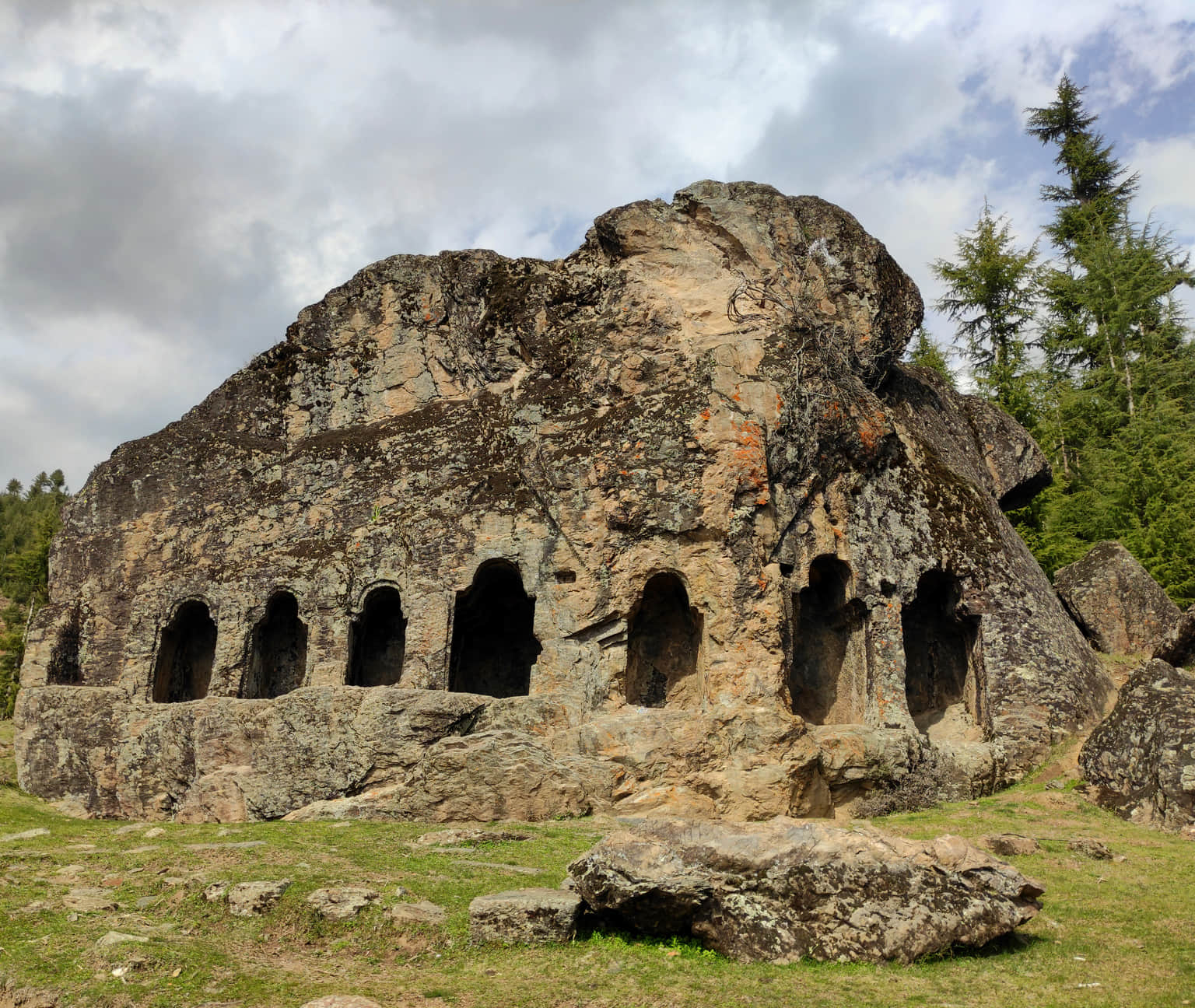
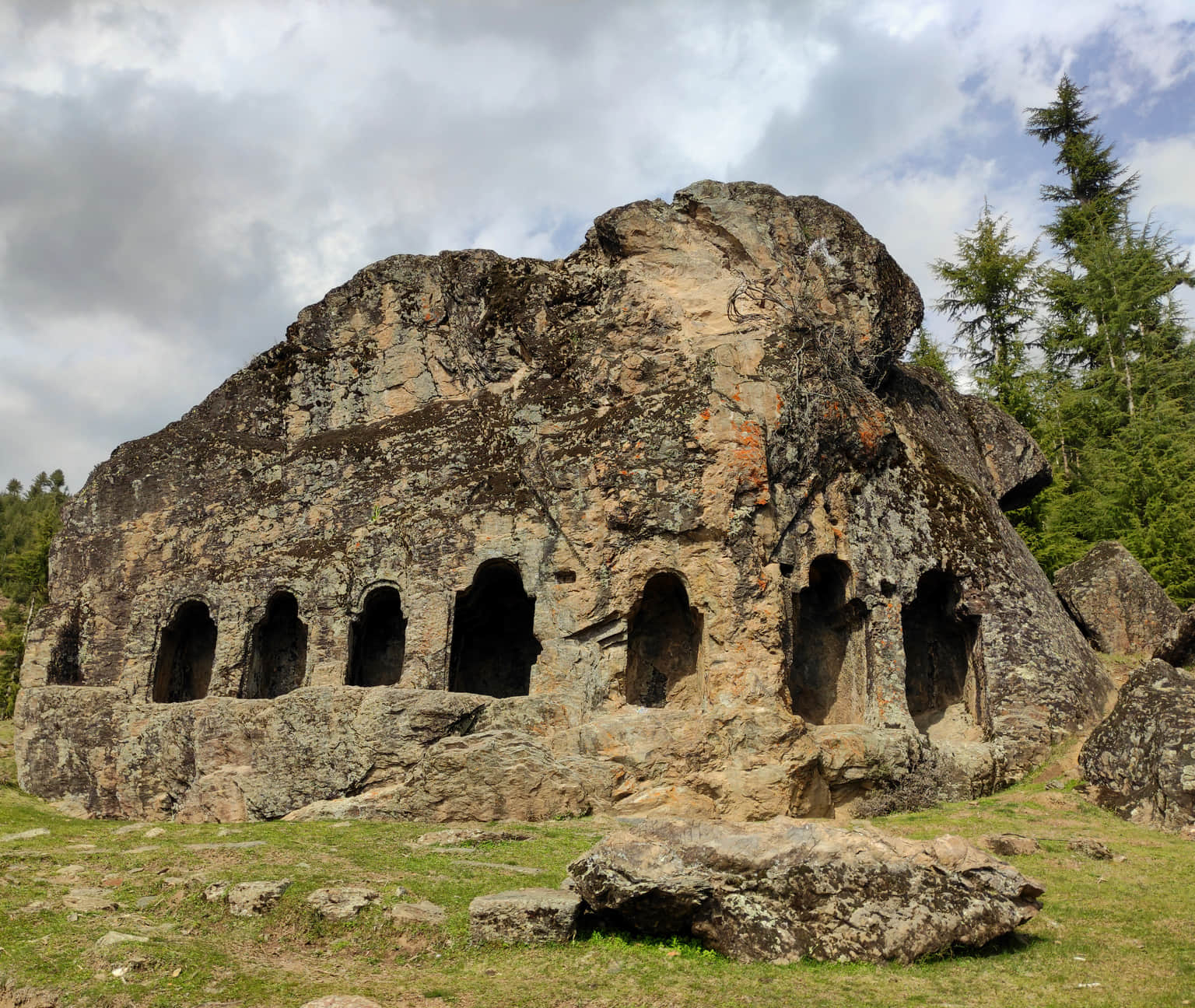
You may walk to the fascinating Satbaran Rock, which contains seven engravings that resemble doors but have no known origin. From here, continue walking through the forest to the Kalaroos Caves, once believed to be Russian tunnels—an offbeat yet romantic stop often included in curated Kashmir honeymoon packages.

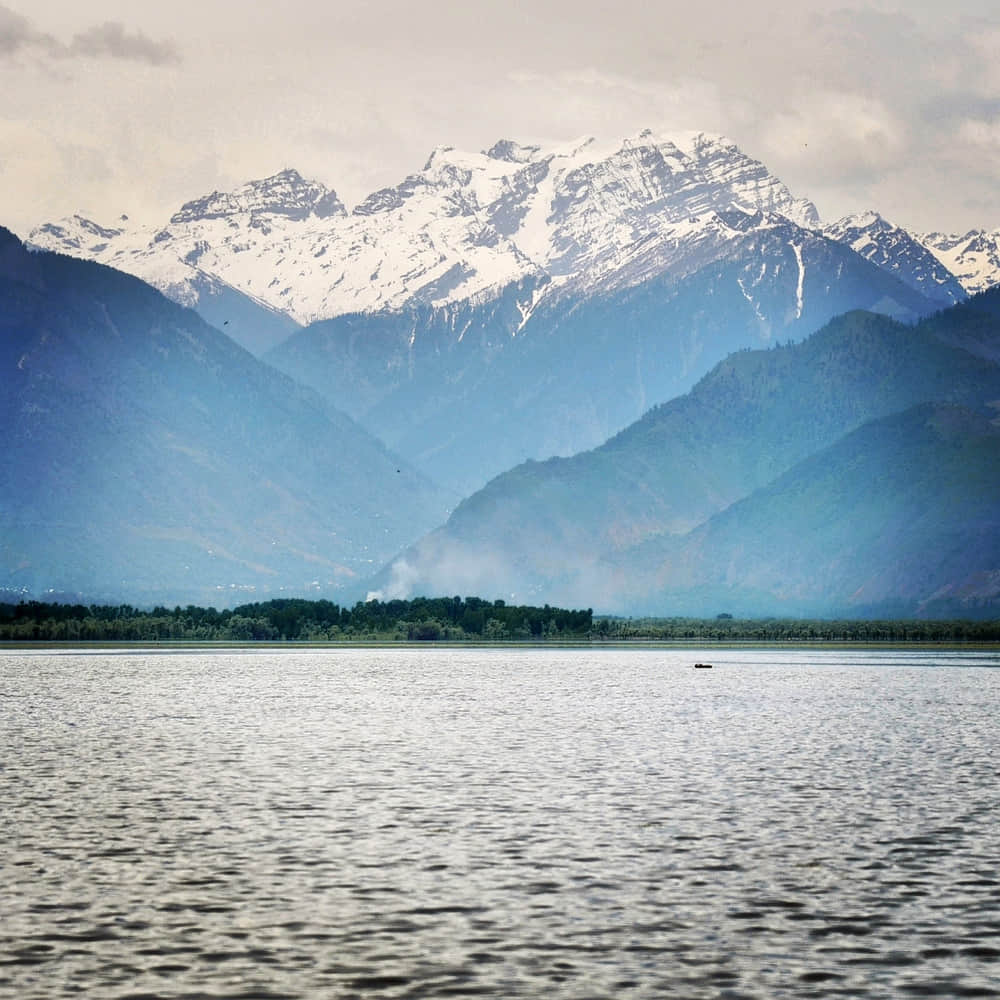
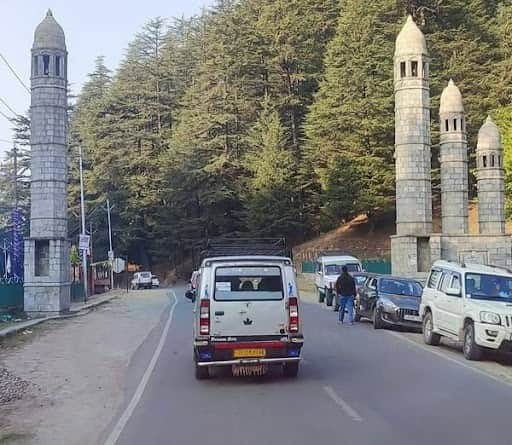
At the entrance to the valley, stop by the Anwar Shah Kashmiri Memorial Gate and capture beautiful pictures of the river and the little park next to it. With permission, you can walk up to the Zamindar Gali Pass and see Nanga Parbat in the distance as part of the Kashmir tour packages. If permitted, you can also proceed to Machil Valley, an enchanting region with large meadows, little settlements, and clean streams.

Lolab Valley Highlights

• Visit the pristine oval valley of Lolab, which is 5,420 feet high and boasts trees, orchards, and friendly locals just outside of Kupwara.
• Discover Potnai, Brunai, and Kalaroos, three distinct regions throughout the 25-kilometer valley that offer a variety of landscapes, peaceful walks, and local culture.
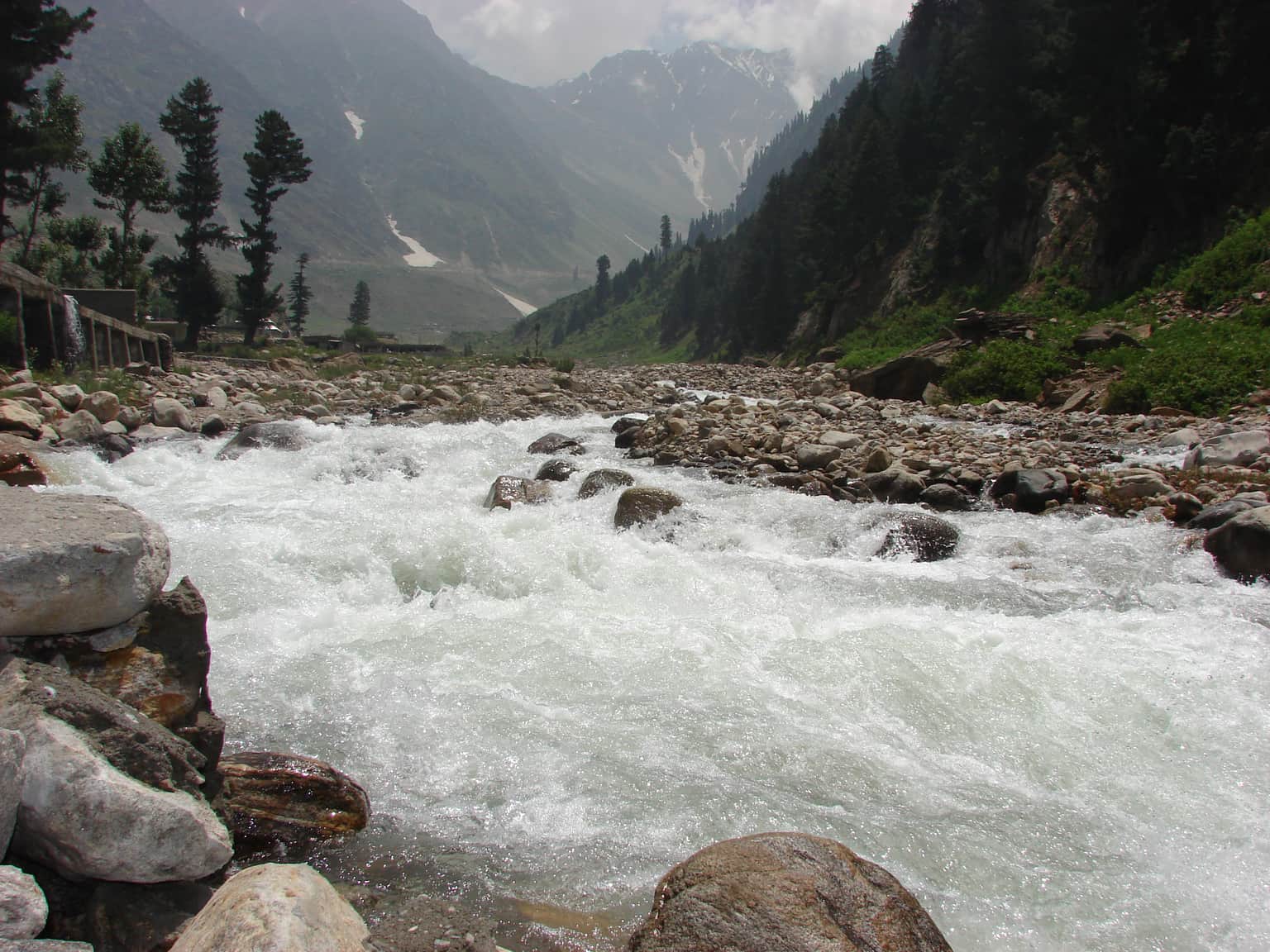
• Tour dense pine and fir forests, where the Lahwal River gently winds through grassy meadows and icy springs flow.
• Enjoy fresh peaches, walnuts, apricots, and apples in open orchards, which have earned Lolab the title "fruit bowl of Kashmir.

How To Reach Lolab Valley

By Road: Lolab Valley is about 90 kilometres from the centre of Kupwara. Thus, it will take you about 2 hours and 20 minutes via NH-1 whether you drive a car or take a taxi or bike.

Best Time To Visit Lolab Valley

Peak Season (April to June)

  • Weather Insights: Pleasant weather with temperatures between 15°C to 25°C.
  • Things to Do: Trek to Satbaran and Kalaroos Caves, visit local villages, enjoy fruit picking, and explore pine forests.

Moderate Season (July to September)

  • Weather Insights: Mild temperatures around 18°C to 22°C with occasional showers.
  • Things to Do: Short scenic walks, nature photography, and village visits.

Low Season (October to March)

  • Weather Insights: Cold temperatures ranging from -2°C to 10°C with occasional snowfall in winter.
  • Things to Do: Enjoy quiet landscapes, snow views, and peaceful village stays.

Lolab Valley Other Essential Information

Why Visit?

  • The Lolab Valley, located in the Kupwara area, was formerly known as "Lolo" and is named for its founder, Maharaja Lolo.
  • It borders the Kishenganga Valley close to the Line of Control and extends from Goose Village to Diver.
  • Numerous military battles have occurred in the valley, affecting the native animals and forest ecosystems.
  • A lot of different kinds of animals used to live there, but long-term violence and damage to the forests forced many species to move.

Know Before You Go

  • Wear comfortable shoes because mountain trekking is required to see locations like Satbaran and Kalaroos.
  • Bring your water and food as shops are scarce in most parts of the valley. 
  • Employ a local guide to assist you in locating unmarked routes and caverns.
  • Bring warm clothes because even in the summer, temperatures can dip quickly.
  • Notify someone of your path because mobile networks might not function in several places.
  • Obtain authorisation from local authorities before entering restricted regions such as Machil and Z Gali.
Day Wise Timings
Open Today
mo
Normal Timings:
Open 24 Hours
tu
Normal Timings:
Open 24 Hours
we
Normal Timings:
Open 24 Hours
th
Normal Timings:
Open 24 Hours
fr
Normal Timings:
Open 24 Hours
sa
Normal Timings:
Open 24 Hours
su
Normal Timings:
Open 24 Hours
Point of Interest for Lolab Valley
Hike to Satbaran Rock
1

Hike to Satbaran Rock

To get to Satbaran Rock, go up a forest track close to Kalaroos village. This huge rock has seven carvings that look like doors, all lined up on one side. You can look at every carving up close as you stroll around the rock. Before continuing onwards, a lot of visitors pause here to rest and snap pictures.
Explore the Kalaroos Caves
2

Explore the Kalaroos Caves

Spend the next twenty minutes or so trekking upward into the jungle from Satbaran Rock. This is the first of three natural underground chambers you will come to. Cave 1's entrance is small and slopes down. Cave 2 has a broad entrance, is larger, and is situated higher., and at the summit is Cave 3. Despite their little depth, these caves are thought to be ancient.
Visit the Anwar Shah Memorial Gate
3

Visit the Anwar Shah Memorial Gate

There is a stone gate with two pillars at the entrance of Lolab Valley, which is close to Kupwara. It was constructed as a tribute to scholar Anwar Shah Kashmiri. There is a little park next to the entrance where you can relax and stroll alongside the river. On your walk in or out, it's an excellent place to take pictures.

Tourism Board Alliances

Lolab Valley FAQs

Why is the Lolab Valley famous?

Lolab Valley is famous for its natural springs, dense pine and fir forests, and rich fruit orchards. It is also known for the mysterious Satbaran rock, the ancient Kalaroos Caves, and scenic villages like Sogam and Kalaroos.

Where is Lolab Valley?

Lolab Valley is in the Kupwara district of north Kashmir, about 2 hours and 40 minutes from Srinagar. It lies between the Kashmir and Neelum valleys and is known for its apple orchards, pine forests, and peaceful mountain villages.

What to see in Lolab Valley?

In the Lolab Valley, you can observe Satisar Lake and clear-water springs like Lavnag and Gauri. You can also visit nearby towns like Kalaroos, Lalpor, Kigam, Tekipora, Kandi, Chandigam, and Muqam. These towns all have peaceful settings, breathtaking views of nature, and a thriving local life.

Which river forms the Lolab Valley?

The Lahwal River, which flows across the area from east to west, forms Lolab Valley. The river shapes the landscape of the valley. It is surrounded by thick pine and fir forests, and the valley is home to numerous ancient natural springs.

How many villages are in Lolab?

Lolab Valley has about 35 villages spread out in and around its main area. Orchards of cherries, walnuts, and apples surround these villages. The two largest settlements in terms of population are Sogam and Lalpura. Other significant settlements with their specific charm are Khumarial, Krusan, Diver, Chandigam, Doruswain, and Cheerakut.

Why Choose Thrillophilia