Reviewed by Thrillophilia Europe Operations Team
Europe tour packages range from INR 135,000 to INR 390,000 per person for 7 to 15-day trips. These packages include accommodation, airport transfers, intercity transportation, sightseeing tours, and 24/7 on-ground assistance. Our itineraries are designed for every kind of traveller, covering countries like France, Switzerland, and Italy, along with iconic cities such as Paris, Rome, Venice, Lucerne, Amsterdam, Vienna, and Prague.
Europe is one of the most preferred international destinations for Indian travellers because of its historic landmarks, scenic Alpine landscapes, vibrant cities, and diverse local cultures. You can explore the Eiffel Tower in Paris, cruise through Venice's canals, visit the Swiss Alps, and walk the streets of Rome across a single trip. Thrillophilia offers Europe packages suited for families, couples, friend groups, and honeymooners, with options across different budgets and travel durations.
To make the journey smoother for Indian travellers, Thrillophilia also provides Schengen visa assistance and end-to-end travel support. With 26,900+ verified travellers and a consistent 4.7-star rating across Europe reviews as of June 2026, every package is built with comfortable travel schedules, smooth routing, and the kind of detail that only comes from having run these trips across multiple seasons.
Why Indian Travellers Choose Thrillophilia for Europe
- All-inclusive packages covering stays, curated activities, and 24/7 travel assistance
- Flexible customisation for different travel styles, budgets, and group sizes
- Schengen visa support with complete documentation guidance and embassy assistance
- Transparent pricing with full cost breakdown discussed before payment, no hidden charges
- 26,900+ verified travellers, rated 4.7 stars across Europe reviews (June 2026)
Europe Trip Cost from India — Realistic Budget Breakdown
Europe trip package prices from India vary based on the destinations covered, trip duration, travel season, and package inclusions. Here's a detailed breakdown across different package types.
Most Booked Europe Tour Packages (June 2026)
|
Iconic Europe | 7 Days | Paris + Switzerland | INR 1.35L+ | First-time Europe travellers wanting to cover the Eiffel Tower and the Swiss Alps |
Classic Europe | 9 Days | Italy + Switzerland (Rome, Florence, Venice, Zurich) | INR 1.68L+ | Travellers seeking a blend of history, culture, and Alpine scenery |
Europe Highlights | 11 Days | France, Switzerland, Italy & Vatican City | INR 2.23L+ | Travellers wanting to visit Europe's most iconic cities and landmarks in one journey |
Grand Europe | 13 Days | France, Netherlands, Germany, Switzerland, Austria & Italy | INR 2.94L+ | Travellers wanting a comprehensive multi-country Europe experience |
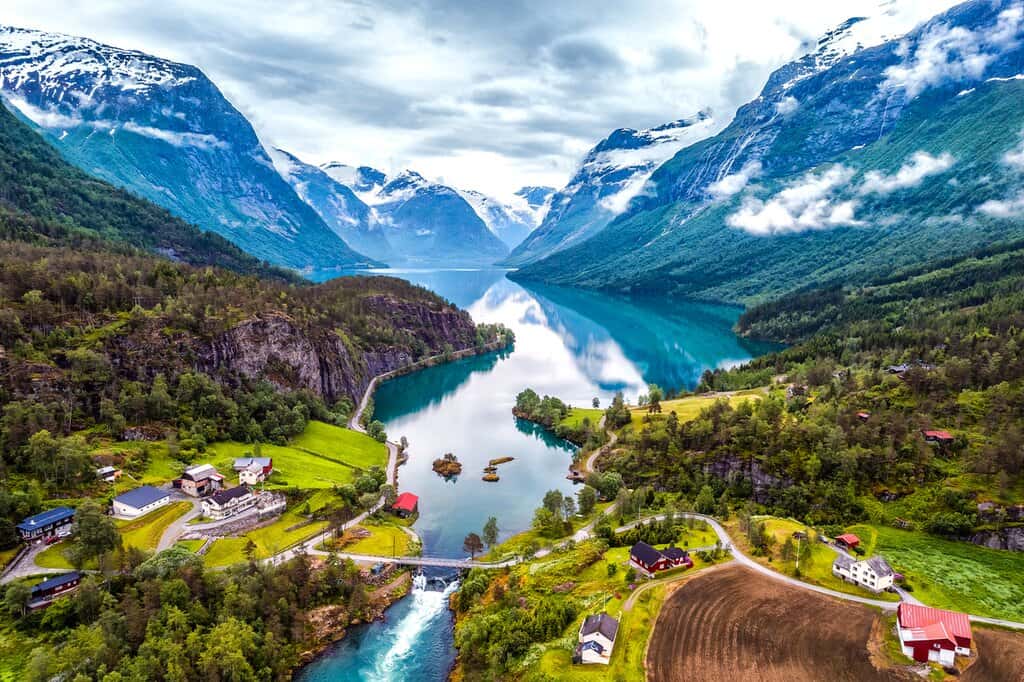
Nordic Europe | 13-14 Days | Norway, including Oslo, Bergen, Stavanger, Tromso, fjords and Arctic regions | INR 3.66L+ | Fjords, Northern Lights, Arctic experiences, and scenic rail and cruise journeys |
Daily Expense Guide (Per Person)
|
Accommodation per night | INR 4,500 to 8,000 (3-star) | INR 9,000 to 18,000 (4-star) | INR 20,000+ | Prague and Budapest are 30 to 40% cheaper than Paris or Zurich for the same hotel category. |
Meals per day | INR 2,500 to 4,000 | INR 5,000 to 9,000 | INR 10,000+ | Buying food from grocery chains like Migros (Switzerland) and Lidl (Germany, France) helps bring costs down significantly. |
Internal transport | INR 3,000 to 6,000 (rail) | INR 7,000 to 14,000 | INR 15,000+ | High-speed trains are the most efficient option for most routes. |
Activities and entry | INR 9,000 to 16,000 per day | INR 9,000 to 16,000 per day | INR 9,000 to 16,000 per day | Jungfraujoch, Eiffel Tower summit, Vatican guided tours, and gondola rides are the most expensive experiences. |
What Is Included in a Thrillophilia Europe Package
- Accommodation in 3-star to 4-star hotels chosen for proximity to train stations and city-centre attractions
- Daily breakfast with vegetarian options
- Intercity travel by high-speed train, internal flight, or private transfer as per the route
- Airport pickup and drop-off on arrival and departure days
- Pre-booked entry tickets to major attractions such as the Eiffel Tower, Jungfraujoch, the Colosseum, and the Vatican Museums
- 24/7 on-ground coordinator with pre-departure checklists, confirmed ticket slots, and day-by-day guidance shared in advance
Optional Add-Ons
Thrillophilia's Europe travel team gets in touch with you about your specific requirements before suggesting a package, so you pay for what you actually need. Available add-ons include:
- International flights from Delhi, Mumbai, Bengaluru, Hyderabad, or Chennai
- Schengen visa fee (government fee paid separately, can be bundled for end-to-end support)
- Lunch and dinner in your choice of cuisine, veg, non-veg, local, or mixed
- Travel insurance covering the mandatory EUR 30,000 (INR 33,30,300.00) minimum for Schengen
- Personal preferences such as local transport, leisure activities, and shopping assistance
Our Booking Data: Travellers who covered more than 3 countries in under 10 days often found the trip rushed. For a more comfortable and enjoyable Europe journey, 2–3 countries in 10–12 days usually works best.
Source: Thrillophilia booking data, June 2026.
What Makes Europe Package Prices Go Up or Down
- Season: May to September is the peak travel season in Europe, with July and August being the most expensive months. April and October usually offer pleasant weather with comparatively better prices, while winter remains the most budget-friendly season outside the Christmas and New Year period.
- Countries selected: Switzerland, France, and Italy are generally more expensive because of higher hotel and attraction costs, while destinations in Central and Eastern Europe, like Prague and Budapest, can cost 30–40% less for the same duration.
- Hotel category: Upgrading from a 3-star to a 4-star hotel in cities like Paris or Rome can increase the cost by around INR 4,000 to 6,000 per night, which adds noticeably to the overall trip budget.
- Attraction tickets: Jungfraujoch, Eiffel Tower summit access, Vatican guided tours, and Swiss mountain excursions are the main cost drivers on the activity side, but they are also the experiences most travellers highlight after the trip.
How to Reach Europe from India + Schengen Visa Guide
Flights from India to Europe (2026)
Most Thrillophilia Europe packages start in Paris, Zurich, Frankfurt, or Rome. Your entry city should match where your itinerary begins, so you are not backtracking on Day 1.
Direct Flight Options
- Delhi to Paris CDG via Air India — approx. 9 hours
- Delhi to Frankfurt via Air India — approx. 8 hours
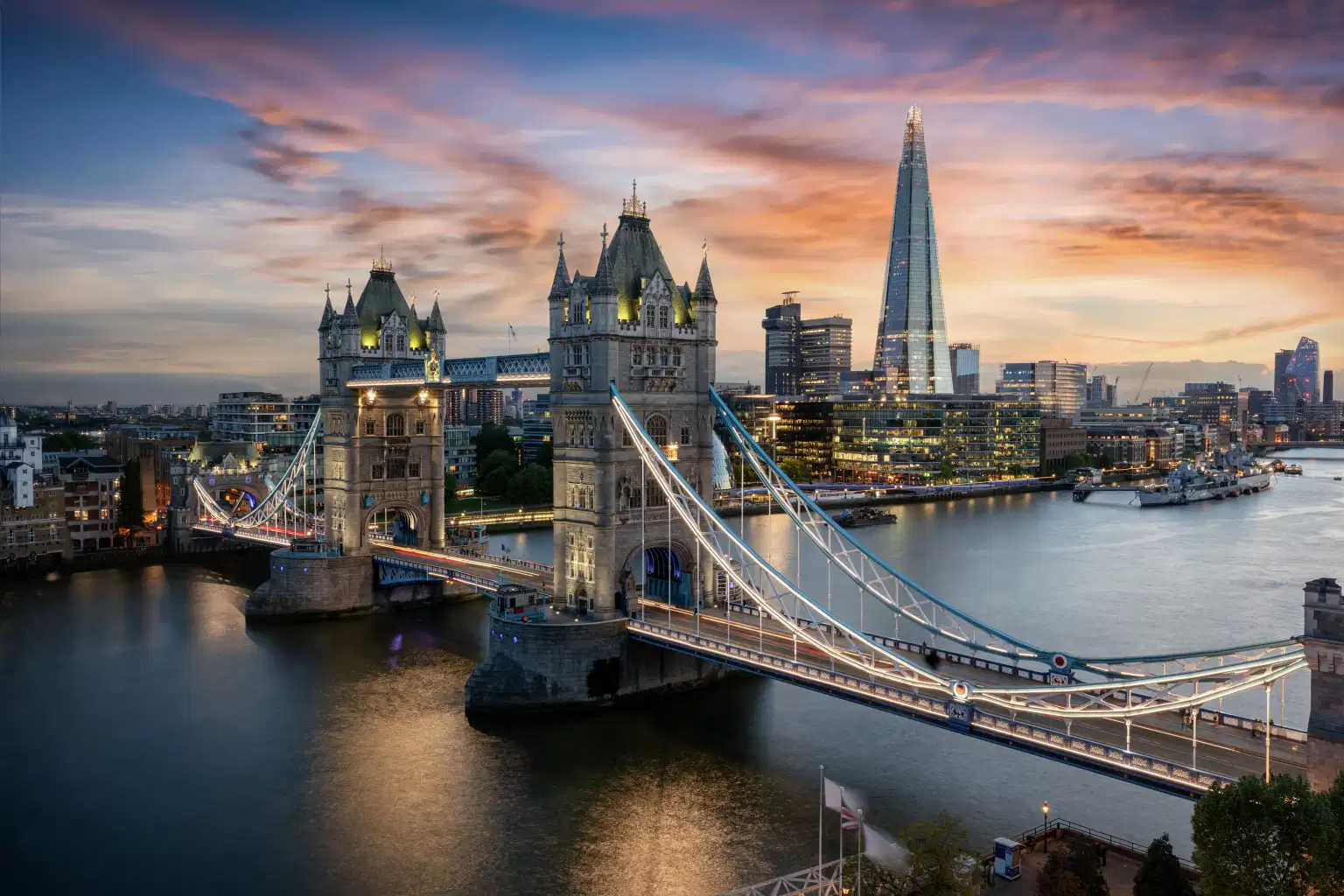
- Delhi to London Heathrow via Air India — approx. 8.5 hours
- Mumbai to London Heathrow via Air India — approx. 9 hours
One-Stop Connections from All Major Indian Cities
From Bengaluru, Chennai, Hyderabad, Kolkata, Ahmedabad, and Pune, one-stop connections via Middle Eastern hubs cover all major European gateways with total journey times of 14 to 18 hours.
- Emirates via Dubai — 14 to 16 hours from major Indian metros to all European gateways
- Qatar Airways via Doha — 14 to 16 hours
- Etihad via Abu Dhabi — 14 to 16 hours
- Turkish Airlines via Istanbul — 14 to 18 hours
Economy Return Fare Ranges (2026)
- Shoulder season (April to June, September to October): INR 55,000 to INR 90,000 per person
- Peak summer (July to August) and December: INR 80,000 to INR 1,40,000
- Winter (January to March, excluding Christmas week): INR 50,000 to INR 75,000
UK Visa Note: If your route includes London, you need a UK Standard Visitor Visa in addition to your Schengen visa. The UK is not part of the Schengen Zone. These are two separate applications with separate fees and processing timelines. Build in an extra 4 to 6 weeks if your itinerary passes through London.
Schengen Visa for Indian Travellers
A Schengen Tourist Visa (Type C) covers 29 European countries under a single application, including France, Switzerland, Italy, Germany, Austria, the Czech Republic, Hungary, the Netherlands, and Spain. Indian passport holders need this visa for every trip to Europe.
Visa Fee and Key Details
- Adults: EUR 90 (approx. INR 9,600)
- Children aged 6 to 12: EUR 45 (approx. INR 4,800)
- Children under 6: No visa fee
- VFS Global service charge: EUR 22 (approx. INR 2,000 to 3,000), charged separately
Important Information
- Visa fees are non-refundable, regardless of approval or rejection
- Processing usually takes around 15 working days
- Processing may extend to 30 days between April and July due to high demand
- Apply through the consulate of the country where you will spend the most nights
- Apply 4 to 8 weeks before departure for smoother processing
Documents Required
- Valid passport with at least 3 months validity beyond your return date and 2 blank pages
- Completed Schengen visa application form
- Confirmed hotel bookings for the full trip duration
- Return flight reservation
- Travel insurance with minimum EUR 30,000 cover for the complete trip duration
- Bank statements for the last 3 to 6 months
- Proof of income: salary slips, ITR, or business registration documents
- Leave letter from the employer for salaried applicants
- Two recent passport-size photographs, 35x45mm on a white background
How Thrillophilia Supports Your Visa Application
- Provides hotel vouchers and confirmed booking documents in the format consulates accept
- Shares a professionally structured day-by-day itinerary in the embassy format
- Provides complete flight and intercity transport reservation documents for submission
- Guides you on which embassy to apply to based on your specific route
- Provides a full pre-departure document checklist to avoid missing or inconsistent paperwork
Note: Visa approval is at the embassy's discretion. Thrillophilia's role is to make sure your file is complete before you walk in.
Top Places to Visit in Europe
1. Paris, France
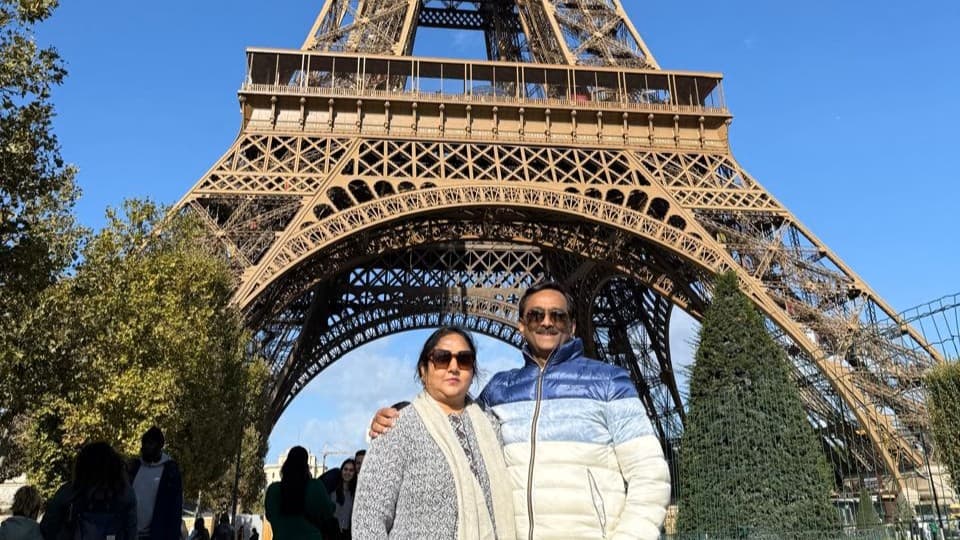
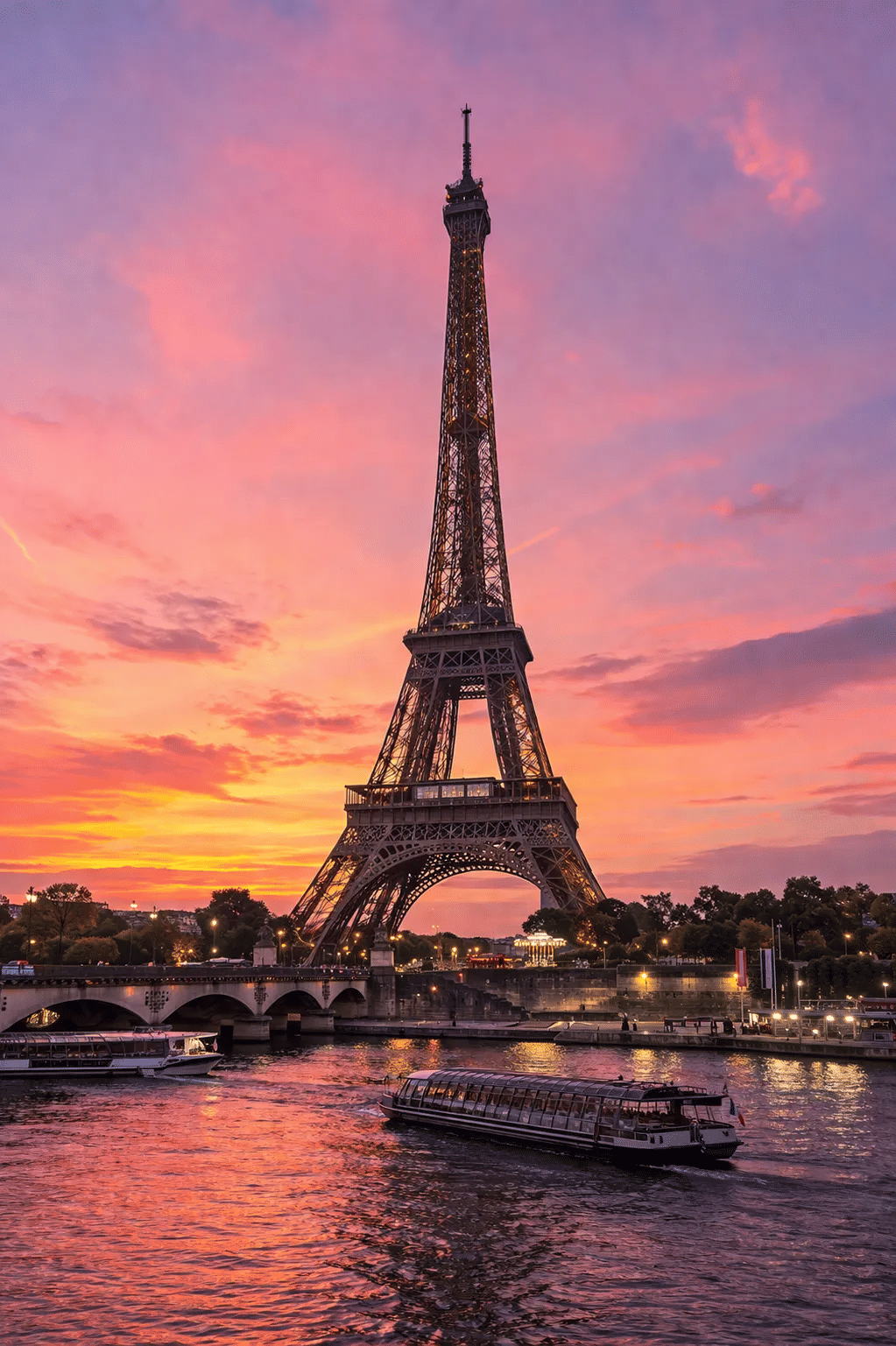
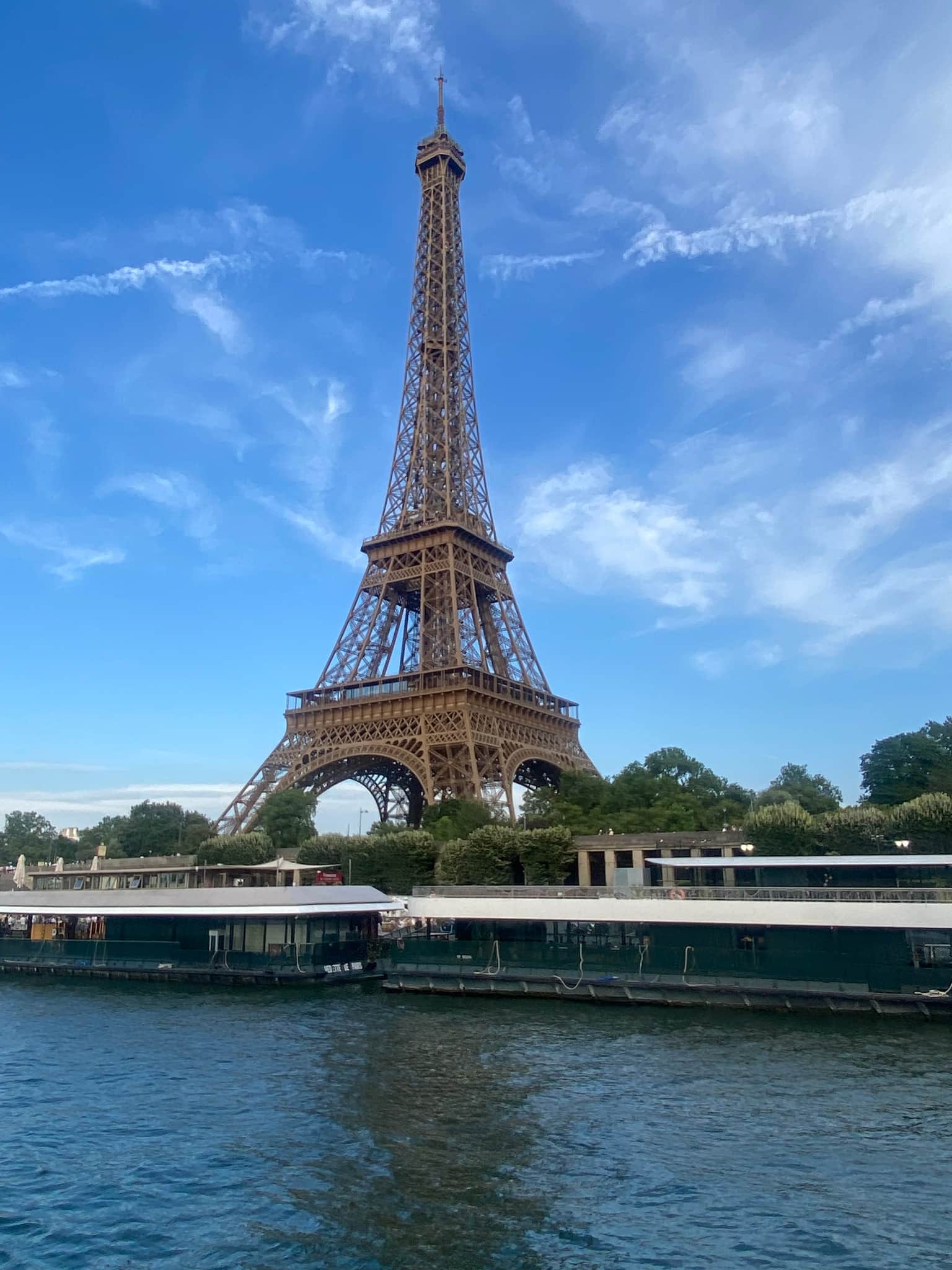
Abrar Ansari captured a memorable moment beneath the iconic Eiffel Tower in Paris with our Grand Europe Group Tour Package, enjoying a spectacular 15 Days & 14 Nights journey across Europe's most celebrated destinations.
Paris is where most Indian travellers start their first Europe trip, and it lives up to the expectation. The Eiffel Tower summit is worth a pre-booked morning visit, while the Louvre and Musée d'Orsay offer world-famous art experiences. The Palace of Versailles is best explored on a dedicated half-day trip. Our local travel experts suggest Paris is best experienced over three nights rather than two.
- Eiffel Tower summit entry: approx. INR 2,200 (lift to the top, pre-book online)
- Louvre Museum entry: approx. INR 1,600
- Palace of Versailles entry: approx. INR 1,800 (half-day trip, book in advance)
- Best reached from central Paris via RER C
Note from Our Travellers: Visit the Eiffel Tower either early in the morning or after 9 pm to avoid long queues and enjoy the best city views, especially during summer.
2. Swiss Alps — Interlaken, Lucerne, and Zermatt
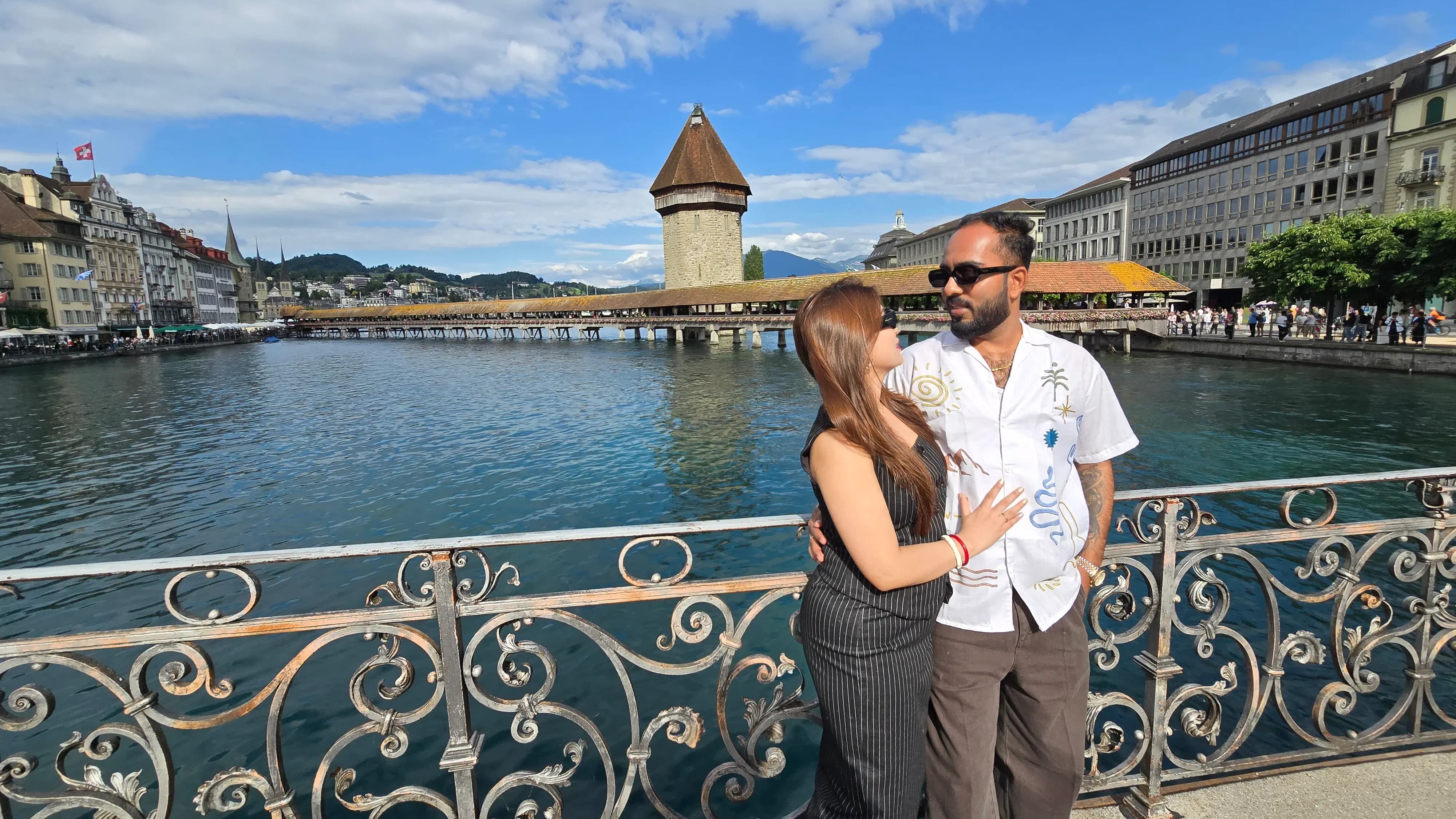
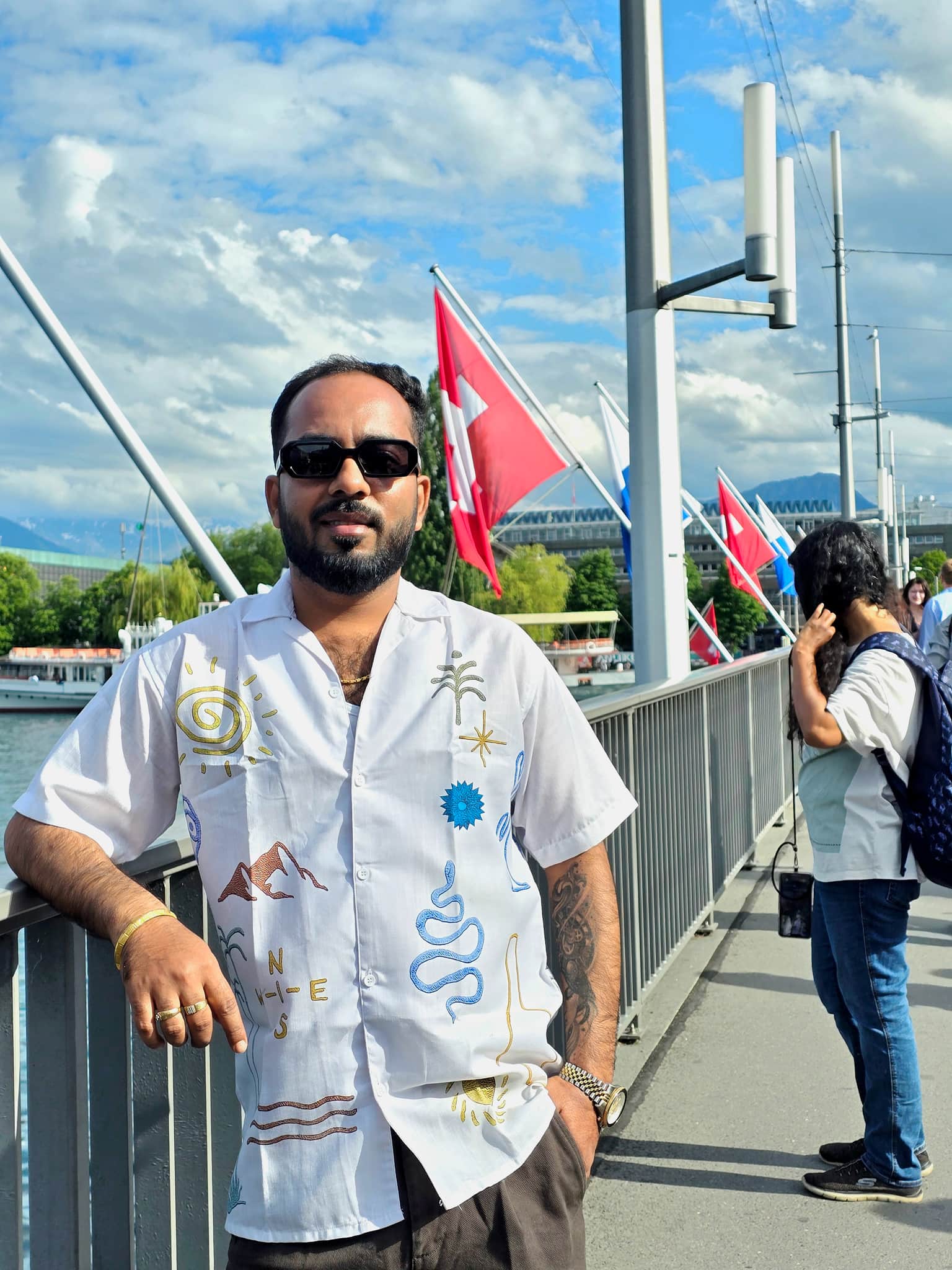
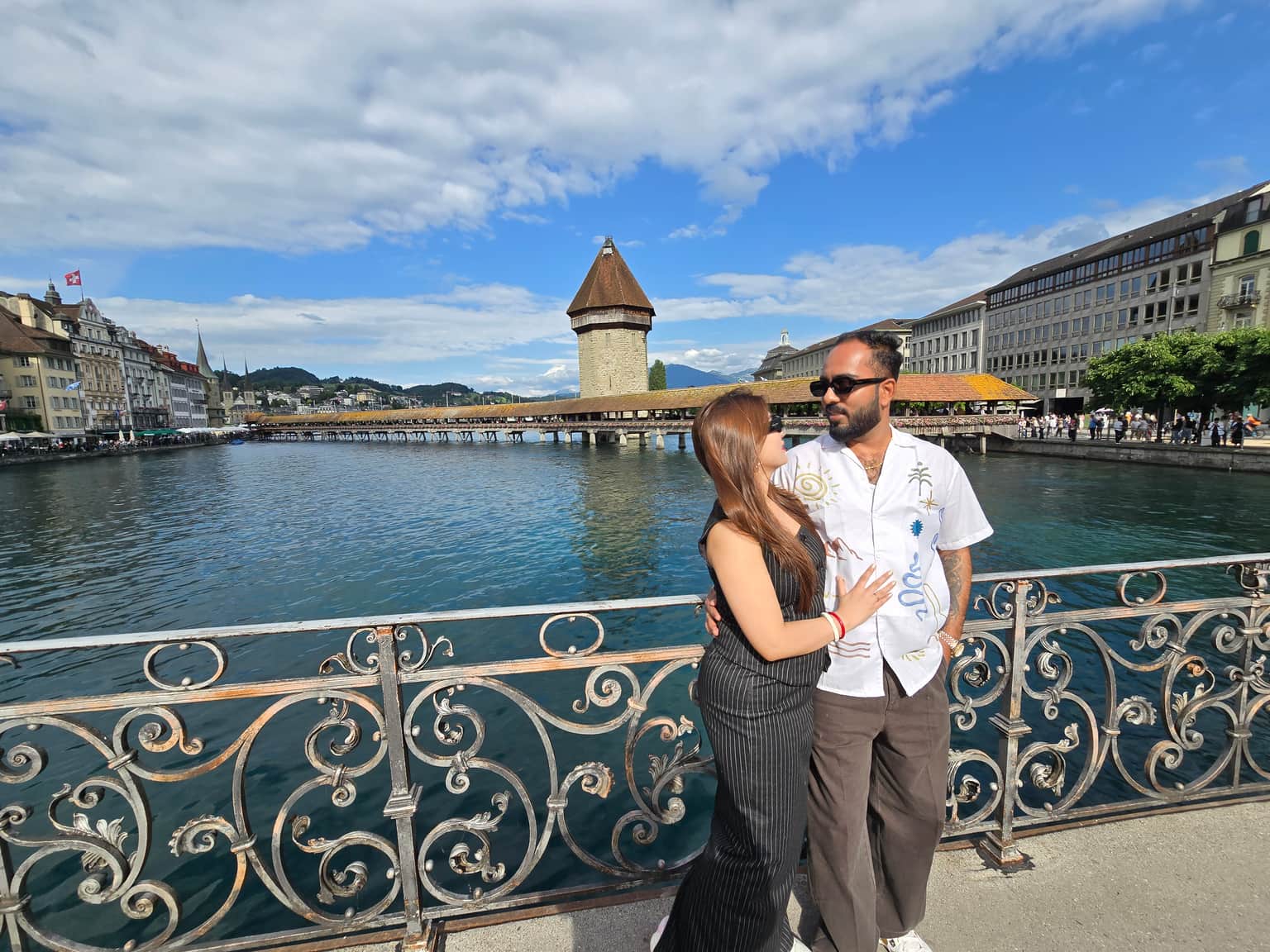
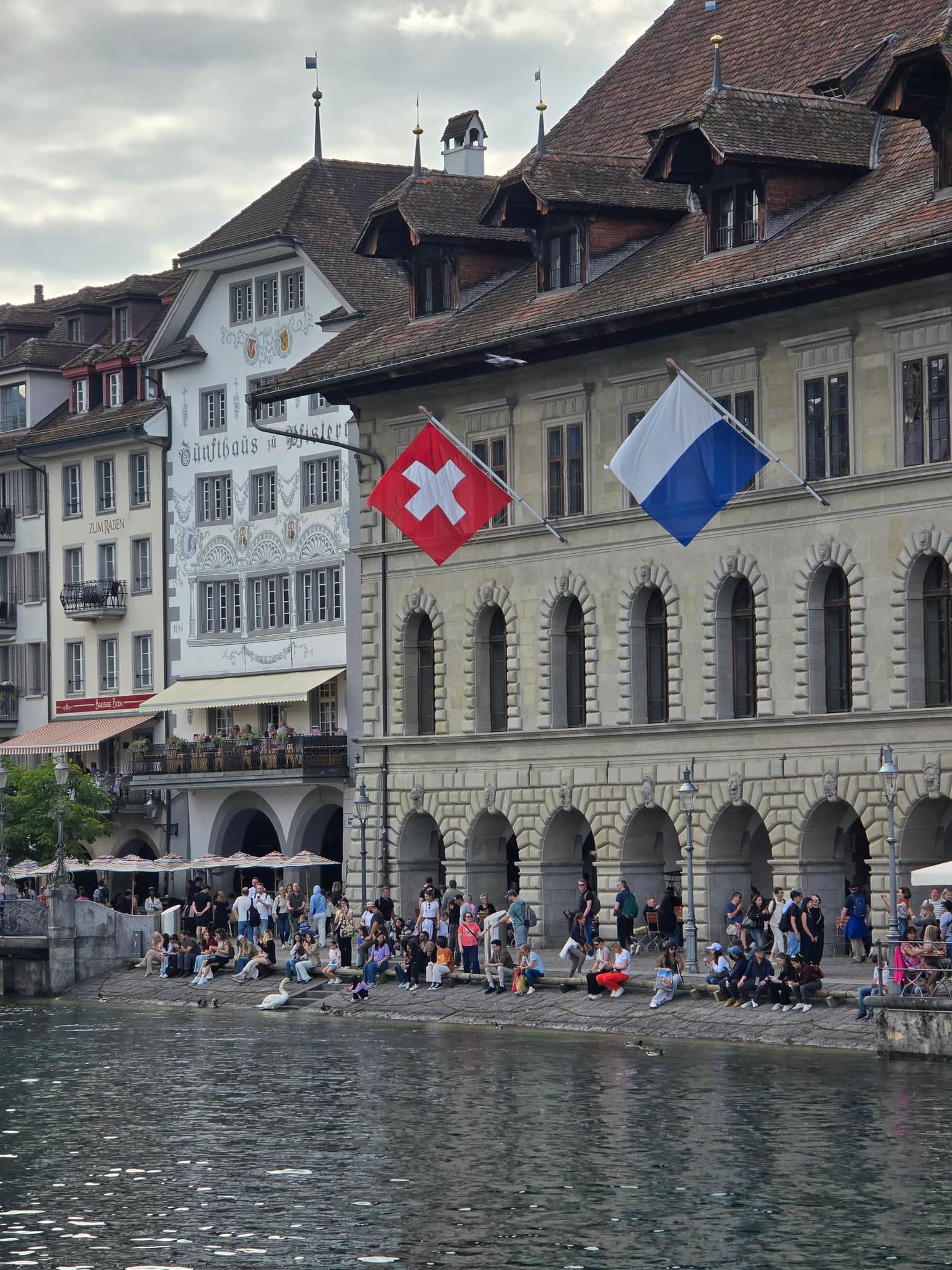
Soumyadip Bag & his partner admired the stunning Chapel Bridge and the Reuss River in Lucerne, Switzerland with our Wonders of Western Europe | Group Tour Package on their 10 Days & 9 Nights European getaway.
The Swiss Alps are the highlight that most Indian travellers mention in post-trip feedback. Lucerne is the best base city, one hour from Interlaken by train and well connected to Zurich airport. Zermatt offers you the best views of Matterhorn, but requires an overnight stay to be covered in depth. Day trips from Zurich to Zermatt are rarely worthwhile, as travellers often spend more time on the train than in Zermatt itself.
- Jungfraujoch Excursion: Approx. INR 18,000 to INR 22,000 per person. Known for year-round snow, glacier views, and scenic mountain rail journeys.
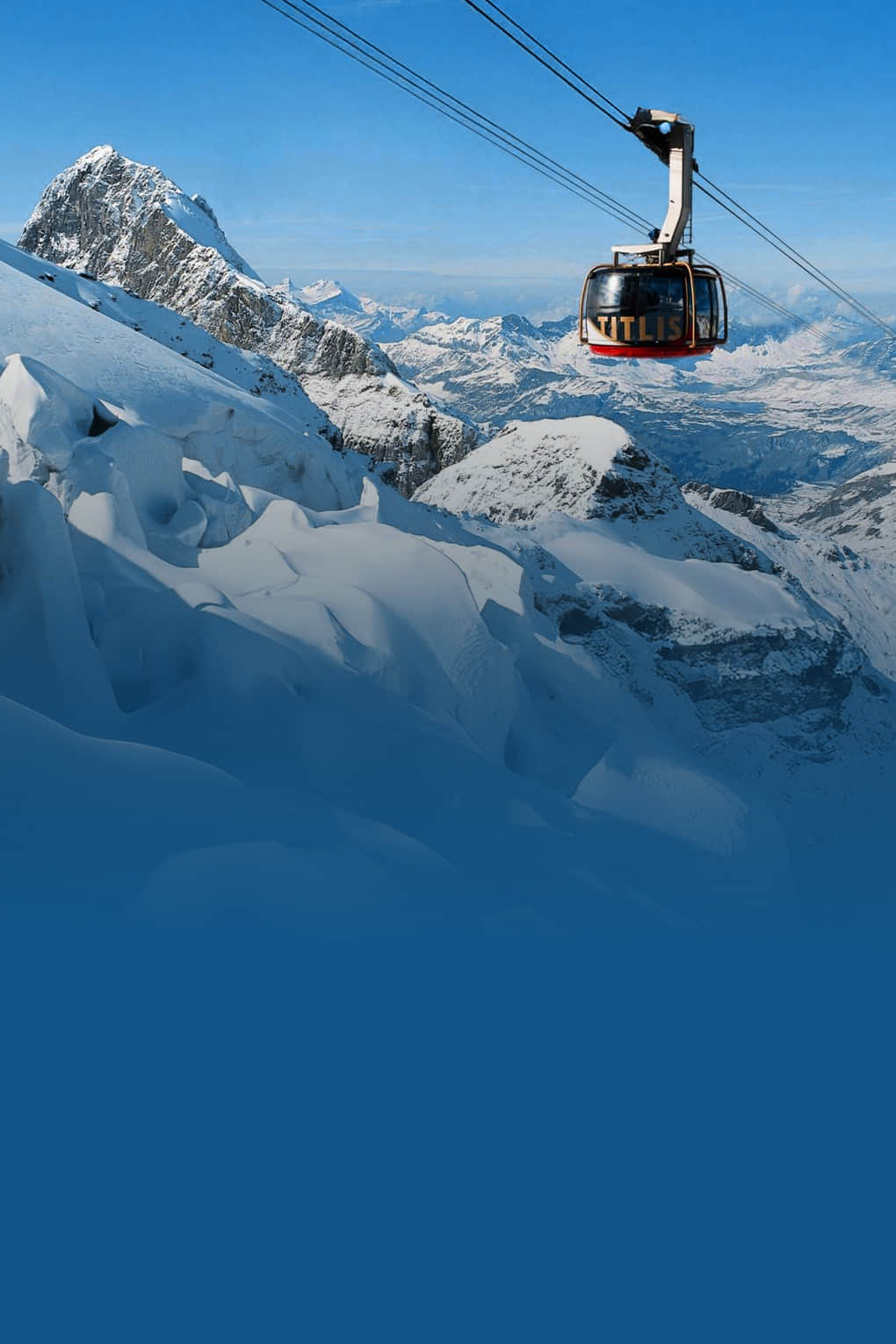
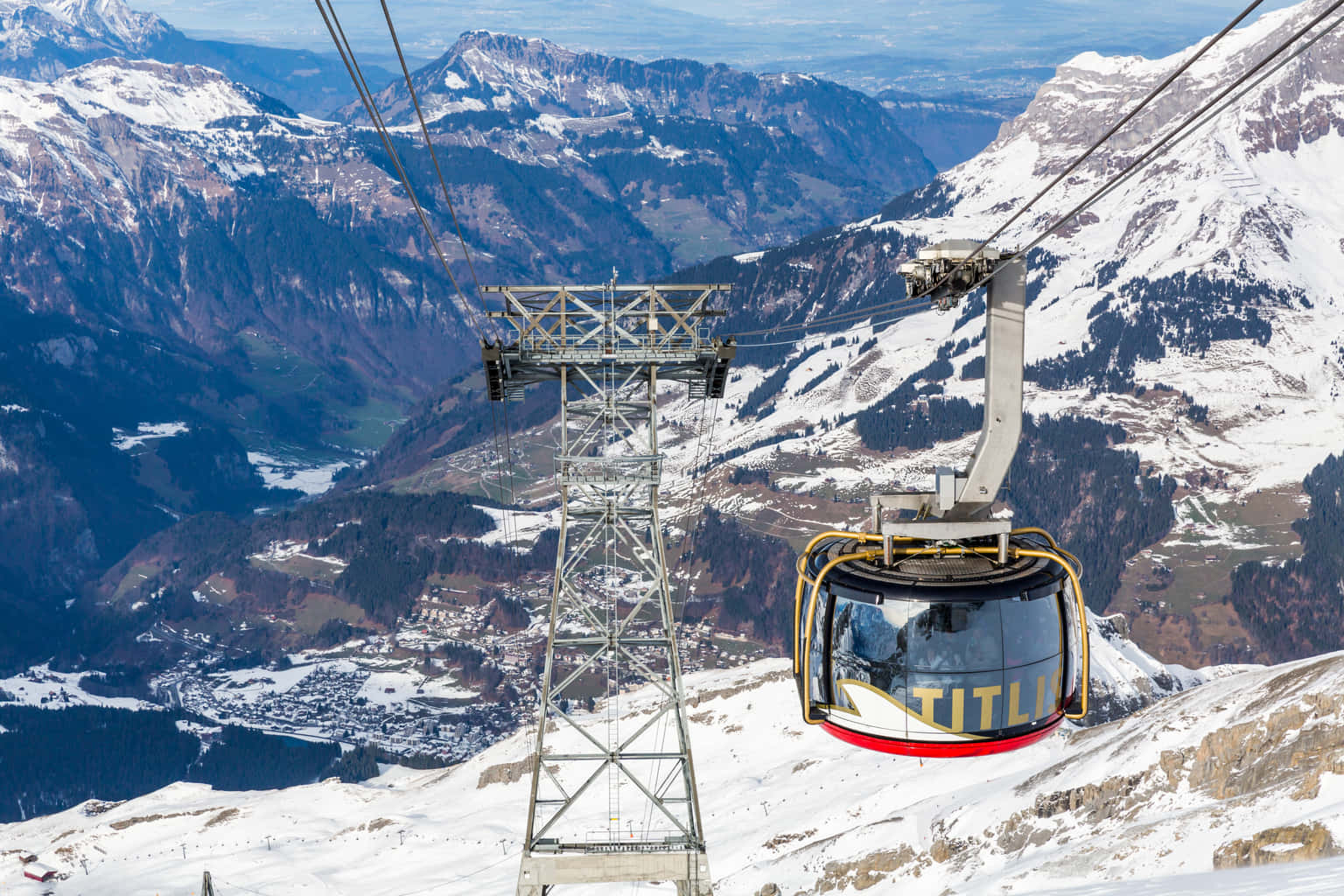
- Mount Titlis from Engelberg: Approx. INR 10,000 to INR 13,000 per person. Includes the rotating cable car, glacier cave, and one of the easiest alpine day trips from Lucerne.
- Schilthorn: Approx. INR 7,000 to INR 9,000 per person. Offers panoramic Alpine views and a Matterhorn-region experience without staying overnight in Zermatt.
Thrillophilia Europe Operations Team: Jungfraujoch can close during poor weather. Fog and wind are the main factors, with closures happening roughly 40 days per year. Thrillophilia pre-books the 8 am gondola slot where clear-sky probability is highest and maps one weather-buffer day into every Swiss alpine itinerary.
3. Rome, Italy
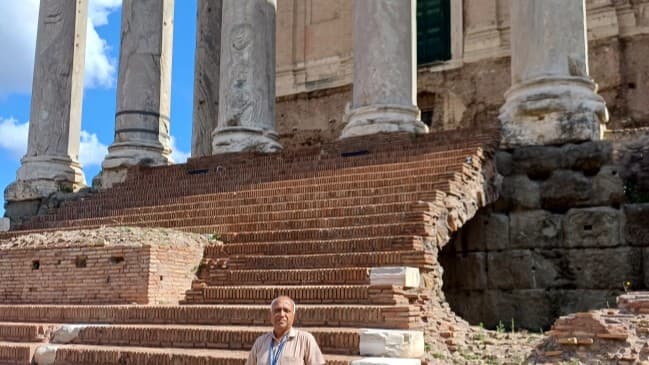
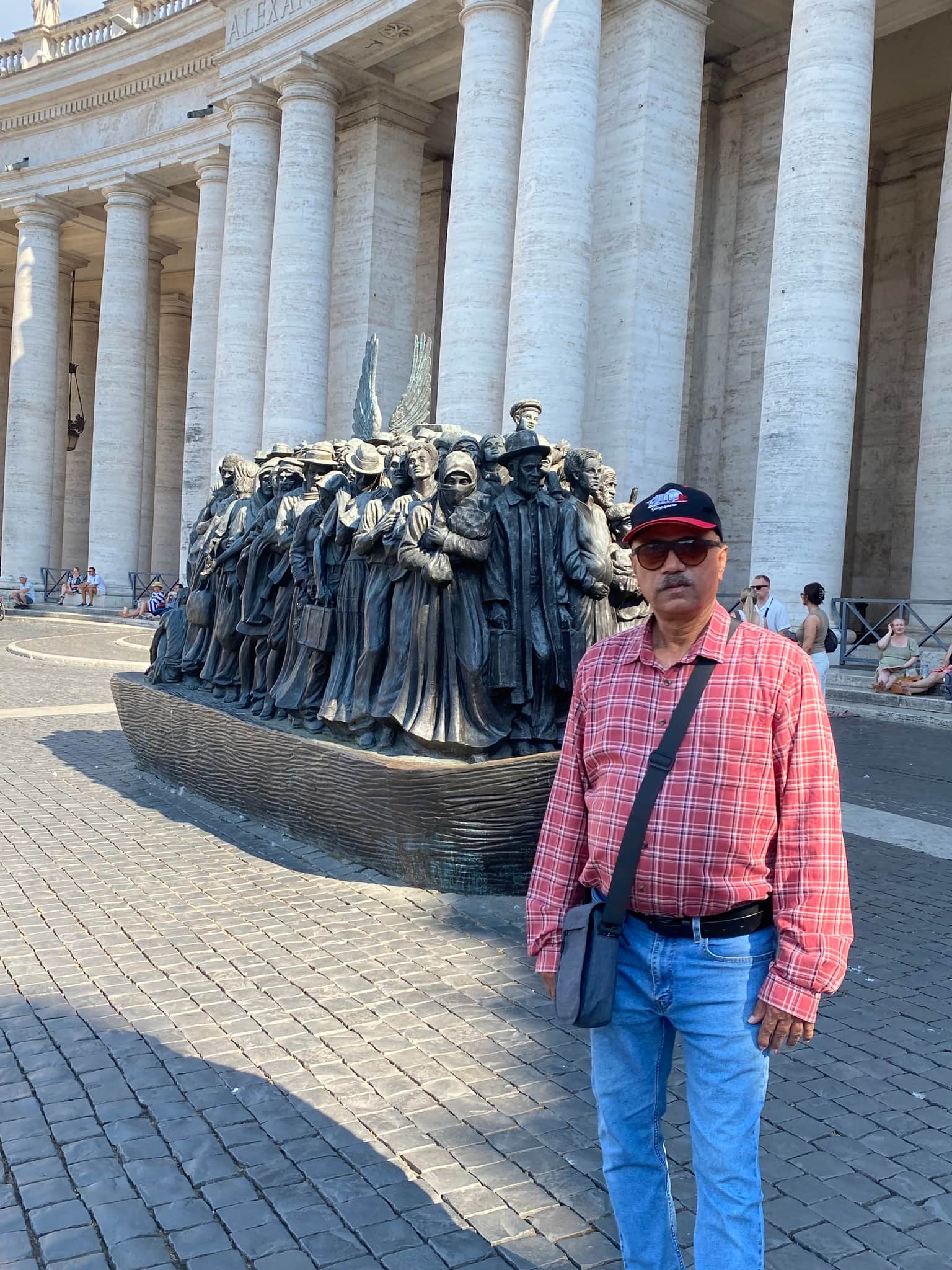
Manjunath explored the timeless beauty of the Roman Forum in Rome, surrounded by ancient ruins and historic architecture, on his 11 Days Europe Trip.
Rome is best experienced over three nights rather than two. The Colosseum, Roman Forum, and Vatican City each deserve dedicated time to explore. Visit the Trevi Fountain before 8:00 am for a quieter experience. Many travellers leave after two nights, wishing they had stayed longer.
- Colosseum and Roman Forum combined ticket: approx. INR 3,200 per person, pre-book online to skip the queue
- Vatican Museums and Sistine Chapel: approx. EUR 17 (INR 1,600) standard entry; guided tour approx. EUR 35 to EUR 50 per person
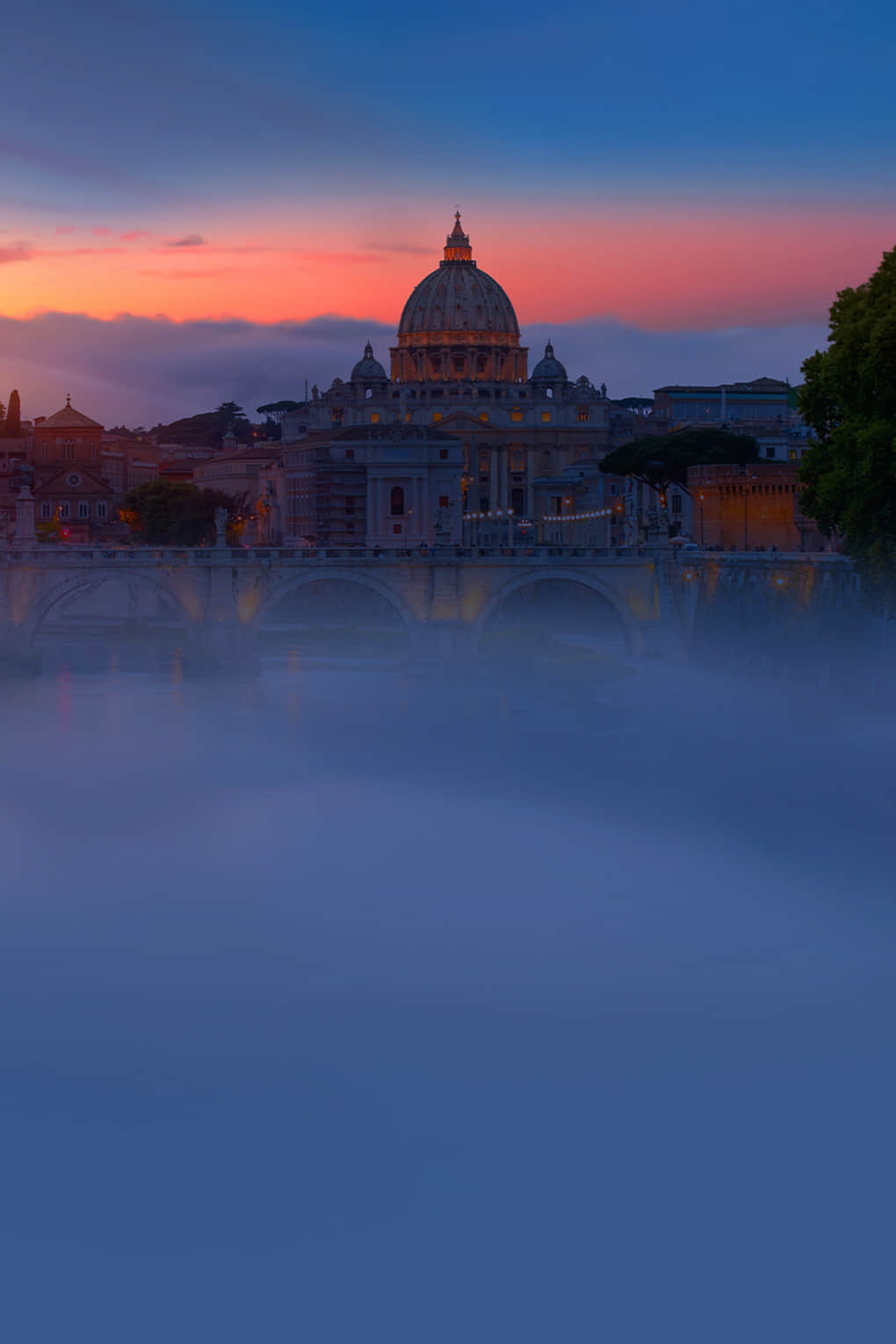
- St. Peter's Basilica: free entry
- Dome climb: approx. EUR 8 by stairs, EUR 10 by lift
Note from Our Travellers: Rome can get very hot in July, with temperatures often reaching 34°C. It is best to visit the Colosseum and Roman Forum early in the morning and keep indoor attractions like the Vatican for later in the day.
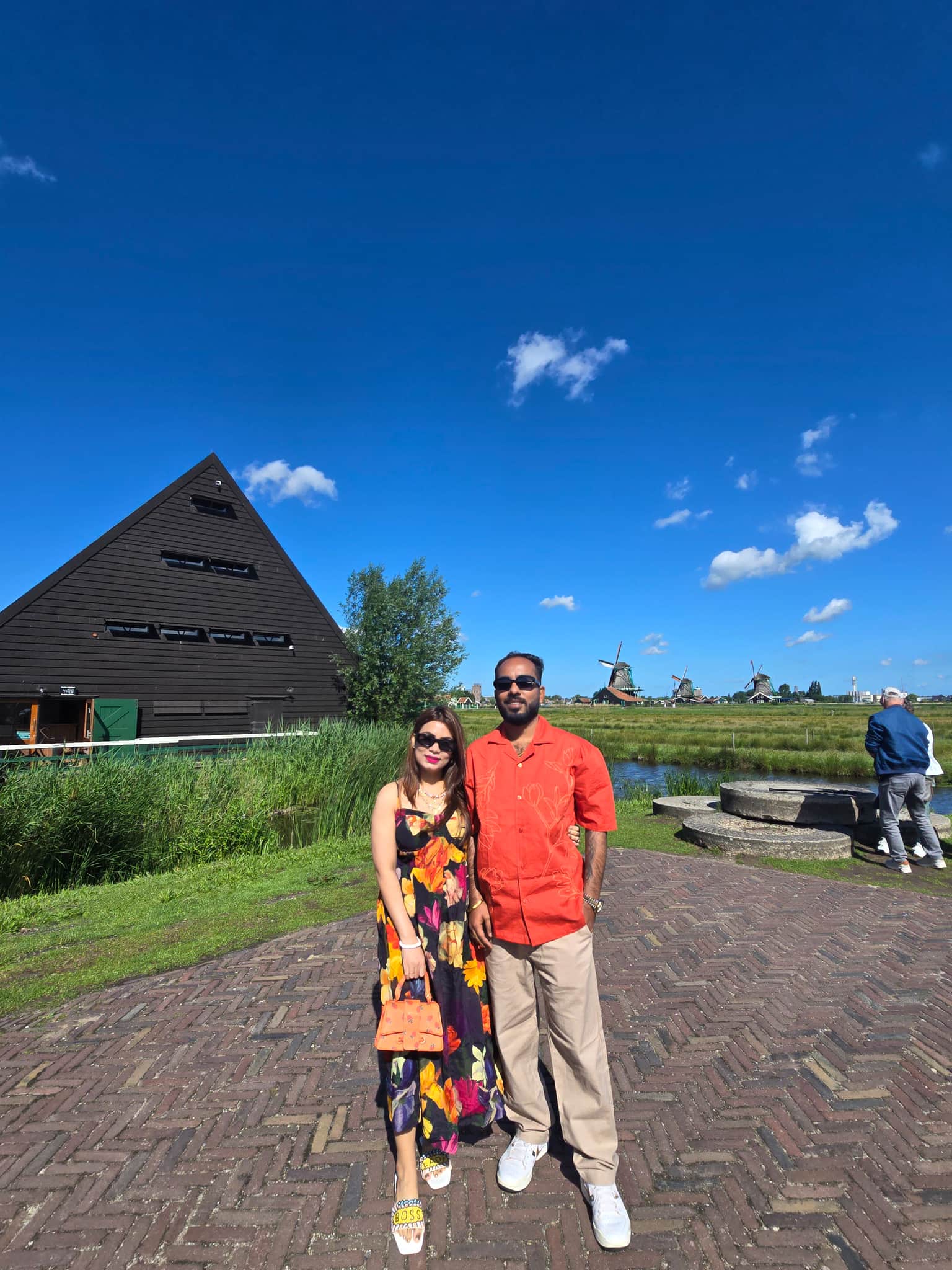
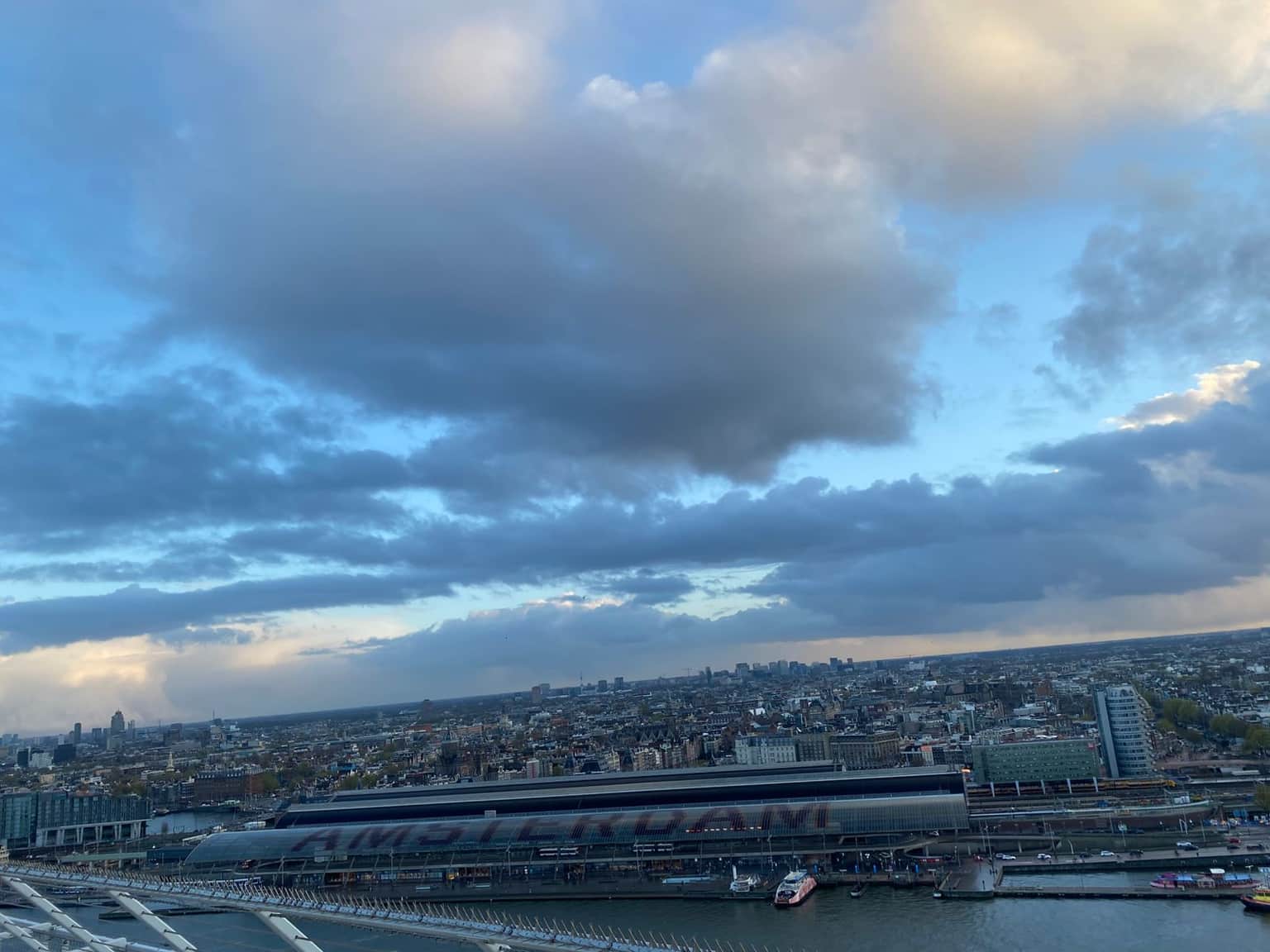
4. Amsterdam, Netherlands
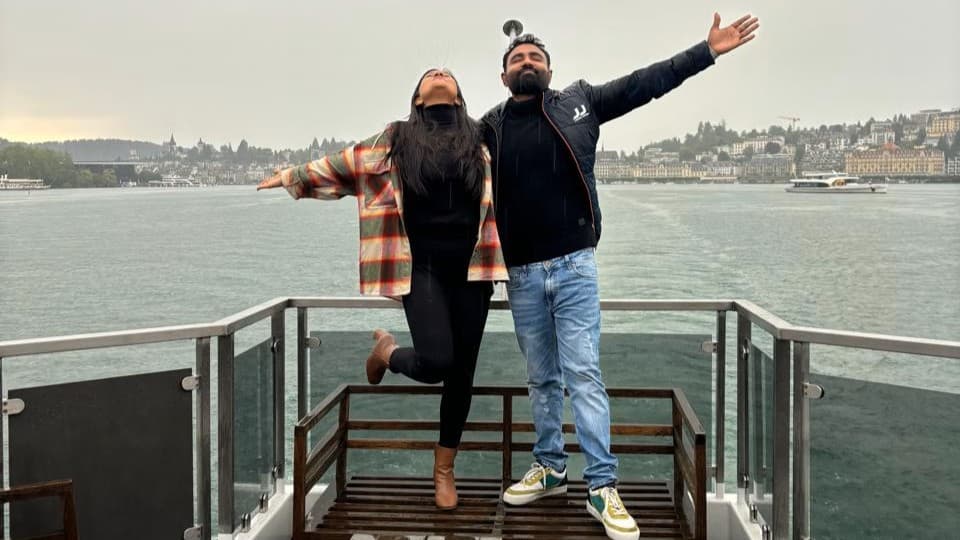
Rahul & his partner enjoyed breathtaking views from a scenic Lake Geneva cruise, surrounded by calm waters and beautiful city skylines, with our Best of Central and Western Europe package on their 11 Days & 10 Nights European getaway.
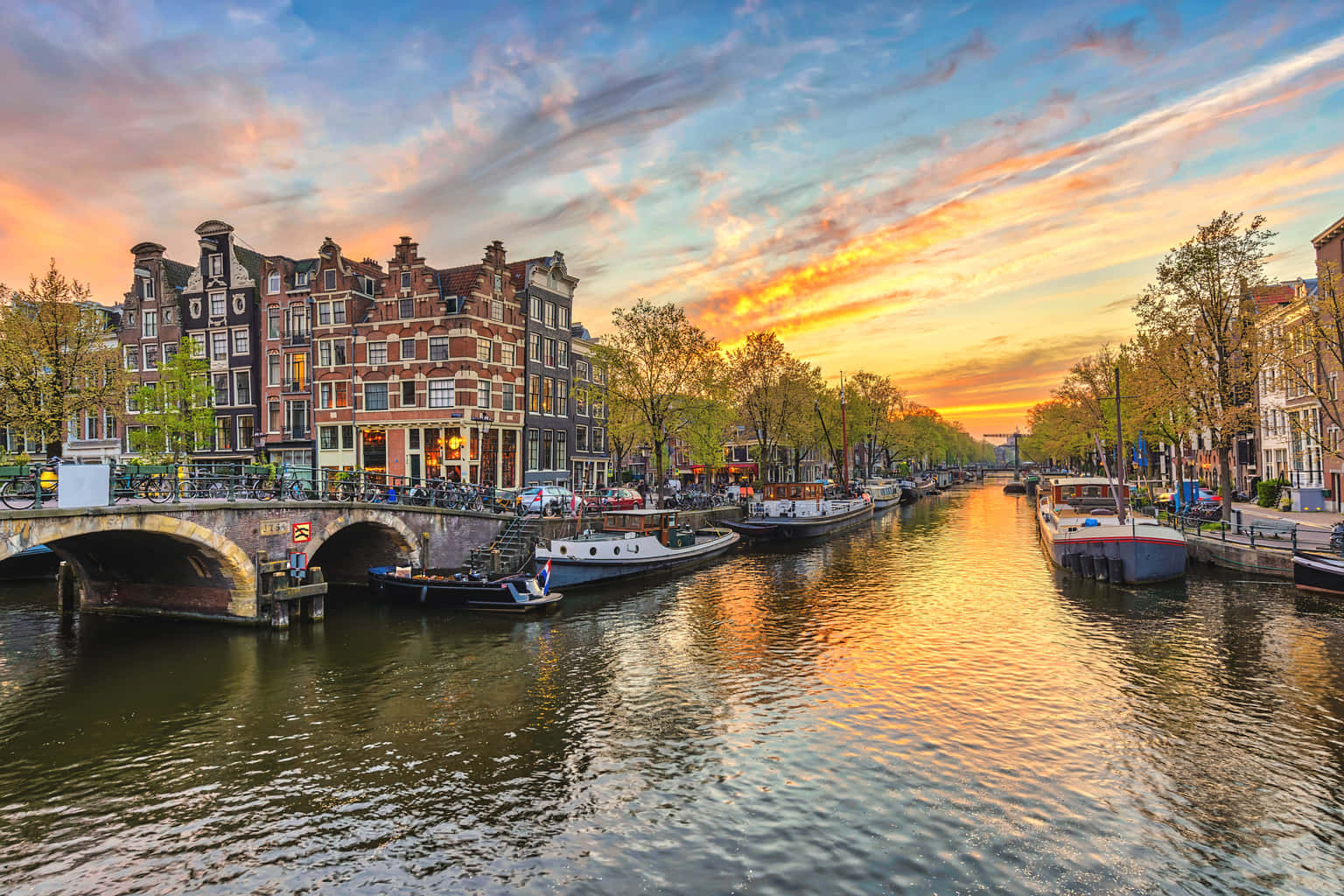
Amsterdam is a city best experienced at a relaxed pace. The Anne Frank House requires timed tickets booked weeks in advance during peak season, while the Rijksmuseum easily requires half a day to explore. A canal cruise from Centraal Station offers an excellent introduction to the city, and renting a bike is the most efficient way to explore its modern neighbourhoods.
- Anne Frank House: approx. INR 1,200 per person, must pre-book online
- Rijksmuseum: approx. INR 1,500 per person
- Canal cruise from Centraal: approx. INR 1,000 to INR 1,800
5. Prague, Czech Republic
Prague is one of Europe’s most charming and affordable cities, with hotel rates often 30–40% lower than Paris or Rome and restaurant meals typically costing INR 1,000–2,000 per person. Prague Castle, Old Town Square, and other major sights are easily explored on foot, while Charles Bridge at dawn offers one of Central Europe’s few truly uncrowded landmark experiences. Two full days are enough to see the city's main highlights at a comfortable pace.
- Prague Castle entry: approx. INR 1,400 for the complete circuit
- Old Town Square and Astronomical Clock: free to view from outside
- Charles Bridge: free, best visited before 7 am
6. Vienna, Austria
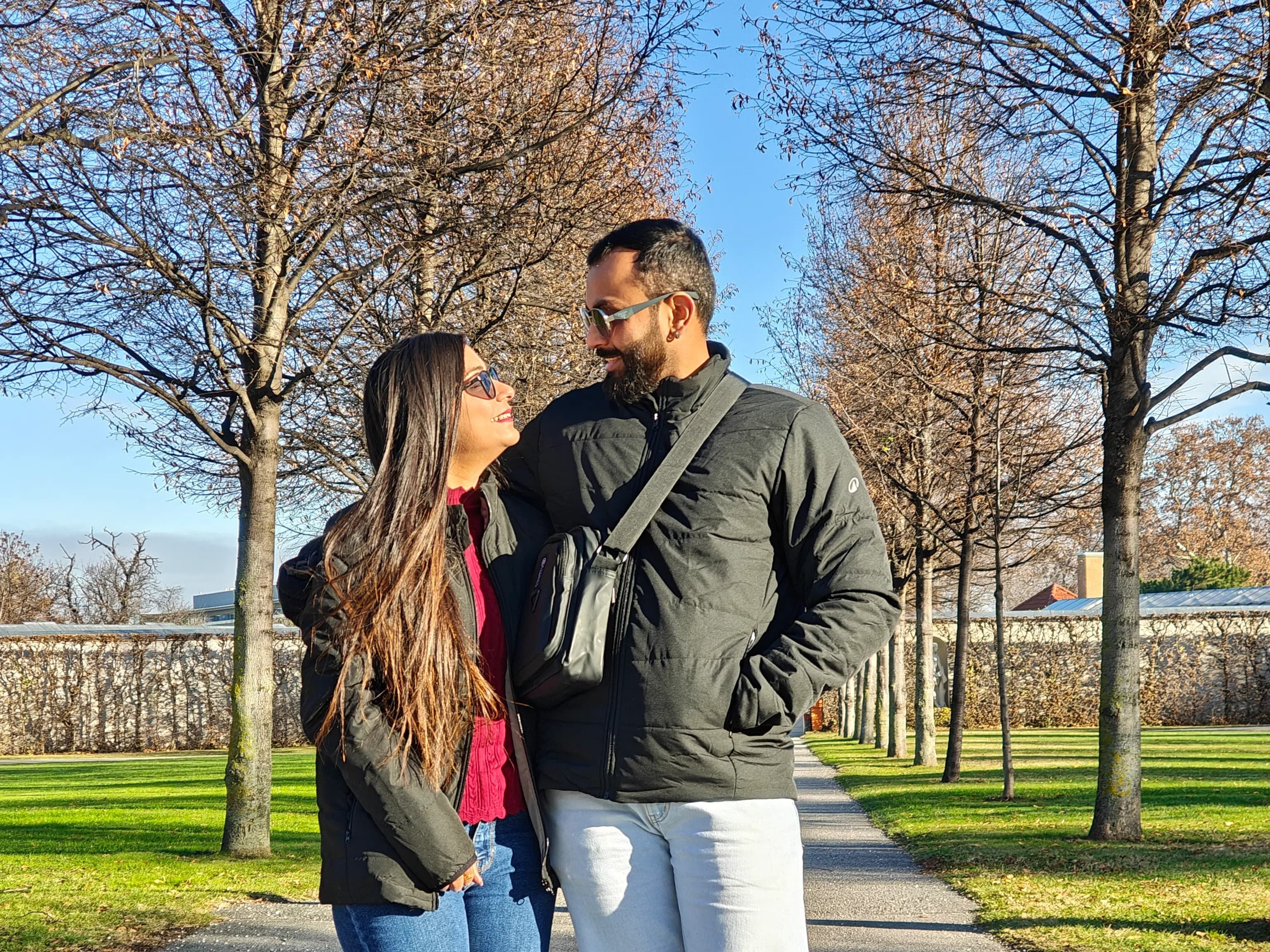
Nikhil & his partner enjoyed a peaceful stroll through the beautiful tree-lined gardens of Vienna with our Trails of Europe | Group Tour Package on their 7 Days & 6 Nights European escape.
Vienna is ideal for travellers who enjoy world-class museums, elegant architecture, and a slower pace of travel. Its historic café culture is an essential part of the experience, with places like Café Central and Café Landtmann worth visiting for an afternoon. For culture lovers, standing-room tickets at the Vienna State Opera offer one of the best-value experiences in Europe.
- Schönbrunn Palace Grand Tour: approx. INR 2,000
- Vienna State Opera standing room tickets: approx. INR 200
- Belvedere Museum: approx. INR 1,800
7. Barcelona, Spain
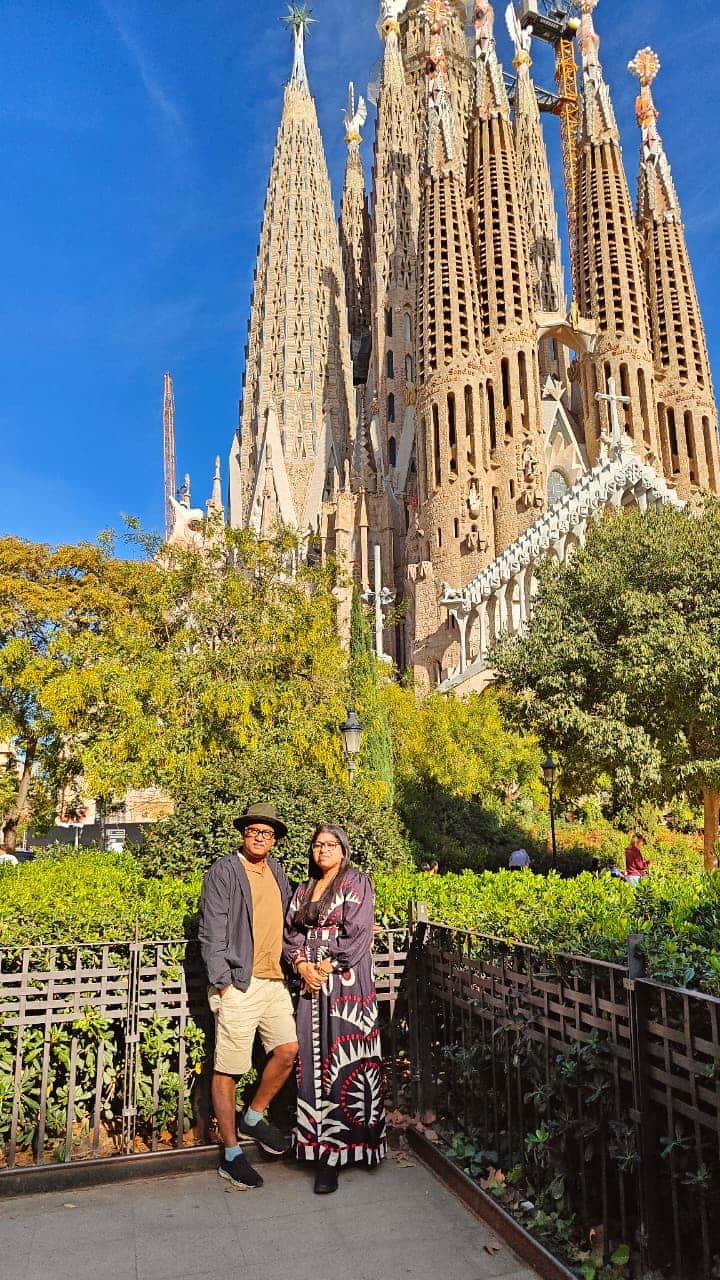
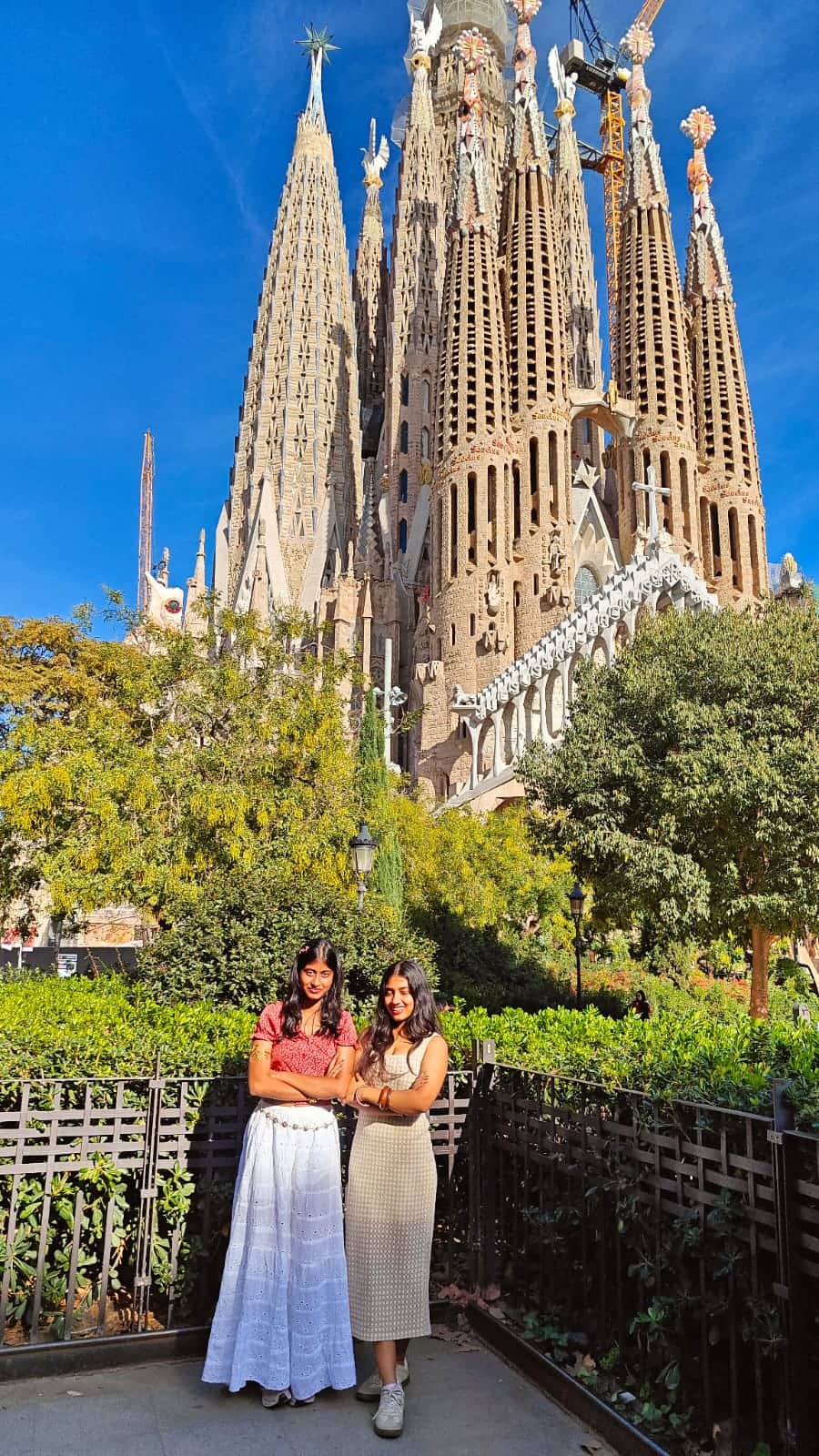
Barcelona works best as a starting or ending point for a Spain-focused itinerary. Gaudí’s Sagrada Família is unlike anything else on a typical European route, while Park Güell is best visited early in the morning before the crowds arrive. The Gothic Quarter comes alive in the evening and is best explored on foot. The city’s greatest appeal lies in its architecture, culture, and atmosphere rather than its beaches.
- Sagrada Família: approx. INR 3,000, timed entry is mandatory, book weeks in advance
- Park Güell monument zone: approx. INR 1,500
- Gothic Quarter: free to explore on foot
Top Things to Do in Europe
1. Take a Scenic Train Journey
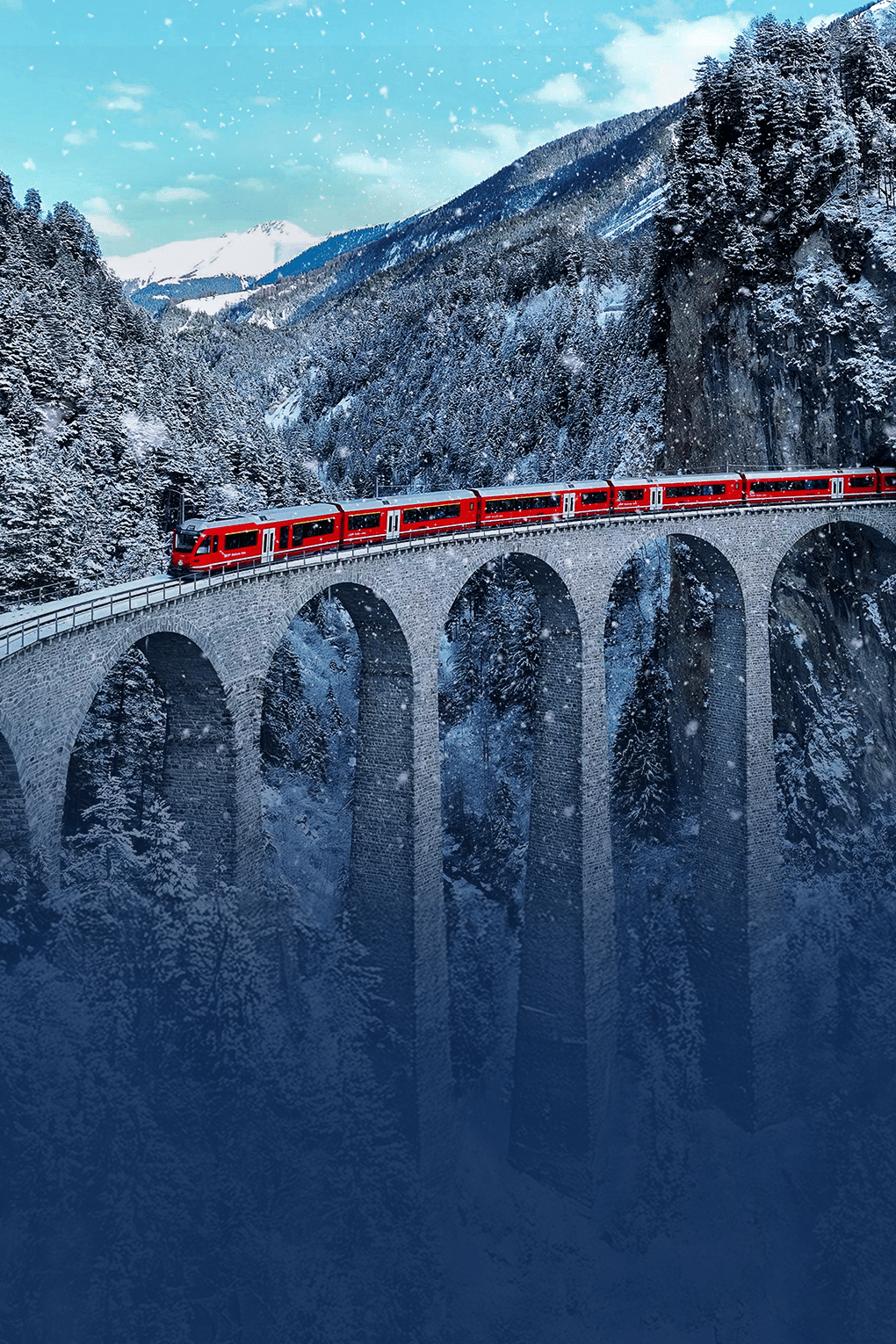
Europe’s rail network offers an easy way to travel between countries, with fast city-centre-to-city-centre connections without the hassle of airport transfers. Routes such as Paris to Zurich, Rome to Florence, and Vienna to Budapest are both efficient and comfortable. For a truly scenic experience, the Glacier Express from Zermatt to St. Moritz traverses the Alps, crossing 291 bridges over an unforgettable eight-hour journey.
- Glacier Express: approx. INR 9,000 to INR 12,000 second class
- Paris to Zurich TGV: approx. 4 hours, city centre to city centre
- Rome to Florence Frecciarossa: approx. 1.5 hours
- Vienna to Budapest: approx. 2.5 hours
Note from Our Travellers: If you are travelling in July, it is best to book Glacier Express dining seats in advance, as they fill up quickly during peak season. The journey across the Landwasser Viaduct is one of the route’s most scenic highlights.
2. Visit the Eiffel Tower
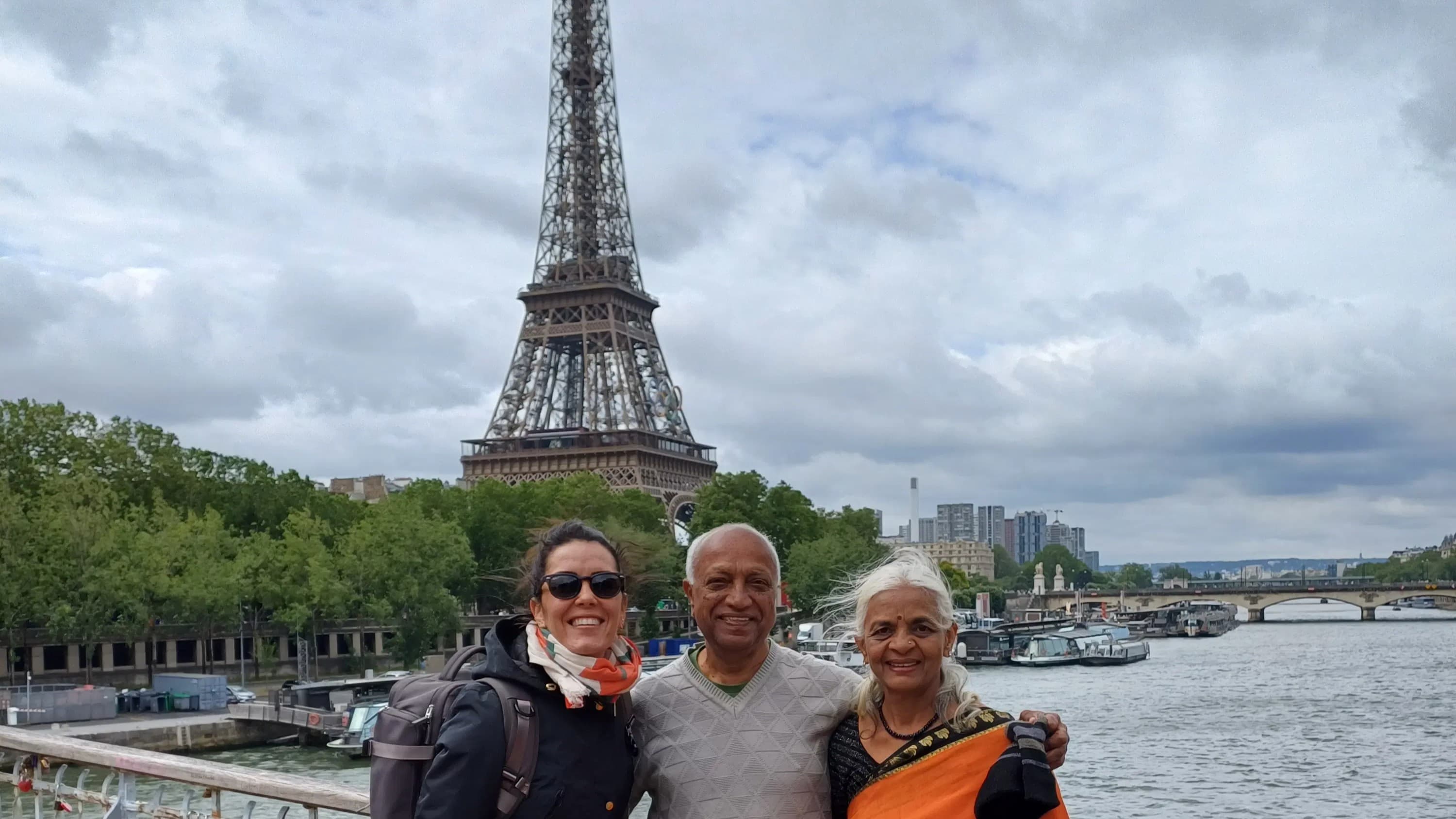
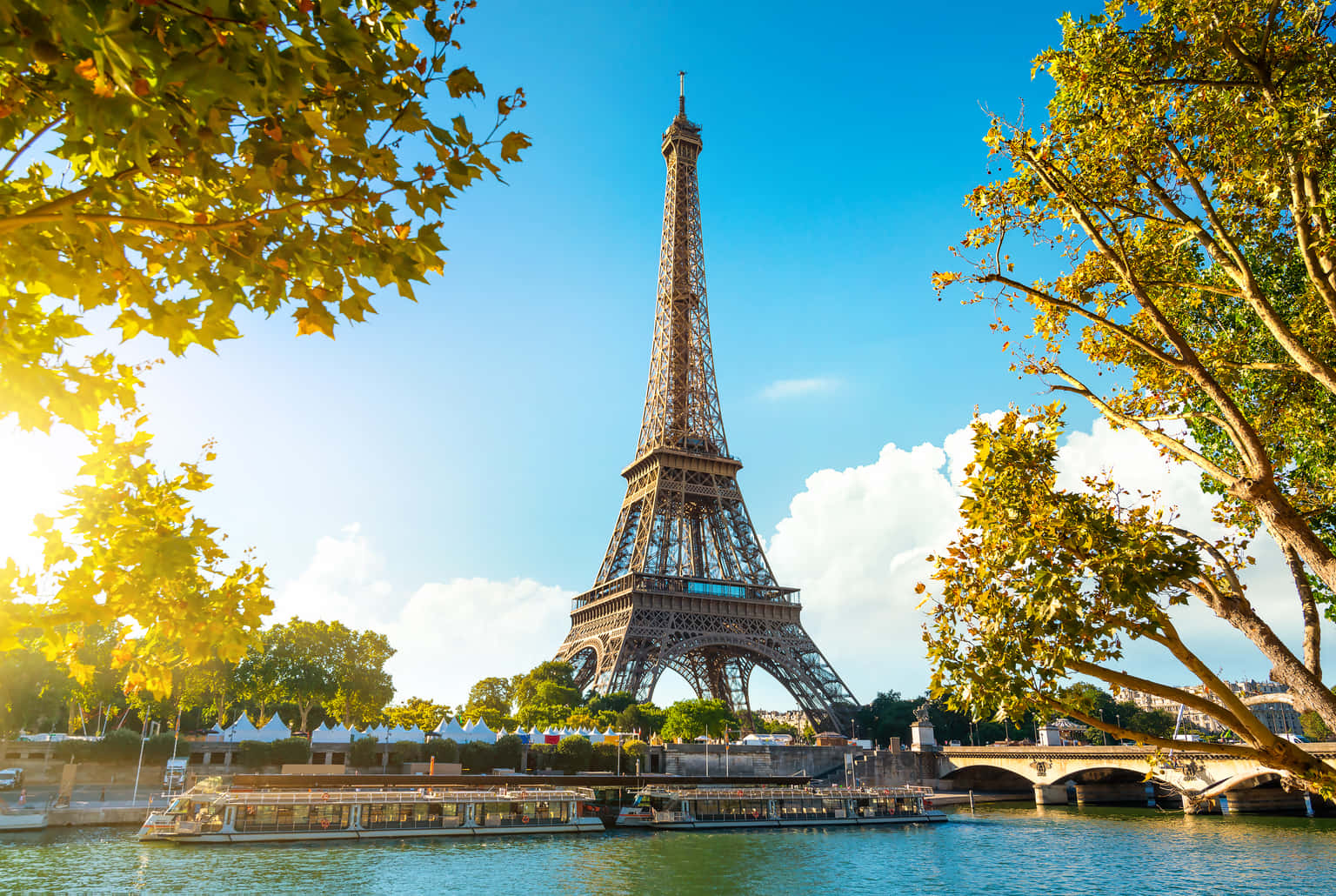
Manjunath cherished a memorable family moment with the Eiffel Tower and the Seine River in Paris as the backdrop on his 11 Days Europe trip.
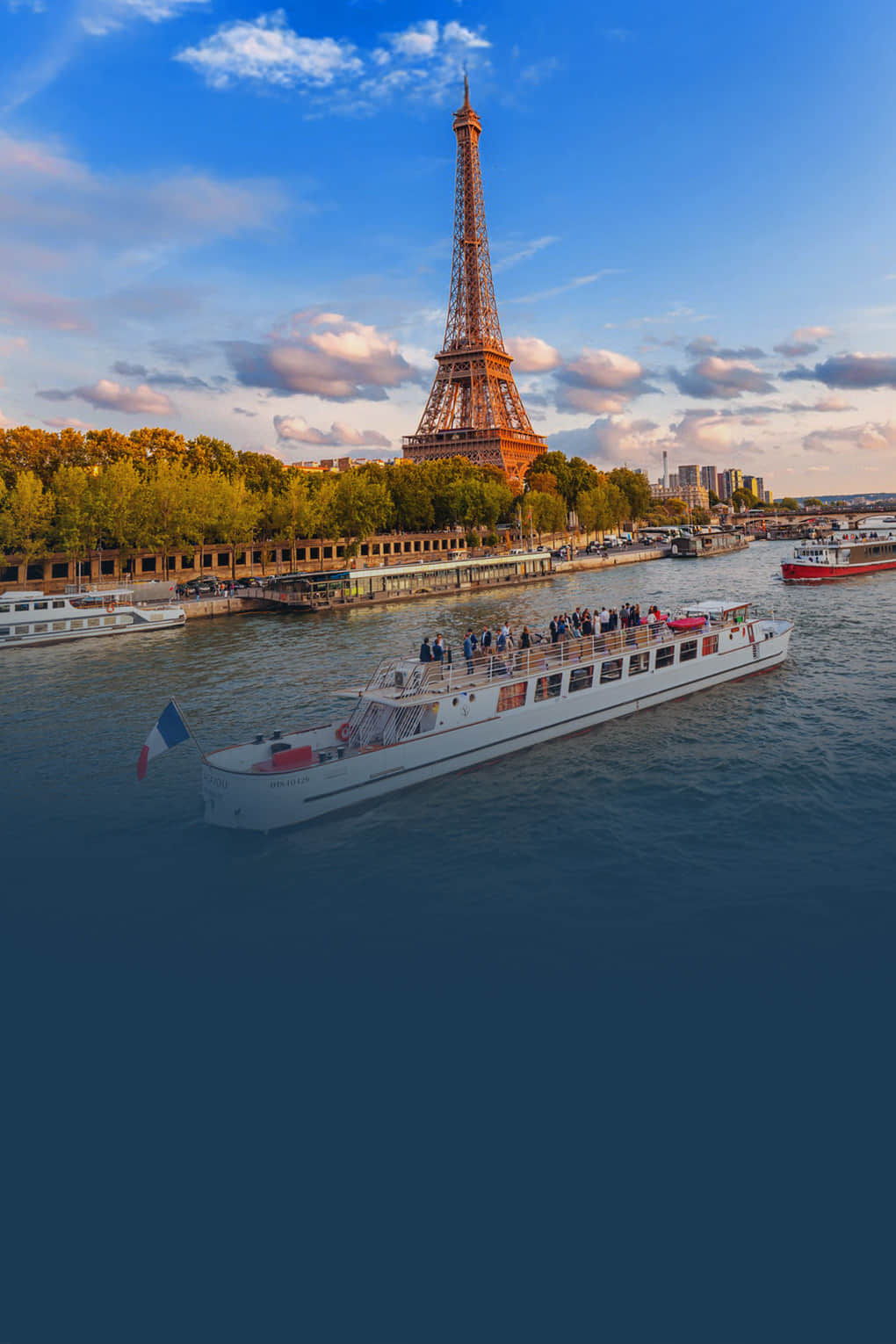
The Eiffel Tower offers the best views across Paris, especially from the summit on a clear day. Booking summit lift tickets in advance is recommended, while the 10 pm illumination show is best enjoyed from the Trocadéro Gardens, with no ticket or queue required.
- Summit lift ticket: approx. INR 2,200 per person, book online in advance
- Best time: 9 am for clear skies, or after 9 pm for the lit city skyline
- Trocadéro Gardens view: free, best at 10 pm for the illumination show
3. Explore the Swiss Mountains

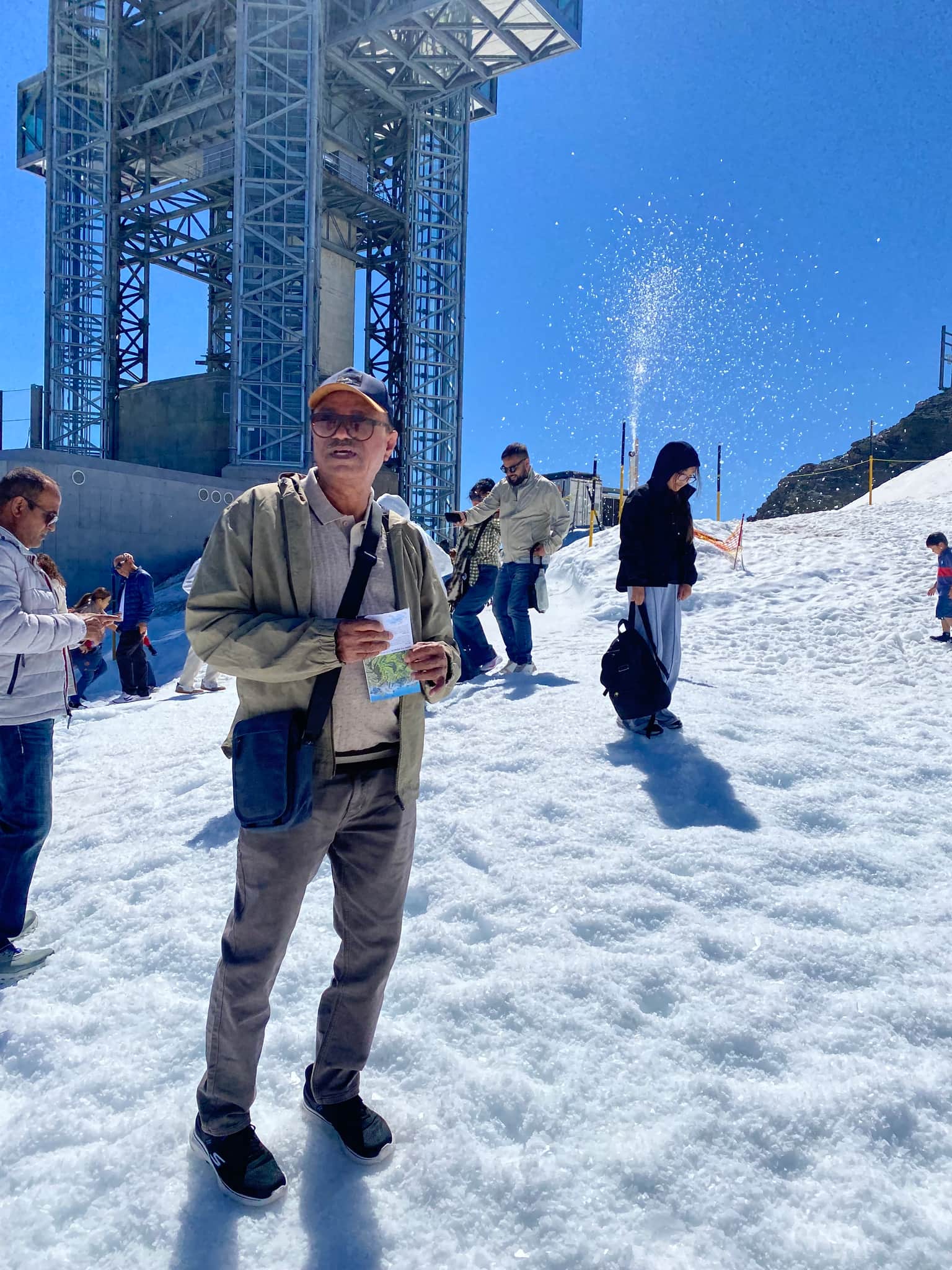
Pankhuri & her family celebrated an unforgettable moment at Jungfraujoch – Top of Europe,with our Switzerland Trails | First Class Swiss Pass Exclusive Limited Deal on their 10 Days & 9 Nights Swiss adventure.
Jungfraujoch, at 3,454 metres, is Switzerland’s most iconic mountain excursion, offering snow and glacier views throughout the year. Mount Titlis from Engelberg is an easy alpine day trip from Lucerne, while Schilthorn rewards visitors with spectacular Matterhorn views without the need for an overnight stay in Zermatt.
- Jungfraujoch via Grindelwald Terminal: approx. INR 18,000 to INR 22,000 by season
- Mount Titlis: approx. INR 10,000 to INR 13,000, rotating cable car plus ice cave
- Schilthorn: approx. INR 7,000 to INR 9,000
Thrillophilia Europe Operations Team: Our booking data shows that travellers who combine Jungfraujoch and Titlis on the same itinerary rate their Switzerland section lower than those who choose one excursion and spend the rest of the day at leisure in Lucerne. One alpine day done well gives more than two rushed mountain trips.
Source: Thrillophilia booking data, June 2026.
4. Take a Gondola Ride in Venice
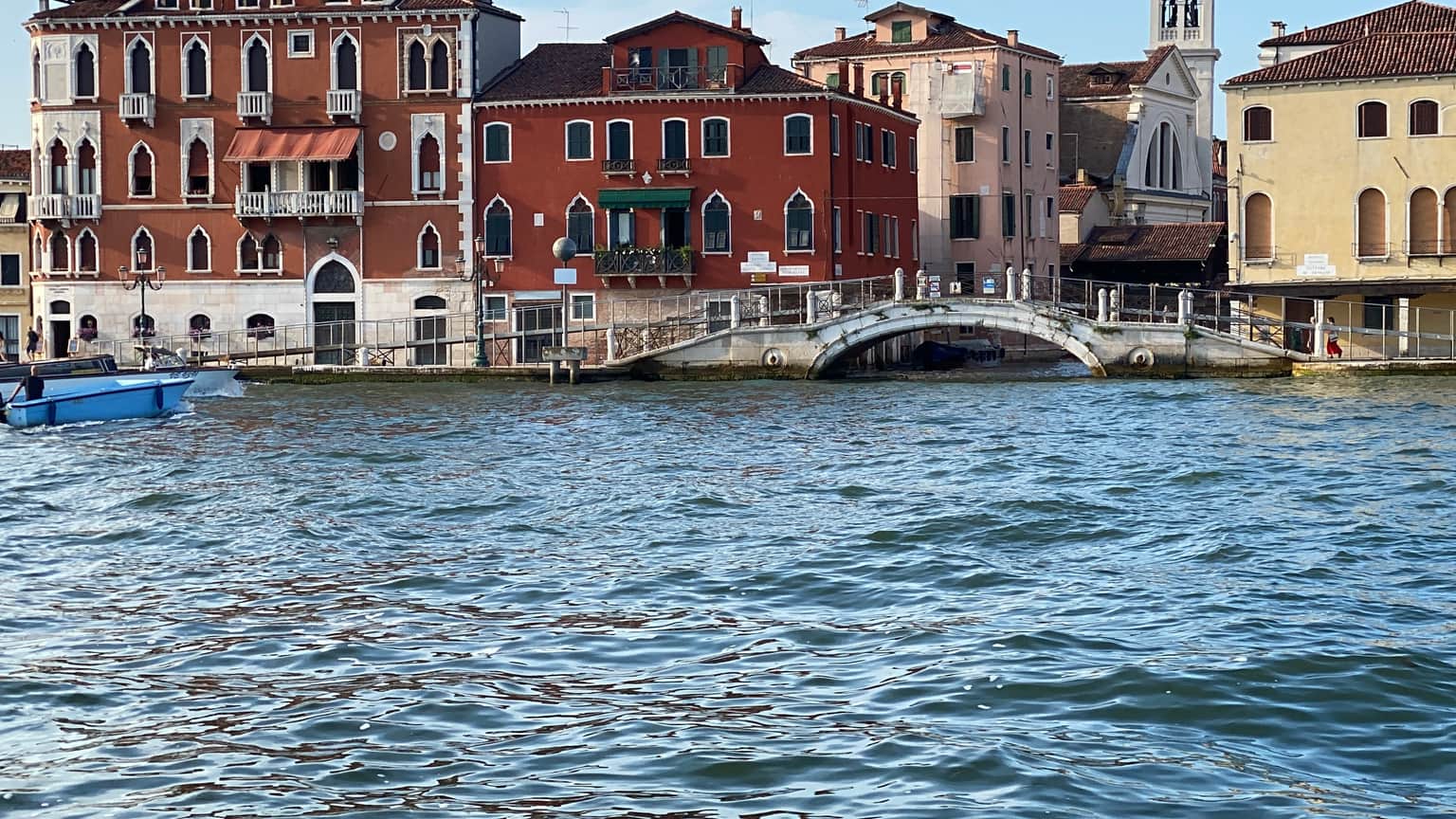
A traditional gondola ride takes you through Venice’s canals for around 30 minutes and is best experienced in the early evening when the light is at its softest. For a more budget-friendly alternative, the Grand Canal vaporetto offers many of the same iconic views at a fraction of the cost.
- Private gondola (up to 6 people): approx. EUR 80 to EUR 100 (INR 7,500 to INR 9,500) per boat
- Grand Canal vaporetto: approx. EUR 9 for 75 minutes
- St. Mark's Basilica: free entry, book a timed slot online to avoid the queue
5. Discover Vatican City
The Vatican Museums are home to one of the most significant art collections in the world. Guided entry makes a genuine difference, especially in the Sistine Chapel. St. Peter's Basilica is free, and the Dome climb gives you a direct view of Bernini's baldachin and Rome's skyline that most visitors miss.
- Vatican Museums and Sistine Chapel: approx. EUR 17 (INR 1,600) standard entry
- Guided tours: approx. EUR 35 to EUR 50 per person
- St. Peter's Basilica: free entry, no ticket required
- Dome climb: EUR 8 by stairs, EUR 10 by lift
6. Visit European Christmas Markets
Christmas markets across Germany, Austria, and Switzerland run from late November until December 24. Vienna’s Christkindlmarkt at Rathausplatz is among the most visited in Central Europe, while Strasbourg, Nuremberg, and Salzburg are excellent alternatives. Entry to all of these markets is free.
- Budget approx. INR 1,500 to INR 3,000 per person per market for food, mulled wine, and shopping
- Prague and Budapest run markets with a comparable atmosphere at noticeably lower costs
- Best travel window: November 28 to December 23 to catch markets before closures
Note from Our Travellers: Book December trips by September, as hotel prices in cities like Vienna, Munich, and Zurich rise significantly during Christmas week. Travelling in mid-November often offers a similar festive atmosphere at comparatively lower costs.
7. Relax at Budapest's Thermal Baths
Budapest is built on 123 thermal springs, making its bath culture a genuine part of local life. The Széchenyi Baths are famous for their outdoor pools, which remain open even during winter. For a different experience, the Gellért Baths and Rudas Baths each offer their own distinctive architecture and atmosphere.
- Széchenyi Baths entry: approx. INR 2,800 to INR 4,500, depending on the package
- Gellért Baths: approx. INR 2,500 to INR 4,000
- Rudas Baths: rooftop pool with city views, approx. INR 2,000 to INR 3,500
- All three require advance booking in peak months
Sample Europe Itineraries — Most Booked by Our Travellers
These four itineraries are among the most preferred choices for Indian travellers, covering popular destinations with comfortable travel flow, well-planned transfers, and attractions that can be booked smoothly in advance.
7 to 8 Days — Paris and the Swiss Alps
Best for first-time Europe travellers who want two distinct experiences without too many hotel moves.
- Day 1: Arrive in Paris and transfer to your hotel near Gare de Lyon. Spend the evening walking along the Seine River towards Pont des Arts and experience the atmosphere of the city from your very first day.
- Day 2: Eiffel Tower (pre-booked 9 am summit slot), Champs-Élysées walk, Musée d'Orsay or Louvre, depending on your interest.
- Day 3: Palace of Versailles half-day (book entry in advance). Afternoon in Paris at leisure, the Marais or Montmartre.
- Day 4: TGV to Zurich (approx. 4 hours). Transfer to Lucerne. Evening walk on the Chapel Bridge.
- Day 5: Jungfraujoch excursion (8 am departure from Interlaken recommended). Return to Lucerne by evening.
- Day 6: Lucerne city day. Lion Monument, lake cruise, and old town. Optional: Mount Pilatus cable car (approx. INR 7,000).
- Day 7: Transfer to Zurich for departure. Zurich old town, if flight timing allows.
- Day 8 (Optional): Additional alpine excursion or full leisure day in Lucerne.
Thrillophilia Europe Operations Team: This is the route we recommend when someone wants the Eiffel Tower and snow in the same trip. Two countries, one train change, no internal flights, and a single hotel move. Travellers on this route consistently rate it higher on average than those who add a third country at the same duration.
Know More About: 7-Days Package
Source: Thrillophilia booking data, June 2026.
10 to 12 Days — France, Switzerland, and Italy
One of the most popular Europe routes among Indian travellers, this itinerary combines cultural landmarks, Alpine scenery, and Italian history with a smooth travel flow between destinations.
- Day 1: Arrive in Paris. Evening at leisure. Indian restaurant options in the 10th arrondissement near Gare du Nord for a familiar first meal.
- Day 2: Eiffel Tower (pre-booked), Seine river cruise, Champs-Élysées.
- Day 3: Versailles half-day. Afternoon leisure in Paris.
- Day 4: TGV to Zurich or Basel. Transfer to Lucerne.
- Day 5: Jungfraujoch (8 am departure). Return through Grindelwald.
- Day 6: Lucerne at leisure. Chapel Bridge, lake cruise. Optional Mount Titlis from Engelberg.
- Day 7: Train to Rome via Milan (approx. 3 to 3.5 hours, Milan to Rome).
- Day 8: Colosseum and Roman Forum at 8 am (pre-booked). Trevi Fountain at dusk.
- Day 9: Vatican City full day with guided entry to Museums, Sistine Chapel, and St. Peter's.
- Day 10: Train to Florence (1.5 hours). Uffizi Gallery, Ponte Vecchio.
- Day 11: Florence continued. Optional Pisa half-day (1 hour each way by train).
- Day 12: Return to Rome or fly from Florence or Milan.
Know More About: 12 Days Package
14 Days — France, Switzerland, Italy, and Austria
Best for travellers with longer holidays or those returning to Europe for another trip. The route moves smoothly from Western to Central Europe, helping reduce unnecessary travel time between destinations.
- Day 1: Arrive in Paris. Evening dinner near the accommodation.
- Day 2: Eiffel Tower, Louvre (advance booking required), evening Seine walk.
- Day 3: Versailles half-day or leisure. Train to Switzerland.
- Day 4: Swiss Alps. Jungfraujoch (8 am departure).
- Day 5: Lucerne. Chapel Bridge, the history museum, and the lake.
- Day 6: Train to Rome via Milan.
- Day 7: Rome. Colosseum, Roman Forum, Trevi Fountain.
- Day 8: Vatican City full day.
- Day 9: Florence. Uffizi Gallery, Ponte Vecchio.
- Day 10: Venice. Gondola in the early evening, St. Mark's Square, Grand Canal vaporetto.
- Day 11: High-speed train to Vienna. Evening on Mariahilfer Straße.
- Day 12: Vienna. Schönbrunn Palace, Vienna State Opera, Café Central.
- Day 13: Vienna at leisure or optional Budapest day trip (2.5 hours each way by train).
- Day 14: Depart from Vienna.
Know More About: 14-Days Package
UK Visa Note for Grand Europe Extension: If your 15-day route includes London, you need a UK Standard Visitor Visa in addition to your Schengen visa. Plan an additional 4 to 6 weeks for the separate application.
Winter Europe — 7 to 10 Days, Christmas Markets
Best for couples and travellers visiting Europe during the festive winter season. The ideal travel window is from late November to December 23, when Christmas markets across Europe are fully operational.
- Day 1: Arrive in Munich. Marienplatz Christkindlmarkt in the evening. Entry is free. Budget INR 2,000 to 3,000 for food and market shopping.
- Day 2: Munich. Nymphenburg Palace (approx. INR 1,400). Optional day trip to Neuschwanstein Castle.
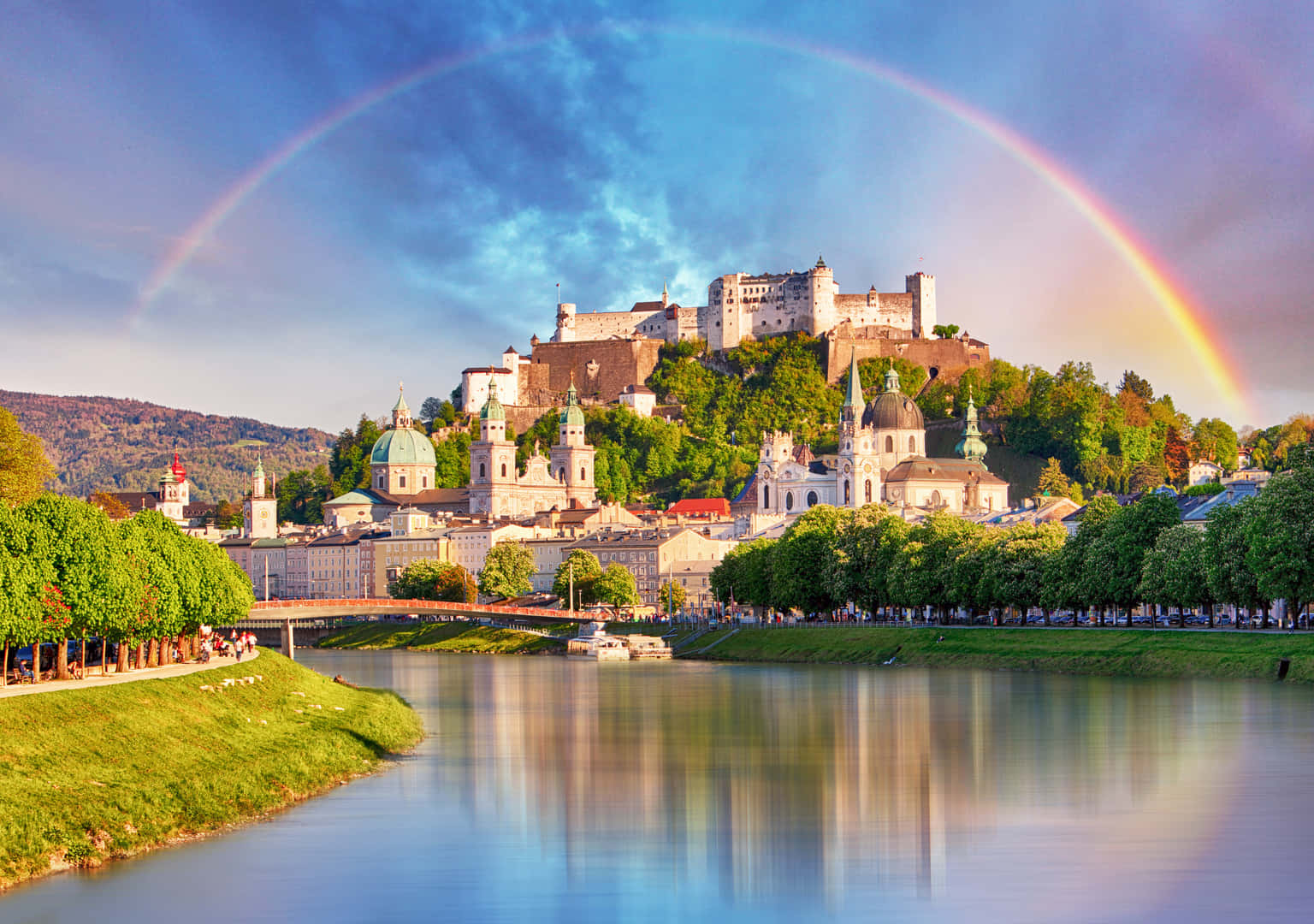
- Day 3: Train to Salzburg (1.5 hours). Hohensalzburg Fortress. Christmas market at Residenzplatz in the evening.
- Day 4: Train to Vienna (2.5 hours). Vienna Christkindlmarkt at Rathausplatz is the most visited Christmas market in Central Europe.
- Day 5: Vienna. Schönbrunn Palace with Christmas market in the grounds. Viennese café afternoon.
- Day 6: Train to the Swiss Alps, Lucerne or Interlaken. Fondue dinner in the evening.
- Day 7: Mount Titlis or Jungfraujoch. Snow activities if conditions allow.
- Day 8: Travel to Paris and explore the Champs-Élysées Christmas lights.
- Day 9: Paris sightseeing and evening Christmas illuminations.
- Day 10: Departure from Paris.
Best Time to Visit Europe from India
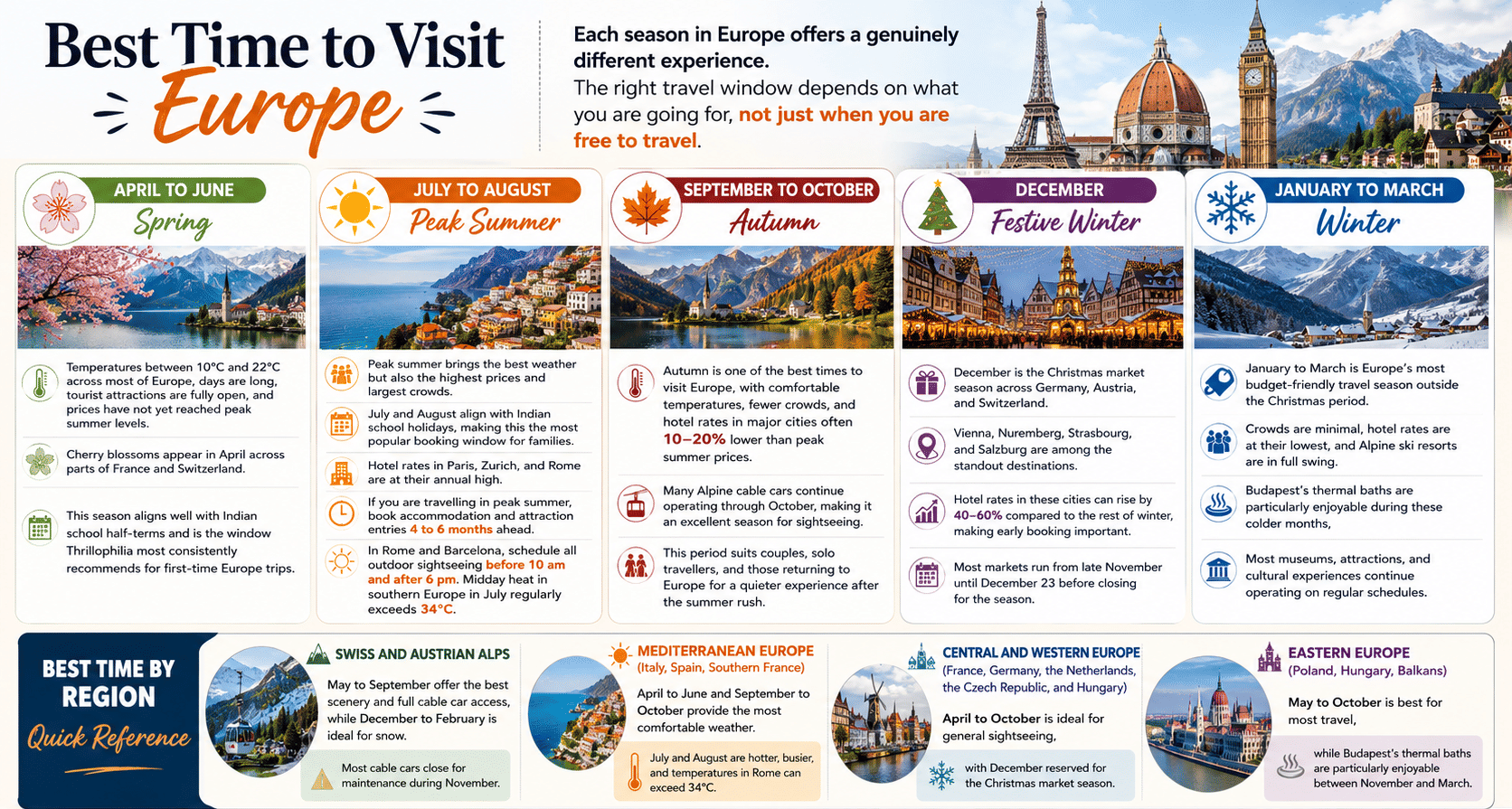
Plan smart. Travel better. Discover the best time to visit Europe with Thrillophilia.
Each season in Europe offers a genuinely different experience. The right travel window depends on what you are going for, not just when you are free to travel.
April to June — Spring
Spring is the most balanced window for Indian travellers. Temperatures are between 10°C and 22°C across most of Europe, days are long, tourist attractions are fully open, and prices have not yet reached peak summer levels. Cherry blossoms appear in April across parts of France and Switzerland. This season aligns well with Indian school half-terms and is the window Thrillophilia most consistently recommends for first-time Europe trips.
July to August — Peak Summer
Peak summer brings the best weather but also the highest prices and largest crowds. July and August align with Indian school holidays, making this the most popular booking window for families. Hotel rates in Paris, Zurich, and Rome are at their annual high. If you are travelling in peak summer, book accommodation and attraction entries 4 to 6 months ahead. In Rome and Barcelona, schedule all outdoor sightseeing before 10 am and after 6 pm. Midday heat in southern Europe in July regularly exceeds 34°C.
September to October — Autumn
Autumn is one of the best times to visit Europe, with comfortable temperatures, fewer crowds, and hotel rates in major cities often 10–20% lower than peak summer prices. Many Alpine cable cars continue operating through October, making it an excellent season for sightseeing. This period suits couples, solo travellers, and those returning to Europe for a quieter experience after the summer rush.
December — Festive Winter
December is the Christmas market season across Germany, Austria, and Switzerland. Vienna, Nuremberg, Strasbourg, and Salzburg are among the standout destinations. Hotel rates in these cities can rise by 40–60% compared to the rest of winter, making early booking important. Most markets run from late November until December 23 before closing for the season.
January to March — Winter
January to March is Europe’s most budget-friendly travel season outside the Christmas period. Crowds are minimal, hotel rates are at their lowest, and Alpine ski resorts are in full swing. Budapest’s thermal baths are particularly enjoyable during these colder months, while most museums, attractions, and cultural experiences continue operating on regular schedules.
Best Time by Region — Quick Reference
- Swiss and Austrian Alps: May to September offer the best scenery and full cable car access, while December to February is ideal for snow. Most cable cars close for maintenance during November.
- Mediterranean Europe (Italy, Spain, Southern France): April to June and September to October provide the most comfortable weather. July and August are hotter, busier, and temperatures in Rome can exceed 34°C.
- Central and Western Europe (France, Germany, the Netherlands, the Czech Republic, and Hungary): April to October is ideal for general sightseeing, with December reserved for the Christmas market season.
- Eastern Europe (Poland, Hungary, Balkans): May to October is best for most travel, while Budapest’s thermal baths are particularly enjoyable between November and March.
What Our Travellers Say
Explored the beauty, culture, and magic of Spain with Shimpudi on her unforgettable trip with Thrillophilia.
The following reviews are from verified Thrillophilia bookings. All quotes are taken directly from post-trip feedback submitted by travellers after completing their Europe trip.
Savita Parmar — Vadodara
Norway in a Nutshell with FREE Fjord Cruise Ride | March 2026
“Leaving the hectic traffic of Vadodara for the absolute silence of the Jostedalsbreen glacier was a life-altering experience. Thrillophilia didn't just book a tour; they engineered a seamless Arctic adventure where I felt like a pioneer rather than a tourist. Kayaking through the crystal-clear waters of the Aurlandsfjord under the midnight sun was a surreal highlight. The logistical backbone—from the precise car rental pickup to the remote cabin stays—was invisible yet flawless.”
Supriya Nambiar — Thrissur
Scenic Scandinavia with FREE Mostraumen Cruise | April 2026
“Our trip to Norway, Finland, and Denmark with Thrillophilia was honestly one of the most memorable holidays we’ve taken. Since it involved three countries, we were expecting some level of confusion or tiredness, but the way the itinerary was arranged made the journey feel smooth throughout. The sequence of destinations was planned smartly, so we were not backtracking or spending unnecessary hours on travel. That made a huge difference.
In Norway, we got to enjoy the landscapes and fjord views we had always wanted to see. Finland had a completely different feel, especially with the winter setting and unique local experiences. Denmark added a lively city side to the trip, which balanced the itinerary well. The hotels were selected at good locations, with easy access, and comfortable enough after long days outside. We appreciated that the stays were chosen based on convenience, not just appearance.
What we liked most was that the schedule gave us enough to do each day without feeling overpacked. We could actually enjoy each destination instead of rushing through it. For a multi-country holiday, the planning matters more than anything, and that is where Thrillophilia got it right. The trip felt organised in a way that made everything easier for us.”
Prerna Gupta — Indore
Winter Special European Trail | France, Switzerland, Austria & Germany | May 2026
“Our Europe trip turned out to be one of the most memorable holidays we have taken. Covering multiple countries in one journey can easily become exhausting, but the planning was done in a way that kept things manageable. Transfers, stays, and schedules were all handled properly, which helped us enjoy the experience instead of worrying about details every day.”
Vegetarian Food Guide for Indian Travellers in Europe
This is the most frequent pre-trip question Thrillophilia receives from Indian travellers. Here is what the operations team recommends by city.
- Paris: ISKCON Hare Krishna temple near Bastille serves free vegetarian lunch on Sundays. Maoz Falafel has multiple vegetarian outlets across the city. The area around Gare du Nord has several Indian restaurants for familiar meals.
- Rome: Margherita pizza is vegetarian and available across most pizzerias. Aromaticus near the Colosseum is a popular vegetarian café. Many trattorias also serve vegetarian pasta options like aglio e olio and cacio e pepe on request.
- Amsterdam: Govinda’s on Warmoesstraat serves Indian-style vegetarian thali meals. Vegetarian options with tofu and tempeh are common across Amsterdam because of Indonesian influence on Dutch cuisine.
- Zurich and Lucerne: Hiltl in Zurich is one of the world’s oldest vegetarian restaurants and is known for its buffet-style meals. Swiss cheese dishes like fondue and raclette are vegetarian. Supermarkets in Lucerne also offer ready-to-eat vegetarian meals.
- Prague: Maitrea is a well-known vegetarian and vegan restaurant serving Czech-inspired dishes. Dumplings, pastries, and many bakery items are vegetarian, but traditional goulash is not.
- Vienna: Wrenkh serves vegetarian Austrian cuisine, while Indian restaurants are available around Mariahilfer Straße. Popular desserts like Apfelstrudel and Sachertorte are vegetarian.
- Barcelona: Teresa Carles is one of the city’s most popular vegetarian restaurants. Pan con tomate, a tomato bread dish, is vegetarian and available across most cafés and restaurants.
For Jain travellers: Inform Thrillophilia in writing at the time of booking. Jain meal options are coordinated with accommodation partners across major cities where available.
Europe Travel Essentials for Indian Travellers
Currency and Payments
- Most European countries use the Euro. Switzerland uses the Swiss Franc. 1 EUR is approximately INR 92 to 95 as of June 2026.
- International Visa and Mastercard are widely accepted. Contactless payment is standard in Paris, Rome, Vienna, and Zurich.
- Inform your bank about international use before departure, and check the foreign currency markup fee on your card.
- A forex card helps manage spending across currencies and avoids conversion fluctuations.
- Carry EUR 200 to EUR 400 (approx. INR 19,000 to 38,000) per person in cash for smaller expenses like local transport and café stops.
SIM and Connectivity
- International roaming in Europe is expensive. Buy a local SIM at the airport or activate an eSIM before departure.
- Local SIMs cost EUR 10 to EUR 40 (approx. INR 1,100 to 4,400) for 15 to 30 GB of data.
- eSIM providers like Airalo and Holafly can be activated before your flight.
Safety
- Europe is among the safest travel destinations globally. Public spaces are well monitored.
- Pickpocketing occurs in dense tourist areas: Eiffel Tower queues, the Colosseum surroundings, Prague Old Town, and Ramblas Barcelona. Keep bags in front and avoid phone use while walking through crowds.
- Dial 112 for emergency services across all European countries.
Packing by Season
- April to June and September to October: light jacket, comfortable walking shoes, layered clothing, and a waterproof layer for alpine days.
- July to August: breathable summer wear, sunglasses, sunscreen, reusable water bottle. Extra sun protection for Rome, Barcelona, and outdoor Paris days.
- November to March: heavy coat, thermals, gloves, scarves, and waterproof shoes. Essential for Switzerland, Austria, and Germany in winter.
VAT Refunds on Shopping
- Non-EU residents can claim VAT refunds on purchases above a per-store threshold.
- Ask for a tax refund form at billing, have it stamped at the airport before departure, and claim the refund at the desk by card or cash.
- Paris and Milan are the main luxury shopping cities. Zurich is the right place for Swiss watches.
Why Book Your Europe Trip with Thrillophilia
26,900+ Indian travellers have booked Europe through Thrillophilia as of May 2026, earning a 4.7-star post-trip rating across planning quality, on-ground support, and overall experience. Experiences such as Shalini Sharma's Europe trip story highlight how thoughtful itinerary planning, visa assistance, and coordinated transfers help travellers enjoy multiple European destinations with confidence and ease.
How Every Europe Package Is Built
Every package goes through four checks before it is released:
- Country and visa alignment: tour sequences follow Schengen entry rules and manageable country crossings
- Intercity travel planning: trains and short-haul flights are pre-selected by an on-ground operator responsible for timing at every city
- Attraction slot confirmation: Eiffel Tower, Swiss mountain excursions, Vatican entry, and other timed attractions are confirmed around actual availability
- Hotel location check: hotels are positioned for proximity to train stations and metro hubs. A well-located 3-star hotel saves 30 to 45 minutes per day compared to a better-rated hotel that requires a taxi to reach anything
What Thrillophilia Confirms Before and After You Pay
Before you pay:
- Complete day-by-day itinerary
- Hotel category and meal plan
- Full list of included attractions
- Intercity transport mode for every leg
- Full package cost and payment terms
After payment:
- Exact hotel names, confirmed subject to availability at ticketing
- Confirmed room type
- Exact train or flight timings
- Attraction entry slot confirmations
- Schengen visa documents, updated during processing

.jpg?w=1536&q=60&format=auto)
.jpg?w=1536&q=60&format=auto)
.jpg?w=1536&q=60&format=auto)










.jpeg?w=1536&q=65&format=auto)
.jpeg?w=1536&q=65&format=auto)