


Best of Philippines | A Romantic Escape Across Islands & Shores
Trip Highlights
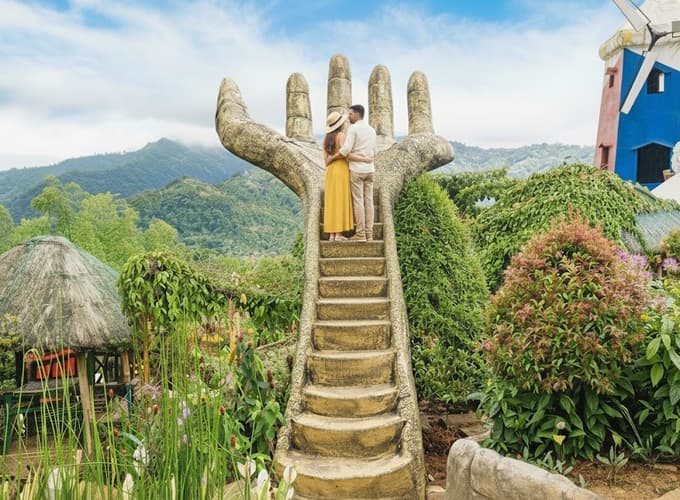
Visit Sirao Garden, Cebu’s famous “Little Amsterdam”, where vibrant blooms, whimsical displays, and cool mountain air create postcard-perfect moments.
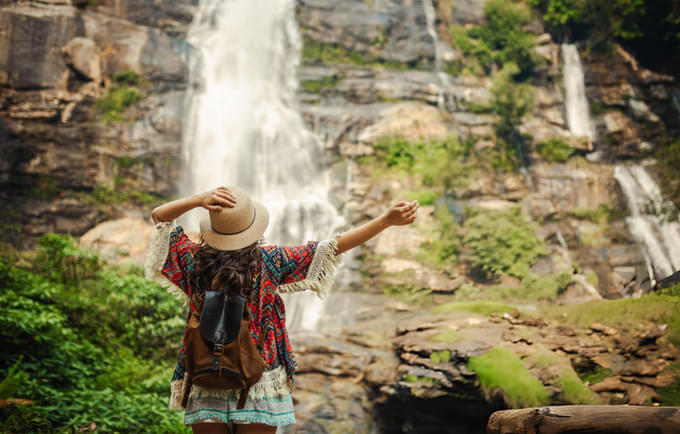
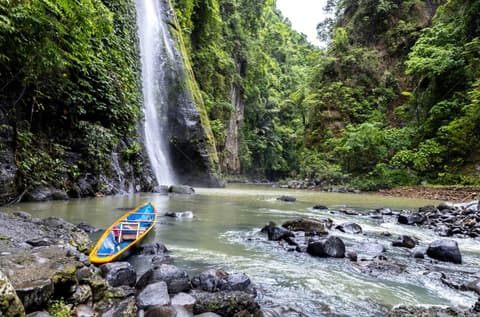
Take the iconic “Shooting the Rapids” at Pagsanjan Falls, a thrilling journey through fast-flowing waters that concludes at the cascading falls on a bamboo raft.
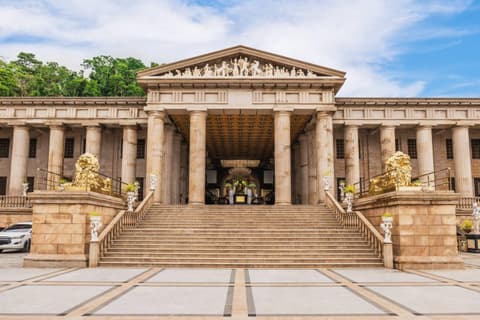
Climb the iconic 81 dragon-adorned steps of Cebu Taoist Temple, a cultural and spiritual hub of the Chinese-Filipino community, offering scenic views of Cebu.
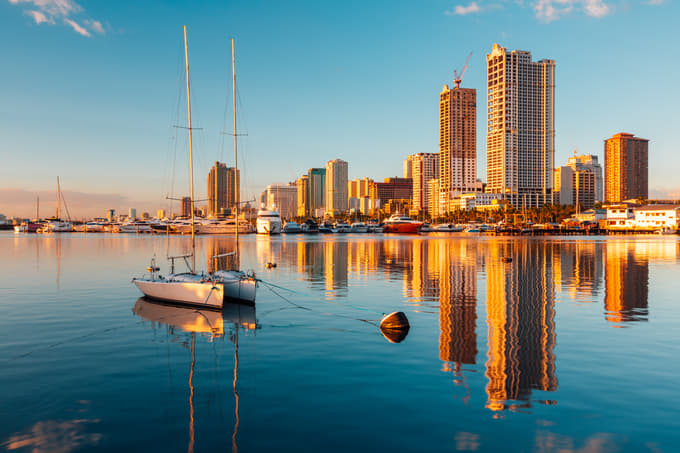
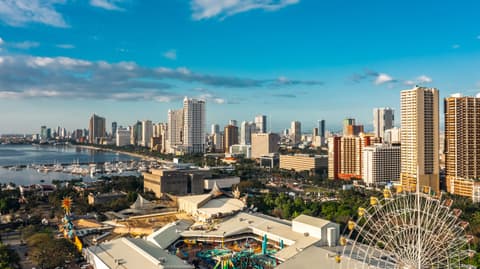
Discover the best of the Philippines, pairing Manila’s colonial streets and baywalk moments with Cebu’s historic landmarks and relaxed seaside evenings.


Know Before You Go
- The Philippines has a warm, humid climate year-round, so light and breathable clothing is ideal; however, modest attire is recommended for churches, rural areas, and religious events.
- English is widely spoken throughout the country, making communication easy for travelers, though polite language and respectful behavior are highly valued.
- A valid passport must be carried at all times; while a photocopy or digital copy is acceptable for daily movement, the original may be required for official checks.
- Passports must be valid for at least six months beyond the date of entry, and proof of onwards or return travel may be requested at immigration.
- Hotel check-ins, domestic flights, ferries, casinos, and certain tours require a government-issued photo ID or passport for verification.
- Random ID checks may occur at airports, ferry terminals, and during local events or heightened security periods.
- Cash is widely used, especially outside major cities; travelers should carry small denominations as card payments are not always accepted.
- The local currency is the Philippine Peso (PHP), and money should only be exchanged at authorized banks or licensed exchange counters.
- Traffic congestion is common in major cities like Metro Manila, so travel times can be unpredictable and buffer time should always be allowed.
- Island travel often depends on ferries or small aircraft, which may be delayed due to weather conditions; flexible itineraries are strongly recommended.
- The rainy season generally runs from June to November, with sudden weather changes possible—travel insurance is advisable.
- Tap water is not considered safe for drinking; bottled or filtered water should be used, including in some areas for brushing teeth.
- Tipping is not mandatory, but small tips are appreciated for good service in hotels, restaurants, and guided tours.
- Respect for elders, politeness, and maintaining a calm demeanor are important cultural values; public confrontation or raised voices are discouraged.
- When visiting local homes, removing footwear may be customary, and respectful behavior toward hosts is expected.
- Permission should always be requested before photographing people, especially in rural communities or during religious ceremonies.
- Environmental regulations are strictly enforced in many destinations, including bans on single-use plastics—reusable bottles and bags are encouraged.
- Smoking is prohibited in many public areas and is allowed only in designated smoking zones.
- Mobile connectivity is strong in cities but limited in remote islands; downloading maps and essential documents offline is helpful.
- Public transport such as jeepneys, tricycles, and taxis is common; if meters are not used, fares should be agreed upon in advance.
- Power sockets vary (Types A, B, and C) with a standard voltage of 220V, so carrying a universal adapter is recommended.
- Safety is generally good in tourist areas, but travelers should stay alert in crowded places and keep valuables secure.
- Losing a passport must be reported immediately to the local police and the traveler’s embassy or consulate to obtain replacement documents.
- Filipinos are known for their hospitality and willingness to help; responding with patience, gratitude, and courtesy enhances the overall travel experience.
- For leisure days or free time, download ride-hailing apps like Grab for safe, metered city travel (avoid unmetered taxis); get an eSIM or local SIM at airports for data, as coverage may drop in remote areas.
- Typhoons are common between June and November; guests are advised to monitor official local weather updates (such as the PAGASA app) and ensure they have adequate personal travel insurance covering delays or evacuations.
- The Pagsanjan Falls canoe ride involves moderate physical activity, including sitting low in a canoe, navigating river rapids, and getting splashed near the waterfall; guests are advised to wear quick-dry clothing, secure footwear, and carry a change of clothes. This experience may not be suitable for elderly guests, very young children, or those with mobility concerns.
Additional Information
About the Tour:
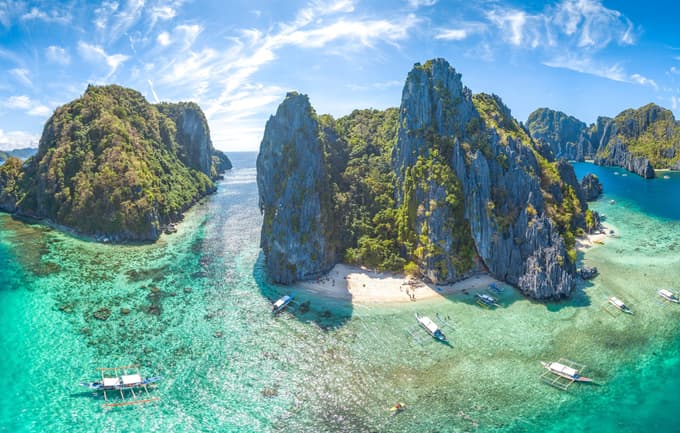
This Philippines tour perfectly blends nature, culture, and city experiences across Manila and Cebu. Begin your journey with a relaxed arrival in Manila before venturing out to the stunning Pagsanjan Falls for an exhilarating canoe ride through lush river canyons and tropical landscapes. Continue onward to Cebu, where you’ll explore iconic landmarks, colonial heritage, and vibrant local life—creating a memorable blend of discovery, relaxation, and island charm.