thrillophilia-logo
INR
login

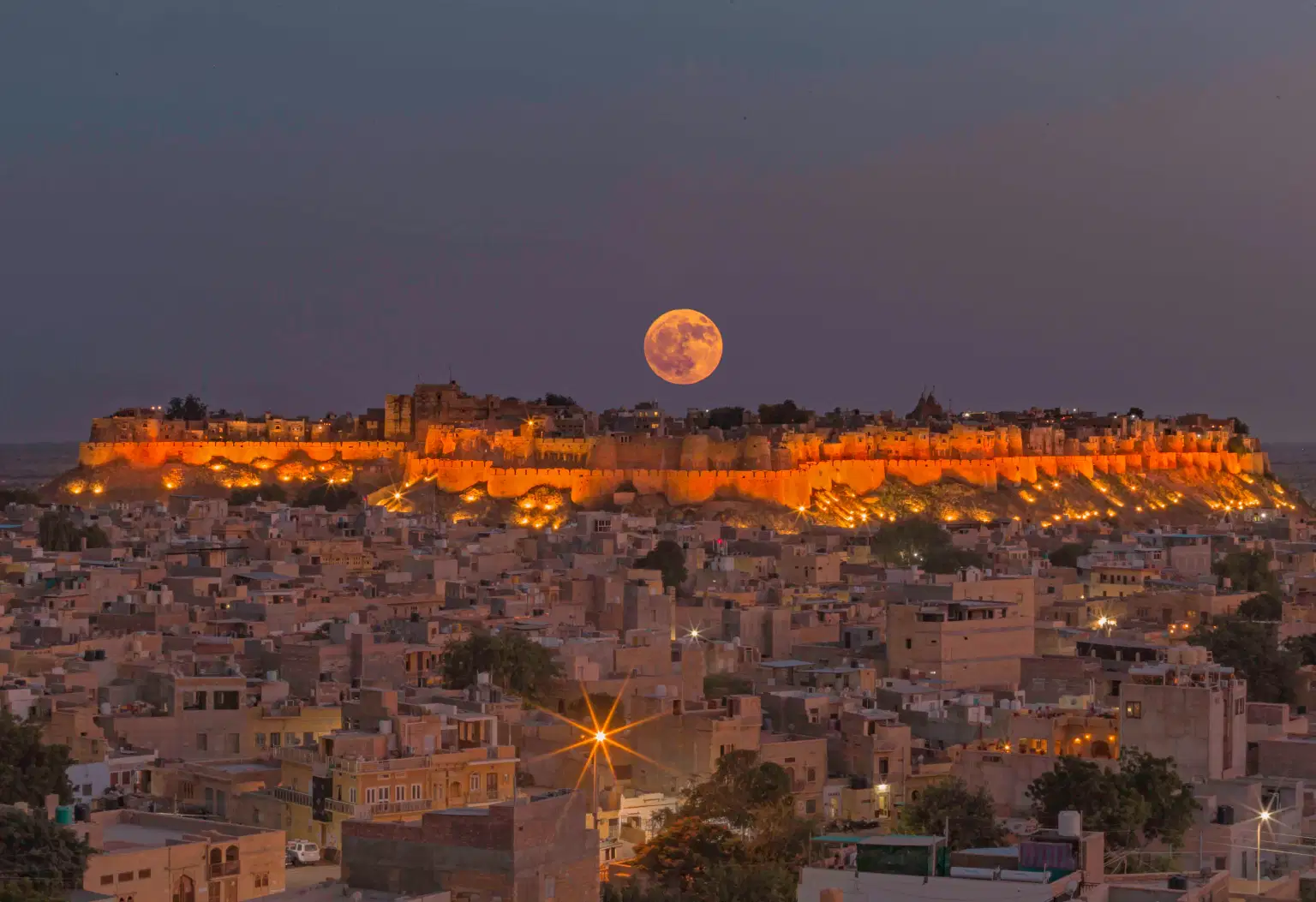
About Hathroi Fort

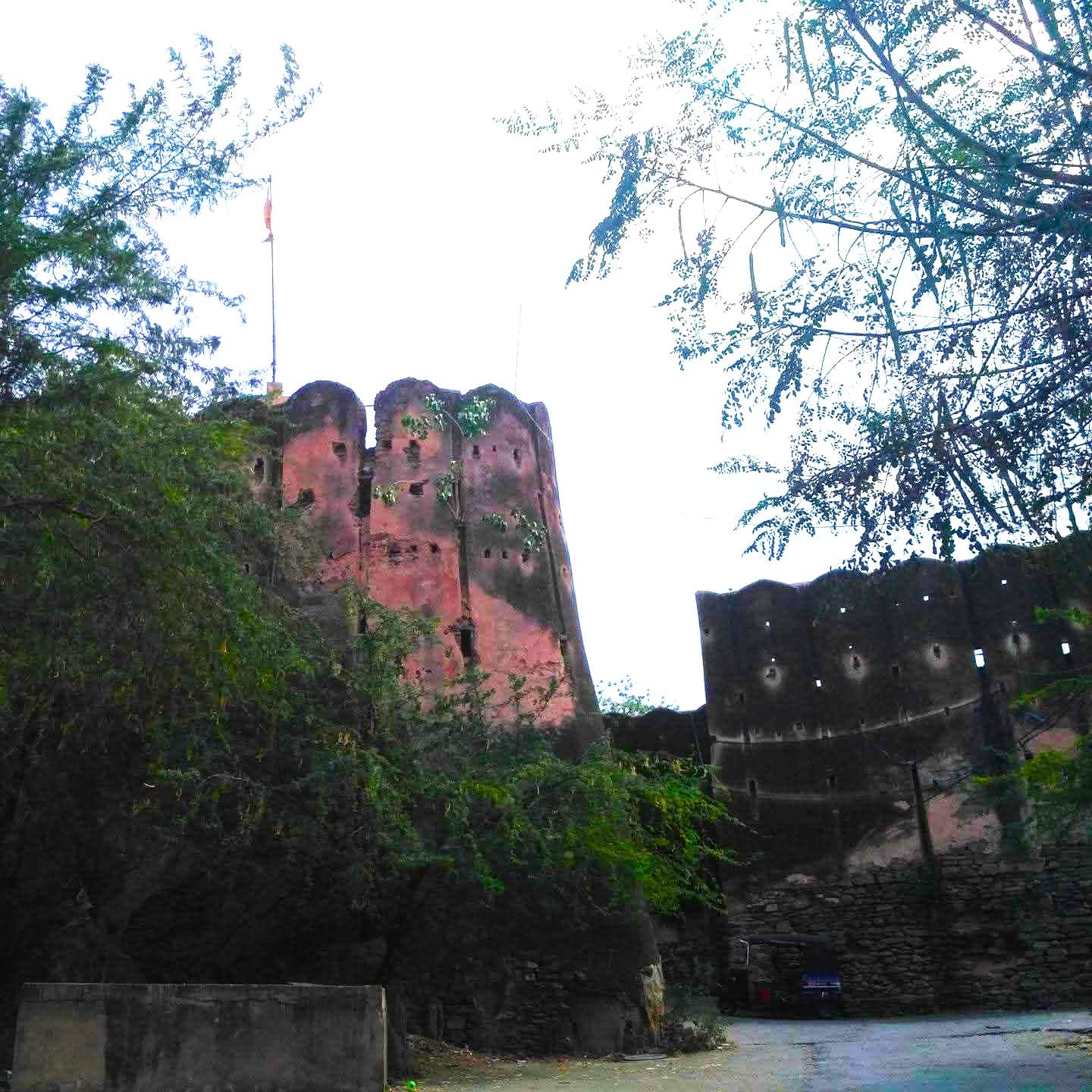
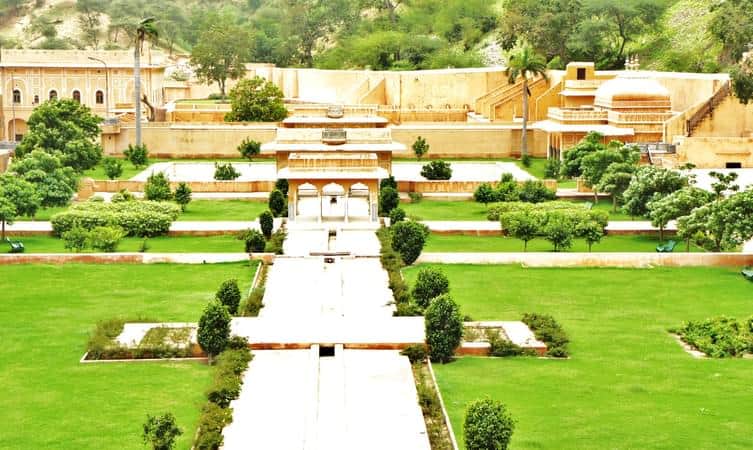
Hathroi Fort is a forgotten treasure among the many forts in Jaipur, quietly perched on a small hill near Ajmer Road. Once the seat of the Hathroi Rajputs, this historic fort dates back several centuries and served both residential and military purposes. Though time has worn down its grandeur, the remains still echo tales of Royal Rajasthan. Visitors can explore the stone structures and enjoy an uninterrupted view of Jaipur’s expanding skyline, making it a reminder of the city’s rich history.

Unlike the more crowded tourist hubs, Hathroi Fort offers a quiet, offbeat experience for those looking to discover the lesser-known heritage of Rajasthan. It is slowly becoming popular in heritage tours and forts in Jaipur trails, offering a peaceful break from the mainstream sightseeing spots in the Pink City and a unique addition to any Rajasthan tour package.

Hathroi Fort Highlights

• Explore the Ruins of Hathroi Fort, a centuries-old hilltop structure that once served as a stronghold of the Hathroi Rajputs.
• Discover the forgotten Legacy of Jaipur’s lesser-known past as you walk through the rugged stone walls and quiet chambers of the fort.
• Spot the Local Flora and Fauna along the fort’s slope and trails, making it a serene escape within the urban chaos.

How To Reach Hathroi Fort

By Road- You can reach the Hathroi Fort from Jaipur City Centre, which is about 2 km away, taking around 5 minutes to reach via the Elevated Ajmer Rd.

Best Time To Visit Hathroi Fort

1. Peak Season (October to March)

  • Weather Insights- Temperatures range between 10°C and 27°C, offering cool, dry, and pleasant weather.
  • Things to Do- Ideal time to explore the fort’s historical ruins, enjoy panoramic views of Jaipur, and capture scenic sunset photographs.

2. Moderate Season (July to September)

  • Weather Insights- Temperatures range from 22°C to 30°C, with moderate to heavy rainfall and high humidity levels during the monsoon.
  • Things to Do- Witness the fort surrounded by lush greenery.

3. Low Season (April to June)

  • Weather Insights- Temperatures soar between 30°C and 42°C, making it the hottest time of the year with dry, harsh sunlight.
  • Things to Do- Enjoy quiet exploration amidst fewer crowds.

Hathroi Fort Other Essential Information

Know Before You Go!

  • The fort is a lesser-explored heritage site, so there are no ticket counters, guides, or official signboards, so you can hire a local guide if you’re interested in its history.
  • Wear comfortable walking shoes as you may need to walk uphill on uneven paths to explore the site fully.
  • Carry drinking water, snacks, and sunscreen, especially if visiting during summer or early afternoon.
  • The area around the fort is not commercialized, so do not expect food stalls or tourist shops nearby.
  • Respect the historical site by avoiding littering, and help maintain the calm and clean atmosphere.
Day Wise Timings
Open Today
mo
Normal Timings:
09:00 AM to 05:00 AM
tu
Normal Timings:
09:00 AM to 05:00 AM
we
Normal Timings:
09:00 AM to 05:00 AM
th
Normal Timings:
09:00 AM to 05:00 AM
fr
Normal Timings:
09:00 AM to 05:00 AM
sa
Normal Timings:
09:00 AM to 05:00 AM
su
Normal Timings:
09:00 AM to 05:00 AM
Point of Interest for Hathroi Fort
Learn about the legacy of the Hathroi Rajputs
1

Learn about the legacy of the Hathroi Rajputs

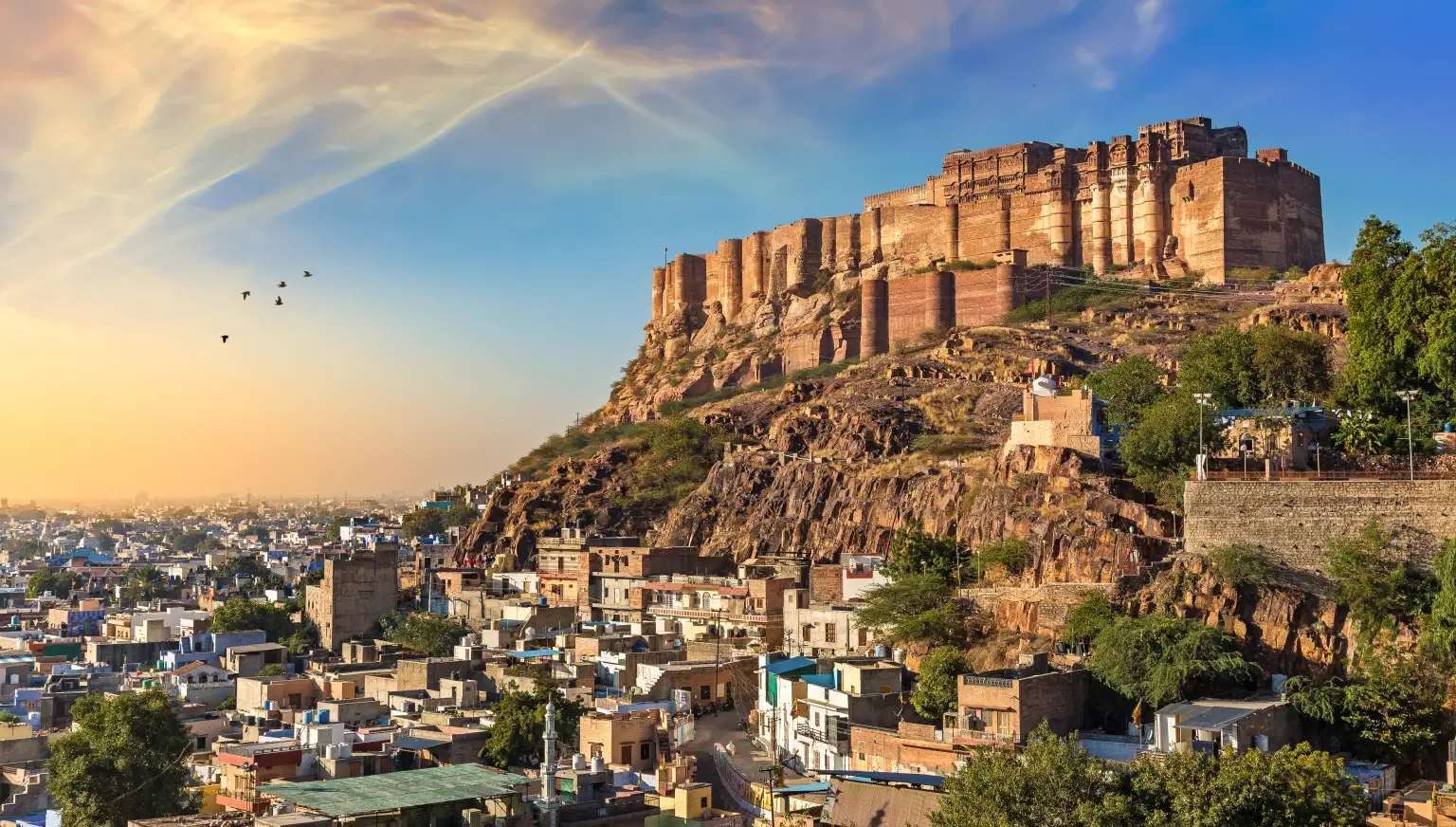
Hathroi Fort was once the stronghold of the Hathroi Rajputs, a clan known for their loyalty and bravery. While not as grand as Jaipur’s popular forts, it carries a unique historical importance tied to the local rulers who lived here. The remnants of the walls, courtyards, and the sentry points tell stories of pride, and resistance, making it a meaningful stop for history buffs.

Catch a peaceful sunset over the Pink City
2

Catch a peaceful sunset over the Pink City

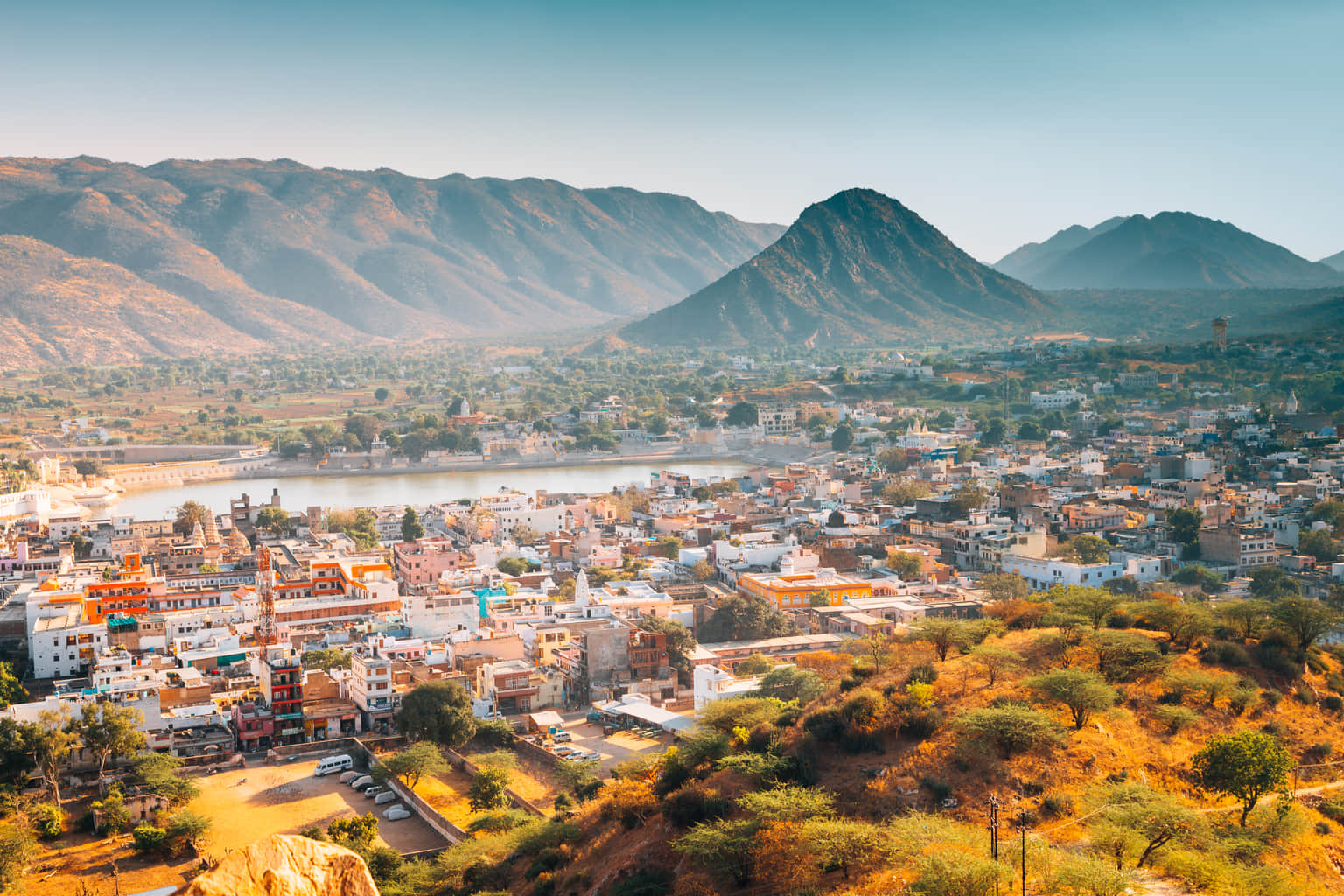
Due to its location on a low-rise hill, Hathroi Fort offers a wide, unhindered view of Jaipur's skyline. Visit during the late afternoon to enjoy a golden-hour stroll around the fort and watch the sun dip behind the city's domes and minarets. This tranquil experience contrasts beautifully with the usual hustle of Jaipur, giving visitors a rare moment of calm amidst heritage.

Explore the hidden ruins and architecture
3

Explore the hidden ruins and architecture

While much of the fort has faded with time, the leftover stone and brickwork still offer a quiet charm. Walk through what remains of the fort's gateways, passageways, and open areas. The design speaks of a blend between practical military planning and royal residential touches, though now softened by age and overgrown by wild plants.

Tourism Board Alliances

Hathroi Fort FAQs

What is Hathroi Fort famous for?

Hathroi Fort is known for being one of Jaipur’s lesser-known but historically significant heritage sites. Built in the 18th century, this fort is linked to the Hathroi Thakur family and reflects Jaipur’s feudal past. Though not a grand tourist attraction today, it offers a peaceful escape from the city's bustle and provides insight into Rajputana architectural styles and nobility. Its old walls, arches, and location amidst a local neighborhood add to its rustic charm.

Where is Hathroi Fort located in Jaipur?

Hathroi Fort is located in the Hathroi area of Jaipur, Rajasthan which lies close to the Ajmer Road. It lies within a few kilometers of Jaipur Railway Station and Sindhi Camp Bus Stand. Nestled inside a residential neighborhood, the fort might not be easy to spot at first glance. Yet, it continues to stand silently as a forgotten part of the Pink City’s royal legacy.

Is Hathroi Fort open to the public for sightseeing?

Hathroi Fort does not function as a mainstream tourist site, so there are no official opening hours, entry tickets, or guided tours. However, visitors can walk around the outer premises freely. The fort structure is mostly in ruins or private possession, so full access may not be possible. It’s best suited for heritage lovers, history enthusiasts, and those interested in offbeat places.

What is the historical significance of Hathroi Fort?

Hathroi Fort was built by the Hathroi Thakurs during the rule of the Kachhwaha dynasty in Jaipur. It was once a stronghold reflecting local governance, Rajput valor, and feudal strength. The fort also represents the transition from military fortification to noble residence, marking an era of political alliances and cultural shifts in 18th-century Rajasthan. While the structure is modest, its legacy continues to live in the locality’s name.

Why Choose Thrillophilia