


The city of Dibrugarh is divided into two halves by a tributary of the River Brahmaputra -- the Burhidihing. The soil in this region is highly fertile and is home to a large number of tea estates. The district is one of the three most important tea producing districts of Assam, the other two being Tinsukia and Sivasagar. It is also often referred to as the ‘Tea City of India.’
A major portion of the city was destroyed in an earthquake that occurred in 1950. The city has been rebuilt and given a new face it has today. Dibrugarh is the economic and commercial hub of the district. It has major industries in oil and natural gas, tea and fertilizer.
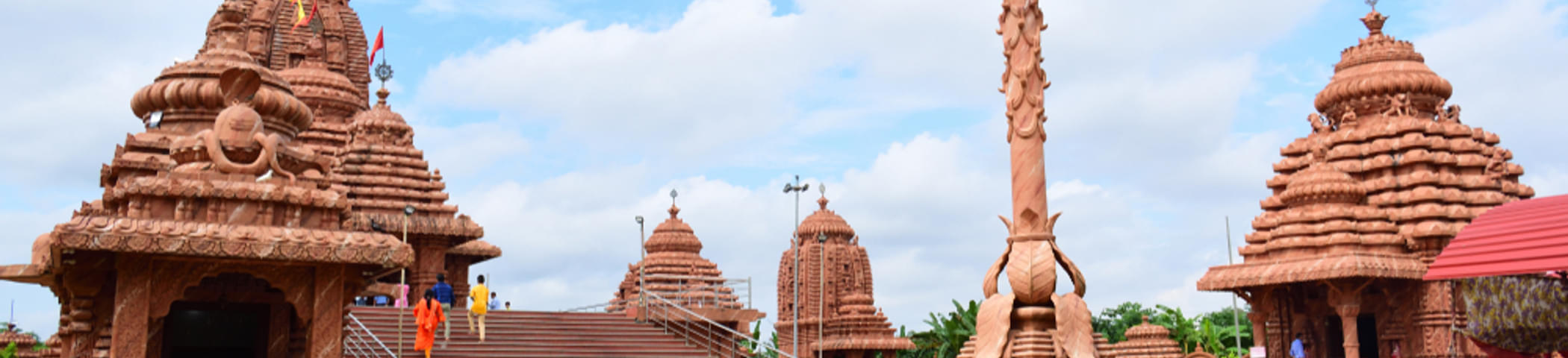
Dibrugarh is also famous for wood and woodwork, plywood and bamboo products. The indigenous silk of Assam called Muga silk is produced by the cottage industries. Some of the famous handlooms of Dibrugarh include the phulam gamosa and the mekhela gamosa. Apart from these, there are a few historic temples which are worth visiting such as the Radhakrishna Mandir, Tilinga Mandir, and the Aye than temple located on the banks of the river Brahmaputra.
The nearest airport to Dibrugarh is the Mohanbari Airport which is situated at a distance of about 15 km from the city. While travelling by train, passengers can get down at the Dibrugarh Junction to reach the city. The Dibrugarh Junction was formerly known as the Dibrugarh Railway Station and is one of the oldest railway stations of India. Dibrugarh is connected to the rest of India by NH-37. The Bogibeel bridge is under construction and the NHAI is considering into making Dibrugarh an NHAI hub after the completion of the Bogibeel bridge. Ferry services connect Dibrugarh to many places in Assam and Arunachal Pradesh.
