


Quick Jumplinks to Navigate
Key spiritual destinations in Japan include Fushimi Inari Taisha and Kinkaku-ji in Kyoto, Itsukushima Shrine in Miyajima, Senso-ji and Meiji Jingu in Tokyo, and Todai-ji in Nara. For Zen gardens, Ryoan-ji and Tofuku-ji in Kyoto are notable.
Kyoto: Kinkaku-ji, Ryoan-ji, Kiyomizu-dera, Tofuku-ji, Fushimi Inari Taisha, Ryoan-ji Rock Garden, Tofuku-ji Zen Pebble Gardens
Tokyo: Senso-ji, Meiji Jingu Shrine
Other locations: Todai-ji (Nara), Koyasan, Itsukushima Shrine (Miyajima Island), Ise Shrine (Mie Prefecture)
Japan is a country renowned for its calmness and harmony, where centuries of tradition have shaped a culture that values mindfulness, nature, and spiritual reflection. Many of its iconic temples, shrines, and Zen gardens were originally built not only as places of worship but also as spaces for meditation. For example, the minimalist rock garden at Ryoan-ji was designed in the 15th century to encourage quiet introspection, a practice that remains central to Zen Buddhism today. Even the layout of Shinto shrines, with their torii gates and forested paths, is intended to create a sense of peace and separation from the everyday hustle.
If Japan is on your bucket list for its Zen gardens, tranquil temples, and rich spiritual heritage, but you’re still wondering “What are the spiritual sites in Japan?”, you can start planning your itinerary by adding iconic locations such as Fushimi Inari Taisha, Kinkaku-ji, and Ryoan-ji. Visiting these temples and shrines allows you to step away from city noise, digital distractions, and daily stress, offering a moment of calm and reflection.
However, this is not all – besides the most famous landmarks, there are many lesser-known spiritual spots, hidden gardens, and sacred sites that can be found in Japan holiday packages for a deeper journey. We’ve compiled them in a spiritual guide to Japan for you, highlighting temples, shrines, and Zen gardens that together provide a complete, relaxing, and culturally immersive experience.
Temples in Japan to Visit
1. Kinkaku-ji (Golden Pavilion)
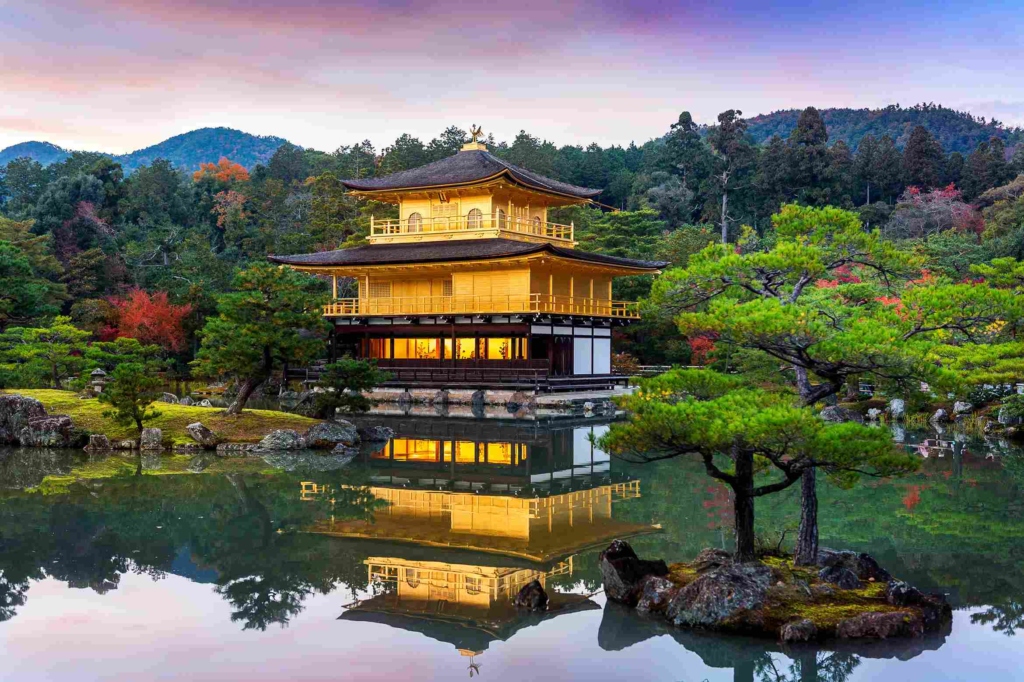
Kinkaku-ji is one of the most famous Buddhist temples in Japan due to its stunning gold leaf exterior and tranquil reflecting pond. Often admired for its Zen-inspired gardens, it provides a peaceful escape that embodies harmony and reflection.
2. Ryoan-ji Temple
Ryoan-ji, regarded as the most important Zen temple in Japan, is famous for its minimalist rock garden that encourages quiet contemplation and meditation. Sit by its stone veranda and gaze at its famous rock garden with carefully placed stones and raked gravel.
3. Kiyomizu-dera Temple

Step onto the wide wooden stage of Kiyomizu-dera and look out over the treetops and city views below. Don’t miss drinking from the Otowa Waterfall, where three separate streams are believed to bring health, wisdom, and longevity. As you explore, you’ll sense the spiritual energy that makes it often considered the best Shinto shrine or Buddhist temple to visit in Japan by many.
4. Tofuku-ji Temple
Visit Tofuku-ji and walk across bridges, especially covered by fiery red maples in autumn. Wander through its Zen pebble gardens, where waves of gravel symbolise seas and rocks suggest mountains.
5. Todai-ji Temple (Nara)

Todai-ji houses the Daibutsu, Japan’s largest bronze Buddha statue, making it a must-see for anyone trying to find the places to visit in Japan. Walk through the massive wooden hall, then step outside to see friendly deer roaming nearby in Nara Park.
6. Koyasan
Spend a night at a temple lodging in Koyasan, a UNESCO World Heritage pilgrimage site. Wake up early for morning prayers with monks and exploration of sacred cemeteries.
Shrines in Japan to Visit
1. Fushimi Inari Taisha

With its thousands of red torii gates winding up the mountain, Fushimi Inari Taisha is often considered the most popular shrine or temple in Japan. If you’re seeking an authentic spiritual experience, it’s a must-visit spot with its iconic paths and cultural significance.
2. Meiji Jingu Shrine
Set amidst a serene forest, this shrine honours Emperor Meiji and Empress Shoken, offering a peaceful retreat for reflection and a taste of Shinto tradition.
3. Itsukushima Shrine (Miyajima Island)
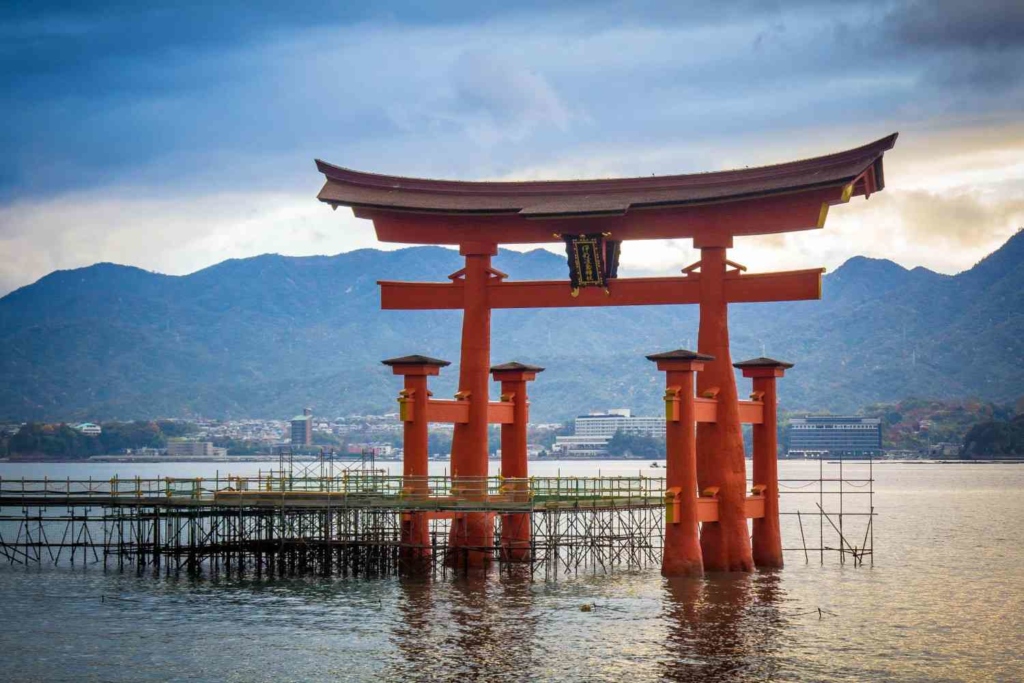
Famous for its floating torii gate at high tide, Itsukushima Shrine is a UNESCO World Heritage site symbolising harmony between nature and spirituality. Explore the shrine’s wooden walkways built over the bay, and cap it with a Mount Misen hike, making it one of the most memorable things to do in Japan.
4. Ise Shrine (Mie Prefecture)
Considered by many as the most sacred place in Japan, Ise Shrine is dedicated to the sun goddess Amaterasu. The shrine is rebuilt every 20 years, a tradition symbolising renewal and continuity.
5. Senso-ji Temple
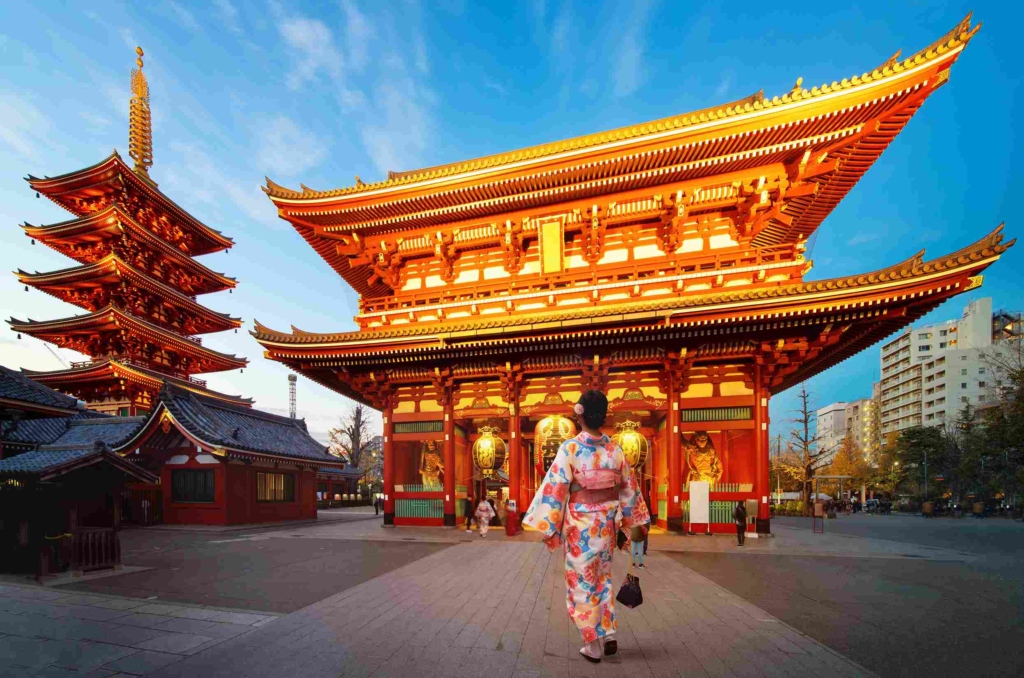
Tokyo’s oldest temple, dating back to 645 CE, carries historical significance and a sense of vibrant culture. The giant red lantern at the Thunder Gate makes a perfect photo spot, a highlight included in many Tokyo holiday packages. Inside, you can join visitors in drawing fortune slips or offering incense for blessings.
Most Famous Zen Gardens in Japan
1. Ryoan-ji Rock Garden
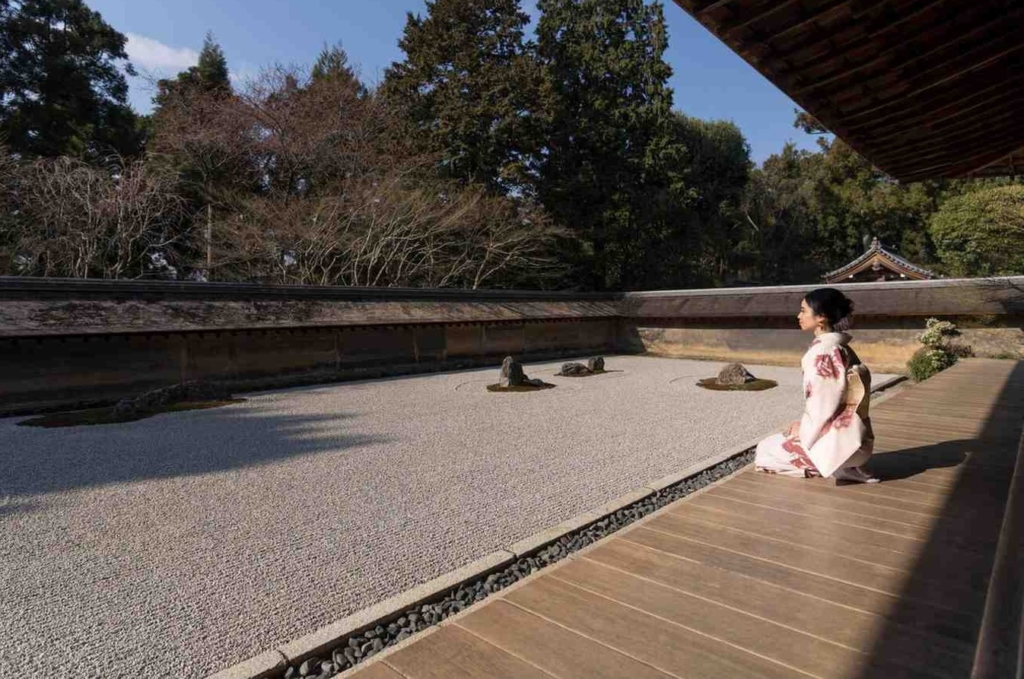
Built in the late 15th century and recognised as a UNESCO World Heritage Site, this is Japan’s most famous karesansui (dry landscape garden). Sit on the wooden veranda and gaze at the 15 stones arranged across the white gravel. From any single angle, you’ll only ever see 14, a design that sparks endless interpretation.
2. Tofuku-ji Zen Pebble Gardens
As you wander through Tofuku-ji, one of Kyoto’s oldest Zen temples, pause at the four distinct pebble gardens surrounding the Hojo (Abbot’s Hall). Each side represents a different element – oceans, mountains, rivers, and the emptiness of space.
What is the Difference Between Temples and Shrines in Japan?
- Temples (Buddhist)
- Places of Buddhist worship housing statues of Buddha.
- Feature pagodas, bell towers, and landscaped gardens.
- Focus on meditation, prayer, and contemplation.
- Shrines (Shinto)
- Dedicated to kami, or spirits, representing nature or ancestors.
- Identified by torii gates at the entrance.
- Emphasise rituals, festivals, and prayers for protection and prosperity.

Japan’s spiritual landscape offers serenity, history, and cultural richness. From Kinkaku-ji’s golden reflection to the torii tunnels of Fushimi Inari Taisha and the sacred grounds of Ise Shrine, these temples, shrines, and Zen gardens provide moments of reflection and mindfulness.
Beyond sightseeing, you can meditate, walk in Zen gardens, and participate in rituals to connect more deeply with Japan’s spiritual heritage. To get a well-planned itinerary focusing on the spiritual wonders of Japan, you can explore Thrillophilia’s best-selling Japan tour packages, which combine these iconic sites with expert guidance and comfortable arrangements, ensuring a meaningful and rejuvenating journey through the country’s rich spiritual culture.
Spiritual Places to Visit in Japan FAQs:
Q1. What is the most decorated shrine in Japan?
Ans- The most decorated shrine in Japan is the Nikko Tōshō-gū Shrine. Its Yomeimon Gate alone is adorned with over 240,000 pieces of gold leaf. Located in Nikko City, Tochigi Prefecture, it is about a two-hour journey from Tokyo via the fastest train route.
Q2. How much does it cost to visit a shrine in Japan?
Ans- Most shrines in Japan are free to enter, though some charge a small fee of ¥300-¥600 for special areas or museums. It is better to check the entrance rules before visiting or booking a well-curated package that caters to such concerns.
Q3. What is the cheapest month to visit Japan?
Ans- The cheapest months to visit Japan are generally January and February, with lower flight and accommodation costs after the New Year holiday.
Q4. What is the best time of the year to visit Japan?
Ans- Spring (March–May) in Japan for cherry blossoms and autumn (September–November) for colourful foliage are considered the best times to visit the country.
Q5. What are the spiritual activities in Japan?
Ans- Spiritual activities in Japan include temple meditation, tea ceremonies, Shinto rituals, Zen garden walks, and participating in seasonal festivals.
Q6. What is the most spiritual city in Japan?
Ans- Kyoto is considered the most spiritual city in Japan, with its abundance of historic temples, shrines, and Zen gardens.