

Quick Jumplinks to Navigate
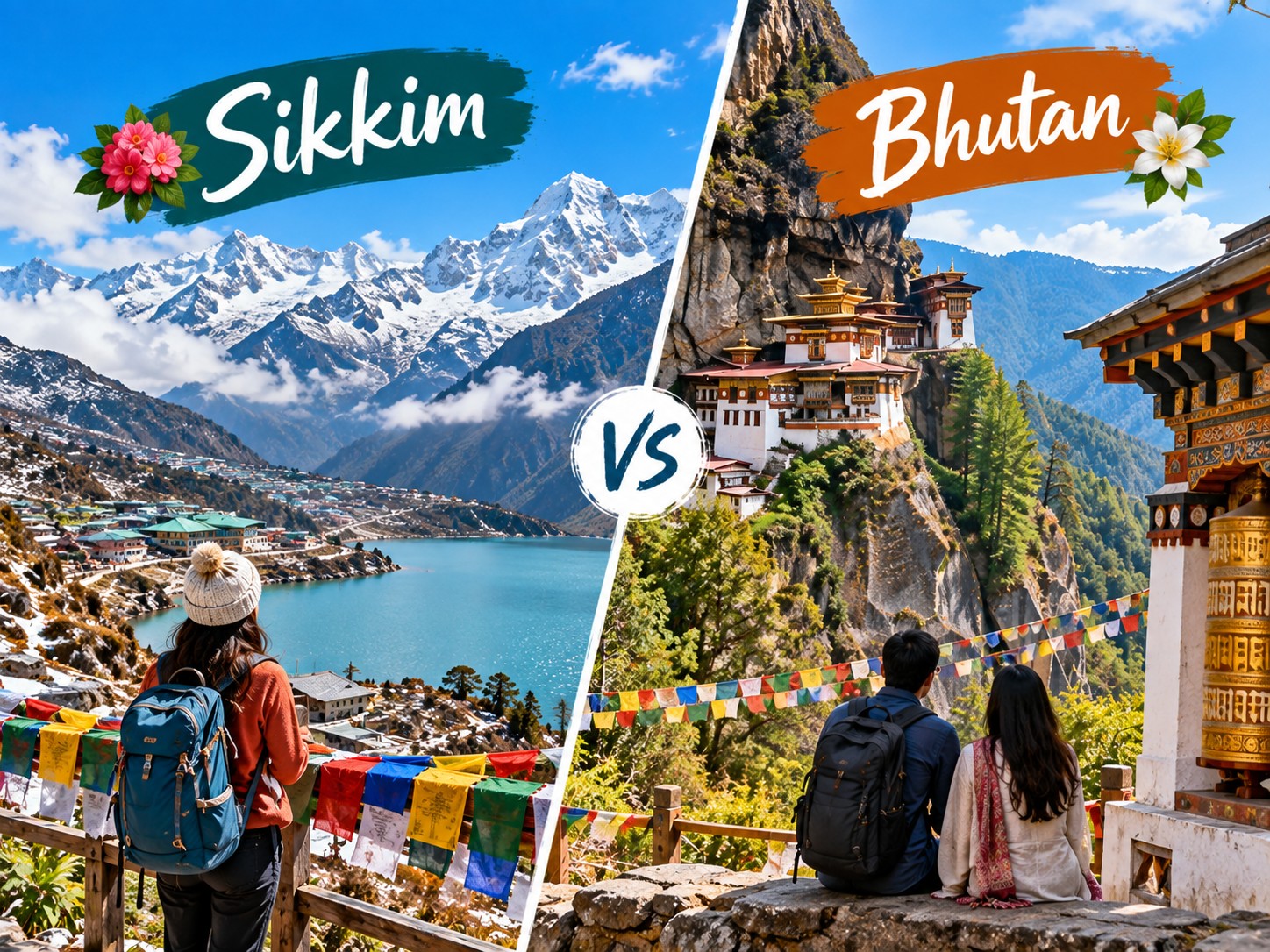
Sikkim and Bhutan are both beautiful Himalayan destinations, but each offers a different kind of holiday. Sikkim is known for its green valleys, snow-covered mountains, peaceful monasteries, waterfalls, and charming hill towns. Popular places include Gangtok, Pelling, Lachung, Yumthang Valley, and Ravangla. Bhutan, meanwhile, is known for its peaceful valleys, ancient monasteries, traditional architecture, mountain views, and rich cultural experiences, with places such as Thimphu, Paro, Punakha, and Phobjikha Valley.
Choosing between Sikkim and Bhutan mainly depends on your budget, travel style, the season, and what you want to experience. If you prefer scenic mountain drives, lush landscapes, monasteries, waterfalls, and a relaxed getaway, Sikkim can be a great choice. You can explore Sikkim tour packages covering popular destinations and experiences across the state.
If you are comparing the Sikkim vs Bhutan cost, Bhutan may appeal to travellers looking for a more immersive cultural experience, while Sikkim offers a mix of nature, adventure, sightseeing, and Himalayan culture. This comparison covers factors such as budget, weather, places to visit, food, transport, activities, and ideal trip duration to help you choose the right destination for your holiday.
Sikkim vs Bhutan: Quick Comparison
As per Thrillophilia’s destination experts, the Sikkim vs Bhutan comparison mainly depends on your budget, travel style, season, and the experiences you want. The hotels, sightseeing, transfers, activities, and inclusions should be checked before booking your trip.
| Parameter | Sikkim | Bhutan |
| Best For | Couples, families, honeymooners, nature lovers, culture enthusiasts, and mountain lovers | Couples, honeymooners, families, nature lovers, culture enthusiasts, and peaceful getaway seekers |
| Budget | From INR 15,000+ for a 5-day trip | From INR 30,000+ for a 5-day trip |
| Accommodation | 3- to 5-star hotels, boutique stays, homestays, resorts, and mountain lodges | 3- to 5-star hotels, boutique stays, traditional hotels, resorts, and comfortable guesthouses |
| Ideal Trip Duration | 5 to 8 days | 5 to 8 days |
| Best Time to Visit | March–May for pleasant weather and flowers; October–December for clear mountain views | March–May for pleasant weather and flowers; October–December for clear skies and comfortable sightseeing |
| Ease of Travel | Taxis, shared cabs, buses, and private transfers | Taxis, buses, private transfers, and guided tours |
| Food | Momos, thukpa, noodles, Tibetan dishes, local curries, and Sikkimese cuisine | Ema datshi, momos, phaksha paa, red rice, butter tea, and traditional Bhutanese cuisine |
| Natural Scenery | Green valleys, waterfalls, forests, lakes, snow-capped mountains, and Himalayan landscapes | Mountains, valleys, forests, rivers, waterfalls, monasteries, and scenic Himalayan landscapes |
| Adventure | Trekking, river rafting, paragliding, mountain biking, camping, and scenic hikes | Trekking, hiking, camping, mountain biking, rafting, and scenic mountain excursions |
| Honeymoon | Peaceful mountain stays, scenic views, monasteries, romantic walks, and cosy resorts | Romantic mountain stays, peaceful valleys, monasteries, traditional experiences, and scenic drives |
Getting to Know Sikkim and Bhutan
Sikkim and Bhutan are popular Himalayan destinations with distinct holiday experiences. Sikkim is known for snow-capped mountains, monasteries, alpine lakes, scenic valleys, and vibrant local culture, while Bhutan offers peaceful monasteries, dramatic mountain landscapes, traditional architecture, and a unique Himalayan way of life.
Sikkim
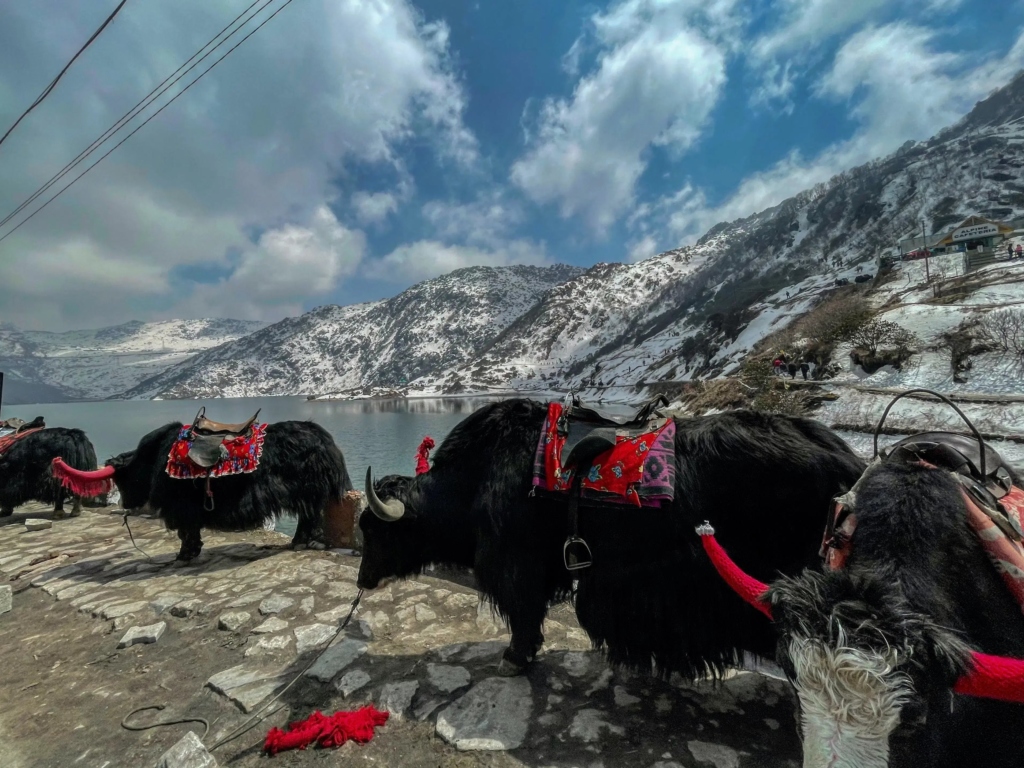
Sikkim is a great choice if you enjoy mountain views, scenic road trips, monasteries, waterfalls, lakes, and peaceful hill stations. Popular places include Gangtok, Pelling, Lachung, Yumthang Valley, and Tsomgo Lake. Travellers can explore Sikkim tour packages covering popular destinations and experiences across the state.
Gangtok is known for its beautiful mountain views, monasteries, viewpoints, and lively local markets, while North Sikkim is famous for its high-altitude landscapes, waterfalls, valleys, and snow-covered scenery. Travellers can also explore the best places to visit in Sikkim to plan their trip.
Bhutan
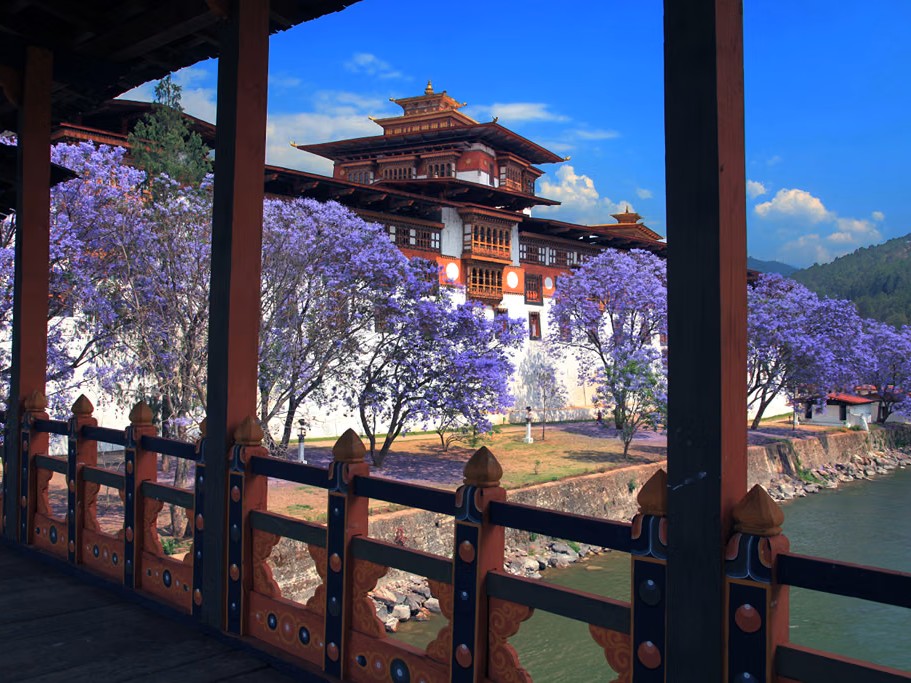
Bhutan is a great choice if you enjoy serene mountain landscapes, Buddhist monasteries, cultural experiences, scenic drives, and peaceful escapes. Popular places include Thimphu, Paro, Punakha, Phobjikha Valley, and Bumthang. Travellers can explore Bhutan tour packages covering popular destinations and experiences across the country.
Thimphu is known for its monasteries, traditional Bhutanese architecture, markets, and cultural attractions, while Paro is famous for its scenic valley, historic sites, and the iconic Tiger’s Nest Monastery. Travellers can also explore the best places to visit in Bhutan while planning their holiday.
Sikkim vs Bhutan: Detailed Comparison
Choosing between Sikkim and Bhutan mainly depends on the type of holiday you want. Both are renowned for their Himalayan landscapes, rich culture, monasteries, and peaceful surroundings, but they offer different experiences. Sikkim is better known for snow-capped mountains, scenic lakes, waterfalls, valleys, and adventure activities, while Bhutan is famous for monasteries, traditional architecture, peaceful mountain landscapes, and unique cultural experiences.
The following sections compare Sikkim and Bhutan based on cost, weather, places to visit, food, transport, activities, and ideal trip duration.
Cost & Budget
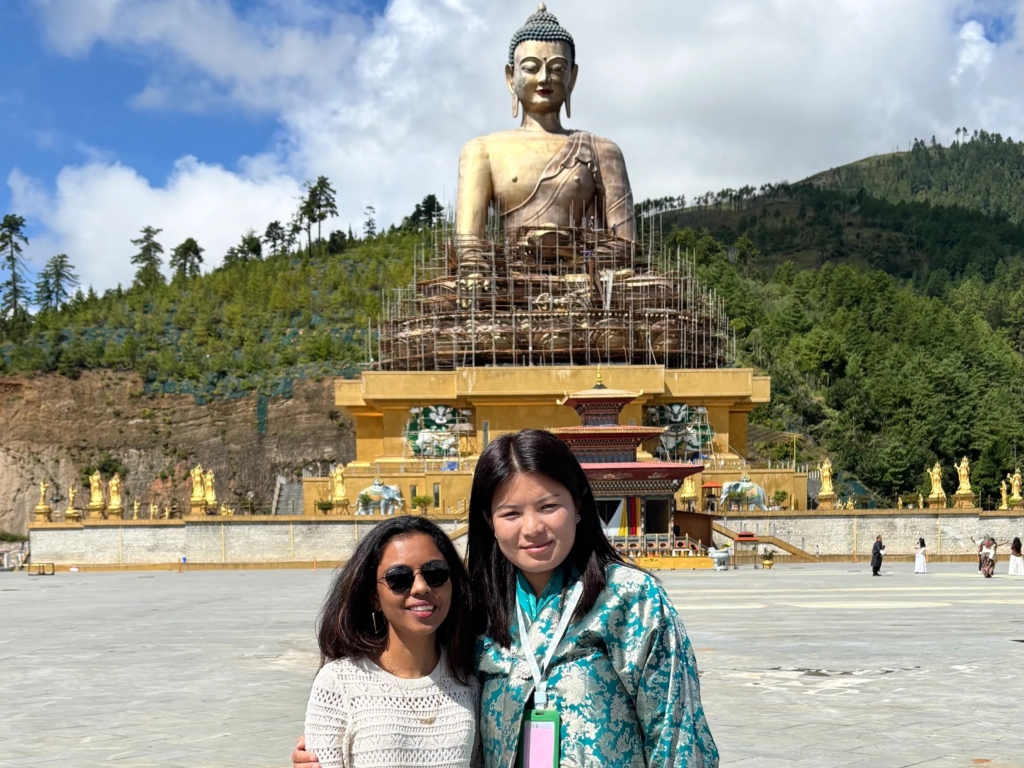
Sikkim and Bhutan can both offer memorable Himalayan holidays, but the total cost depends on your hotel, transport, food, activities, season, and trip length.
| Cost Factor | Sikkim | Bhutan |
| Starting Package Price | Around INR 20,000+ for a short trip | Around INR 35,000+ depending on the duration and package inclusions |
| Accommodation | Varies by city, season, location, and hotel | Varies by city, season, location, and hotel |
| Meals per Day | Varies by restaurant and location | Varies by restaurant and location |
| Internal Transport | Taxis, shared vehicles, buses, rental cars, and private transfers | Taxis, private vehicles, buses, and guided tours |
| Best For | Mountains, lakes, waterfalls, monasteries, adventure, and scenic trips | Monasteries, traditional culture, peaceful landscapes, and hiking |
Sikkim is a great choice for travellers who want dramatic Himalayan scenery, snow-capped mountains, lakes, waterfalls, and adventure experiences. Bhutan is better for travellers looking for peaceful mountain landscapes, Buddhist culture, monasteries, traditional architecture, and a more relaxed travel experience.
Weather and Best Time to Visit
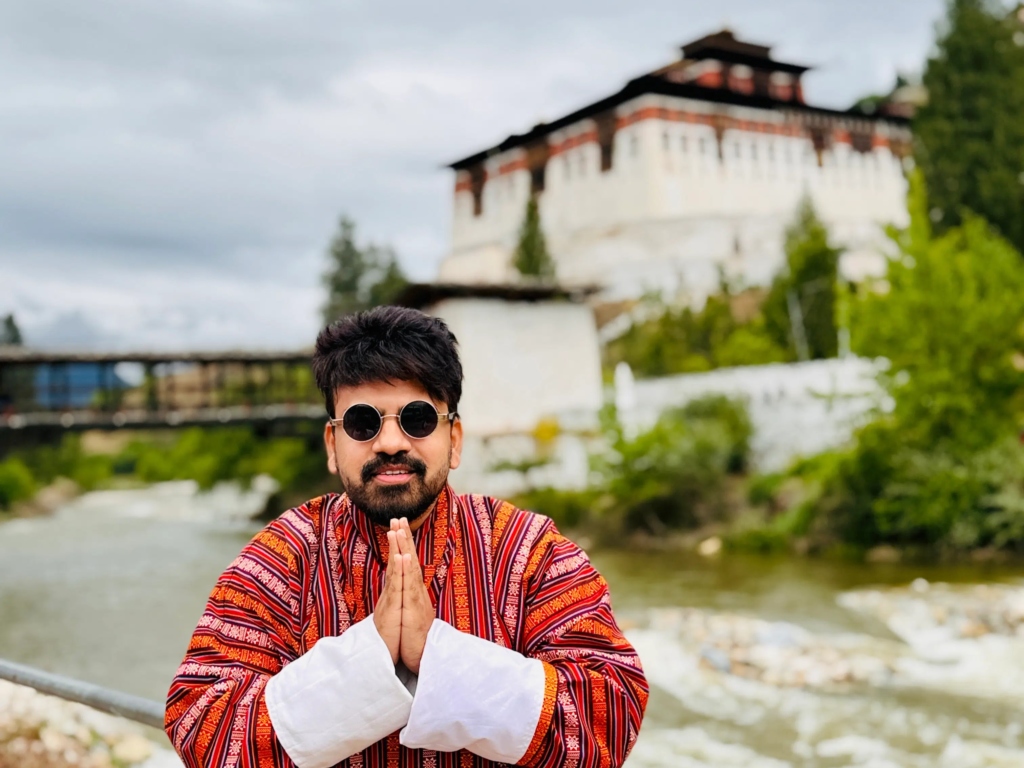
Sikkim
- Spring (March to May): 10°C to 25°C, with pleasant weather, blooming flowers, and clear mountain views. It is a good period for sightseeing, exploring monasteries, and visiting scenic destinations. Travellers looking for affordable options can explore Sikkim budget tour packages, with prices varying by itinerary, hotel, destination, and travel season.
- Summer (June to August): 15°C to 25°C, with mild temperatures but frequent rainfall in many areas. It can still be a good time to explore lower-altitude destinations, although travellers should check local road and weather conditions before planning mountain trips.
- Autumn (September to November): 10°C to 22°C, with clearer skies and excellent Himalayan views. It is one of the best periods for sightseeing, mountain views, trekking, and outdoor activities.
- Winter (December to February): 0°C to 15°C, with cold weather and snowfall possible in higher-altitude areas. It is a popular period for travellers interested in snow, winter landscapes, and mountain experiences.
Bhutan
- Spring (March to May): 10°C to 25°C, with pleasant temperatures, blooming flowers, and clear mountain scenery. It is a good period for sightseeing, hiking, cultural experiences, and exploring valleys and monasteries. Travellers looking for affordable options can explore Bhutan budget tour packages, with prices varying by itinerary, accommodation, activities, and travel season.
- Summer (June to August): 15°C to 25°C, with mild temperatures but rainfall during the monsoon period. Some areas can experience wet conditions, while the countryside remains lush and green.
- Autumn (September to November): 10°C to 22°C, with clear skies, comfortable temperatures, and excellent mountain views. It is one of the best seasons for sightseeing, trekking, and cultural exploration.
- Winter (December to February): 0°C to 15°C, with colder conditions, particularly in higher-altitude areas. It can be a good time for peaceful sightseeing, clear mountain views, and exploring Bhutan’s cultural attractions.
March to May and September to November are generally popular times to visit Sikkim for pleasant weather, mountain views, sightseeing, and outdoor activities, while Bhutan is particularly favourable from March to May and September to November for comfortable weather, cultural experiences, hiking, and scenic mountain landscapes.
Experiences and Places
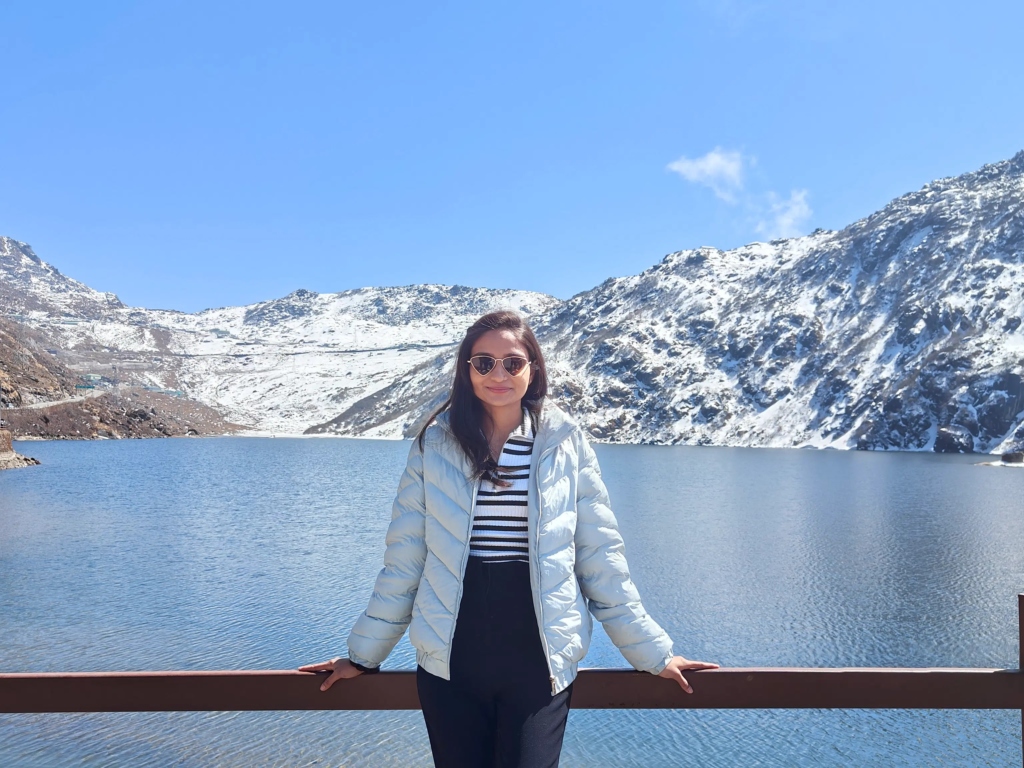
Sikkim and Bhutan offer two different Himalayan travel experiences. Sikkim is known for snow-capped mountains, scenic lakes, valleys, monasteries, waterfalls, and adventure activities, while Bhutan is famous for Buddhist monasteries, traditional architecture, peaceful valleys, mountain landscapes, and unique cultural experiences.
Sikkim: Mountains, Lakes and Adventure Experiences
These are some of the top experiences in Sikkim.
- Gangtok: Explore monasteries, viewpoints, local markets, restaurants, and scenic Himalayan surroundings.
- Tsomgo Lake: Visit the beautiful high-altitude lake surrounded by mountains and enjoy the dramatic Himalayan scenery.
- Pelling: Experience spectacular views of Kanchenjunga, monasteries, waterfalls, and peaceful mountain landscapes.
- Lachung: Discover mountain scenery, traditional villages, waterfalls, and access to the beautiful Yumthang Valley.
- Yumthang Valley: Enjoy alpine landscapes, seasonal flowers, rivers, and snow-covered mountains.
- Nathula Pass: Experience a high-altitude mountain destination near the India-China border, subject to applicable permits and travel conditions.
Bhutan: Culture, Monasteries and Himalayan Experiences
These are some of the top experiences in Bhutan.
- Thimphu: Explore Buddhist monasteries, traditional architecture, markets, cultural attractions, and the capital’s peaceful atmosphere.
- Paro: Discover historic sites, traditional Bhutanese buildings, scenic valleys, and the famous Tiger’s Nest hike.
- Punakha: Visit the impressive Punakha Dzong, explore beautiful valleys, and experience Bhutanese culture and countryside.
- Tiger’s Nest: Hike to the iconic Taktsang Monastery, one of Bhutan’s most famous cultural and spiritual landmarks.
- Dochula Pass: Enjoy panoramic Himalayan views and visit the famous 108 chortens surrounded by mountain scenery.
- Phobjikha Valley: Experience peaceful landscapes, traditional villages, nature, and the beautiful valley surrounded by mountains.
Food & Vegetarian Meal Options Availability
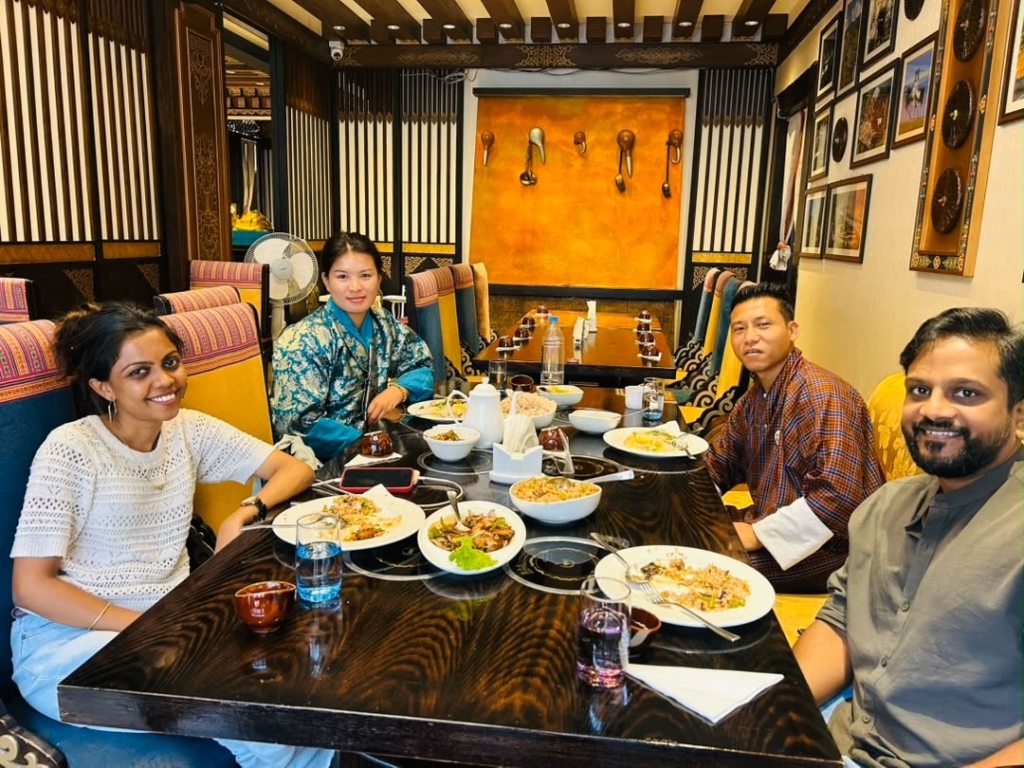
Sikkim and Bhutan both offer distinctive Himalayan food experiences, with plenty of options for travellers looking for local and vegetarian meals. Sikkim is known for momos, thukpa, Tibetan and Nepali cuisine, while Bhutan is famous for ema datshi, red rice, phaksha paa, momos, and traditional Bhutanese dishes.
Sikkim
- Local Food: Popular dishes include momos, thukpa, phagshapa, gundruk, chowmein, and traditional Tibetan, Nepali, and Sikkimese cuisine.
- Vegetarian Options: Vegetarian meals are widely available in Gangtok, Pelling, and other popular tourist destinations.
- Indian Food: Indian restaurants and vegetarian dining options are readily available in major towns and tourist areas.
- Outside Cities: Food choices can be more limited in remote mountain areas, so checking restaurant options in advance can be useful.
Bhutan
- Local Food: Popular dishes include ema datshi, phaksha paa, jasha maru, red rice, momos, buckwheat dishes, and traditional Bhutanese cuisine.
- Vegetarian Options: Vegetarian meals are available in major tourist destinations and hotels, although options can be more limited in smaller towns and remote areas.
- Indian Food: Indian restaurants and vegetarian dining options are available in Thimphu, Paro, and other popular tourist areas.
- Outside Cities: Food choices can be more limited in remote mountain regions, so carrying suitable snacks or checking dining options in advance can be helpful.
Both destinations offer vegetarian and Indian food options. Sikkim is ideal for travellers interested in momos, thukpa, Tibetan and Nepali cuisine, while Bhutan offers a distinctive culinary experience featuring ema datshi, red rice, and traditional Bhutanese dishes. Thrillophilia offers vegetarian meal options across select packages, keeping the preferences of Indian travellers in mind.
Getting Around
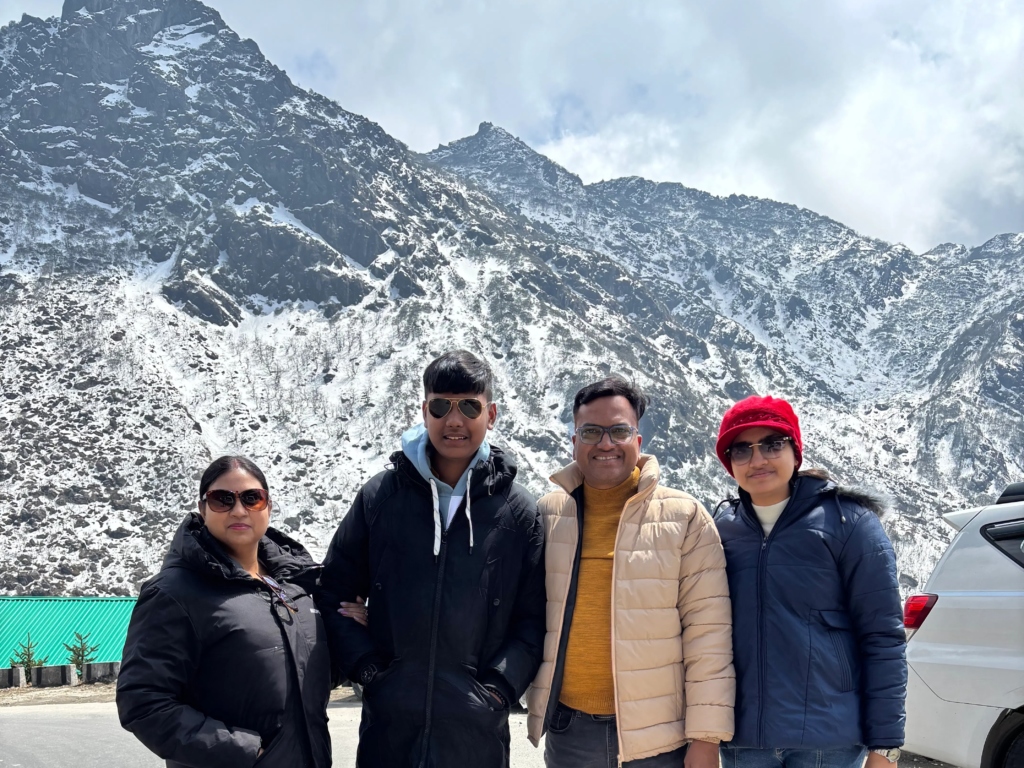
Sikkim and Bhutan are primarily explored by road, with taxis, private vehicles, shared transfers, and buses being common options. Mountain roads can be winding, and travel times may vary depending on weather and road conditions.
Sikkim
- Taxis & Shared Vehicles: Useful for travelling between Gangtok, Pelling, Lachung, and other popular destinations.
- Buses: Available on selected routes and useful for travelling between towns.
- Private Transfers: Convenient for families, groups, and travellers looking for comfortable transfers between hotels and attractions.
- Rental Cars: Can be considered for travellers who prefer greater flexibility, subject to local travel conditions and requirements.
- Helicopter Services: Limited helicopter services may be available on selected routes, depending on weather and operational conditions.
Bhutan
- Private Vehicles: A convenient option for travelling between Paro, Thimphu, Punakha, and other major destinations.
- Taxis: Useful for shorter journeys within towns and cities.
- Buses: Available for selected routes between major towns.
- Domestic Flights: Limited domestic air connections can be useful for selected longer-distance journeys.
- Private Transfers: Helpful for families, groups, and travellers looking for convenient transfers between airports, hotels, and attractions.
Sikkim is relatively easy to explore using taxis, shared vehicles, buses, and private transfers, while Bhutan is particularly convenient for travellers using organised tours and private vehicles. With Thrillophilia, select packages include transfers and other travel arrangements, making internal travel simpler and more convenient.
Sikkim & Bhutan 6 Days Sample Itinerary
Sikkim: Gangtok, Pelling & North Sikkim Escape
A 6-day Sikkim package covering Gangtok, Pelling, and North Sikkim, combining mountain sightseeing, monasteries, scenic lakes, valleys, waterfalls, and local experiences.
Duration: 6 Days / 5 Nights
Starting Price: Varies depending on the itinerary, hotel category, season, and inclusions.
- Day 1: Arrive in Gangtok and explore the city.
- Day 2: Visit Tsomgo Lake, Baba Mandir, and other popular attractions.
- Day 3: Travel towards North Sikkim and explore the scenic mountain surroundings.
- Day 4: Visit Lachung and explore Yumthang Valley and nearby attractions.
- Day 5: Travel towards Pelling and enjoy scenic mountain views and local sightseeing.
- Day 6: Explore Pelling and depart from Sikkim.
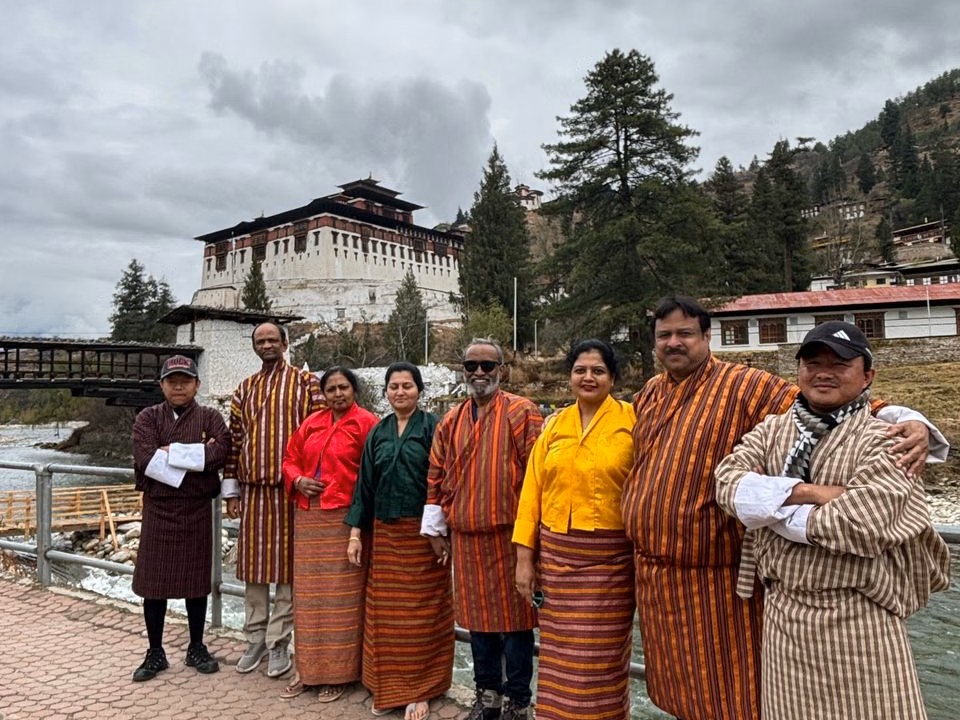
Bhutan: Thimphu, Paro & Punakha Escape
A 6-day Bhutan package covering Thimphu, Paro, and Punakha, combining cultural sightseeing, monasteries, traditional architecture, mountain landscapes, and scenic valleys.
Duration: 6 Days / 5 Nights
- Day 1: Arrive in Paro and travel to Thimphu.
- Day 2: Explore Thimphu’s monasteries, cultural attractions, markets, and viewpoints.
- Day 3: Travel to Punakha and explore the scenic valley and Punakha Dzong.
- Day 4: Return towards Paro and explore the surrounding attractions.
- Day 5: Hike to Tiger’s Nest Monastery and enjoy the surrounding mountain scenery.
- Day 6: Explore Paro and depart from Bhutan.
Which Destination Should You Choose?
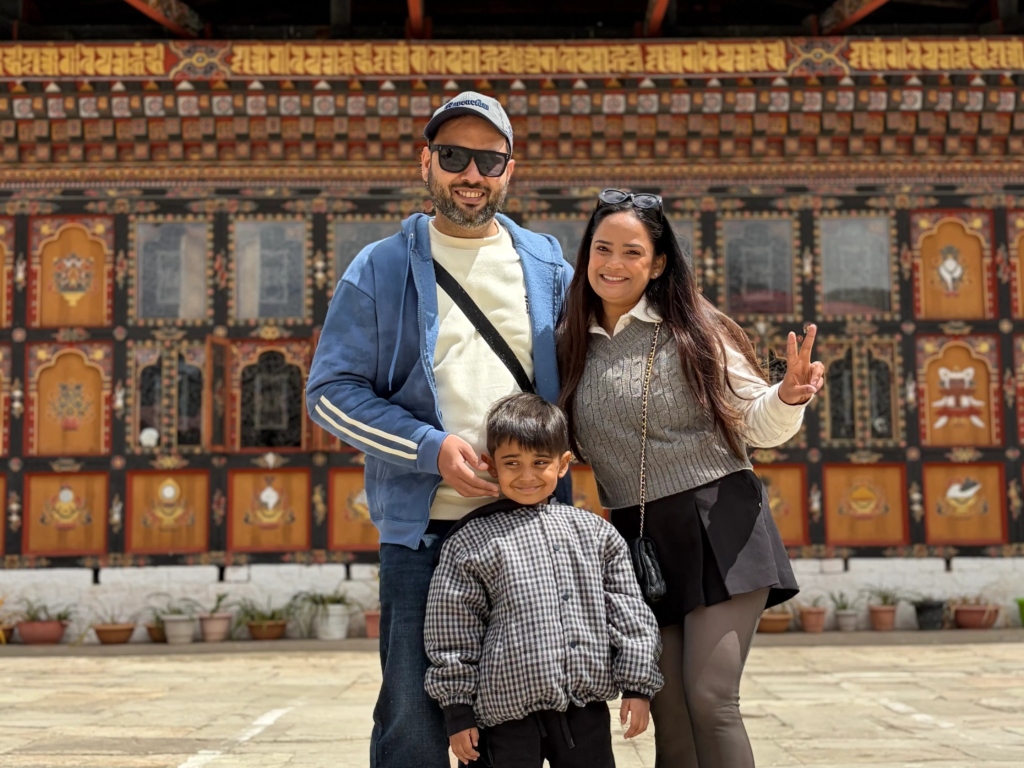
Both Sikkim and Bhutan offer distinct Himalayan travel experiences. Sikkim is ideal for mountains, lakes, waterfalls, adventure, and scenic road trips, while Bhutan is known for monasteries, traditional architecture, cultural experiences, peaceful valleys, and hiking.
| Choose Sikkim If… | Choose Bhutan If… |
| You want Gangtok, Pelling, Lachung, Yumthang Valley, or Tsomgo Lake. | You want Thimphu, Paro, Punakha, Phobjikha Valley, or Tiger’s Nest. |
| You enjoy mountains, lakes, waterfalls, monasteries, and scenic road trips. | You enjoy monasteries, dzongs, traditional architecture, hiking, and cultural experiences. |
| You want momos, thukpa, Tibetan, Nepali, and Indian cuisine. | You want ema datshi, red rice, momos, and traditional Bhutanese cuisine. |
| You enjoy trekking, sightseeing, snow experiences, river activities, and mountain adventures. | You enjoy hiking, cultural tours, monastery visits, nature experiences, and peaceful escapes. |
| You want a budget-friendly Himalayan holiday with a variety of sightseeing options. | You prefer a peaceful Himalayan holiday focused on culture, spirituality, and traditional experiences. |
| Best for: Families, couples, adventure seekers, mountain lovers, and budget-conscious travellers | Best for: Couples, families, culture enthusiasts, nature lovers, hikers, and wellness seekers |
Frequently Asked Questions
Sikkim is ideal for mountains, lakes, waterfalls, and adventure, while Bhutan is better for monasteries, culture, traditional architecture, peaceful landscapes, and immersive Himalayan experiences.
Yes, Sikkim is generally more budget-friendly, offering affordable accommodation, food, transportation, and sightseeing options compared with Bhutan.
Sikkim suits couples seeking mountains, lakes, scenic stays, and adventure, while Bhutan is perfect for peaceful landscapes, cultural experiences, monasteries, and romantic Himalayan escapes.
March to May and September to November are generally ideal, offering pleasant weather, clearer mountain views, comfortable sightseeing conditions, and opportunities for outdoor activities.
Yes, both destinations can be combined in a longer itinerary, allowing travellers to experience Sikkim’s scenic mountains and Bhutan’s distinctive culture and landscapes.