

Quick Jumplinks to Navigate
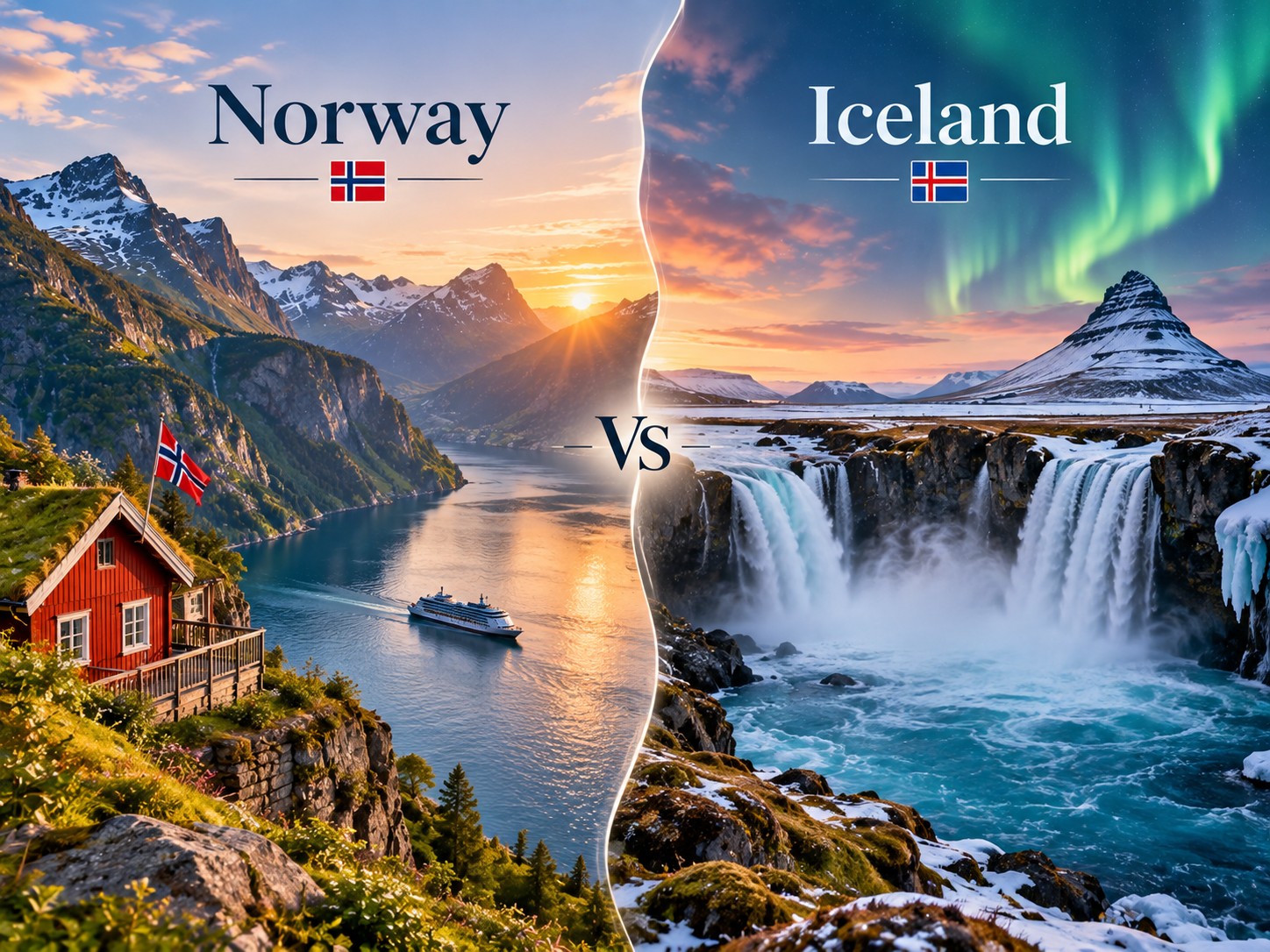
Norway vs Iceland is a common point of confusion for travellers planning a Nordic holiday. Both countries are known for breathtaking landscapes, unique experiences, and beautiful natural scenery, but the overall travel experience can be quite different. Norway is famous for its dramatic fjords, mountains, scenic train rides, coastal towns, and charming cities, while Iceland is known for waterfalls, glaciers, volcanoes, black-sand beaches, and relaxing hot springs. When comparing Norway vs Iceland, the better choice depends on your budget, travel dates, interests, and the type of holiday you want.
This detailed comparison looks at the cost, weather, places to visit, things to do, food, transport, and ideal trip duration in both countries. Whether you are planning a family holiday, honeymoon, road trip, or budget getaway, this guide can help you choose the right destination. Once you decide, explore Norway tour packages and Iceland tour packages to plan your trip.
Norway vs Iceland: Quick Comparison
As per Thrillophilia’s destination experts, choosing between Norway and Iceland mainly depends on your budget, travel style, and plans. It is also worth checking the hotels, sightseeing, transfers, and inclusions before booking your trip.
| Parameter | Norway | Iceland |
|---|---|---|
| Best For | Couples, families, nature lovers, and scenic travellers | Adventure seekers, road-trip lovers, photographers, and nature enthusiasts |
| Budget | From INR 179,000 (8 Days / 7 Nights) | From INR 165,000 (7 Days / 6 Nights) |
| Accommodation | 3- to 4-star hotels in Oslo, Bergen, and Tromsø | 3- to 4-star hotels in Reykjavík, Vík, and Akureyri |
| Ideal Trip Duration | 7 to 8 days | 7 to 10 days |
| Best Time to Visit | June–August for fjords; October–March for auroras | June–August for road trips; September–March for auroras |
| Ease of Travel | Excellent trains, ferries, flights, and buses | Best explored by rental car or guided tours |
| Northern Lights | Excellent, especially Tromsø. | Excellent, especially outside Reykjavík. |
| Natural Scenery | Fjords, mountains, glaciers, and forests | Volcanoes, glaciers, waterfalls, and black-sand beaches |
| Adventure | Hiking, kayaking, skiing, fjord cruises | Glacier hiking, ice caves, snorkelling, and snowmobiling |
| Honeymoon | Best for romantic fjord cruises and scenic stays | Best for unique landscapes and geothermal experiences |
Norway is the better choice for fjords, scenic train journeys, diverse landscapes, and romantic experiences, while Iceland is ideal for dramatic landscapes, adventure activities, and scenic road trips. Both offer excellent Northern Lights experiences, so the final choice depends on your travel style and budget.
Getting to Know Norway and Iceland
Norway and Iceland are two of the most beautiful countries in the Nordic region, but each offers a very different travel experience. Norway is known for its stunning fjords, mountains, scenic train rides, and Arctic towns, while Iceland is famous for its waterfalls, glaciers, volcanoes, and geothermal landscapes.
Norway
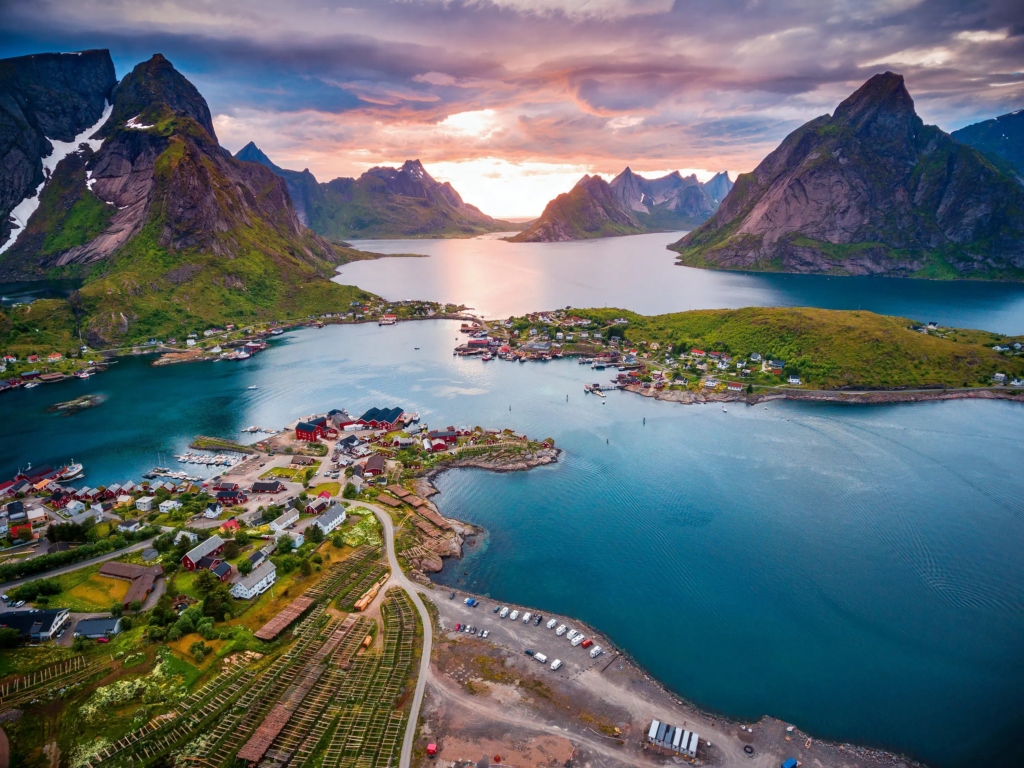
Norway is a great choice if you enjoy beautiful scenery, peaceful towns, and scenic journeys. The country is best known for its dramatic fjords, snow-covered mountains, colourful coastal villages, and long stretches of coastline which are perfect for a romantic honeymoon.
Most Norway honeymoon tour packages begin in Oslo, the capital city. From here, travellers often head to Bergen, known as the gateway to Norway’s famous fjords. Bergen is also home to the colourful Bryggen waterfront and is a great base for exploring the surrounding scenery.
One of the most popular experiences is the Flåm Railway, which takes you through mountains, valleys, and waterfalls before reaching the small village of Flåm. Further north, Tromso is one of the best places to visit in Norway, especially for travellers hoping to see the Northern Lights in Norway. Summer is also a wonderful time to visit, with long daylight hours for hiking, cruises, and sightseeing.
Norway uses the Norwegian Krone and is considered an expensive destination. However, booking accommodation, transport, and activities in advance can make it easier to manage your budget.
Iceland
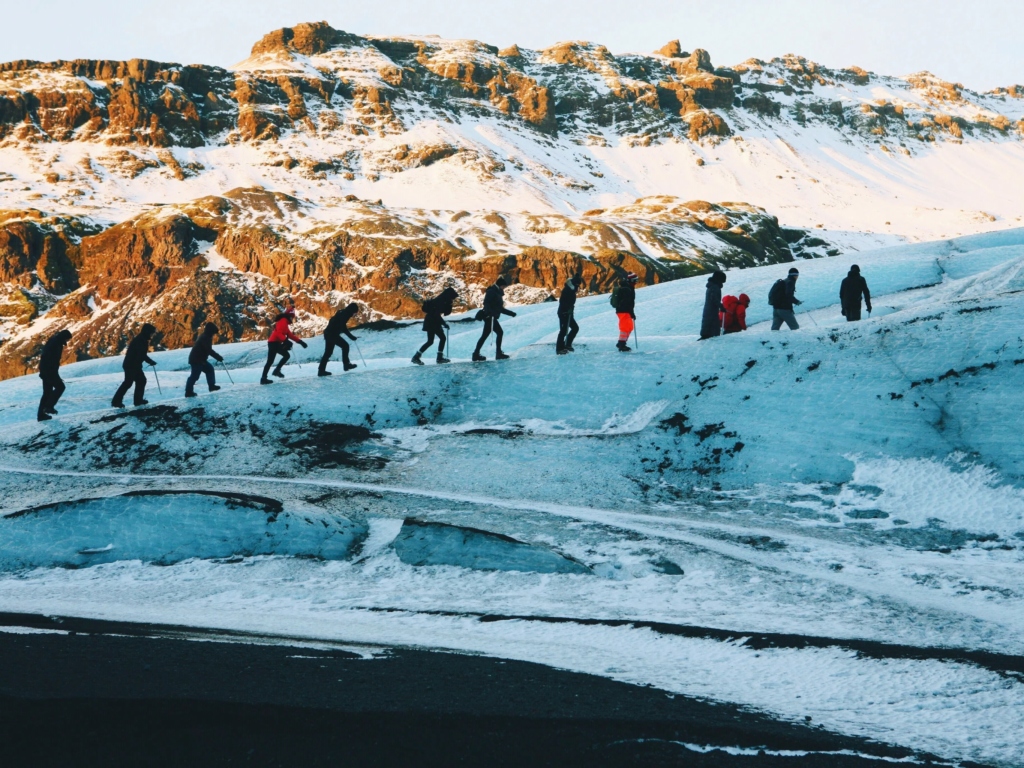
Iceland is a great option if you enjoy dramatic landscapes and outdoor adventures. Known as the Land of Fire and Ice, it is famous for volcanoes, glaciers, waterfalls, lava fields, black-sand beaches, and natural hot springs. Perfect for adventure lovers and people who want to experience a unique trip.
Most Iceland adventure tour packages start in Reykjavík before heading to the Golden Circle, home to Þingvellir National Park, Geysir, and Gullfoss waterfall. The South Coast is another highlight, with glaciers, waterfalls, black-sand beaches, and rugged scenery.
Travellers can also enjoy glacier walks, ice-cave tours, and geothermal lagoons. For the Northern Lights in Iceland, September to April is generally the better time to visit, while June to August is ideal for road trips. Iceland can be expensive, but its compact size makes it possible to explore many major attractions in a week.
Norway vs Iceland: Detailed Comparison
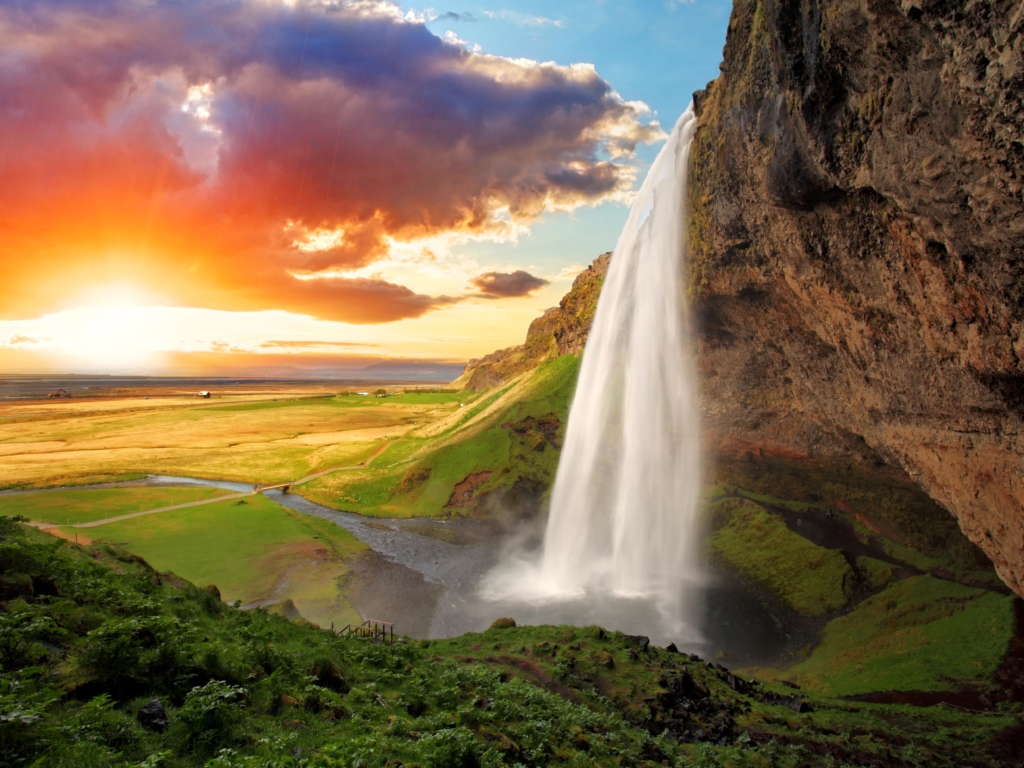
As per Thrillophilia’s destination experts, choosing between Norway and Iceland mainly depends on your budget, travel style, and plans. It is also worth checking the hotels, sightseeing, transfers, and inclusions before booking your trip.
Cost & Budget
Norway and Iceland are both expensive destinations, so your overall budget will depend on your choice of accommodation, transport, and activities.
| Cost Factor | Norway | Iceland |
| Starting Package Price | INR 179,000 (8D/7N) | INR 165,000 (7D/6N) |
| Flight from India | INR 55,000–120,000 | INR 55,000–120,000 |
| Accommodation | INR 4,000–35,000+ per night | INR 5,000–40,000+ per night |
| Meals per Day | INR 2,500–10,000+ | INR 2,500–10,000+ |
| Internal Transport | INR 3,000–10,000+ depending on route | INR 5,000–15,000+ depending on car or tour |
| Best For | Mid-range to premium budgets and fjord-focused trips | Nature-focused trips, road trips, and adventure experiences |
Norway is a good choice for travellers looking for fjords, scenic transport, and a wider range of experiences, while Iceland works well for travellers who want a compact nature-focused trip with road trips and outdoor adventures.
Weather and Best Time to Visit
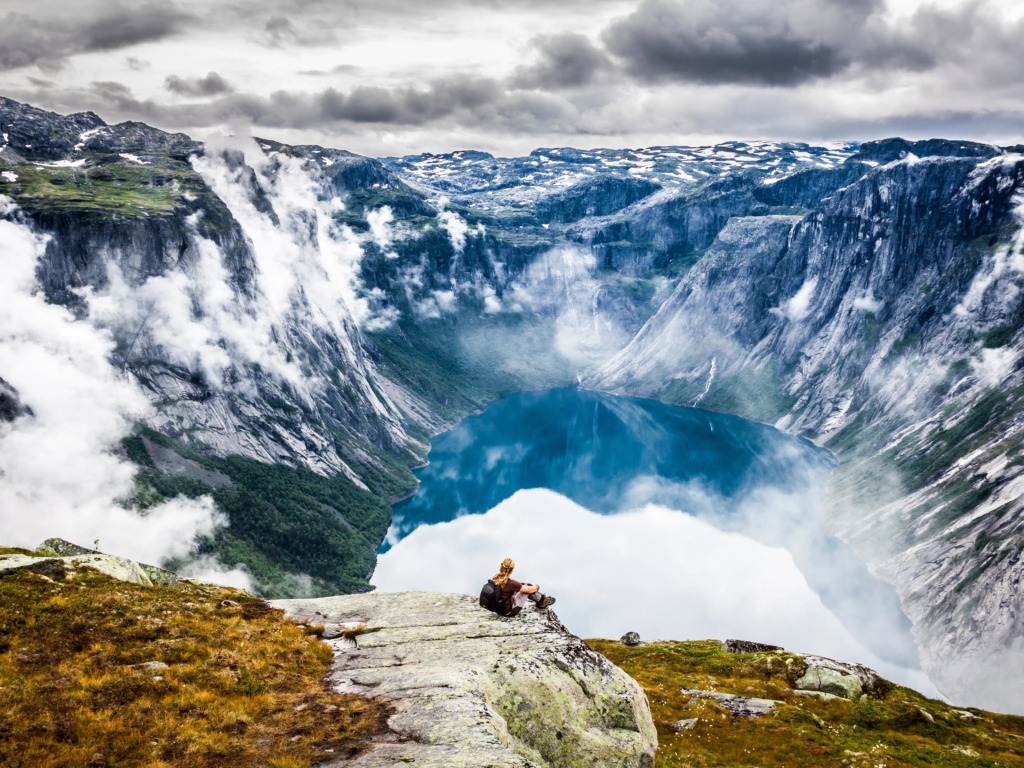
Norway and Iceland can be visited throughout the year, but the best time depends on what you want to see and do. Summer is great for sightseeing and road trips, while winter is better if seeing the Northern Lights is your main goal.
Norway
- Spring (March to May): 0°C to 15°C, with longer days and improving weather. A good time to explore the country before the summer crowds. The fjords also become easier to explore.
- Summer (June to August): 12°C to 25°C, ideal for fjord cruises, scenic train rides, hiking, and exploring towns. The long daylight hours make it great for outdoor activities.
- Autumn (September to November): 2°C to 15°C, cooler and quieter with fewer tourists. September is a good time for sightseeing and marks the start of the Northern Lights season.
- Winter (December to February): -6°C to 7°C, perfect for Northern Lights experiences and snowy landscapes. Tromsø is especially popular for aurora tours, although days are shorter.
Iceland
- Spring (March to May): 0°C to 10°C, with longer days and gradually improving weather. Roads and outdoor attractions become more accessible as the season progresses.
- Summer (June to August): 10°C to 15°C, one of the best times for road trips, waterfalls, glaciers, and outdoor activities. The country also enjoys very long daylight hours.
- Autumn (September to November): 3°C to 12°C, a quieter season with cooler weather and fewer tourists. September is ideal for sightseeing and the beginning of the Northern Lights season.
- Winter (December to February): -3°C to 4°C, ideal for Northern Lights, ice caves, glaciers, and geothermal lagoons. Days are shorter and the weather can change quickly.
Summer is the best overall season for exploring both Norway and Iceland, while autumn and winter are better for Northern Lights experiences.
Experiences and Places
Norway and Iceland are both full of beautiful natural attractions, but the experiences are quite different. Norway is known for its fjords and scenic journeys, while Iceland is famous for its waterfalls, glaciers, volcanoes, and unique landscapes.
Norway: Fjords and Scenic Journeys
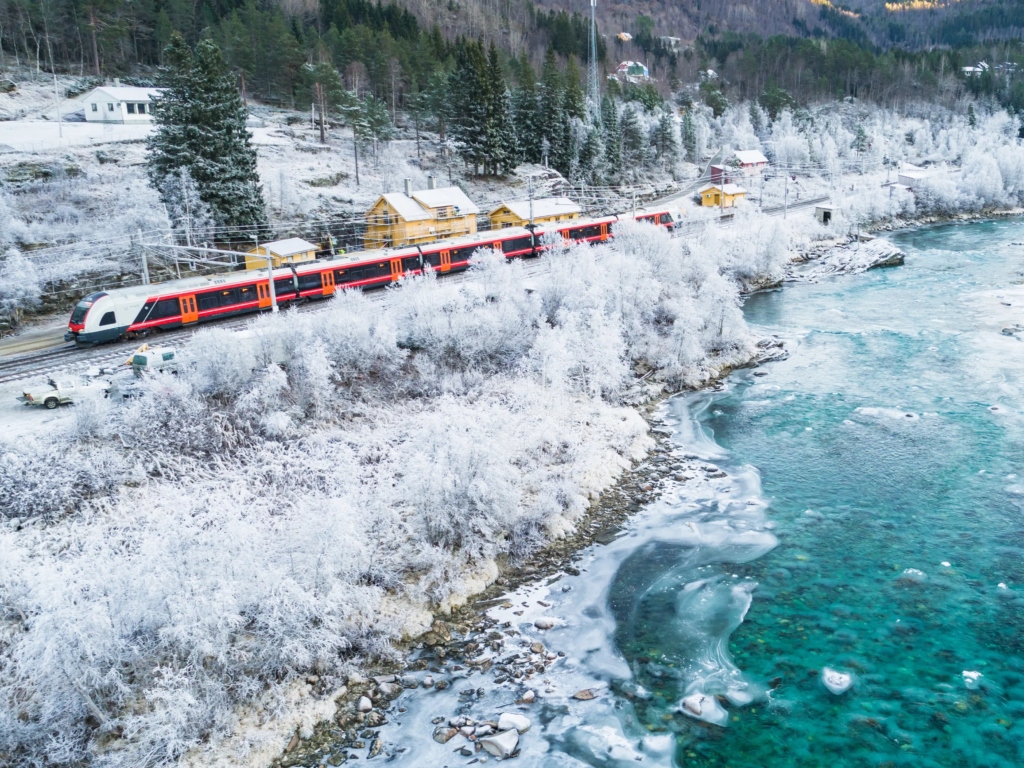
- Fjord Cruises: Explore famous fjords such as Geirangerfjord and Sognefjord by boat.
- Flåm Railway: Enjoy one of Europe’s most scenic train journeys through mountains, valleys, and waterfalls.
- Bergen: Walk around the colourful Bryggen waterfront and explore this charming coastal city.
- Tromsø: Head north for Arctic experiences, winter activities, and the Northern Lights.
- Lofoten Islands: Visit small fishing villages, beaches, and dramatic mountain landscapes.
Iceland: Fire and Ice
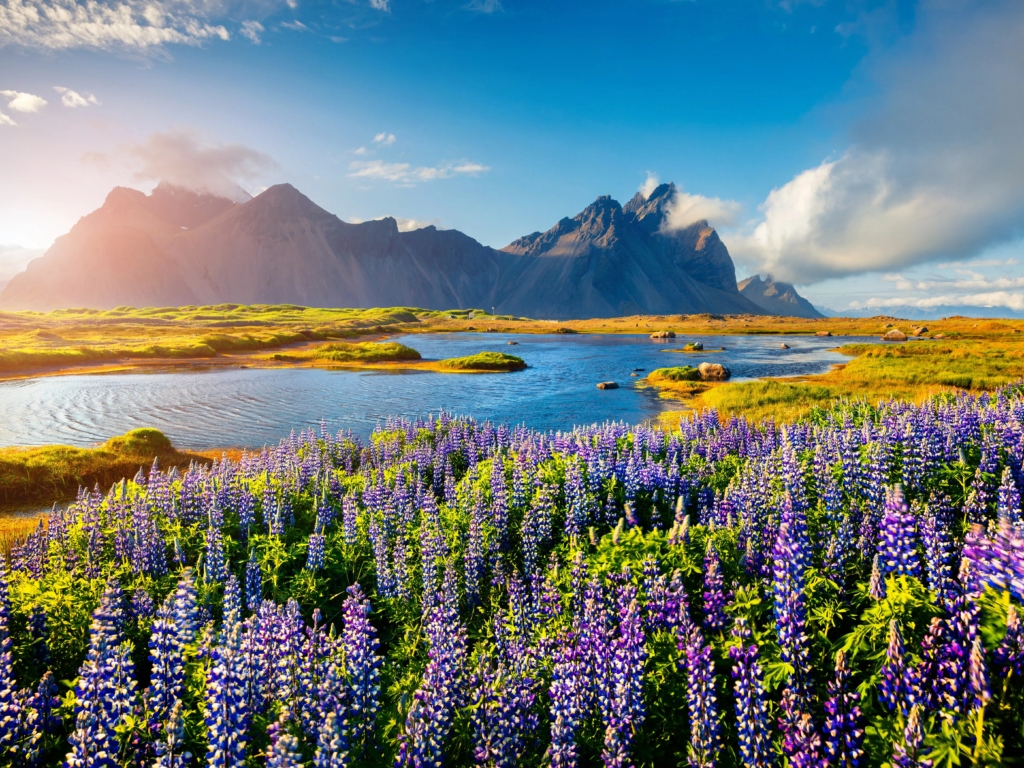
- Golden Circle: Visit Þingvellir National Park, Geysir, and the impressive Gullfoss waterfall.
- South Coast: Explore waterfalls, glaciers, cliffs, and famous black-sand beaches.
- Blue Lagoon: Relax in Iceland’s warm geothermal waters surrounded by volcanic scenery.
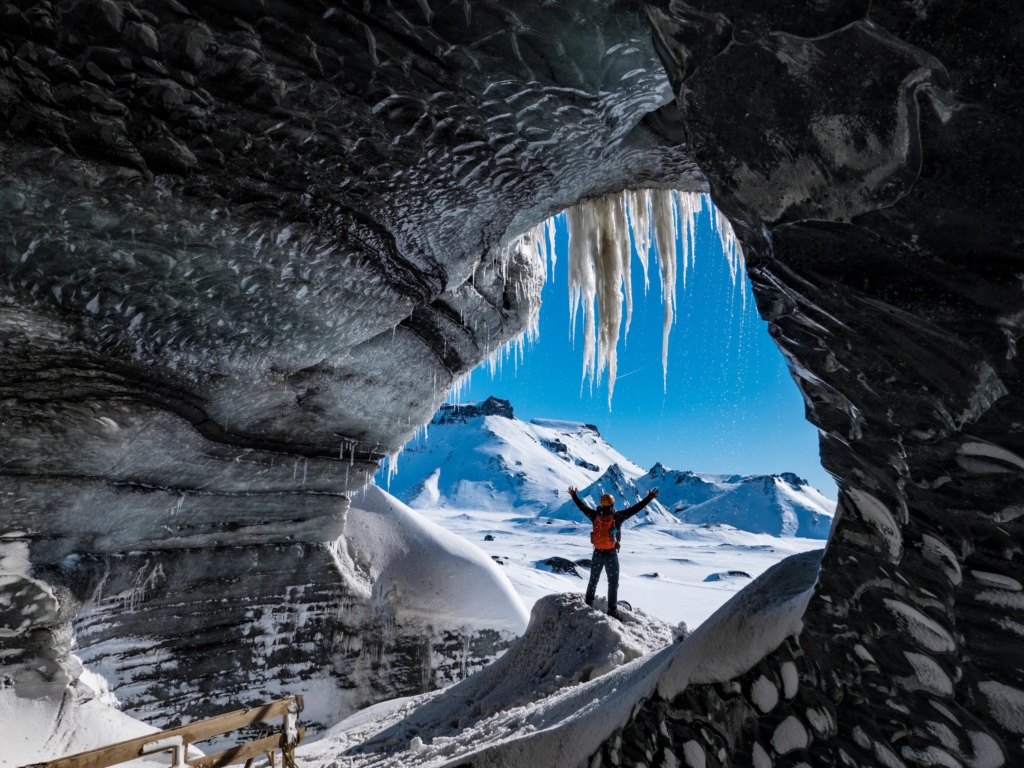
- Glacier and Ice Caves: Explore glaciers and spectacular ice caves during the colder months.
- Reykjavík: Spend some time exploring Iceland’s colourful capital, local food, and culture.
Choose Norway for fjords, scenic train rides, and coastal landscapes, while Iceland is better for waterfalls, glaciers, volcanoes, and adventurous road trips.
Food & Vegetarian Meal Options Availability
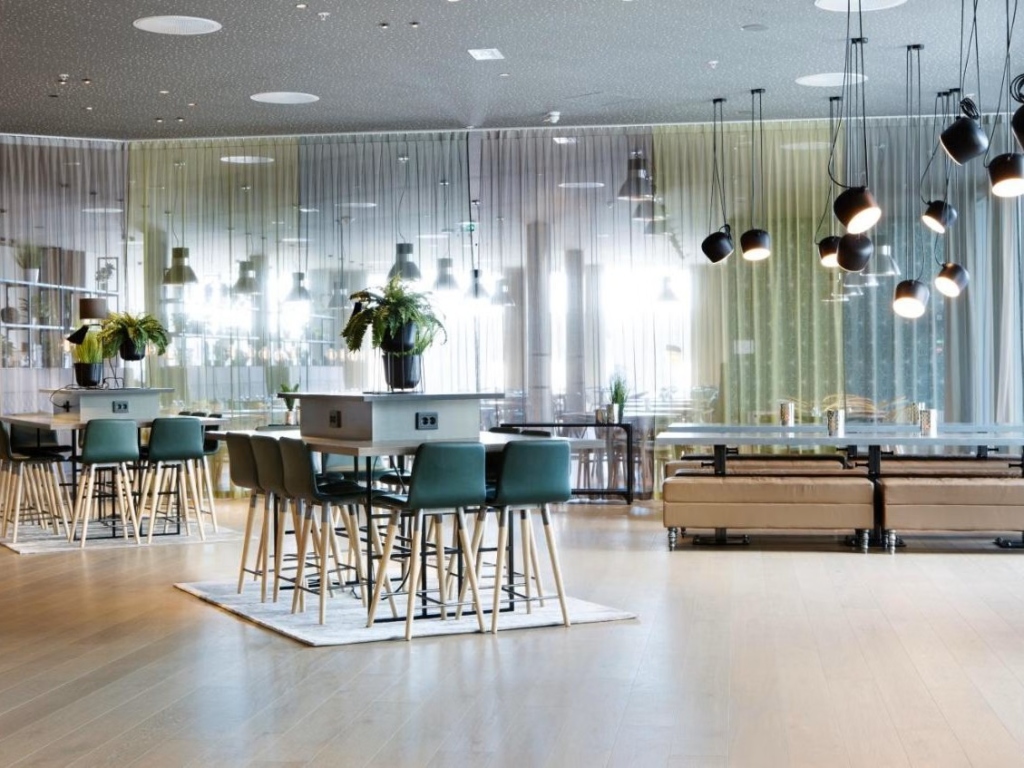
Norway and Iceland both have good food options for travellers, including vegetarians. Norway is known for seafood, salmon, and traditional Nordic dishes, while Iceland is popular for fresh seafood, lamb, dairy products, and locally grown ingredients. Vegetarian options are increasingly easy to find, especially in the larger cities.
Norway
- Local Food: Norwegian cuisine is known for salmon, seafood, brown cheese, waffles, potatoes, and other local produce.
- Vegetarian Options: Vegetarian and vegan dishes are widely available in cities such as Oslo, Bergen, Stavanger, and Trondheim.
- Indian Food: Indian and international restaurants are easy to find in major cities, making it easier for Indian travellers to find familiar vegetarian meals.
- Outside Cities: Options can be more limited in smaller fjord towns, so carrying snacks or buying food from supermarkets can be helpful.
Iceland
- Local Food: Iceland is known for seafood, lamb, skyr, rye bread, and fresh local ingredients.
- Vegetarian Options: Most restaurants offer at least one vegetarian option, while Reykjavík has dedicated vegetarian and vegan cafés and restaurants.
- Indian Food: Reykjavík has several international and Indian restaurants, making vegetarian meals easier to find in the capital.
- Outside Reykjavík: Vegetarian food choices can be more limited in smaller towns, so supermarkets are a useful option during road trips.
Both countries are fairly vegetarian-friendly. Norway has a wider range of vegetarian choices in its major cities, while Iceland is also easy for vegetarians, especially in Reykjavík. For travellers following a strict vegetarian or vegan diet, planning meals ahead is recommended.
Getting Around
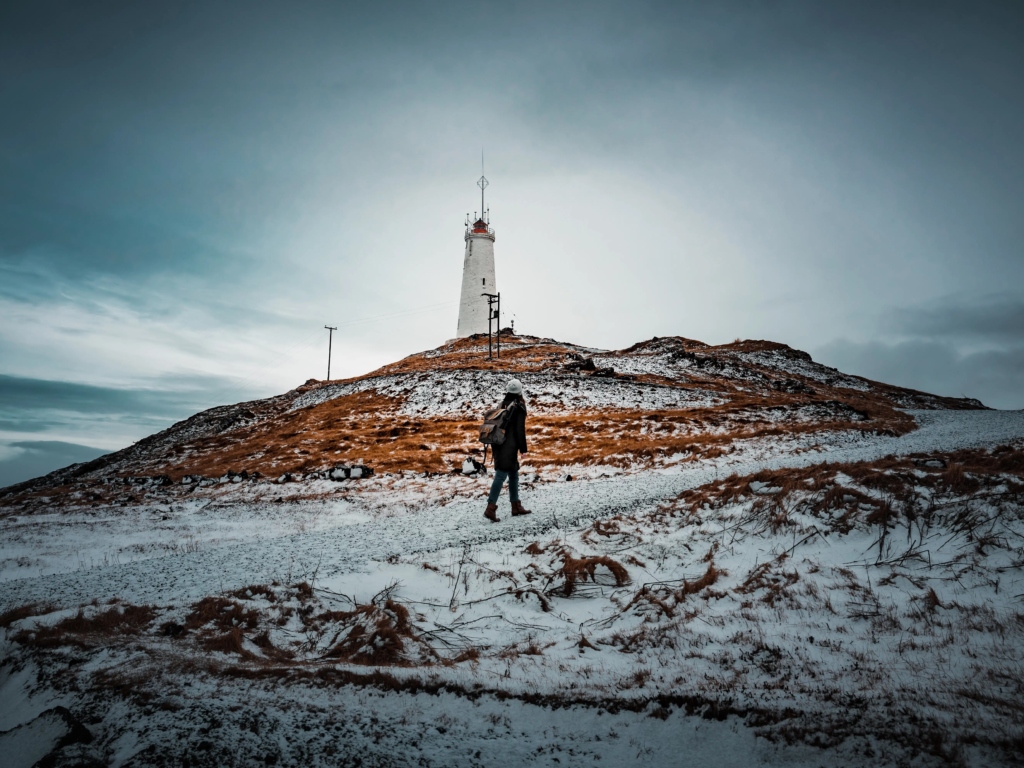
Norway and Iceland are both easy to explore, but the best way to travel around them is quite different. Norway has a strong public transport network, while Iceland is better suited to road trips and guided tours.
Norway
- Trains: Trains are comfortable and scenic, especially on routes such as the Flåm Railway.
- Ferries: A great way to travel between fjords, islands, and coastal towns.
- Domestic Flights: Useful for longer distances, especially between Oslo, Bergen, and Tromsø.
- Buses: A practical option for reaching smaller towns and tourist attractions.
- Rental Cars: Good for exploring fjord regions at your own pace.
Iceland
- Rental Cars: The most convenient option for exploring Iceland, especially if you want to follow the Ring Road.
- Buses: Useful around Reykjavík and for travelling between some major towns and attractions.
- Guided Tours: A good choice if you do not want to drive, with tours covering the Golden Circle, South Coast, glaciers, and Northern Lights.
- Domestic Flights: Useful for reaching places such as Akureyri when time is limited.
- Public Transport: Works well in Reykjavík but is more limited in rural areas.
Choose Norway if you prefer trains, ferries, and public transport, while Iceland is better if you want the freedom of a rental car and a scenic road trip.
Norway vs Iceland 7 Days Sample Itinerary

Norway Fjords & Arctic Adventure
A 7-day Norway itinerary covering Oslo, Bergen, Flåm, and Tromsø, combining scenic fjord experiences with Arctic landscapes and Northern Lights opportunities.
Duration: 7 Days / 6 Nights
Starting Price: INR 179,000
- Day 1: Arrive in Oslo and spend the day exploring the city at leisure.
- Day 2: Explore Oslo’s main attractions and travel towards Bergen.
- Day 3: Discover Bergen, including the colourful Bryggen waterfront and surrounding sights.
- Day 4: Travel to Flåm and enjoy the scenic Flåm Railway and a fjord cruise.
- Day 5: Travel towards Tromsø and explore the Arctic city.
- Day 6: Enjoy a Tromsø sightseeing tour and go on a Northern Lights experience.
- Day 7: Depart from Tromsø.
Iceland Fire & Ice Road Trip
A 7-day Iceland itinerary covering Reykjavík, the Golden Circle, and the South Coast, with waterfalls, glaciers, black-sand beaches, and geothermal attractions along the way.
Duration: 7 Days / 6 Nights
Starting Price: INR 165,000
- Day 1: Arrive in Reykjavík and explore the city at leisure.
- Day 2: Visit the Golden Circle, including Þingvellir National Park, Geysir, and Gullfoss.
- Day 3: Travel along the South Coast and visit famous waterfalls.
- Day 4: Explore the black-sand beaches and glacier landscapes around Vík.
- Day 5: Visit glaciers and ice caves before returning towards Reykjavík.
- Day 6: Relax at a geothermal lagoon and explore Reykjavík.
- Day 7: Depart from Reykjavík.
Which Destination Should You Choose?
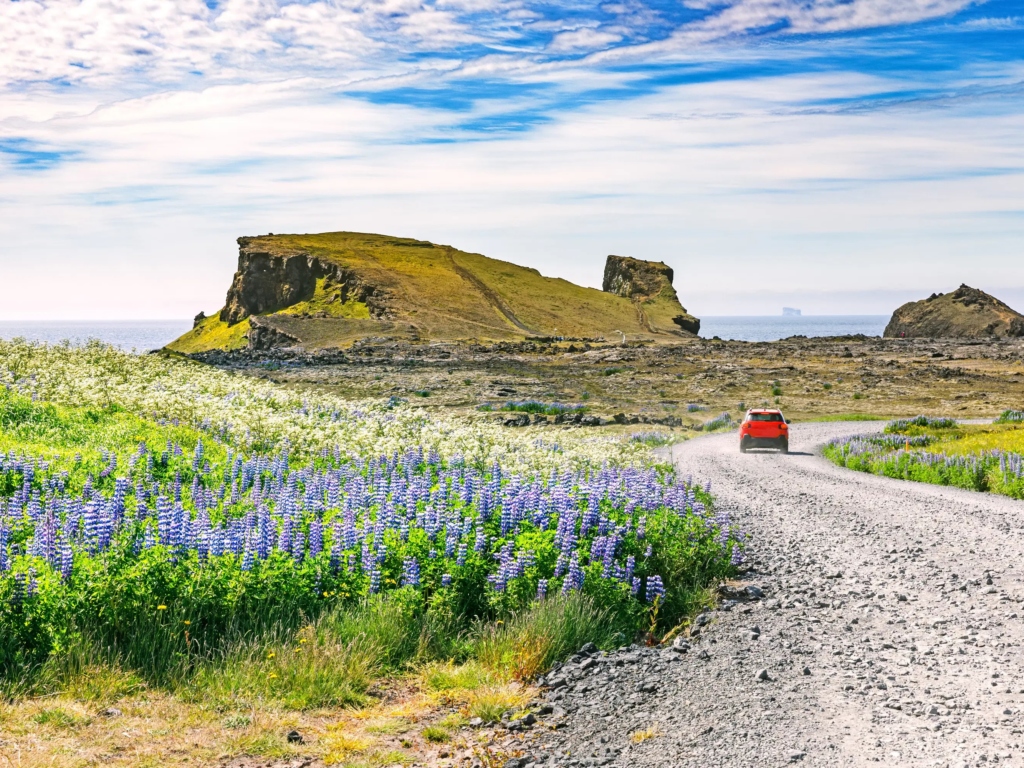
Both Norway and Iceland are great choices, but the better option depends on the kind of holiday you want. Use this quick comparison to see which destination fits your travel style better.
| Choose Norway If… | Choose Iceland If… |
| You want dramatic fjords and mountains. | You want volcanoes, glaciers, and waterfalls. |
| You enjoy scenic train journeys and cruises. | You enjoy road trips and self-drive holidays. |
| You want a mix of cities and nature. | You prefer a nature-focused holiday. |
| You want hiking and fjord experiences. | You want ice caves, geothermal lagoons, and adventure. |
| You are planning a romantic and relaxed trip. | You want a unique and adventurous getaway. |
| Best for: Couples, photographers, and scenic travellers | Best for: Adventure seekers, families, and road-trip lovers |
FAQs
Norway is best known for its fjords, mountains, scenic train journeys, and coastal towns, while Iceland is famous for its volcanoes, glaciers, waterfalls, black-sand beaches, and geothermal landscapes. Norway offers a wider mix of cities and nature, whereas Iceland is more focused on dramatic natural scenery and road trips.
It depends on what you want from your holiday. Norway is better for fjord cruises, scenic train rides, hiking, and exploring cities such as Oslo and Bergen. Iceland is a better choice for road trips, waterfalls, glaciers, volcanoes, and outdoor experiences.
Both Norway and Iceland are expensive destinations, and the total cost depends on your accommodation, transport, and activities. Norway can be more expensive for some experiences, while Iceland’s car rentals, hotels, and food can also add up quickly. Overall, the budgets can be fairly similar for a well-planned trip.
Both are excellent choices. Norway, especially Tromsø and Northern Norway, is a popular option because of its Arctic location and range of Northern Lights tours. Iceland is also a great choice, particularly when travelling away from Reykjavík and city lights during the darker months.
Norway is ideal for couples looking for a romantic and relaxed holiday with fjord cruises, scenic train journeys, and beautiful coastal views. Iceland is better for couples who prefer adventure, with glacier walks, waterfalls, geothermal lagoons, and scenic road trips.