


What is Sikkim famous for?
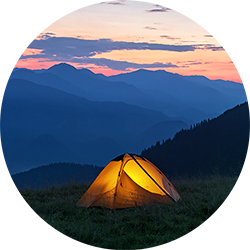
Natural Beauty: Be it the lush green forests or the gushing streams of waterfalls, Sikkim has been mesmerising its visitors with many scenic vistas. The lakes like the Gurudongmar Lake and the Tsomgo Lake also add more to its natural beauty and make it one of the most scenic destinations for vacationers.
The colourful flora and fauna available here makes sure that you stumble upon numerous beautiful backdrops.
Adventure Activities: Exhibiting the natural beauty of the splendid Himalayas, Sikkim is located in the north rastern part of India. Apart from being a very famous and beautiful tourist destination, the state is also home to an array of adventures and adrenaline rushing activities.
Be it ice skating on frozen lakes or camping on the sheets of snow, this dreamy location is loaded with numerous entertainment options. Other activities which can be enjoyed here include paragliding, rafting, trekking and much more.
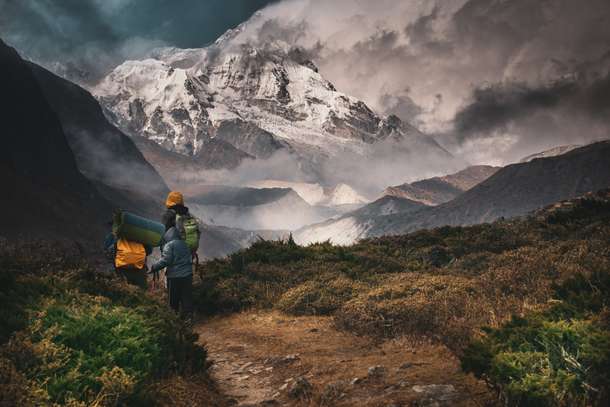
The Himalayan Region: The himalayan region of Sikkim has been a very famous aspect of this state. The colourful valleys spread amidst the foothills of the Himalayas have been a go to spot for camping enthusiasts and trekkers. Not only do you get to marvel at the mesmerising views, but many natural locations like Pelling and Yuksom also let you try your hands on an array of adrenaline rushing activities.
Buddhism: Dotted with numerous monasteries and being a religious spot for various Buddhists, Sikkim has been a Buddhist state since the eighth century. The Buddhist saint Padmasambhava travelled through Tibet around that time, and traces of which affected Sikkim as well. People here are very calm and simple and the same is the life here as well.
The famous tourist destinations like Rumtek Monastery and Khecheopalri Lake attract an array of travellers due to their religious significance. The tibetian style Buddhist gompas tend to be a very beautiful backdrops for some memorable pictures.
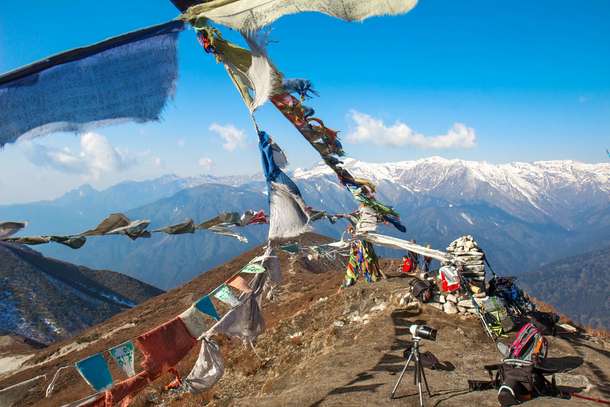
Prayer Flags: Many people might have seen those small prayer flags which are wrapped on a rope and are of five different colours. Since Sikkim is a Buddhist destination, finding those here is a very easy job. Each of the five colours are dedicated to five major elements of our lives.
The yellow stands for earth, green for water, red for fire, white for air and blue for space. On the flags, the “Om Mani Padme Hum” is written, which is considered to be very auspicious. People from various corners visit here to shop for these items.
The colourful flora and fauna available here makes sure that you stumble upon numerous beautiful backdrops.
Adventure Activities: Exhibiting the natural beauty of the splendid Himalayas, Sikkim is located in the north rastern part of India. Apart from being a very famous and beautiful tourist destination, the state is also home to an array of adventures and adrenaline rushing activities.
Be it ice skating on frozen lakes or camping on the sheets of snow, this dreamy location is loaded with numerous entertainment options. Other activities which can be enjoyed here include paragliding, rafting, trekking and much more.
The Himalayan Region: The himalayan region of Sikkim has been a very famous aspect of this state. The colourful valleys spread amidst the foothills of the Himalayas have been a go to spot for camping enthusiasts and trekkers. Not only do you get to marvel at the mesmerising views, but many natural locations like Pelling and Yuksom also let you try your hands on an array of adrenaline rushing activities.
Buddhism: Dotted with numerous monasteries and being a religious spot for various Buddhists, Sikkim has been a Buddhist state since the eighth century. The Buddhist saint Padmasambhava travelled through Tibet around that time, and traces of which affected Sikkim as well. People here are very calm and simple and the same is the life here as well.
The famous tourist destinations like Rumtek Monastery and Khecheopalri Lake attract an array of travellers due to their religious significance. The tibetian style Buddhist gompas tend to be a very beautiful backdrops for some memorable pictures.
Prayer Flags: Many people might have seen those small prayer flags which are wrapped on a rope and are of five different colours. Since Sikkim is a Buddhist destination, finding those here is a very easy job. Each of the five colours are dedicated to five major elements of our lives.
The yellow stands for earth, green for water, red for fire, white for air and blue for space. On the flags, the “Om Mani Padme Hum” is written, which is considered to be very auspicious. People from various corners visit here to shop for these items.
Best Treks In Sikkim
Explore All (9)
- 10D/9N
₹ 26,536
₹ 21,250
per adult
Send Enquiry
- 7H
₹ 1,999
₹ 1,606
per adult
Send Enquiry
- 11D/10N
₹ 31,166
₹ 24,941
per adult
- 17D/16N
₹ 46,688
₹ 42,021
per adult
- 6D/5N
₹ 12,474
₹ 9,274
per adult
Send Enquiry
- 11D/10N
₹ 23,939
₹ 18,000
per adult
- 13D/12N
₹ 81,262
₹ 65,012
per adult
- 10D/9N
₹ 27,948
₹ 21,009
per adult
Send Enquiry
Sikkim Top Attractions
Places To Visit In Sikkim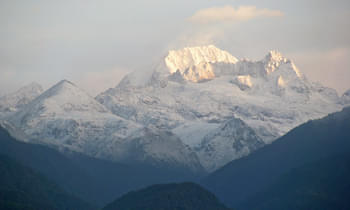
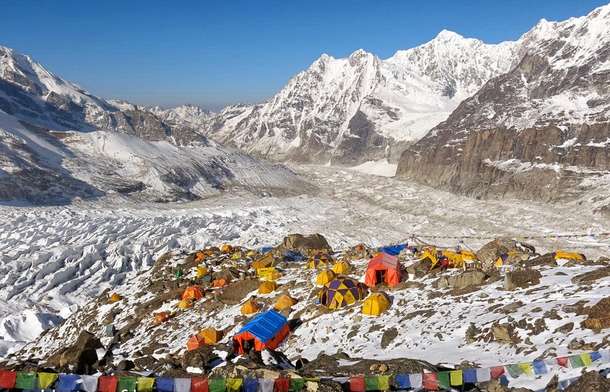
Kanchenjunga Base Camp Trek
If you are a true mountaineer, you can’t miss the chance to be a part of this expedition. Due to high level of precipitation the peaks of Kanchenjunga is mostly glaciated. You can simple enjoy an epic scenery which is truly going to leave you jaw dropped. Highlights: Preservation of the rich flora and fauna is also important and you will get to witness them too during trekking. It is difficult to comprehend the scale of both valleys and mountains here. Difficulty Level – High. Best time to visit: October and November. Prices: USD$985 per person.
Read More
Goecha La
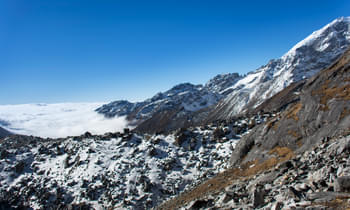
The first phase of the trek to Goecha La will take you from Yuksom to Sachen. Yuksom is situated at an altitude of 5,700 feet and Sachen is situated at an elevation of 7, 200 feet. The trekking trail passes through a route of immense natural beauty. You will come across lush green fields, valley of the Rathong River and thick forests. From Sachen you will need to climb ahead to Tshoka which is at an altitude of 9,650 feet.This trek is quite enjoyable in the initial phase but becomes tryingly steep towards the later phase. On reaching Bakhim, you can enjoy a spectacular view of the Yuksom valley. As you trek on ahead, you pass through Dzongri and Phedang. You will also be able to enjoy the beauty of some of the densest rhododendron forests in India and get a breathtaking view of the highest mountains in the Himalayan range. You will pass through the beautiful Samiti Lake which will mesmerise you with its sparkling blue waters.The entire journey from Yuksom to Goecha La is a treat to the eyes. Despite being a test of physical stamina, the route is undoubtedly one of the most beautiful routes that you can come across while trekking in the Himalayas.Best Season: September- November & March-AprilDifficulty Level: Moderate to ChallengingMax. Elevation: 5002 mBest Offers on Goecha La Trek
Read More
Tsomgo Lake
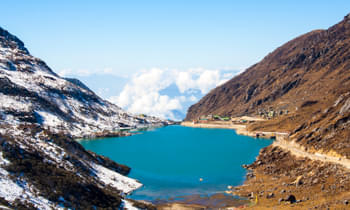
Explore Tsomgo Lake, situated at an impressive 12,400 feet above sea level and surrounded by majestic mountains. With its verdant alpine forests and towering snow-capped mountains as its backdrop, Tsomgo Lake is sure to take your breath away.This glacial lake, which receives its water from the melting snows of the surrounding mountains, is well known for its constantly shifting hue. You can witness the lake radiating a vivid aquamarine colour during the monsoon, while a thin layer of ice covers it in the winter. Explore the serene beauty of Tsomgo Lake, a highlight of our Sikkim trip packages, offering unforgettable Himalayan experiences.As summer quietly approaches the area in mid-May, you can see the lake's shores come alive with a kaleidoscope of blooming flowers. Around this oval-shaped gem, you can spot rhododendrons, primula, irises, and a plethora of multicoloured poppies forming a vibrant mosaic. You can also witness how the exotic vegetation and therapeutic herbs accentuate the lake's allure amidst this flowery paradise.
Read More
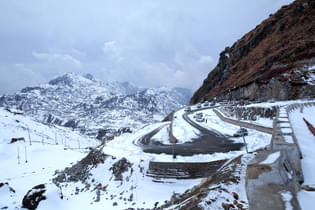
Nathula Pass
Nathula Pass is one of the highest motorable passes in the world. It is located at a dizzying height of 14,140 feet in the Eastern Himalayas. Nathula is also a symbol of India's rich history and vibrant natural beauty. This high-altitude pass on the Indo-China border is more than just a scenic spot. It also serves as a bridge between the ancient and the modern, connecting Sikkim to Tibet's Chumbi Valley. Once a vital part of the historic Silk Route, Nathula has stories of trade, culture, and diplomacy woven into its trails. Today, it stands as a testament to peace and friendship between India and China, drawing tourists with its mix of breathtaking landscapes and intriguing history. For those planning an unforgettable experience, North East travel packages can be customized to include Nathula as a highlight, ensuring you don’t miss out on the incredible views and historic significance of this majestic pass.This pass, with 'Nathu' meaning 'listening ears' and 'La' denoting 'pass' in Tibetan, is enveloped in clouds and snow for most of the year. It offers visitors a glimpse of the pristine beauty of the snow-covered mountains. The road to Nathula is an adventure in itself, winding through rugged mountain terrains. The journey is complete with spectacular waterfalls and the serene Tsomgo Lake, enhancing the overall experience. If you're planning a Sikkim trip, Nathula Pass should definitely be a part of your itinerary.In addition to being a border post, Nathula is also a symbol of historic trade routes and a witness to the bravery of soldiers who guard our frontiers. The area around the pass is steeped in tales of heroism. This includes the legend of Baba Harbhajan Singh, a soldier who is believed to still guard the borders in spirit. Tourists visiting Nathula can pay homage to the war memorial or feel the thrill of standing at the international border. This pass is a gateway to understanding the blend of culture, history, and nature that defines Sikkim.For couples looking to combine romance and adventure, Nathula Pass makes for an unforgettable addition to your Sikkim honeymoon packages, offering breathtaking views and an exciting exploration of the region's rich heritage.
Read More
.jpg?w=350&h=210&dpr)
Baba Harbhajan Singh Temple
Prime Day and Hours: Daily, morning to afternoonSuggested Duration: About 1 hourTickets: Free EntryNearest Railway Station: New Jalpaiguri Railway Station,120 km away (approximately)Nearest Bus Stop: Ravangla Bus Stand, 8 km away (approximately)Nearest Airport: Bagdogra Airport, 115 km away (approximately)Baba Harbhajan Singh Temple is dedicated to the striking spiritual icon Baba Harbhajan Singh, a brave army soldier who once fought for the country. Tourists visit this place to learn about its significance and to experience spirituality in the serene Himalayan landscapes. What makes this place extraordinary is the belief of the locals that the great warrior still overlooks the region and his spirit still lies in the premises of the shrine. While you're here, you can engage yourself in the rituals of the shrine, stroll around the complex, and enjoy the views of the surroundings that make this place a stunning site. Located near the iconic Nathula Pass and perched at an altitude of 13,123 ft, the temple is well-maintained by the Indian Army, who still consider Baba Harbhajan Singh a living soldier. They clean the uniform daily, prepare his beds, and much more, which highlights the respect and belief people have for him. Near the temple, there is a small museum as well, which features the stories of his journey as a spiritual figure and as a soldier.
Read More

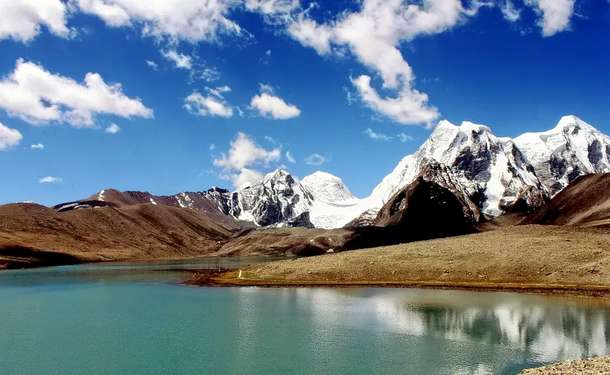
Gurudongmar Lake
Experience the mystical allure and profound spiritual significance of Gurudongmar Lake. For Hindus, Sikhs, and Buddhists alike, this holy body of water—named for the great Guru Padmasambhava—holds great significance. Here, you can listen to stories of its magical beginnings when the kind hand of Guru Padmasambhava thawed part of the lake. This thawed part gave the people their access to water during the hard winters. A visit to Gurudongmar Lake is often included in various North East tour packages, offering a unique glimpse into the region's spiritual heritage.Situated at 5,183 metres above sea level and surrounded by the towering peaks of Sikkim, Gurudongmar Lake is a sight to see. You can see its glistening pure waters create a mesmerising aura over the surrounding area as it reflects the majestic Kanchenjunga mountain. As winter approaches, the lake freezes over everywhere except for a holy spot that people believe is blessed by the gods. This is a remarkable example of both natural wonder and divine intervention, making it a must-visit destination on any Sikkim trip.To round up your visit, you can also experience the devotion in the air by visiting the neighbouring shrine devoted to Guru Padmasambhava.
Read More

Green Lake
Opening time- 7:00 am to 6:00 pmPrime days and hours- Weekends, Mornings, and Evenings Suggested Duration- 8-9 daysTickets- Free Entry, Trekking Permit RequiredNearest Railway Station- New Jalpaiguri Railway Station, about 190 kmNearest Bus Stand- Lachen Bus Stand, about 50 kmNearest Airport- Bagdogra Airport, about 195 kmHidden deep in the eastern Himalayas, Green Lake is one of the most beautiful and spectacular trekking destinations in North Sikkim. Located at the base of Mt. Kanchenjunga, this high-altitude alpine lake sits at around 5,000 meters and offers a surreal view of snow-capped peaks like Siniolchu, Simvo, and Kanchenjunga itself. The lake is reached after a challenging trek that begins from Lachen and passes through thick rhododendron forests, rocky ridges, and peaceful alpine valleys. Green Lake is one of the most adventurous and spiritual places in any Sikkim tour packages for those looking for seasoned trekkers. Its mirror-like surface reflecting towering mountains creates a moment of pure wonder. Due to its remote setting and sacred value to the locals, the trek also offers deep cultural insights into the Bhutia and Lepcha traditions. Along the journey, trekkers can camp under starry skies, watch rare Himalayan wildlife, and explore quiet forest trails. Whether you're seeking the untouched side of the Himalayas or an adventurous trek, Green Lake is the ultimate reward, promising an unforgettable journey.
Read More

Buddha Park Ravangla
Prime Day & Hours: Daily; mornings and late afternoonsSuggested Duration: Approximately 1–2 hoursTickets: Available both offline and onlineNearest Railway Station: New Jalpaiguri (NJP) Railway Station, approximately 120 km awayNearest Airport: Bagdogra Airport is about 125 km awayNearest Bus Stop: Ravangla Bus Stand, approximately 1 km awayLocated in the southern part of Sikkim, Ravangla's Buddha Park is a must-visit attraction for people of all ages. It is famed for its massive 130-foot golden Buddha statue (Tathagata Tsal) surrounded by quiet pine forests and gentle hills. Colourful prayer flags flutter in the wind as monks chant holy prayers in the background, creating a peaceful and spiritual atmosphere. Moreover, the complex features an amazing museum and a meditation center highlighting the life of Lord Buddha. What sets this park apart is how it beautifully combines religious significance with natural beauty. Visitors enjoy walking through the neatly kept gardens, taking in the stunning views of Mount Kanchenjunga, and soaking up the calm, spiritual atmosphere of the park. Whether you're spiritual or simply seeking calm, Ravangla's Buddha Park offers a refreshing experience in the heart of Sikkim.
Read More
More Sikkim Attractions
Bhim Nala Falls, lachung
Kanchenjunga Waterfall, pelling
Yumesamdong / Zero Point, lachung
Mt. Katao, lachung
Khecheopalri Lake, pelling
Yumthang Valley, lachung
Lachung Monastery
Do Drul Chorten, gangtok
Tashiding Monastery, gangtok
Coronation Throne of Namgyal Dynasty, yuksom
Sidekeong Tulku Bird Park, Pelling
Namgyal Institute of Tibetology, gangtok
Yumthang Valley, lachung
Chopta Valley, lachung
Yumesamdong / Zero Point, lachung
Bhim Nala Falls, lachung
Singshore Suspension Bridge, pelling
Naga Falls, lachung
Chungthang, lachung
Lachen, lachung
Lachung Monastery
Mt. Katao, lachung
Thangu, lachung
Mangan, lachung
Phensang Monastery, lachung
Shingba Rhododendron Sanctuary, lachung
Green Lake, lachung
Pah Khola Bridge, sikkim
Phedang Village, sikkim
Gurudongmar Lake, lachung
Kabi Lungchok, gangtok
Lachen River, sikkim
Rong Lungten Lee, lachung
Singhik, lachung
Yak Golf Course, nathang valley
Char Dham Temple Namchi, sikkim
Khangchendzonga National Park, sikkim
Hot springs Yumthang, sikkim
Kupup, sikkim
Nathang Valley, sikkim
Khecheopalri Monastery, sikkim
Kokchurang Village, Sikkim
Lhasa Waterfall, gangtok
Kanchenjunga Waterfall, pelling
Hanuman Tok, gangtok
Ban Jhakri Falls Park, gangtok
Bakthang Waterfall, gangtok
Rumtek Monastery, Gangtok
Saramsa Garden, gangtok
Flower Exhibition Centre, gangtok
Rimbi Waterfalls, pelling
Sidkeong Bird Park, pelling
Kartok Monastery, yuksom
Jelep La, nathang valley
Nathula Pass, gangtok
Fambong La Wildlife Sanctuary, gangtok
Ganesh Tok, gangtok
Tashi View Point, gangtok
Dubdi Monastery Yuksom
Sa Ngor Chotshog Center, gangtok
Tosar Lake Trek, lachung
Pemayangtse Monastery, pelling
Thambi View Point, zuluk
Darap Valley, pelling
Himalayan Zoological Park, gangtok
Lal Bazaar, Gangtok
Lampokhari Lake, sikkim
Kupup Lake, sikkim
Prek Chu River, sikkim
Goecha La View Point 1, Sikkim
Samiti Lake, sikkim
Dzongri Plateau, sikkim
Aritar Gumpa Monastery Sikkim
Reshi Hot Spring, sikkim
Holy Rock, sikkim
Srikhola River, sikkim
Lachung Chu River