

Quick Jumplinks to Navigate
The best way to truly experience Vietnam is by joining its colourful festivals. With both lunar and solar traditions shaping Vietnam’s calendar, you’ll find festivals happening nearly all year round. You see families honour ancestors, communities share food, and streets turn into open theatres. For travellers planning a Vietnam trip from India, these festivals offer a unique chance to witness culture up close. This guide walks you through the major events, why they matter, and how they shape everyday life. Get ready to explore Vietnam through its festivals with calm confidence and practical detail.
1. Tet Nguyen Dan, Vietnamese New Year

Tet marks the first day of the first lunar month and usually falls between late January and mid-February. During this, families deep-clean homes, settle dues, and set up ancestor altars with fruit, flowers, and incense. In the north, peach blossoms fill living rooms during the holiday, and in the south, yellow apricot blossoms and Kumquat trees take pride of place.
Families make Banh Chung in the north and Banh Tet in the south to show gratitude and welcome luck. Travel peaks in the week around Tet as people head back to their hometowns. Streets fill with lion and dragon dances, calligraphy stalls, and children receiving lucky money.
- Tet follows the lunisolar calendar, so the holiday moves each year but always lands in late January or early February.
- The public holiday period usually spans several days, and many shops close, so plan essentials before city travel to avoid disruption.
2. Hung Kings Temple Festival
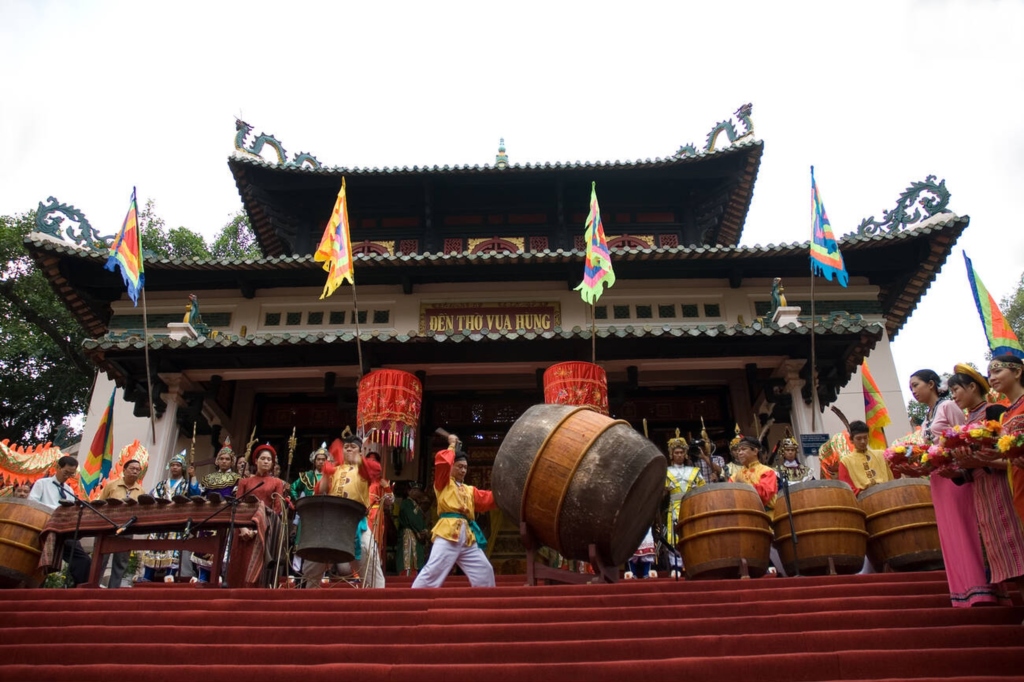
You honour the legendary founders of Van Lang on the tenth day of the third lunar month. The core ceremonies take place at the Hung Temple complex in Phu Tho Province. You will see processions, palanquin parades, and offerings that link national memory to living practice.
Schools and workplaces often organise pilgrimages, which turn the day into a shared civic moment. Human chess and wrestling matches appear across the province as part of the cultural programme.
- The Hung Kings Commemoration Day is a national holiday and follows the lunar date, which shifts on the solar calendar each year.
- The temple complex includes multiple temples on Nghia Linh Mountain, so expect stair climbing and wear footwear with good grip.
3. Perfume Pagoda Pilgrimage
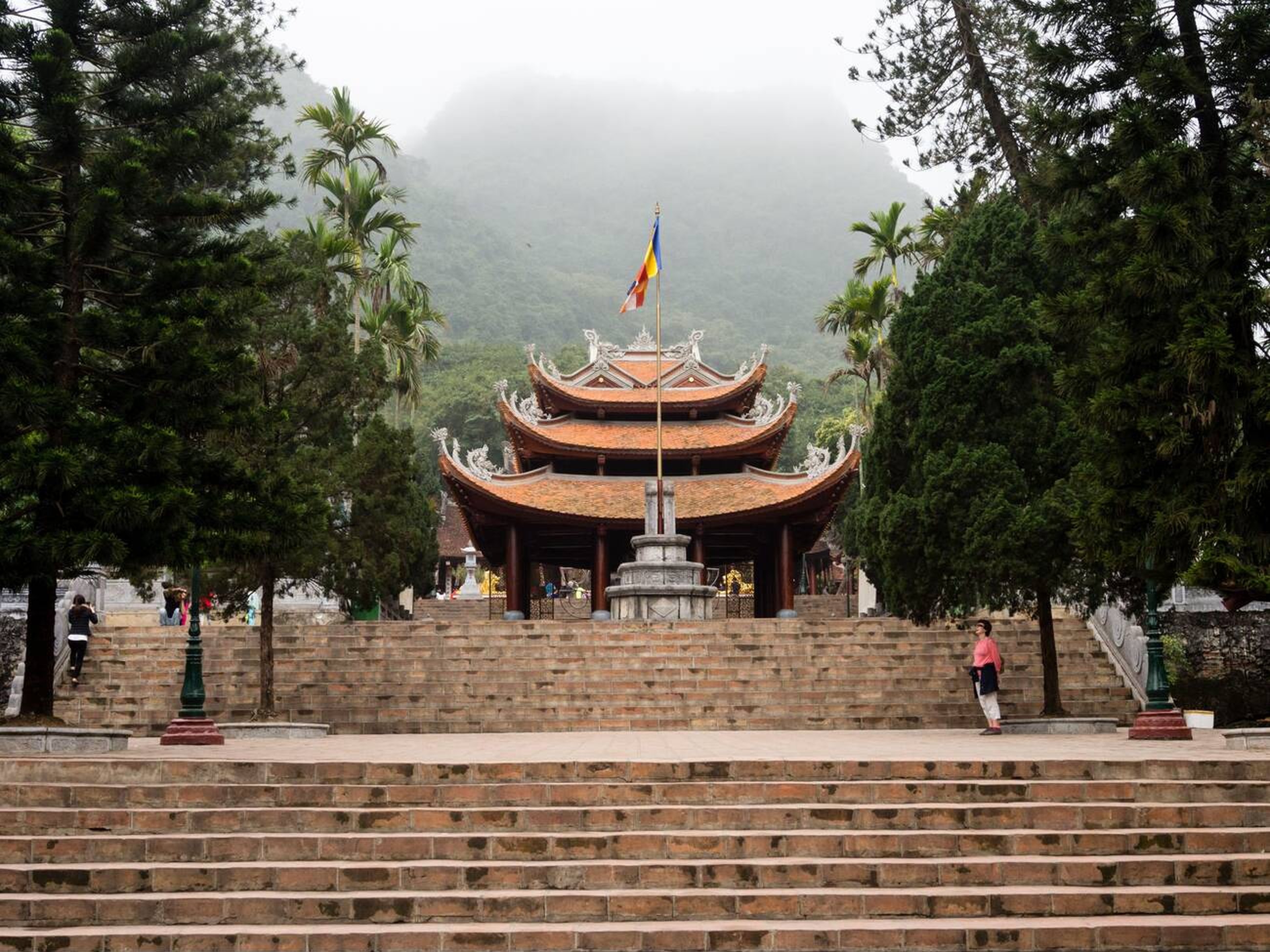
From the sixth day of the first lunar month through the third lunar month, pilgrims travel to the Huong Son complex in Hanoi. You start with a rowboat on the Yen River, then walk or take a cable car to Huong Tich Cave, which itself is one of the famous things to do in Vietnam.
You will hear bells, prayers, and chants as worshippers ask for health, fortune, and success in studies. The route connects nature and worship, which makes this one of Vietnam’s most distinctive spring journeys.
- The main pagoda sits inside a limestone cave, and the inscription above the entrance identifies the site as the most beautiful cave of the north region.
- Peak days draw large crowds, so early morning departures reduce waiting times for boats and the cable car.
4. Lim Festival and Quan Ho Folk Songs
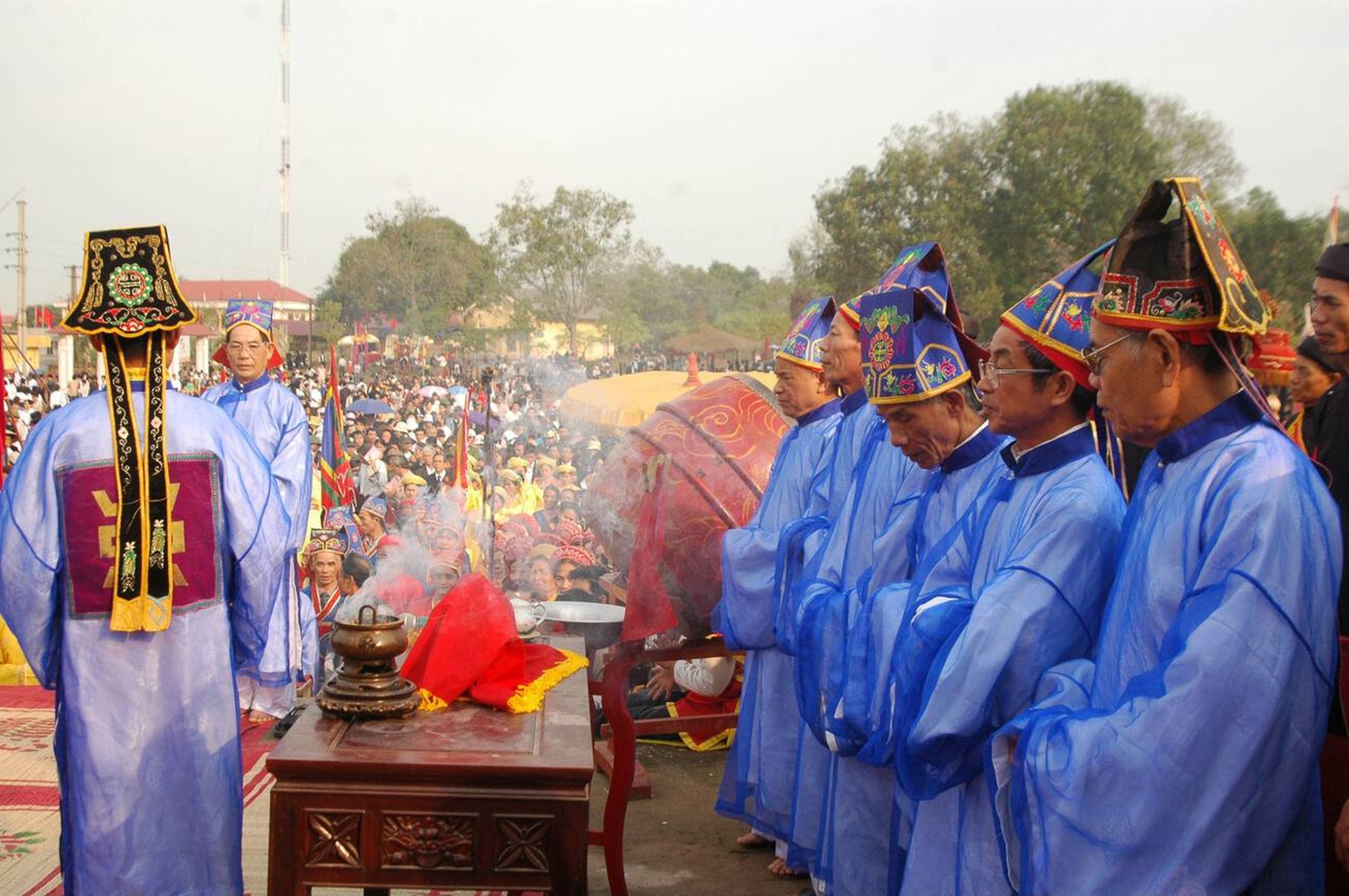
Near Hanoi in Bac Ninh, singers perform Quan Ho on boats and stages during the first lunar month. Pairs of male and female singers trade verses with melody rules and refined gestures. Alongside the performances, craft shows and folk games give visitors an authentic village fair experience.
- Quan Ho Bac Ninh folk songs are recognised by UNESCO as Intangible Cultural Heritage, which helps safeguard training and repertoire.
- The festival grew around Lim Pagoda and nearby villages, so venues are spread out and best explored on foot.
5. Buddha Birthday (Vesak)
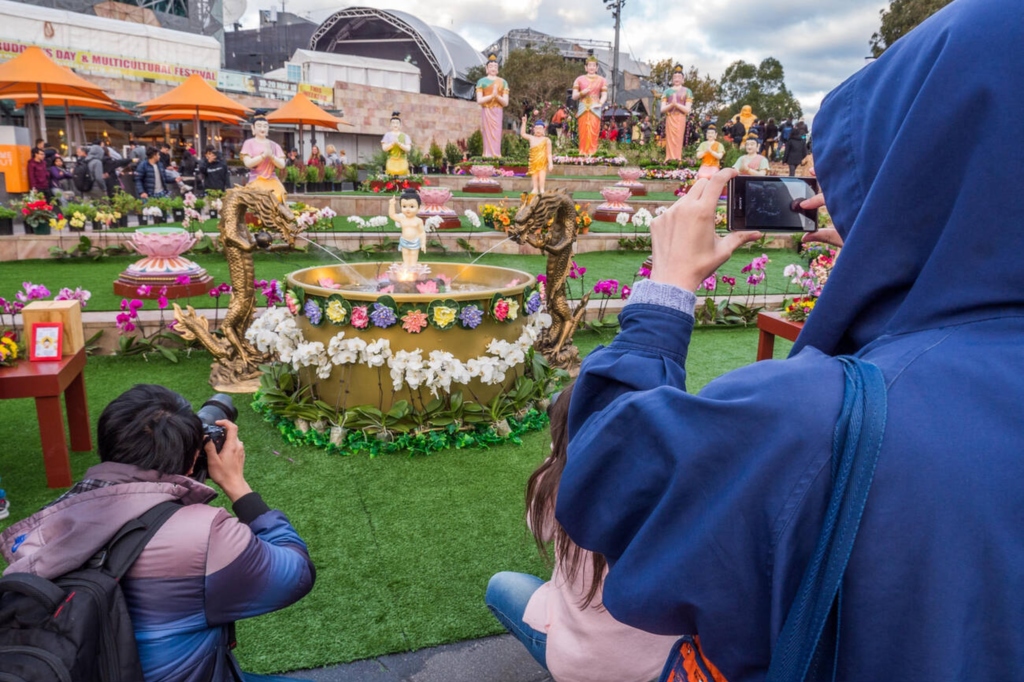
Vietnamese Buddhists mark the birth of the Buddha on the fifteenth day of the fourth lunar month. Pagodas host bathing the Buddha ceremonies, candlelight processions and shared community meals. You will meet volunteers who organise blood donation camps and charity visits.
It is less about spectacle and more about the practice of compassion, restraint, and service. For travellers planning their journey, many Vietnam packages from Chennai include visits to pagodas during this serene festival.
- Many pagodas display lotus lanterns and floral arches, and evening ceremonies offer calmer conditions for visitors.
- Offerings are simple and plant-based in many communities, so plan meals near pagoda areas with that expectation.
6. Mid-Autumn Festival Tet Trung Thu
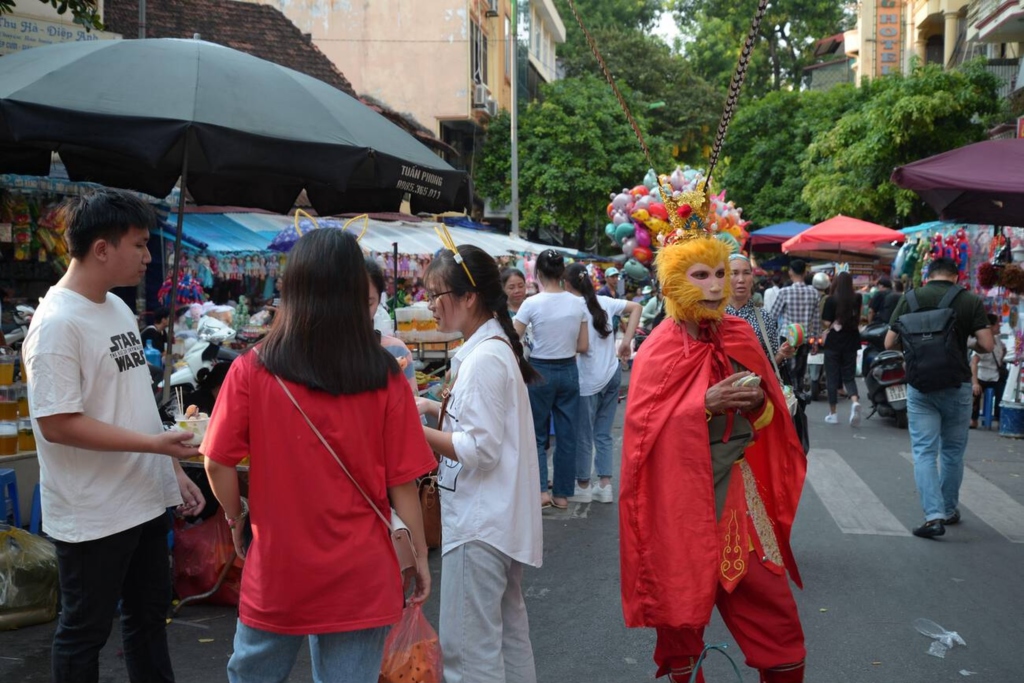
Visitors can join lantern-making workshops and listen to storytelling about the Moon Boy and Moon Lady. On the fifteenth day of the eighth lunar month, children take centre stage. Families share mooncakes filled with lotus seed paste, mixed nuts, or durian variations. Storytelling about the Moon Boy and the Moon Lady keeps folklore alive for new generations.
- Lantern parades happen after dusk, and traffic diversions often occur around old quarters in big cities.
- Mooncakes are seasonal from late August through September, and bakeries release limited runs that sell fast.
7. Hoi An Lantern Festival
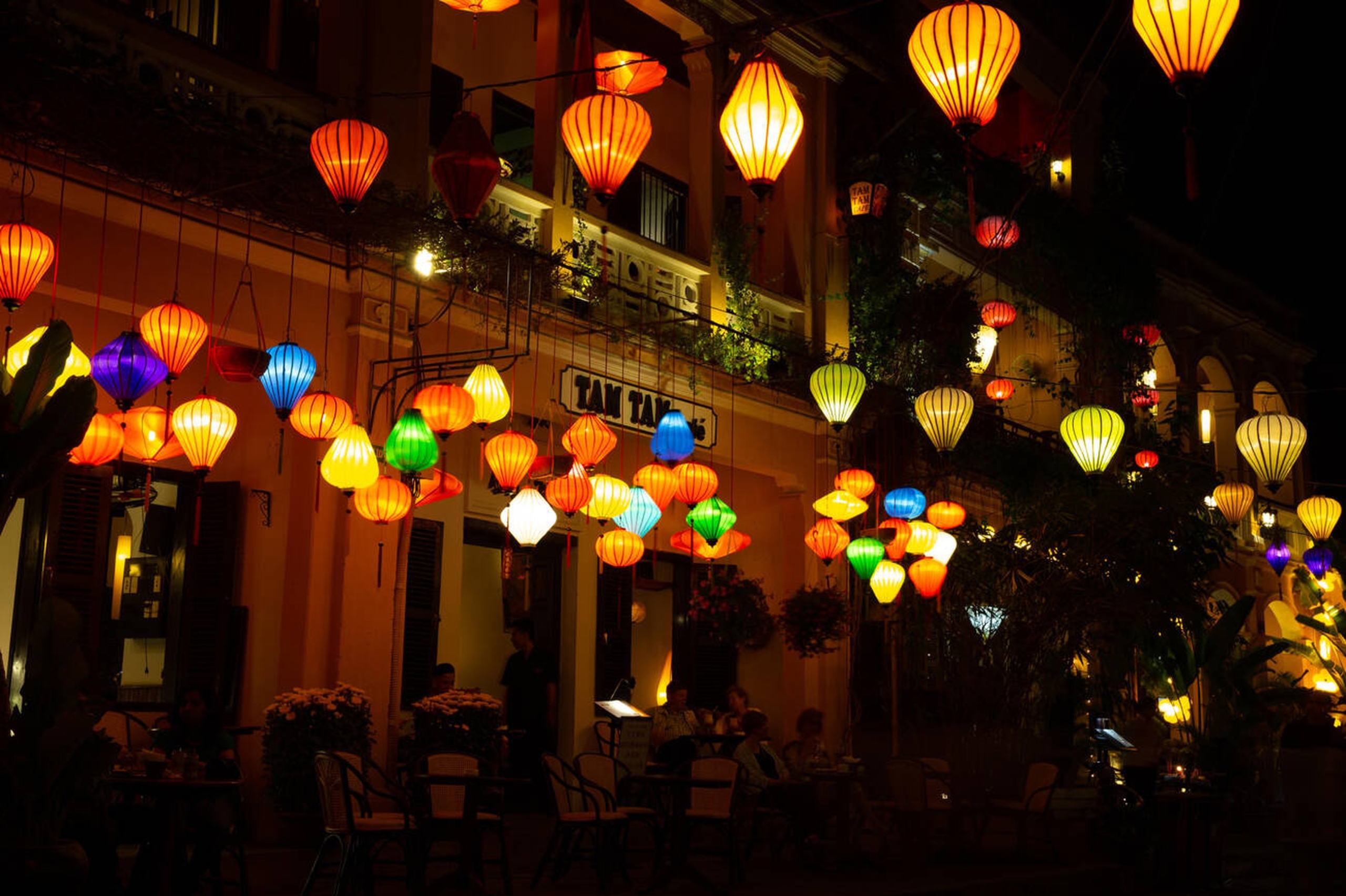
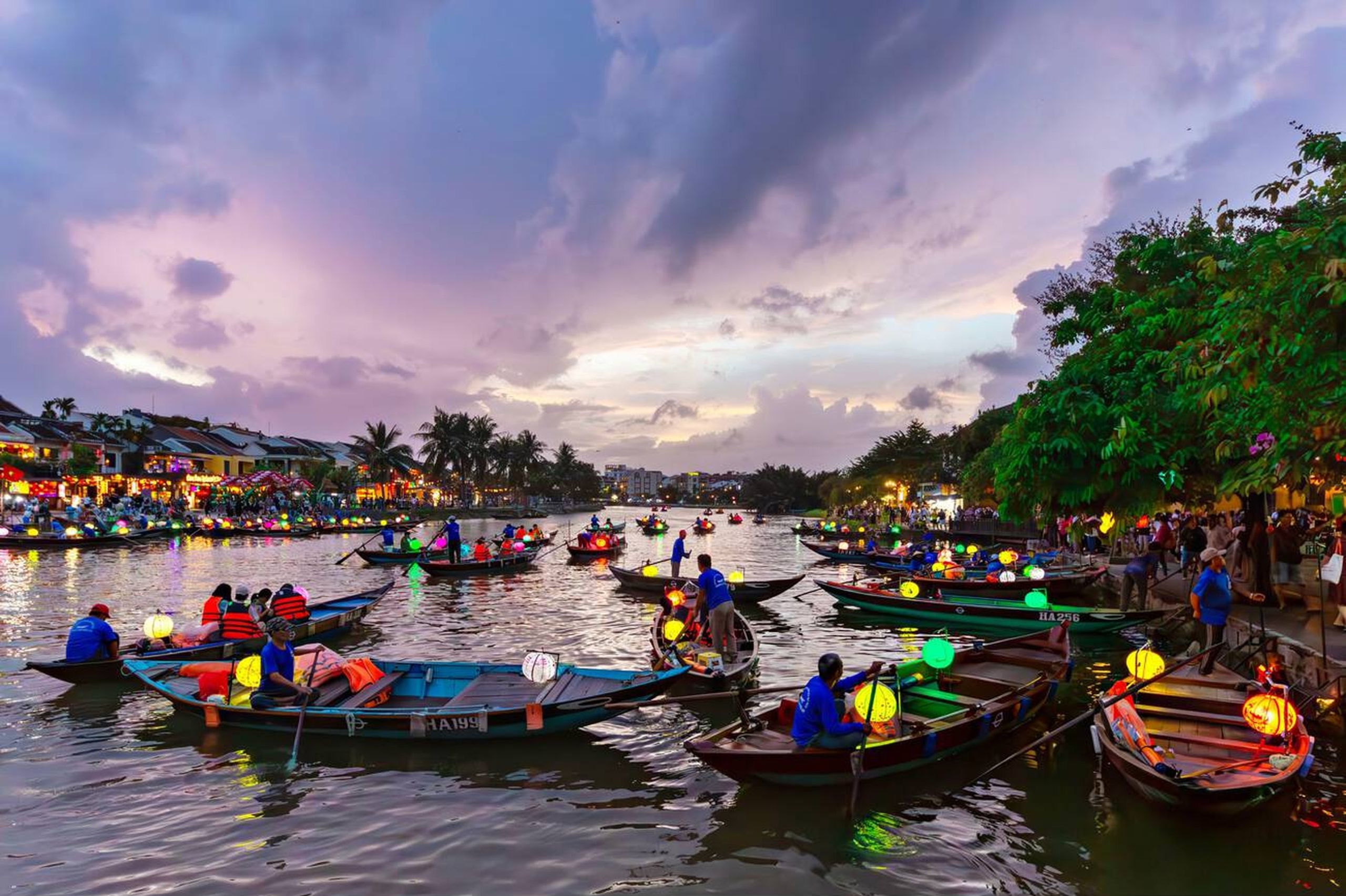
On the fourteenth night of each lunar month, Hoi An’s old town dims its electric lights and glows with silk lanterns. Experience the enchanting ritual of releasing a glowing paper lantern onto the Hoai River, carrying with it a simple, heartfelt wish.
Street music, traditional games, and food stalls create a gentle rhythm rather than a loud party. The old houses and the Japanese Bridge form a rare night setting for photos and quiet people watching. This magical atmosphere makes Hoi An one of the best places to visit in Vietnam for travellers seeking culture and charm.
- During the festival, the main streets of the UNESCO-listed Old Town become a pedestrian-only wonderland, allowing you to wander freely on foot beneath thousands of glowing lanterns.
- You can sample iconic local foods like cao lau noodles and white rose dumplings, both of which are delicious legacies from Hoi An’s past as a bustling international trading port.
8. Hue Festival and City Heritage
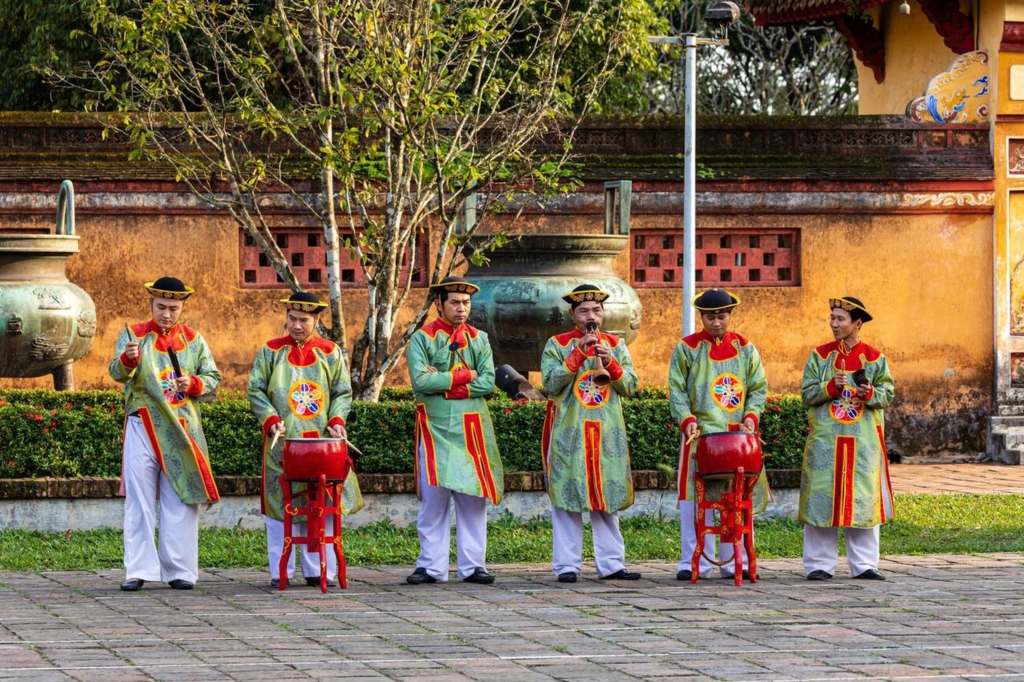
Hue hosts a large cultural festival in even-numbered years, which showcases court music, Ao Dai shows, and night parades. Stages appear across the Imperial City, riverside parks, and royal tomb areas.
You will see re-enactments that explain court ceremonies without turning them into theatre alone. The programme usually runs for about a week and draws performers from across Vietnam and abroad.
- Hue court music is recognised by UNESCO as Intangible Cultural Heritage, and live performances help transmit the technique to young artists.
- Daytime heat can be strong from April through August, so plan evening events and carry water during daytime visits.
Conclusion
Vietnam’s festivals feel like open-air classrooms where history, belief, and daily life come together. You greet the year during Tet, honour founders in Phu Tho, join pilgrims at Perfume Pagoda, and watch lanterns glow over Hoi An. You celebrate children under the full moon, listen to Quan Ho duets, and learn why fishers thank the whale. Plan with the lunar calendar, respect local practice, and keep your schedule flexible. You will leave with clear memories and a stronger understanding of Vietnam’s culture.