

Quick Jumplinks to Navigate
If you’re into exploring culture, history, or religion, Vietnam’s temples are a fantastic starting point. These aren’t just old buildings hanging out in the background; they’re lively places where daily life and tradition are still very much alive. People from the area stop by to pray, think things over, or join in on the festivals. Each temple, whether it is a Hindu tower in the south or a Buddhist pagoda up north, tells you something about Vietnam’s past. The mix of designs, rituals, and traditions across temples shows just how many different religions have shaped Vietnam through the years. For travelers, exploring these sacred sites is often included in Vietnam Holiday Packages, making the journey both cultural and memorable.
You will come across everything from small wooden ancestral temples in quiet villages to massive pagodas filled with hundreds of Buddha statues. The Cham towers in Nha Trang and the One Pillar Pagoda in Hanoi stand out for their unique architecture and meaning. Some of these places are over a thousand years old and are still used today during important celebrations like Tet and Vesak.
This guide gives you a closer look at Vietnam’s spiritual side and shows how religion, art, and local traditions all come together in each temple you visit.
1. Why Temples Matter in Vietnamese Culture?
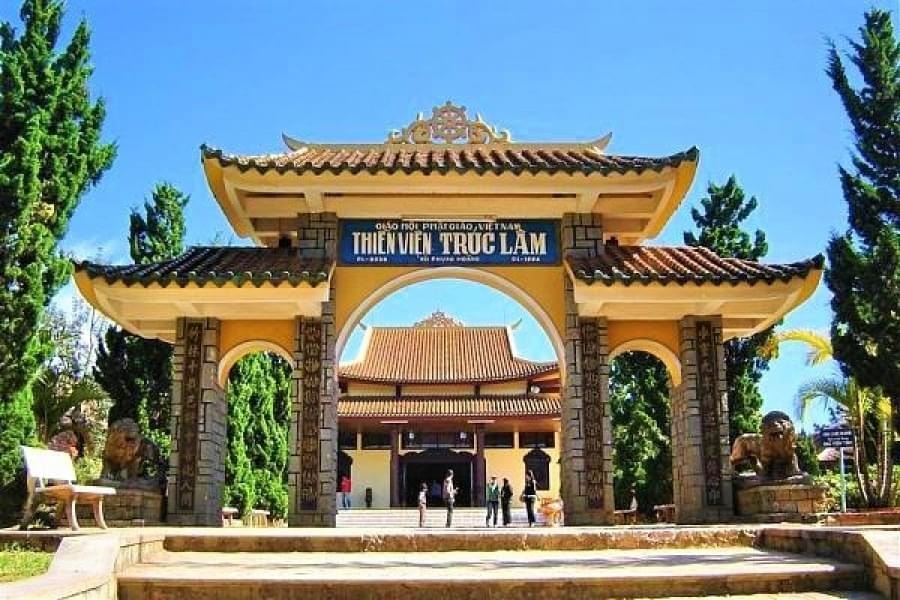
Temples in Vietnam are not only about religious ceremonies, they are a part of everyday life. People visit them to pray for good health, fortune, or peace of mind. These places are also tied to history, with many built to honour national heroes, ancestors, or spiritual guides. During major festivals like Tet or Vu Lan, locals gather at temples for blessings. Whether it’s a city pagoda or a country shrine, they all help to strengthen communal bonds.
2. Different Faiths, One Cultural Thread
You will see a blend of beliefs reflected in Vietnam’s temples. In the north, most pagodas follow Mahayana Buddhism. Down south, you will notice more influence from Hinduism, Taoism, and even Caodaism. Some temples are meant to honour ancestors, while others are built for worshipping local deities or spirits. This blend of beliefs has shaped how each temple looks, how rituals are performed, and what role it plays in daily life.
3. What Sets Vietnamese Temples Apart?
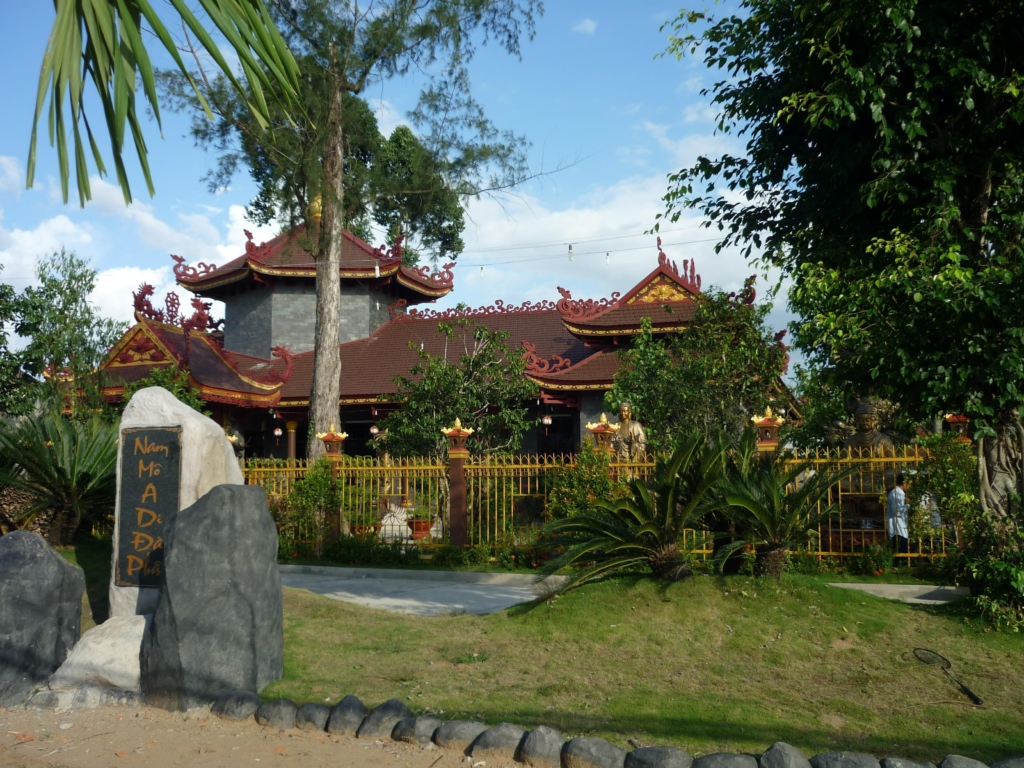
The traditional Tam Quan layout is used by numerous temples. Upon entering, you will be able to see the tranquil courtyards, the three-arched entrance, and the prayer halls scented with incense. Typical roof designs include steep inclines and elaborate carvings of lotus flowers or dragons. A bell or drum tower, which is used during ceremonies, can also be seen in some temples. Visiting such architectural gems can be a highlight of a family trip to Vietnam, as they offer both cultural learning and peaceful exploration.
Inside, the altars usually feature statues of the Buddha, local gods, or important figures from history. The materials used are quite varied. While contemporary temples employ concrete with traditional designs, older ones use wood and brick.
4. Key Regional Differences
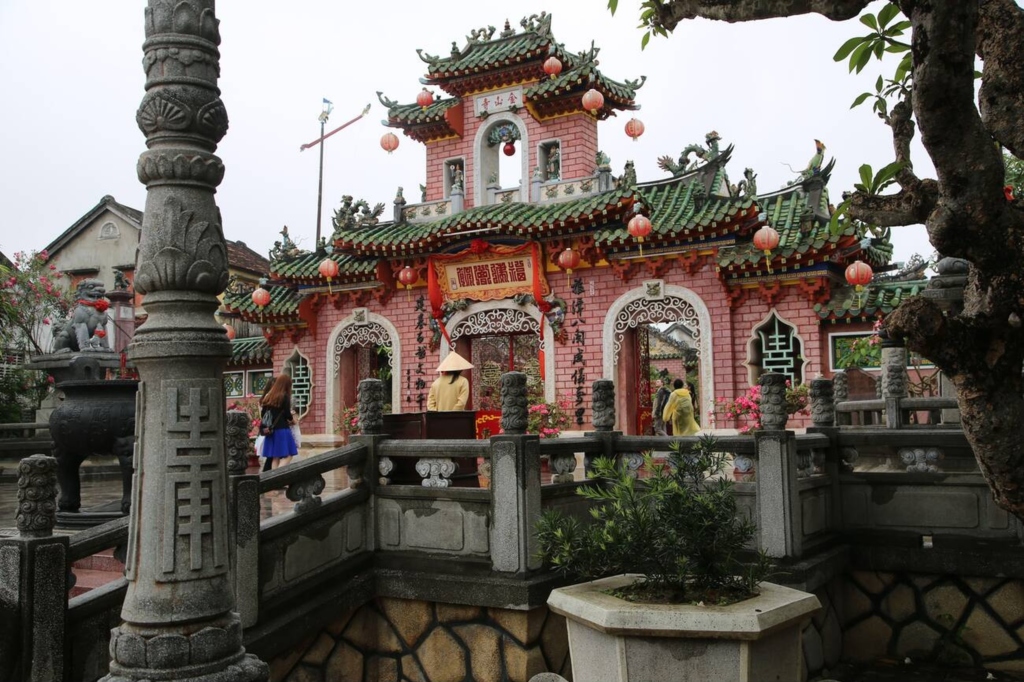
There are distinctive characteristics of temples around Vietnam:
- Northern Vietnam: These temples are heavily influenced by Chinese architecture, featuring layered courtyards, stone pillars, and wooden prayer rooms.
- Central Vietnam: Home to Cham Hindu towers like My Son. They are made from red brick and feature carvings of Shiva and other deities.
- Southern Vietnam: Increased Khmer and Indian influence. Some Hindu temples have tall gopurams, whilst Buddhist temples may have multi-tiered towers.
The way temples are built in each region says a lot about its local history and culture. You can often tell where you are just by looking at the design.
5. Must-Visit Temples in Vietnam
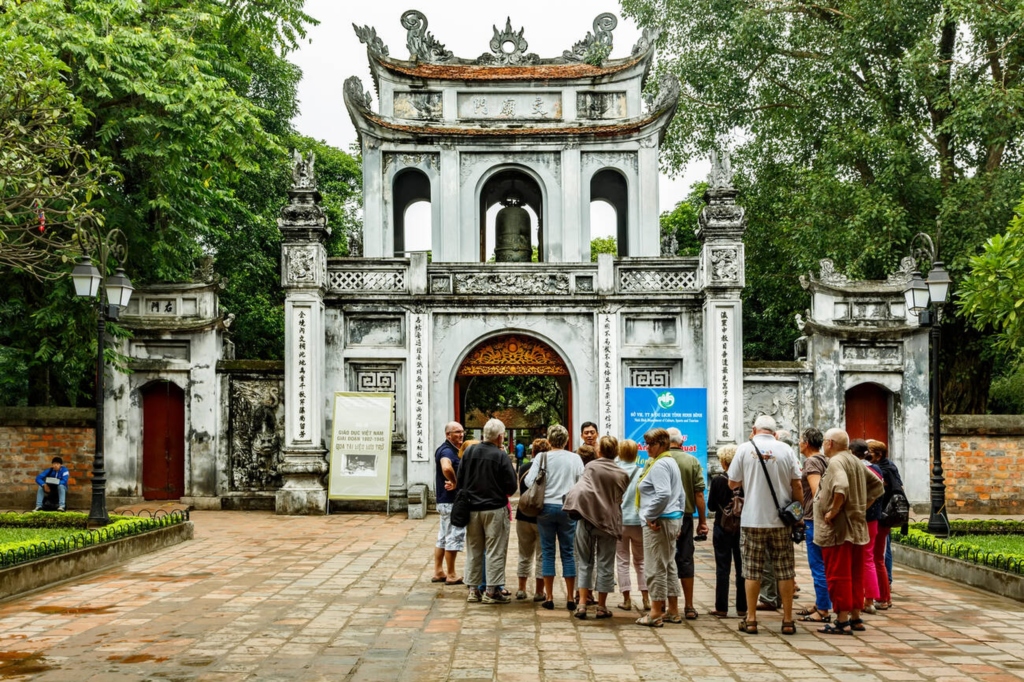
If you are planning a temple tour, these places are worth including:
- Temple of Literature, Hanoi: Built in 1070, it was Vietnam’s first national university. The five courtyards and stone stelae are meant to honour scholars and reflect Confucian values that were once central to education and public life in Vietnam. It is also considered one of the must visit attractions in Vietnam for history lovers.
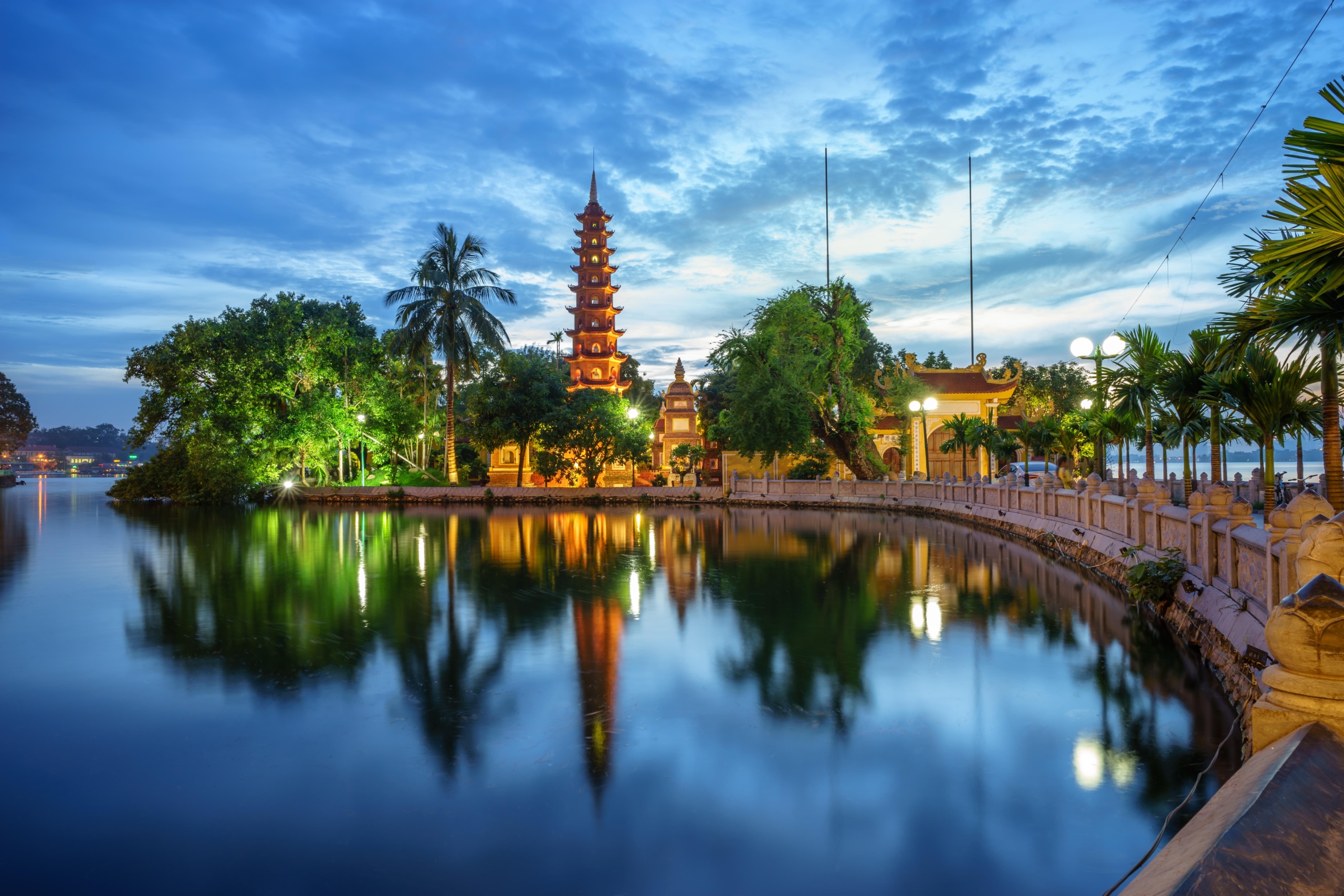
- Tran Quoc Pagoda, Hanoi: Located on an island in West Lake, it dates back to more than 1,500 years in time. It is famous for its quaint ambience and ancient Bodhi tree.
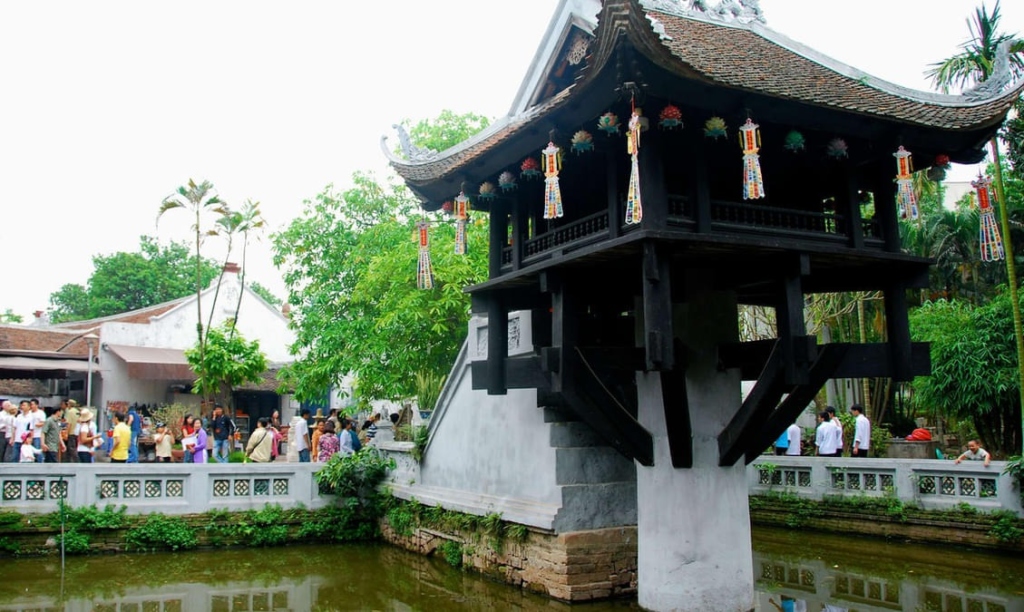
- One Pillar Pagoda, Hanoi: A small but iconic Buddhist temple built on a single stone pillar. It resembles a lotus and symbolises purity.
- Perfume Pagoda, near Hanoi: Located in the mountains, this is a major pilgrimage site. You reach it by boat and cable car before walking to the cave shrine.
- My Son Sanctuary, Quang Nam: A collection of Cham temples from the 4th to 14th centuries. With a strong Indian influence, the temple is also a UNESCO site.
- Bai Dinh Pagoda, Ninh Binh: This pagoda is among the largest in all of Southeast Asia. It has a huge bronze Buddha and 500 smaller statues of the Buddha.
- Po Nagar Towers, Nha Trang: Cham towers built between the 7th and 12th centuries. Dedicated to the goddess of fertility and prosperity.
- Mariamman Temple, Ho Chi Minh City: A Hindu temple built by Tamil immigrants. It serves the local Indian community and hosts festivals.
- Cao Dai Temple, Tay Ninh: Centre of the Cao Dai faith. The architecture includes dragon pillars, stained glass, and statues from many religions.
6. Knowing the Etiquette
Temples are open to everyone, but there are a few things to keep in mind:
- Dress modestly. Cover your shoulders and knees.
- Remove your shoes before entering indoor prayer areas.
- Keep quiet, since many people come to this place to meditate or pray.
- Avoid flash photography or taking pictures during rituals.
Also Checkout: Things to do in Vietnam
Conclusion
When you visit Vietnam’s temples, you learn more than just history. You get to see how religion, art, and everyday life are all connected. From the old pagodas in Hanoi to the Cham towers in central Vietnam, each place offers something unique. Whether you are walking through a quiet courtyard or making your way up to a cave shrine, you start to understand what really matters to the people here.