

Quick Jumplinks to Navigate
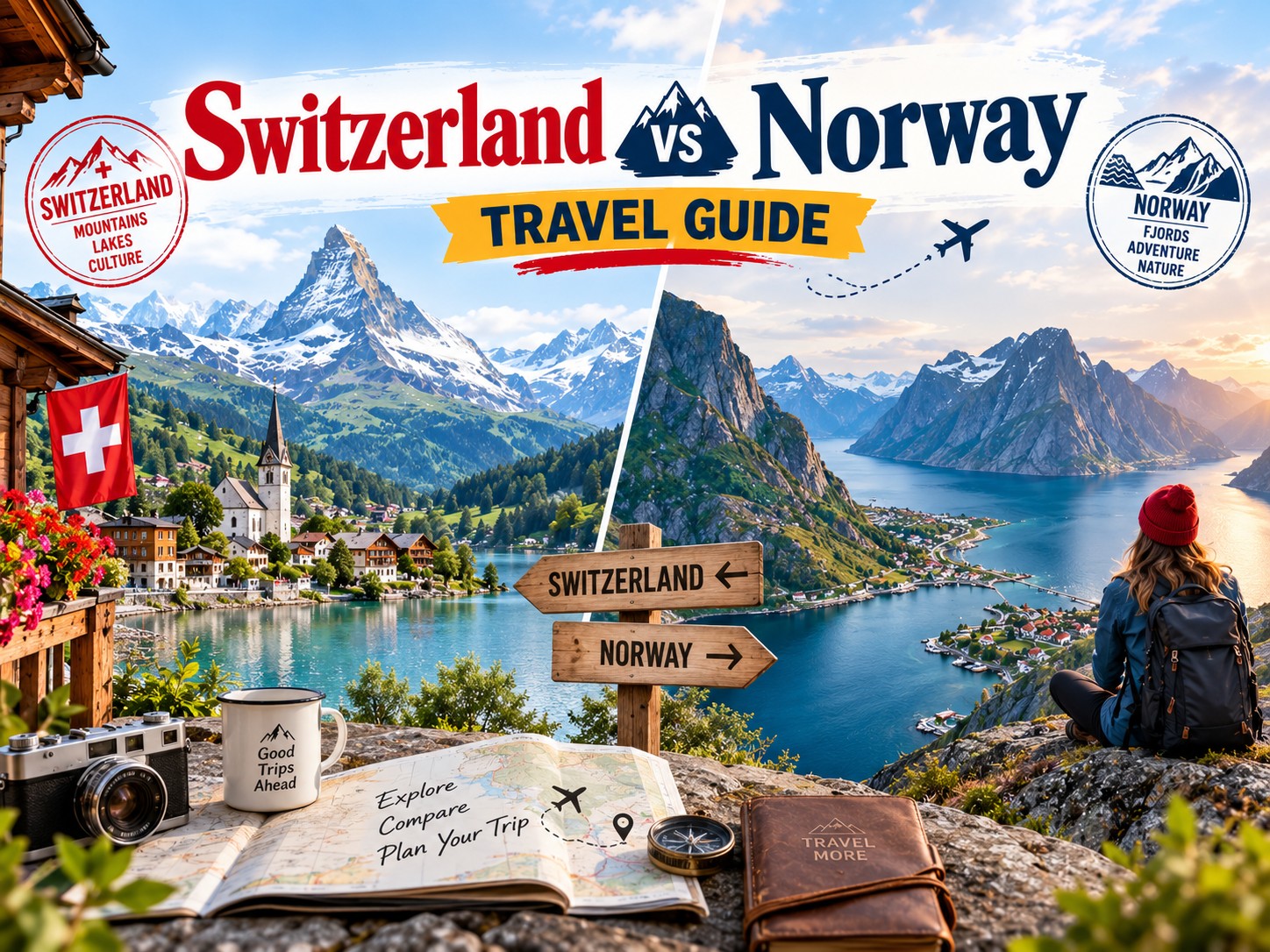
When you need to decide between Switzerland and Norway, you tend to get confused because both countries offer incredible scenery. However, the experience can feel quite different once you are actually there.
Switzerland is compact, well-connected, and easy to explore, with Alpine villages, scenic train journeys, lakes and mountain viewpoints. Norway is more spread out, with dramatic fjords, rugged coastlines, waterfalls and Arctic landscapes. So, choosing between Switzerland and Norway usually depends less on which country is “better” and more on what you want from your holiday.
This detailed Switzerland vs Norway travel comparison looks at the cost, weather, experiences, food, transport and ideal trip duration to help you decide which destination fits your budget and travel style better.
A well-planned itinerary can also make a big difference, especially in Norway, where the geography means that places that look close on a map can take considerably longer to reach once roads, ferries and different modes of transport are factored in.
Thrillophilia offers more than 90 Switzerland tour packages and 15+ Norway tour packages, with options to customise the itinerary around your preferred pace, experiences and budget.
So, if you’re deciding between Switzerland and Norway, here’s what you need to know.
Switzerland vs Norway: Quick Comparison
| Criteria | Switzerland | Norway |
| Best for | Couples, honeymooners, families and first-time Europe travellers looking for Alpine scenery, villages and scenic train journeys | Couples, honeymooners, adventure seekers and travellers looking for fjords, Northern Lights and Arctic landscapes |
| Budget | INR 97,500 per person for 7 to 8 days | INR 1,75,500 per person for 7 to 8 days |
| Accommodation | 3 to 5-star alpine hotels and city-centre properties | 3 to 4-star city-centre hotels in Oslo and Bergen |
| Ideal trip duration | Around 9 days / 8 nights | Around 9 days / 8 nights |
| Best time to visit | June to September for Alpine sightseeing; December to February for snow and winter experiences | June to August for fjords and long daylight; autumn and winter for Northern Lights in northern Norway |
| Ease of travel | Easier for independent travel because of its dense rail and public transport network | Well connected by rail, road, buses and boats, but remote areas need more planning |
| Overall experience | Polished, scenic and convenient | Raw, dramatic and nature-focused |
Quick verdict: Choose Switzerland if easy transport, Alpine towns and scenic train journeys matter most. Choose Norway if dramatic fjords, Arctic experiences and a more adventurous trip are your priority.
Switzerland vs Norway: Overview
The easiest way to understand the difference is to think about the kind of holiday experience each country offers.
Switzerland makes it relatively easy to combine cities, lakes and mountains in one trip. Norway is more about the landscape itself, with longer journeys between destinations often becoming part of the experience.
Switzerland
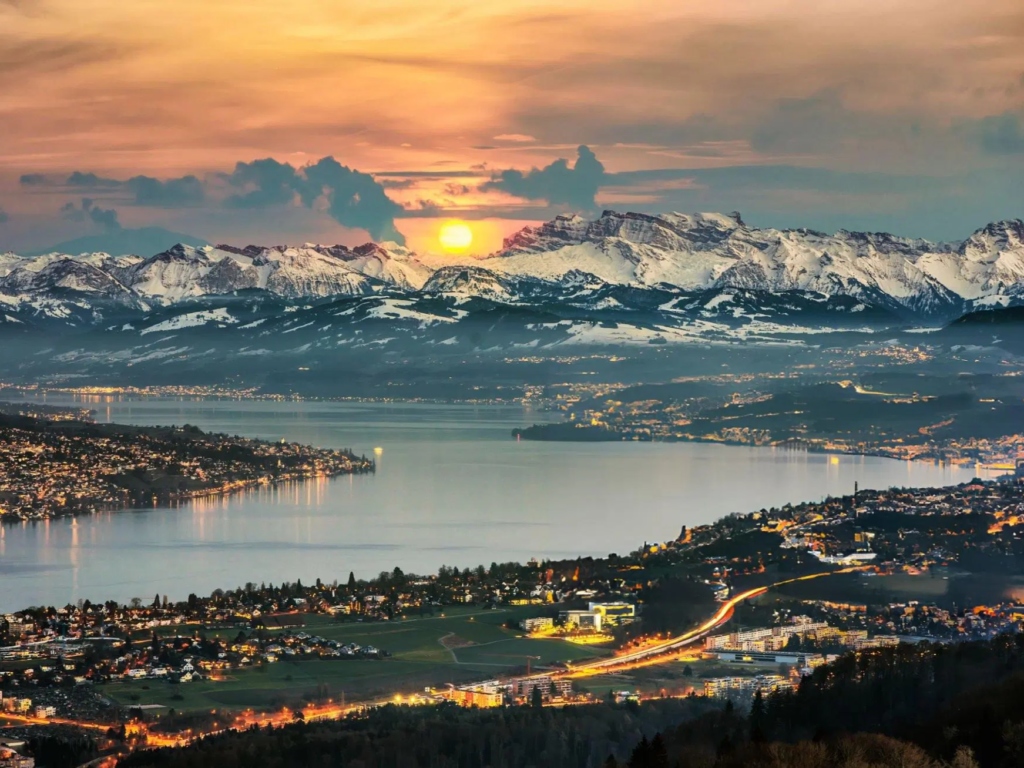
Switzerland is known for its Alpine scenery, efficient public transport and easy access to mountain destinations. Places such as Zurich, Lucerne, Interlaken, Zermatt and Grindelwald can be connected through trains and other public transport, making it a convenient choice for travellers who do not want to drive.
The country also works well across seasons. Summer is ideal for hiking, mountain excursions and lake cruises, while winter brings skiing, snow activities and Christmas markets. Scenic train journeys are another major draw, with routes such as the Glacier Express and Bernina Express turning the journey itself into an experience. Switzerland Tourism describes the country’s rail network as one of the world’s densest public transport networks, which is one reason it works particularly well for multi-stop holidays.
Booking a Switzerland tour package therefore works particularly well for first-time European travellers who want to see several highlights without constantly dealing with complicated transfers.
Norway
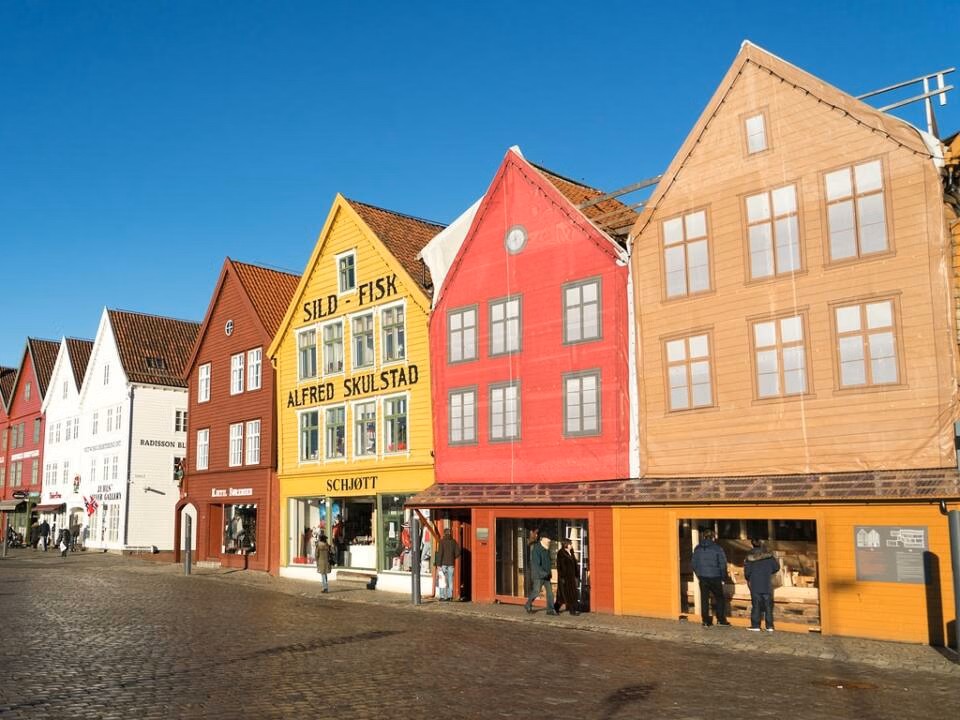
Norway offers a very different experience. Its fjords, waterfalls, mountains and coastal landscapes are the main attraction, with destinations such as Bergen, Oslo, Geirangerfjord and Nærøyfjord offering very different sides of the country.
Travellers interested in the Northern Lights and Arctic experiences also book Norway tour packages and include a Northern Lights experience in their itineraries. Northern Norway offers opportunities for aurora viewing, dog sledging, whale watching and other winter activities, while summer brings long daylight hours and excellent conditions for hiking and exploring the fjord region.
Norway is well connected by trains, buses, roads and boats, but its geography means remote destinations often require more detailed planning. Ferries and express boats are also an important part of getting around the fjord regions.
Switzerland vs Norway: Detailed Comparison
Cost & Budget
Both Switzerland and Norway can be expensive destinations, but the final cost depends heavily on the season, accommodation, itinerary and travel style.
For Indian travellers, the package prices in the current comparison show Switzerland starting lower than the Norway itinerary listed below. However, that does not mean every Switzerland trip will be cheaper. Accommodation, mountain excursions, dining and transport can vary significantly between destinations and seasons.
| Cost Factor | Norway | Switzerland |
| Starting Package Price | INR 1,75,500 per person | INR 97,500 per person |
| Flight from India | Stopover via Dubai, Doha or Helsinki | Direct Finnair flight from Delhi, 8 to 9 hours |
| Return Flight Cost | INR 55,000 to INR 120,000 | INR 60,000 to INR 120,000 |
| Accommodation | INR 4,000 to 35,000+ | INR 4,000 to 20,000+ |
| Meals per day | INR 3,500 to INR 10,000+ | INR 2,000 to INR 12,000+ |
| Internal Transport | INR 3,000 to 10,000+ depending on tier. | INR 3,000 to 10,000+ along with Swiss Pass. Free in public transports |
| Best for | Fjord-focused and nature-heavy trips | Convenient travel and flexible trip budgets |
Choose Switzerland if: you want more flexibility to build a compact itinerary around trains and multiple destinations.
Choose Norway if: you are willing to spend more time and money on scenic journeys and remote experiences.
Experiences and Places
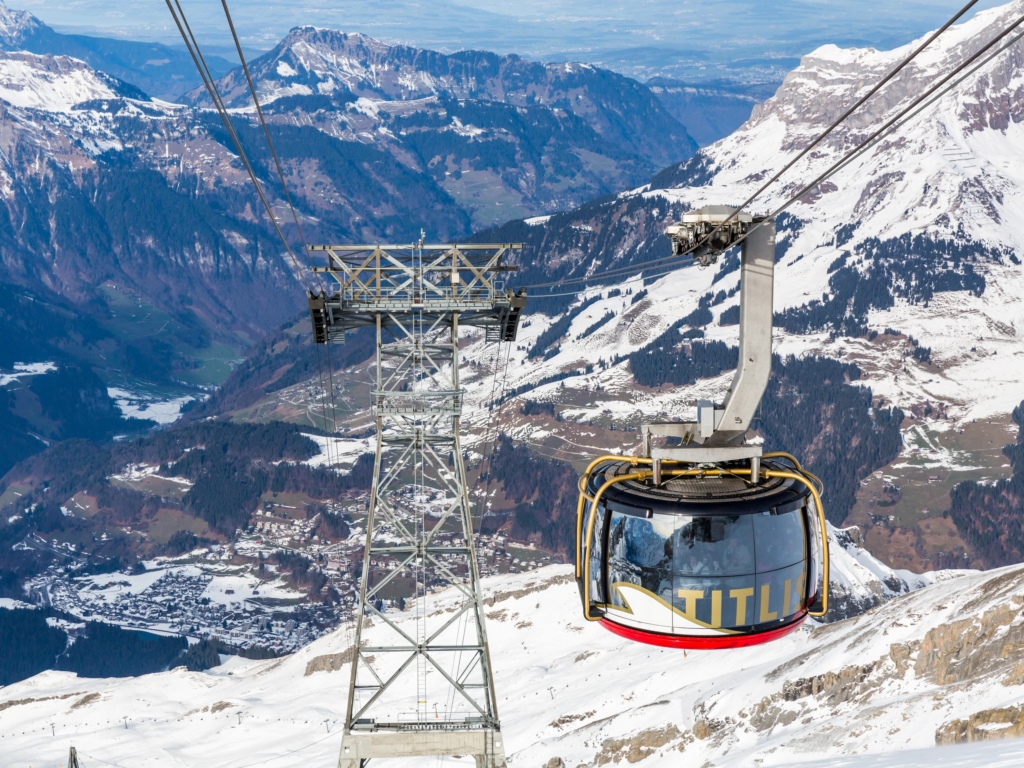
This is where the Switzerland vs Norway comparison becomes more about personal preference.
Switzerland gives you classic Alpine scenery, accessible mountain viewpoints, picturesque villages and scenic rail journeys. Norway feels more expansive, with mountains meeting the sea, deep fjords and a stronger sense of wilderness.
Thrillophilia’s destination experts can help you build feasible itineraries based on the pace of your travel. The packages for Switzerland and Norway can be customised so that the travel fits your comfort and not the other way round.
Here are some of the top places to visit in Switzerland and some of the best places to visit in Norway.
Mountains: Alpine Peaks vs Coastal Mountains
- Switzerland: The Swiss Alps are easy to access through trains, cable cars and mountain railways. Destinations such as the Matterhorn, Jungfraujoch and Grindelwald make it possible to experience high-altitude scenery without spending an entire day travelling.
- Norway: Norwegian mountains are closely tied to the coastline and fjords. Instead of simply travelling upwards to a viewpoint, the experience often involves road trips, ferries, hikes and scenic journeys through the landscape.
Lakes vs Fjords
- Switzerland: Lakes such as Lake Lucerne and Lake Geneva offer relaxed cruises, lakeside walks and easy access to nearby towns and mountains.
- Norway: Fjords such as Geirangerfjord and Nærøyfjord are the bigger draw. Cruises, viewpoints, waterfalls and small villages make the fjord region ideal for travellers who want dramatic natural scenery.
Wildlife and Seasonal Experiences
Switzerland is better suited to travellers looking for Alpine landscapes, hiking and seasonal mountain experiences.
Norway is the stronger choice for travellers interested in Arctic experiences. Depending on the season and location, this can include Northern Lights, Midnight Sun, whale watching and other outdoor activities.
In short: Choose Switzerland for accessible Alpine scenery and Norway for dramatic fjords and Arctic experiences.
Weather & Best Time to Visit
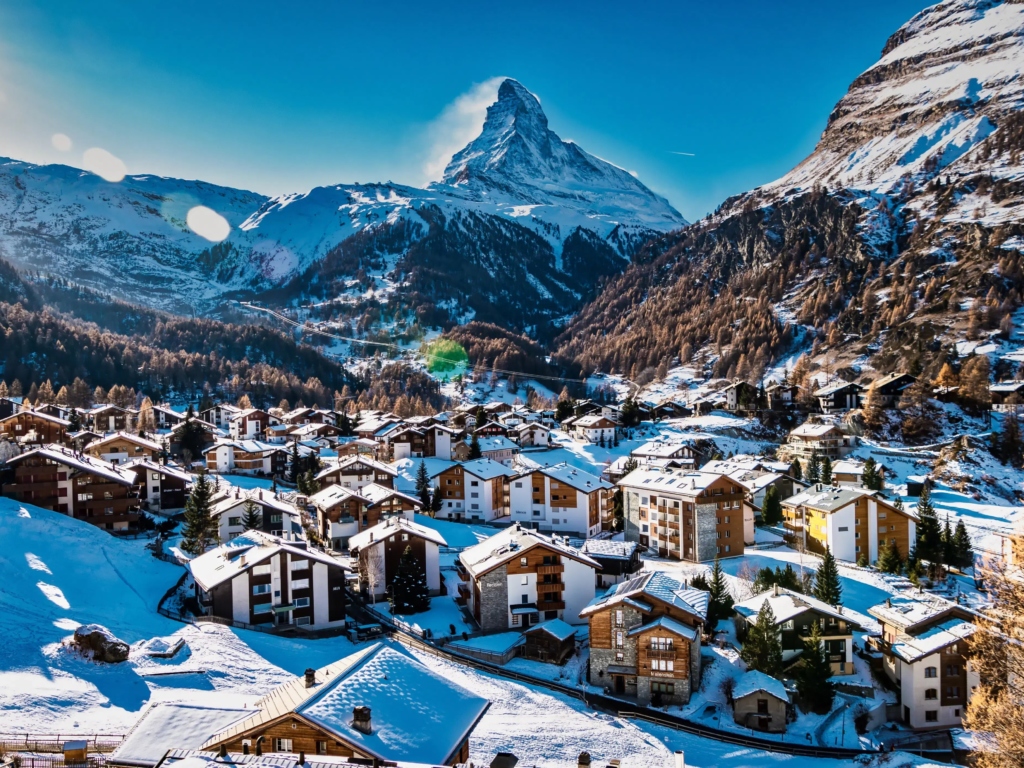
Both countries have four distinct seasons, but their landscapes and geography mean the experience can vary significantly depending on when you visit. As per Thrillophilia’s on-ground team, both Switzerland and Norway can be visited between June and August.
Here is detailed information about weather and best times:
| Season | Switzerland | Norway |
| Peak Season | June to August: Popular for hiking, sightseeing and mountain excursions. December to March: Another busy period for skiing and winter activities. | June to August: Main summer season for fjord trips, hiking and long daylight hours. Winter: Northern Norway is popular for Northern Lights experiences. |
| Shoulder Season | April–May and September–October: Good for cooler weather and fewer crowds, although conditions can vary by altitude. | May and September: May brings spring landscapes, while September offers early autumn scenery. Northern Norway can also start seeing aurora activity as nights become darker. |
Months to Avoid
There is no single period that is universally “bad” for either destination. Instead, your travel plans should determine the best month.
But remember,
- If your priority is hiking, check mountain access and snow conditions before booking.
- If your priority is Northern Lights, plan around the darker months and head north.
- If your priority is summer sightseeing, June to August generally gives you the longest daylight hours.
Food & Vegetarian Meal Options Availability
Food is another area where the experience differs.
Switzerland has a strong food culture built around cheese, potatoes and chocolate, with dishes such as fondue, raclette and rösti. Vegetarian options are generally easy to find in larger cities and tourist destinations.
Norwegian cuisine has a stronger focus on fish, seafood and meat. In Oslo, Bergen and Tromsø, however, travellers can find international and plant-based options. If you are travelling into smaller towns or rural fjord regions, it is worth planning meals.
Switzerland
- Food culture: Cheese, potatoes, bread and chocolate are central to traditional Swiss cuisine.
- Popular dishes: Fondue, raclette, rösti and Birchermüesli.
- Vegetarian restaurants: Haus Hiltl, Tibits, and KLE.
- Supermarkets: Coop and Migros offer a wide selection of ready-to-eat meals and plant-based products.
Norway
- Food culture: Traditional Norwegian cuisine is strongly influenced by fishing, farming and the country’s cold climate.
- Popular dishes: Fårikål, Kjøttkaker, Brunost and seafood such as salmon and cod.
- Vegetarian restaurants: Nordvegan in Oslo, Bellies in Stavanger, and SOYA in Bergen
- Supermarkets: REMA 1000, Kiwi and Coop offer a useful selection of vegetarian and plant-based products.
For Indian travellers, this is one of those small planning details that can make the trip considerably easier. Vegetarian and familiar food options are easier to find in major cities than in smaller mountain and fjord destinations, so checking restaurants before a long travel day is useful.
Now, it can get difficult at times to find vegetarian restaurants, especially in Norway, but Thrillophilia, with its years of experience in planning trips, keeps food preferences as a priority and builds them into their itinerary, including vegetarian and Jain meal requirements where available.
Switzerland vs Norway: Getting Around
Switzerland has a dense and integrated public transport network, making it easy to combine trains, buses, boats and mountain transport. Scenic rail journeys are also an attraction in themselves.
Norway also has an extensive network of railways, roads, airports and boat routes. Public transport works well, but the country’s size and geography mean travellers heading into remote areas need to plan the connections more carefully.
Switzerland
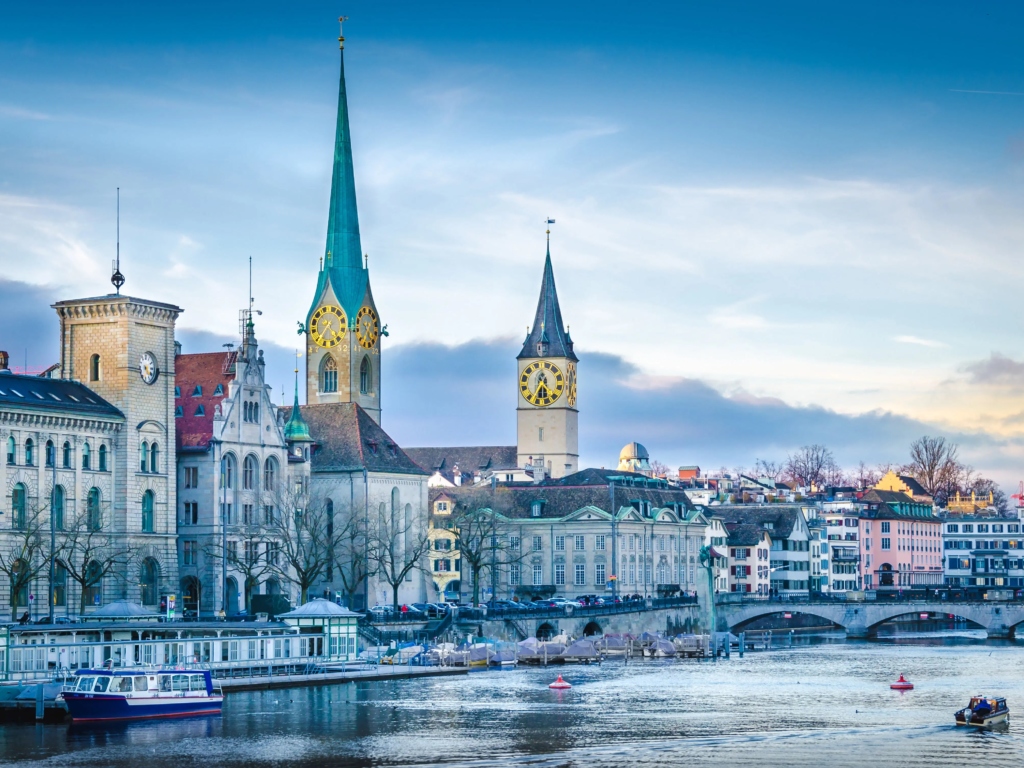
- Trains connect major cities and mountain destinations.
- Buses, boats, cable cars and mountain railways extend the network.
- Renting a car is usually not necessary for a standard tourist itinerary.
- It is easier to base yourself in one city and explore nearby destinations.
Norway
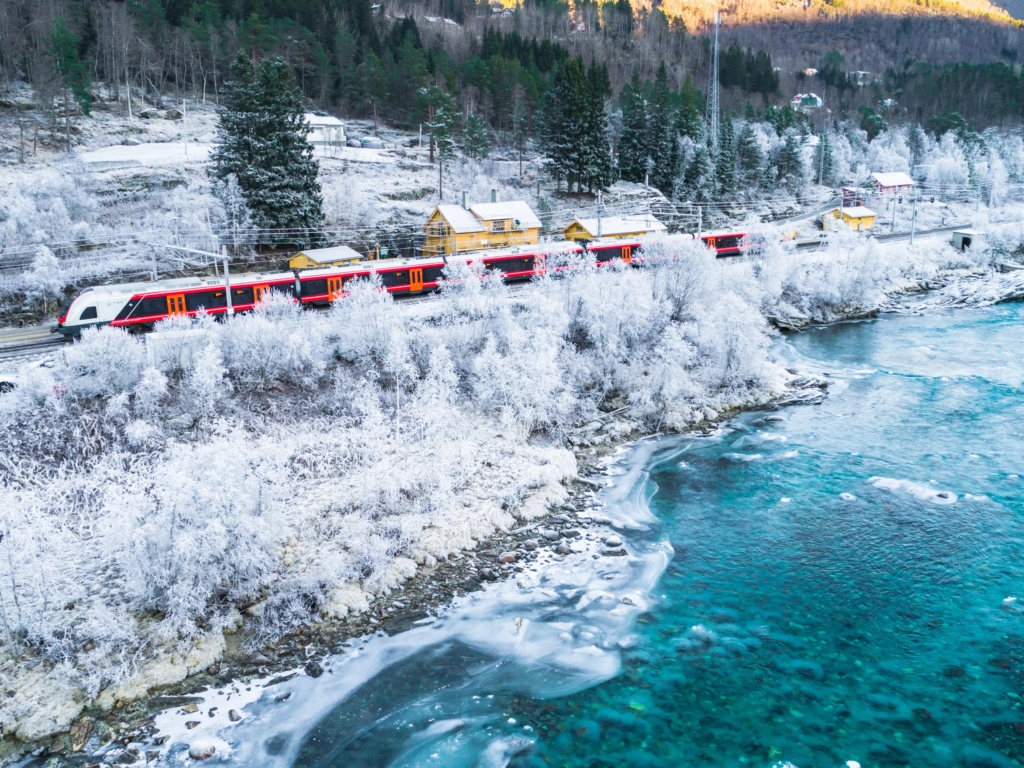
- Trains work well between major cities and popular routes.
- Ferries are an important part of travelling through the fjord region.
- A car can be useful for road trips and remote destinations.
- Distances can be deceptive because fjords, mountains and ferry crossings add travel time.
Choose Switzerland for easier public-transport travel. Choose Norway if you enjoy scenic road trips and don’t mind spending more time travelling between destinations.
Sample Itinerary & Ideal Trip Duration
9 Days, 8 Nights Norway tour package
Best for travellers looking for a first Scandinavian experience that combines Norway’s fjords and scenic landscapes with major Nordic capitals. Based on Thrillophilia’s booking data, the 9-day, 8-night Norway tour package covers Copenhagen, Oslo, Stockholm and Helsinki.
- Day 1 to Day 2: Copenhagen: Arrive in Copenhagen and explore the historic centre, the waterfront and major landmarks.
- Day 3 to Day 4: Oslo: Transfer to Oslo and explore the Norwegian capital, including its major landmarks, waterfront and cultural attractions.
- Day 5: Norway’s fjord experience: Enjoy the included fjord cruise before continuing towards Stockholm.
- Day 6 to Day 7: Stockholm: Explore Stockholm’s historic districts, waterfront and major attractions.
- Day 8: Helsinki: Arrive in Helsinki and explore the Finnish capital.
- Day 9: Departure: Complete the final sightseeing before departure.
9 Days, 8 Nights Switzerland tour package
Best for first-time travellers who want a deeper Switzerland experience with scenic rail journeys, mountain excursions and enough time to explore without constantly changing hotels. The route covers the Zurich–Lucerne–Interlaken–Zermatt circuit, adapted from the 9-day, 8-night Switzerland tour package, and is one of the most booked packages as per Thrillophilia’s booking data
- Day 1: Arrive in Zurich and transfer to Lucerne.
- Day 2: Explore Lucerne, including Chapel Bridge, the Lion Monument and Lake Lucerne.
- Day 3: Visit Mount Titlis and experience the Rotair cable car, Glacier Cave and Ice Flyer.
- Day 4: Transfer to Interlaken and explore the town.
- Day 5: Visit Jungfraujoch and explore the Sphinx Observatory, Aletsch Glacier and Ice Palace.
- Day 6: Explore Lauterbrunnen and Grindelwald.
- Day 7: Transfer to Zermatt and explore the car-free village.
- Day 8: Take the Gornergrat Cogwheel Railway for Matterhorn views.
- Day 9: Depart from Zermatt towards Zurich for your onward flight.
What Should You Choose Between Norway and Switzerland?
The simplest answer is: choose Norway for raw nature and Switzerland for easy Alpine exploration.
| Choose Norway If | Choose Switzerland If |
| You want dramatic fjords, rugged mountains and waterfalls | You want Alpine villages, lakes and snow-capped peaks |
| Northern Lights or Arctic experiences are a priority | Scenic mountain trains and cable cars are a priority |
| You enjoy road trips, hiking and outdoor adventures | You prefer easy public transport and shorter transfers |
| You are comfortable with a more spread-out itinerary | You want to cover several destinations efficiently |
| You want a more rugged, nature-first holiday | You want a polished and convenient European holiday |
| You are planning a romantic adventure or nature-heavy honeymoon | You are travelling with family or visiting Europe for the first time |
Final Verdict
Switzerland vs Norway does not have one universal winner. The better destination depends on what you want your holiday to feel like.
Choose Norway if your idea of a great holiday involves dramatic fjords, waterfalls, Arctic landscapes, Northern Lights, road trips and spending more time surrounded by nature. It is particularly rewarding if you don’t mind longer journeys and a little more planning.
Choose Switzerland if you want iconic Alpine scenery, mountain towns, scenic trains, lakes and an easier way to move between destinations. Its well-connected public transport network makes it especially convenient for families, couples and first-time European travellers.
If you still cannot decide between Switzerland or Norway, let the destination experts at Thrillophilia guide you
Why Choose Thrillophilia for Your Switzerland or Norway Trip?
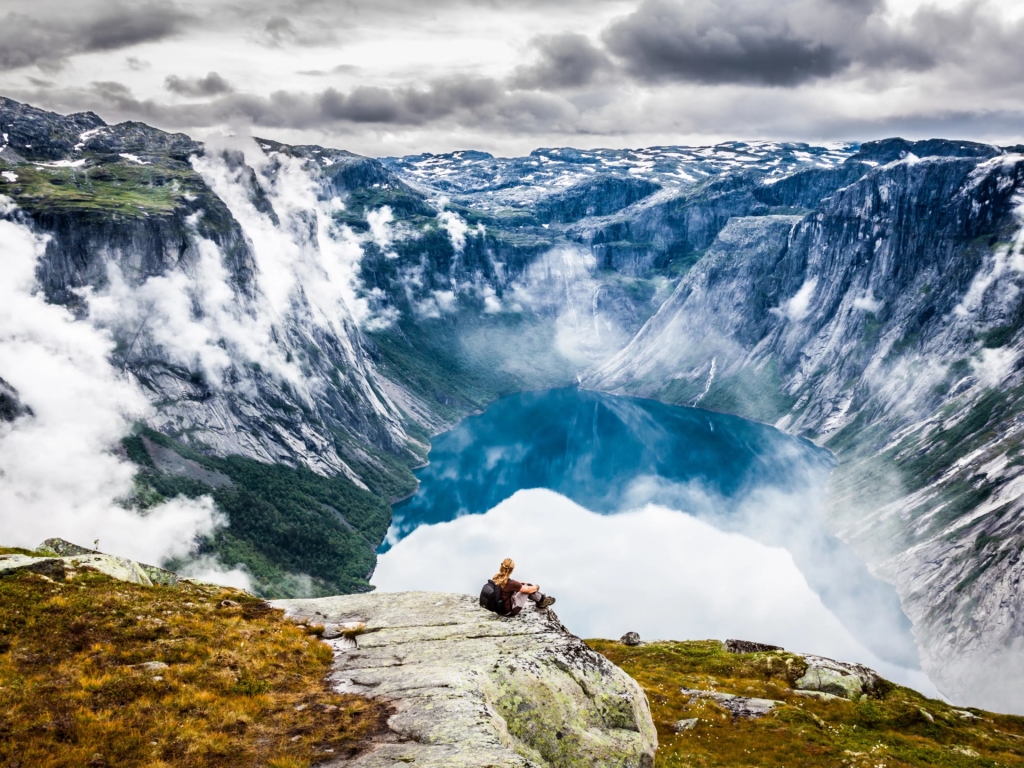
Once you know which country you want to visit, the next challenge is putting everything together. Thrillophilia has years of experience in travel planning, with destination experts who can help build an itinerary around your preferred pace, budget and interests.
This becomes particularly useful in Norway, where fjord routes and longer transfers need to be planned carefully, while Switzerland gives you more flexibility to move between cities and mountain destinations.
Thrillophilia also has 6K+ reviews for Norway and 5K+ reviews for Switzerland, with 4.7 ratings from 7,200+ travellers, giving you an additional reference point when comparing experiences and stays.
You can explore Thrillophilia’s Norway tour packages and Switzerland tour packages to compare itineraries, budgets and experiences, or opt for a customised plan based on how you want to travel.
So, instead of spending hours figuring out hotels, transfers, activities and how much time to allocate to each destination, you can have the major parts of the trip planned together by the destination experts at Thrillophilia and focus on enjoying the holiday.
FAQs
It depends on the kind of scenery you prefer. Switzerland is better for classic Alpine landscapes, mountain villages, lakes and scenic rail journeys, while Norway is better for dramatic fjords, coastal mountains and wild landscapes. If you prefer postcard-like mountain scenery, choose Switzerland; if you want a more rugged landscape where mountains meet the sea, choose Norway.
Switzerland packages work well for travellers who want to cover multiple destinations through an efficient transport network. Norway packages are better suited to travellers who want fjords, scenic journeys and Arctic experiences and are comfortable with a more spread-out itinerary.
The total cost depends on your itinerary, accommodation, season and activities, so neither country should be labelled universally cheaper. The package figures in this comparison show a higher starting price for the listed Norway itinerary, while everyday costs can vary significantly between cities and travel styles. It is best to compare the complete itinerary rather than only the daily cost.
Both can work well, but Switzerland is generally easier for first-time Indian travellers who want a convenient multi-city itinerary, while Norway is better suited to travellers who prioritise fjords, Northern Lights and outdoor experiences. Food preferences and the amount of travel between destinations should also be considered when choosing between the two.
Norway is a strong choice for couples who want a more dramatic, nature-focused honeymoon, especially with fjord cruises, scenic drives and Northern Lights experiences. Switzerland works well for couples who prefer Alpine towns, scenic train journeys, lakes and a more convenient itinerary.