


Quick Jumplinks to Navigate
Vietnam is divided into two distinct regions, the north and the south, and each offers a very different travel experience. The landscapes, the food, and even the pace of life change as you move from one end of the country to the other. For travellers, this often raises a simple question—if time is limited, which region should you explore?
The north is known for its mountains, valleys, and cultural centres like Hanoi and Ha Long Bay. It is a place where many old traditions are still visible in daily life. The south, on the other hand, is marked by wide rivers, fertile plains, and modern cities such as Ho Chi Minh City. It is also where the Mekong Delta flows and where long stretches of coastline are found. Many Vietnam travel packages are designed to highlight the unique charm of each part, helping visitors experience the best of culture, nature, and history.
This blog looks at both regions side by side, and by outlining their main attractions and experiences, it aims to help you understand what each part of Vietnam has to offer.
1. History And Culture

Hanoi anchors the North with temples, tree-lined lakes and small streets that still follow old guild patterns. You will find the Temple of Literature, the Ho Chi Minh complex, and water puppet shows that keep tradition alive. The rhythm is unhurried, and the focus stays on heritage and daily life. It feels like a city that lets you look back while you move forward.
Ho Chi Minh City leads the South with scale, speed and a strong modern pulse. You can walk from the Central Post Office to the Notre Dame Cathedral and then step into the War Remnants Museum for a direct account of the conflict years. The Reunification Palace explains the final act of the war with preserved rooms and a command bunker. Street life is bold, food courts stay busy, and rooftops show you a skyline that grows each year.
If you value imperial and scholarly sites more than urban energy, the North will suit you. If you prefer living museums of recent history mixed with high-rise views and lively nights, the South should be on your list.
2. Nature And Outdoors

The north of Vietnam is shaped by limestone peaks and highland terraces. Ha Long Bay and the Cat Ba archipelago cover more than 65,000 hectares with thousands of islands, caves and lagoons. Day boats and overnight cruises take you to hidden caves, lagoons and quiet coves. These islands are part of a UNESCO site, which confirms both global value and strict protection. Ninh Binh offers a land version of the same geology, where sampan rides at Trang An pass through grottoes, rice fields, and the historic site of Hoa Lu. These are among the most famous places to visit in Vietnam for nature and history lovers.
In the mountains, Sapa and Ha Giang provide cool air, rice terraces, and trekking routes between minority villages. The Ha Giang Loop challenges motorbikers with winding passes and rewards them with wide views, especially during harvest months when the hills turn golden.
The south shifts from mountains to rivers and coasts. The Mekong Delta is a maze of channels, orchards, and stilt houses, known as Vietnam’s rice bowl. Cai Rang in Can Tho remains the busiest floating market, while Long Xuyen offers a quieter, less touristy option.
For beaches, Phu Quoc delivers long sandy bays, snorkelling, and a national park. Con Dao combines marine life with historic prison sites and turtle nesting beaches. In the Central Highlands, Dalat breaks the heat with pine forests, waterfalls, and cool evenings. These destinations also make great choices for a family trip to Vietnam, as they offer a balance of relaxation, nature, and soft adventure.
Whether you head north or south, Vietnam’s outdoors set the stage for very different journeys. The north leans toward mountains, karst landscapes, and cultural treks, while the south offers river life and tropical coasts. Choosing between them often depends on whether you prefer ridgelines or waterways, cool highlands or warm beaches.
3. Best Time To Visit
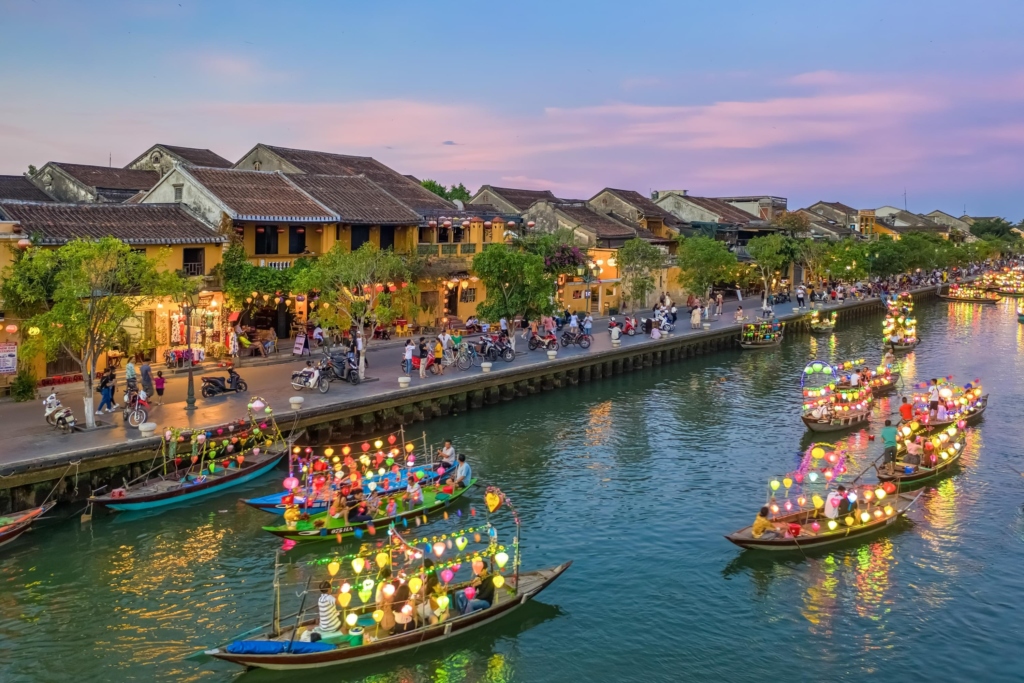
The north experiences four distinct seasons, with mild spring, hot stormy summers, clear pleasant autumns, and cool misty winters in the hills. The best months for trekking and Ha Long Bay cruises are September to November and March to April.
The south has two main seasons, with a dry spell from December to April that is sunny, less humid, and well-suited for boat trips and beach days. The wet season, from May to November, brings short, heavy showers that quickly pass, leaving greener orchards and full canals.
4. Facts That Can Help You Decide
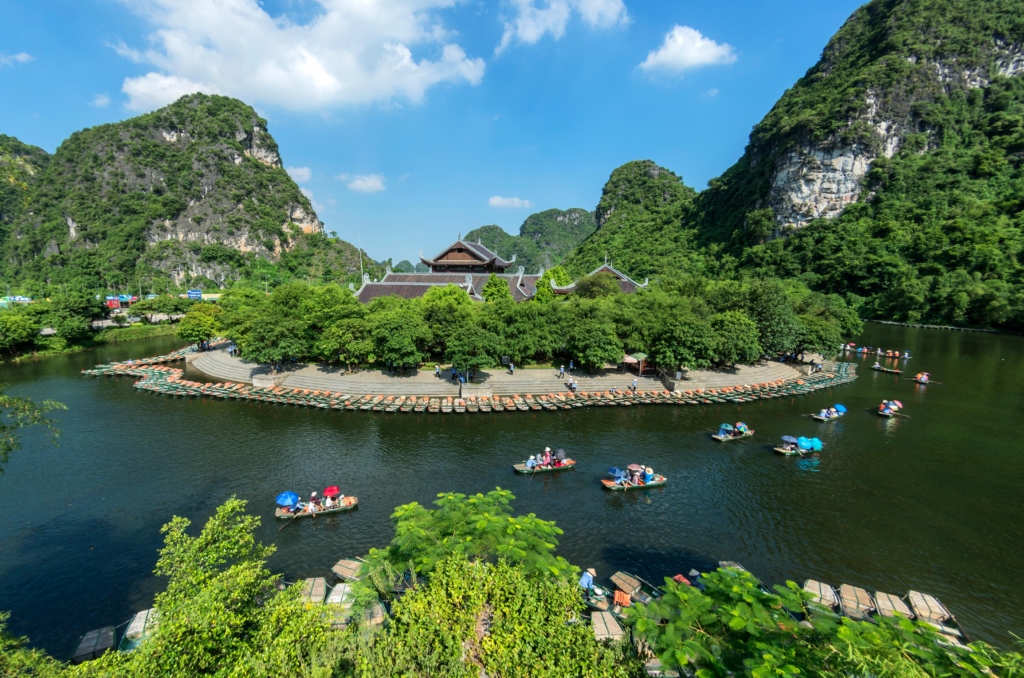
Ha Long Bay Cat Ba holds more than one thousand islands and islets within the UNESCO core zone, which explains the density of viewpoints and caves on standard cruise routes. This is not a rough number but a formal listing count that guides site management and protection.
Trang An carries UNESCO status for both nature and culture, which is rare and valuable. The boat network runs through cave tunnels cut in limestone over long geologic time. That mix of geology and heritage is why the site stands out beyond the common Halong on land label.
The Mekong Delta supplies most of the country’s rice and nearly all rice exports, so when you pass barges piled high with sacks you are watching national food security at work. This share also explains the pace of canal maintenance and flood control projects you may notice on the road.
5. Choose The North If This Is You
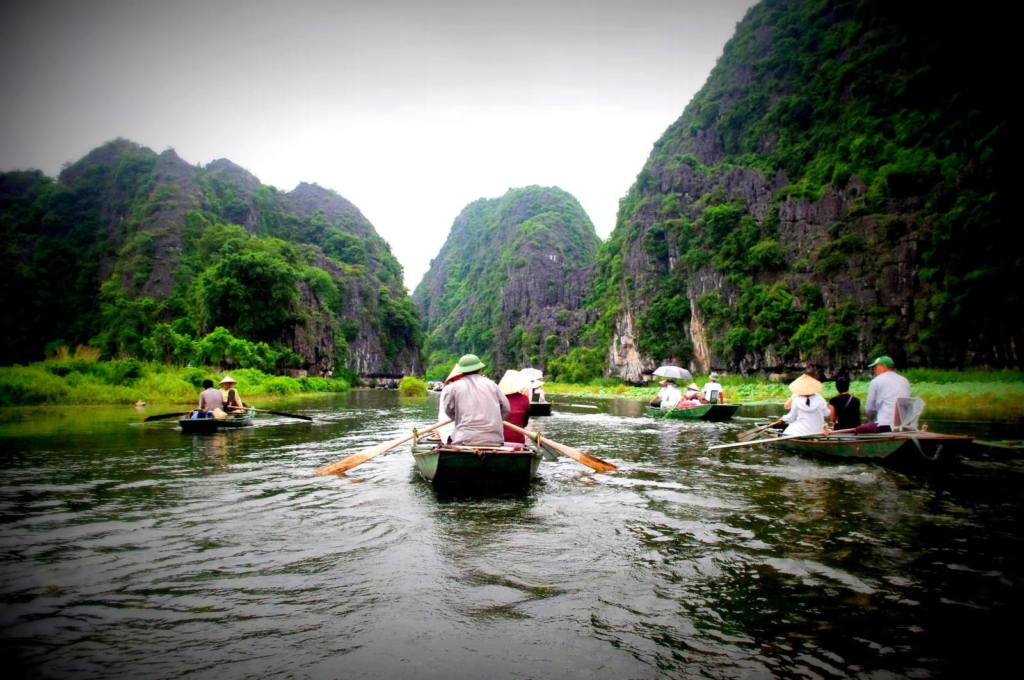
- You want treks in cool air with village stays and quiet nights.
- You enjoy caves, karst towers and slow boat rides through green valleys, which remain the most famous things to do in Vietnam for those seeking scenic beauty.
- You prefer heritage walks, traditional theatre and coffee by a lake.
6. Choose The South If This Is You
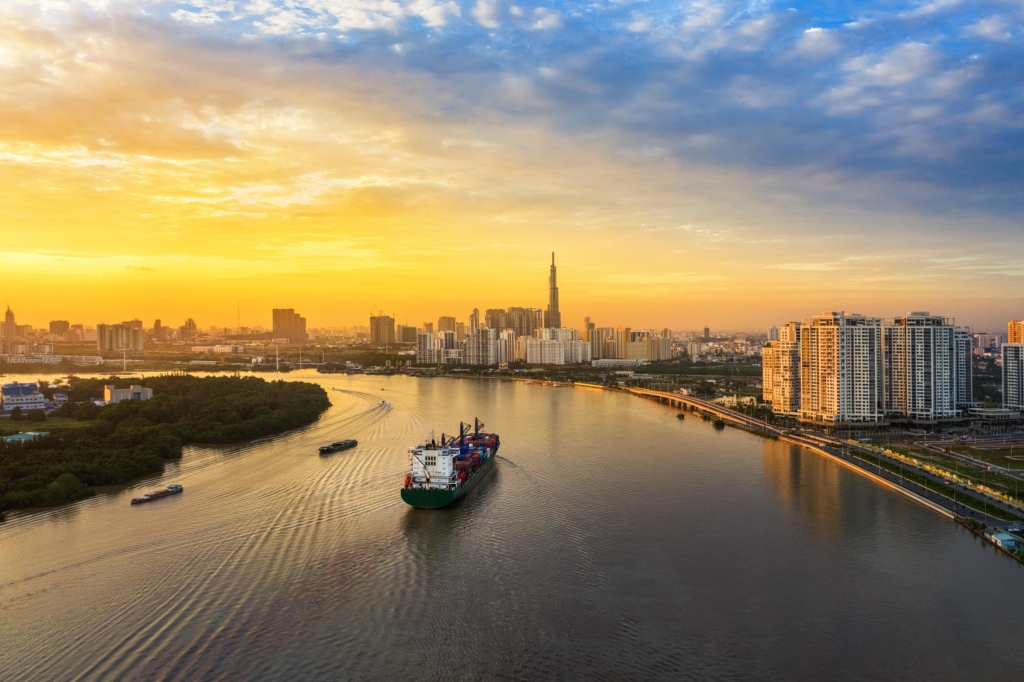
- You want warm water, coral trips and long beach days with simple logistics.
- You enjoy river life, fruit farms and real floating markets at sunrise.
- You prefer a big city with late nights, street food and new cafes each day.
Final thoughts
North and South Vietnam offer very different experiences, and the choice depends on what you want from your journey. The north draws travellers with mountains, rice terraces, ancient capitals, and dramatic karst landscapes, while the south opens up wide rivers, floating markets, tropical beaches, and vibrant cities. Neither region is “better” in an absolute sense; each tells a different part of Vietnam’s story. If time allows, exploring both gives the fullest picture of the country. But if you must choose, think about whether you are drawn more to highlands and heritage or to waterways and coasts—your answer will point you to the region that fits best.