


Quick Jumplinks to Navigate
The prestigious mountain in Japan, Mount Fuji, is not only a cultural icon, but it is also a UNESCO World Heritage Site and a dream destination for adventurers. With an astounding elevation of 3,776 m, the mountain is renowned for offering an unforgettable hiking experience that connects Mother Nature with spirituality.
Be it watching the dawn at its crest or strolling over to relish the picnic-worthy views, this is a mountain that caters to the thrill-seeker in you. Many travellers even include a Mount Fuji hike as part of their Japan tour packages, making it a must-visit highlight of the country. But before we put on hiking socks, the most important thing to know is the best trails for you and the times and fundamentals related to this area that will make your climb safe, successful, and wonderful.
Best Trails for Hiking at Mount Fuji
There are four main trails that offer options for hiking on Mount Fuji, each with distinct scenery and challenges. All the trails to the summit begin from the 5th station.
1) Yoshida Trail
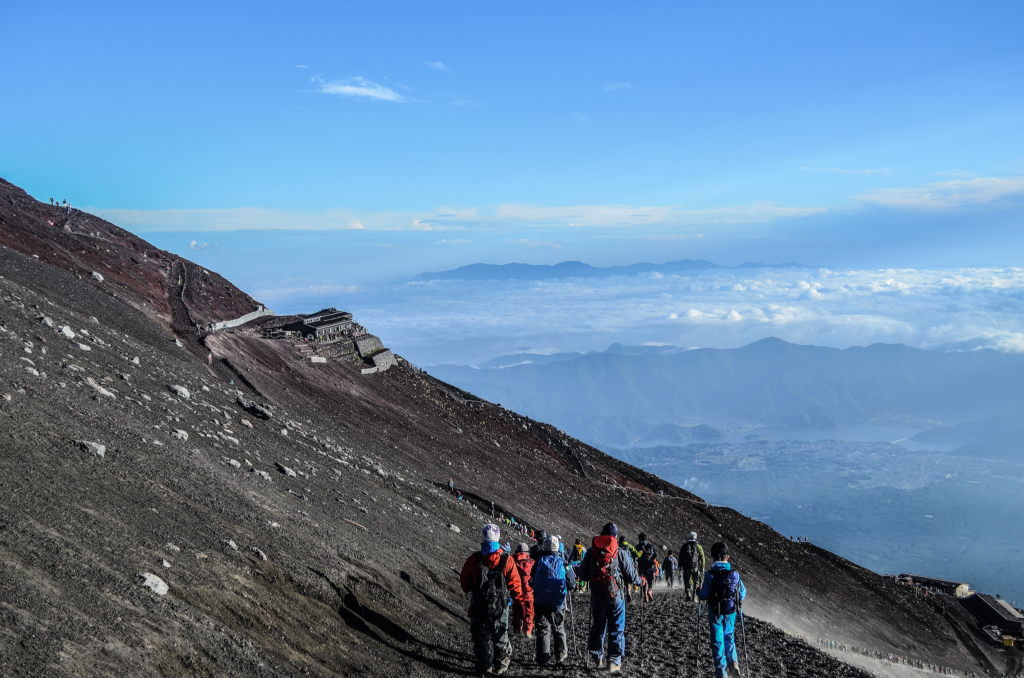
Ideal For: First-timers and comfort seekers.
Starting Point: Fuji Subaru Line 5th Station
Highlights: The track starts gradually and is the most popular route thanks to its gentle incline for a satisfying climb early on, as well as many mountain huts lying in wait at the top. This spot is a favourite among trekkers to pause and watch the first light of sunrise paint the sky above Mount Fuji.
Approximate Time: 5-7 hours for ascent and 3-5 hours for descent.
Elevation: 2,300 m
2) Subashiri Trail
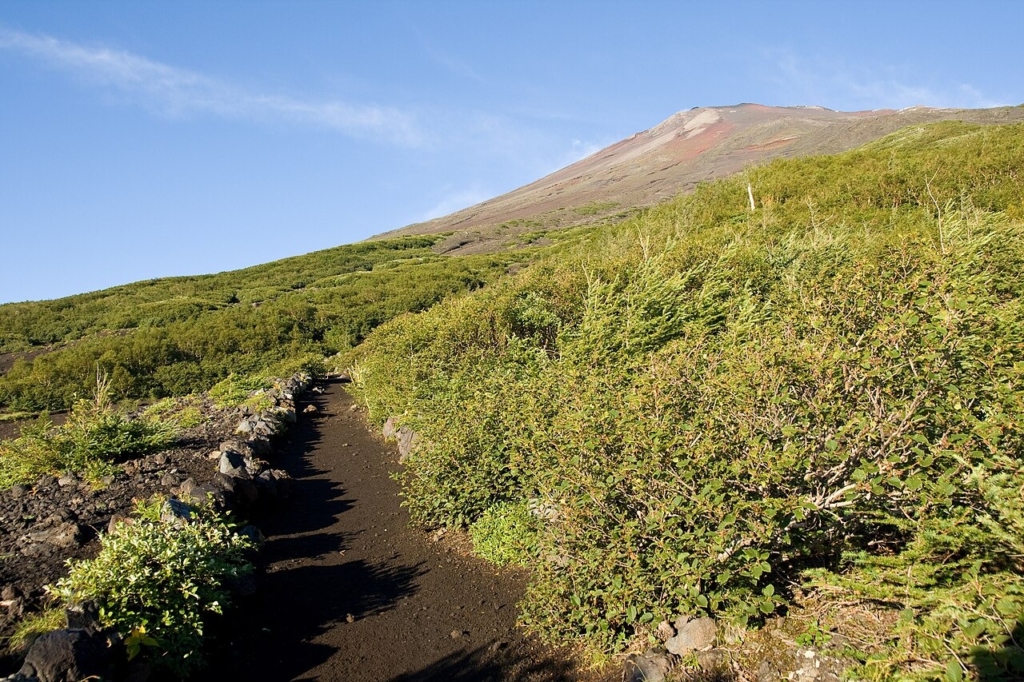
Ideal For: Those who like to get off the beaten path a bit and go through their favourite landscapes.
Starting Point: Subashiri 5th Station
Highlights: The longest track with fewer people. Starting at a lower elevation does mean more climbing, but the “Osunabashiri” sand run, during the descent, is worth it. Considered one of the hidden gems among adventurous places to visit in Japan, this trail offers both solitude and thrill for seasoned climbers.
Approximate Time: 6-8 hours ascent and 3-5 hours descent.
Elevation: 2,000 m
3) Gotemba Trail
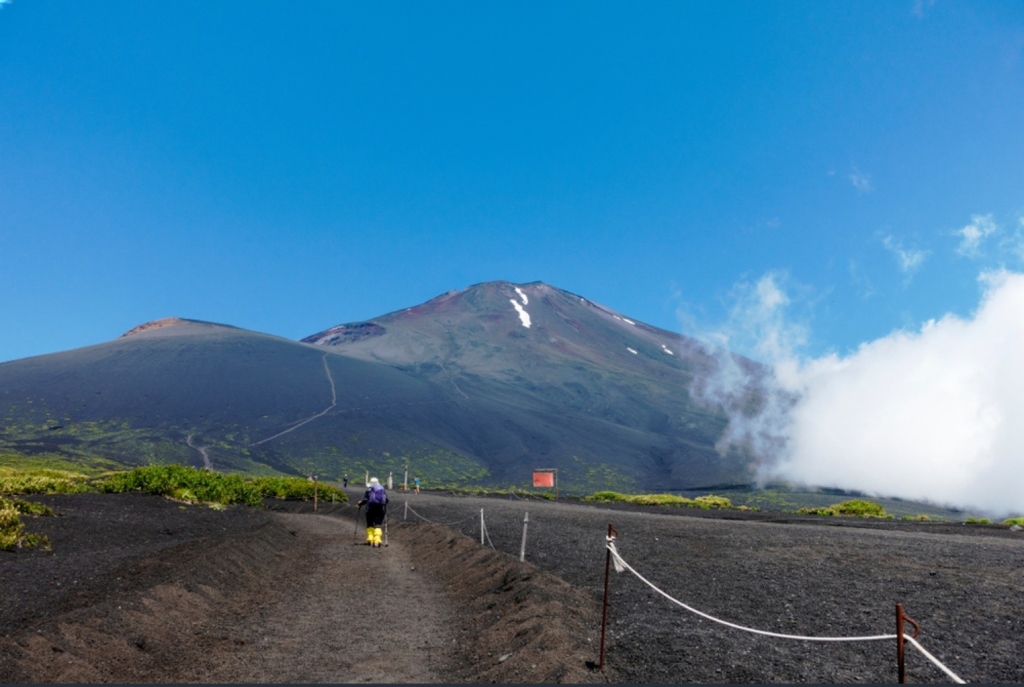
Ideal For: Experienced hikers up for a challenge.
Starting Point: Gotemba 5th Station
Highlights: The longest track with fewer people. Starting at a lower elevation does mean more climbing, but the “Osunabashiri” sand run, during the descent, is worth it.
Approximate Time: 7-10 hours ascent and 3-6 hours descent.
Elevation: 1,450 m
4) Fujinomiya Trail
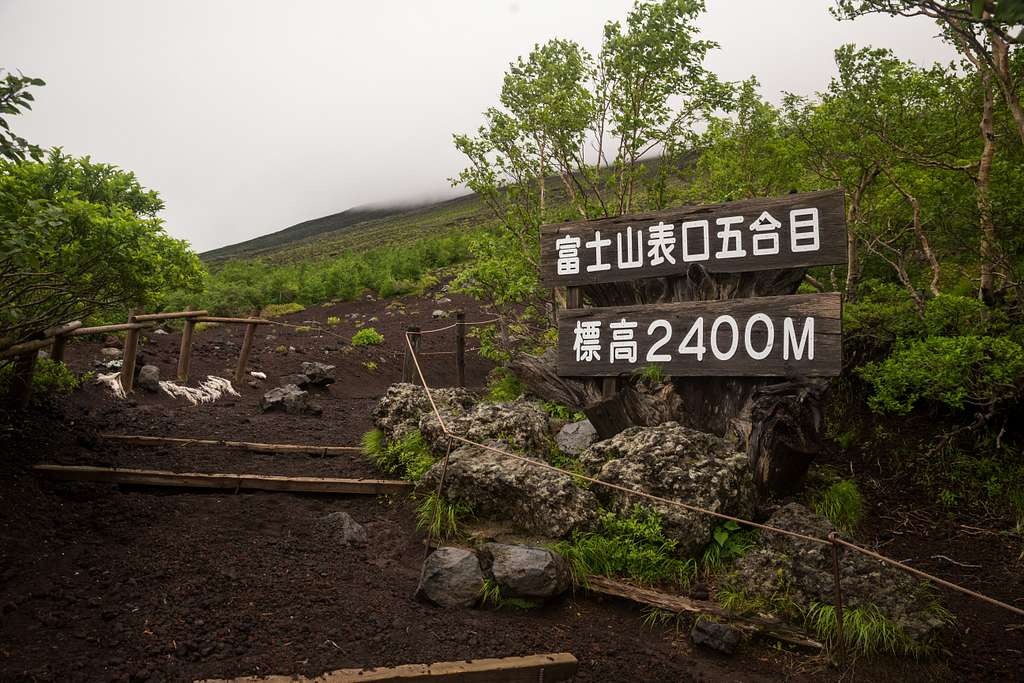
Ideal For: For travellers pressed for time.
Starting Point: Fujinomiya 5th Station
Highlights: This is the quickest way to ascend, but it is also the most vertical route. Perfect for a great hike for those with a moderate fitness level who don’t want it to take all day to get up.
Approximate Time: 4-7 hours ascent, 2-4 hours descent.
Elevation: 2,400 m
Can You Hike up Mount Fuji and Reach the Summit?
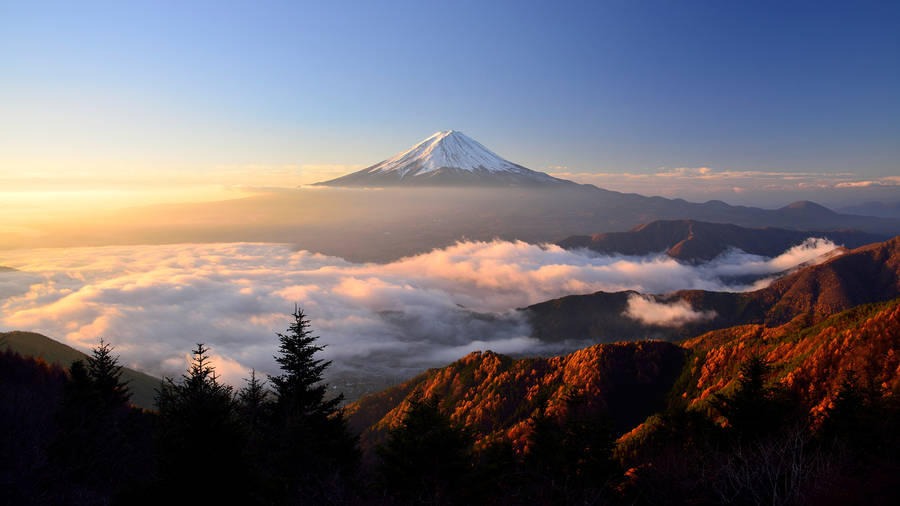
Yes is the answer, but there are considerations. Mount Fuji’s trails are marked and are open during the official climbing season, generally from early July through early September, when the snow on the trek has thawed and facilities are open. Standing atop the mountain to watch the sunrise is not only an arduous task but also a sweet reward, and it’s what it’s famous for: the “Goraiko”, the sunrise of the world.
Hikers can expect steep trails, variable weather conditions and altitude changes, so it’s important to have the right footwear, lots of water and a steady pace. Whether you fancy taking the most popular route up Mount Fuji (Yoshida Trail), or want to explore one of the less visited ones, this climb is truly one of the most unforgettable things to do in Japan, offering both challenge and breathtaking beauty.
Best Time to Hike Mount Fuji
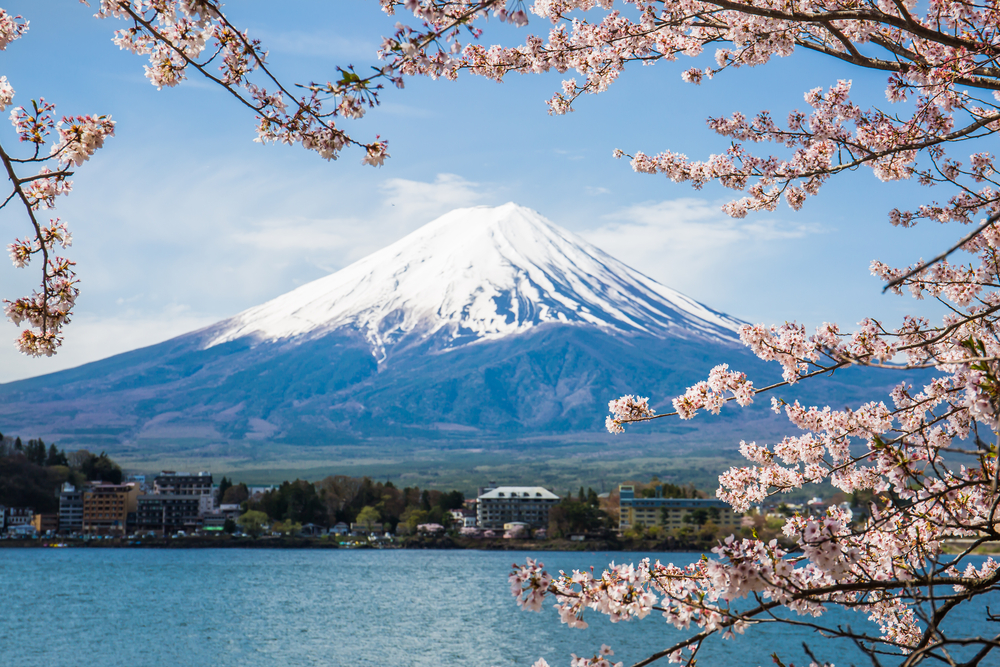
Climbing Season: Early July to early September, trails are open, huts and buses operate, and conditions are safest.
July: Fewer crowds, fresh greenery, and comfortable temperatures at lower altitudes.
August: Peak season with lively trails, popular for sunrise hikes, especially during the Obon holiday.
September (early): Less crowded trails, but unpredictable weather
Off-season: Not recommended; trailheads are all closed, and the snow and ice create dangerous conditions.
Can You Hike to the Top of Mount Fuji?
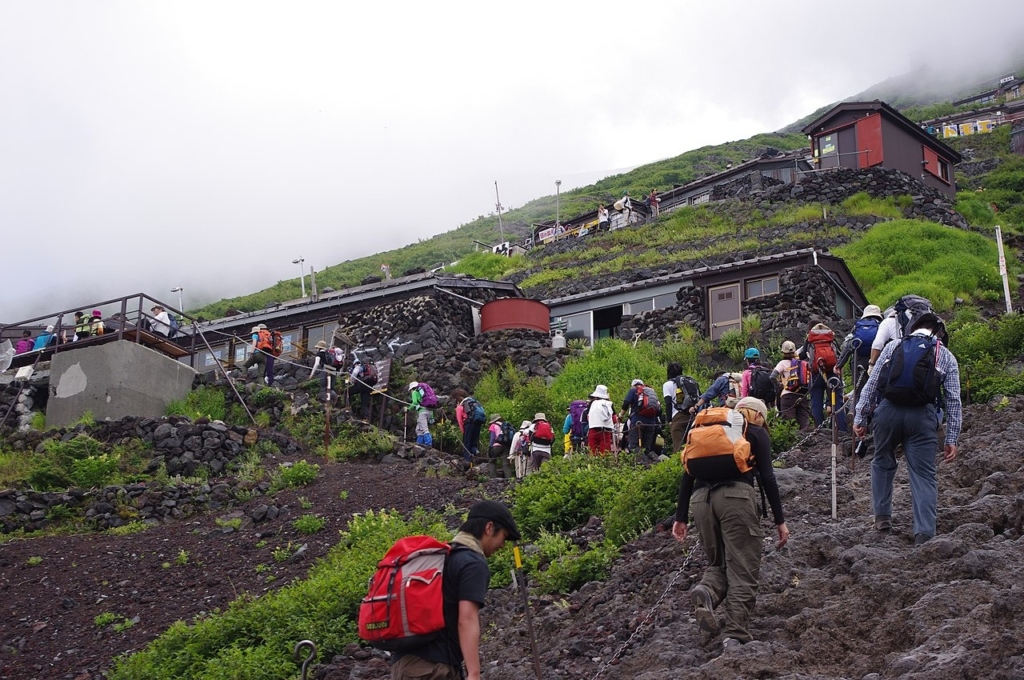
Yes, you can, and hiking is a real game-changer! It requires between five to ten hours of climbing, another couple of hundred metres to get clear of the overcast, which depends on speed and route.
It is not just that it is also a huge challenge that requires physical endurance and acclimatisation to the altitude. Most hikers begin climbing in the afternoon, rest at a mountain refuge, and then continue upwards to the peak for sunrise.
Essential Hiking Tips for Mount Fuji
1) Gear Up: Layer your clothes to adapt to temperature changes. Strong trekking shoes are needed for traction on stony and sandy trails. Make sure to bring gloves, a head torch and some poles to steady the climb.
2) Book a Mountain Hut in Advance – If you aim to see the sunrise from the top, then be sure to book a hut well in advance, especially during peak season. The huts have only the basic facilities, plain cooked meals, mats to sleep on and a roof over their heads.
3) Stay Hydrated and Fuelled: Take a minimum of two litres of water, some energy bars and gels, which are single-use packs containing concentrated carbohydrates in a thick, drinkable form. Most huts may offer food and drinks, but they can be quite pricey.
4) Combat Altitude Sickness: Before heading up from the 5th Station, give yourself a little bit of time to acclimatise. Descending even a hundred metres while hiking can help your body recover and reduce serious health issues.
5) Be Ready to Share the Trail: Popular trails (like Yoshida) will get crowded on weekends/holidays, and if you prefer quiet hikes, then go during the week!
6) Bring Cash: Many huts and rest shops in Japan don’t take credit cards, so you need to bring enough Japanese Yen with you to pay for meals, restroom use or even souvenirs.
7) Carry Out Your Trash: Mount Fuji has a “pack in, pack out” or a strict “leave no trace” policy, so make sure to take the trash back down.
8) Respect Cultural Traditions: There is also a Shinto shrine at the summit where many hikers take a break to pay their respects or perform other ceremonies, turning the hike into not just a physical one but also a spiritual journey.
9) Tally the Costs: When you book a Japan trip package, you can often hire a guide, stay at a hut and have all your transportation taken care of in a single package. And for those who opt to hike alone, prices will be tacked on from public transportation, food, rental equipment, and overnight hut stays.
How to Reach
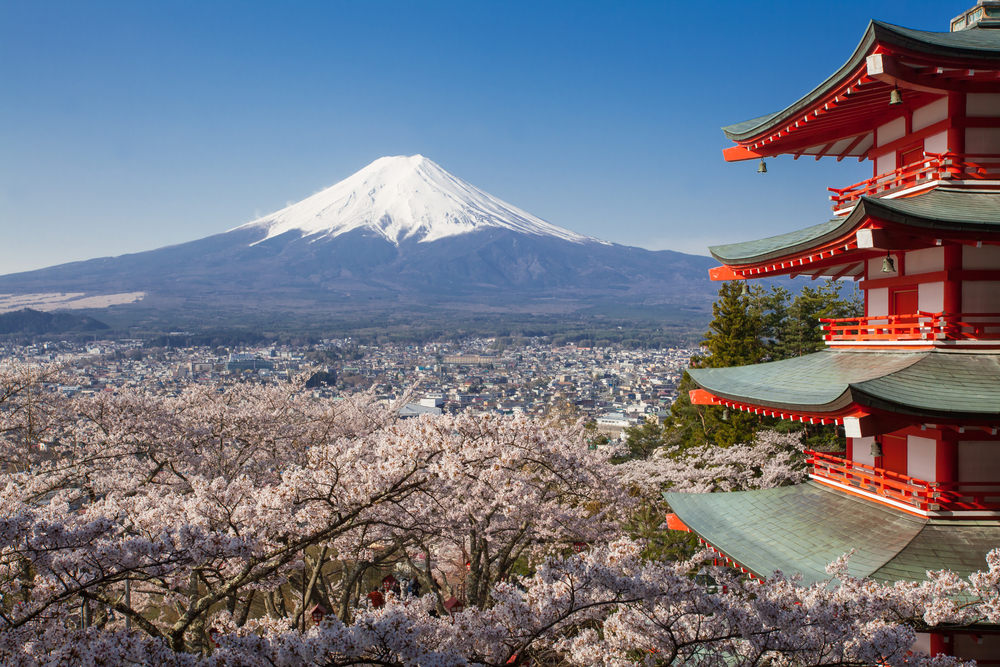
Most travellers begin their journey in Tokyo, easily accessible through Haneda or Narita airports. From there, travellers can take the JR Chuo Line to Otsuki, then connect via the Fujikyu Railway to Kawaguchiko, a popular base town. For a simpler option, highway buses from Shinjuku or Tokyo Station go directly to Kawaguchiko or Fujisan 5th Station in about two hours.
Travellers coming from Osaka or Kyoto can also take the Shinkansen to Mishima, and then take a bus to Mount Fuji. If you are booking Japan tour packages from Mumbai, most itineraries already include smooth transfers to Mount Fuji, making the journey even more convenient.
Conclusion
Climbing Mount Fuji is not simply a hike — it is a cultural and spiritual experience that rewards you with awe-inspiring beauty and a great feeling of accomplishment! This climb is accessible to any moderately fit person with the right preparation, gear, and timing. It can be done with ease and often becomes a legendary adventure you will proudly share for years to come. Every step will feel rewarding once you reach the top, as you watch the first rays bring warmth to the land below.