

Quick Jumplinks to Navigate
Norway, Sweden and Finland make a natural combination for a Scandinavian holiday, but planning all three countries needs a little more thought than booking three separate city breaks. Norway is known for fjords, mountains and scenic journeys; Sweden brings historic cities, archipelagos and Nordic culture, while Finland offers Helsinki, lakes, forests and the Arctic landscapes of Lapland. The three countries are also well connected, making it possible to build a multi-country route without spending every other day at an airport.
If you are wondering how to plan a trip to Norway Sweden and Finland, the first things to decide are how many days you have and which experiences matter most to you. A six-day trip can cover the main capitals, but it will feel fast. With nine to eleven days, you can include Oslo, Stockholm and Helsinki while giving Norway some extra time for fjords or scenic experiences. If the Northern Lights or Lapland is a priority, plan additional days rather than squeezing them into a city-focused itinerary.
Thrillophilia’s combined Finland, Norway and Sweden packages currently range from around INR 1,70,331 for a 6-day itinerary to around INR 3,96,752 for a 9-day itinerary, depending on the route, inclusions and travel style.
Decide How Many Days You Need
The duration of your holiday should determine how much of Scandinavia you cover. Trying to see all three countries in six days is possible, but leaves little room for scenic detours or slower travel.
For 6 to 7 days, a capital-focused route works best. You could spend two days in Oslo, two in Stockholm and two in Helsinki, with the remaining time used for transfers.
For 8 to 10 days, you can give Norway more attention. A route such as Oslo, Bergen, Stockholm and Helsinki offers a better balance between Norwegian landscapes and the two Nordic capitals.
With 10 to 12 days, you can build a more complete Norway Sweden Finland itinerary. This gives you room for Oslo and Bergen in Norway, Stockholm in Sweden and Helsinki in Finland, with an optional extension to Tromsø or Finnish Lapland if the Northern Lights are your main reason for travelling.
If you are still deciding how much time to spend in each country, you can also compare Scandinavia tour packages for different route lengths.
Choose the Route Around Your Main Experience
There is no single best Norway Sweden Finland itinerary. Your route should follow what you actually want to experience.
For a first-time Scandinavian holiday, Oslo → Stockholm → Helsinki is one of the easiest combinations. Oslo gives you access to Norway’s landscapes, Stockholm offers a strong city and cultural experience, and Helsinki provides a relaxed finish with Finnish architecture, design and waterfront areas.
If fjords and scenic journeys are the main reason for your trip, give Norway more time and add Bergen. If the Northern Lights are the priority, the route needs to change. Tromsø in Norway and destinations such as Rovaniemi or Saariselkä in Finnish Lapland can be added depending on the season and the type of Arctic experience you want.
The important thing is not to treat all three countries as equal boxes to tick. A route built around fjords will look very different from one designed around the Northern Lights.
How to Travel Between Norway, Sweden and Finland
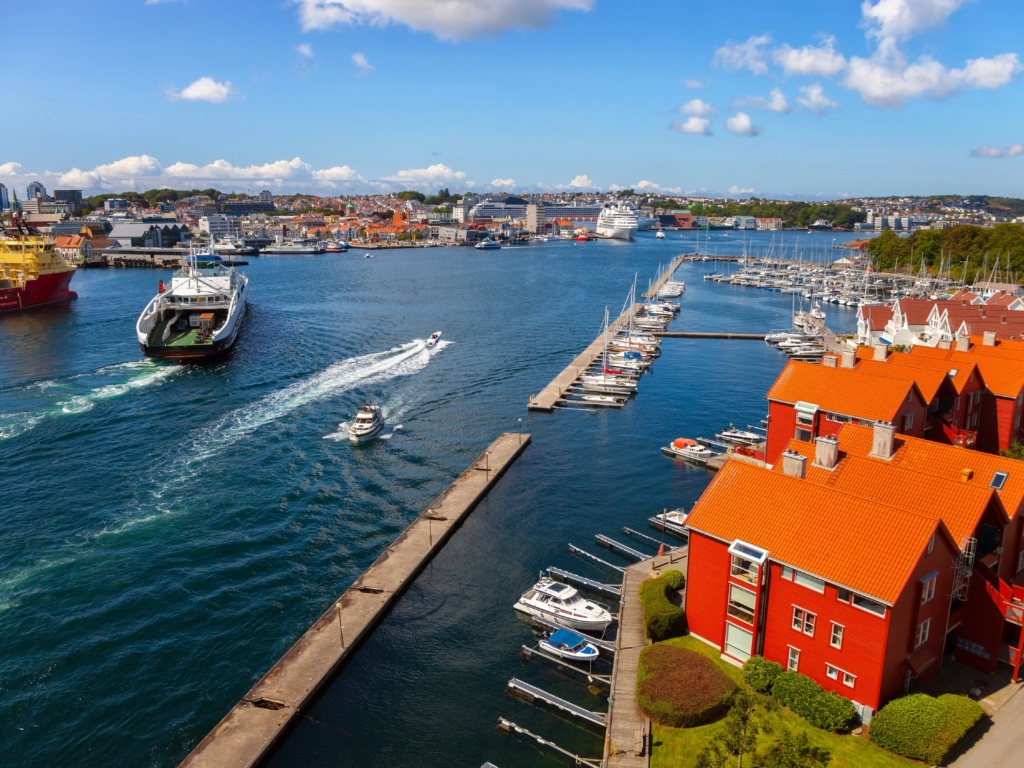
Transport is one of the reasons these countries work well together. You can combine trains, ferries and flights instead of flying between every destination.
For Norway and Sweden, trains are useful on the southern route, including the connection between Oslo and Stockholm. The Stockholm-Helsinki journey is different, with overnight ferries offering a practical way to cross the Baltic Sea while turning the transfer into part of the trip.
For longer distances within Norway or Finland, domestic flights can save considerable time. Helsinki is also the main gateway to Finland, with flights onwards to places such as Rovaniemi and Kittilä for travellers heading to Lapland.
When planning your route, compare travel time rather than choosing transport purely on price. A cheaper connection may not be good value if it takes up most of a sightseeing day.
Plan Your Time in Each Country
Start With Oslo if Norway Is Your Priority
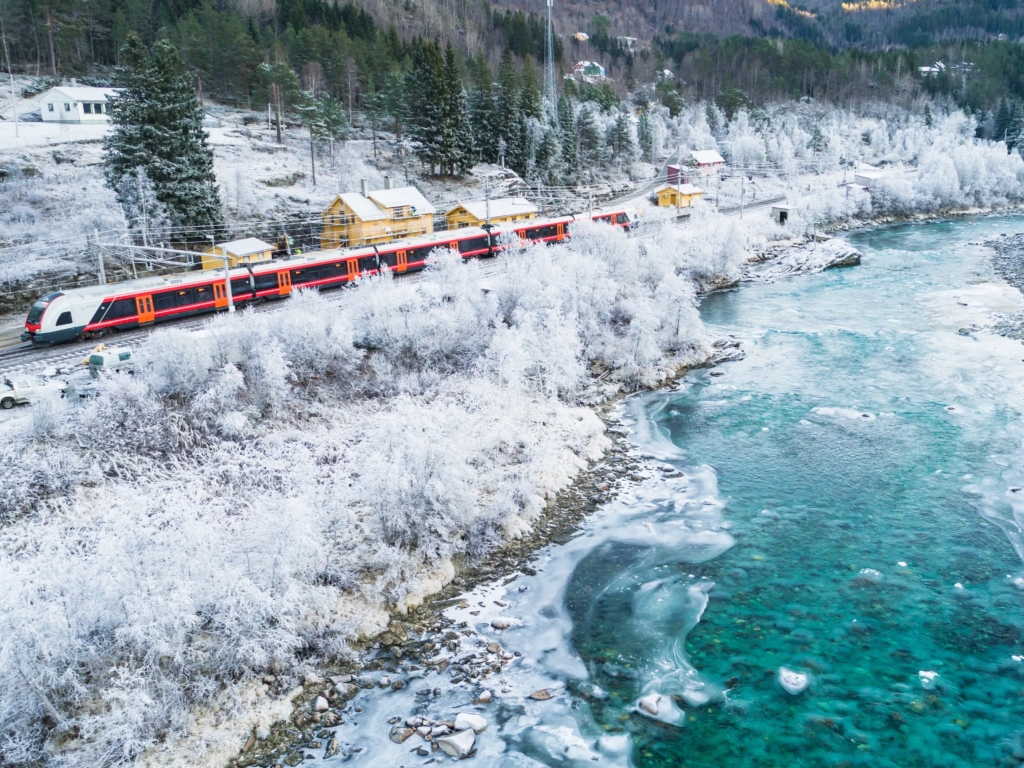
Oslo is a convenient starting point because it combines a compact city experience with good connections to the rest of Norway and neighbouring countries.
You can spend a day exploring the city centre, waterfront and museums before continuing towards the Norwegian countryside.
If you want to see Norway beyond Oslo, Bergen is one of the most useful additions. You can also compare Norway tour packages if you want to combine cities with fjord experiences.
You do not necessarily need a car for a first trip. Norway’s network of trains, ferries, buses and domestic flights makes independent travel possible, particularly along the more popular routes.
The best approach is to decide on your main Norwegian experience before booking the rest of the trip. If fjords are the priority, allocate more time to Bergen and the surrounding region. If you are more interested in Arctic experiences, Oslo can instead be followed by Tromsø.
Give Sweden Enough Time for Stockholm
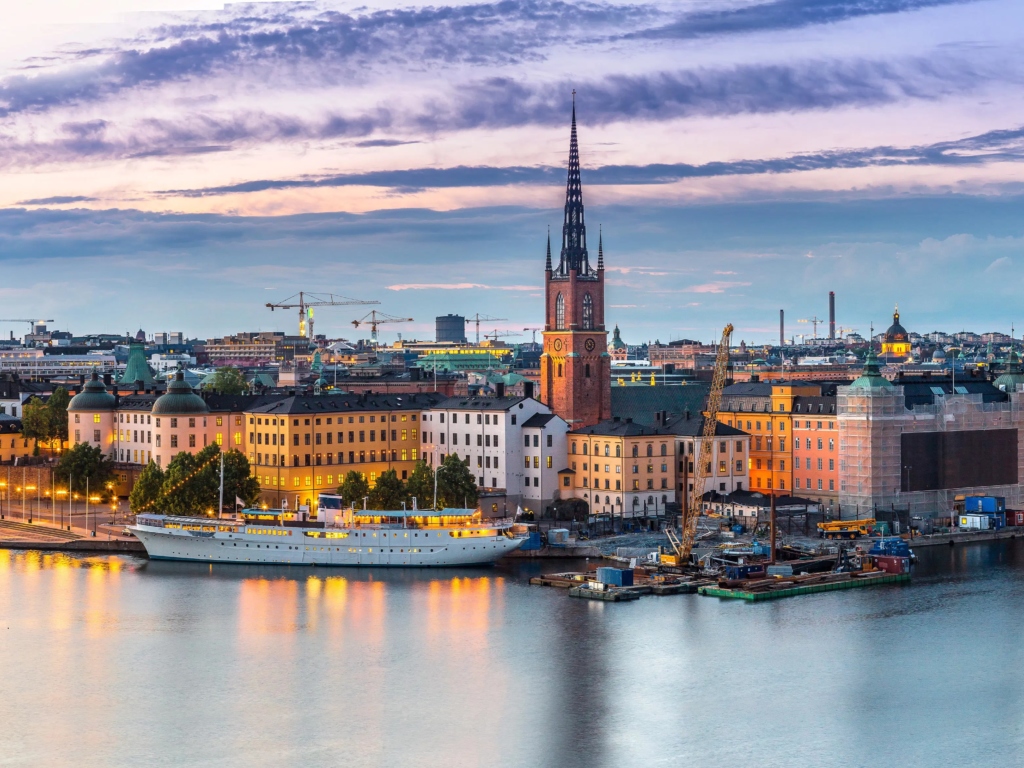
Stockholm is often treated as a stop between Norway and Finland, but it deserves at least two nights if you want to experience the city properly.
The Swedish capital is spread across islands and combines historic areas such as Gamla Stan with museums, waterfront neighbourhoods, cafés and modern Nordic design. You can explore more things to do in Stockholm while deciding how to use your two days.
Stockholm also works well as a transport hub. You can travel onwards to Helsinki by ferry or continue by train towards other parts of Scandinavia.
If you are travelling in winter and the Northern Lights are a major priority, however, do not spend too much of your itinerary in southern Sweden. Swedish Lapland, around destinations such as Abisko and Kiruna, requires additional travel time and should be planned as a separate part of the trip.
Use Helsinki as More Than a Transit Stop

Helsinki is compact enough to explore in two days and works well as the final stop on a Norway Sweden Finland itinerary.
The city combines Nordic architecture, design, markets, waterfront areas and cultural attractions. You can also browse things to do in Helsinki when planning your time in the city. Its location on the Baltic Sea also makes it easy to combine with the ferry journey from Stockholm.
Helsinki is the main gateway to Finland. If Finnish Lapland is part of your plan, you can fly onwards to Rovaniemi or Kittilä rather than spending several days travelling north.
Plan Lapland Separately if the Northern Lights Matter
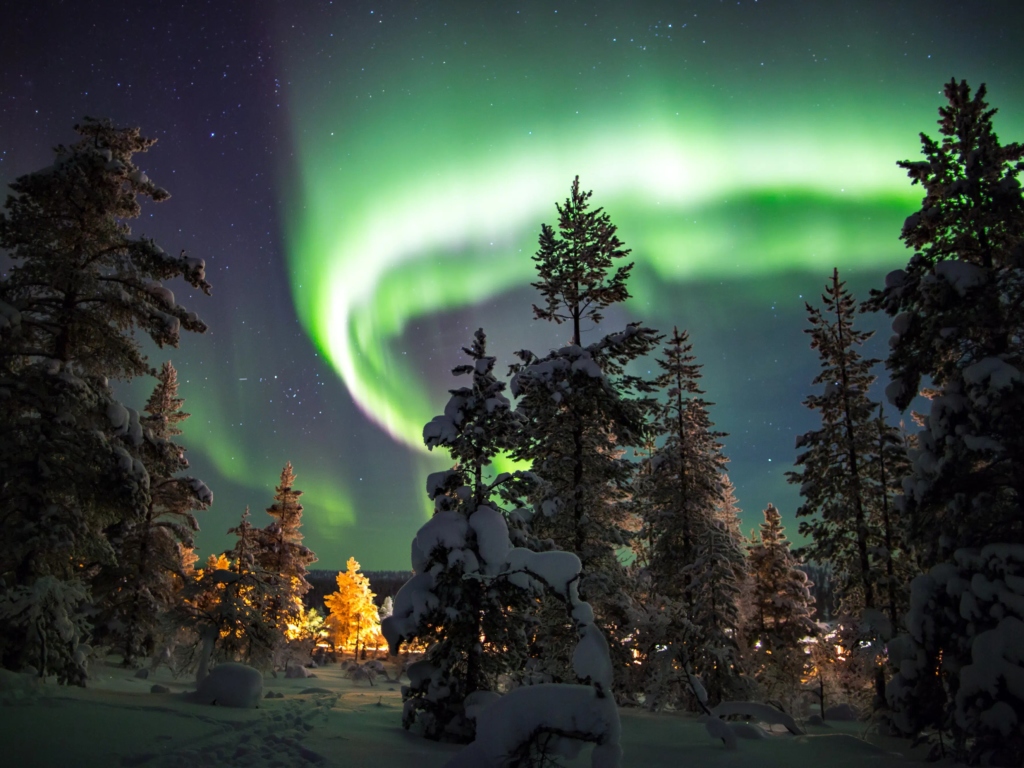
The Northern Lights are one of the biggest reasons travellers combine Finland and Norway, but an aurora-focused trip needs a different itinerary from a standard Scandinavian city holiday.
The aurora season falls during the darker months, but sightings are never guaranteed because they depend on solar activity, cloud cover and darkness. Staying for several nights gives you more opportunities than planning around a single evening.
Finnish Lapland can also add experiences such as husky safaris, reindeer encounters, snow activities and glass-igloo stays. Travellers planning more time in the country can also compare Finland tour packages.
If the Northern Lights are your main objective, reduce the number of southern cities rather than adding Lapland as a rushed two-day extension.
Understand the Scandinavia Trip Cost From India
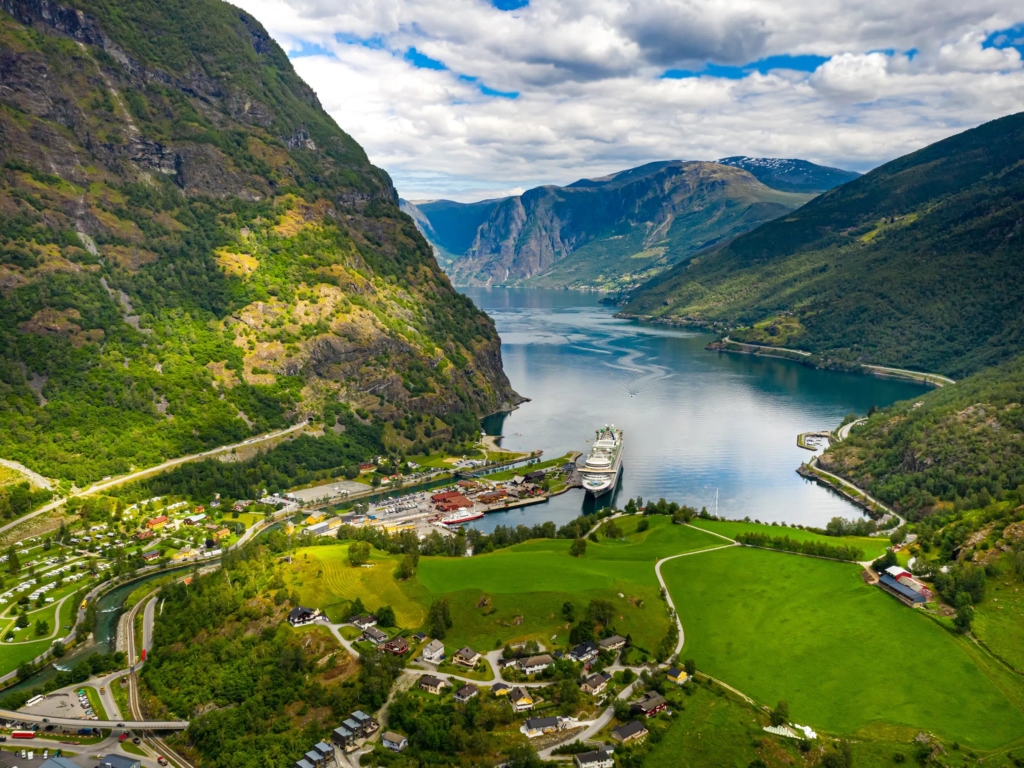
The Scandinavia trip cost from India varies considerably depending on the season, number of countries, hotel category, internal transport and activities.
International flights, accommodation and intercity travel are usually the biggest expenses. Winter trips to Lapland can become particularly expensive because Arctic accommodation and activities are in high demand.
Thrillophilia’s combined Norway, Sweden and Finland packages currently start at around INR 1.70 lakh for 6 days and extend to around INR 3.97 lakh for 9 days, depending on the itinerary and inclusions.
These package prices should not be treated as the total cost of travelling from India. Check whether international flights, visas, meals, activities and personal expenses are included before comparing a package with an independently planned holiday.
For a more realistic budget, divide your planning into flights, hotels, internal transport, food and activities. This also helps you decide where to spend more. For example, if the Northern Lights are the main purpose of your trip, an Arctic experience may be more worthwhile than upgrading every city hotel.
Check the Schengen Visa Before Finalising the Route
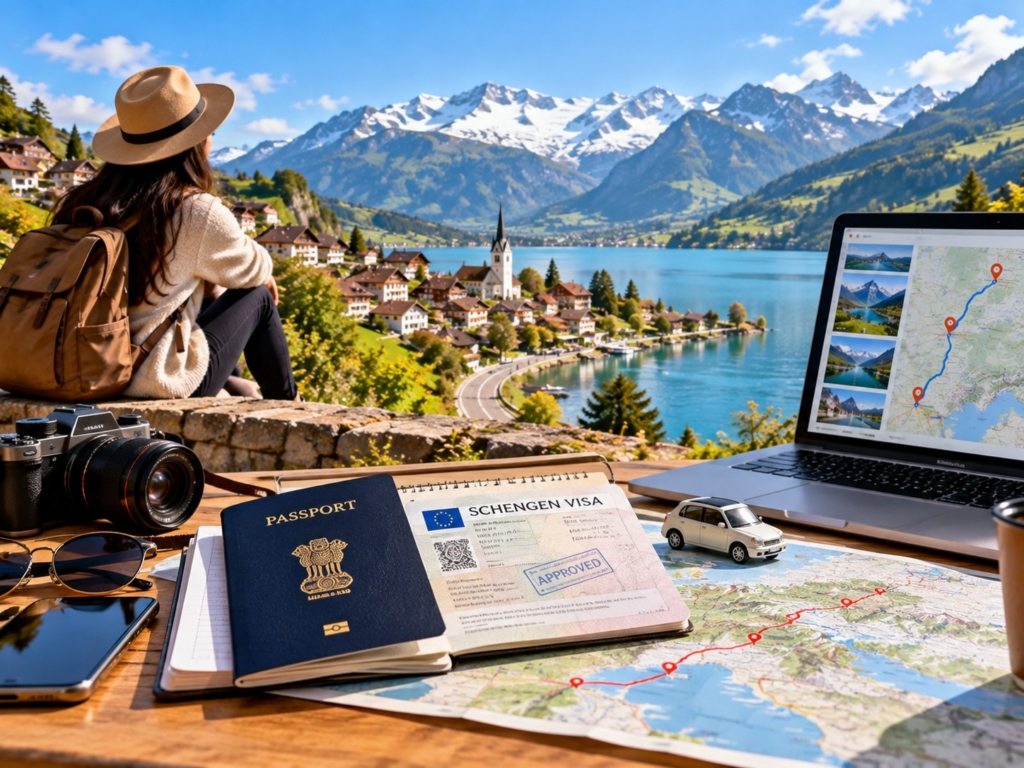
Norway, Sweden and Finland are all part of the Schengen Area, so Indian travellers who require a visa generally need one Schengen visa for the trip.
When visiting multiple Schengen countries, the application is generally based on your main destination, usually the country where you will spend the greatest number of days. If the stay is equal across countries, the first country of entry generally determines where you apply.
Your itinerary, accommodation bookings, travel insurance, flights and financial documents should be consistent with the route submitted for the visa application.
Visa requirements and application procedures can change, so check the relevant official information before applying.
Choose Hotels Based on the Transport Plan

Accommodation in Scandinavia can be expensive, so location matters.
In Oslo and Stockholm, staying reasonably close to the city centre or a major public transport connection can reduce the time spent travelling. In Helsinki, being close to a tram or metro connection makes it easier to reach the centre and harbour.
For Norway’s fjord region and Finnish Lapland, choose accommodation around the experience rather than simply looking for a central location. A scenic hotel or lodge can be worthwhile when the landscape is part of the reason for visiting.
If you are travelling during the Northern Lights season, book Arctic accommodation and major activities well in advance.
Choose the Right Season for Your Trip
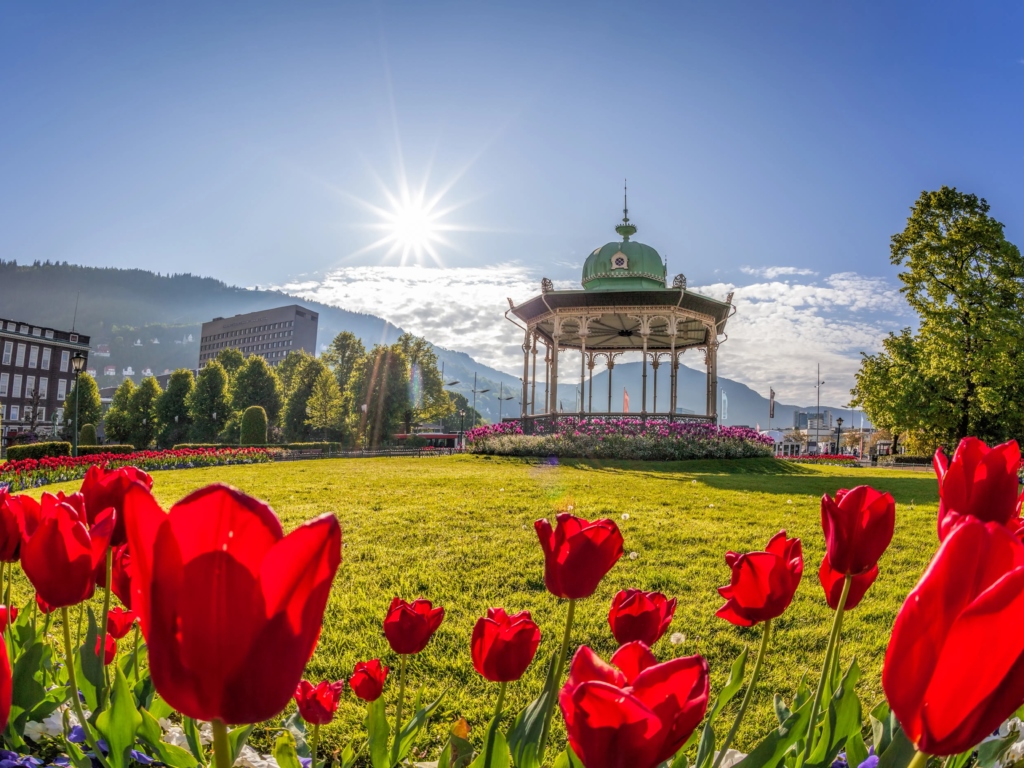
The best time to visit Scandinavia depends on what you want to see.
June to August is generally the easiest period for a first multi-country trip focused on cities, fjords and outdoor sightseeing. Days are long, temperatures are more comfortable and outdoor activities are easier to plan.
September and October bring autumn colours and fewer summer crowds in many places, although daylight decreases as you move north.
November to March is the period to consider if the Northern Lights and winter experiences are your priority. Snow, shorter daylight hours and Arctic weather also mean you need more flexibility around activities and transport.
If this is your first Scandinavian holiday and you want to see all three countries, summer is generally easier to manage. If the Northern Lights are your main reason for travelling, build the itinerary specifically around northern destinations.
Should You Plan the Trip Yourself or Take a Package?
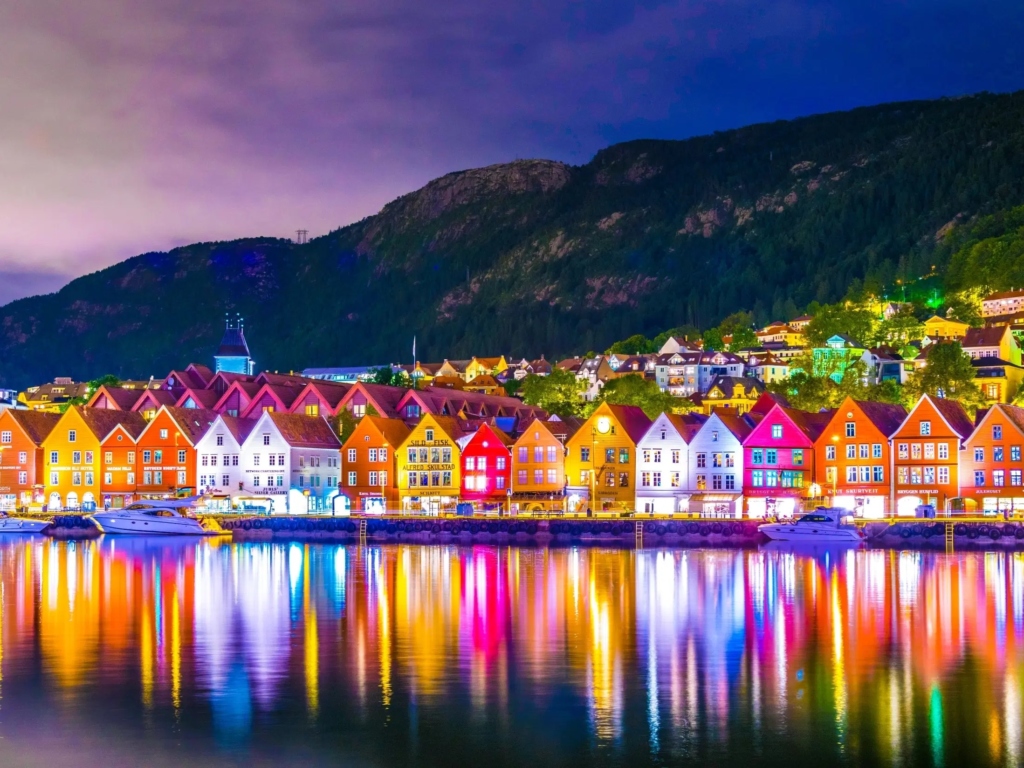
Independent travel works well across Norway, Sweden and Finland because public transport is reliable and the countries are well connected. It also gives you more control over hotels, restaurants and the pace of the trip.
A package becomes more useful when you are combining several countries and want hotels, transport and major sightseeing arrangements coordinated together. This can be particularly helpful when your itinerary includes fjord cruises, overnight ferries, Arctic activities or several internal transfers.
Thrillophilia offers Norway Sweden Finland tour packages across different durations, from shorter Scandinavian circuits to longer multi-country itineraries.
The right choice depends on how much planning you want to handle yourself. If you are travelling with family or adding several remote destinations, having the main logistics arranged can make the trip considerably easier.
A Practical 10-Day Norway, Sweden and Finland Itinerary
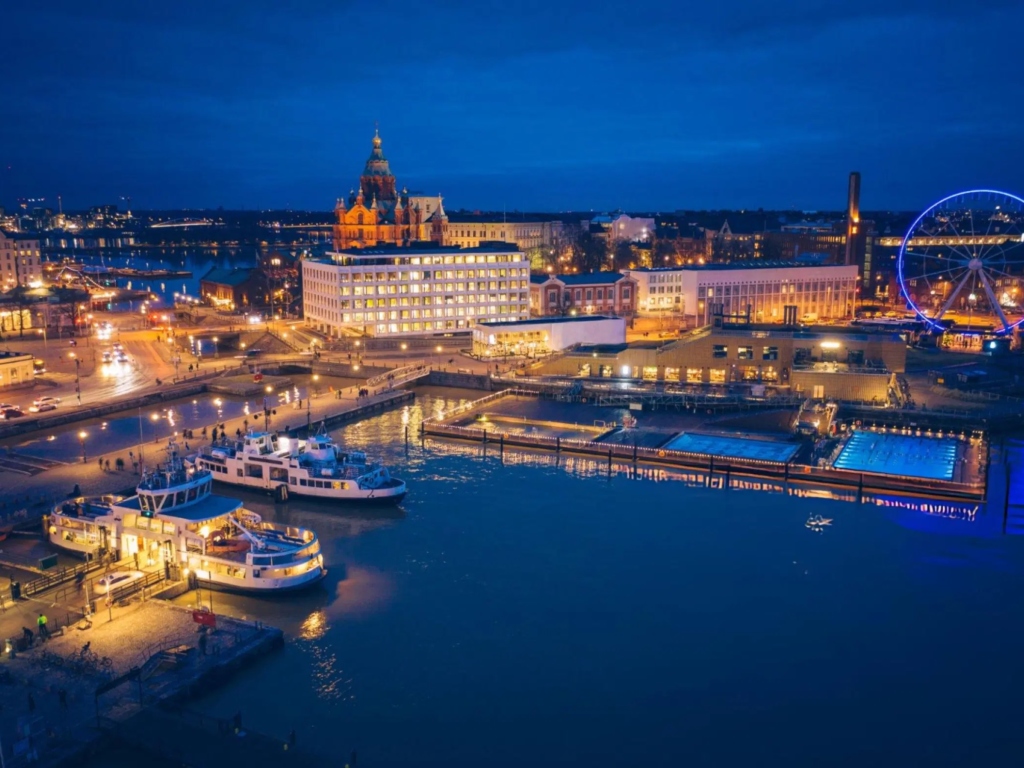
For a first trip focused on these three countries, a 10-day plan can cover the main cities along with one major Norwegian experience.
- Day 1: Arrive in Oslo and explore the city centre.
- Day 2: Continue exploring Oslo or take a short local excursion.
- Day 3: Travel towards Bergen and spend the evening exploring the city.
- Day 4: Experience Bergen and the surrounding fjord region.
- Day 5: Travel from Norway to Stockholm.
- Day 6: Explore Stockholm’s historic centre, museums and waterfront.
- Day 7: Spend another day in Stockholm or take the overnight ferry towards Helsinki.
- Day 8: Arrive in Helsinki and explore the city.
- Day 9: Explore Helsinki and its nearby attractions.
- Day 10: Depart from Helsinki.
This route keeps the trip focused and avoids trying to include too many countries or remote regions. If the Northern Lights are more important than city sightseeing, replace some southern city days with Tromsø or Finnish Lapland and extend the trip to at least 11 to 12 days.
Frequently Asked Questions
Start by deciding whether your priority is cities, fjords, Arctic experiences or a combination of these. For a first trip, 9 to 11 days is a practical duration. Check Schengen visa requirements, book your international
Six to seven days is enough for a fast capital-focused trip, while nine to eleven days allows a more comfortable Norway Sweden Finland itinerary. If you want to include Tromsø, Rovaniemi or Finnish Lapland, plan additional days.
Oslo, Stockholm and Helsinki is one of the simplest routes for a first visit. If fjords are your priority, add Bergen between Oslo and Stockholm. If Northern Lights are the main objective, consider replacing some southern city time with Tromsø or Finnish Lapland.
The Scandinavia trip cost from India depends on flights, season, hotels, internal transport and activities. Thrillophilia’s combined Norway, Sweden and Finland listings currently start at around INR 1.70 lakh for 6 days and go up to around INR 3.97 lakh for 9 days, with the exact price depending on the itinerary and inclusions.
Yes. All three countries are part of the Schengen Area, so one valid Schengen visa can cover travel across them. You still need to follow the correct application rules based on your main destination.
The best time to visit Scandinavia depends on your priorities. June to August is generally the easiest period for a first multi-country trip focused on cities, scenic journeys and outdoor sightseeing. November to March is more suitable if the Northern Lights and winter experiences are your main priorities.
Yes. The countries are connected by trains, ferries, flights and buses. Stockholm has ferry connections to Helsinki, while Oslo has train connections to Stockholm and other Scandinavian cities.
It makes sense if you have at least a week and preferably 9 to 11 days. The three countries offer noticeably different experiences, but trying to cover all three in a very short trip can make the holiday feel rushed.
Yes, but you need to travel north and choose the season carefully. Tromsø in Norway and Finnish or Swedish Lapland are popular regions for aurora experiences. Since sightings depend on weather, darkness and solar activity, staying for several nights gives you better opportunities.
A well-planned Norway Sweden Finland trip is less about seeing as many places as possible and more about giving each part of the journey enough time to be worthwhile. Decide what you want the holiday to be about, choose the route around that priority, and use the region’s strong train, ferry and flight connections to move between countries without letting travel days take over the trip.