


Quick Jumplinks to Navigate
Chidiya Tapu is located at the southern tip of South Andaman Island near Port Blair. The name means “Bird Island,” and the place lives up to it. You get mangroves, evergreen forest, rocky shores and a calm beach in one compact area. This mix attracts coastal birds towards the shore, endemic species along forest trails and seasonal migrants in winter.
During an Andaman tour, you can reach Chidiya Tapu in under an hour from Port Blair, which makes it easy to plan short birding windows. Arrive early or stay late, and you will catch the sounds of Chidiya Tapu when birdcalls rise across the canopy and the forest comes alive.
Why Chidiya Tapu is Famous for Birdwatching

You get several habitats within a small radius, which increases the number of species you can see. The forest trails are home to many birds, some of which you can only see in the Andamans, and offer you a slow, quiet walk. The mangroves attract herons and other waders as the tide moves in and out. Exploring these diverse habitats is one of the best things to do in Andaman, especially if you love birdwatching and nature walks. From the open shore, you can watch birds of prey flying along the coast. The short travel time from Port Blair means you can time your visit with the light and tide.
Best Time and Light
- Plan your birdwatching adventure for dawn and late afternoon, when the light is soft and birds are active.
- From November to March, you will also be able to see migratory birds, with the cooler days during these months making longer walks comfortable.
- During the monsoon, the forest looks fresh and insects rise higher on plants, which attracts more insect-eating birds into view.
- When the tide is low, mud and sand are exposed, and you can pick out waders and reef herons more easily.
- On cloudy days, the light stays even across the forest canopy, which can help you judge colours and focus without the harsh glare of sunlight.
Top Birdwatching Spots Inside Chidiya Tapu
1. Chidiya Tapu Beach and Sunset Point
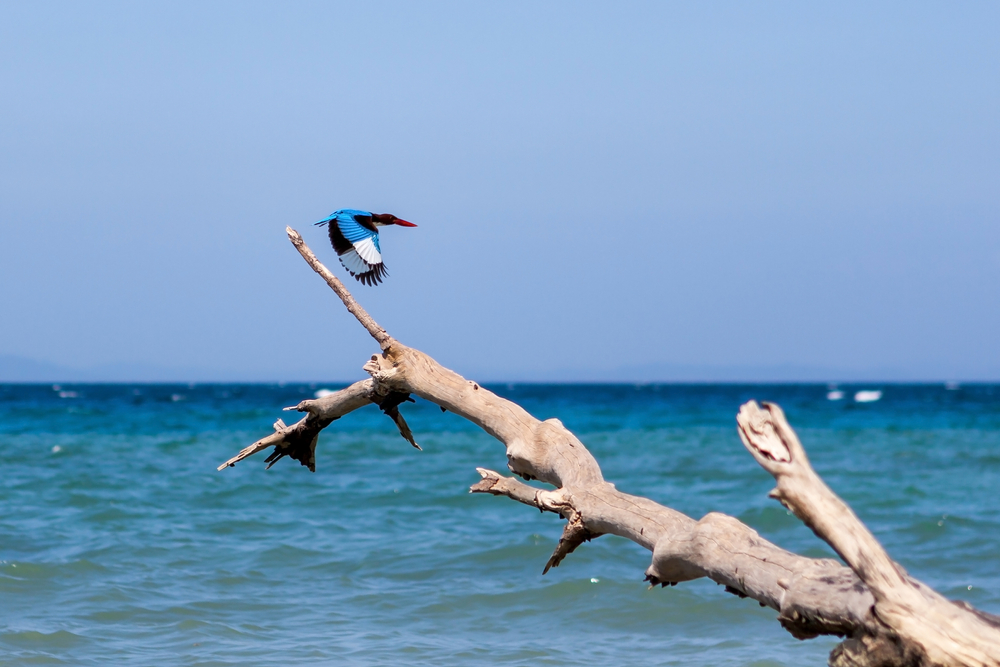
Chidiya Tapu Beach is the main beach, and it is located beside the popular Sunset Point. You get a clean mix of shore, mangrove edge, and open water all in one place, making it one of the most scenic spots in Andaman and Nicobar.
- Begin at Chidiya Tapu Beach and follow the tree line slowly to find bird movement at eye level.
- Scan the exposed flats for sandpipers and pavers that feed quickly before the tide returns.
- Watch the sky for White bellied Sea Eagles that patrol the coast with steady wingbeats.
- Spot Collared Kingfishers on mangrove branches above the water and witness them diving in for small fish.
- Stay for Sunset Point light and frame raptors and terns as clean silhouettes across the bay.
- Keep a safe distance from the edge since parts of the shore can crumble after heavy rain.
2. Roadside Forest Stretches Before The Beach
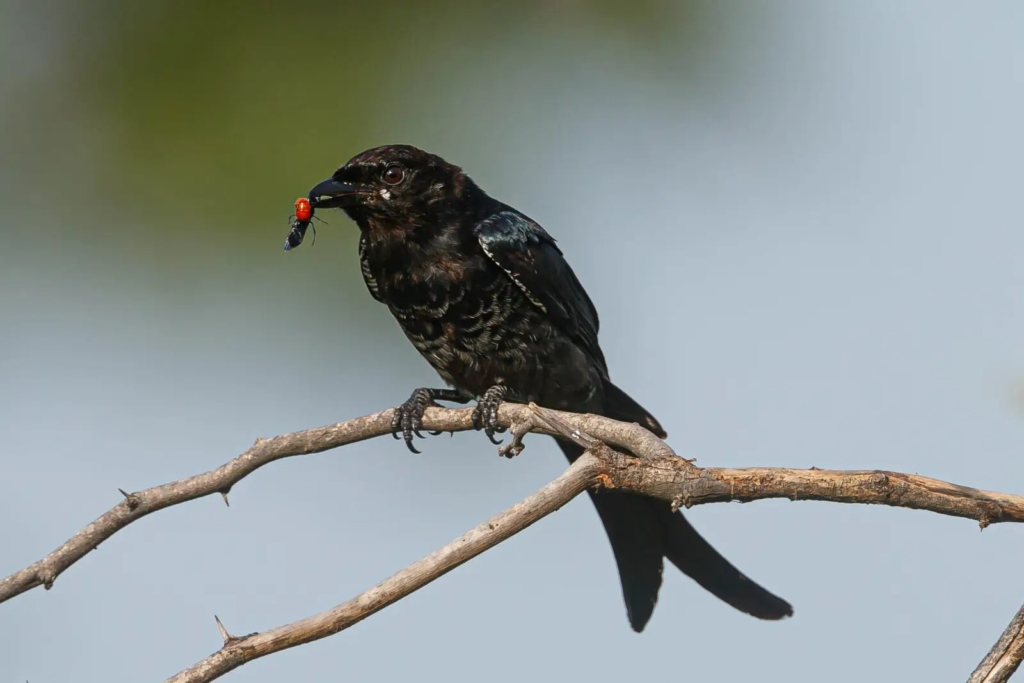
This productive stretch of road begins a few kilometres before the beach. The road is quiet in the early hours of the day, and the canopy sits close
- Listen for the ringing call of the Andaman Drongo and track its deep forked tail through gaps.
- Look high for White headed Starlings moving with mixed flocks that sweep across the fruiting canopy.
- Watch for the Andaman Treepies travelling in small groups and crossing the road in quick bounding flights.
- Check fig trees for Andaman Bulbuls and flowerpeckers that arrive together and feed in short bursts.
3. Mangrove Creeks and Coastal Scrub
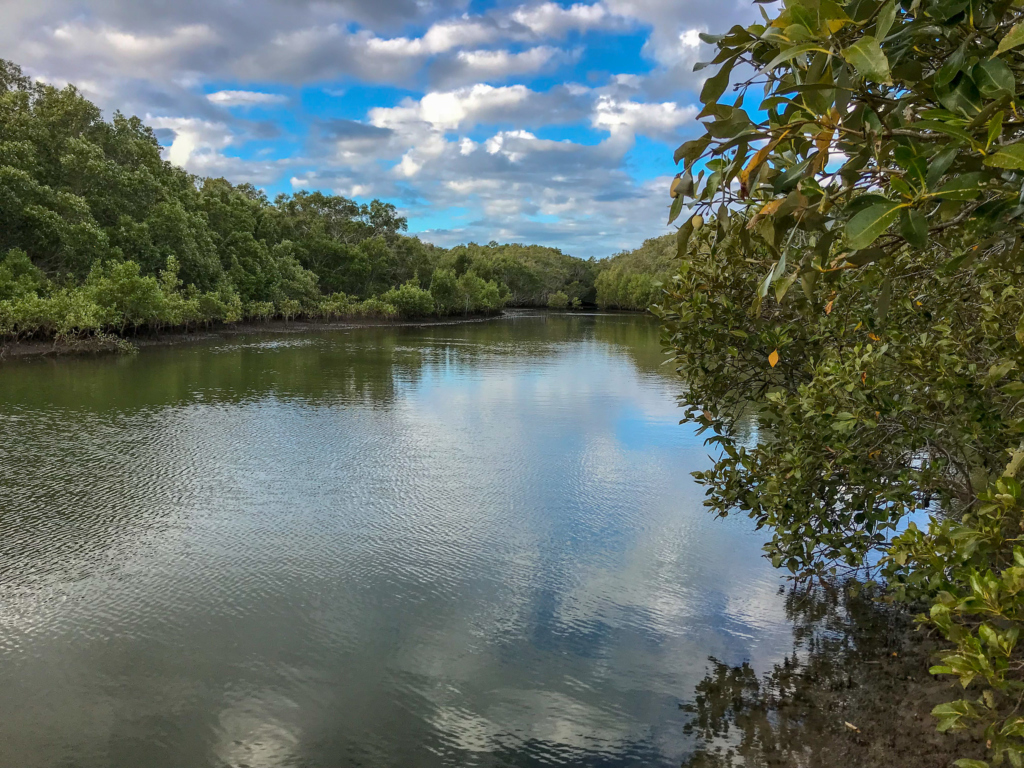
Mangroves sit close to the beach and shelter birds that prefer brackish waters. The paths here are narrow, and the footing is uneven. It is best to move slowly while watching each step to ensure your safety.
- Search reef flats and stones near dusk to find the heavy Beach Thich Knee standing still.
- Track Black-naped Terns over clear waters during calm spells when small fish gather near the surface.
- Check wooden posts and floating driftwood for resting gulls and terns that gather during the winter.
- Walk slowly and place each step carefully because mangrove roots are uneven and often slippery.
4. Munda Pahad Trail and Viewpoint

This marked trail starts near the beach and ends at a high headland. The walk passes through mature forest and opens to a wide sea view. Carry water and allow time for a steady pace.
- Start on the marked path from Chidiya Tapu Beach and follow shaded bends toward the headland viewpoint.
- Listen on the trail for the hollow drumming of the Andaman Woodpecker near large straight trunks.
- Watch shaded clearings for the Andaman Shama that sings from low perches and flicks its long tail.
5. Chidiya Tapu Biological Park

You will find the Chidiya Tapu biological park near the entrance to the area. It supports conservation work and offers signed paths with clear habitat pockets.
- Follow the signed loops to see habitat pockets where common species can be watched at close range.
- Watch tall fruiting trees for Andaman Wood Pigeons that feed quietly and often stay high in the canopy.
- Read the displays to learn how local wildlife is protected and how habitats are managed here.
- Plan this stop during midday when forest trails are quieter and temperatures make slower walks comfortable.
Endemic and Special Birds to Look For
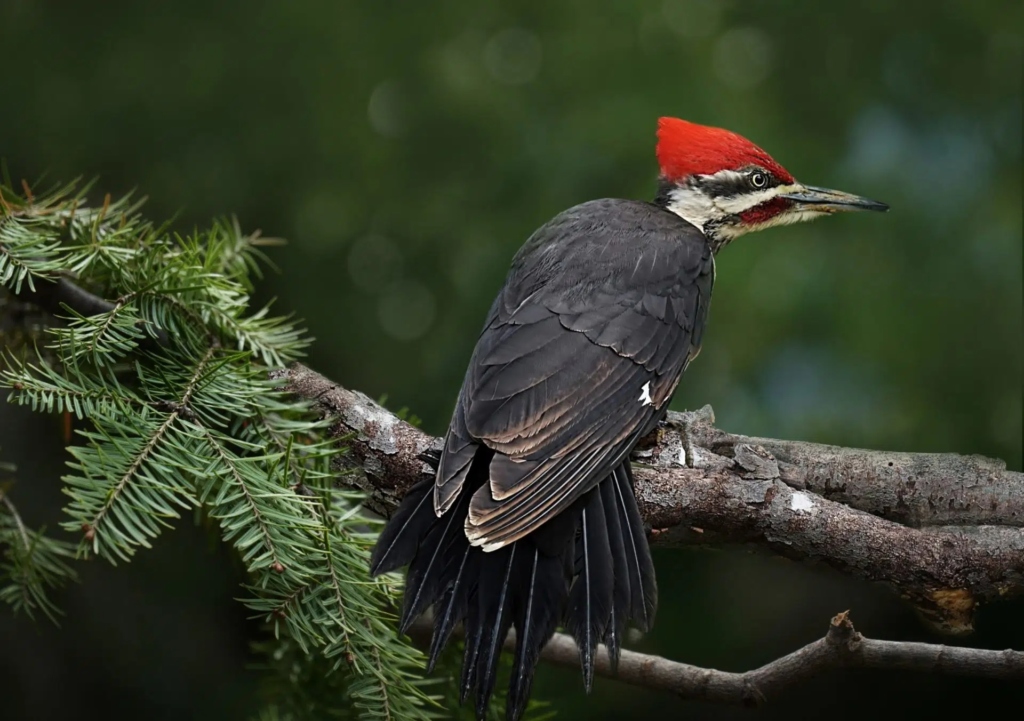
You will meet several Andaman endemics that reward patient watching:
- Andaman Drongo: A glossy black drongo with a deep forked tail and bold behaviour. You will hear and see it most at dawn and late afternoon along edges.
- Andaman Woodpecker: A large woodpecker with a red crest that prefers mature trees. You can spot it best in the early morning when drumming and foraging is steady.
- Andaman Serpent Eagle: A short-winged forest raptor that hunts reptiles from cover. It soars high from mid-morning to early afternoon when the temperatures build up.
- Andaman Treepie: A long-tailed bird from the crow family that often travels with groups of birds high up in the forest canopy. You can watch active flocks in early morning and again in the late afternoon.
- Andaman Shama: A forest robin with a rich song that carries along shaded paths. You can hear its songs at first light and then around dusk.
You can also look for the Andaman Bulbul, White-headed Starling and Andaman Cuckoo Dove during your visit. These birds appear around fruiting trees and quiet forest crossroads when you wait patiently.
You will also see striking non-endemics that add variety and action:
- White bellied Sea Eagle: A powerful coastal raptor often seen soaring over the bay. You can see them year-round, with their nesting activity peaking from December to April.
- Pacific Reef Heron: A coastal heron that hunts along rocks and reef margins. Commonly found all year-round, they are most active during the dry season from November to April.
- Collared Kingfisher: A mangrove kingfisher that sits high before diving on prey. These kingfishers fly low from January to April.
- Oriental Pied Hornbill: A large fruit-eater that helps move seeds across forest patches. Their peak movement for fruiting and nesting is from March to June.
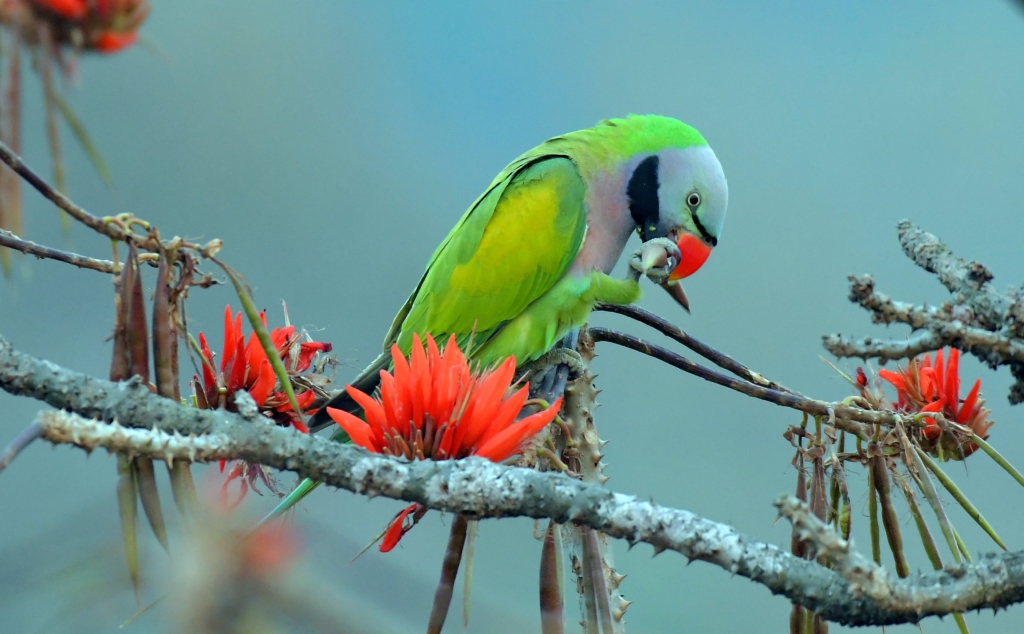
- Red-breasted Parakeet: A colourful parakeet found on the edge of trees, often with fruits. You will see busy flocks year-round, with nesting and heightened activity from December to March.
Simple Route Plan For One Productive Day
You can use this easy plan to cover habitats without rushing:
- Reach the roadside forest by first light and walk for one hour.
- Continue to the beach and scan the shore during the falling tide.
- Break late morning at the biological park for shaded paths and learning.
- Rest midday and return to the mangroves near the main creek.
- Walk the Munda Pahad trail by mid-afternoon for forest activity.
- End at the viewpoint and watch the evening sky for raptors and terns.
Practical Tips That Make a Clear Difference
Prepare with a few simple steps so you can see more birds without disturbing their habitat:
- Use a simple bird app or a pocket field guide for fast checks.
- Wear dull greens or browns and choose long sleeves for insect protection.
- Hire a local guide if you want help with calls and endemics.
- Stay on marked paths and respect crocodile warning signs near creeks.
- Bring a small rubbish bag and carry every item back to your car.
Safety and Etiquette
- Move calmly and stay aware since you will share space with wildlife and other visitors during busy evenings.
- Do give way on narrow paths and consider keeping tripods folded when crowds build up, which keeps movement smooth for everyone.
- Take extra care near the beach edges after heavy rain, because sections may slump without warning and your footing can fail.
Conclusion
You can cover forest, mangrove and coast in one compact birding loop at Chidiya Tapu with very little travel. The mix of habitats increases your chances of seeing Andaman endemic and reliable coastal birds in a single day. An early start, a quick check on tides and a simple route plan will help you set up a smooth and unhurried session.
Keep your kit light, your steps quiet, and let patient pauses do the work for you. This way, you will finish with field notes that feel special and complete, rather than rushed or incomplete. When you next think of Andaman birdwatching, you will remember Chidya Tapu first, for both variety and ease.