

Quick Jumplinks to Navigate
Finland, Norway, and Iceland offer unforgettable experiences, from snow-covered forests and glass igloos to dramatic fjords, glaciers, and volcanic landscapes. For Indian travellers planning a European holiday, choosing between these destinations depends on their budget, travel season, interests, and preferred travel style.
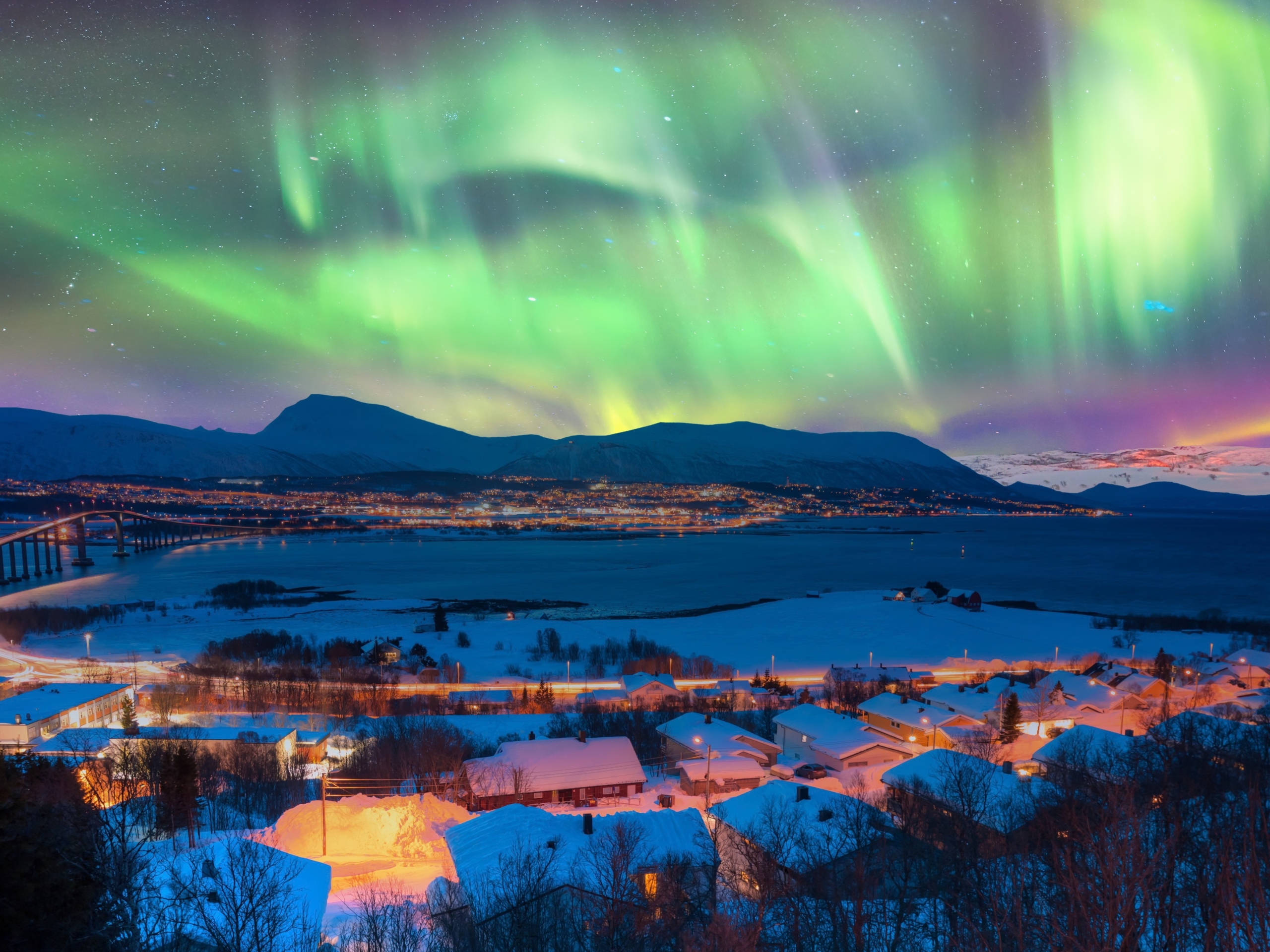
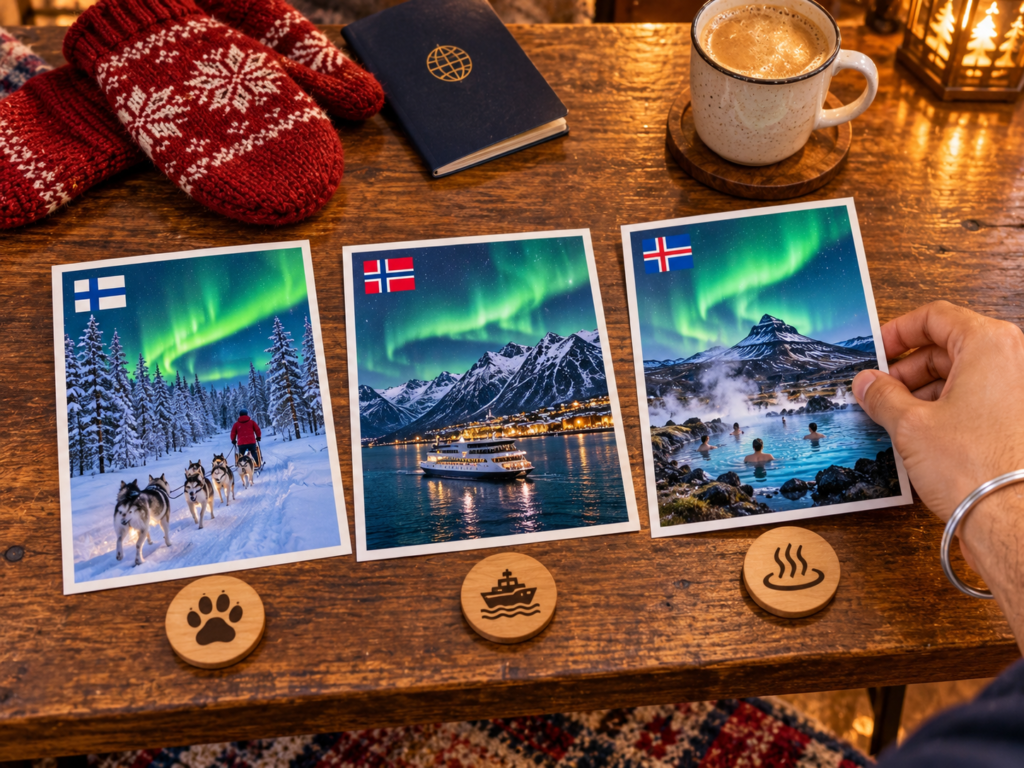
Finland is known for Arctic adventures and winter experiences, Norway for its fjords and scenic journeys, and Iceland for its waterfalls, geothermal lagoons, and unusual geological formations. All three offer opportunities to see the Northern Lights, but each provides a different holiday experience.
This Finland vs Norway vs Iceland comparison covers attractions, budgets, weather, connectivity, visa requirements, food, and travel suitability to help you choose the destination that best matches your expectations.
Finland vs Norway vs Iceland: Quick Comparison
| Factor | Finland | Norway | Iceland |
| Best known for | Lapland, glass igloos, snow activities | Fjords, mountains, scenic rail journeys | Glaciers, waterfalls, volcanoes |
| Best for Northern Lights | Finnish Lapland | Tromsø and northern Norway | Northern and rural Iceland |
| Ideal duration | 5 to 7 days | 7 to 10 days | 6 to 9 days |
| Best season | December to March for snow | May to September for fjords | June to August for road trips |
| Travel style | Winter adventures and Arctic stays | Scenic journeys and outdoor exploration | Road trips and nature experiences |
| Indicative budget per person | INR 1.5 lakh to INR 2.5 lakh | INR 1.8 lakh to INR 3 lakh | INR 2 lakh to INR 3.5 lakh |
Finland: Best for Winter Adventures
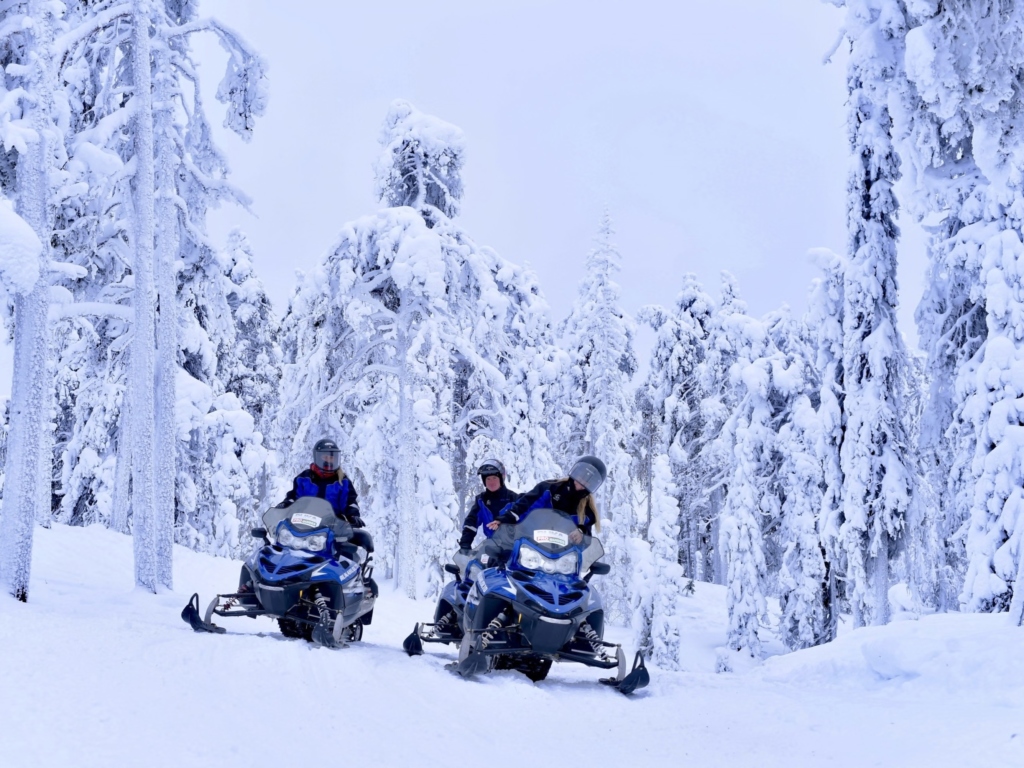
Finland is an excellent choice for travellers who want snowy landscapes, Arctic experiences, and opportunities to see the Northern Lights. Finnish Lapland is particularly popular for its winter activities, peaceful forests, and distinctive glass-roofed accommodation.
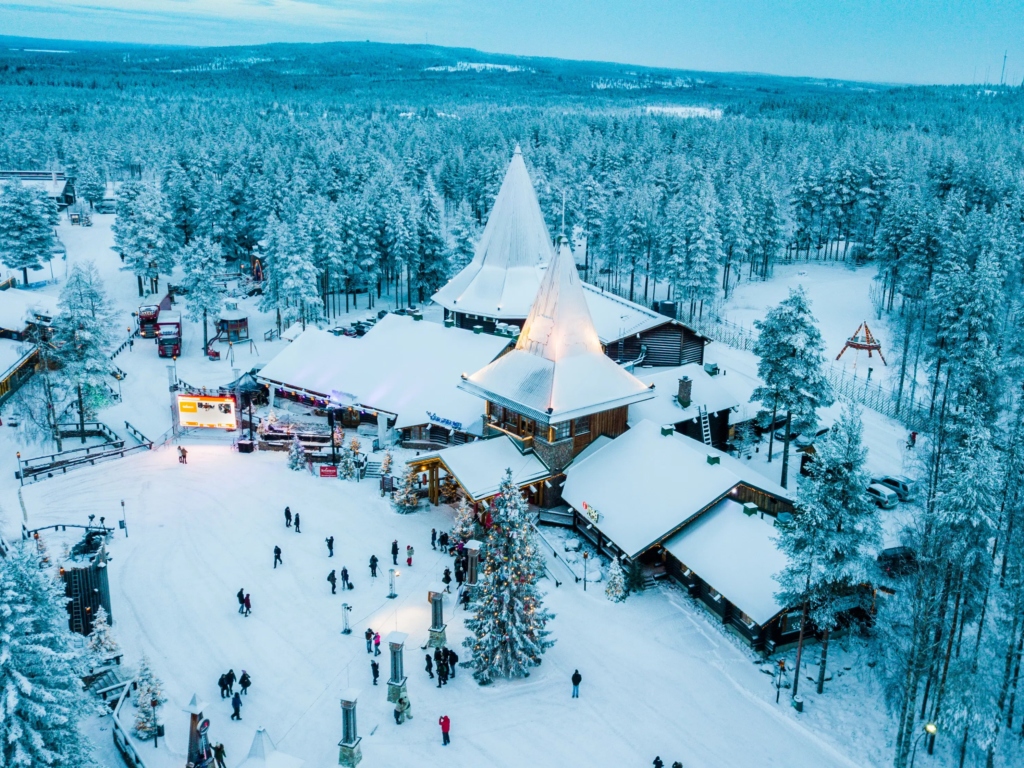
Rovaniemi, the gateway to Lapland, is home to Santa Claus Village, making it attractive for families. Other destinations, including Levi, Saariselkä, and Inari, offer access to winter sports, wilderness experiences, and aurora-viewing locations.
Top experiences in Finland
- Northern Lights: Visit Lapland between late August and early April for opportunities to see the aurora, depending on weather and solar activity.
- Glass igloo stays: Stay in glass-roofed accommodation for a distinctive Arctic experience.
- Husky sledding and reindeer rides: Experience traditional winter activities through guided excursions.
- Santa Claus Village: Explore a popular family attraction in Rovaniemi.
- Helsinki sightseeing: Discover waterfront attractions, museums, markets, and Finnish architecture.
Cost and travel considerations
The Finland tour packages can suit travellers looking for a concentrated winter holiday. Standard hotels and selective activities can help manage costs, while Christmas-season travel and premium glass igloos can increase expenses considerably.
Flights from India generally involve a connection to Helsinki, followed by onward travel to Lapland if required. Winter temperatures can fall well below freezing, so thermal clothing, insulated footwear, and suitable outerwear are essential.
Choose Finland if: You want snow activities, Arctic accommodation, family-friendly attractions, and a winter-focused holiday.
Norway: Best for Fjords and Scenic Journeys
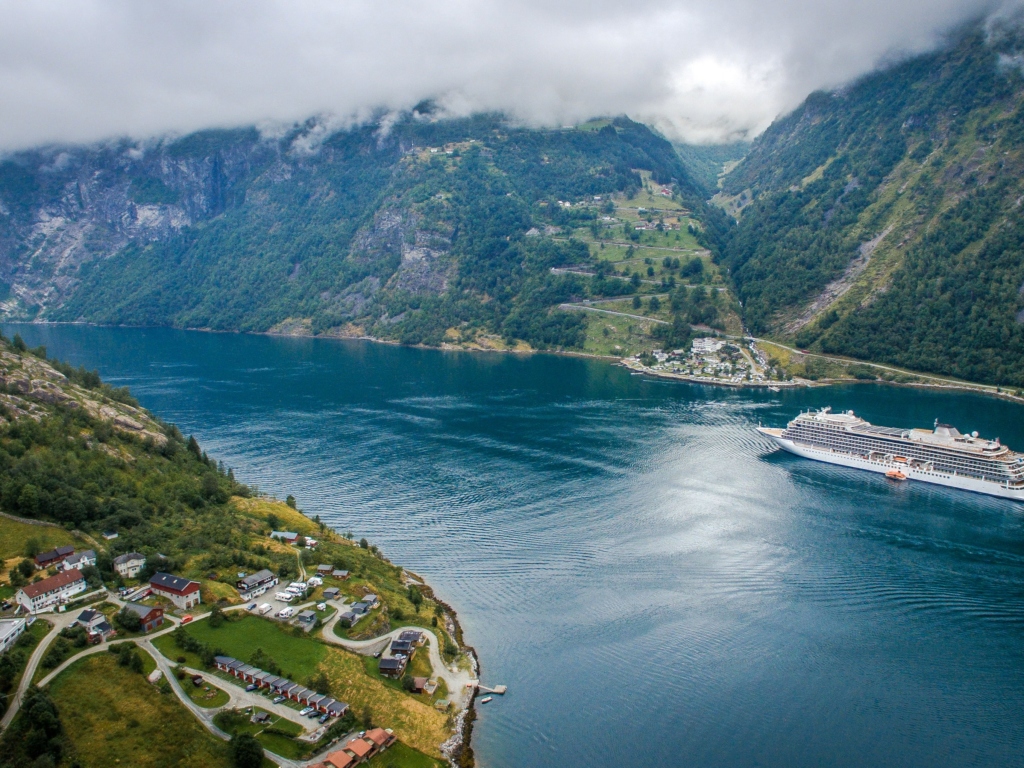
Norway combines dramatic natural scenery with charming towns, coastal landscapes, and memorable transport experiences. Its fjords, mountains, waterfalls, and fishing villages make it particularly appealing to photographers, couples, and outdoor enthusiasts.
Oslo and Bergen are useful starting points for exploring southern Norway, while Tromsø is popular for Arctic adventures and Northern Lights excursions. Scenic train journeys and fjord cruises are among the country’s major attractions.
Top experiences in Norway
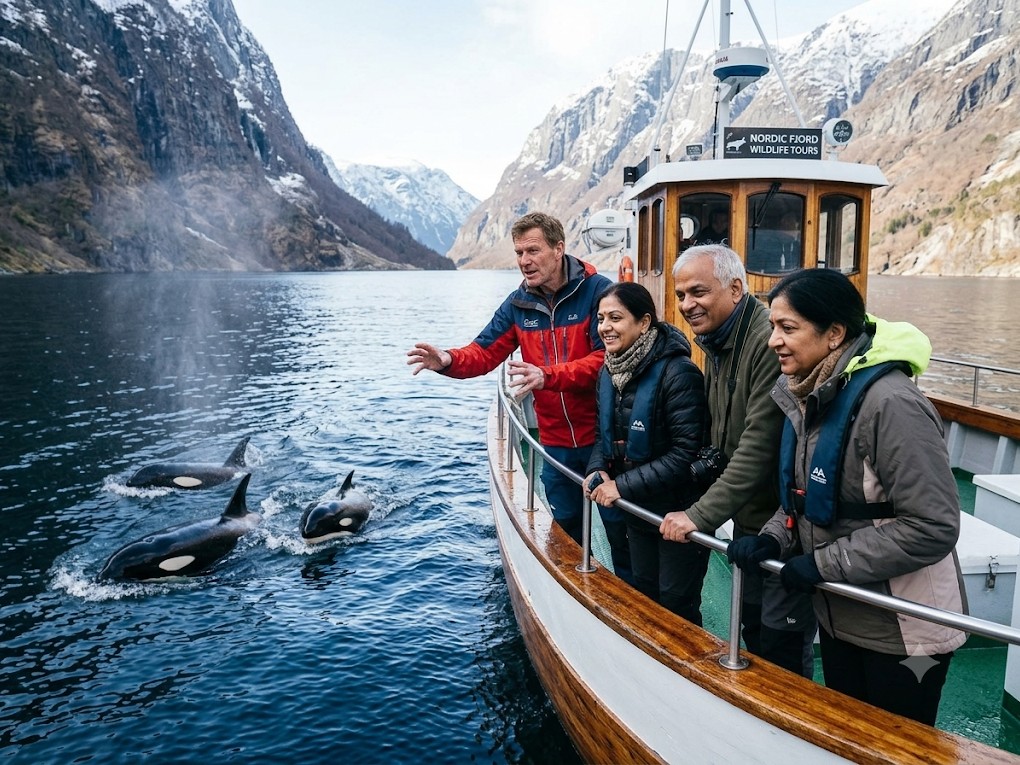
- Fjord cruises: Explore Geirangerfjord and Nærøyfjord, known for steep mountains and spectacular waterways.
- Northern Lights excursions: Visit Tromsø or other northern destinations during the darker months.
- Flåm Railway: Enjoy a scenic journey through mountain landscapes and valleys.
- Bergen: Explore the historic waterfront and use the city as a base for nearby fjords.
- Outdoor adventures: Depending on the season, enjoy hiking, kayaking, or wildlife excursions.
Cost and travel considerations
The Norway tour packages can be expensive because of accommodation, restaurant meals, organised excursions, and transport between regions. Booking in advance and using public transport where practical can help control costs.
Summer, particularly June to August, is popular for fjord cruises and outdoor sightseeing because of longer daylight hours. Winter is better suited to snowy landscapes and aurora excursions in the north, although weather can affect travel plans.
Flights from India generally involve a connection to Oslo or another European hub. Exploring several regions may require trains, buses, ferries, domestic flights, or rental cars.
Choose Norway if: You prefer scenic journeys, fjord cruises, mountain landscapes, and a combination of city visits and outdoor exploration.
Iceland: Best for Unique Landscapes and Road Trips
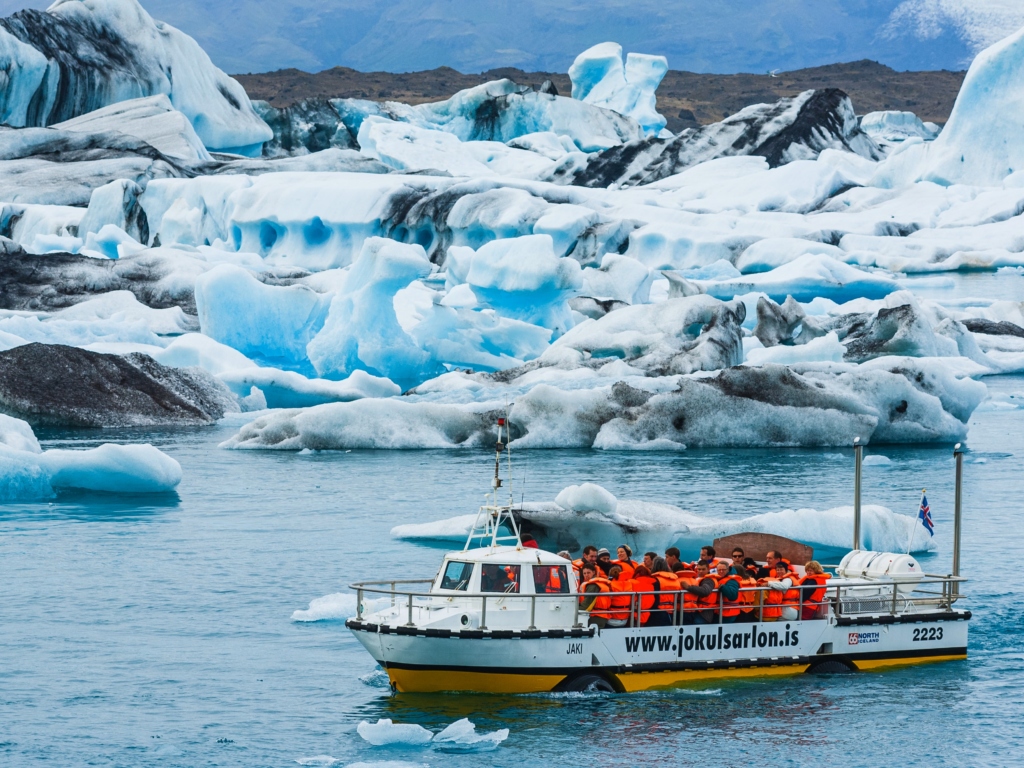
Iceland stands out for its unusual geography, combining volcanic terrain, glaciers, black-sand beaches, geothermal pools, and powerful waterfalls. It is especially attractive to nature enthusiasts and photographers who want to explore several different landscapes during one trip.
Reykjavík is the main gateway for international visitors. From the capital, travellers can explore the Golden Circle, which includes Þingvellir National Park, the Geysir geothermal area, and Gullfoss waterfall. Longer itineraries can include Iceland’s southern coast and glacier lagoons.
Top experiences in Iceland
- Golden Circle: Discover geothermal activity, waterfalls, and striking geological formations.
- South Coast: Visit Skógafoss and other waterfalls, along with the black-sand beach at Reynisfjara.
- Geothermal bathing: Relax at facilities such as the Blue Lagoon.
- Glacier excursions: Join guided glacier walks or seasonal ice-cave tours when conditions permit.
- Northern Lights: Explore darker locations between autumn and early spring.
Cost and travel considerations
The Iceland tour packages can be expensive, especially when car rental, fuel, guided activities, and accommodation are included. A self-drive holiday offers flexibility, but winter driving requires experience and careful planning because of snow, strong winds, and icy roads.
June to August is popular for road trips and sightseeing, while winter offers longer nights for aurora viewing. Travellers arriving from India generally connect through an international hub before reaching Keflavík International Airport.
Choose Iceland if: You enjoy scenic drives, waterfalls, glaciers, geothermal experiences, and distinctive natural landscapes.
Which Destination Is Best for the Northern Lights?
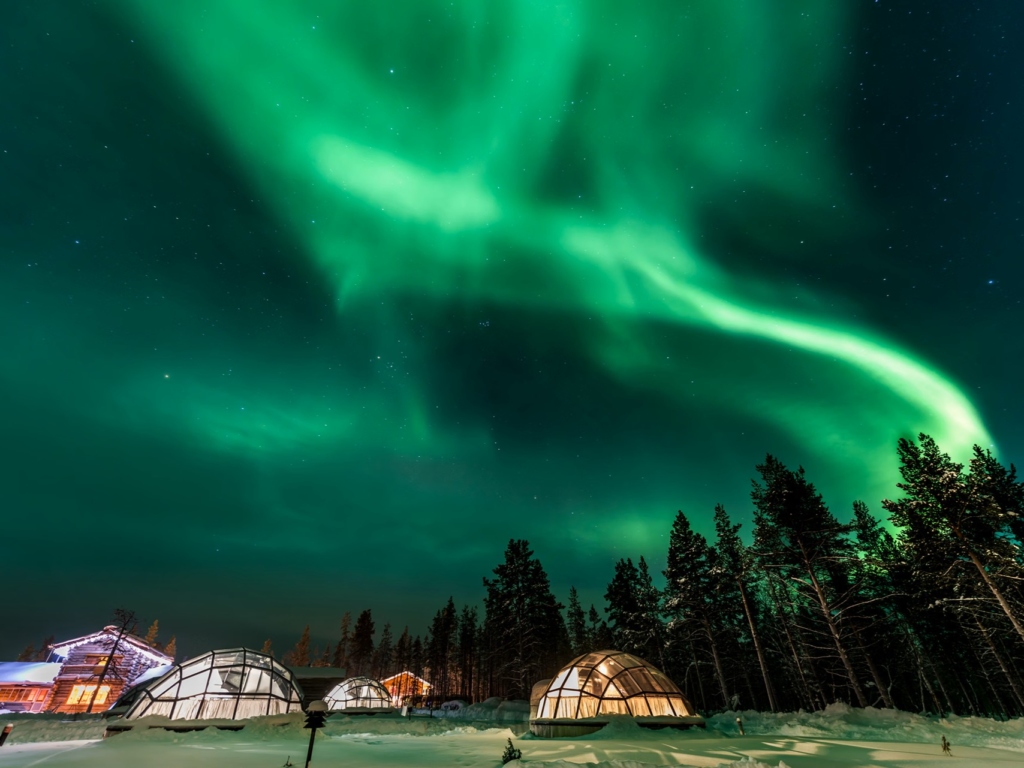
Finland, Norway, and Iceland all offer opportunities to see the Northern Lights. Your choice should also consider the daytime experiences you want to enjoy.
| Factor | Finland | Norway | Iceland |
| Suggested base | Rovaniemi, Inari | Tromsø, Alta | Reykjavík or rural stays |
| General aurora season | Late August to early April | Autumn to early spring in the north | September to early April |
| Daytime activities | Husky rides, snow adventures | Fjord cruises, Arctic excursions | Waterfalls, glaciers, geothermal pools |
| Main consideration | Cold weather and peak-season prices | Regional travel costs | Unpredictable weather and road conditions |
For a winter-focused experience, Finland offers Arctic activities alongside aurora excursions. Norway suits travellers who want coastal and mountain scenery, while Iceland combines aurora viewing with geological attractions.
No destination guarantees a Northern Lights sighting. Clear skies, darkness, and solar activity all affect visibility. Staying for three or four nights in an appropriate region gives you multiple opportunities to see the aurora.
Best Time to Visit Finland, Norway, and Iceland
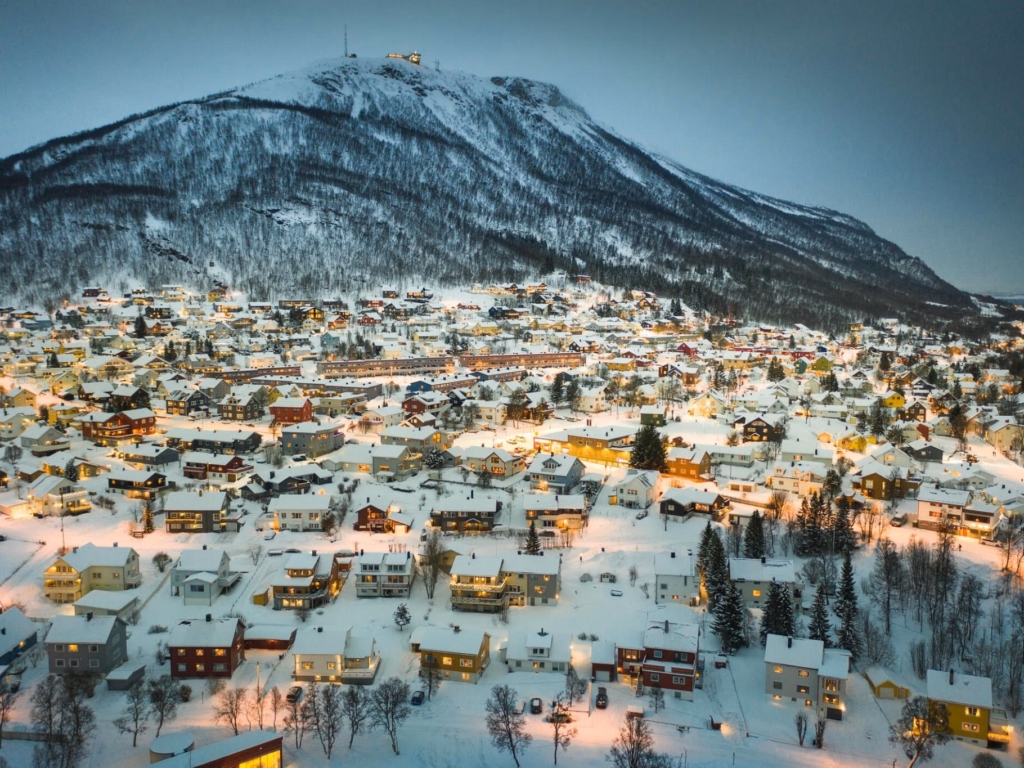
- Finland: December to March is ideal for snow activities. September to early April offers opportunities for Northern Lights viewing in Lapland.
- Norway: May to September is popular for fjords, hiking, and scenic journeys. Northern Norway is better suited to aurora trips during darker months.
- Iceland: June to August is popular for road trips and sightseeing. September to March offers longer nights for aurora viewing, although winter conditions may limit access.
December can be expensive in Finnish Lapland, while summer is a busy period in Norway and Iceland. Shoulder-season travel may offer a balance between prices, visitor numbers, and sightseeing opportunities.
Budget Comparison for Indian Travellers
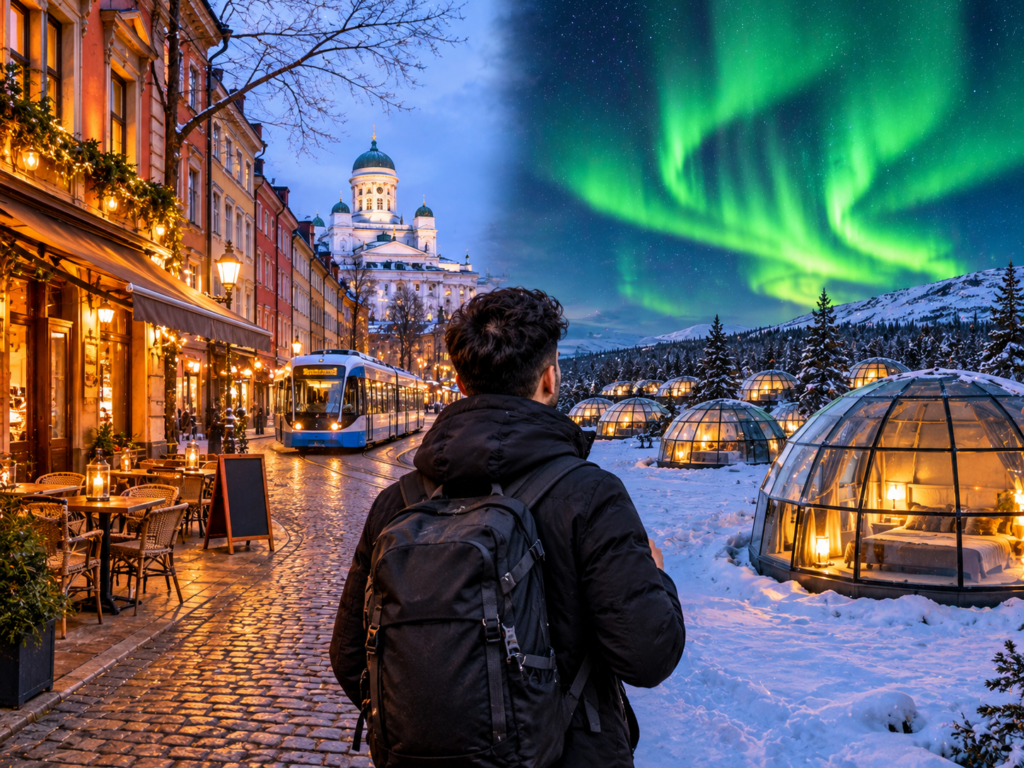
| Expense | Finland | Norway | Iceland |
| Return flights from India | INR 55,000 to 1,00,000 | INR 60,000 to 1,10,000 | INR 60,000 to 1,10,000 |
| Accommodation per night | INR 8,000 to 18,000 | INR 10,000 to 22,000 | INR 10,000 to 25,000 |
| Meals per day | INR 2,500 to 5,000 | INR 3,000 to 6,000 | INR 3,000 to 6,000 |
| Local transport per day | INR 1,500 to 4,000 | INR 2,000 to 5,000 | INR 2,500 to 6,000 |
| Activities per day | INR 3,000 to 10,000 | INR 3,000 to 10,000 | INR 3,000 to 12,000 |
Note: Finland can be a practical option for a focused Arctic holiday, while Norway’s regional transfers and Iceland’s rental cars and fuel can increase overall expenses. Booking early, choosing accommodation with kitchen facilities, and prioritising key activities can help manage your budget.
Visa Requirements and Connectivity from India
Finland, Norway, and Iceland belong to the Schengen Area. Indian ordinary passport holders generally need a short-stay Schengen visa for tourism, subject to the applicable entry conditions.
If visiting multiple countries, you generally apply through the country that represents your main destination. Check official visa requirements, documentation, fees, and processing times before booking. If you are travelling with Thrillophilia then we provide visa-assistance to make things easier for you here we review your documents and suggest fixes before you apply; 98% of the visa applications we’ve assisted were approved.
Flights from India usually involve at least one connection, depending on your departure city and travel dates. Helsinki is Finland’s principal international gateway, Oslo serves as a major gateway for Norway, and Keflavík is Iceland’s main international airport.
Remember to account for connecting flights and onward transfers. Reaching remote Arctic destinations or rural attractions may require additional flights or several hours of ground travel.
Food and Travel Comfort for Indians
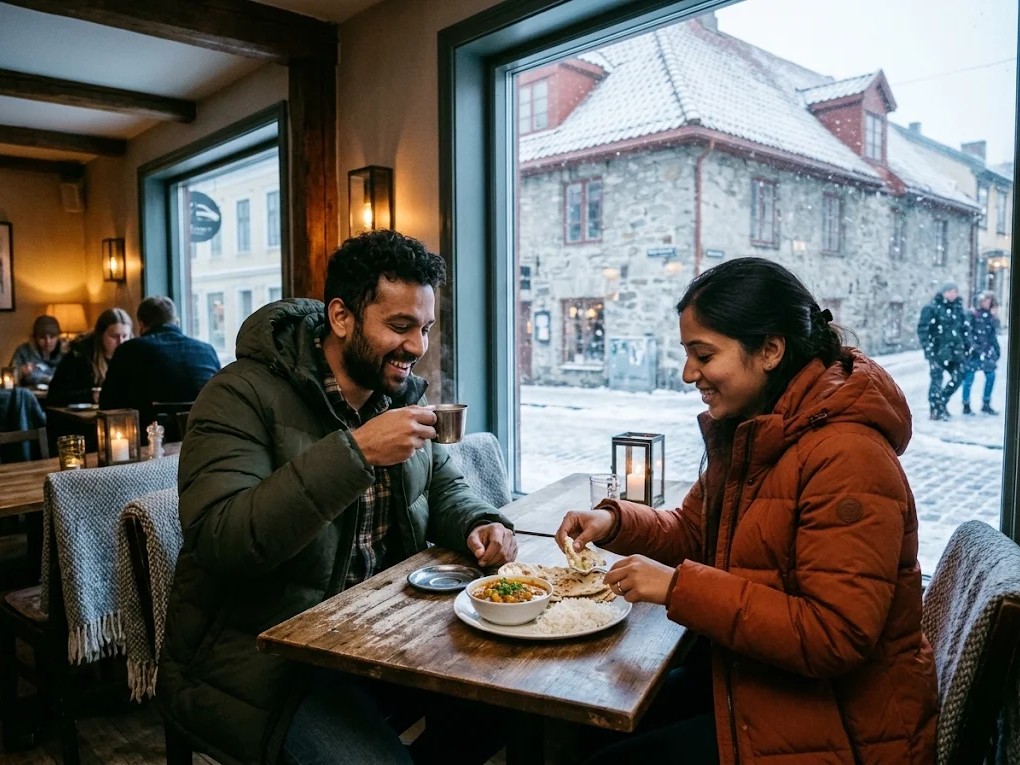
Food availability can influence your destination choice, particularly for families and travellers with dietary preferences.
- Finland: Expect fish, potatoes, breads, soups, and meat-based dishes. Helsinki offers more international dining choices than remote Lapland.
- Norway: Seafood, fish, potatoes, and meat are common. Larger cities offer varied international cuisine, although restaurant meals can be expensive.
- Iceland: Fish, lamb, soups, and dairy products are common. Reykjavík has diverse dining options, while rural areas may offer fewer choices.
Vegetarian and Indian food options are available in some cities and tourist areas, but they are less predictable in remote regions. Confirm dietary requirements with restaurants and accommodation providers in advance. Even if you are travelling Jain? We arrange Jain meals across your trip.
For colder months, pack thermal layers, waterproof jackets, gloves, and insulated footwear. Check weather forecasts before outdoor excursions, particularly in Iceland and northern Norway.
Why Choose Thrillophilia for Your Nordic Holiday?
Planning a holiday to Finland, Norway, or Iceland involves coordinating flights, accommodation, transport, sightseeing, and seasonal activities. Comparing itineraries before booking helps travellers understand how much time they will spend exploring and how much they will spend travelling between destinations.
- Destination-specific itineraries: A Finnish Lapland holiday differs considerably from a Norway fjord tour or an Iceland road trip. Comparing available packages helps you identify experiences, destinations, and durations that match your interests.
- Practical route planning: Regional travel can take time, especially in Norway and Iceland. Reviewing transfer arrangements, overnight stays, and sightseeing schedules helps you choose a realistic itinerary.
- Options for different budgets: Hotel categories, excursions, and transport choices affect the total holiday cost. Comparing package inclusions and exclusions makes it easier to understand what is covered and where additional expenses may arise.
- Trip preparation: International travel requires attention to visa documentation, travel insurance, baggage allowances, weather conditions, and transport arrangements. Confirm which services and assistance are included in your chosen package before booking.
- Experiences matched to your interests: Whether you want glass igloos in Finland, fjord cruises in Norway, or glacier excursions in Iceland, comparing packages by experience helps you prioritise activities within your available time and budget.
Frequently Asked Questions
Finland suits travellers seeking snow activities and Arctic stays. Norway is ideal for fjords and scenic journeys, while Iceland appeals to those interested in glaciers, waterfalls, and volcanic landscapes.
Finland may be more affordable for a focused winter holiday, depending on accommodation and activities. Norway and Iceland can involve higher transport and excursion costs, but actual expenses depend on travel dates and itinerary.
All three offer aurora-viewing opportunities. Choose Finnish Lapland, northern Norway, or darker areas of Iceland, and allow several nights for favourable weather conditions.
Generally, one valid Schengen short-stay visa can cover tourism in all three countries, subject to its validity and entry conditions.
Allow around 5 to 7 days for a focused Finland holiday, 7 to 10 days for Norway, or 6 to 9 days for Iceland. Longer stays allow more extensive exploration.
Yes. Around 12 to 16 days can provide an introduction to all three, but you will need to prioritise regions and account for connecting flights and transfers.