

Quick Jumplinks to Navigate
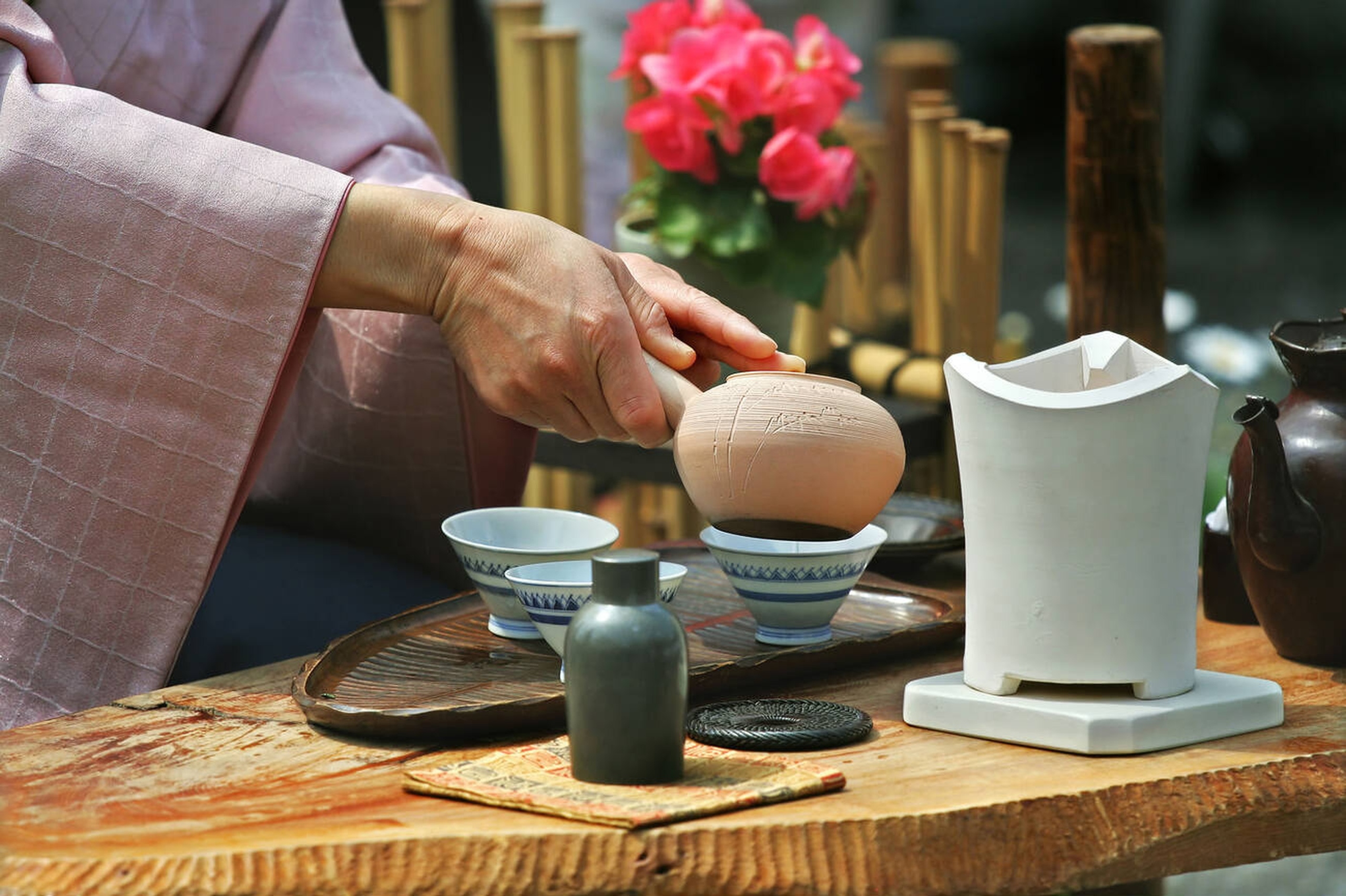
Japan is known around the world for its tech-savvy vibe and natural beauty, but what makes this land of cherry blossoms more beautiful is traditions like this tea-drinking ceremony. This ceremony is not just about picking up a cup and drinking tea; it is an art form and a spiritual practice that has been perfected over centuries. The objective of this ceremony is to help you slow down and enjoy every moment of life while being mindful. As you slowly sip on the tea, your mouth will be filled with the earthy aroma and flavour that will make you feel omnipresent.
From serene gardens to traditional tea houses, Japan offers countless places to immerse yourself in this exquisite process. Whether you are coming to Japan to enjoy its vibrant cities or quiet countryside, participating in a tea ceremony is a must-do activity here. So here’s a guide that explains the ceremony and how to enjoy it.
1. Understanding the Japanese Tea Ceremony
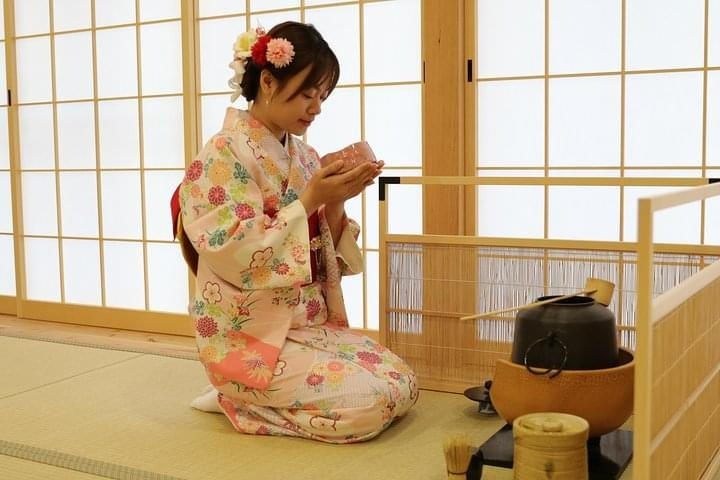
The Japanese tea ceremony, which is called ‘chanoyu’ in Japanese, is a step-by-step ritual where the host prepares and serves matcha, which is powdered green tea. The whole process, from whisking of the tea to presentation of the bowl, follows the centuries-old tradition of Zen Buddhism.
The tea might seem like just a material, but it actually symbolises harmony, respect, and tranquillity. It reflects Japanese aesthetics of minimalist design, seasonal elements, and deep mindfulness. Alongside the rich aroma of the tea, the quiet setting of the place, the beautiful utensils, and the joyful conversation with your hosts are some things to cherish.
2. Best Places to Experience It in Tokyo
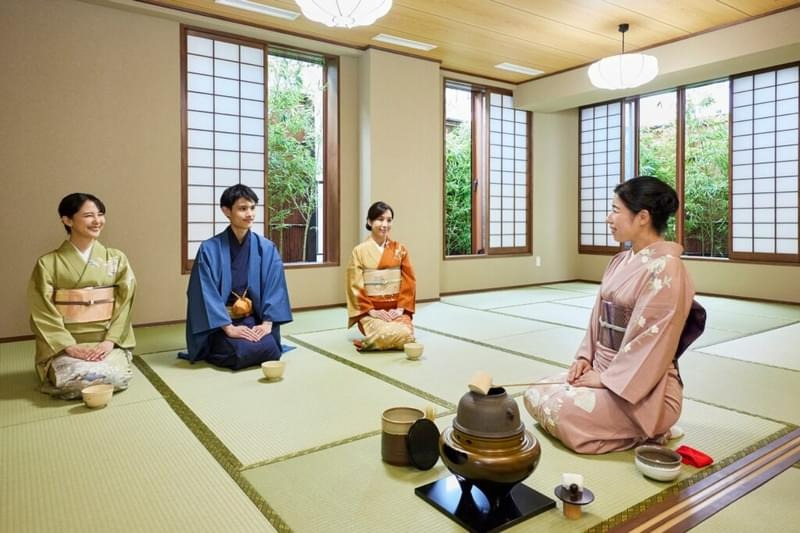
Tokyo offers a wonderful mix of modern and traditional settings for tea ceremonies. At Happo-en, you can join a session in a lush garden setting while wearing a kimono for the full experience. The Urasenke Tokyo Branch offers authentic lessons that are guided by the tea masters. For those booking Tokyo tour packages, many of them include short tea ceremony experiences that are combined with other cultural activities like calligraphy or kimono dressing.
You will find departmental stores like Nihombashi and Mitsukoshi organising pop-up tea ceremonies for tourists who are looking for a convenient way to experience this rich tradition of Japan.
3. Kyoto – The Heart of the Tradition
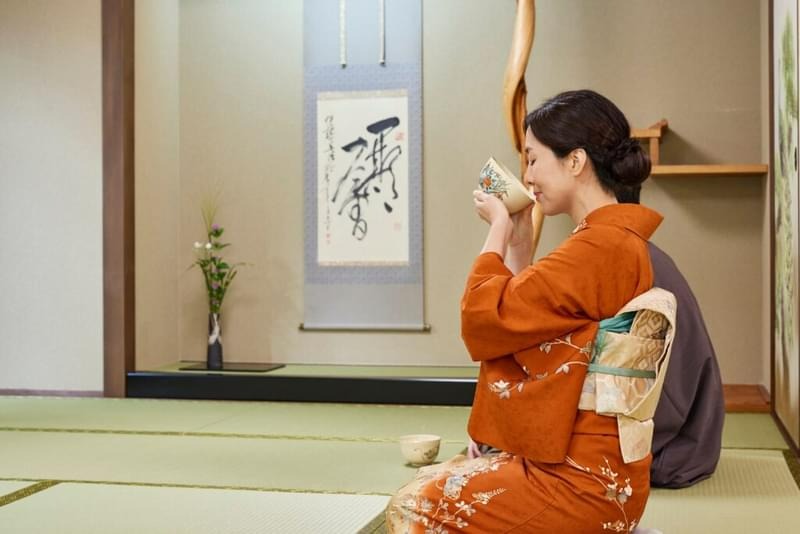
Kyoto is considered the spiritual home of the traditional Japanese tea ceremony and is also counted among the top places to visit in Japan. The historic tea houses here, like the Camellia Tea Ceremony in Higashiyama, allow the guests to learn about the ritual’s history before participating. The famous Kiyomizu-dera Temple area offers tea rooms with views of blooming cherry blossoms or autumn leaves, giving you a total sensory experience.
Kyoto’s Gion district is also home to many long-established tea masters who have preserved the art for generations. In this city, every detail, from the seasonal sweets to the tatami mat’s placement just feels authentic and steeped in history.
4. Other Notable Locations Across Japan
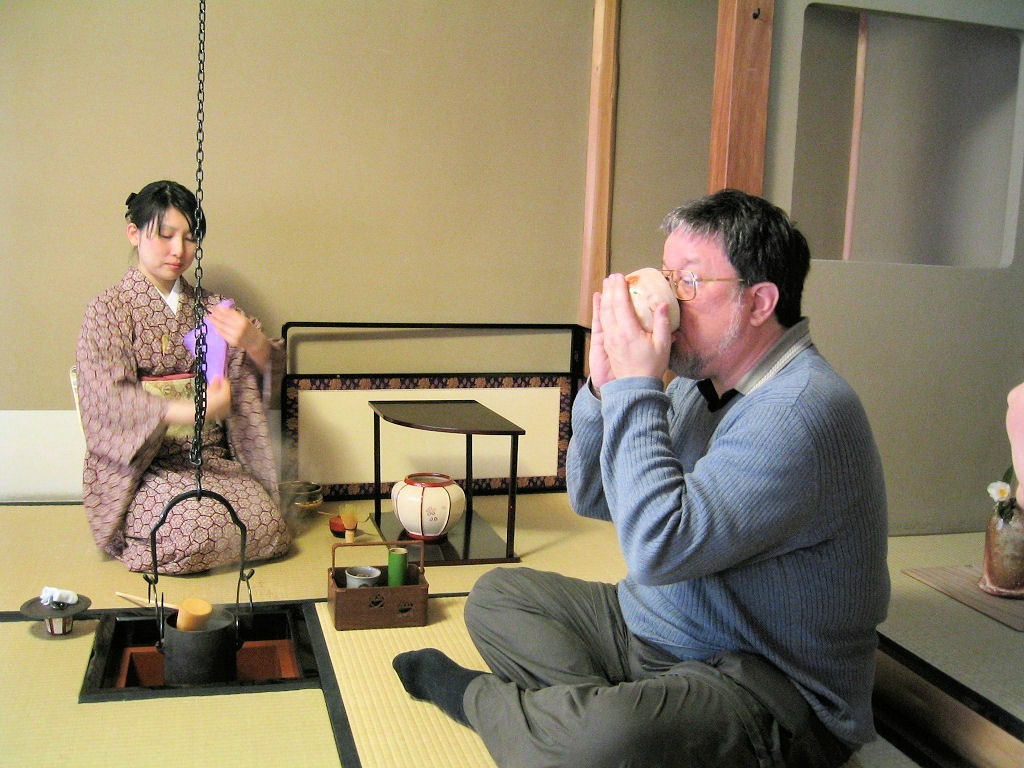
While Tokyo and Kyoto are the most popular choices for enjoying this traditional tea ceremony, other regions also offer unique experiences. For instance, in Kanazawa, Gyokusen-en Garden provides tea in a tranquil, Edo-period garden. Nara offers historic settings where Buddhist temples host tea sessions tied to meditation practices.
In rural Shizuoka, which is Japan’s tea capital, you can pick your own tea leaves before enjoying a freshly whisked bowl. Many Japan packages now include visits to these lesser-known spots, offering travellers a more intimate and often less crowded experience.
5. What Happens During the Ceremony
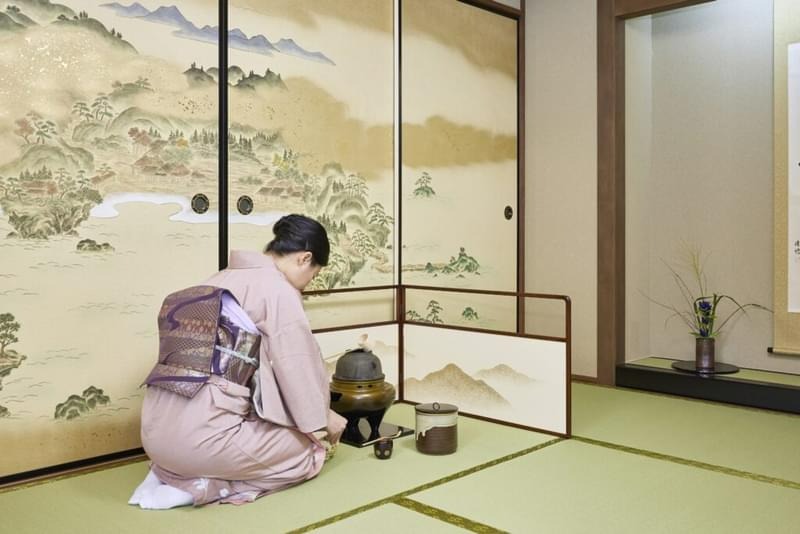
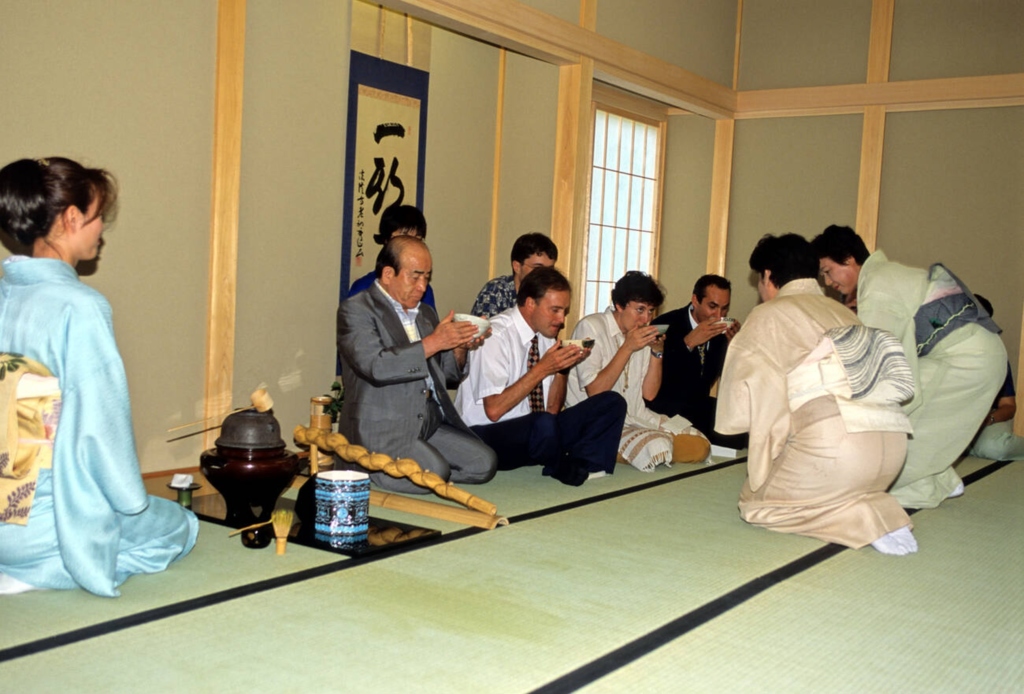
A tea ceremony typically begins with guests entering a serene tea room, often through a small door that symbolises humility. The host prepares utensils like the tea whisker, tea scoop, and tea bowl and cleans each of these pieces with precise and deliberate movements. Then the matcha powder is measured, hot water is added, and the tea is whisked into a smooth, frothy consistency.
Next, the guests bow before receiving the bowl, rotate it before drinking, and savour the tea with three gentle sips. Seasonal sweets, or wagashi, are served beforehand to complement the matcha’s earthy flavour. The process of this ceremony is slow, meditative, and deeply immersive.
6. Dress Code and Etiquette
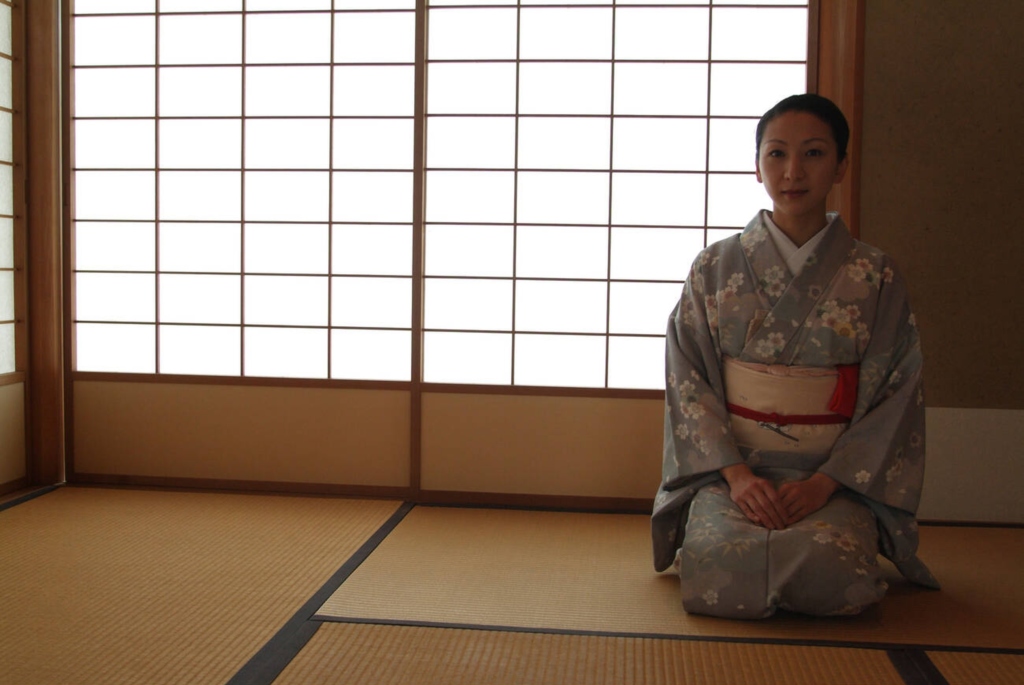
While casual clothes are acceptable in most modern tea sessions, wearing a kimono or subdued formal wear can enhance the experience. The guests should remove their shoes before entering the tea room and follow the host’s lead. It is important that you speak softly, move slowly, and avoid flashy jewellery that may damage the utensils.
Learning basic etiquette, like how to hold the tea bowl or when to bow, will make you feel more confident. Many tea houses provide guidance, so even first-timers can participate comfortably without fear of making mistakes.
7. How to Book a Tea Ceremony
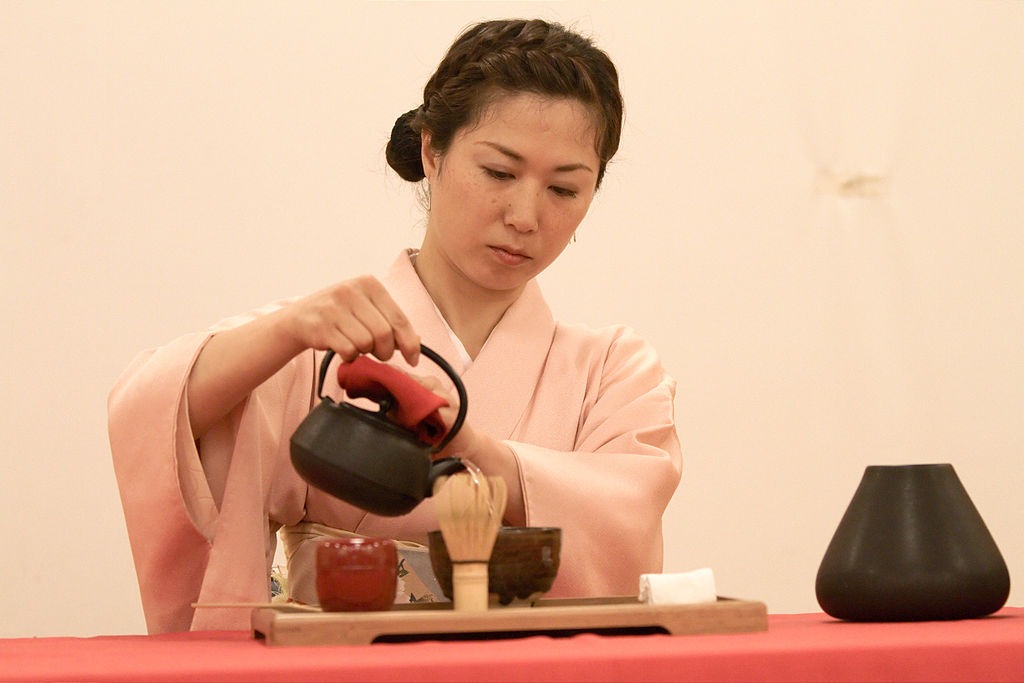
Booking a tea ceremony in Japan can be as simple as reserving online or asking your hotel staff. Popular locations in Kyoto and Tokyo can fill up quickly, so it’s best to book in advance, especially during peak seasons like spring and autumn.
Some experiences can be booked through Japan packages that offer customised cultural itineraries, ensuring you have an expert guide to walk you through the tradition. Private sessions are ideal for deeper learning, while group experiences are more affordable and social, making the tea ceremony one of the must try activities in Japan for every traveller.
8. Tips for First-Timers
- Arrive early to admire the garden or the waiting area before entering.
- Follow the host’s instructions closely.
- Savour the sweets before the tea for a balanced flavour experience.
- Pay attention to seasonal details, like flowers or scrolls in the room.
- Keep your phone on silent mode to maintain the peaceful atmosphere.
A tea ceremony is not just an event; it’s a slow, mindful journey that connects you with centuries of Japanese culture.
Conclusion
The tea ceremony in Japan is a rare chance to step out of the fast-paced modern world and into a space of quiet beauty. Whether in a Tokyo skyscraper garden, a centuries-old Kyoto tea house, or a countryside temple, each setting offers its own charm.
For travellers who are curious about Japanese traditions, this ritual is both educational and deeply moving. From the graceful preparation to the final sip, it’s a celebration of mindfulness, artistry, and connection. So, on your next trip, take the time to join a tea ceremony, as you’ll leave with not just a memory but also a piece of Japan’s soul.