

Quick Jumplinks to Navigate
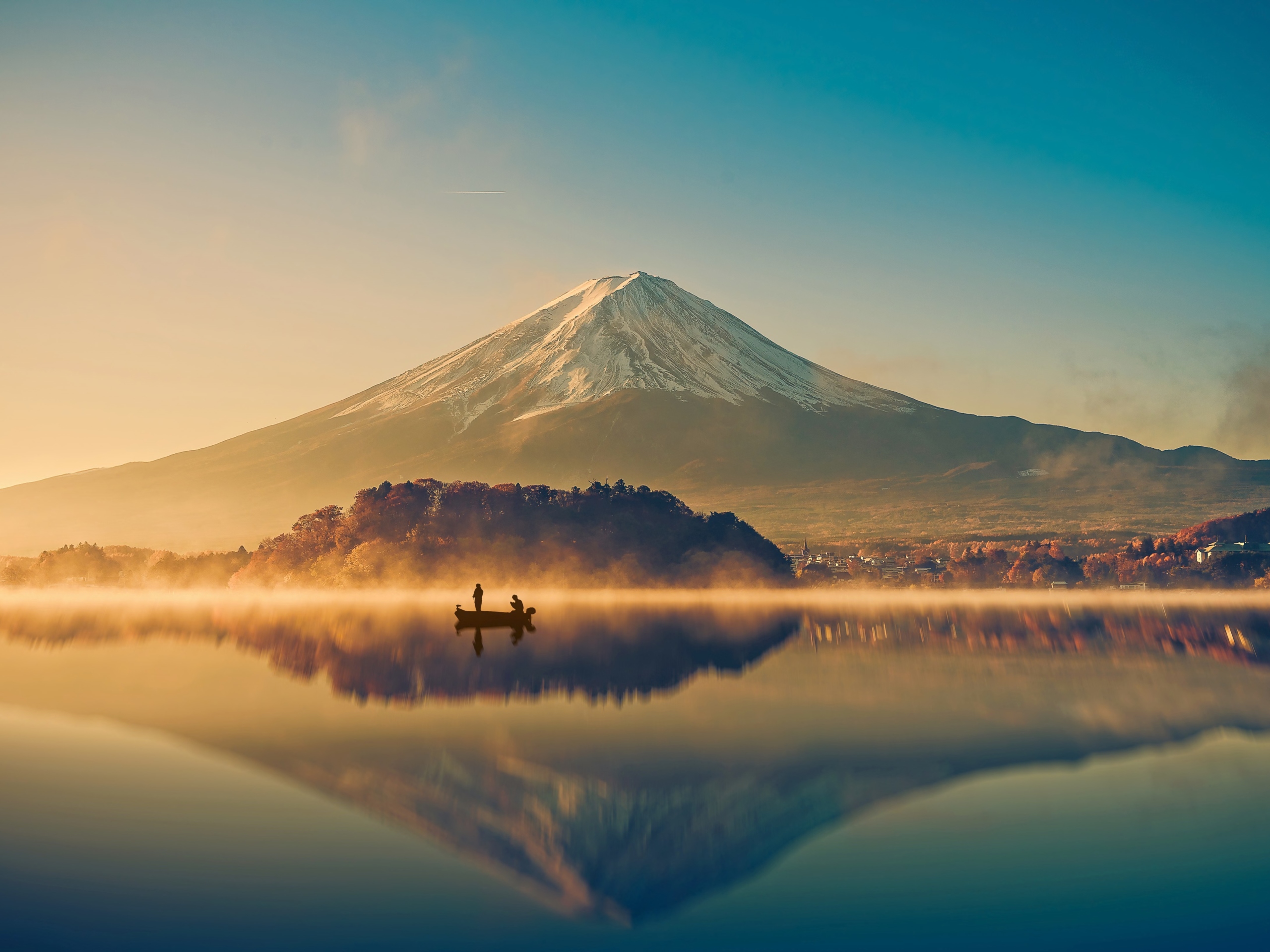
If you’re planning your next trip to Japan, witnessing Mt Fuji has to be one of your trip highlights. Whether it is the snow-capped peak reflected in Lake Kawaguchi, the mountain rising behind Chureito Pagoda, or a glimpse from a Shinkansen window, the experience often becomes a defining memory of the holiday. However, before finalising your itinerary, it is natural to wonder whether you will actually see Mt. Fuji, as visibility depends on the season, cloud cover, humidity, and time of day.
The most important factor to understand is that visiting a viewpoint does not guarantee a clear view of the mountain. As indicated by our internal booking data, 96% of the trips to Japan planned during the winter months with Thrillophilia offered clear visibility conditions for Mt Fuji, with February offering the highest statistical probability of unobstructed views due to cold, dry air and low humidity. However, these insights cannot be treated as a rule of thumbs, as they are subject to multiple variables and require actual local insights from experts who can offer you practical insights to next maximize your chances.
This is exactly what this guide aims to do. With realistic operational data points from our Japan Operations team, this guide will take you through all the necessary considerations to keep in mind, like the right viewpoints, allowing sufficient time in the Fuji region, and keeping alternative experiences in your itinerary. This makes it easier for travellers to plan their Japan itinerary around witnessing Mt Fuji without compromising on the country’s other highlights.
Which Months Offer the Best Chances of Seeing Mt Fuji?
The best months to see Mt Fuji can be broadly divided into periods that offer clearer viewing conditions and those that appeal more for seasonal scenery, such as cherry blossoms, autumn foliage, or summer greenery. Each season has its advantages, but the likelihood of seeing the mountain clearly varies considerably.
Here is a quick guide compiled by Thrillophili’s destination experts to help you choose the best time to visit Japan if Mt Fuji is a priority:
| Travel Period | Visibility Outlook | What to Keep in Mind |
| November to February | Generally the most favourable period for clear views | Cold, dry air often improves visibility, and the snow-capped summit makes for classic photographs. |
| March to May | Good viewing opportunities, particularly in the mornings | Cherry blossoms and spring scenery add to the experience, but haze can develop later in the day. |
| June to mid-July | Often more challenging | Rainy-season cloud cover can obscure the mountain for extended periods. |
| Late July to August | Variable visibility | Summer greenery and outdoor activities appeal to families, but humidity and clouds can make clear views less predictable. |
| September to October | Variable, with improving conditions as autumn progresses | Autumn colours can create scenic viewpoints, but weather systems and lingering humidity may affect visibility. |
Although the seasons offer different advantages, there is no guaranteed best month for seeing Mt Fuji. The Japan National Tourism Organization notes that the mountain is often hidden by clouds during the rainy season, from early June to mid-July, while crisp winter days generally provide better long-distance visibility. This is why 85% of our bookings for Japan tour packages are booked during the winter months by travellers wishing to focus on a Mt Fuji hiking trip, as indicated by our internal booking data, while summer month bookings usually focus on regional sightseeing.
How Many Days Should You Stay to Improve Your Chances of Seeing Mt Fuji?
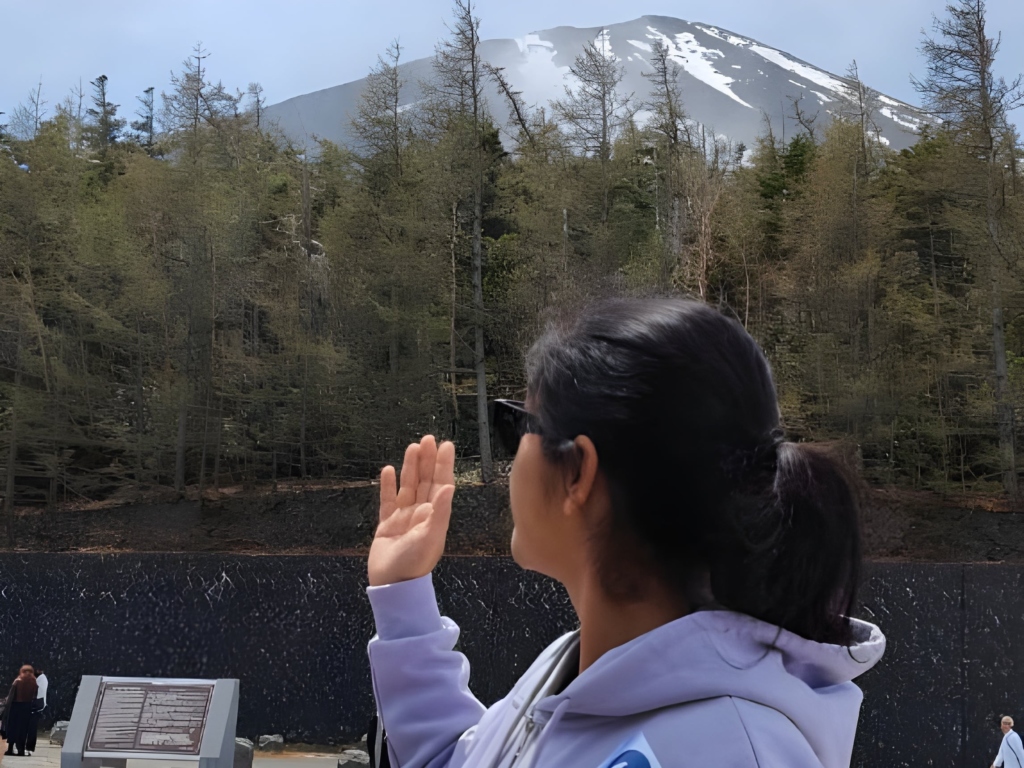
This is one of the most important decisions when planning a trip around Mt Fuji. Even if the forecast looks promising when you arrive, clouds can develop or visibility can deteriorate during the day. This is why if the mountain is hidden on your first visit, having another morning available gives you an opportunity to try again.
Staying overnight near the Fuji Five Lakes region allows you to explore viewpoints early in the morning, when visibility is often better, without depending entirely on the timing of a long transfer from Tokyo. Travellers planning a family or group trip to Japan prefer 7- to 8-day itineraries, as they offer enough time to account for a well-suited window to witness Mt Fuji while also allowing travellers to explore other regions of Japan without being too physically demanding, as indicated by our internal booking data. Our booking data also shows that travellers accounting for longer stays near the Mt Fuji regions have a 70% higher likelihood of witnessing clear peak views compared to travellers who opt for same-day trips.
Our destination experts recommend considering the following when planning your itinerary:
- A day trip: Suitable for travellers with limited time who want to visit the Fuji region alongside other Japanese destinations. However, there may be little opportunity to reschedule if the mountain is obscured.
- A one-night stay: Gives you the opportunity to view Mt Fuji on arrival and try again the following morning, depending on your arrival and departure timings.
- A two-night stay: Offers more flexibility for honeymoon trips to Japan, families, and photography enthusiasts who want additional opportunities to visit different viewpoints.
- A longer stay: Useful for travellers whose primary objective is to photograph Mt. Fuji or enjoy a slower-paced holiday around the surrounding lakes and countryside.
Thrillophilia’s destination experts can structure itineraries around these practical considerations, balancing travel time, accommodation locations, and early-morning sightseeing rather than treating Mt Fuji as a brief stop between Tokyo and Kyoto.
Planning additional time improves your flexibility, but it does not guarantee that Mt Fuji will be visible. Our experts recommend travellers with fixed departure dates should keep alternative activities in the itinerary so the trip experience remains diverse even if the mountain stays hidden.
How Does Cloud Cover Affect Mt Fuji Visibility?
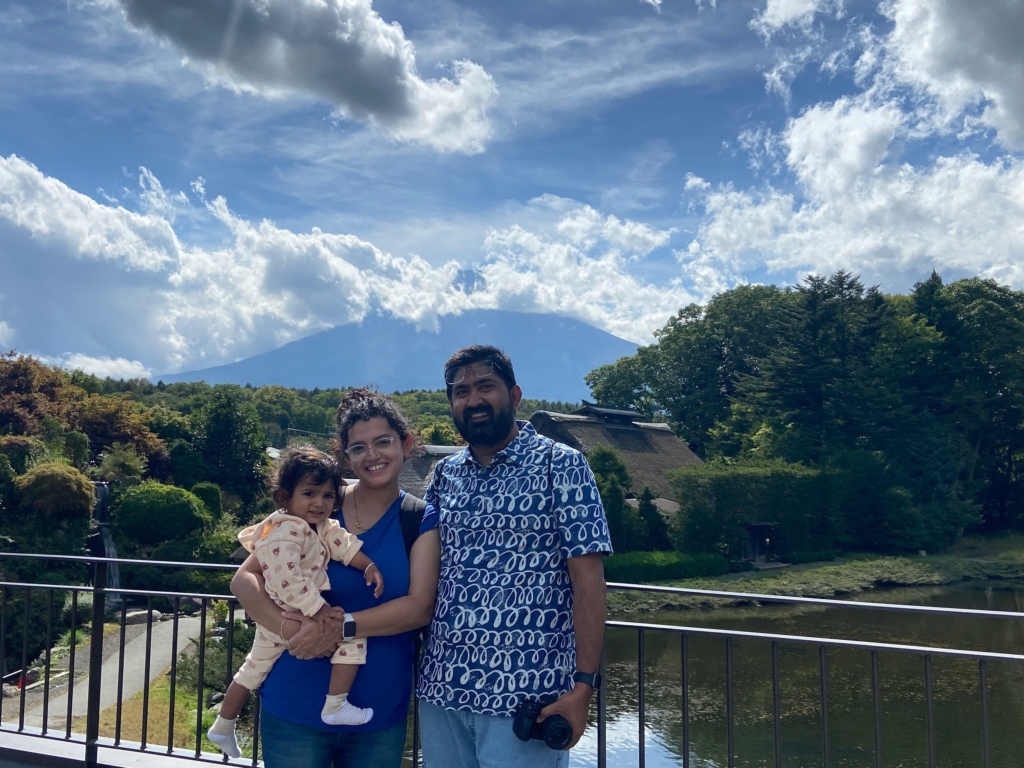
Cloud cover is one of the main reasons travellers may not see Mt. Fuji, even when they visit a popular viewpoint during the recommended season. Clouds can obscure the summit or cover much of the mountain, while haze and humidity can reduce visibility from locations farther away.
This is why checking the weather for the viewing area is just as important as choosing the right month. Conditions around Lake Kawaguchi, Hakone, and central Tokyo can differ, and a clear forecast in one location does not necessarily mean Mt Fuji will be visible from another.
Our internal booking data shows travellers who opt for a flexible itinerary are 98% more likely to have a more satisfying experience than travellers choosing a structured and fixed itinerary. Flexible itineraries help you make better use of the available viewing opportunities, like if the mountain is hidden in the afternoon, an early start the next morning may offer another chance.
Thrillophilia’s destination experts plan your Japan itineraries with a specific planning approach for different traveller types. For travellers visiting with children or older family members, it is important to balance the itinerary with comfortable transfers and sufficient rest. Couples and photography enthusiasts may be more willing to start early or spend additional time waiting for clearer skies, while travellers following a packed multi-city itinerary, like a Tokyo Kyoto Osaka package, may need to prioritise the most accessible viewpoints.
Our Japan operations team and destination experts account for these practical differences while planning the route, selecting suitable accommodation locations, and leaving room for alternative sightseeing.
Which Viewpoints Offer the Best Chances of Seeing Mt. Fuji?
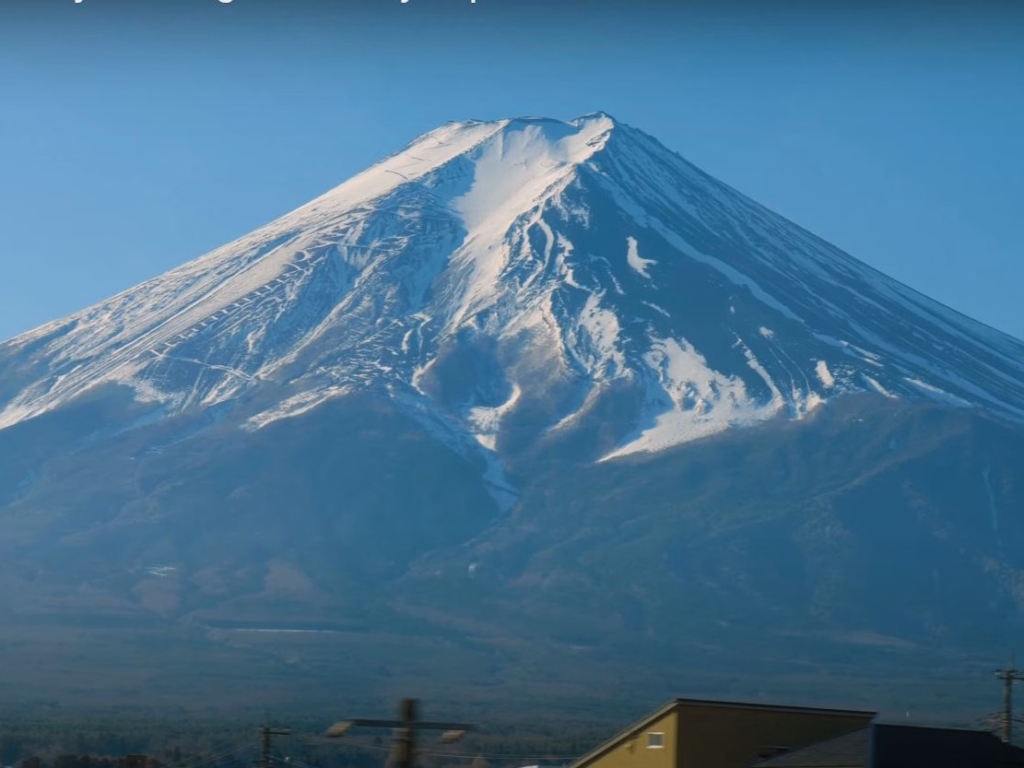
There is no single viewpoint that guarantees a clear view of Mt Fuji. However, choosing locations close to the mountain and planning visits during favourable viewing hours can improve your opportunities.
Here are some of the most useful viewpoints to consider:
| Viewpoint | What Makes It Worth Visiting | Planning Consideration |
| Lake Kawaguchi | Offers views of Mt Fuji across the lake, including reflections on calm days | Stay nearby if possible and visit the northern lakeshore early in the morning. |
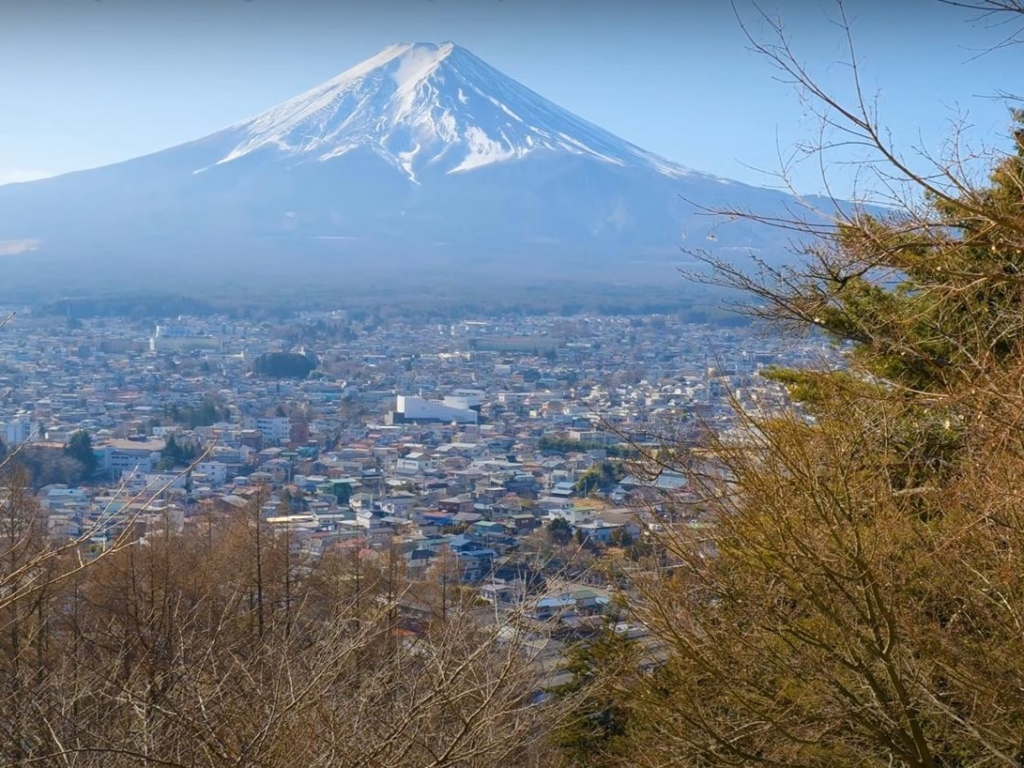
| Chureito Pagoda | Combines a traditional pagoda, the surrounding town, and Mt Fuji in one iconic composition | Allow time for the uphill walk and account for crowds during popular blossom and foliage periods. |
| Hakone and Lake Ashi | Combines lake scenery, hot springs, and possible views of Mt Fuji | Visibility can be less predictable because both the viewing area and the mountain need suitable conditions. |
| Fuji Five Lakes region | Provides several viewpoints and outdoor experiences in the area around the mountain | A longer stay gives you more flexibility to explore different locations. |
| Tokaido Shinkansen | Offers a chance to glimpse Mt Fuji while travelling between Tokyo and Kyoto or Osaka. | When travelling from Tokyo towards Osaka, look for the mountain on the right-hand side of the train in the area around Shin-Fuji Station. |
The Fuji Five Lakes region is particularly useful for travellers who want to dedicate more time to seeing Mt Fuji. Our internal booking data shows that the Fuji Five Lakes region is preferred by 55% of our travellers, while Lake Kawaguchi is preferred by 30% of travellers, especially for groups, since it is accessible by train and highway bus from Tokyo, while nearby attractions, museums, lakeside walks, and hot spring stays can provide alternatives if visibility is poor.
The best viewpoint also depends on how much travel time you have available. Our destination experts can help select locations that fit your itinerary, but it is important to avoid scheduling too many distant viewpoints into a single day, particularly when travelling with children or older family members.
How to Plan Your Japan Trip to Maximise Your Chances of Seeing Mt. Fuji
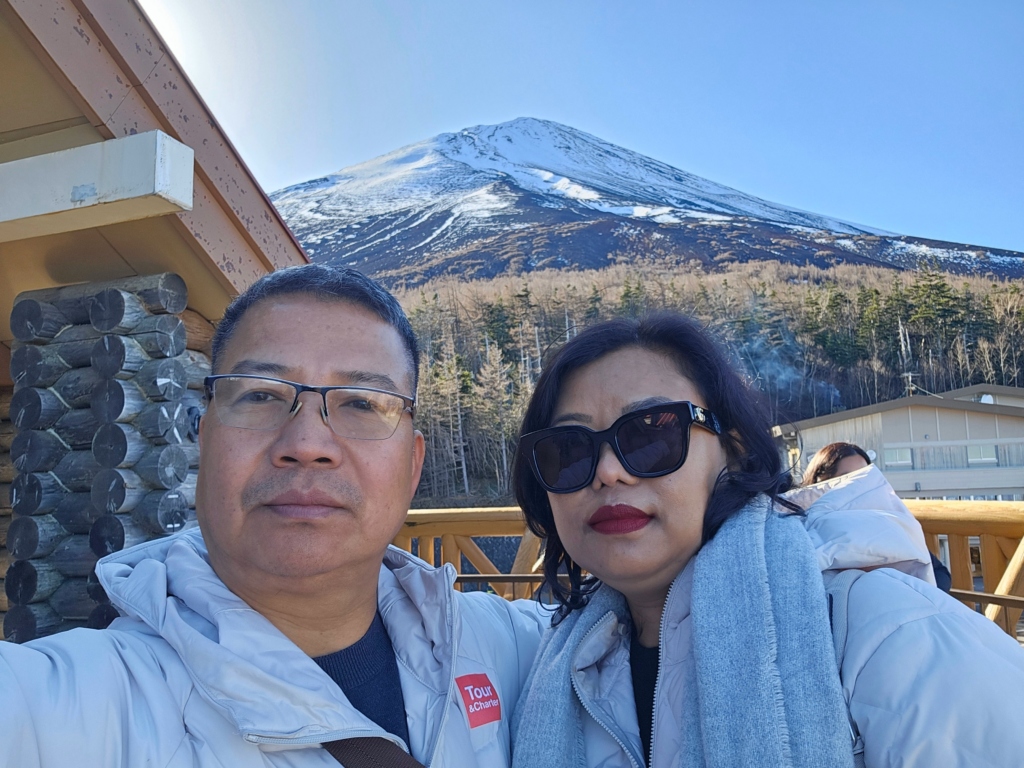
As you finalise your itinerary, a few practical decisions can help you make the most of your Mt. Fuji viewing opportunities.
- Choose your season carefully: November to February generally offers favourable visibility, while spring and autumn may appeal more for seasonal scenery.
- Plan an early-morning visit: Haze and clouds often build as the day progresses, making mornings a useful viewing window.
- Stay near the Fuji region: An overnight stay can reduce dependence on a long day trip from Tokyo and give you another opportunity to see the mountain.
- Keep a buffer morning: Avoid filling every available hour with fixed activities if seeing Mt Fuji is a major trip priority.
- Check local weather conditions: Review the forecast for the actual viewpoint and surrounding region rather than relying only on conditions in Tokyo.
- Keep alternative activities ready: Explore lakeside attractions, museums, hot springs, or other nearby experiences if the mountain is obscured.
- Allow realistic transfer times: Account for road traffic, public transport schedules, and the time needed to reach viewpoints before sunrise or early in the morning.
Thrillophilia’s Japan operations team uses these considerations to coordinate accommodation, transfers, and sightseeing around your travel dates and preferences. For example, a family trip to Japan may prioritise a convenient overnight stay and a manageable morning excursion, while a couple’s itinerary may include a scenic ryokan or hot spring experience. Photography-focused travellers may prefer a longer stay with more than one planned viewing opportunity.
Why Choose Thrillophilia for Your Japan Trip?
Planning a trip around Mt Fuji involves more than selecting a famous viewpoint. Accommodation location, transport schedules, seasonal conditions, and the time available for sightseeing can all influence your experience.
Thrillophilia’s destination experts can help organise your Japan itinerary around your viewing priorities while keeping the wider trip practical and enjoyable.
- Viewpoint-Based Planning: Our experts plan your stays in accommodations that are conveniently located for ease of travel. We also arrange for Jain meal preferences at your accommodations when notified in advance.
- Flexible Itinerary Design: Our itineraries are planned keeping in mind the importance of flexibility for an Mt Fuji-focused Japan trip and can accommodate reasonable delays or changes without compromising on your overall experience.
- Experience Selection: We combine mountain view experience with lakeside activities, hot spring stays, and seasonal attractions so that you can enjoy a fulfilling trip even if any disruptive weather factors block Mt Fuji views.
- Experienced Local Support Team: We offer English-speaking guides and drivers for ease of communication who have been associated with Thrillophilia for at least 5 years with up to 15 years of experience. Being well-versed in regional insights, local weather patterns, and routes that can help avoid unnecessarily long transfers or introduce you to hidden spots, they help make your journey more coordinated and insightful.
Mt. Fuji visibility depends on natural weather conditions, and no travel partner can guarantee a sighting. The focus is on planning realistically, that our experts do with practical operational data, making the best use of available viewing windows, and ensuring that your Japan holiday offers worthwhile experiences even if the mountain is obscured.
Frequently Asked Questions
November to February generally offers some of the clearest viewing conditions because the air is often colder and drier. Early mornings are usually more favourable than afternoons, although visibility depends on the weather on the day.
A day trip is possible, but an overnight stay gives you another viewing opportunity. Two nights or longer offer greater flexibility to try different viewpoints and wait for clearer conditions, though a sighting is never guaranteed.
Yes, Mt Fuji can be visible from certain Tokyo observation decks on clear days. However, the mountain is more distant, so haze and clouds can affect visibility. The Fuji Five Lakes region offers closer viewing opportunities.
Lake Kawaguchi and the wider Fuji Five Lakes region are popular choices for close-up views. Chureito Pagoda is known for its distinctive pagoda-and-mountain composition, while Hakone offers a combination of lake scenery and hot spring experiences.
Check the local forecast and consider trying again early the next morning if your itinerary allows. You can also explore nearby lakes, museums, hot springs, and other attractions instead of spending the entire day waiting for the mountain to appear.